
Where: DeBoville Slough, Blakeburn Lagoons Park (Port Coquitlam), Tlahutum Regional Park (Coquitlam)
Weather: Sunny, -2-5°C
The temperature started out below freezing, but thanks to sun, little wind and warm pockets, it didn’t feel too cold as we headed north and east for today’s birding. We had planned on going to Reifel, but they remain closed after a boat struck the only bridge to Westham Island last week. It’s looking like we may have to explore other places for some time.
DeBoville Slough
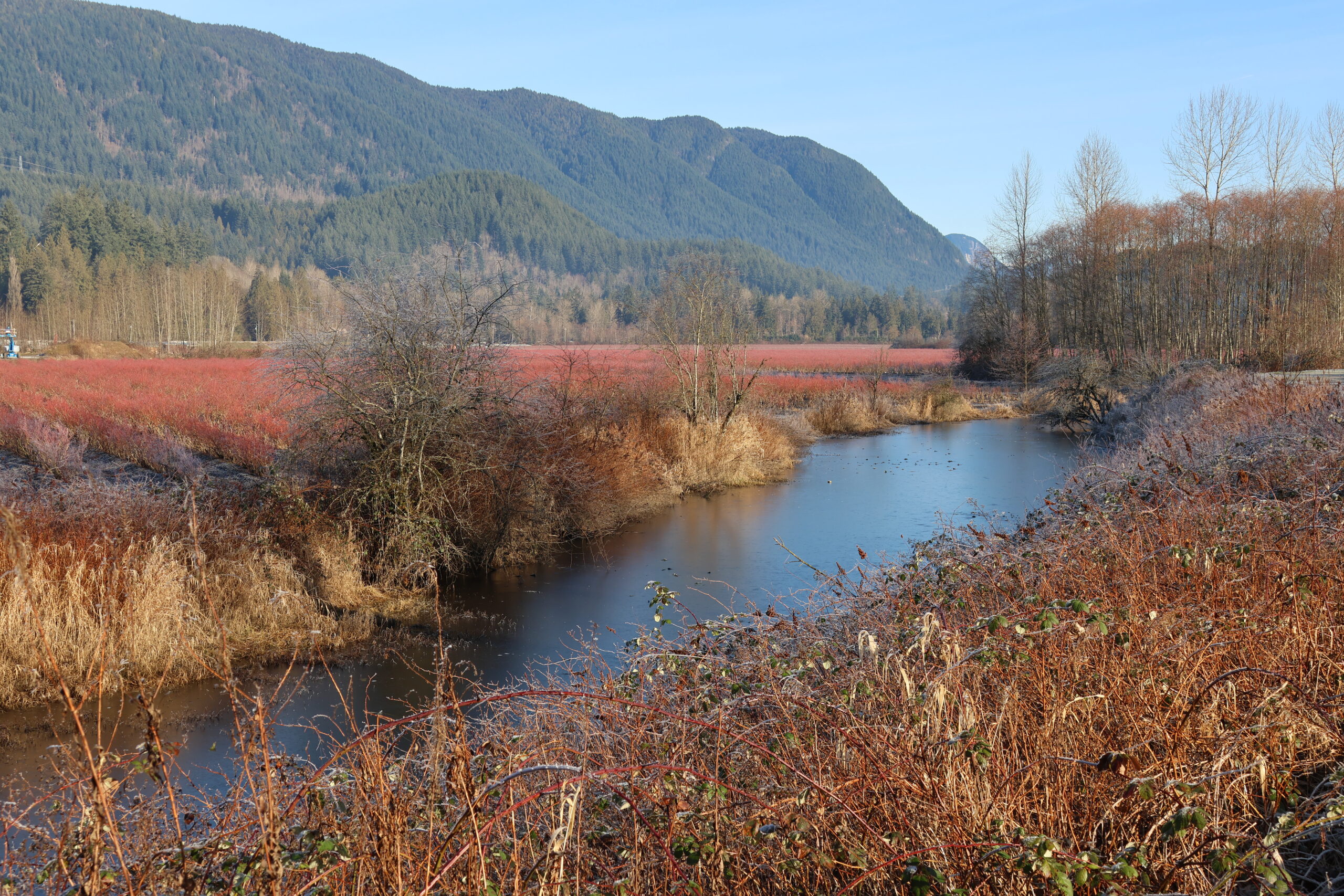
The first spot was a return to DeBoville Slough, on the north trail. We were here last summer, so the scenery is a lot more austere now. The freezing temperatures did help make things pretty, with vegetation and trees in shaded areas covered in frost and some of the waterways iced over.
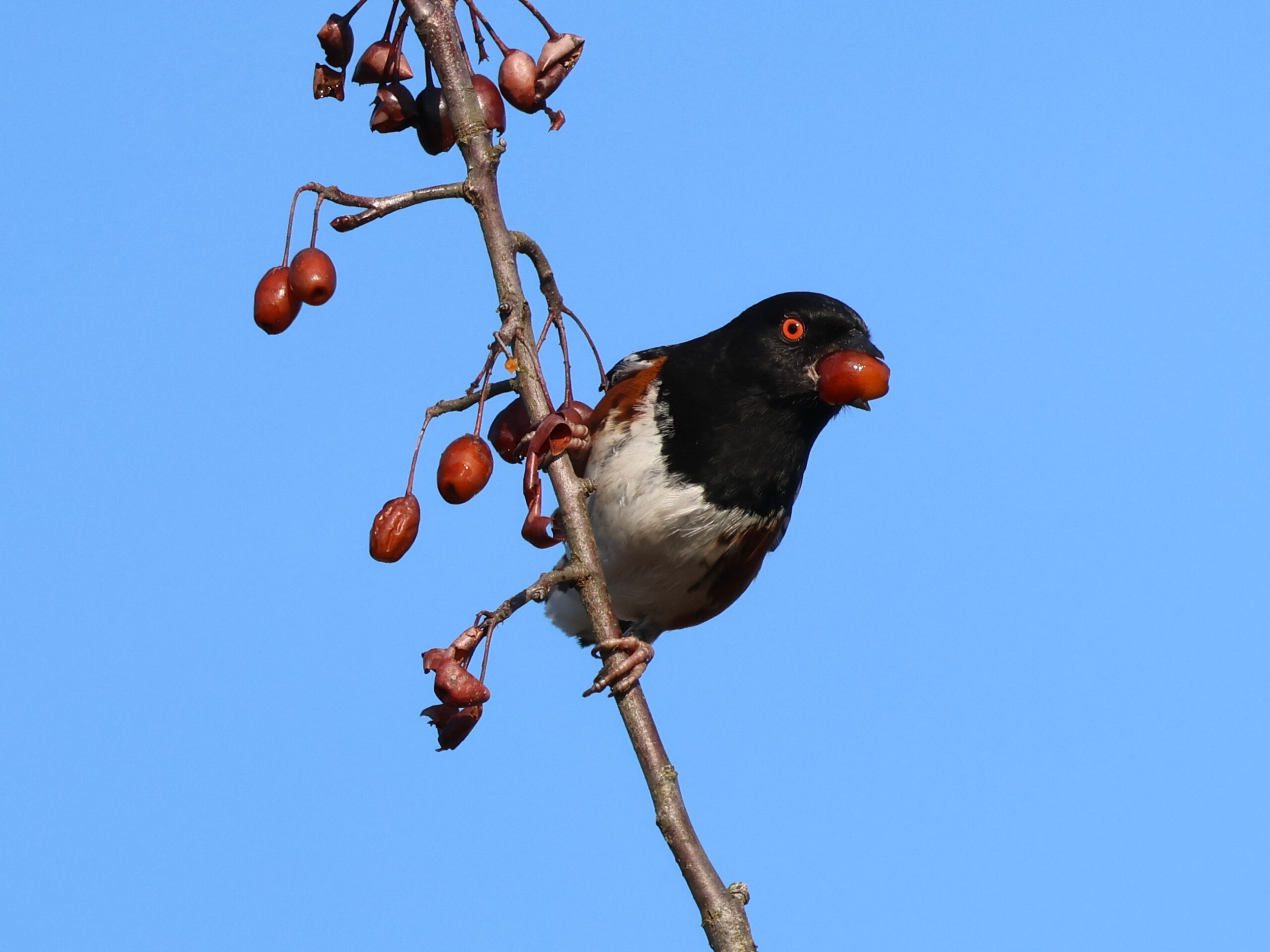
And birds. We saw more birds than I expected, with towhees especially well-represented. The main item on the menu for them and others were berries that survive and grow in the winter. There is nothing quite like a towhee sitting on a naked branch, its red eye staring out, while it clutches a full, round berry in its bill. And I got that shot!
Other than the birds, a lot of people were out, too. Again, sunny weather in January is probably enough for most, regardless of temperature.
Some of the birds we spotted were deeper in the trees and proved elusive, like a Steller’s Jay and a Marsh Wren that Nic managed to get one shot of, but we still had lots of scenery to shoot as backup.
We did not see any bears because they are sleeping, and the osprey nest on the Pitt River is understandably empty, but it was nice to return and see the slough in a different mood.
Blakeburn Lagoons Park
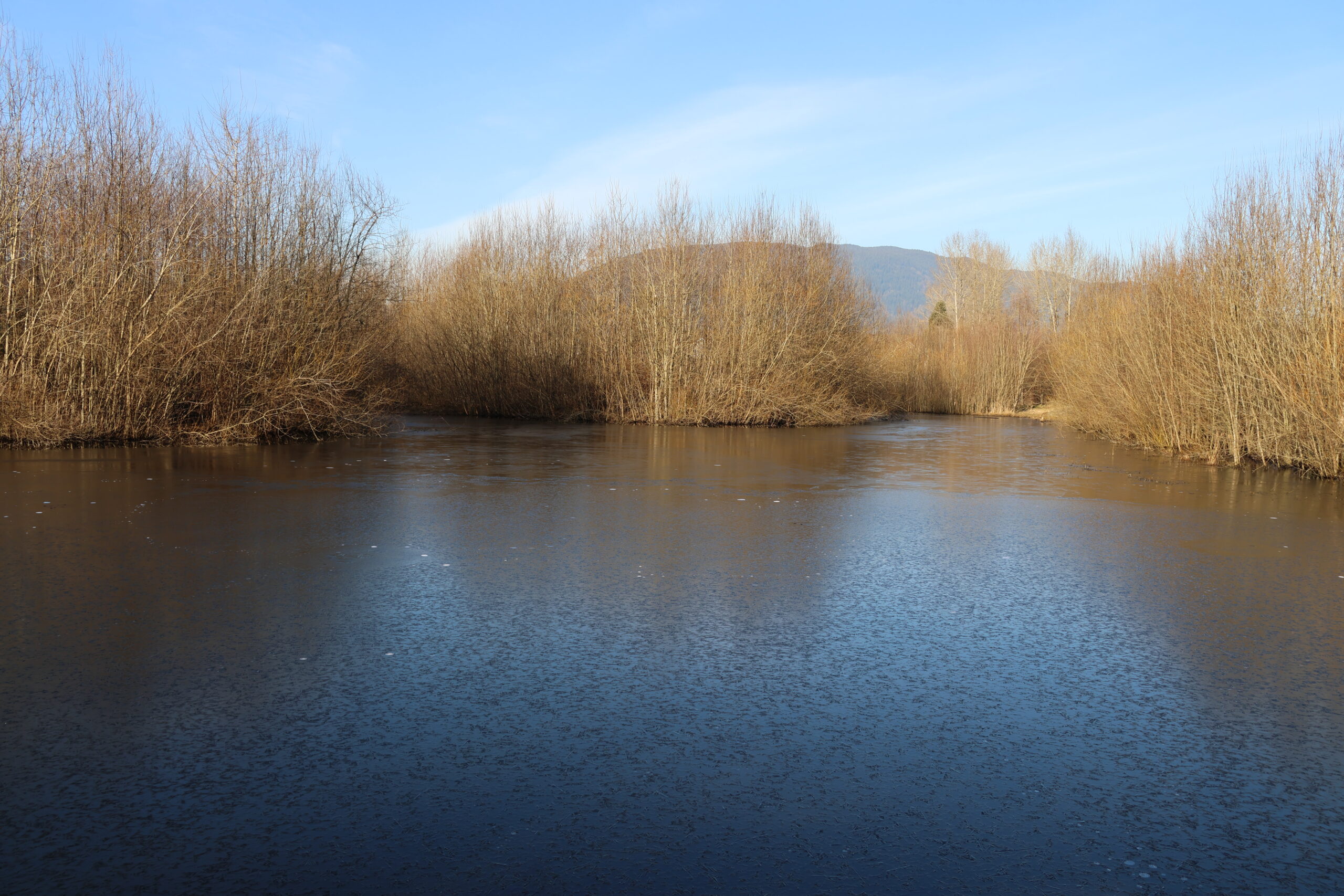
We next went back to Blakeburn Lagoons, which remains a nicely compact pair of water bodies you can walk around fairly quickly if you need to just bird ‘n go. A lot of the water here was frozen, but in a few spots we did see some mallards and a surprise Northern Shoveller. While a Green Heron remained elusive, we were treated to a Varied Thrush a couple of times, allowing us to get some good shots, along with an Anna’s Hummingbird that was claiming half the place, and a single but very vocal chickadee.
Tlahutum Regional Park
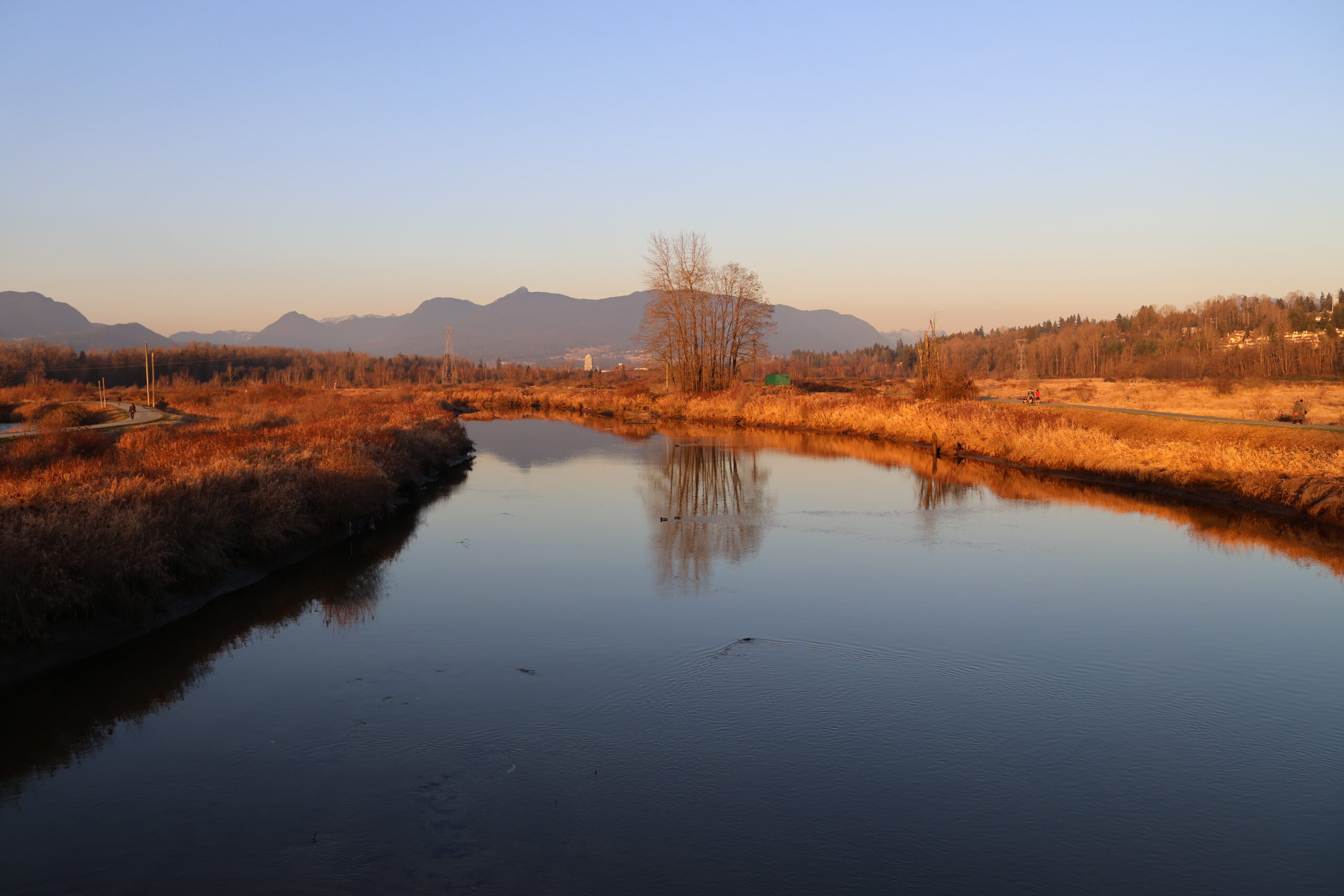
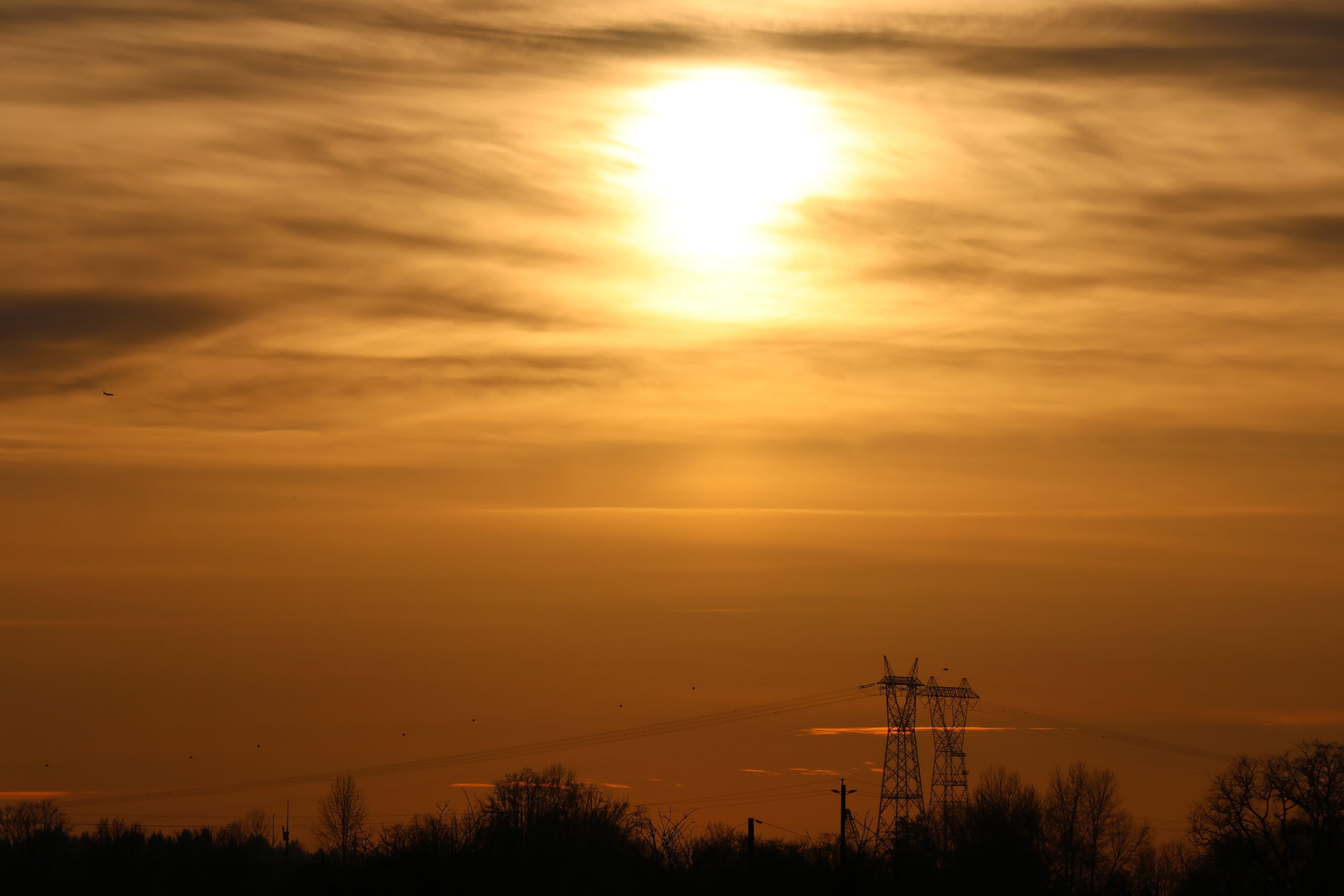
By the time we got to Tlahutum, the light was turning golden and it was very golden when we left, shortly before sunset. Again, the waterways here were a mix of open and frozen, though most of the main pond was frozen. The open part was at the far end, alas, so the waterfowl were all gathered there because they aren’t going to walk all over the icy surface for our amusement and pleasure.
We saw a lot of the usual birds here and a couple of odder sights, such as an appropriately-named murder of crows harassing a bald eagle, a flock of Canad geese flying in a classic V-formation, then shifting into more of a Silly String formation, without any particular goose leading them. But mostly, voles.
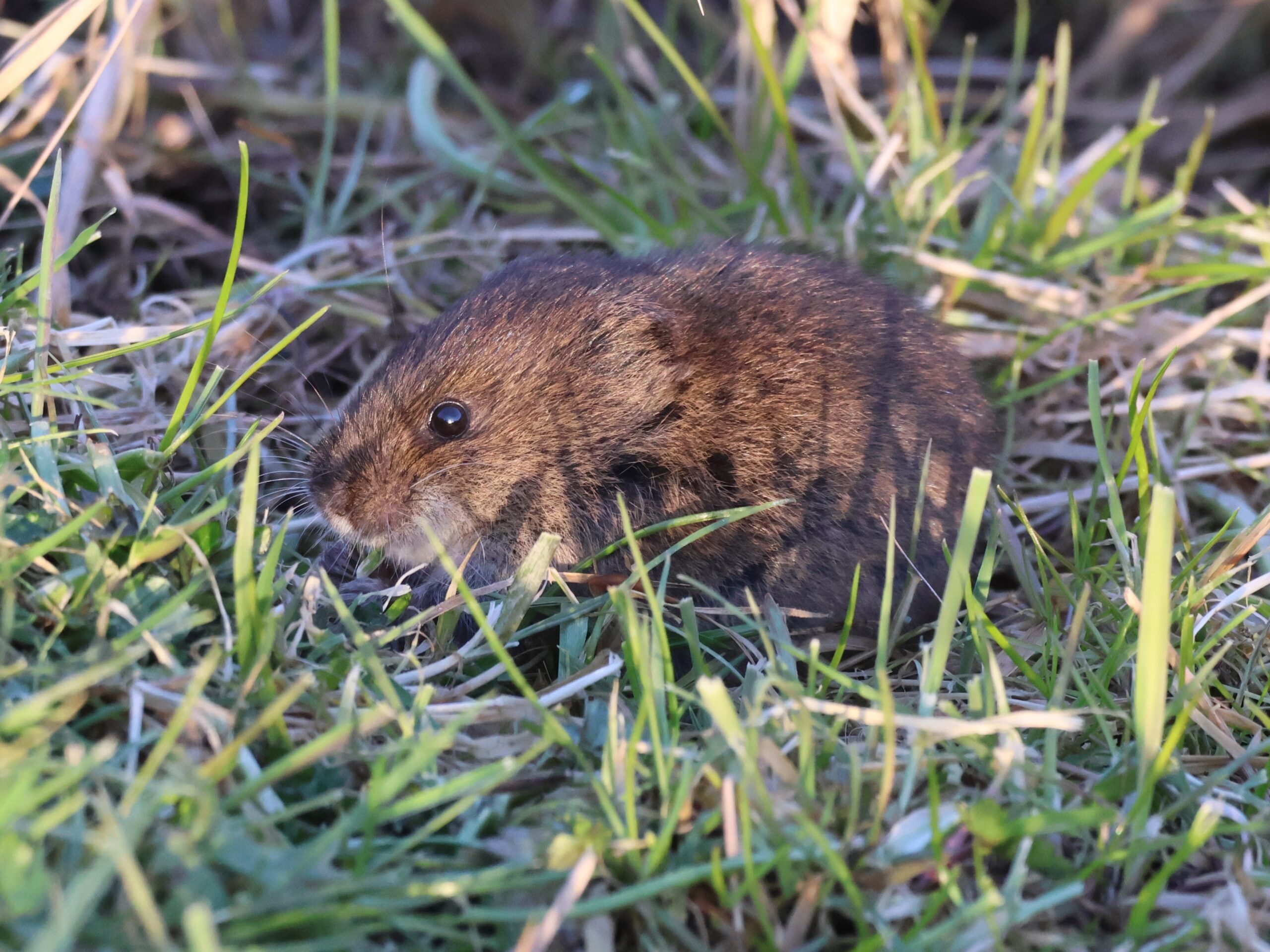
Tlahutum is the kind of spot where voles–small rodents related to hamsters–are likely to hang out, as it has a number of large, grassy expanses. It’s also why we often see eagles or raptors here, as voles are bite-sized snacks for them. But I had never seen an actual vole until today. Then I saw all of them.
Along the first trail into the park, there is a tall wild grass on both sides. Right now it is yellow and flattened down for the winter, but on the trail edges, shorter green grass and vegetation is still growing. And it seems that a whole pile of Meadow Voles know this. We spotted one, then another, then an entire platoon, or whatever you call a bunch of voles. Each would have its own little burrow in the tall grass and would dash out to the trail edge to eat the green grass, then dash back under cover. They did not seem especially perturbed by people, waiting mere moments for someone to pass before returning to nibble. And they may have felt safer with the crows deciding the best use of their time was to pester and chase the one eagle in the area.
They are also very cute, if you find hamsters or hamster-like animals cute.
I wonder if we will see them as the weather warms and the wild grass grows tall again.
We stayed close until sunset and ended with some final shots of the sun going down.
In all, a fine day and an enjoyable alternative to Reifel.
The Shots
Shot with a Canon EOS R7 with 18-150 mm kit lens and 100-400 mm telephoto.
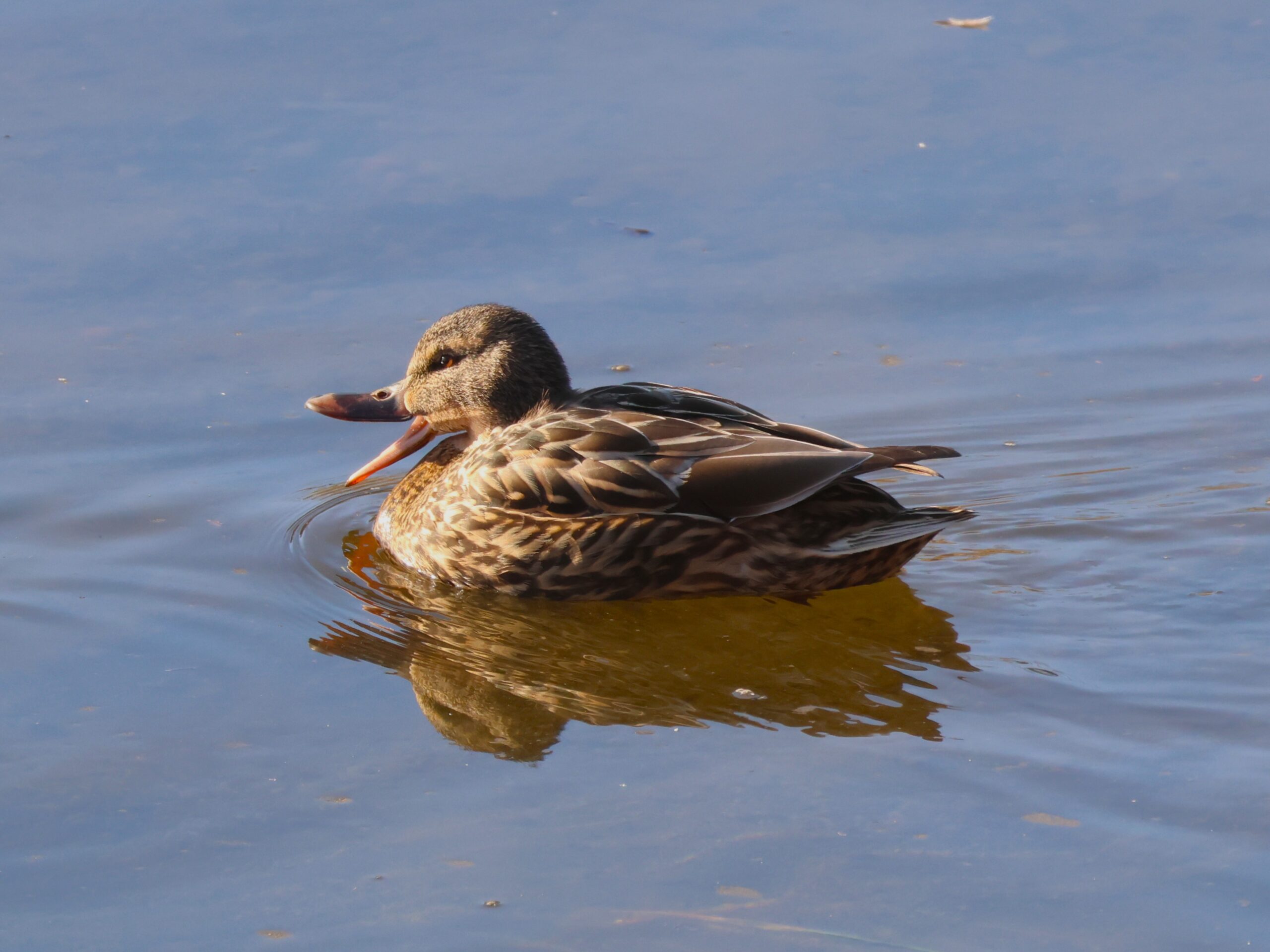
Gallery soon™.
The Birds (and other critters)
Sparrows and sparrow-adjacent:
- American Robin
- Anna’s Hummingbird
- Black-capped Chickadee
- Dark-eyed Junco
- Fox Sparrow (maybe)
- Golden-crowned Sparrow
- Song Sparrow
- Spotted Towhee
- Steller’s Jay
- Varied Thrush
Waterfowl and shorebirds:
- American Wigeon
- Belted Kingfisher (probably)
- Bufflehead
- Canada Goose
- Gadwall
- Great Blue Heron
- Hooded Merganser
- Mallard
- Marsh Wren
- Northern Shoveller
- Wood Duck
Common:
- American Crow
- Assorted gulls
Raptors:
- Bald Eagle
Non-birds:
- A million Meadow Voles