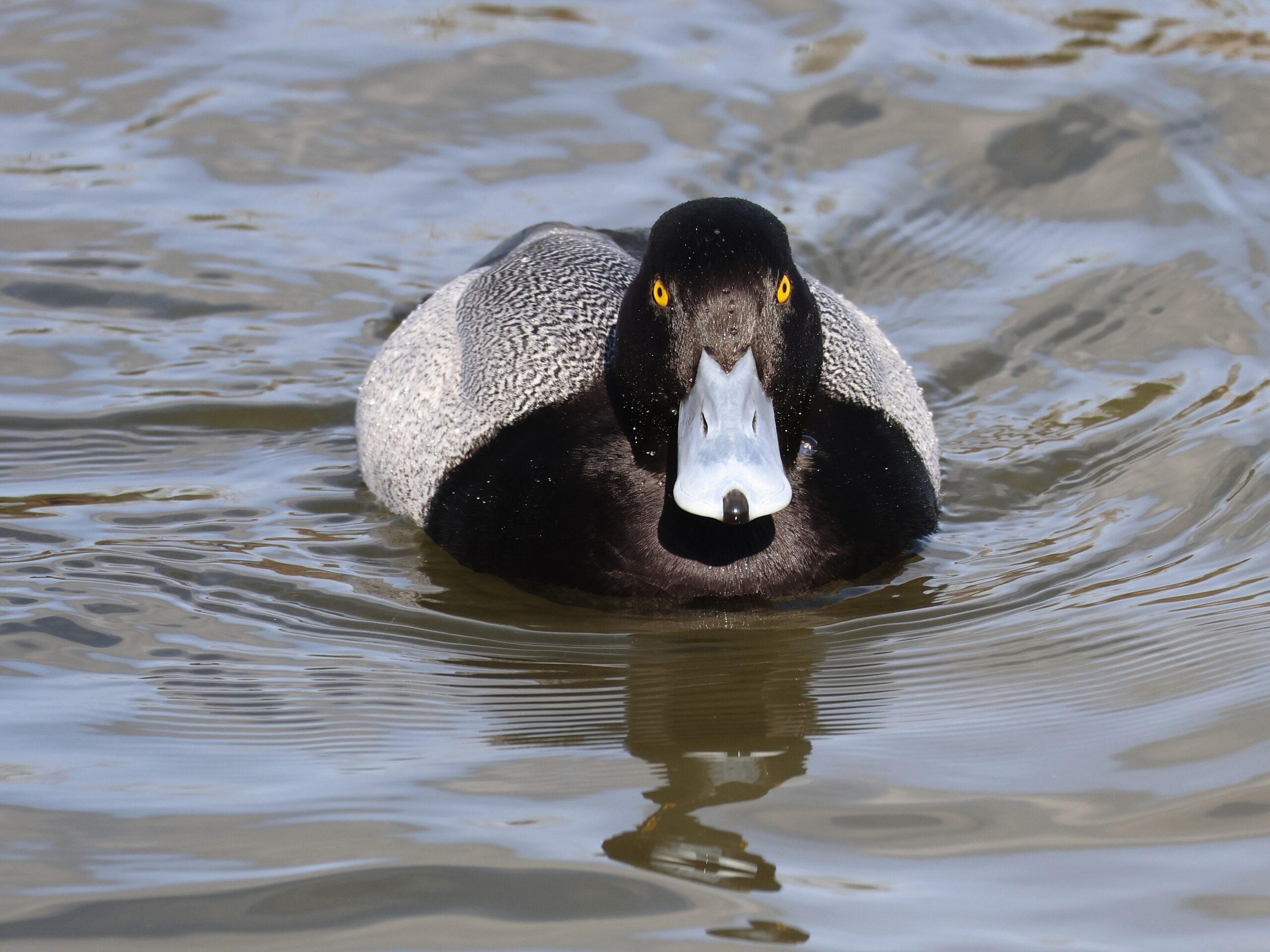
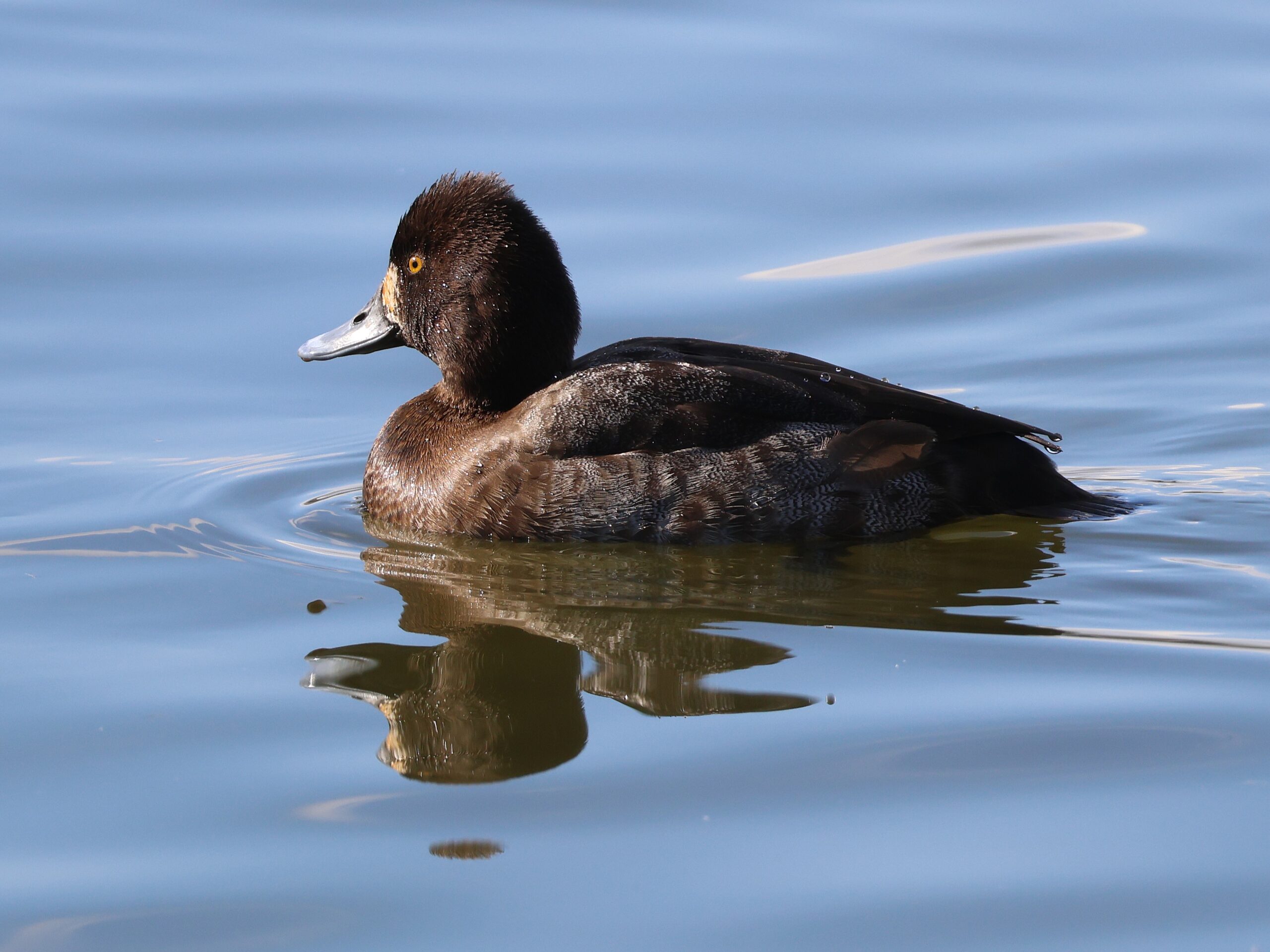
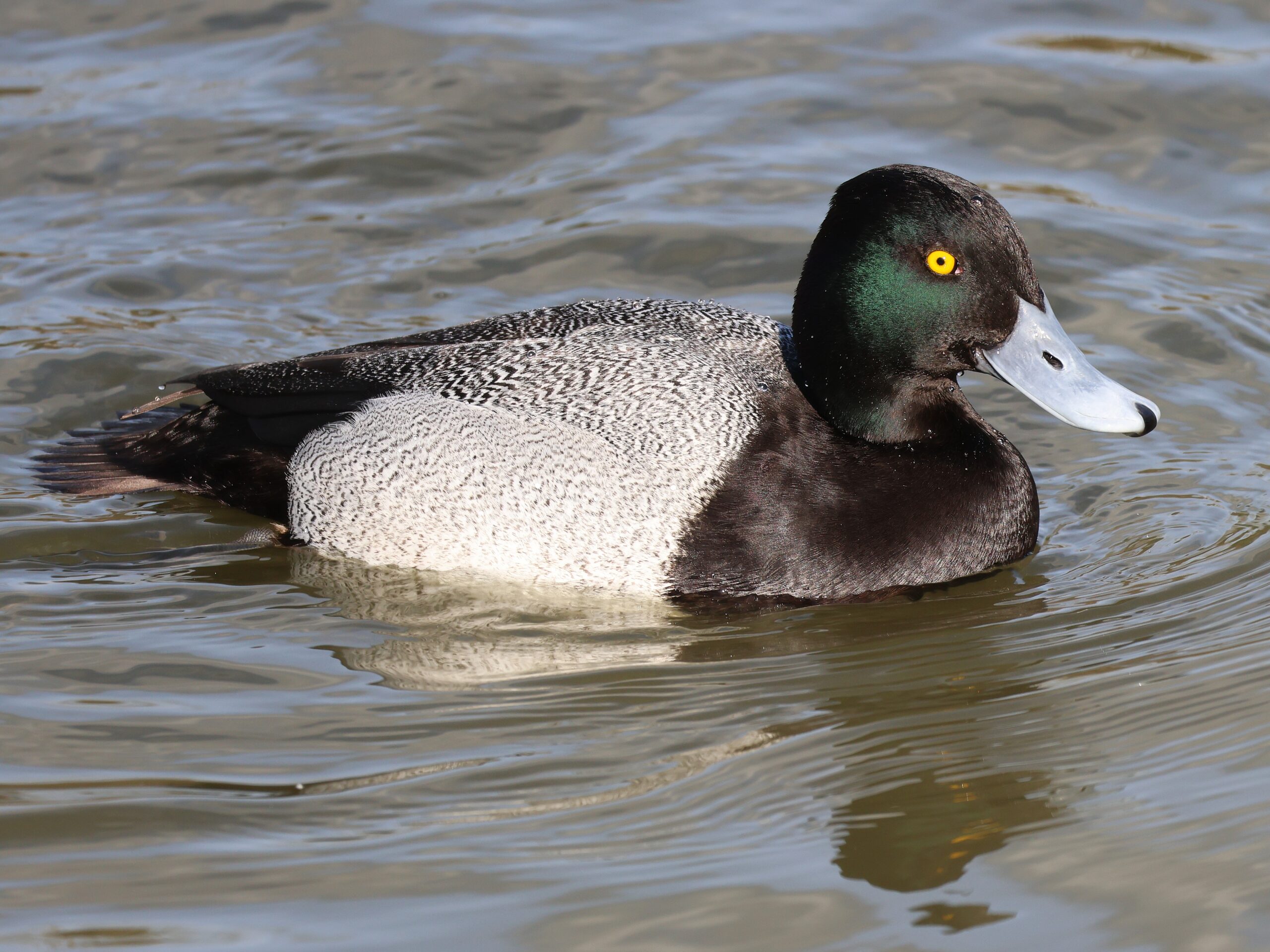
Birding, January 31, 2026: The tide is high

Where: Blackie Spit/Crescent Beach (Surrey) and Piper Spit, Burnaby Lake (Burnaby)
Weather: Cloudy, 8-10°C

Also known as All the Spits.

We got off to a late start, trying to work around the showers forecast for early and later in the day, so we began with lunch, then headed to Blackie Spit while it continued to shower.

Blackie Spit

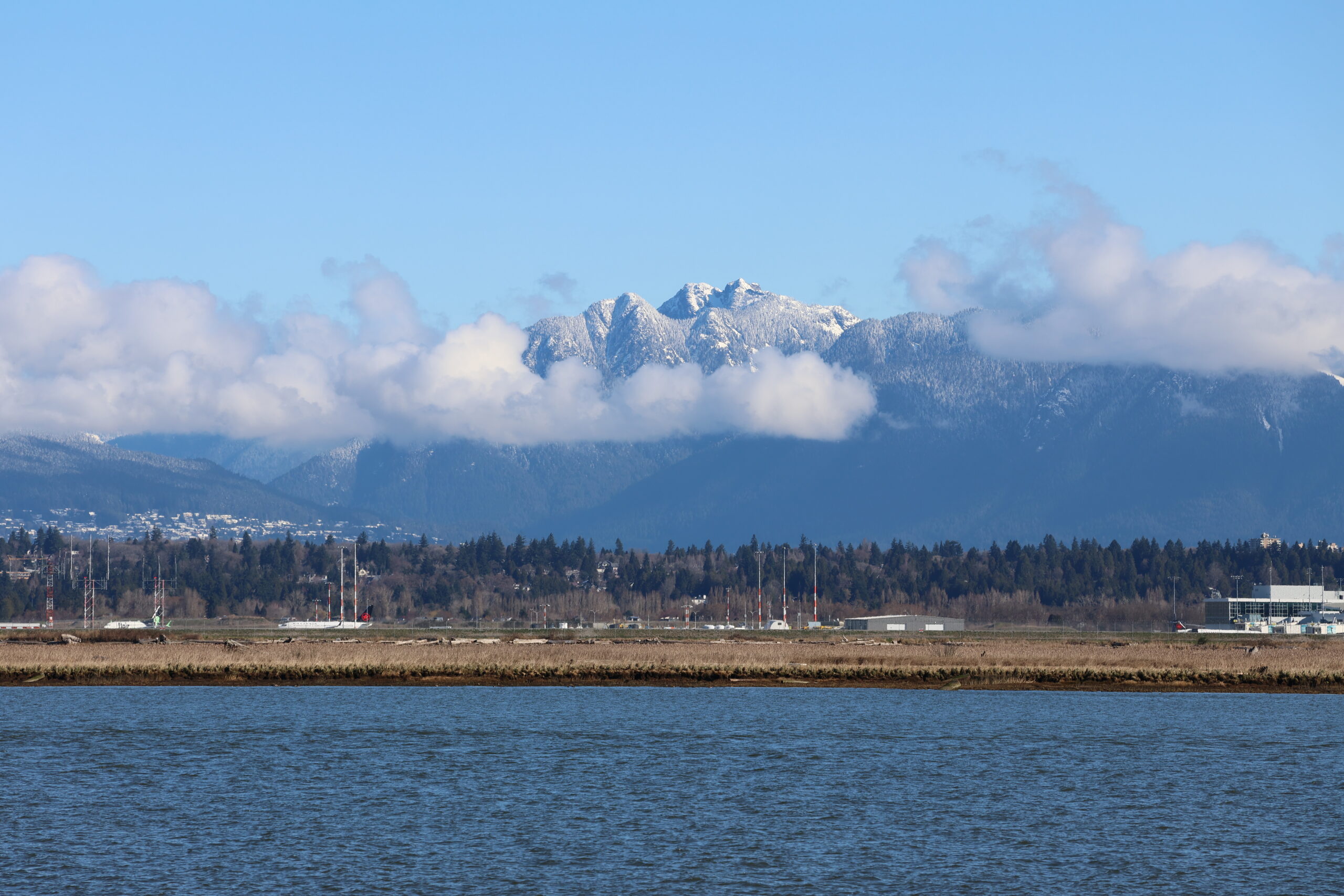
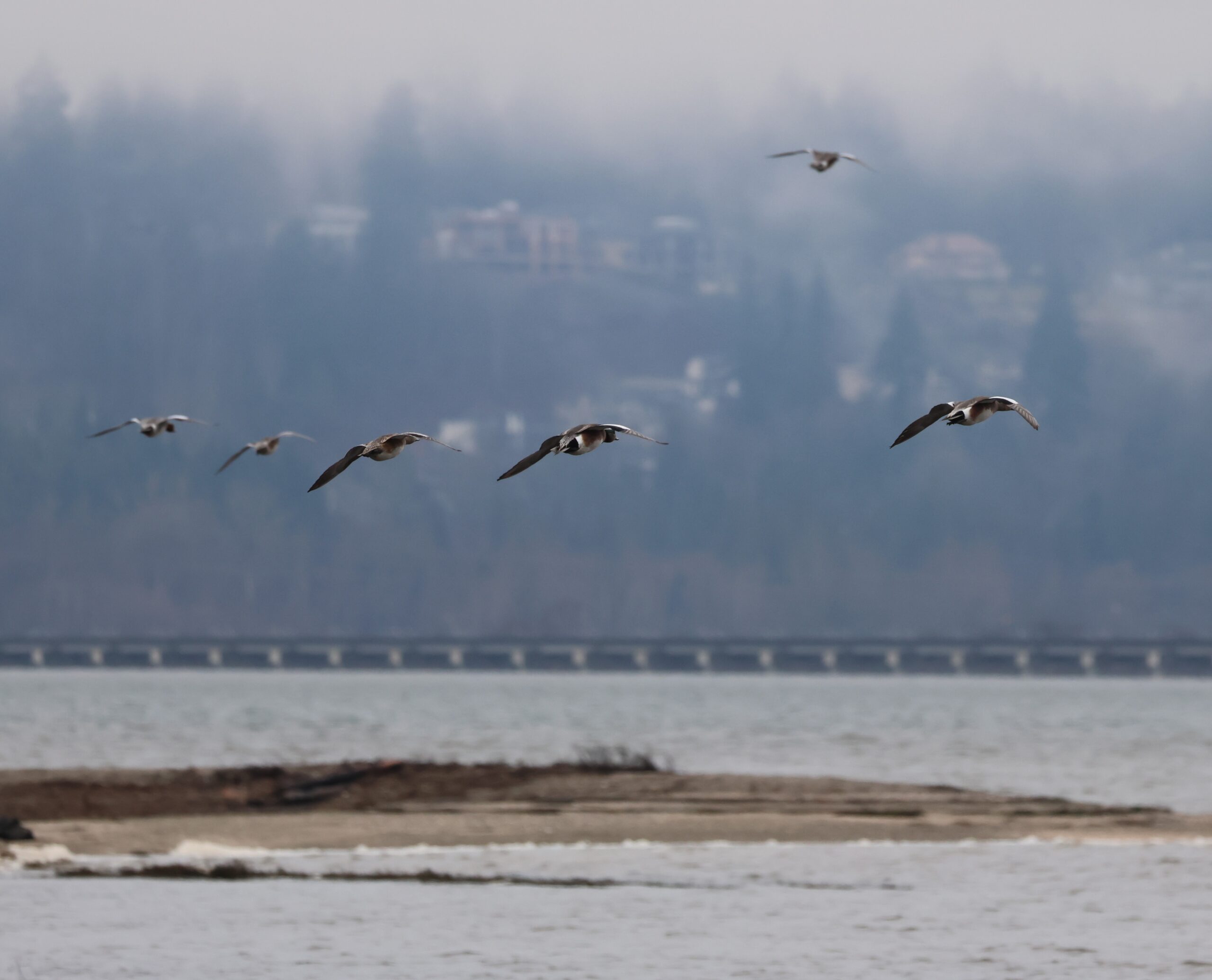
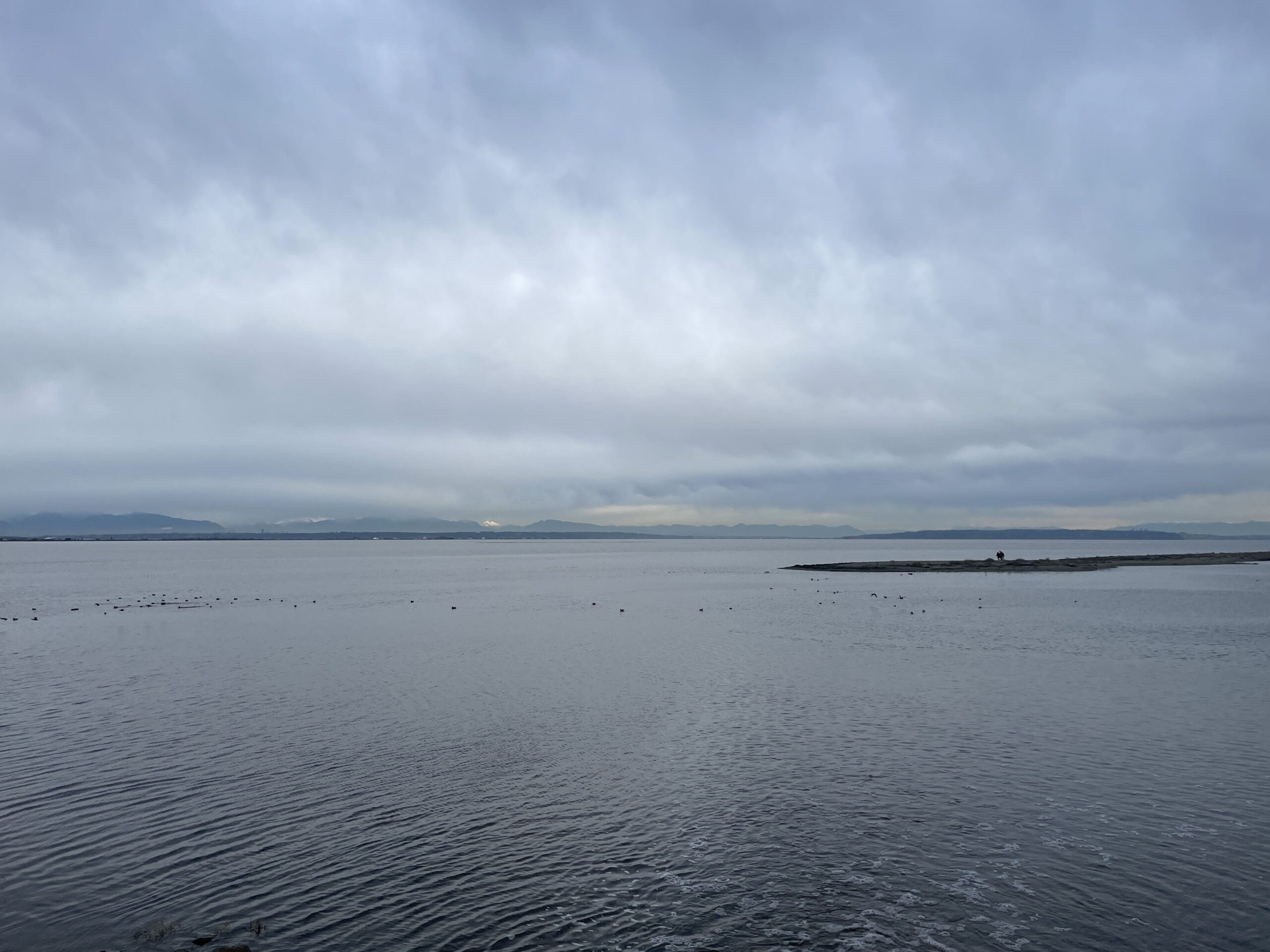
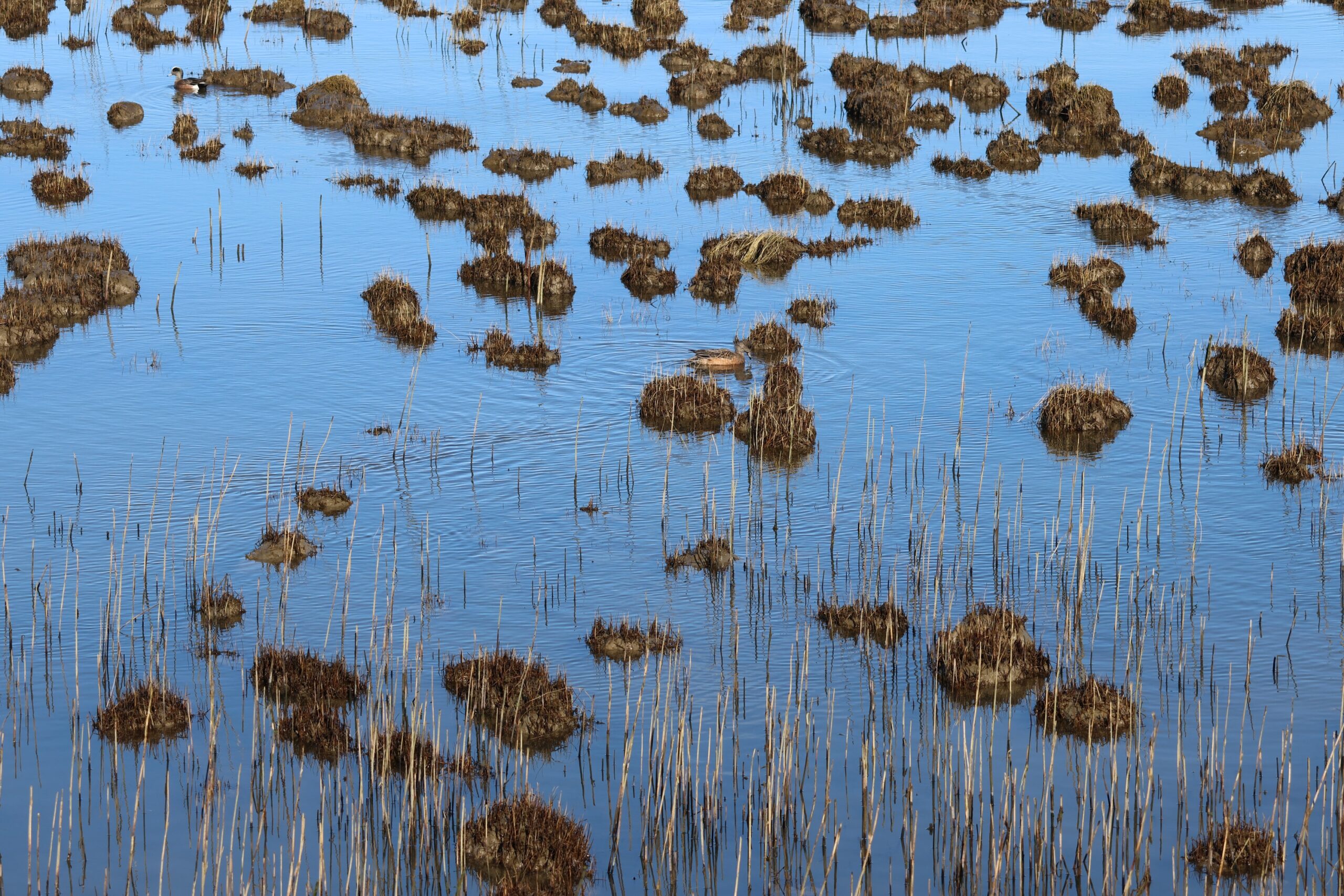
American Wigeons flying away from Blackie Spit, misty landscape as backdrop.

Fortunately, by the time we arrived, the rain had stopped and the sun even cutely tried to come out for a few minutes before giving up. It was a bit breezy, but temperatures continue to be well above normal.

We saw cormorants, loons and buffleheads here, but they were all farther out, which is totally on brand for Blackie Spit. Some herons were a little closer, getting ruffled by the wind and looking displeased at the conditions (or everything, as they do). Several people promised us a kingfisher near the pump house, but all we got was the pump house.

The highlight was probably a pair of red-headed Eurasian wigeons, possibly off-course, but content to hang out with their American brethren.

There were a lot of giant puddles on the trails.

Piper Spit

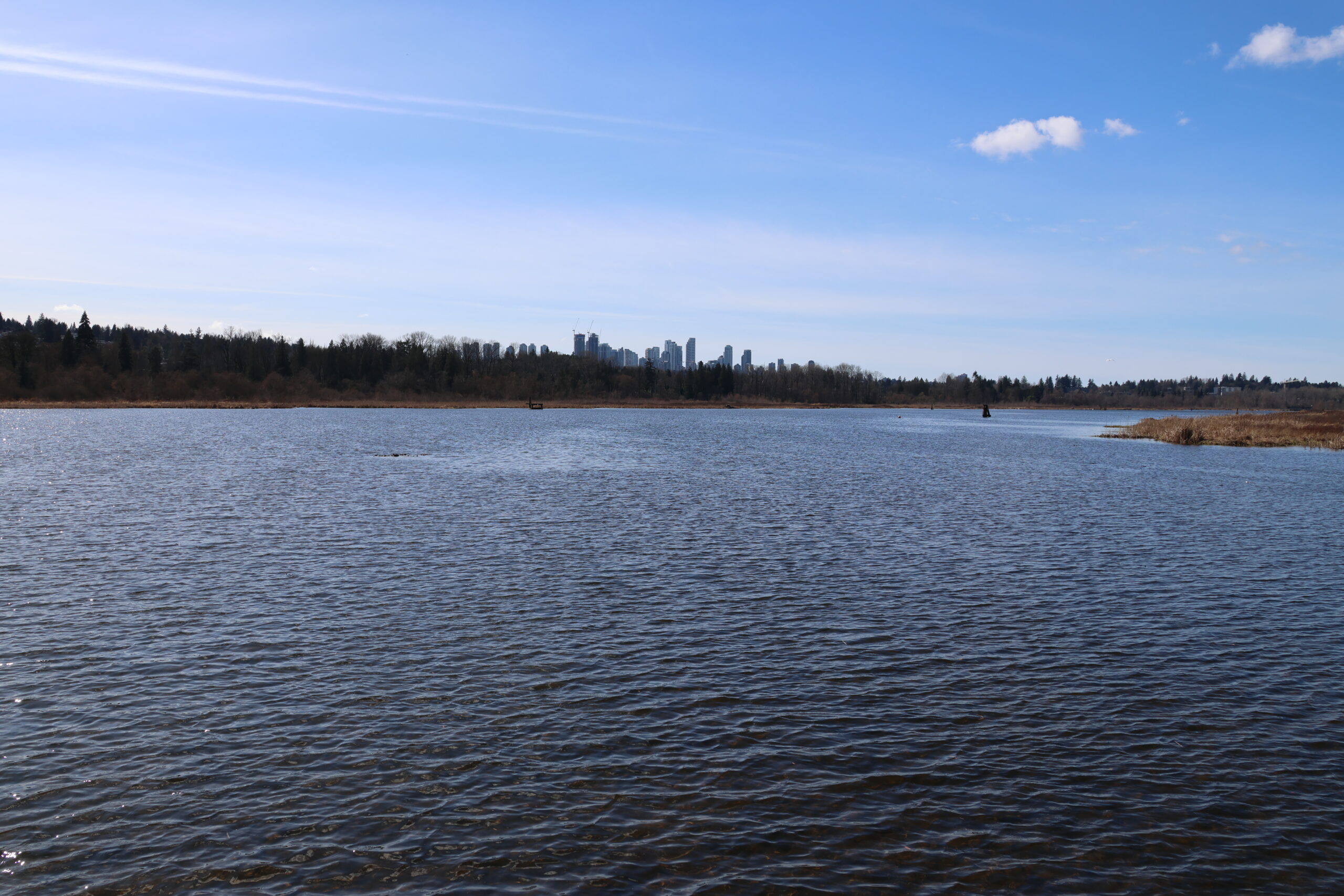
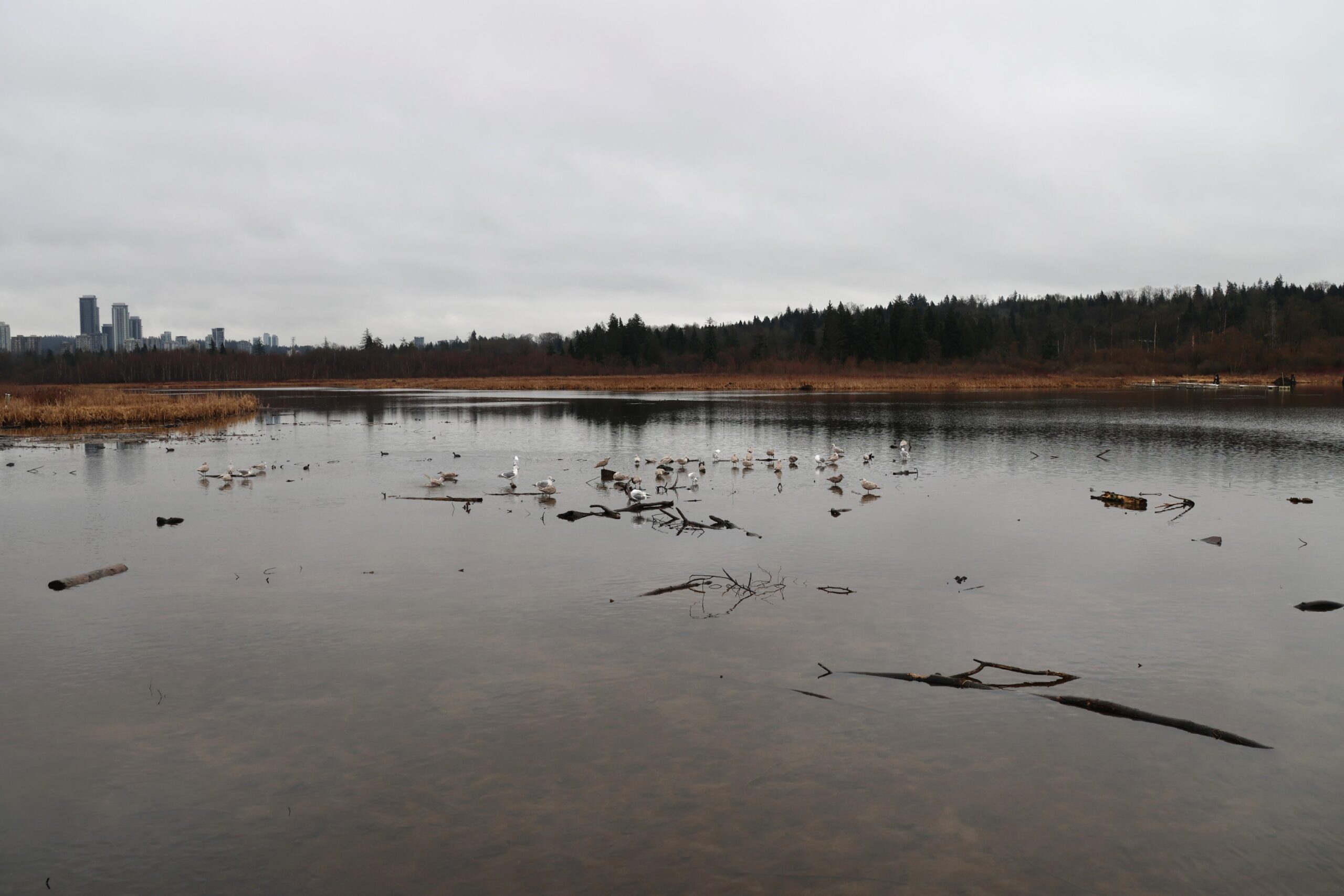
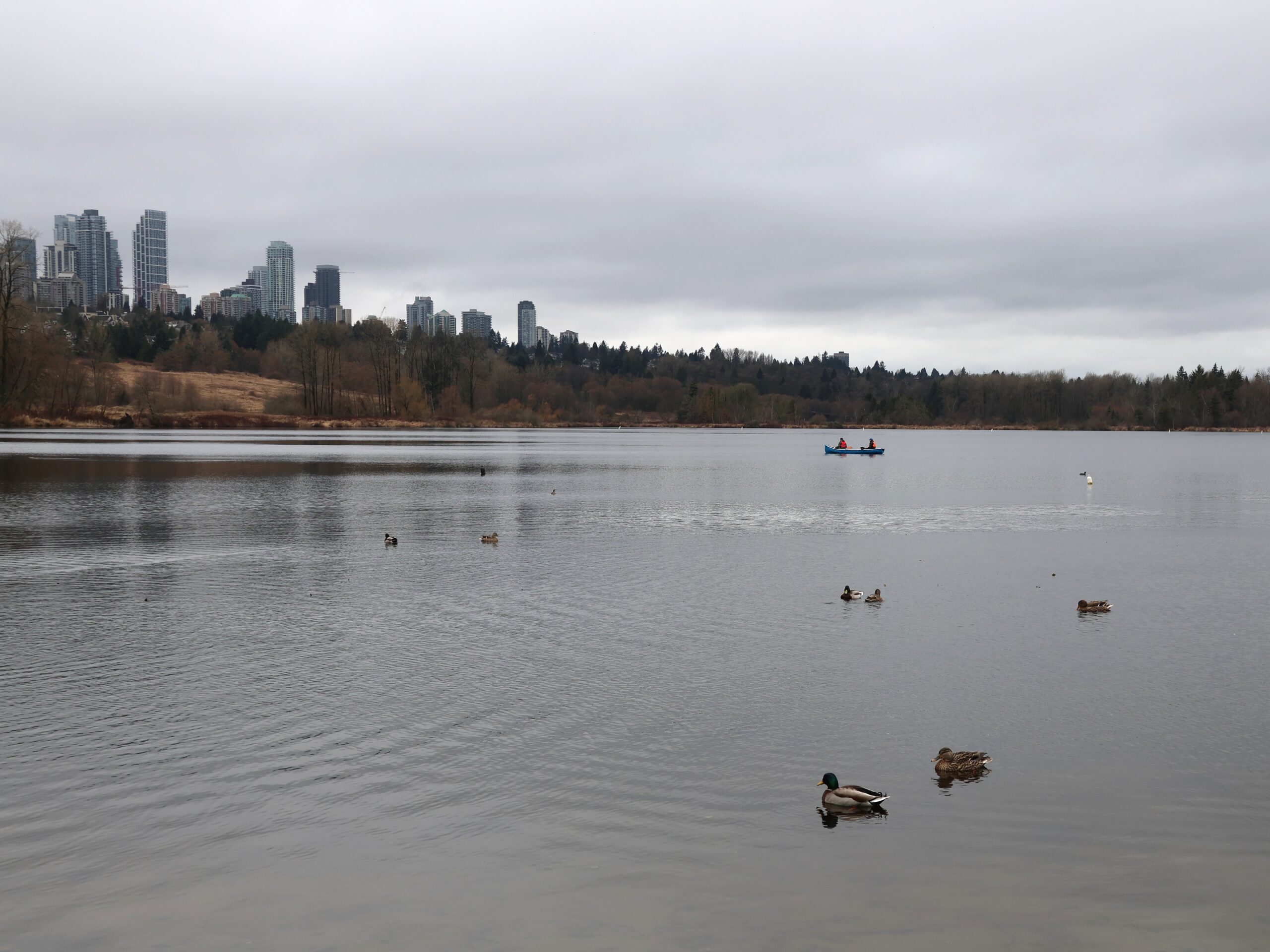
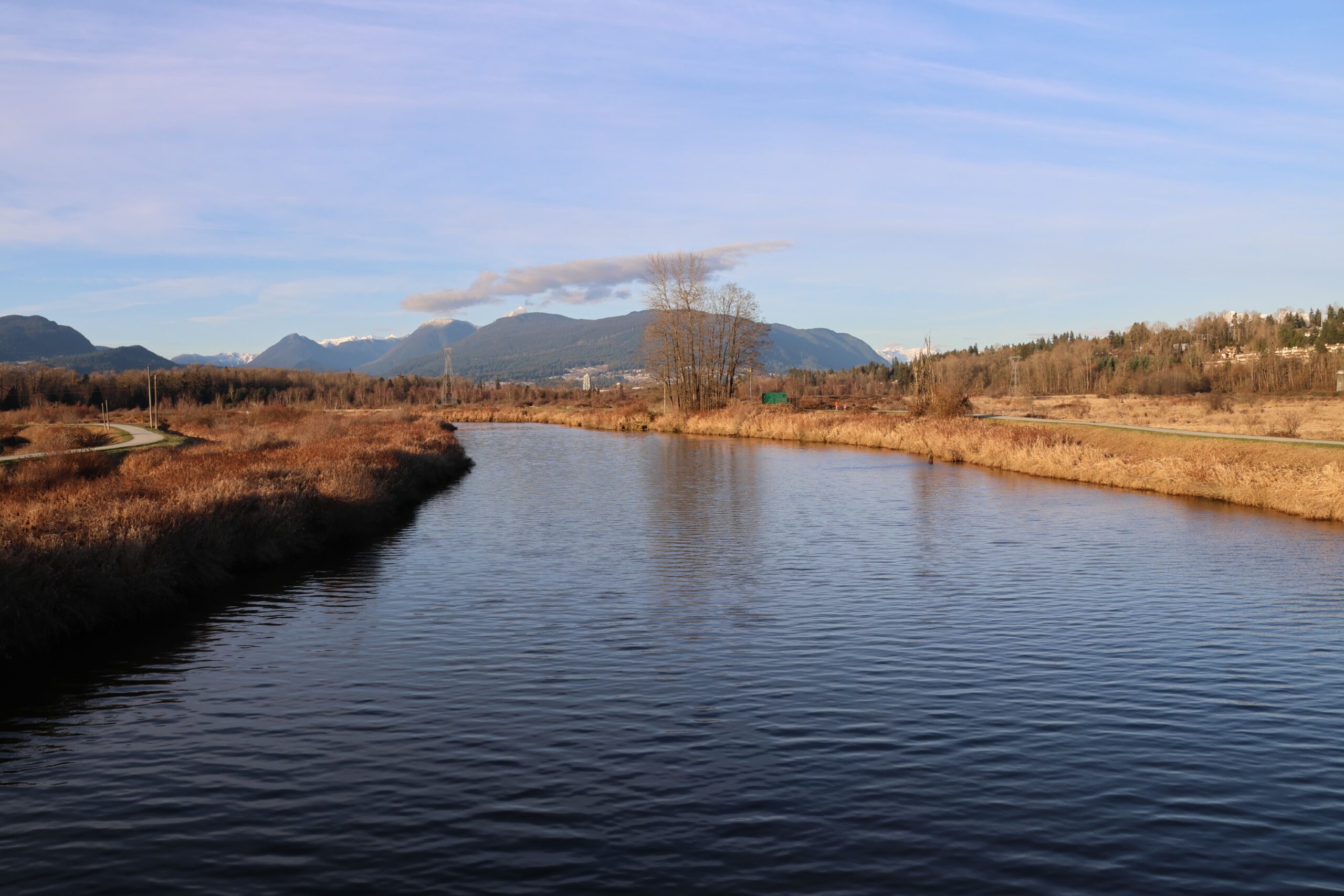
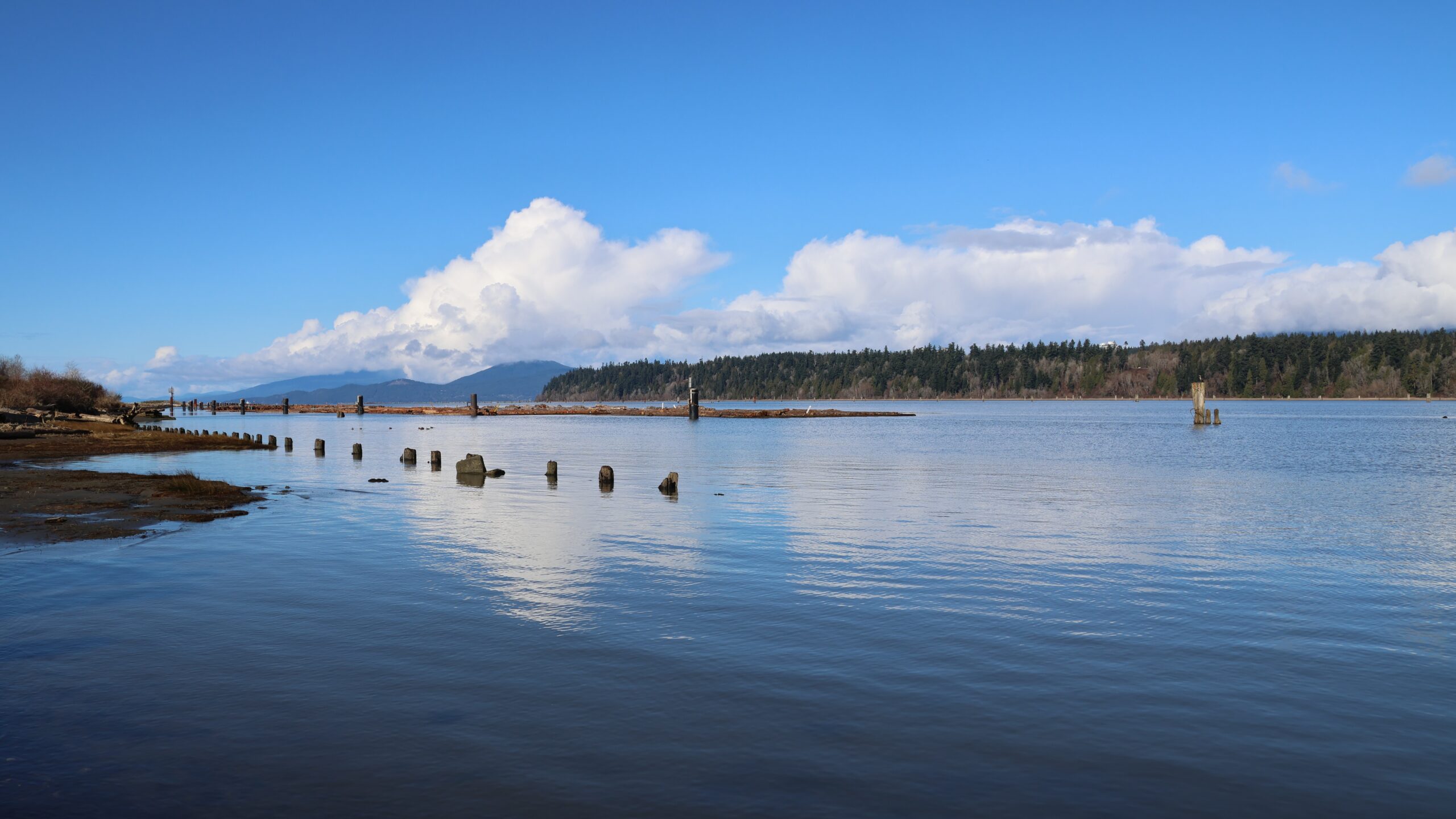
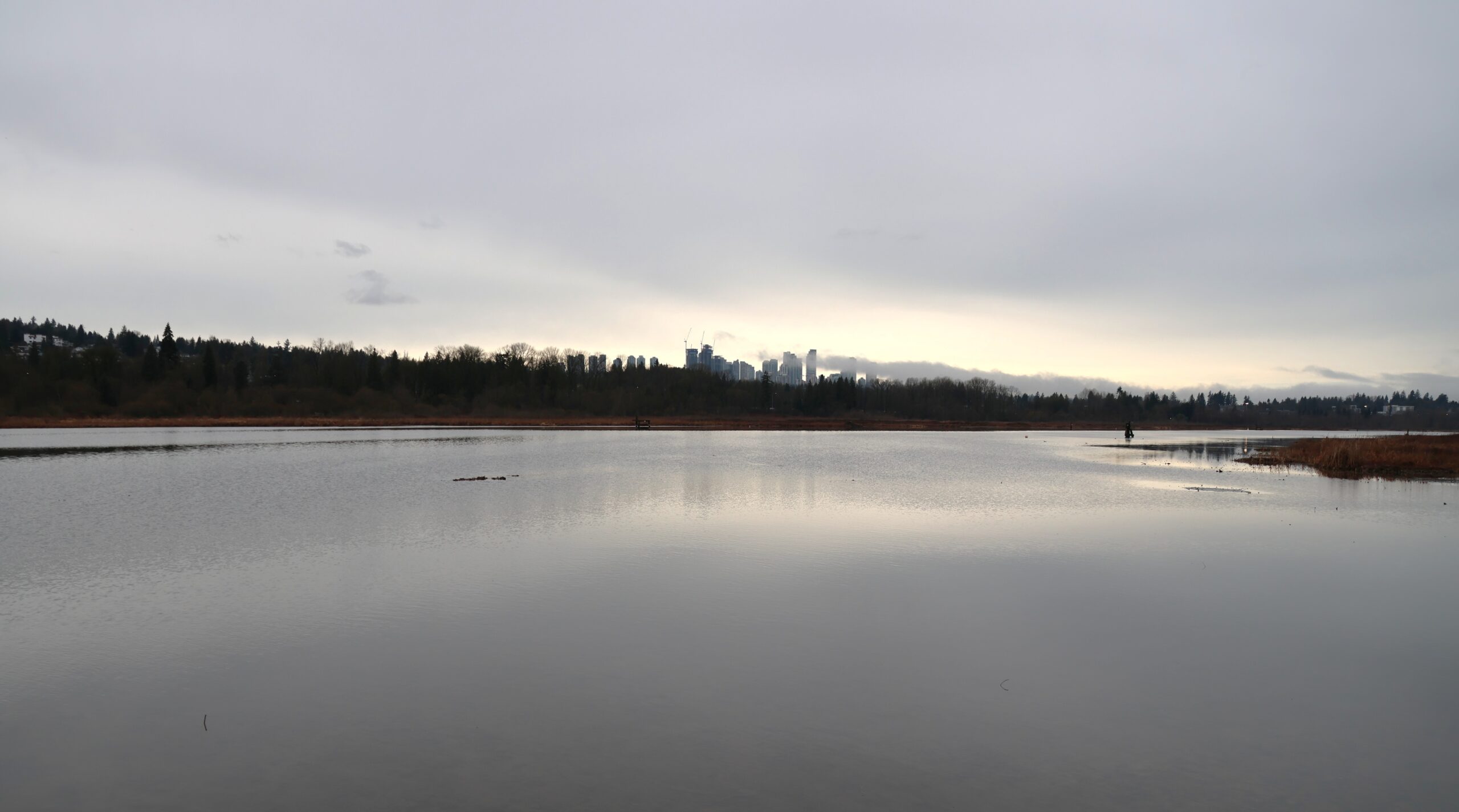
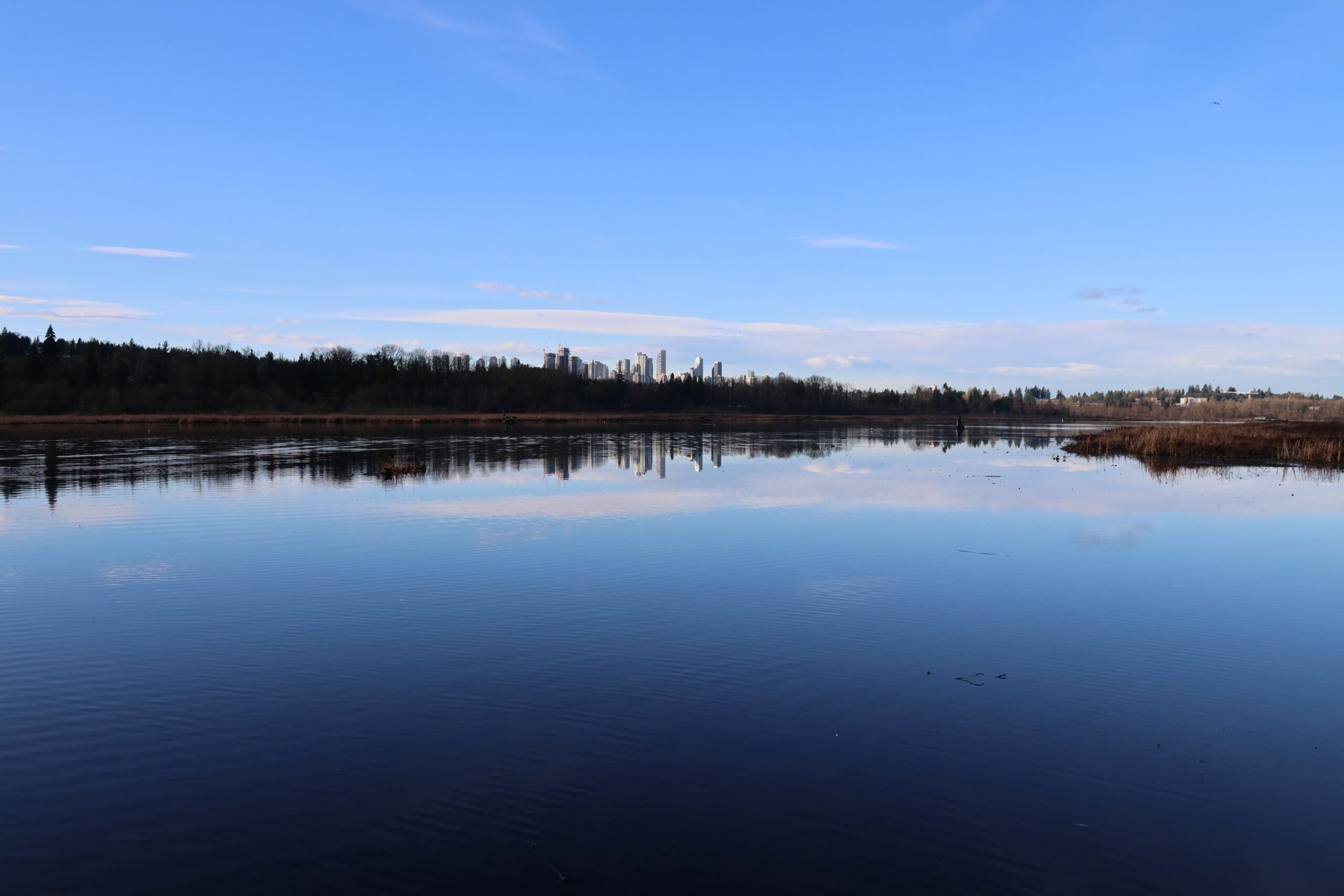
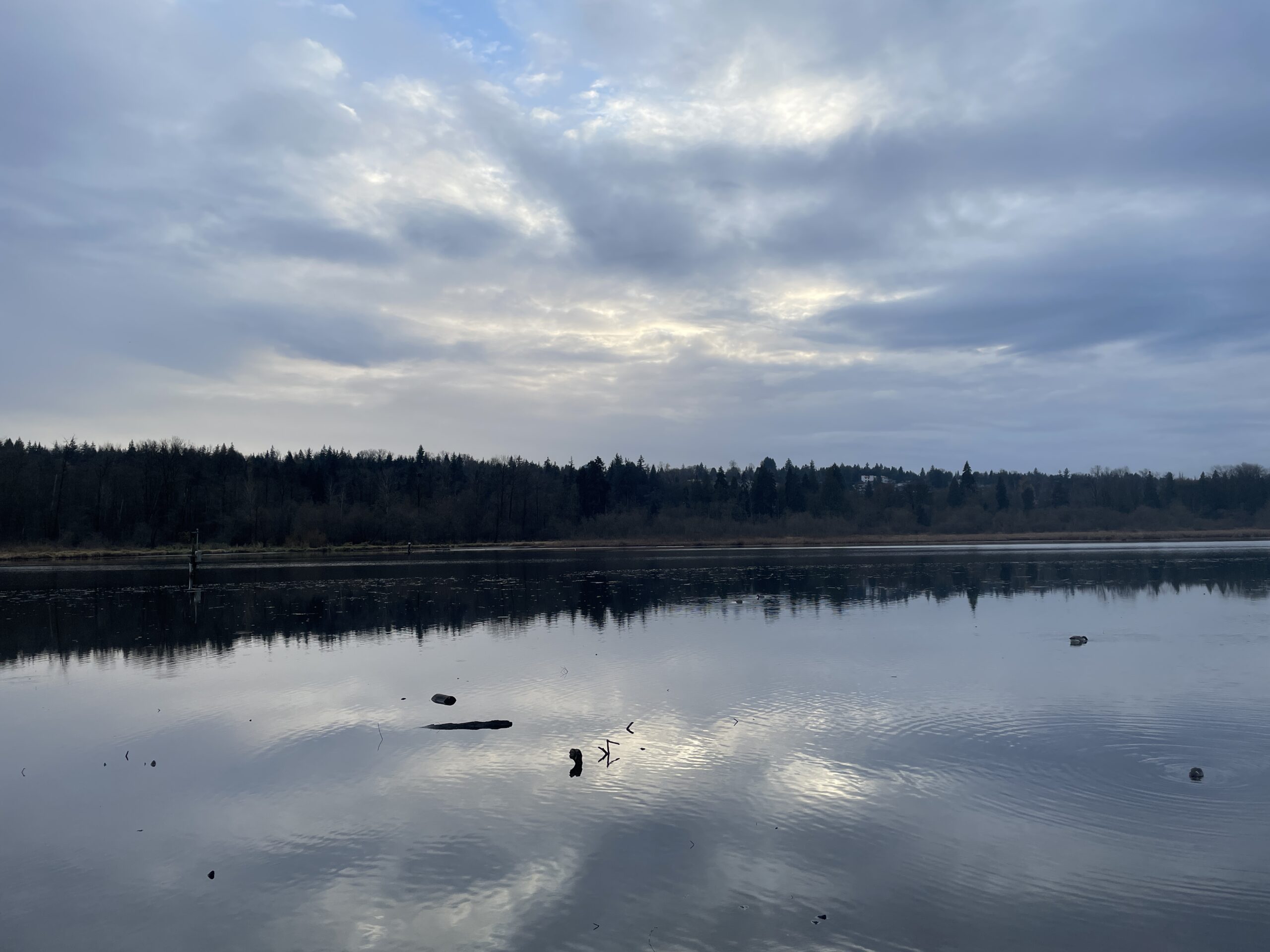
Burnaby Lake, looking calm but darkity-dark.

With not a lot of light left on what was already a very dim gray dead, we opted to wrap things up at Piper Spit. Nic girded himself for the inevitable naughty people feeding the birds–and they were there. Bad people, no!

The pier itself was fairly sparse with people, though. Apparently the imminent threat of rain and the wind kept most people off it.

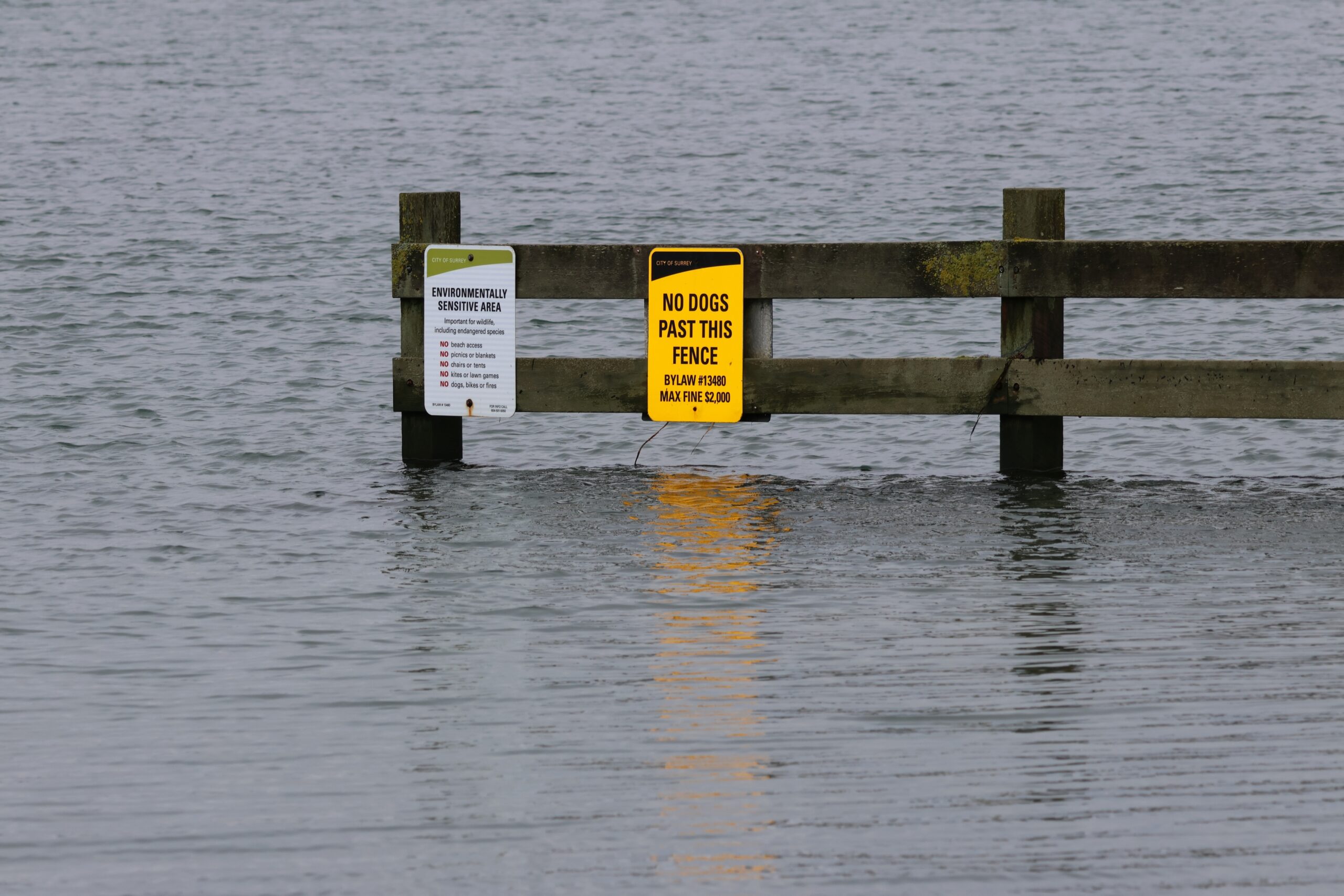
The land mass is still there, which surprised me after the recent deluge, so I assume most of the excess water is being fed through the gates at Cariboo Dam. The land itself was unoccupied, though, and the usual gang of seagulls was absent. The geese were also elsewhere, likely over on the sports fields to the west. Much of the shallows was filled with branches and other debris swept in by recent storms.

We did see dowitchers, but they were in full snorebird mode.

The current from Eagle Creek was unusually strong and a number of ducks were taking advantage, letting it sweep them down and past the pier. A few had to pedal furiously when they chose to return upstream, though.

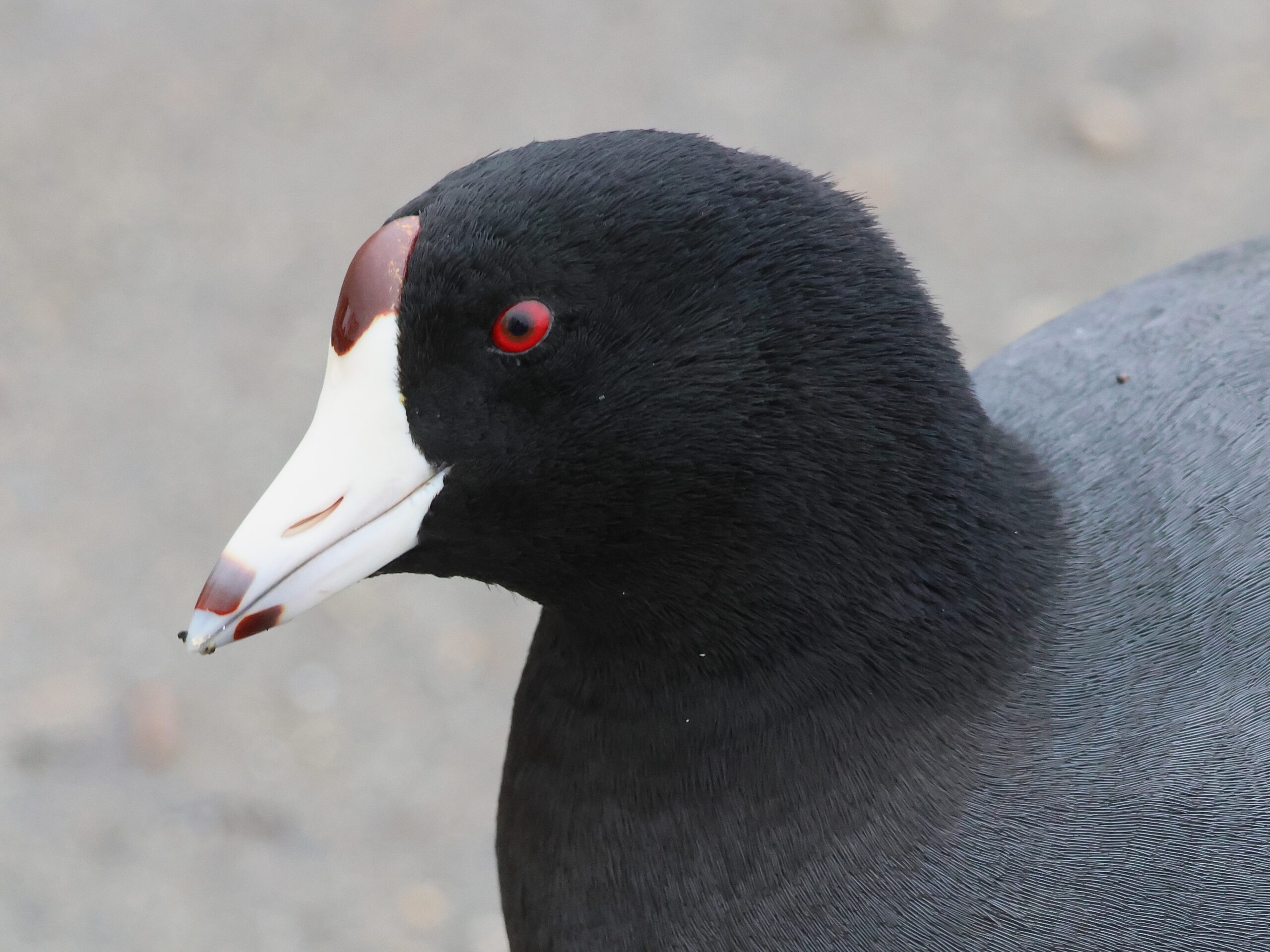
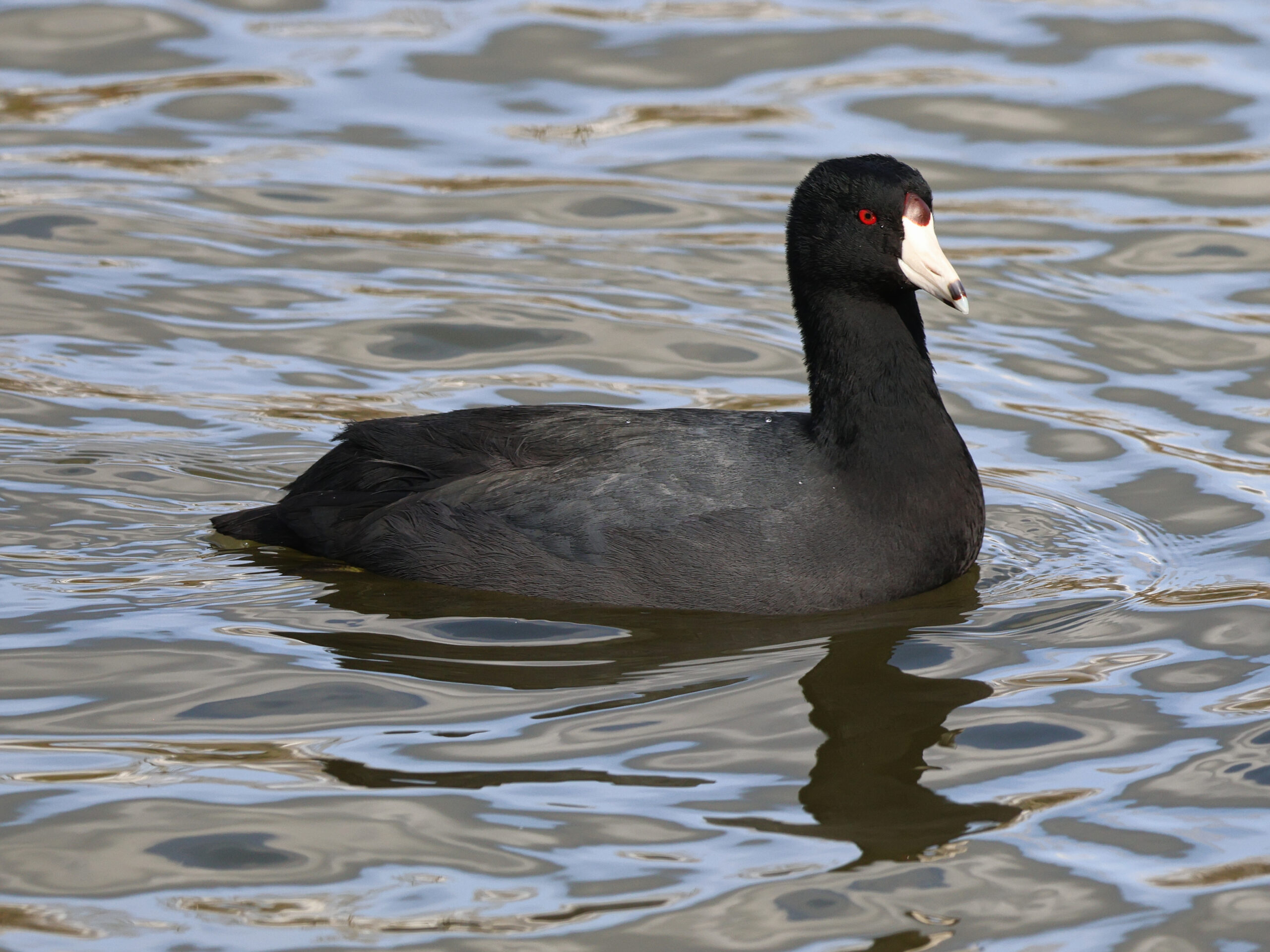
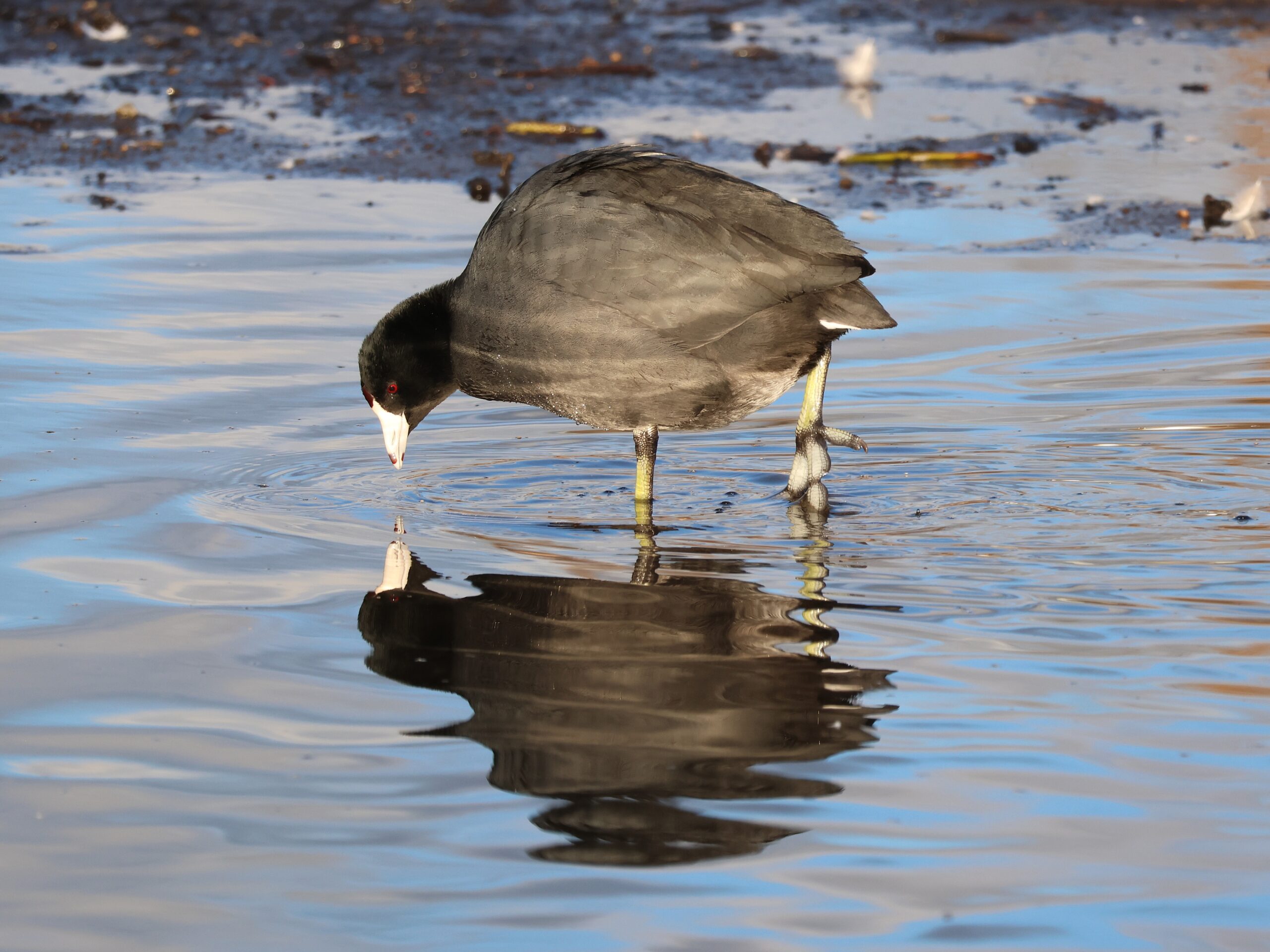
There seemed to be more coots than before. Everywhere I looked there was a coot. No coot drama, though, which in itself is kind of unnerving.

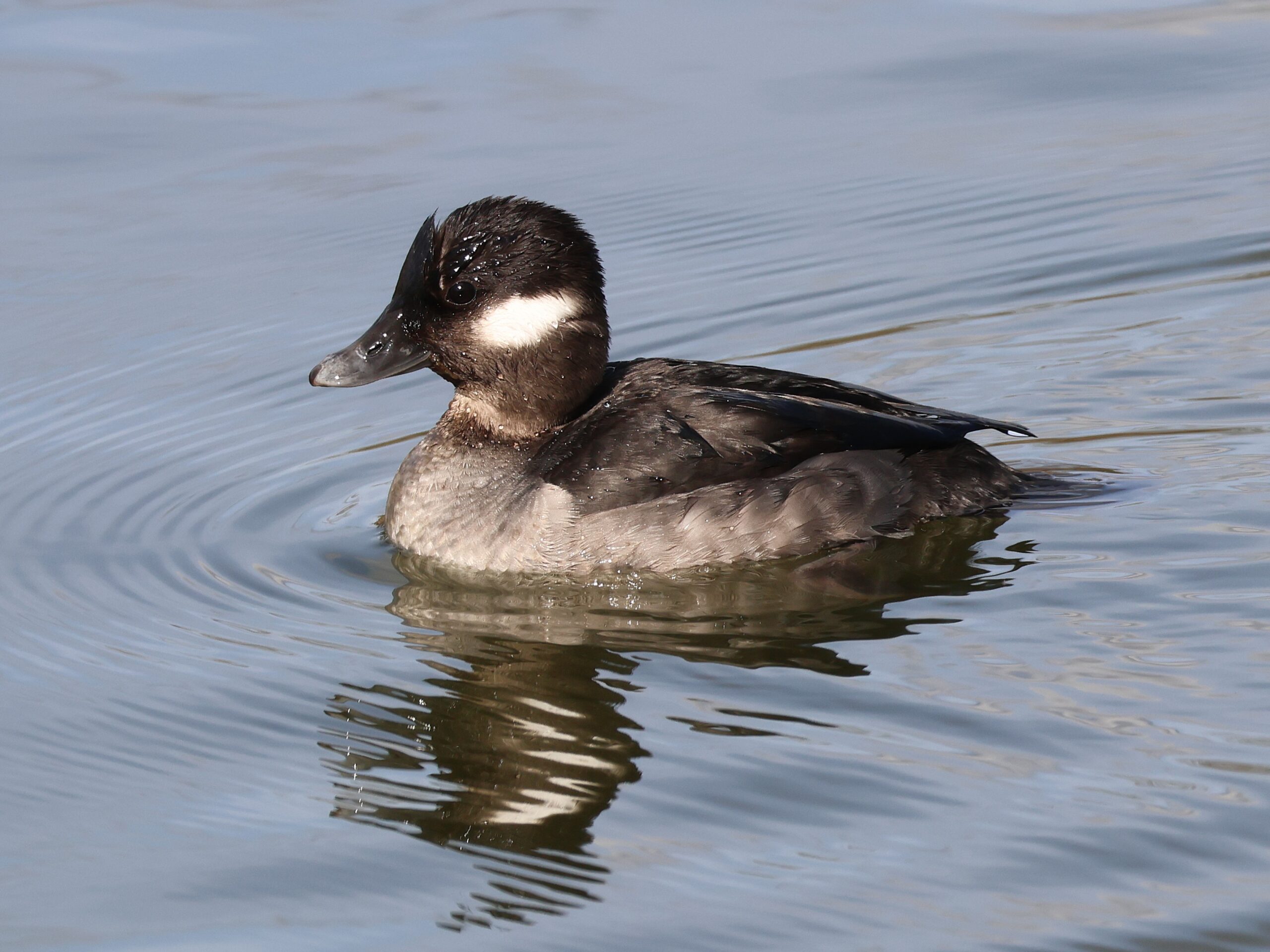
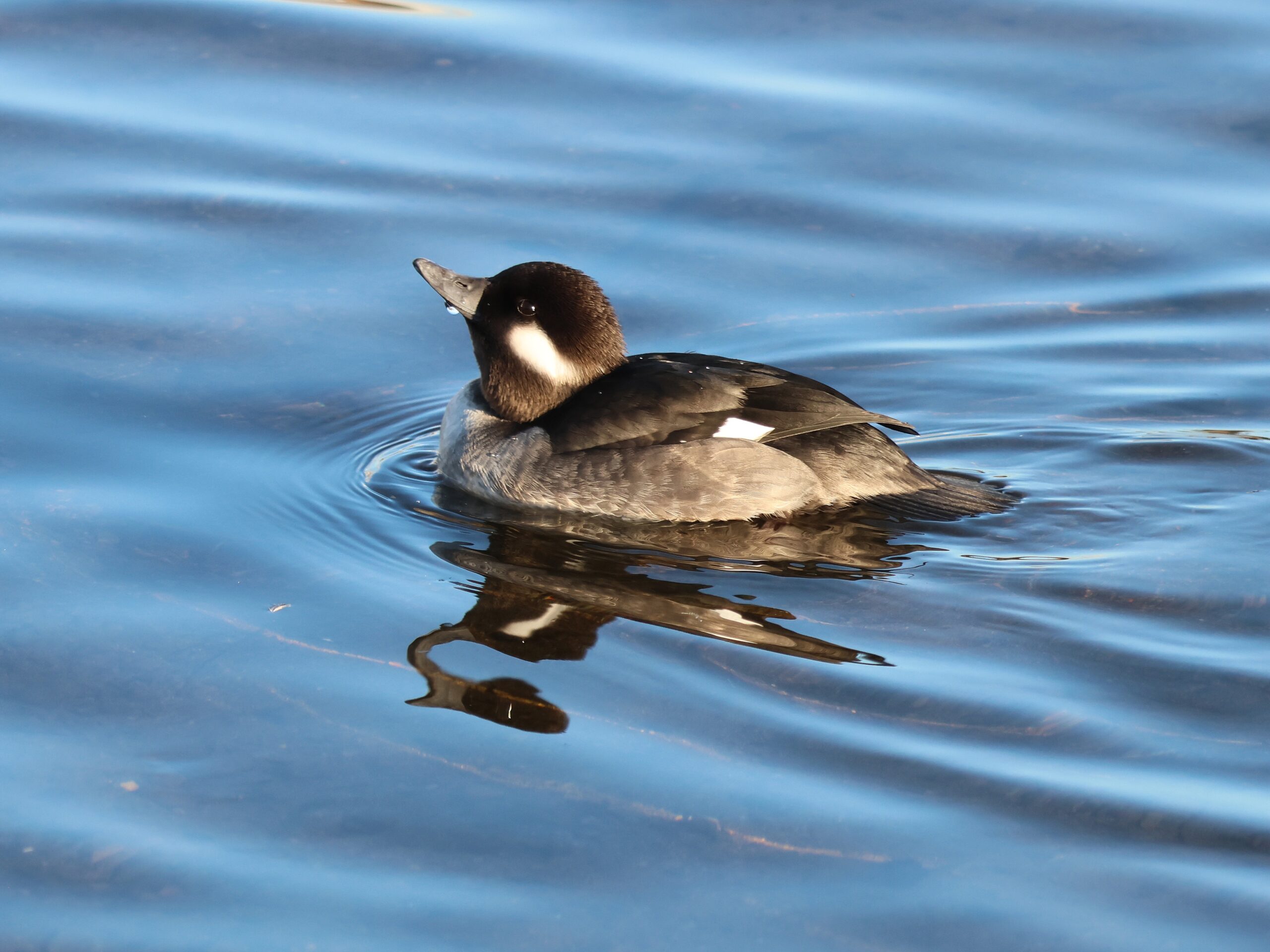
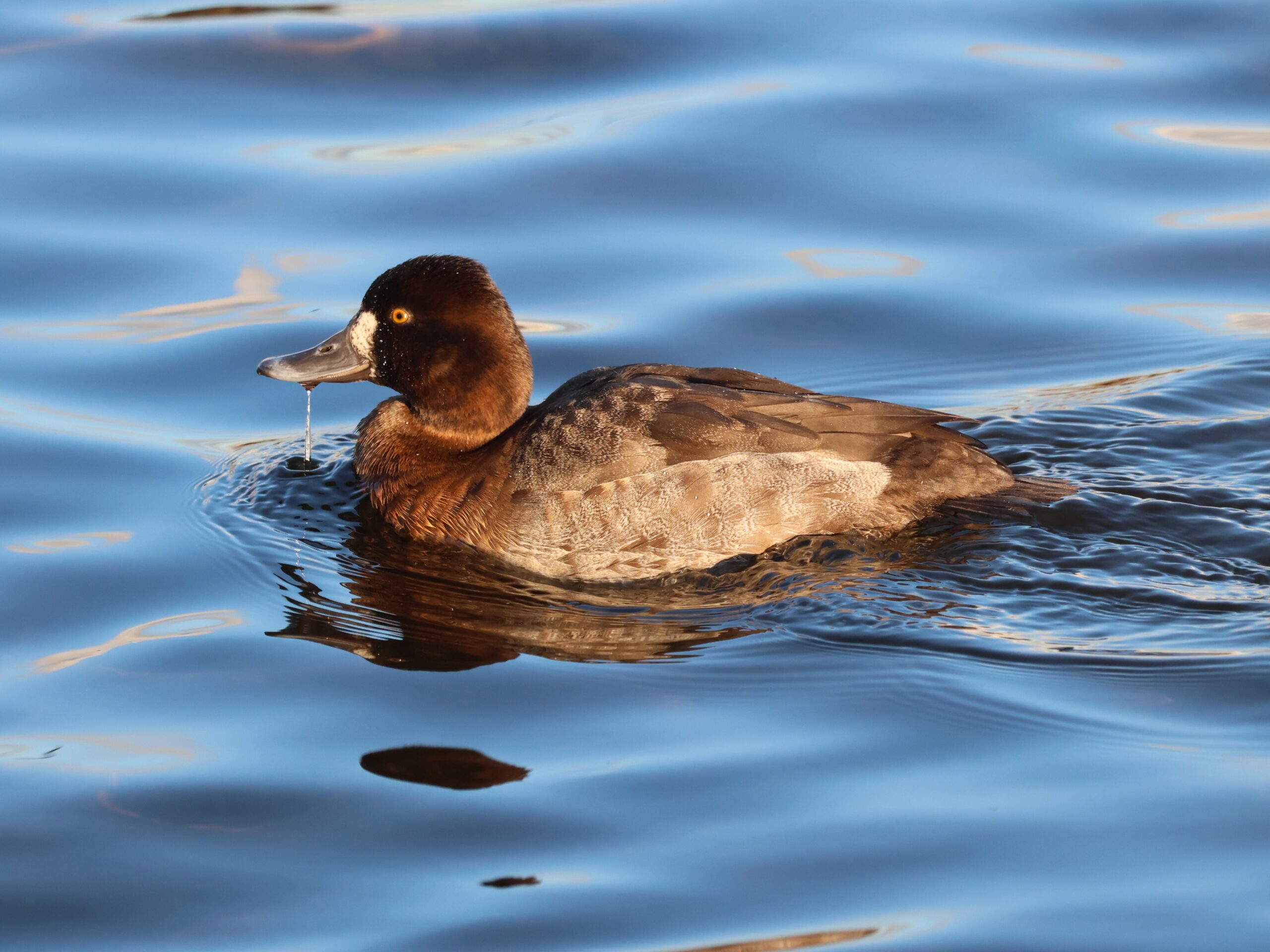
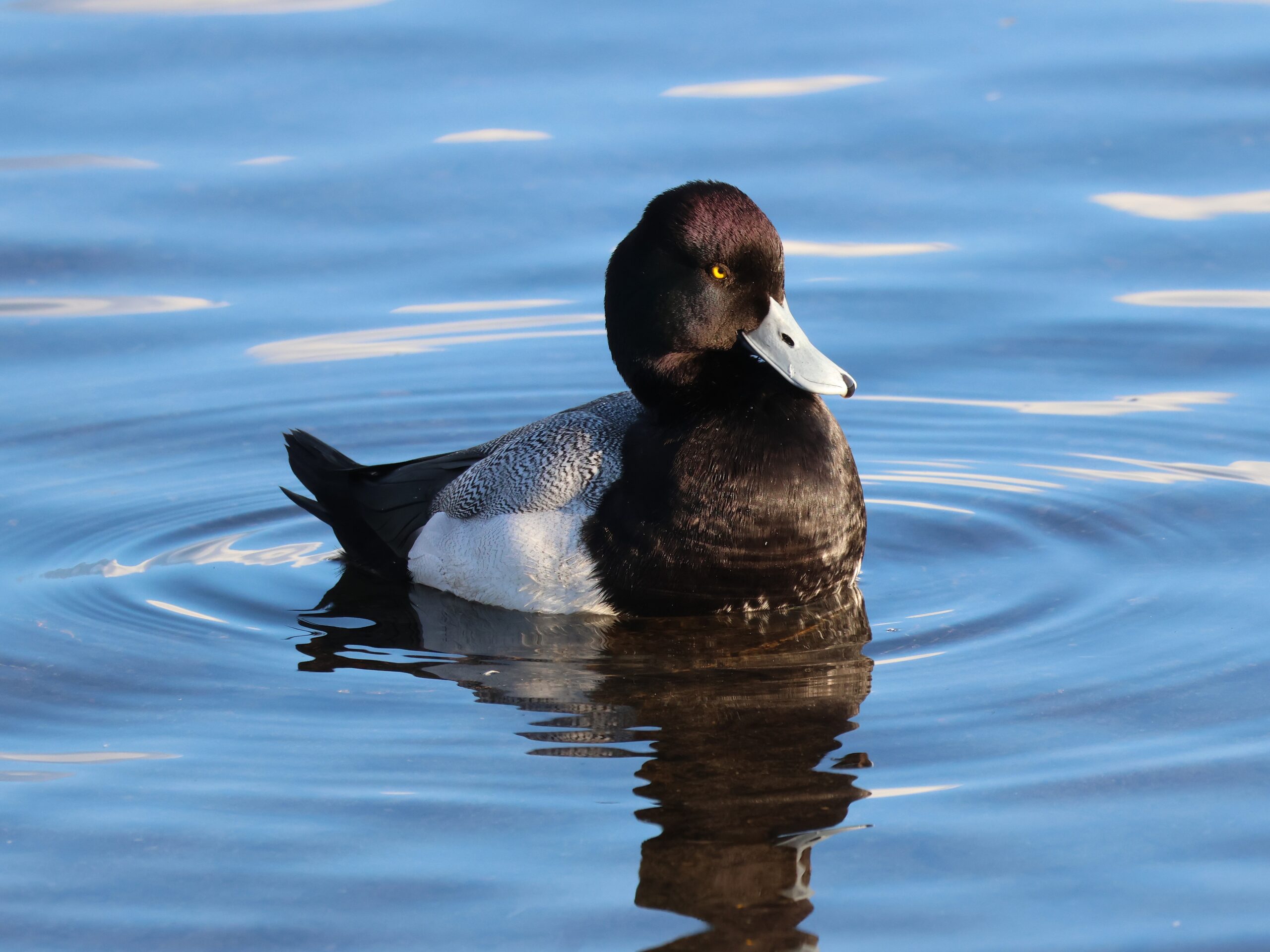
The highlight here were some buffleheads, in particular a female that was diving and surfacing quite close to the pier, allowing for some good shots, notwithstanding the aforementioned dim, gray conditions.

We wrapped up about 15 minutes before sunset (if there had been sun) and escaped before the rains resumed. In all, not a bad outing, considering the forecast and the possibility of getting a wee bit drenched if the weather had shifted just a little.

The Shots

Shot with a Canon EOS R7 with 18-150 mm kit lens and 100-400 mm telephoto.
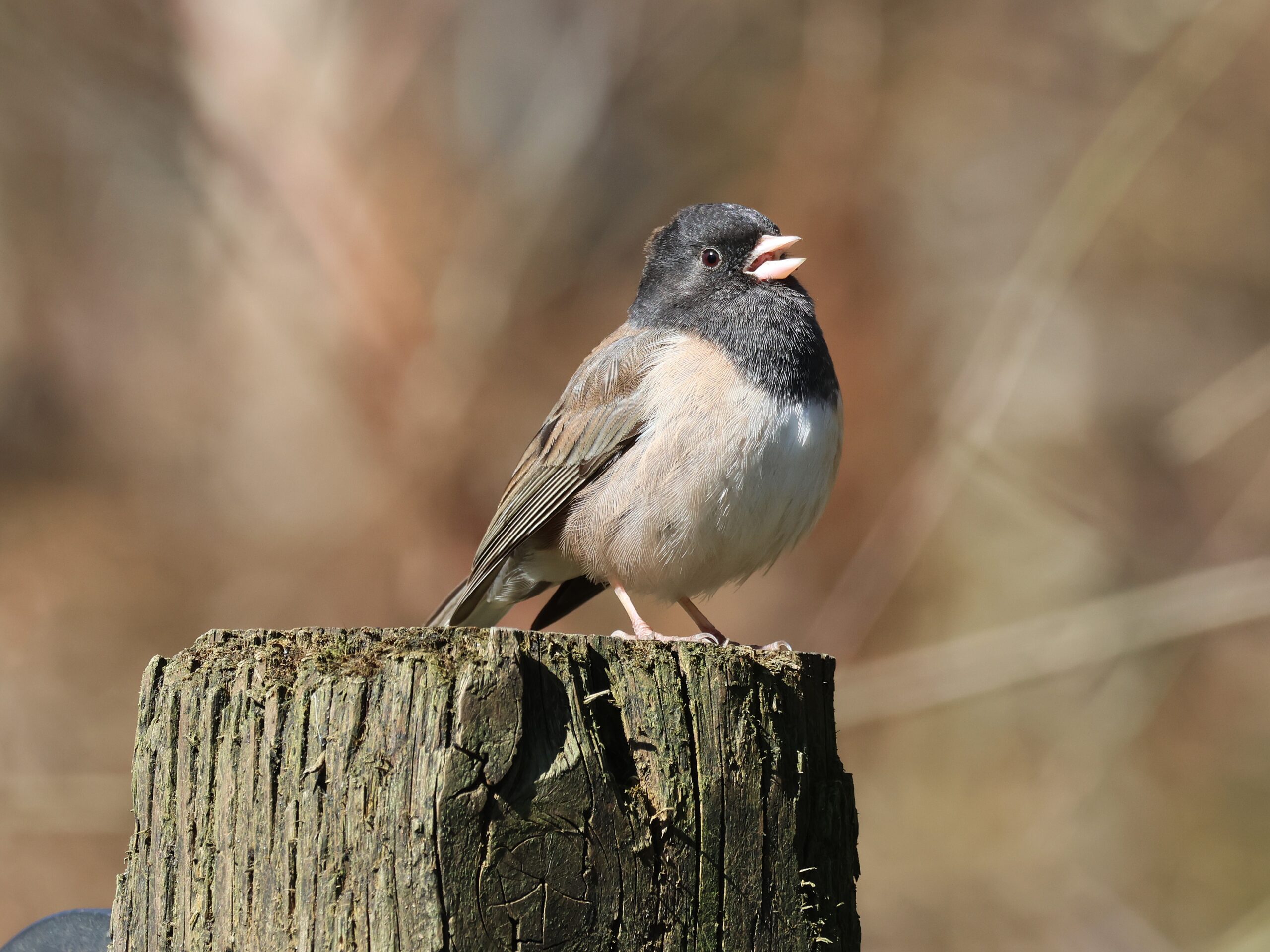
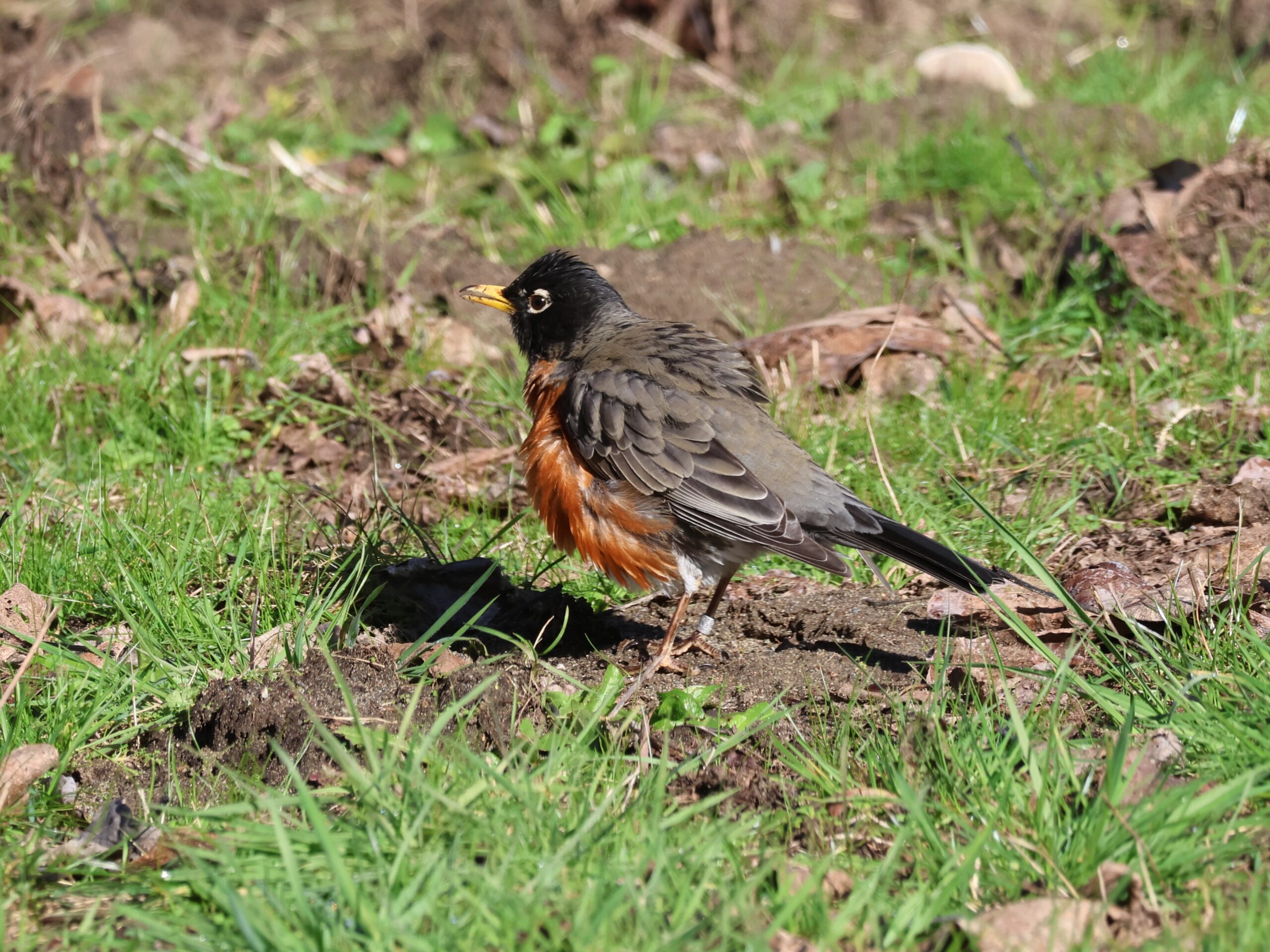
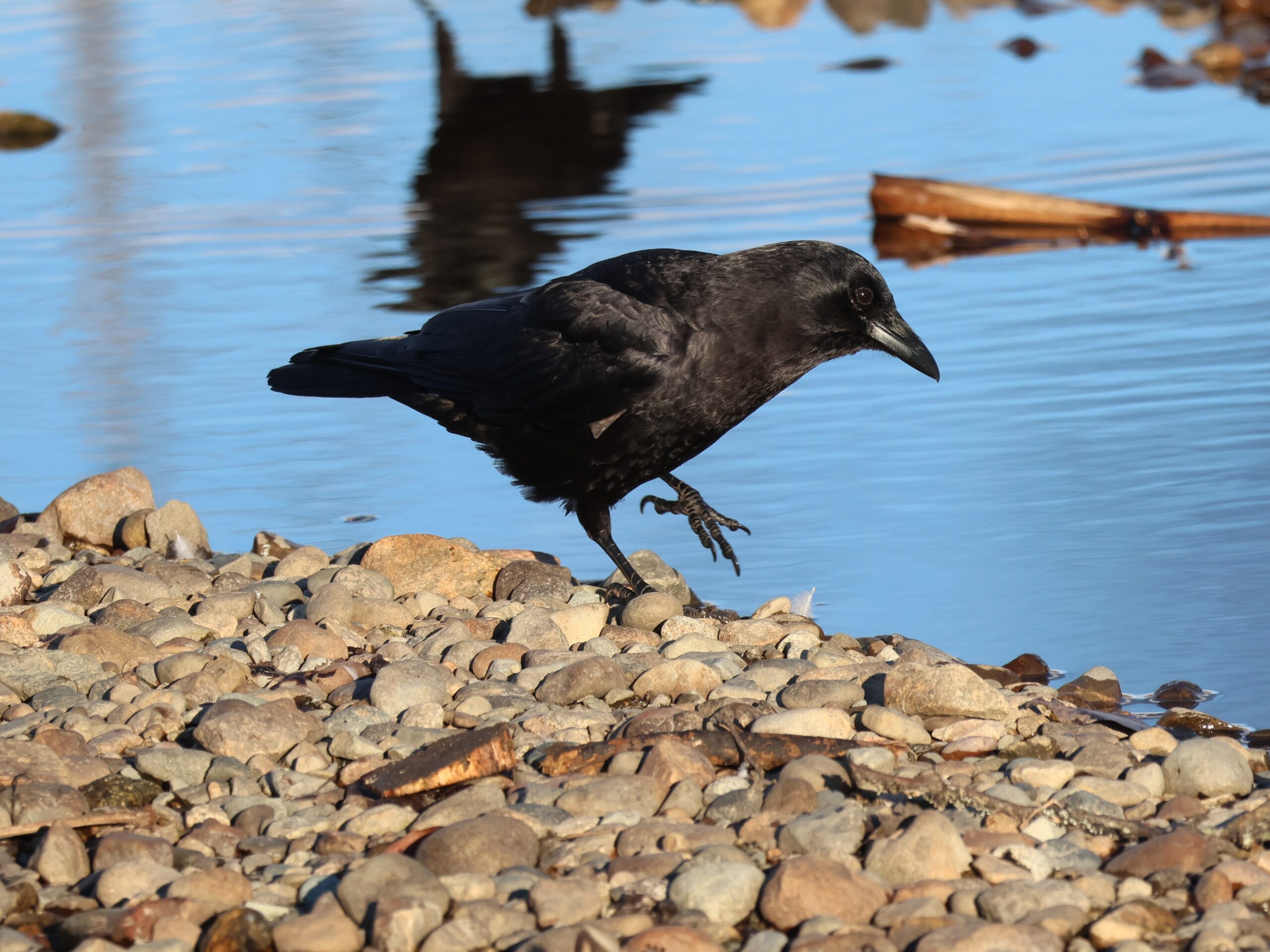
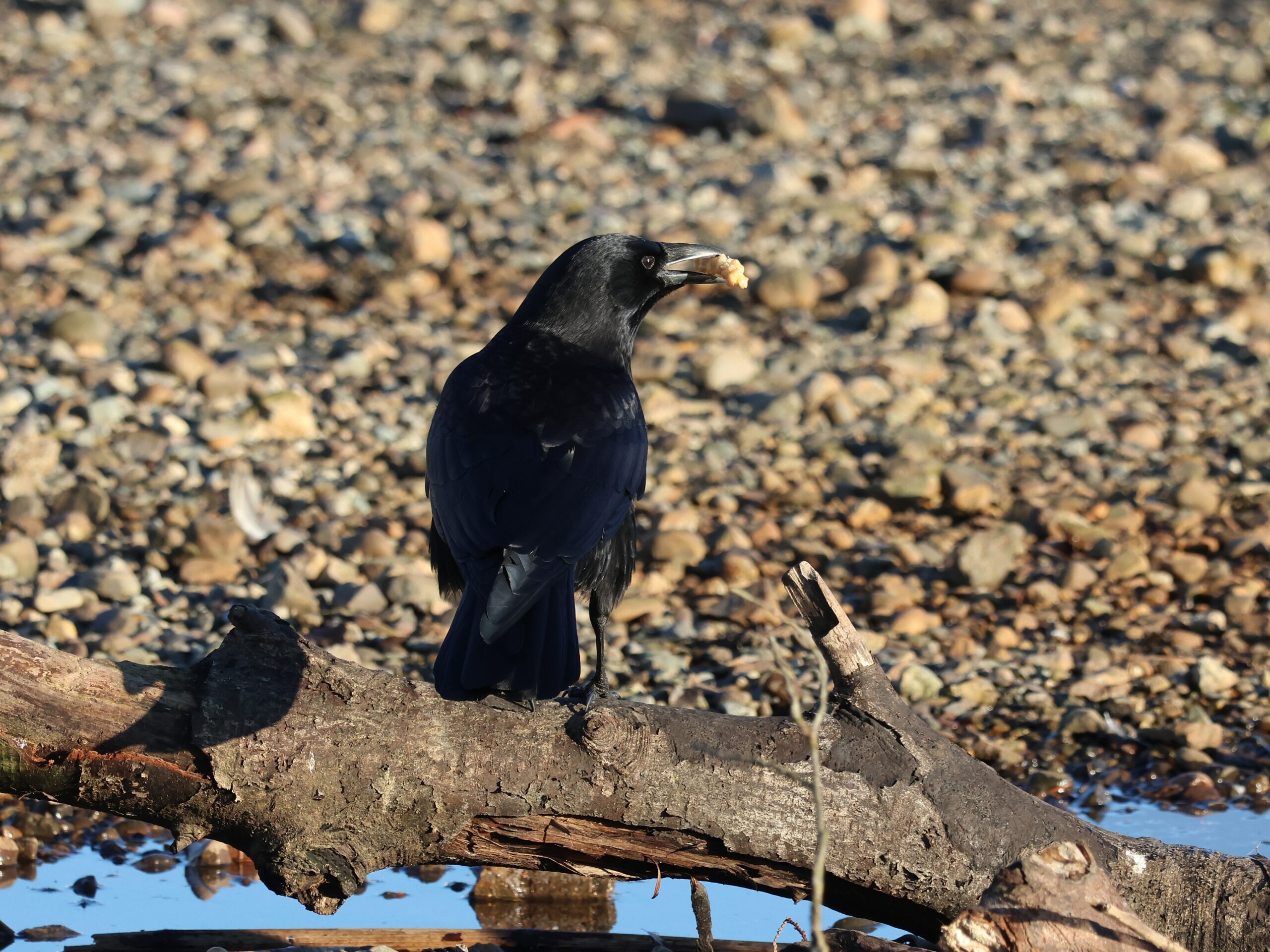
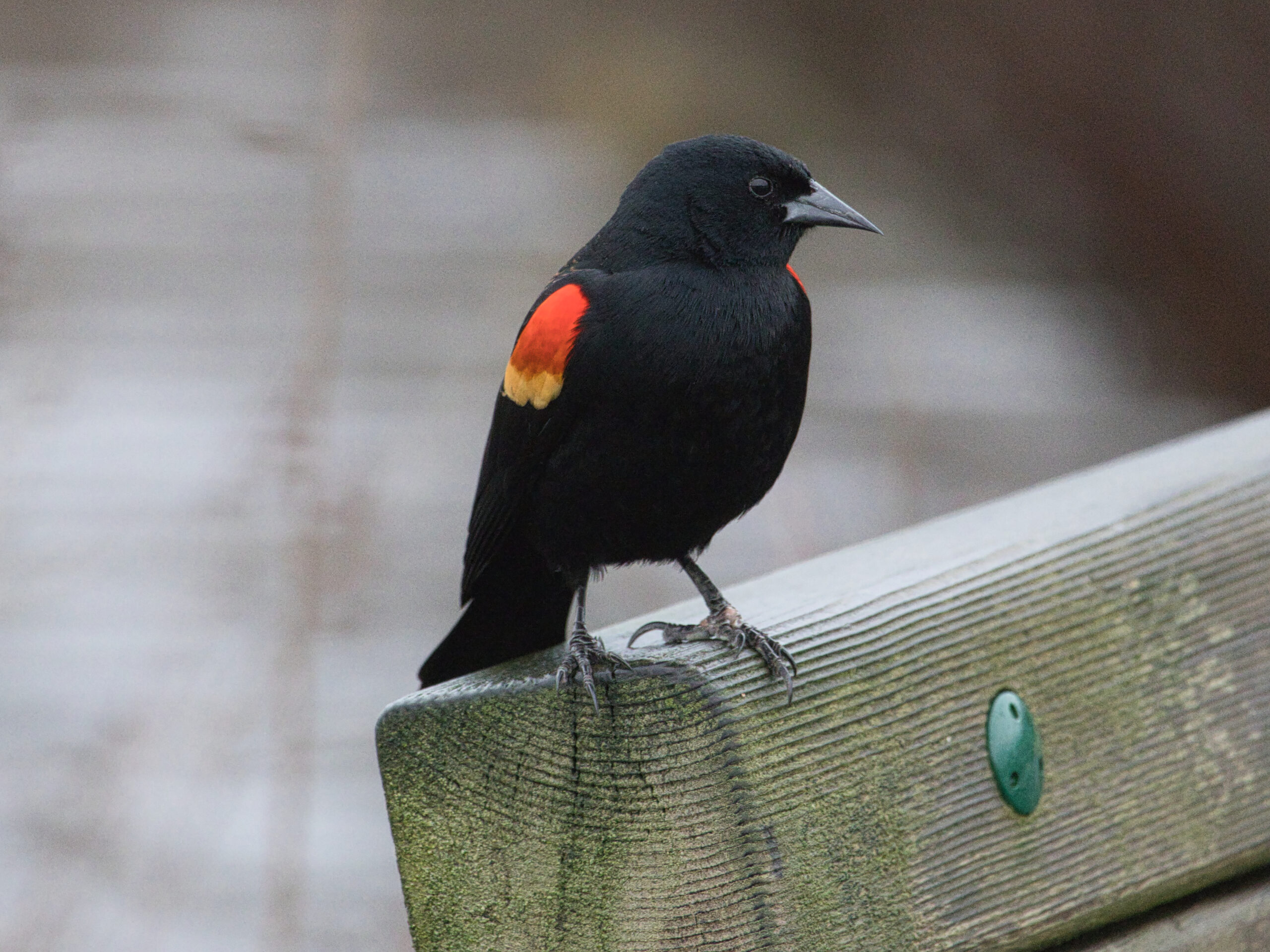
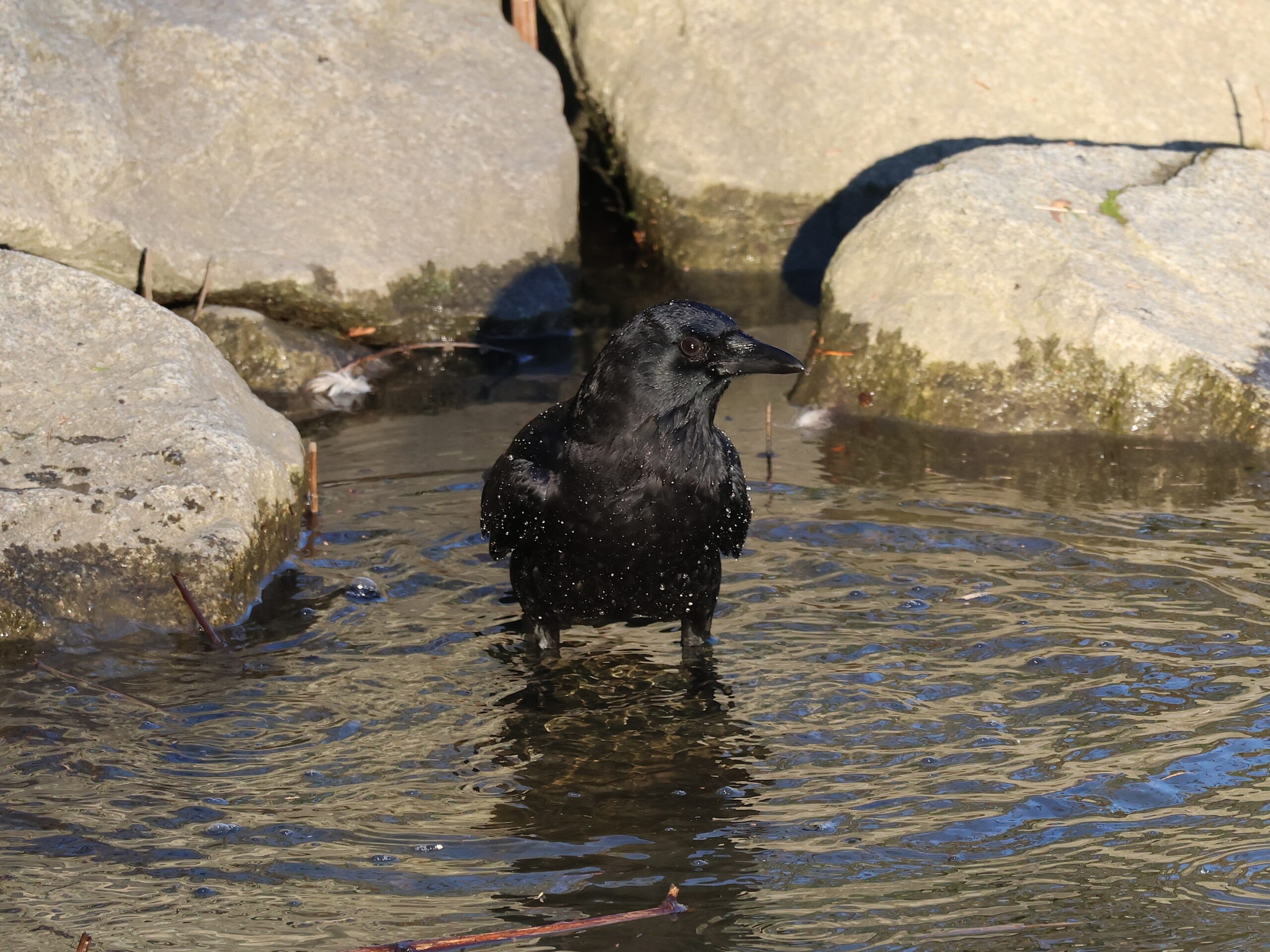
Blackbrid waiting for naughty people to feed him.
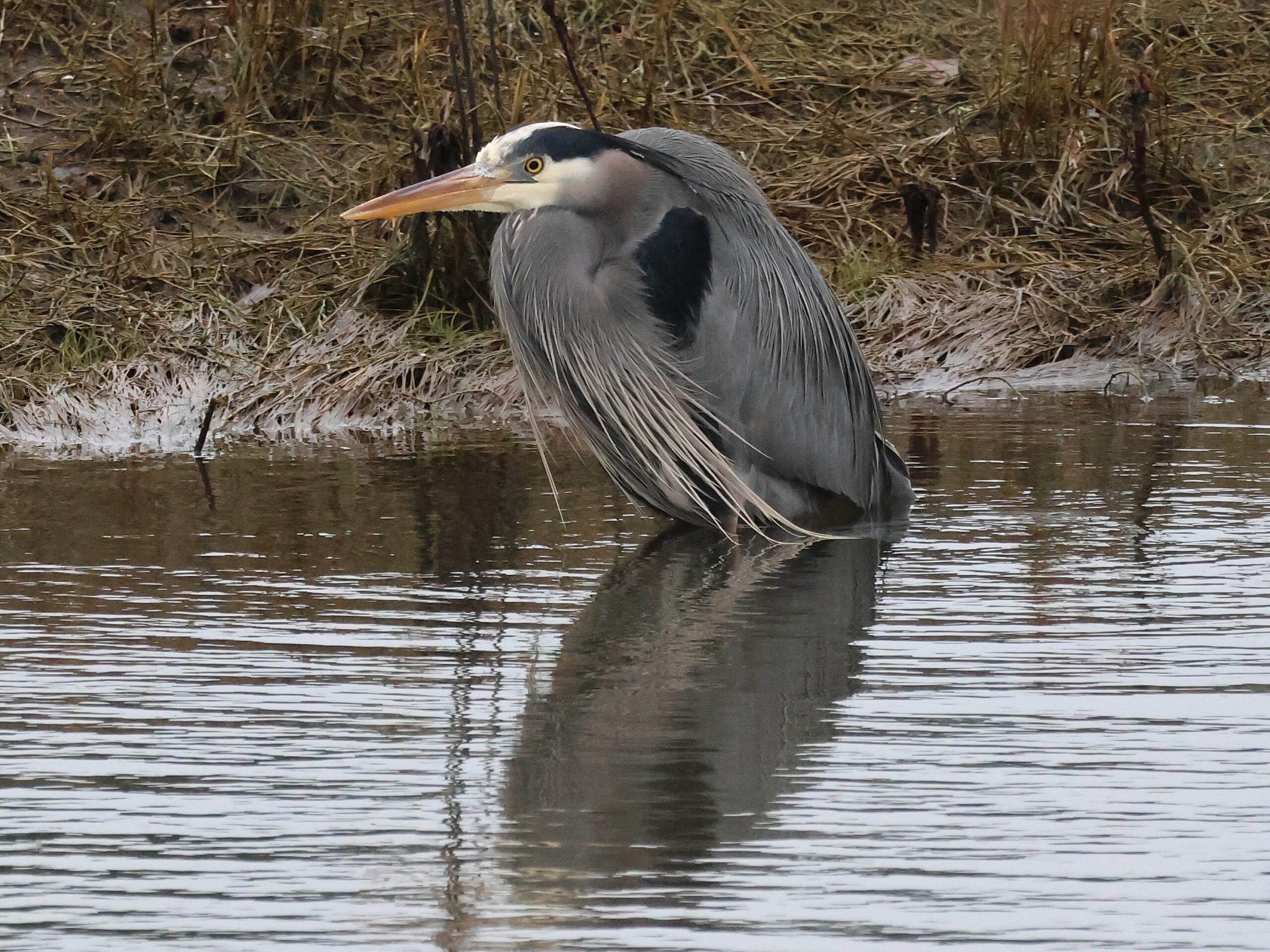
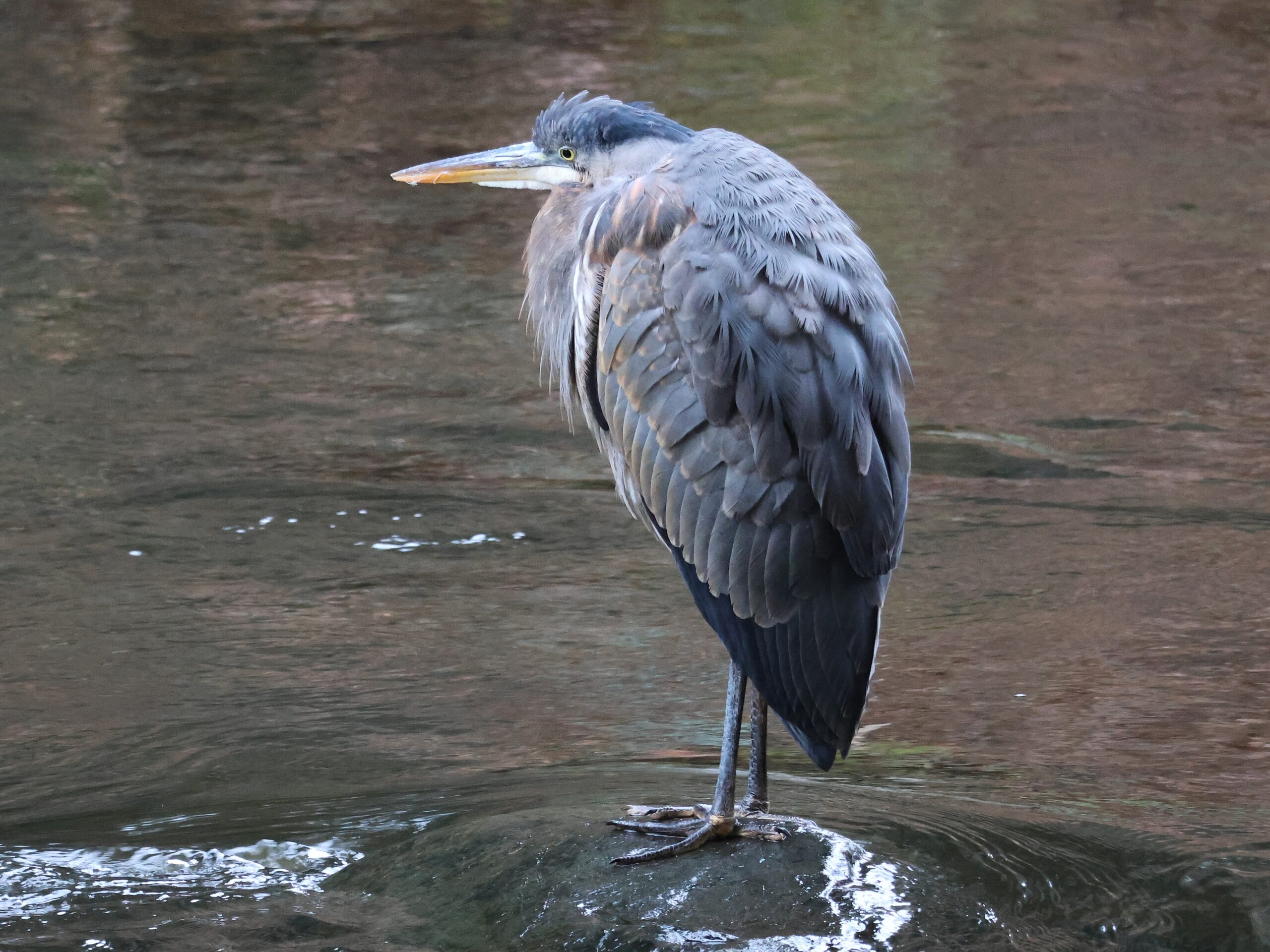
A Great Blue Heron hunkered down in the water.
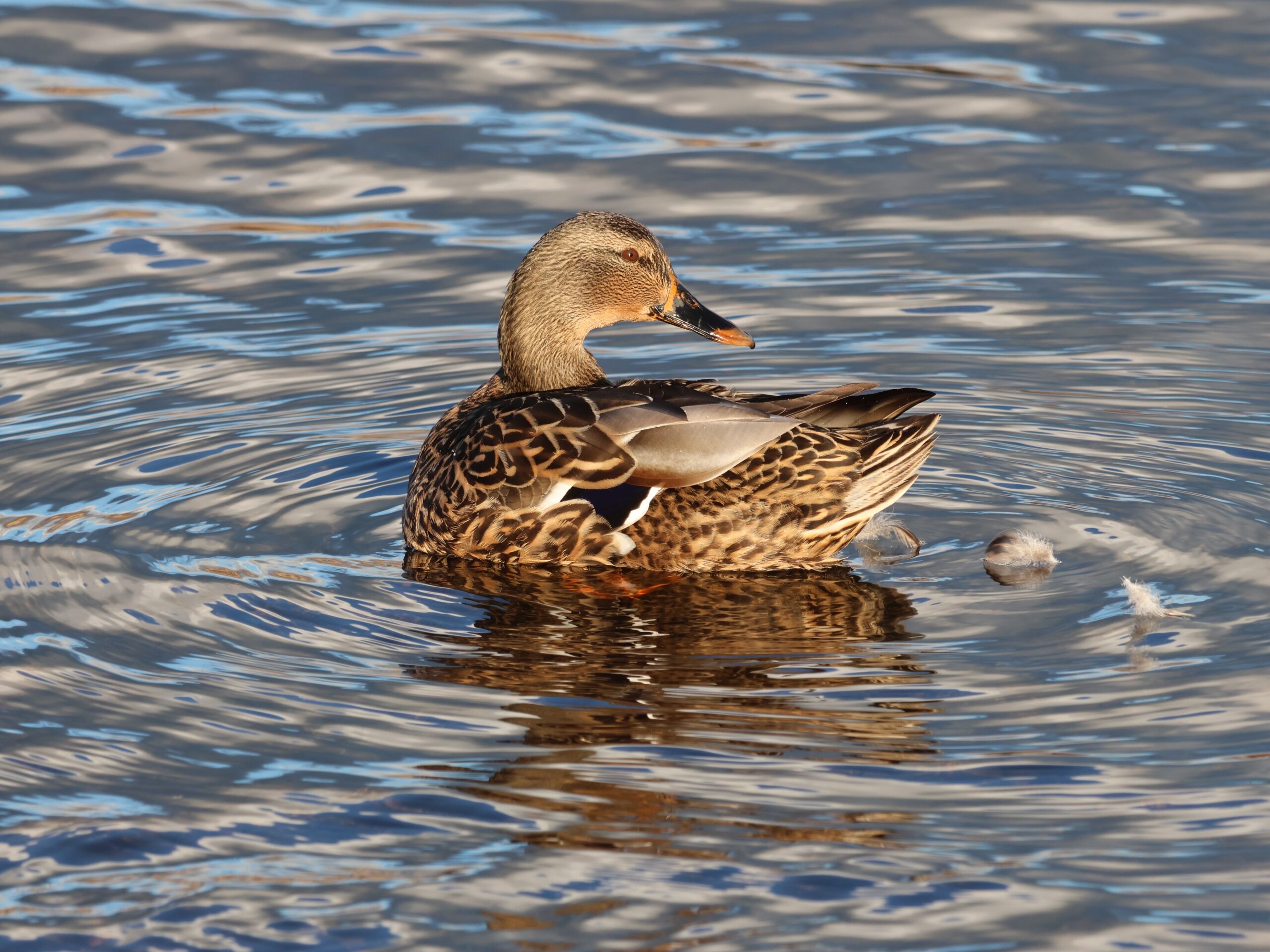
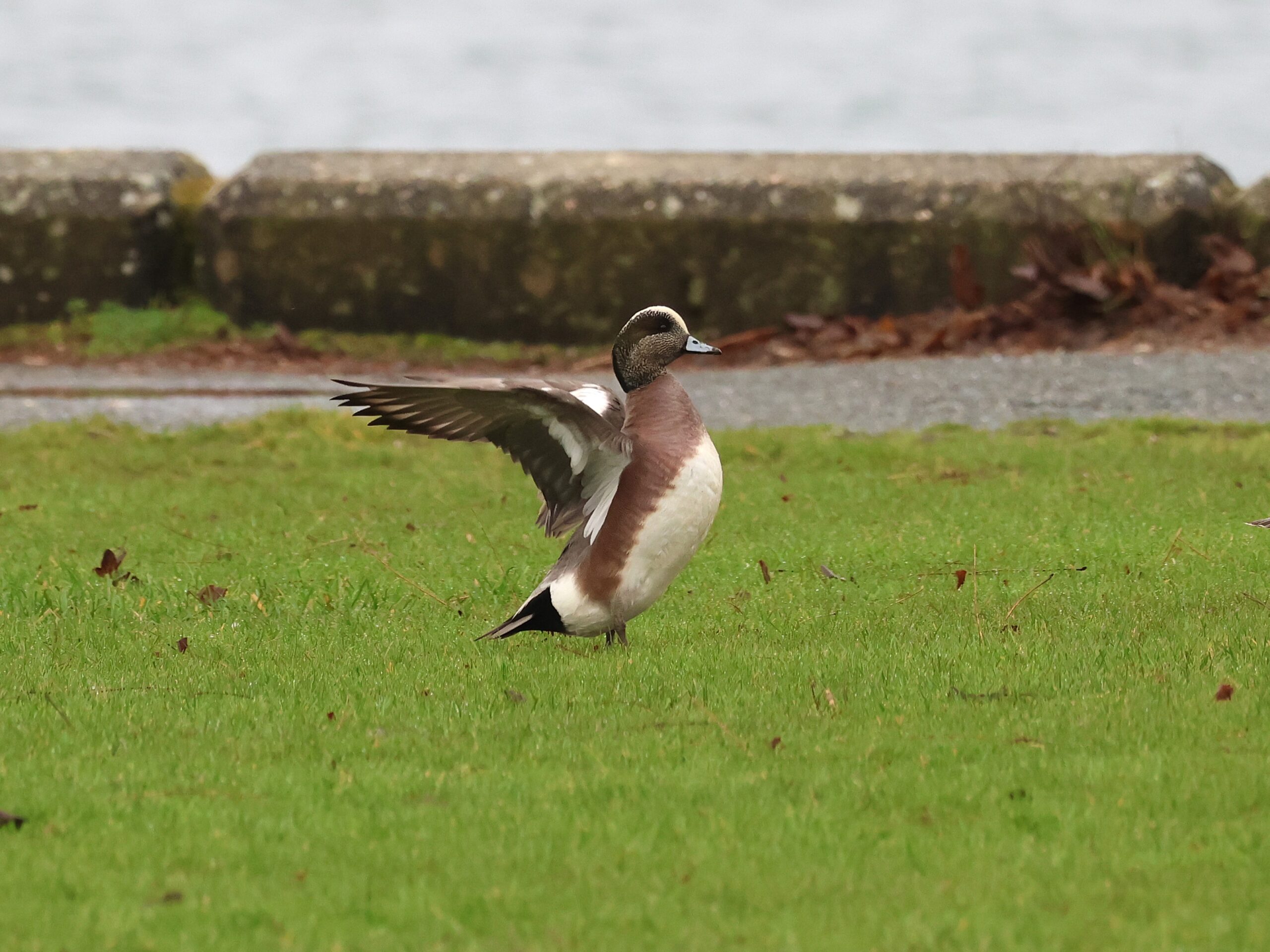
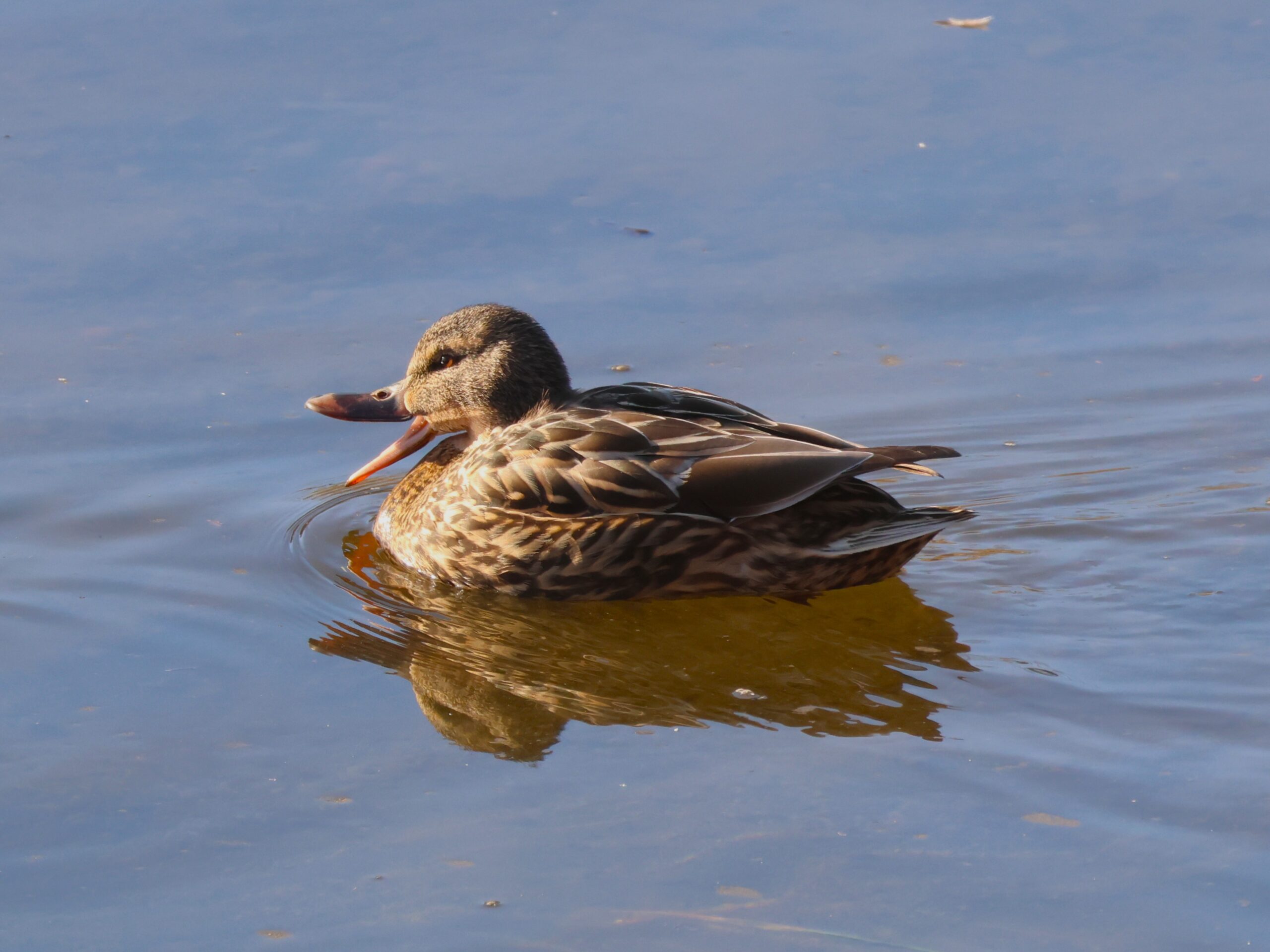
American Wigeon stretching.
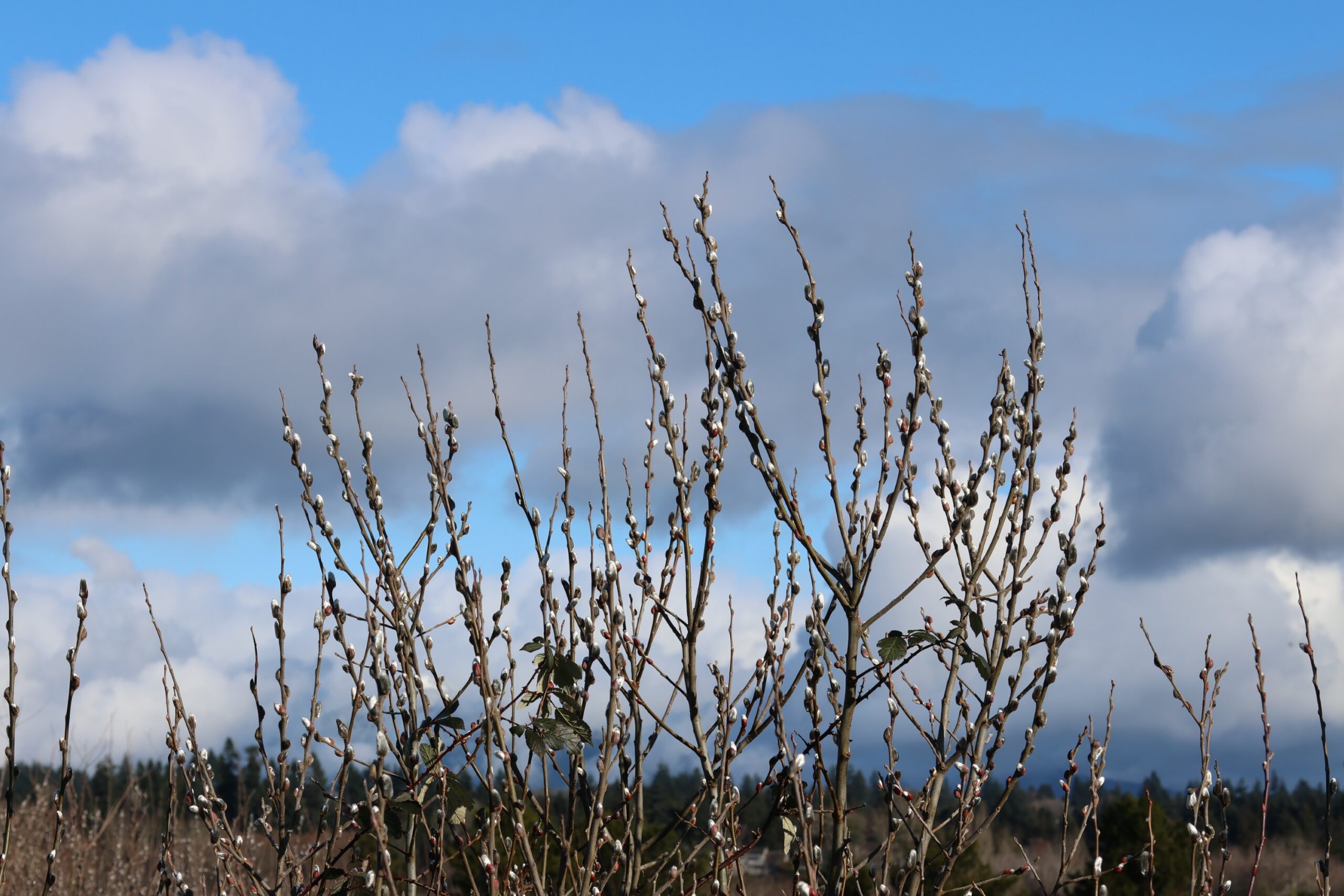
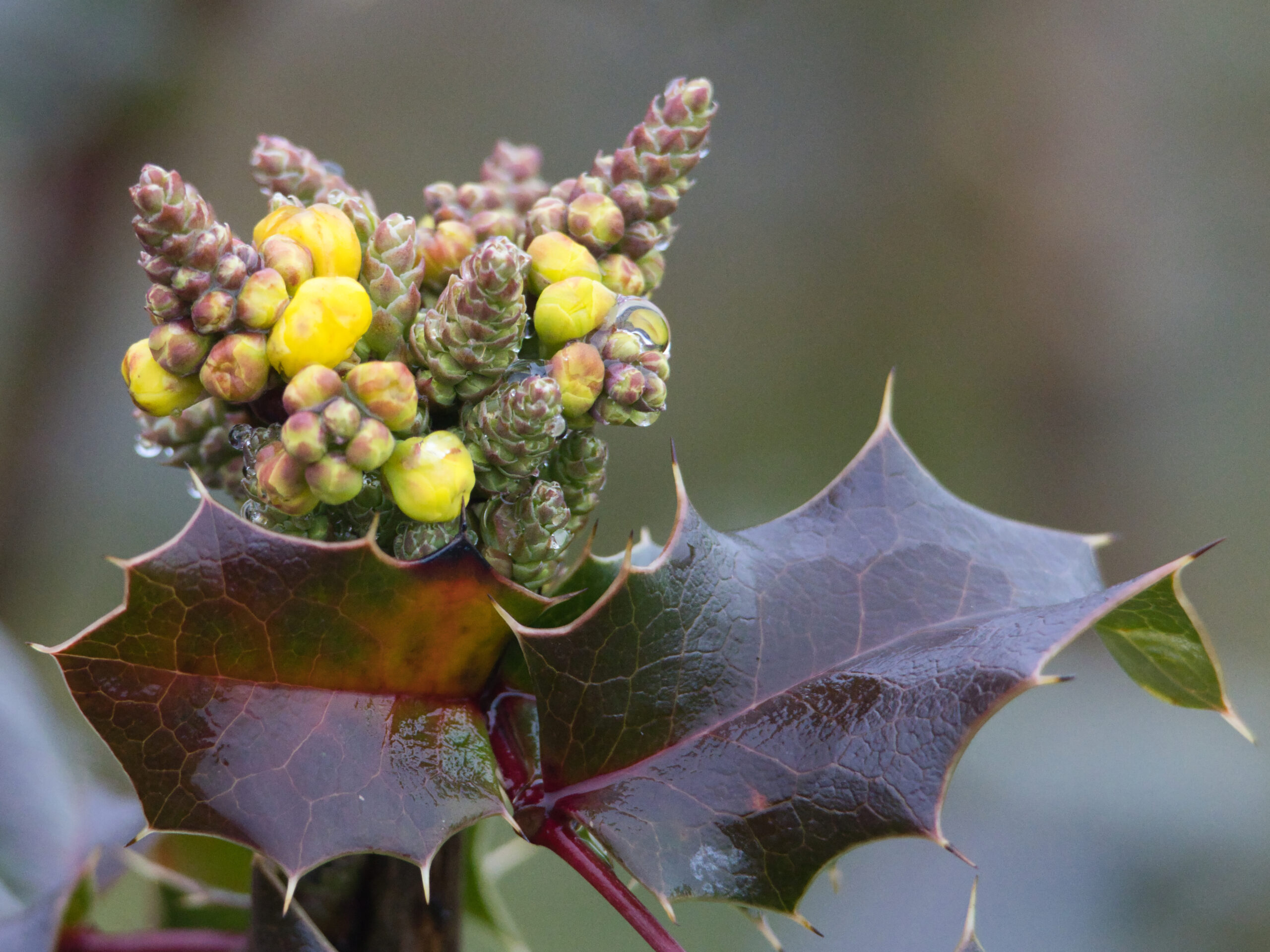
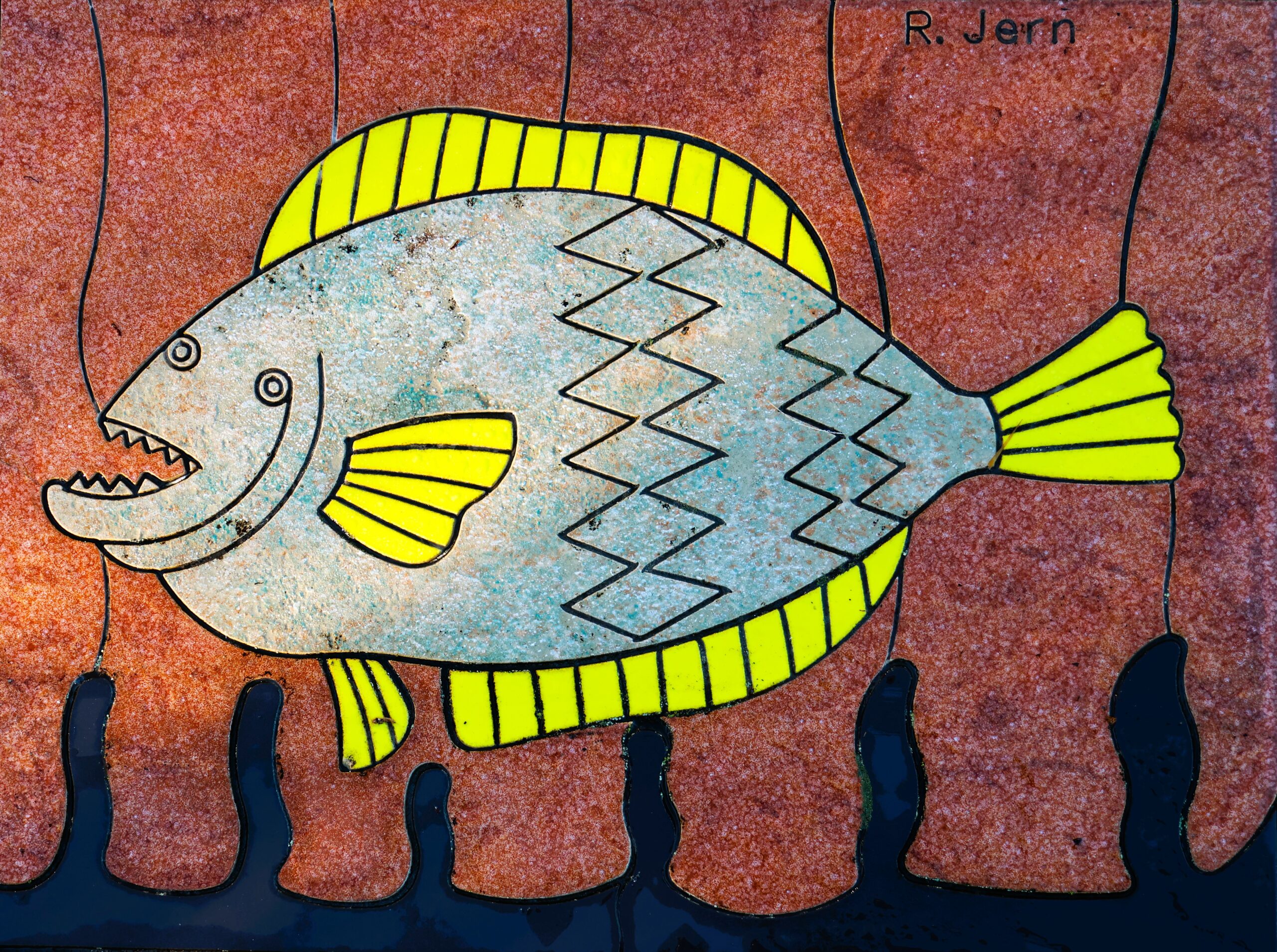
This plant thingie.

Gallery soon™.

The Birds (and other critters)

Sparrows and sparrow-adjacent:

  • American Robin
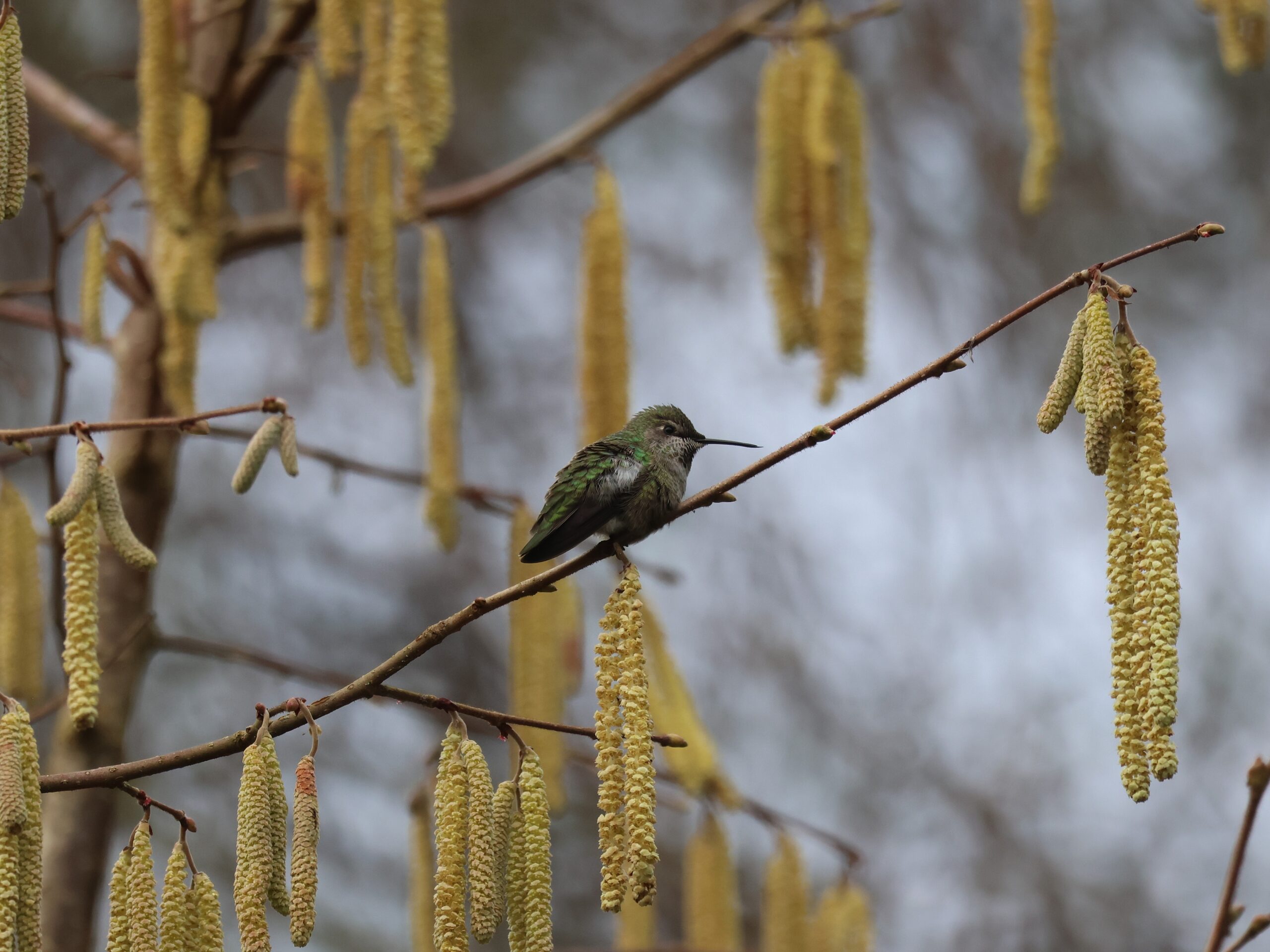
  • Anna’s Hummingbird
  • Black-capped Chickadee
  • Dark-eyed Junco
  • Red-winged Blackbird
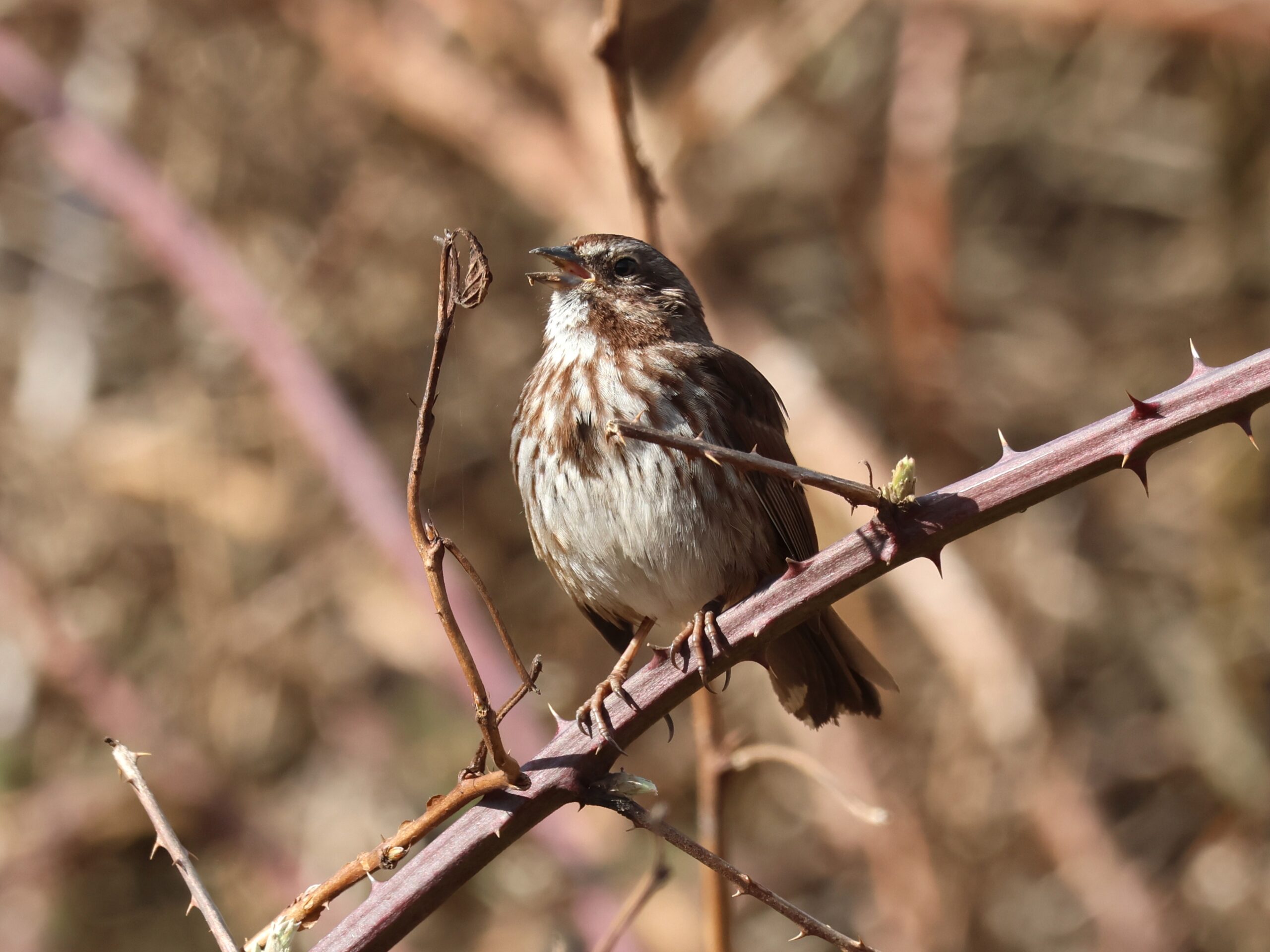
  • Song Sparrow
  • Spotted Towhee

Waterfowl and shorebirds:

  • American Coot
  • American Wigeon
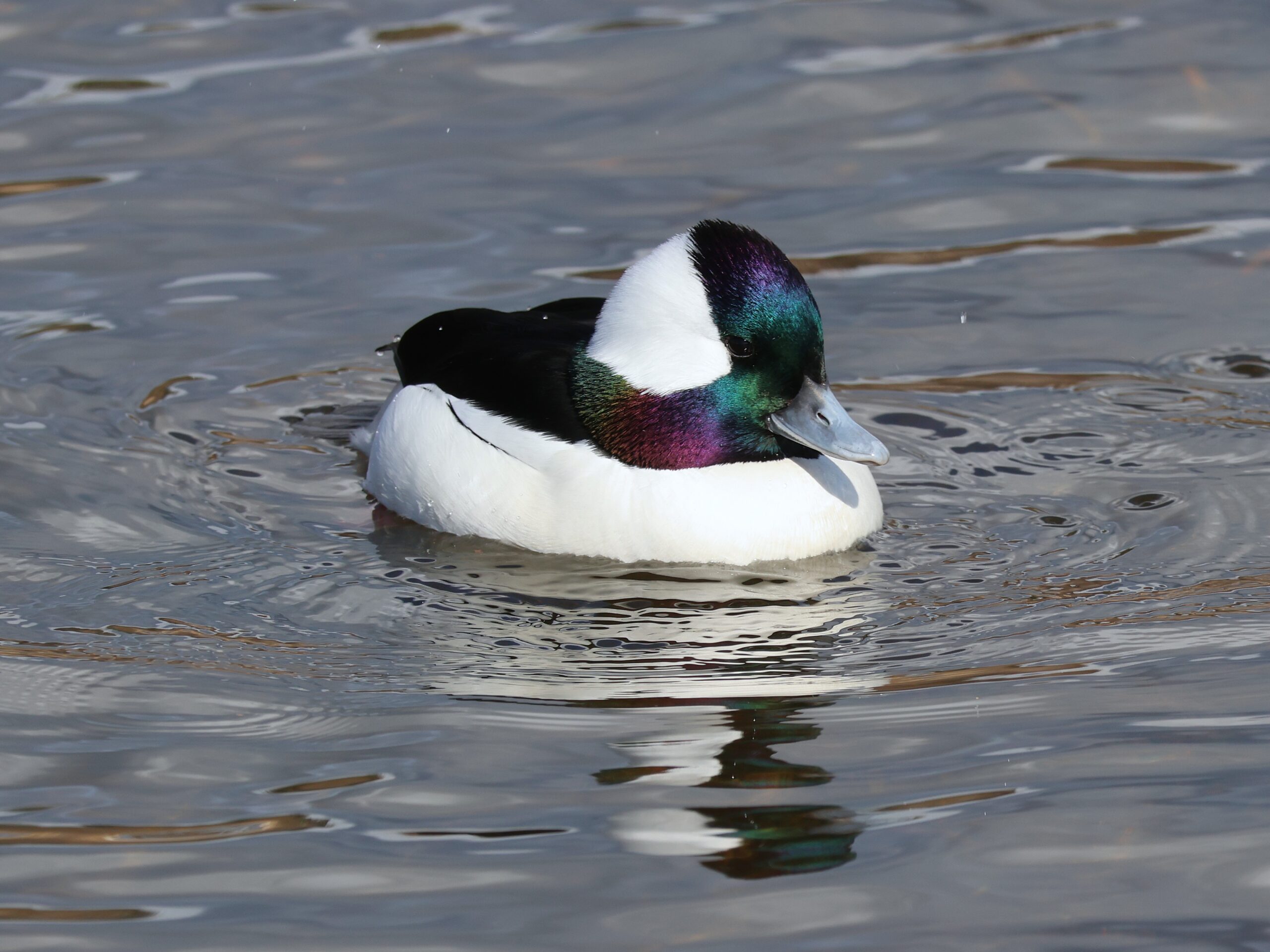
  • Bufflehead
  • Common Loon
  • Double-crested Cormorant
  • Eurasian wigeon
  • Great Blue Heron
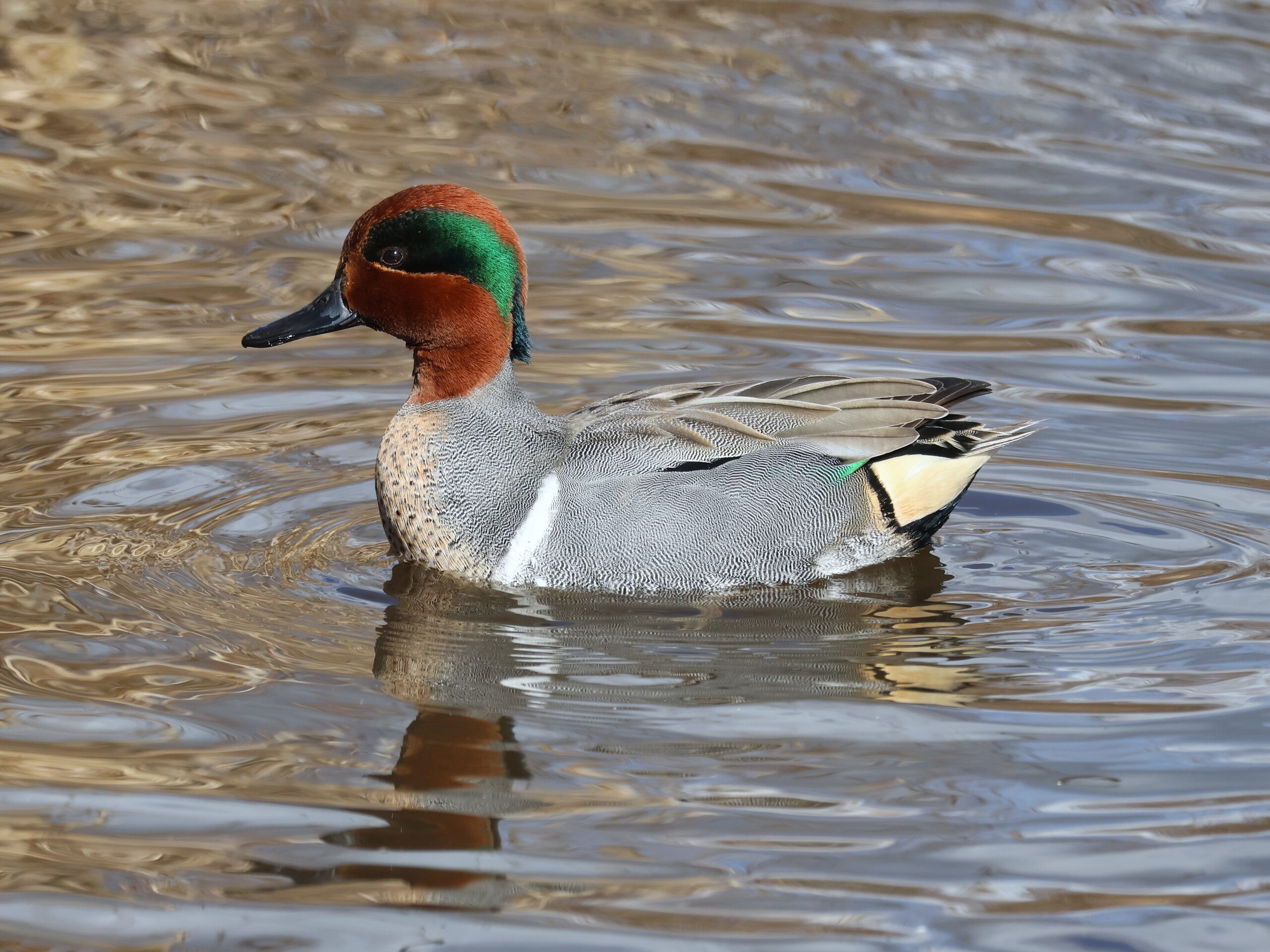
  • Green-winged Teal
  • Long-billed Dowitcher
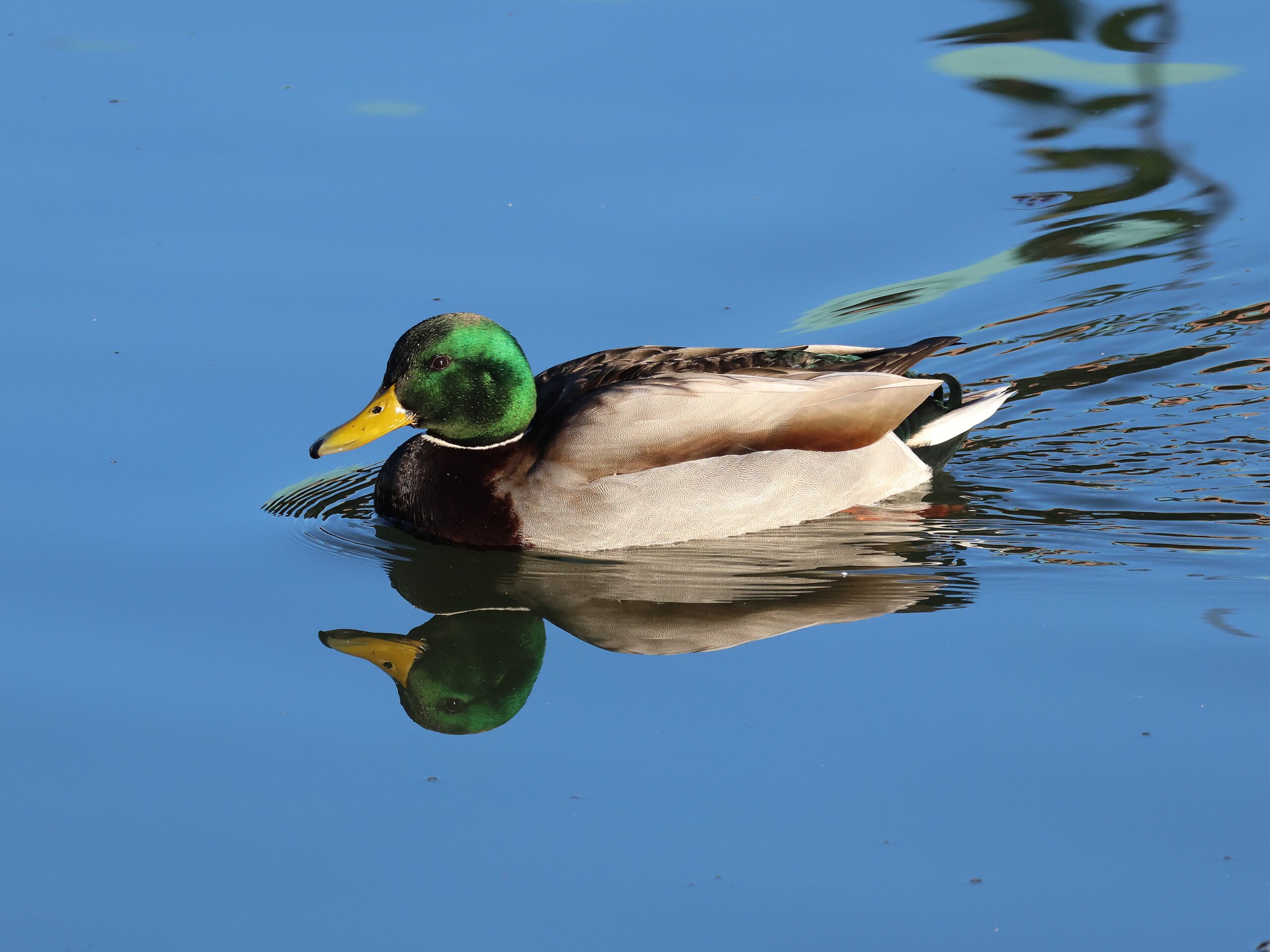
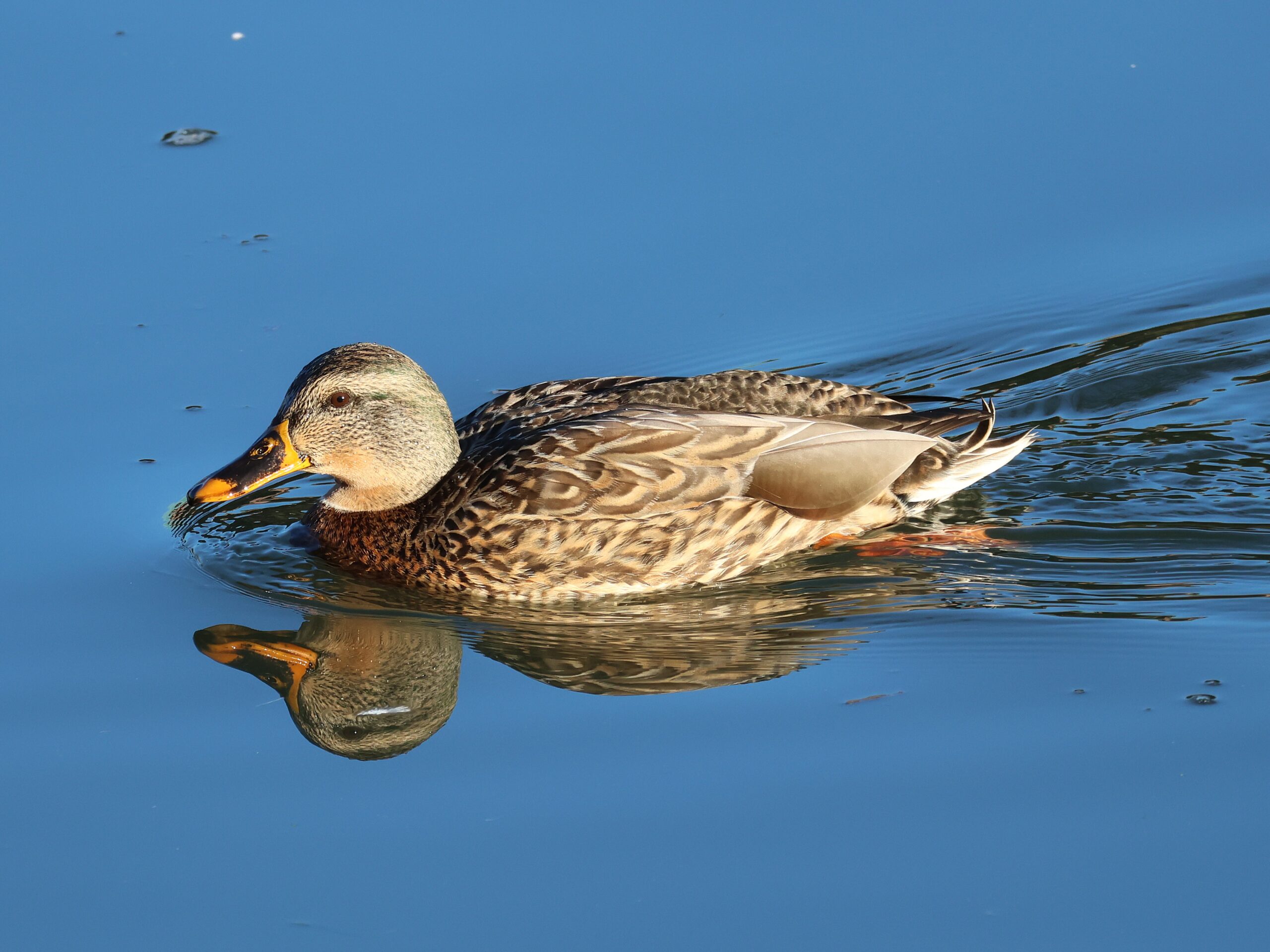
  • Mallard
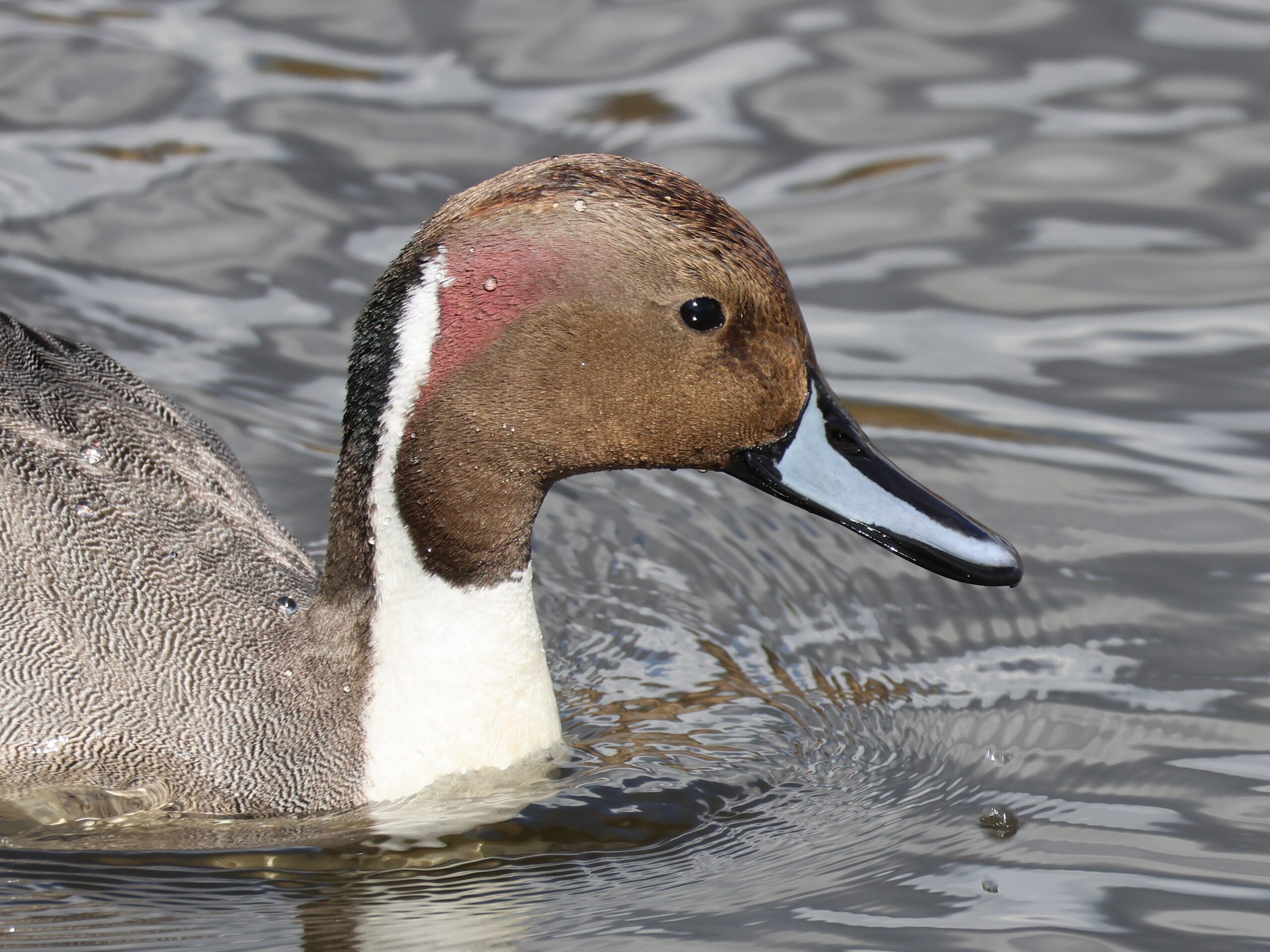
  • Northern Pintail
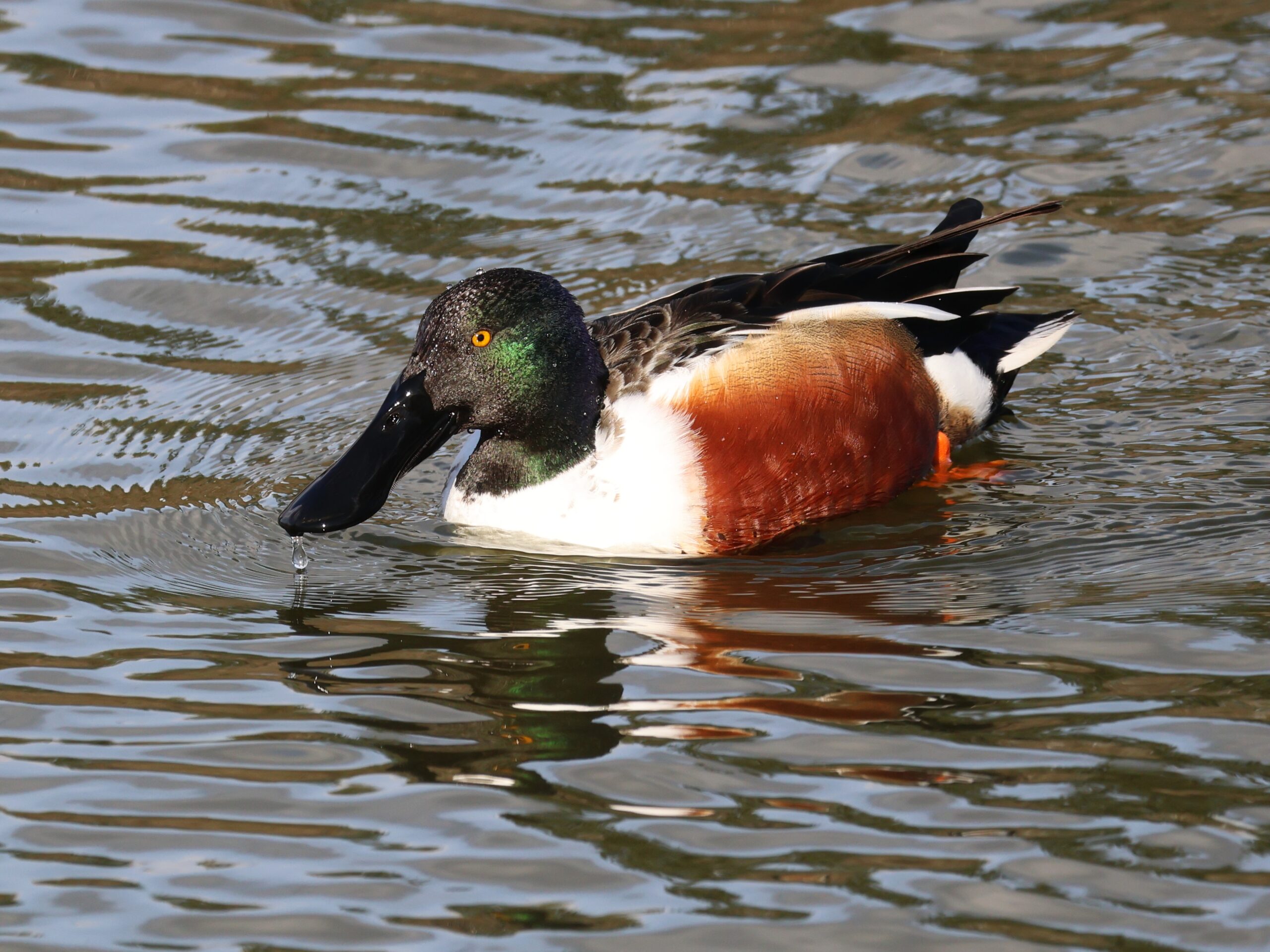
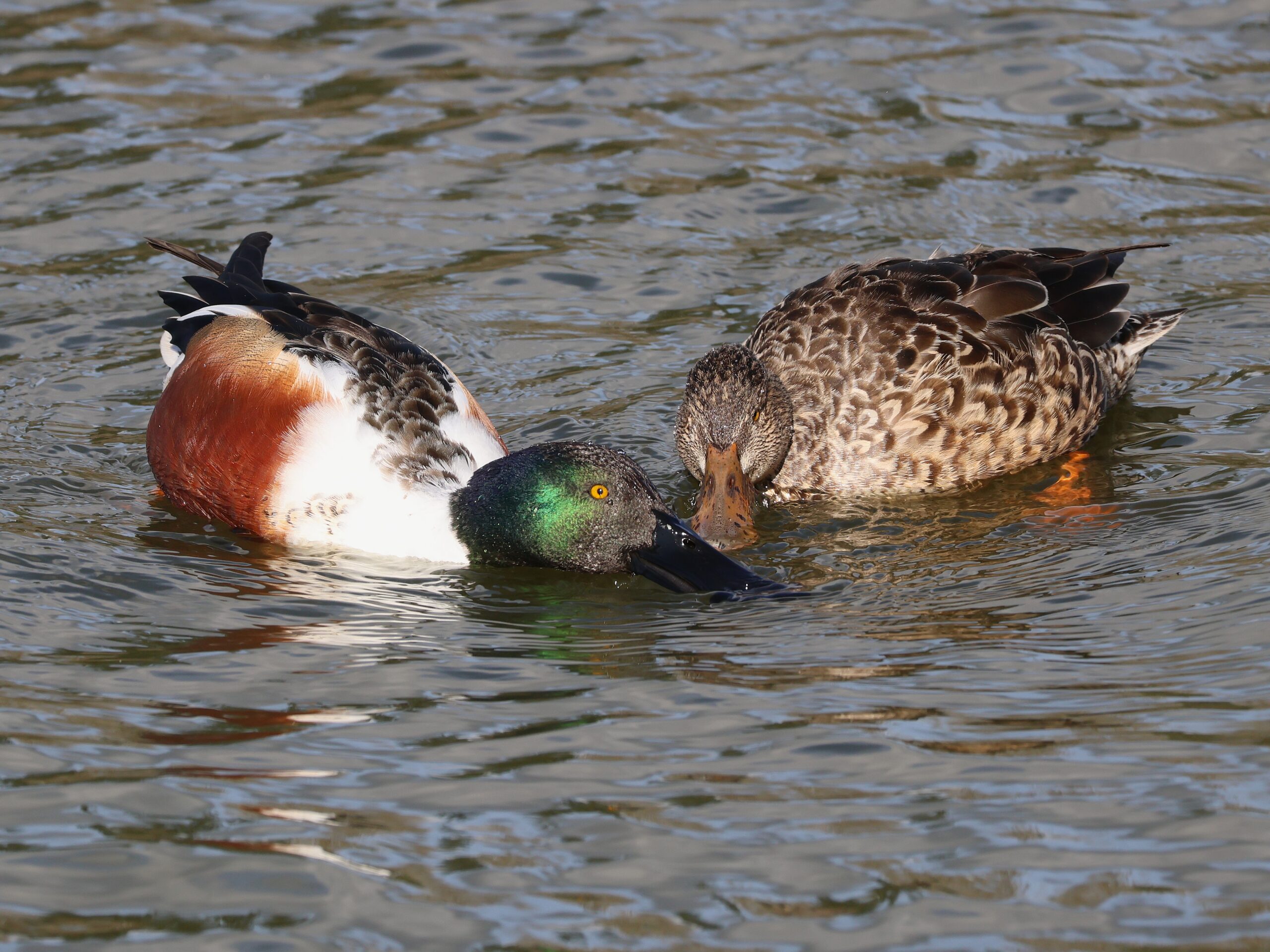
  • Northern Shoveller
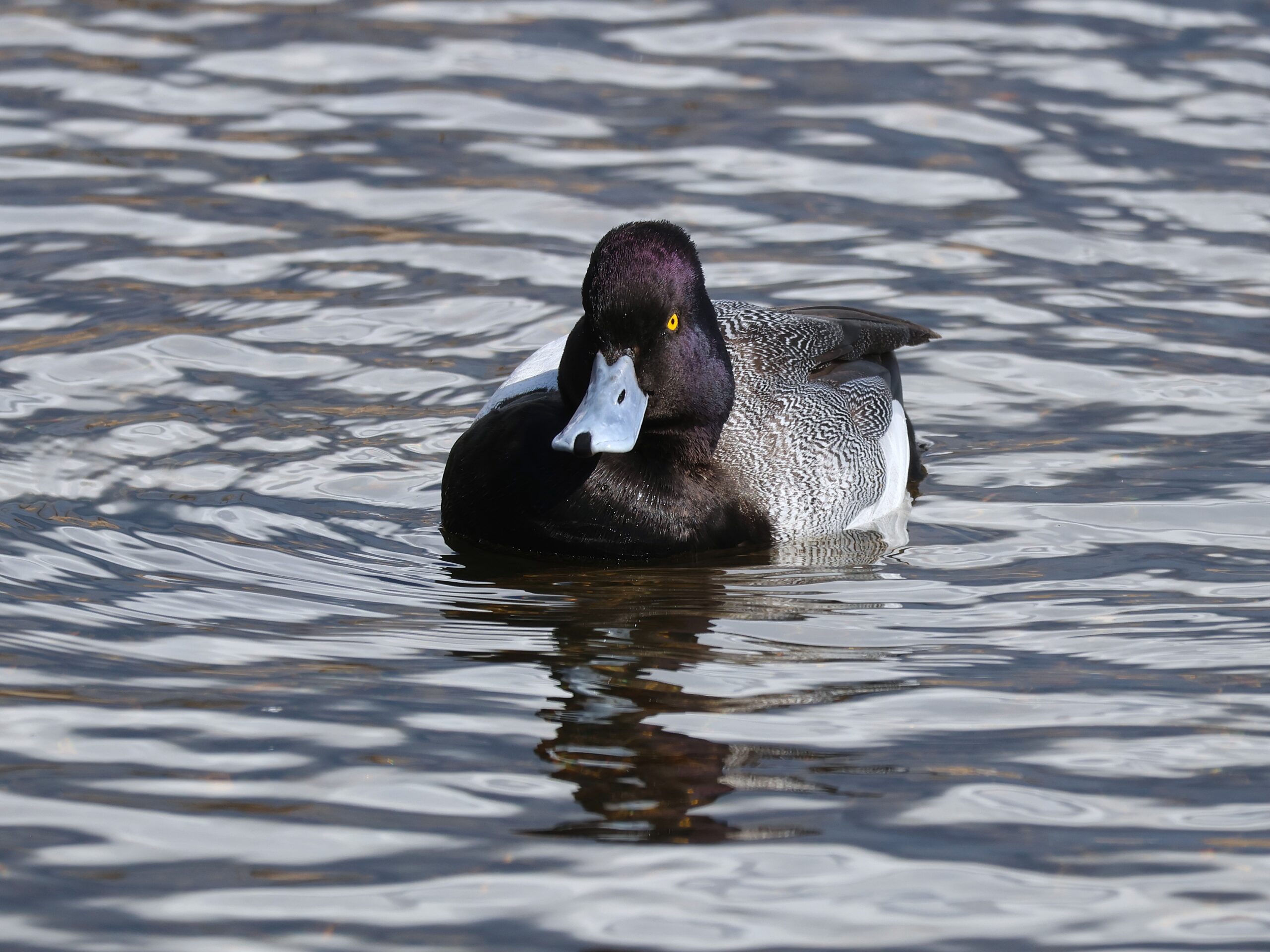
  • Scaup
  • Wood Duck

Common:

  • American Crow
  • Assorted gulls

Raptors:

  • Bald Eagle

Non-birds:

  • A black squirrel

Birding, January 24, 2026: Also know as Brr-ding

Where: DeBoville Slough, Blakeburn Lagoons Park (Port Coquitlam), Tlahutum Regional Park (Coquitlam)
Weather: Sunny, -2-5°C

The temperature started out below freezing, but thanks to sun, little wind and warm pockets, it didn’t feel too cold as we headed north and east for today’s birding. We had planned on going to Reifel, but they remain closed after a boat struck the only bridge to Westham Island last week. It’s looking like we may have to explore other places for some time.

DeBoville Slough

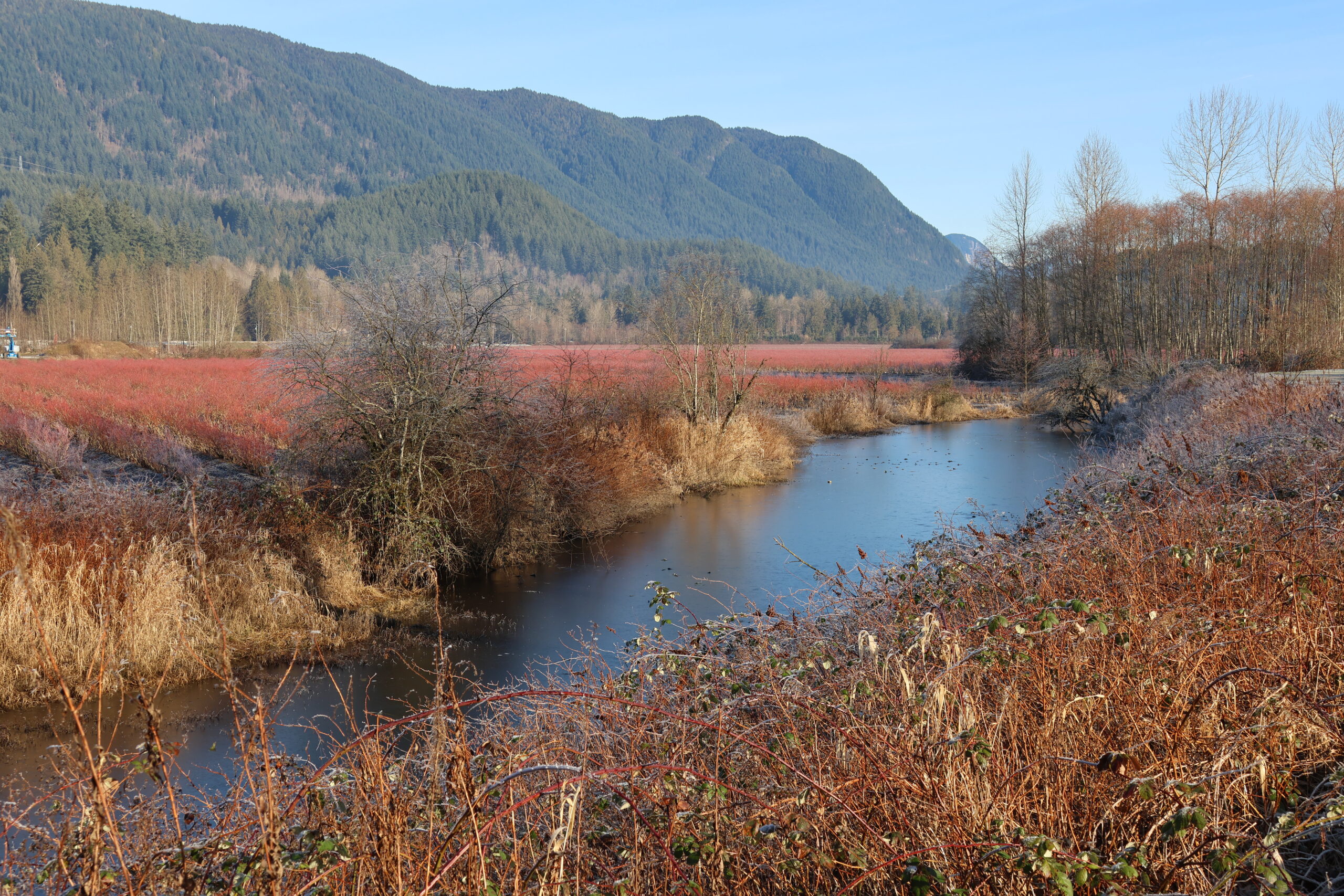
The frozen slough.

The first spot was a return to DeBoville Slough, on the north trail. We were here last summer, so the scenery is a lot more austere now. The freezing temperatures did help make things pretty, with vegetation and trees in shaded areas covered in frost and some of the waterways iced over.

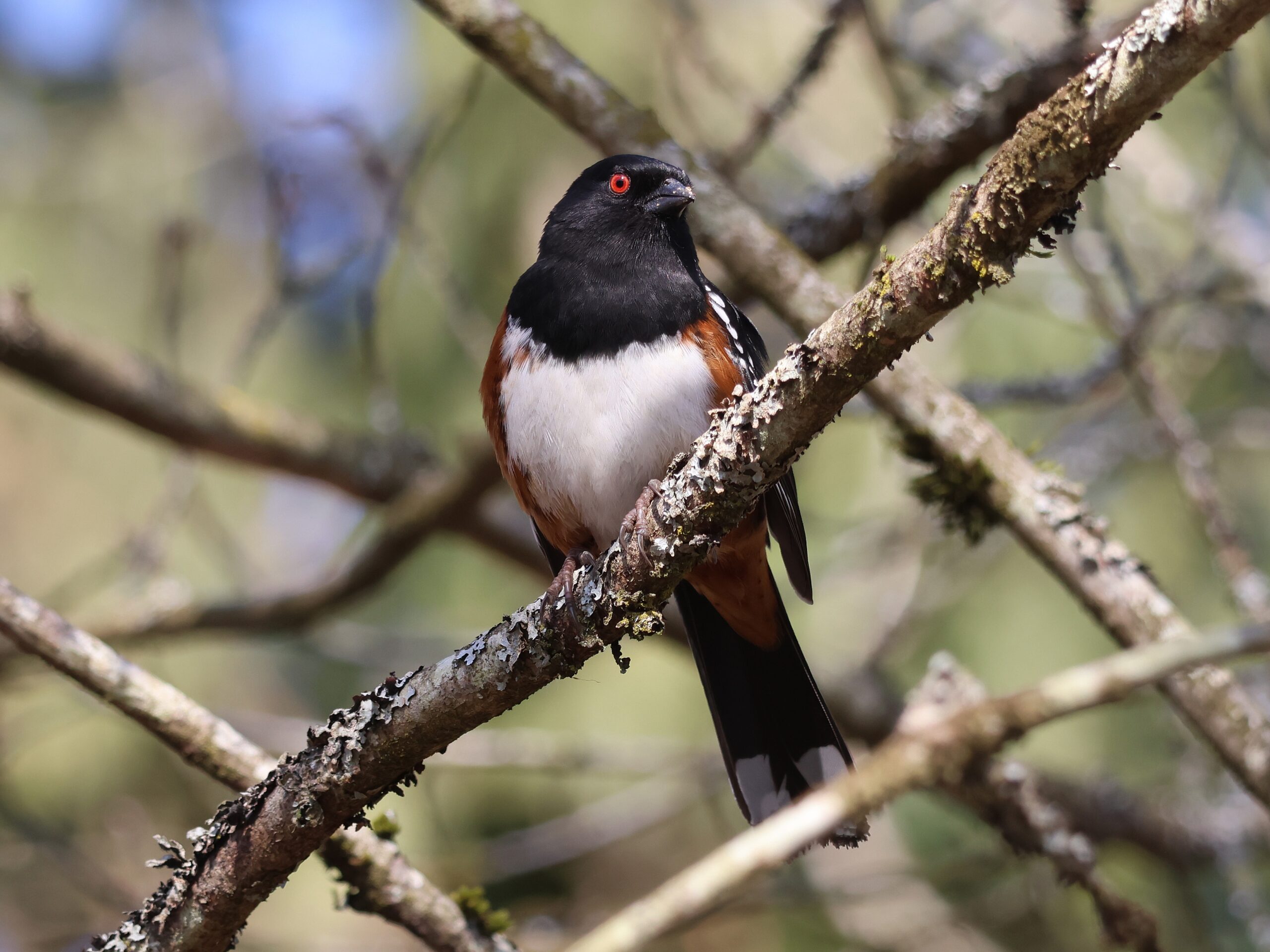
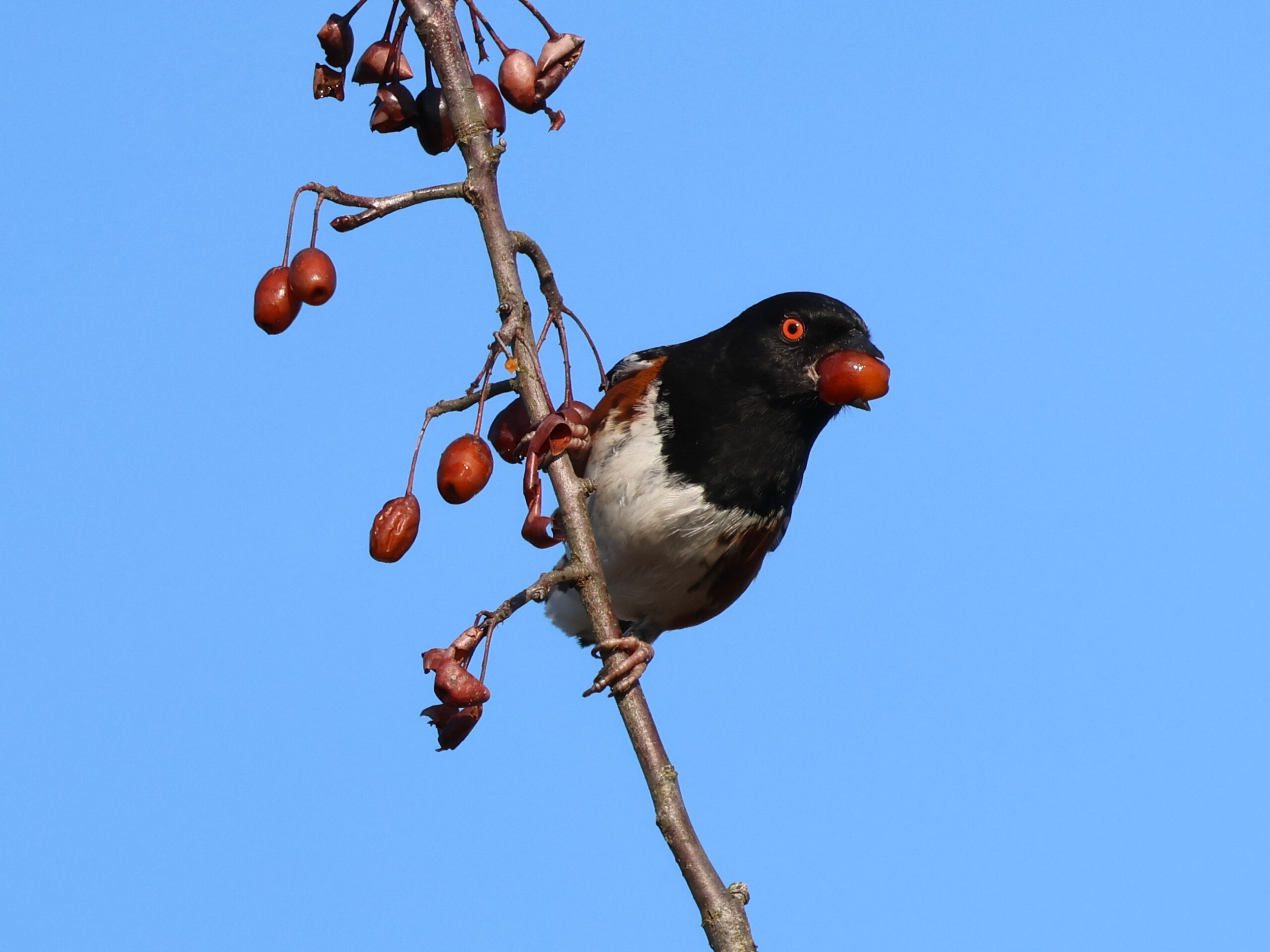
And birds. We saw more birds than I expected, with towhees especially well-represented. The main item on the menu for them and others were berries that survive and grow in the winter. There is nothing quite like a towhee sitting on a naked branch, its red eye staring out, while it clutches a full, round berry in its bill. And I got that shot!

Other than the birds, a lot of people were out, too. Again, sunny weather in January is probably enough for most, regardless of temperature.

Some of the birds we spotted were deeper in the trees and proved elusive, like a Steller’s Jay and a Marsh Wren that Nic managed to get one shot of, but we still had lots of scenery to shoot as backup.

We did not see any bears because they are sleeping, and the osprey nest on the Pitt River is understandably empty, but it was nice to return and see the slough in a different mood.

Blakeburn Lagoons Park

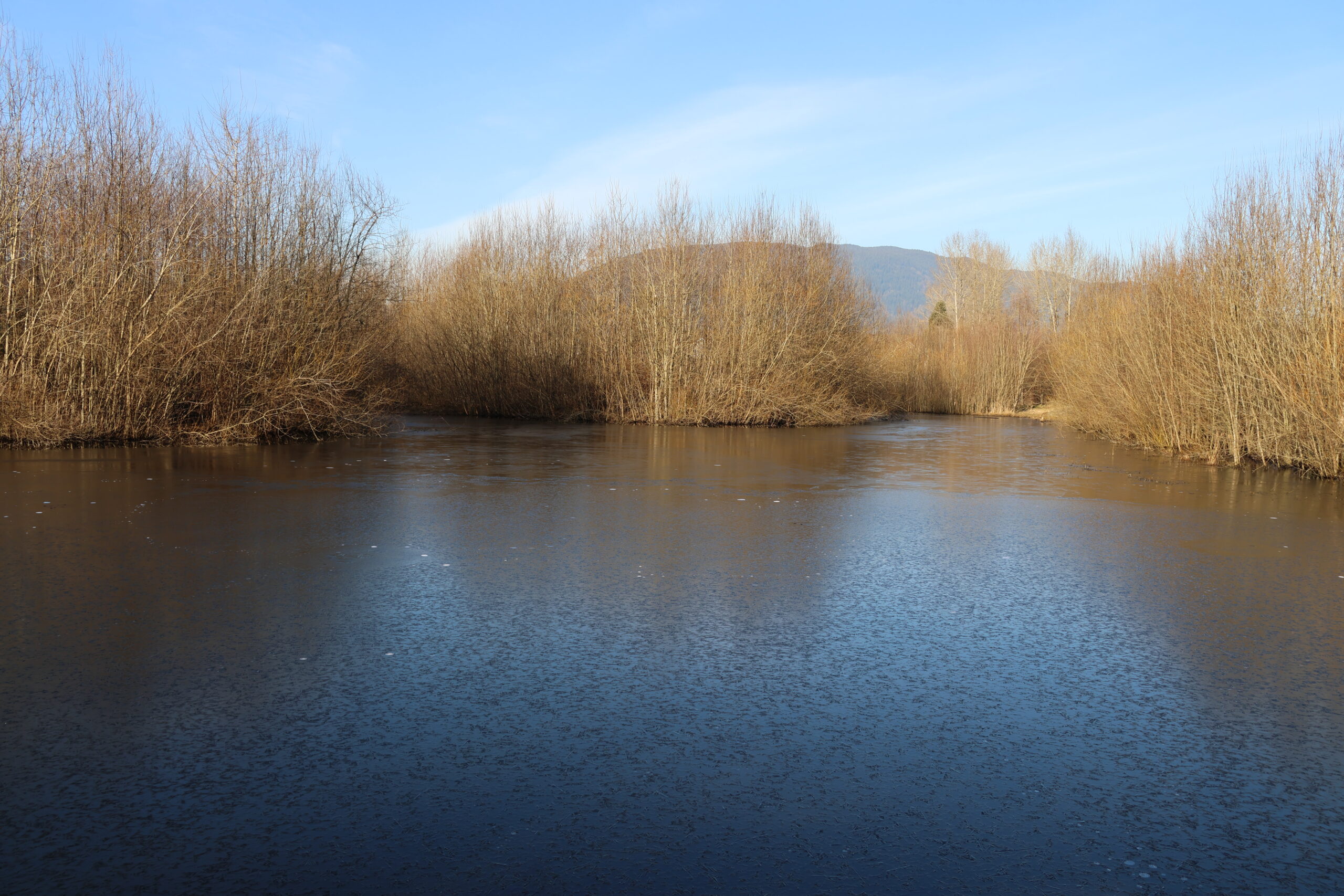
A frozen lagoon.

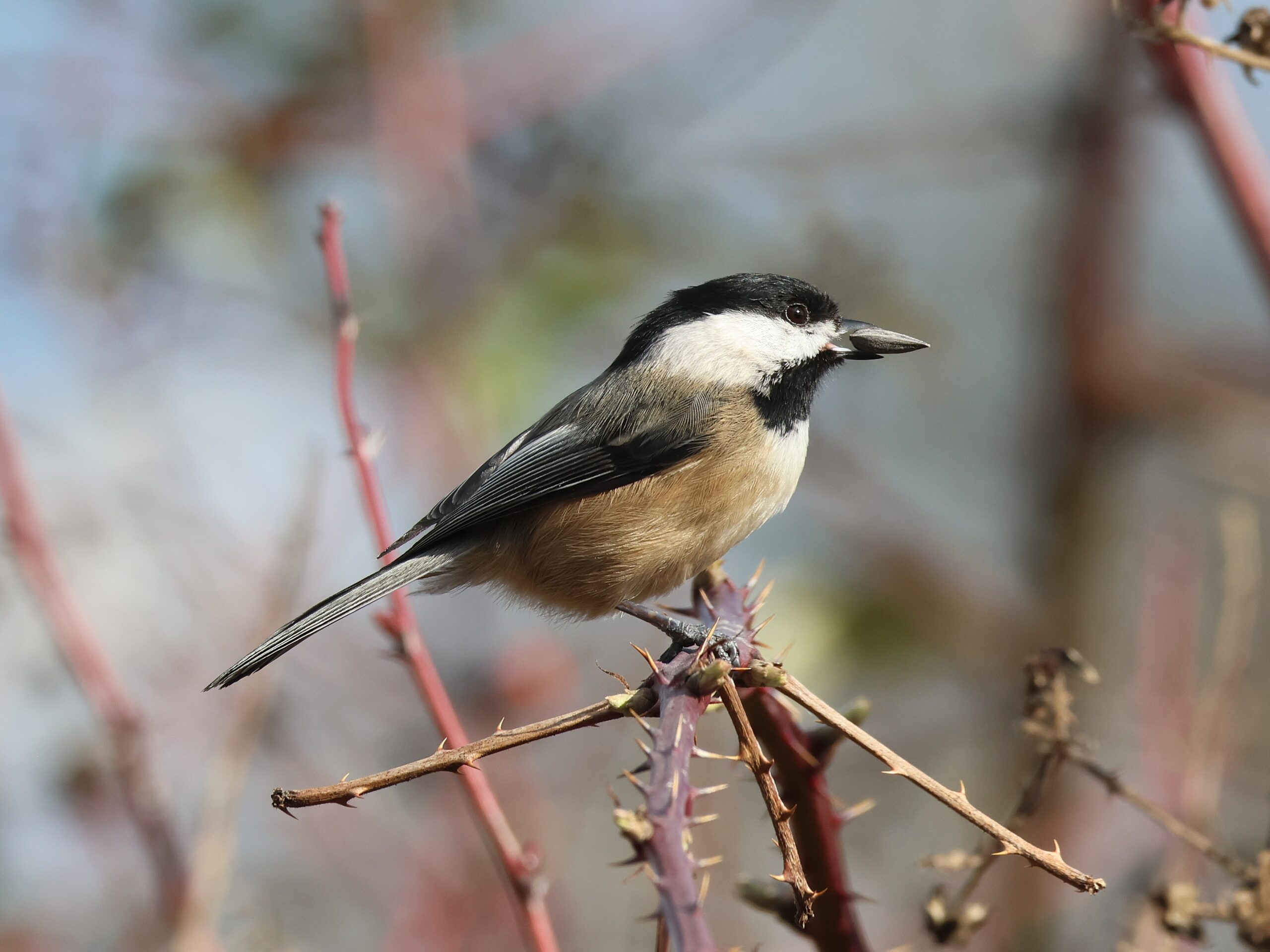
We next went back to Blakeburn Lagoons, which remains a nicely compact pair of water bodies you can walk around fairly quickly if you need to just bird ‘n go. A lot of the water here was frozen, but in a few spots we did see some mallards and a surprise Northern Shoveller. While a Green Heron remained elusive, we were treated to a Varied Thrush a couple of times, allowing us to get some good shots, along with an Anna’s Hummingbird that was claiming half the place, and a single but very vocal chickadee.

Tlahutum Regional Park

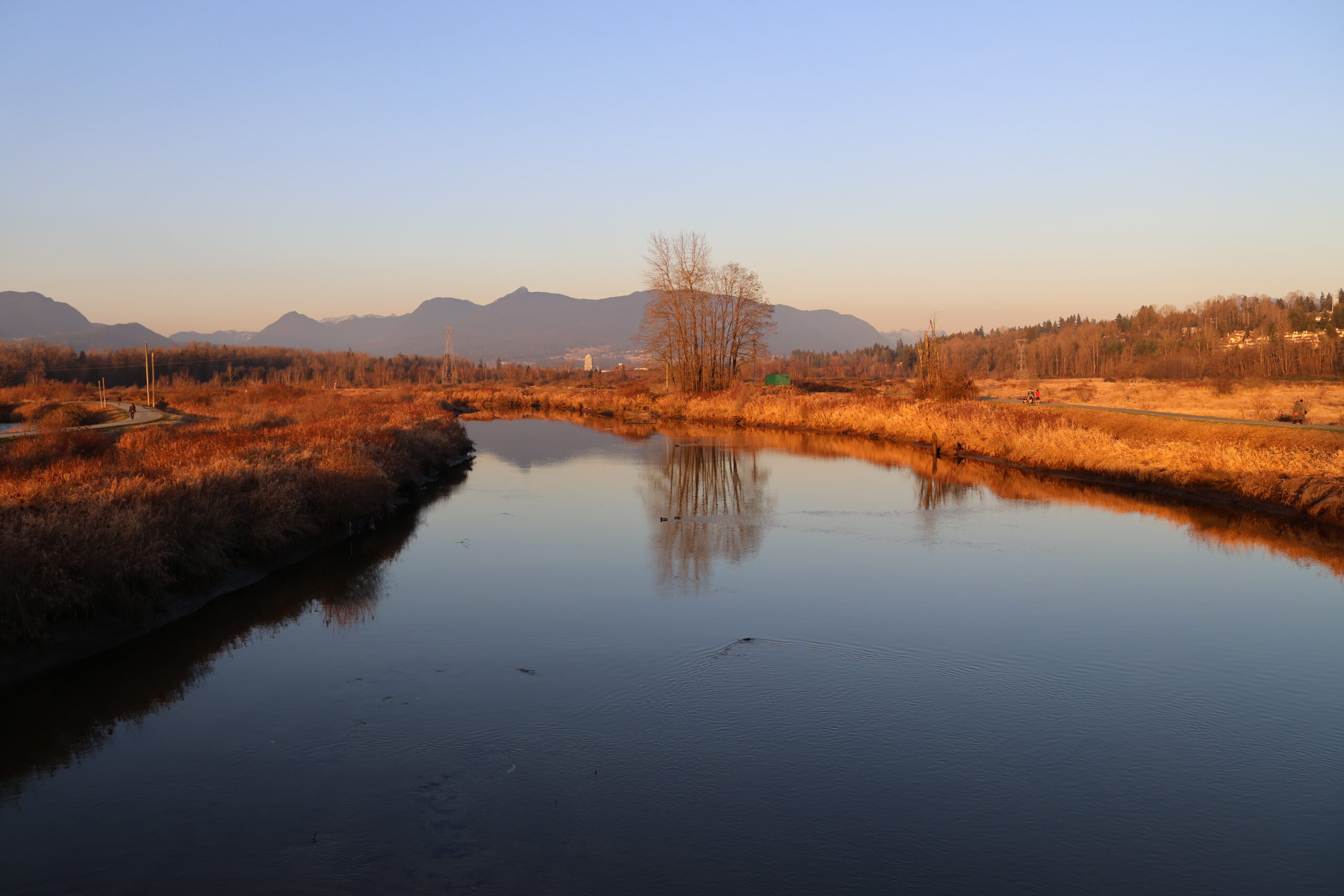
Golden hour over the Coquitlam River.

By the time we got to Tlahutum, the light was turning golden and it was very golden when we left, shortly before sunset. Again, the waterways here were a mix of open and frozen, though most of the main pond was frozen. The open part was at the far end, alas, so the waterfowl were all gathered there because they aren’t going to walk all over the icy surface for our amusement and pleasure.

We saw a lot of the usual birds here and a couple of odder sights, such as an appropriately-named murder of crows harassing a bald eagle, a flock of Canad geese flying in a classic V-formation, then shifting into more of a Silly String formation, without any particular goose leading them. But mostly, voles.

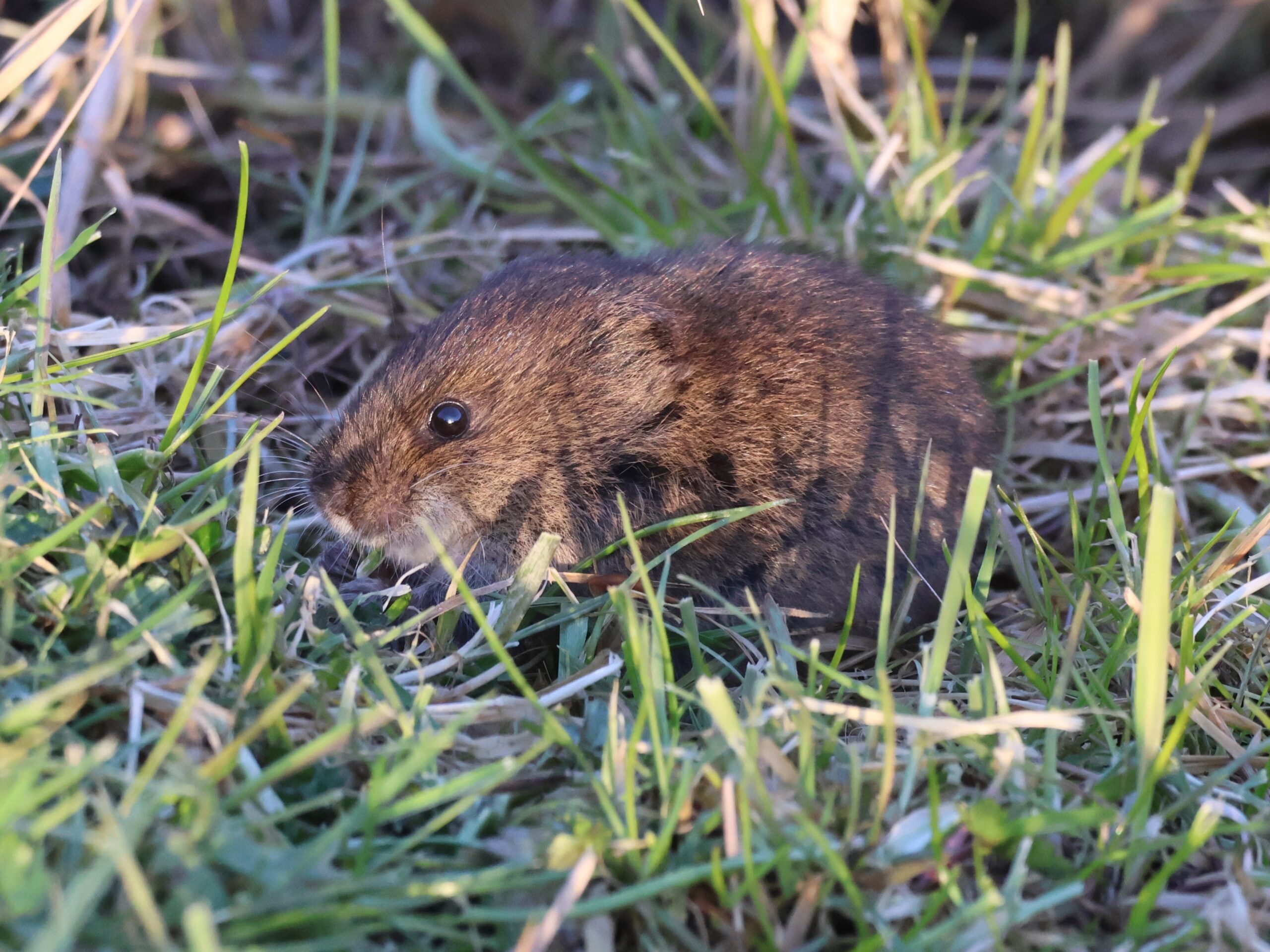
Tlahutum is the kind of spot where voles–small rodents related to hamsters–are likely to hang out, as it has a number of large, grassy expanses. It’s also why we often see eagles or raptors here, as voles are bite-sized snacks for them. But I had never seen an actual vole until today. Then I saw all of them.

Along the first trail into the park, there is a tall wild grass on both sides. Right now it is yellow and flattened down for the winter, but on the trail edges, shorter green grass and vegetation is still growing. And it seems that a whole pile of Meadow Voles know this. We spotted one, then another, then an entire platoon, or whatever you call a bunch of voles. Each would have its own little burrow in the tall grass and would dash out to the trail edge to eat the green grass, then dash back under cover. They did not seem especially perturbed by people, waiting mere moments for someone to pass before returning to nibble. And they may have felt safer with the crows deciding the best use of their time was to pester and chase the one eagle in the area.

They are also very cute, if you find hamsters or hamster-like animals cute.

I wonder if we will see them as the weather warms and the wild grass grows tall again.

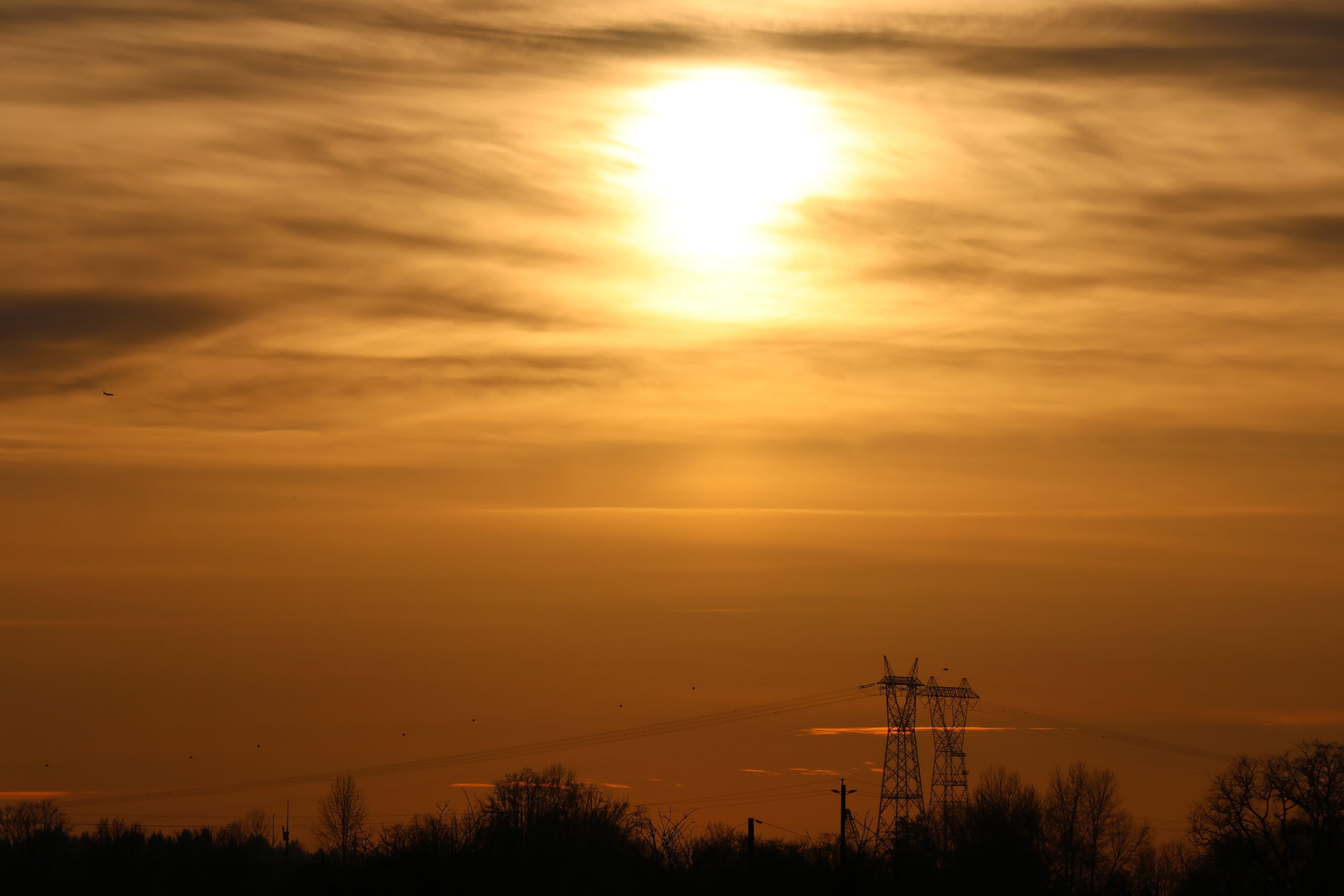
We stayed close until sunset and ended with some final shots of the sun going down.

In all, a fine day and an enjoyable alternative to Reifel.

The Shots

Shot with a Canon EOS R7 with 18-150 mm kit lens and 100-400 mm telephoto.
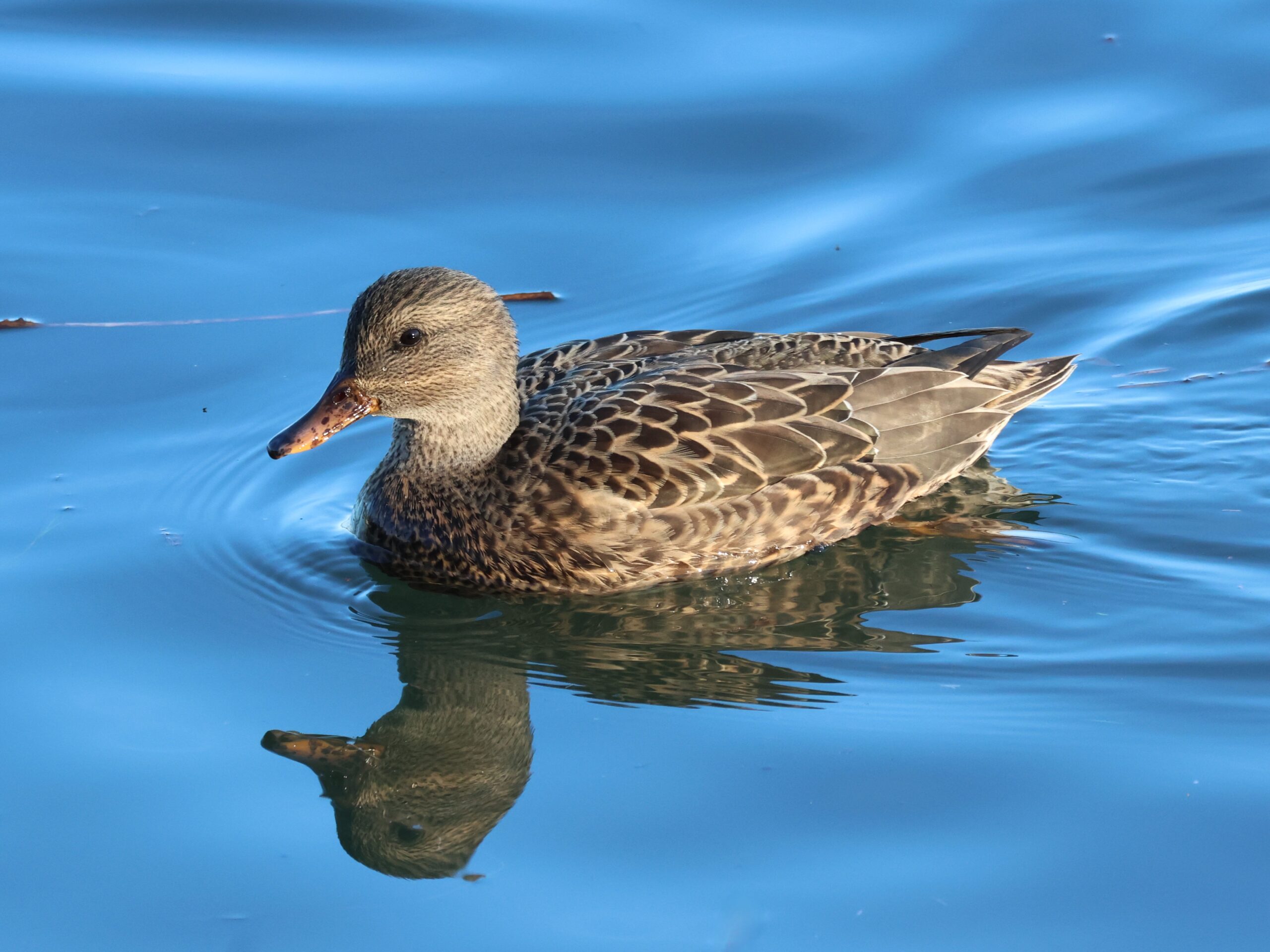
Gadwall quack (I actually couldn’t hear anything).
A Meadow Vole noshing away on grass.
Sunset at Tlahutum, with bonus plane.
A Spotted Towhee haz berry, as the kids say.

Gallery soon™.

The Birds (and other critters)

Sparrows and sparrow-adjacent:

  • American Robin
  • Anna’s Hummingbird
  • Black-capped Chickadee
  • Dark-eyed Junco
  • Fox Sparrow (maybe)
  • Golden-crowned Sparrow
  • Song Sparrow
  • Spotted Towhee
  • Steller’s Jay
  • Varied Thrush

Waterfowl and shorebirds:

  • American Wigeon
  • Belted Kingfisher (probably)
  • Bufflehead
  • Canada Goose
  • Gadwall
  • Great Blue Heron
  • Hooded Merganser
  • Mallard
  • Marsh Wren
  • Northern Shoveller
  • Wood Duck

Common:

  • American Crow
  • Assorted gulls

Raptors:

  • Bald Eagle

Non-birds:

  • A million Meadow Voles

Birding, January 17, 2026: Eagle droppings and foggy shores

Where: Centennial Beach (Delta), Richmond Nature House (Richmond), Piper Spit, Burnaby Lake (Burnaby)
Weather: Fog and sun, 5-8°C

For the first time in five weeks, the schedule and weather cooperated and we went birding, woo.

Reifel has been closed for a few weeks due to some fairly significant flooding, so we opted to start at Centennial Beach, where things were not quite as expected.

Centennial Beach

Not a gallows! It was very foggy at Boundary Bay. It’s there, trust me.

Namely, there was very dense fog, so dense that we could barely see Boundary Bay at all.

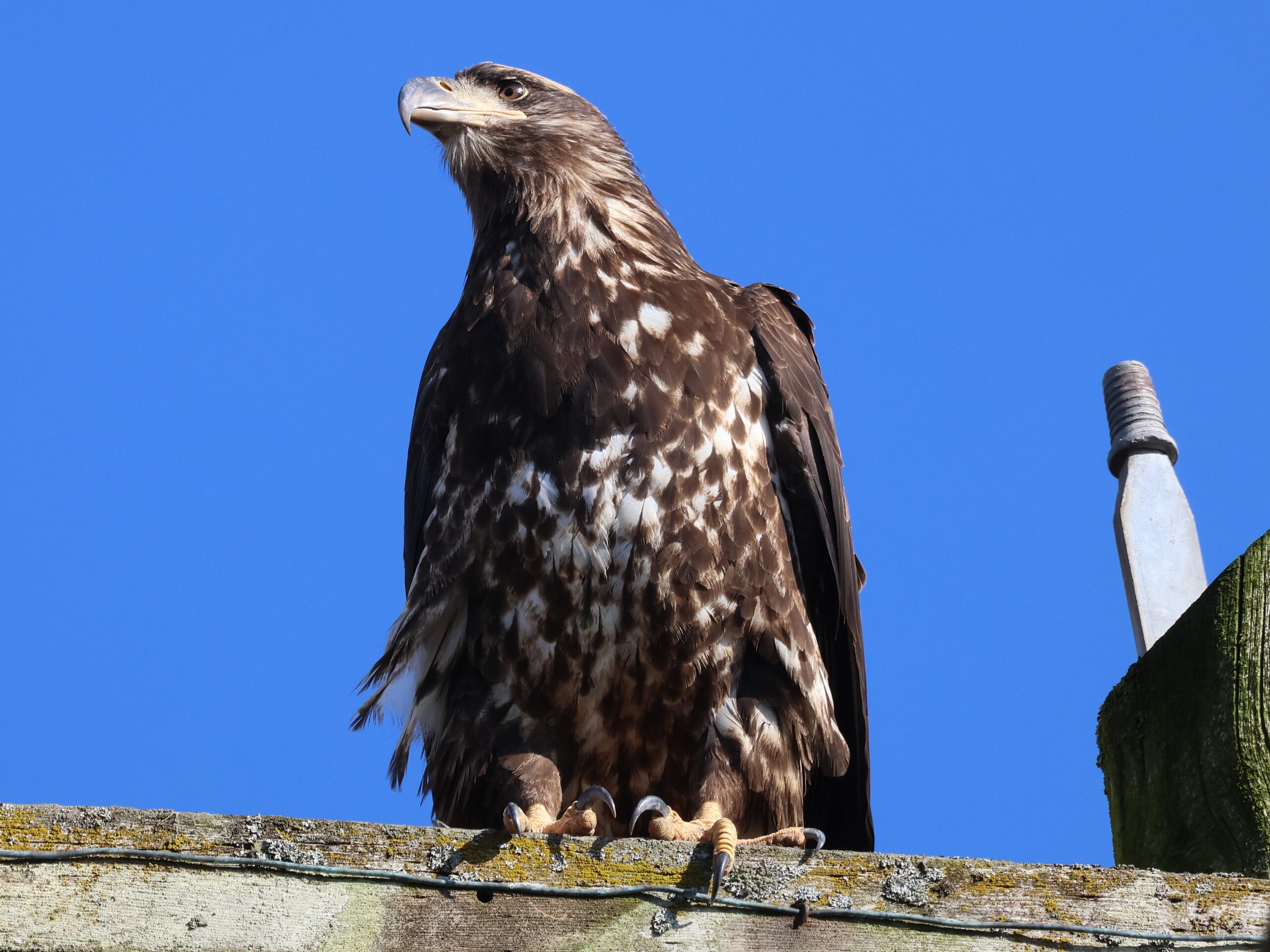
Despite the fog, the area turned out to be chock-full of birds today, starting with a juvenile bald eagle chowing down on a snack in a tree right next to the parking lot. There were other eagles perched on various branches and nearby trees, as well. The kid eagle was regularly dropping bits of whatever ex-animal it was eating, which would be kind of a gross thing to land on you if you happened to be walking by underneath.

Golden-crowned Sparrows were in abundance, as were the somewhat more scarce but sexy Fox Sparrows.

The fog rolled back enough for us to see a short ways across the bay and we noticed a large gathering of waterfowl that did not look familiar. Checking later, we confirmed it was a gaggle of Brant Geese–the first time either of us have seen them locally. Neat! Too bad they were so far away.

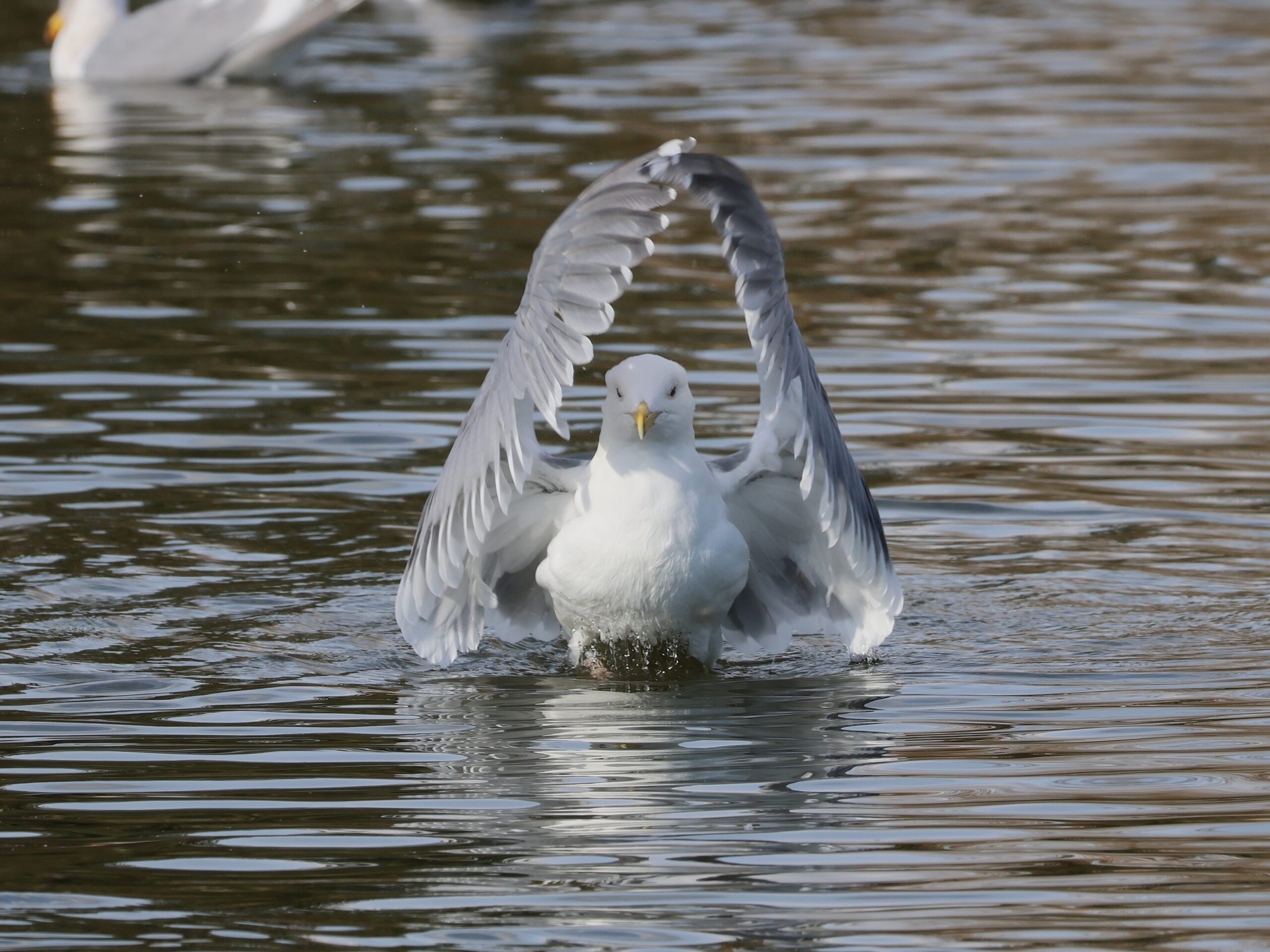
Closer up were shorebirds, teals and plenty of gulls mixing, mingling and occasionally bathing.

The fog provided a nice spooky backdrop to the scenery and shots of broody herons and the like.

In all, we saw a lot more than II was expecting.

Richmond Nature House

Anna’s Hummingbird, plotting against Nic.

Nic wanted to check out the Richmond Nature House, because you don’t have to find the birds, you just go to the feeders and the challenge is deciding which of the billion juncos to shoot. In addition to the juncos, there were squirrels fattening themselves on seed, along with towhees, finches and a Downy Woodpecker.

One of the hummingbird feeders, clothed in a knit sock to keep the nectar from freezing, saw business from a female Anna’s hummingbird. The hummingbird did not have socks.

Since you don’t need to go anywhere to get shots at the nature house, we got our supply in and headed out for Piper Spit, hoping it would not be foggy there as the light shifted into the golden hour.

Piper Spit, Burnaby Lake

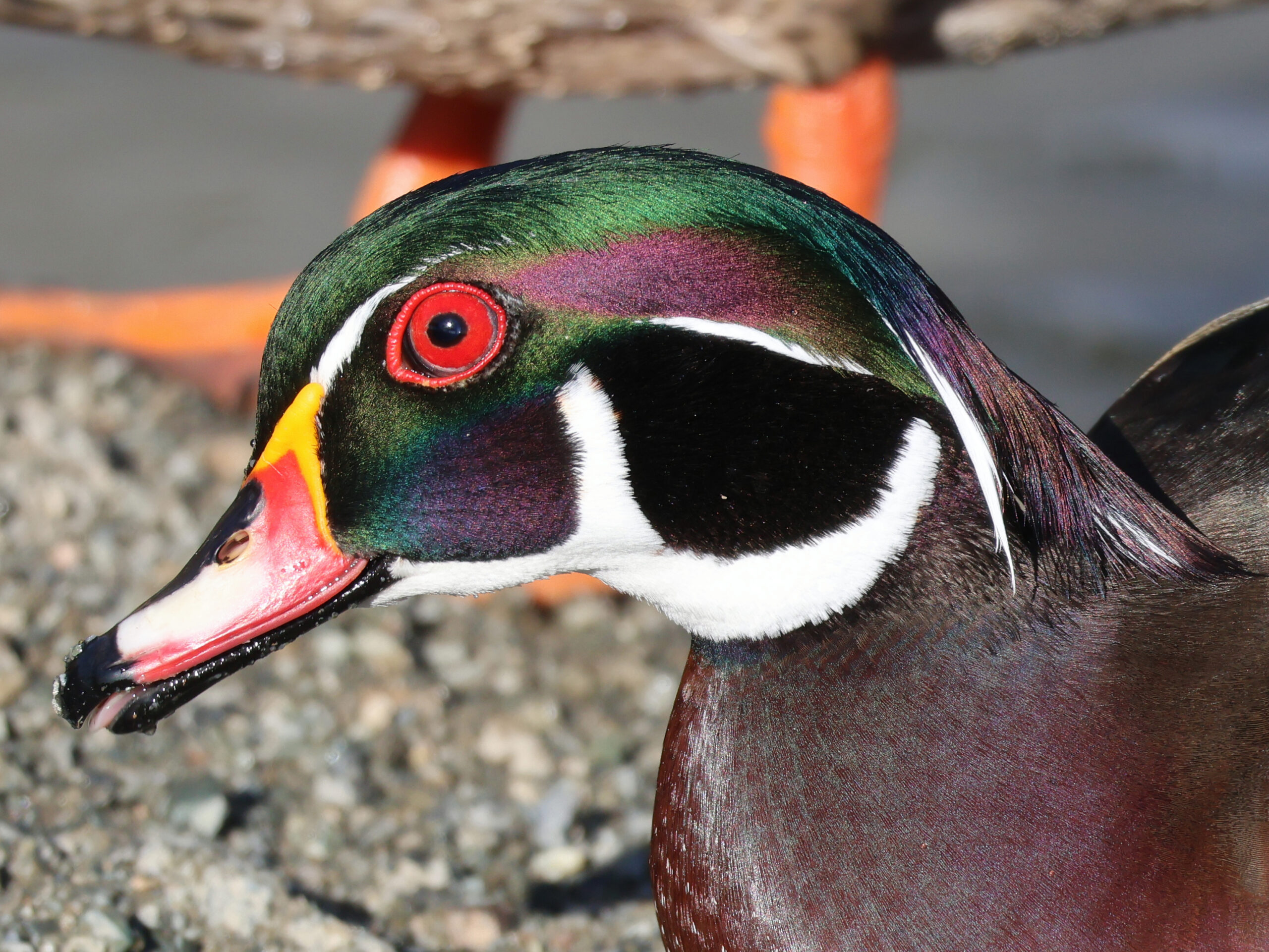
A Wood Duck couple basking in the golden glow of the late afternoon sun.

And it was not foggy! What it was, was busy. And there were bad people feeding the birds, because apparently nothing short of running around and poking them with a cattle prod will stop some people. And maybe not even that, who knows?

Likely due to the shifting depth of the lake, the dowitchers were much closer to the pier than usual, and seemed unperturbed by us pesky humans. A few were so close I had to pull back on the zoom, which happens approximately never.

The cormorants were not here this time, though, replaced by a lot of crows and gulls. The usual waterfowl were present, and the light presented both opportunities with shadow and reflection, as well as challenges with overexposure. But hey, it was actually sunny!

In all, a much better day of birding than I had expected. I’m probably good for fog for the rest of the year, though.

The Shots

Shot with a Canon EOS R7 with 18-150 mm kit lens and 100-400 mm telephoto.
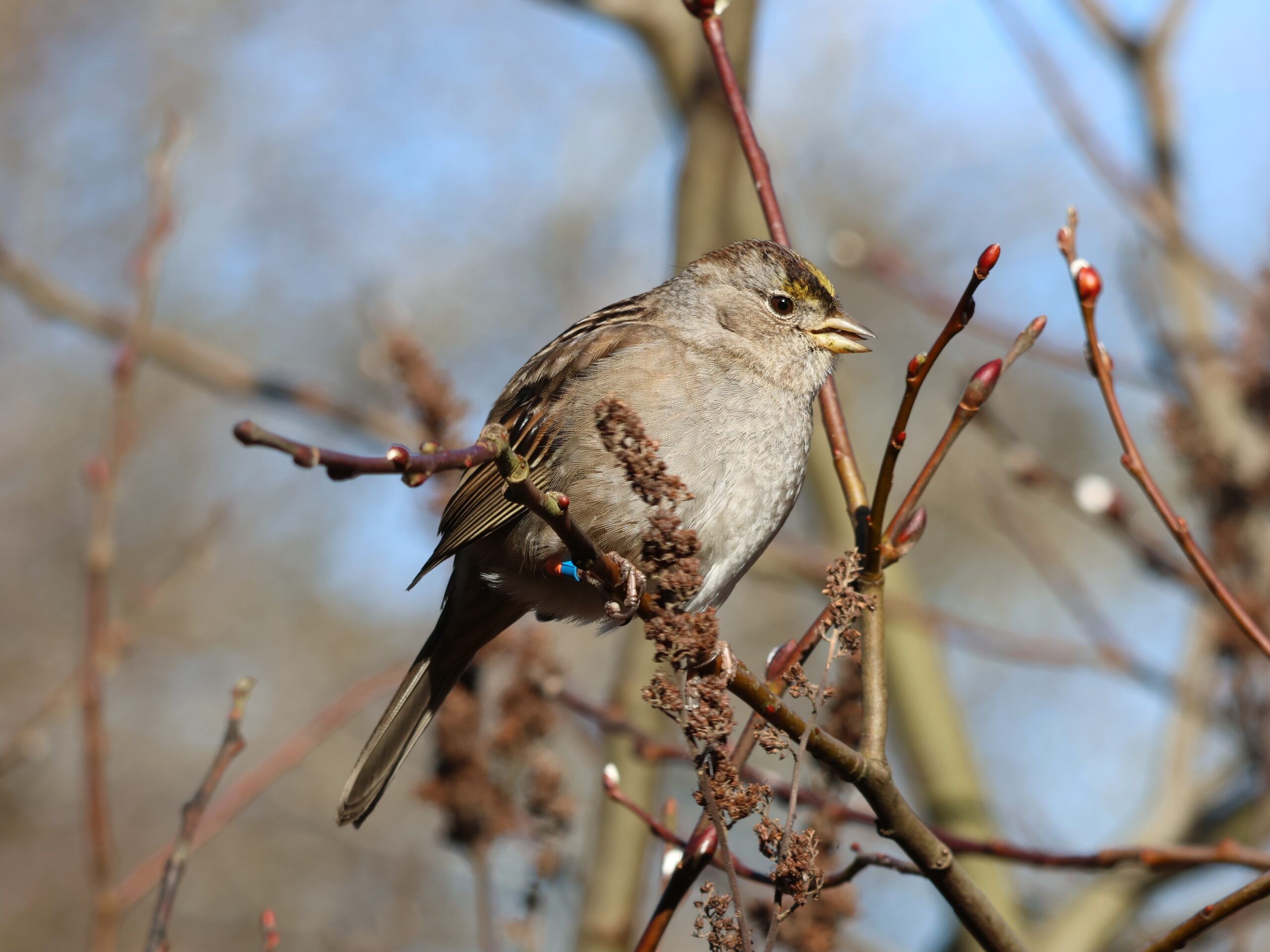
Gallery soon™.

The Birds (and other critters)

Sparrows and sparrow-adjacent:

  • American Robin
  • Anna’s Hummingbird
  • Black-capped Chickadee
  • Dark-eyed Junco
  • Downy Woodpecker
  • Fox Sparrow
  • Golden-crowned Sparrow
  • House Finch
  • Purple Finch
  • Red-bellied nuthatch
  • Red-winged Blackbird
  • Song Sparrow
  • Spotted Towhee

Waterfowl and shorebirds:

  • American Coot
  • American Wigeon
  • Brant Goose – lifer!
  • Canada Goose
  • Gadwall
  • Great Blue Heron
  • Greater Yellowlegs
  • Green-winged Teal
  • Killdeer (heard, not seen)
  • Lesser Scaup
  • Long-billed Dowitcher
  • Mallard
  • Northern Pintail
  • Wood Duck

Common:

  • American Crow
  • Assorted gulls

Raptors:

  • Bald Eagle

Non-birds:

  • Squirrels!

Some shots from around Sapperton Landing, December 31, 2025

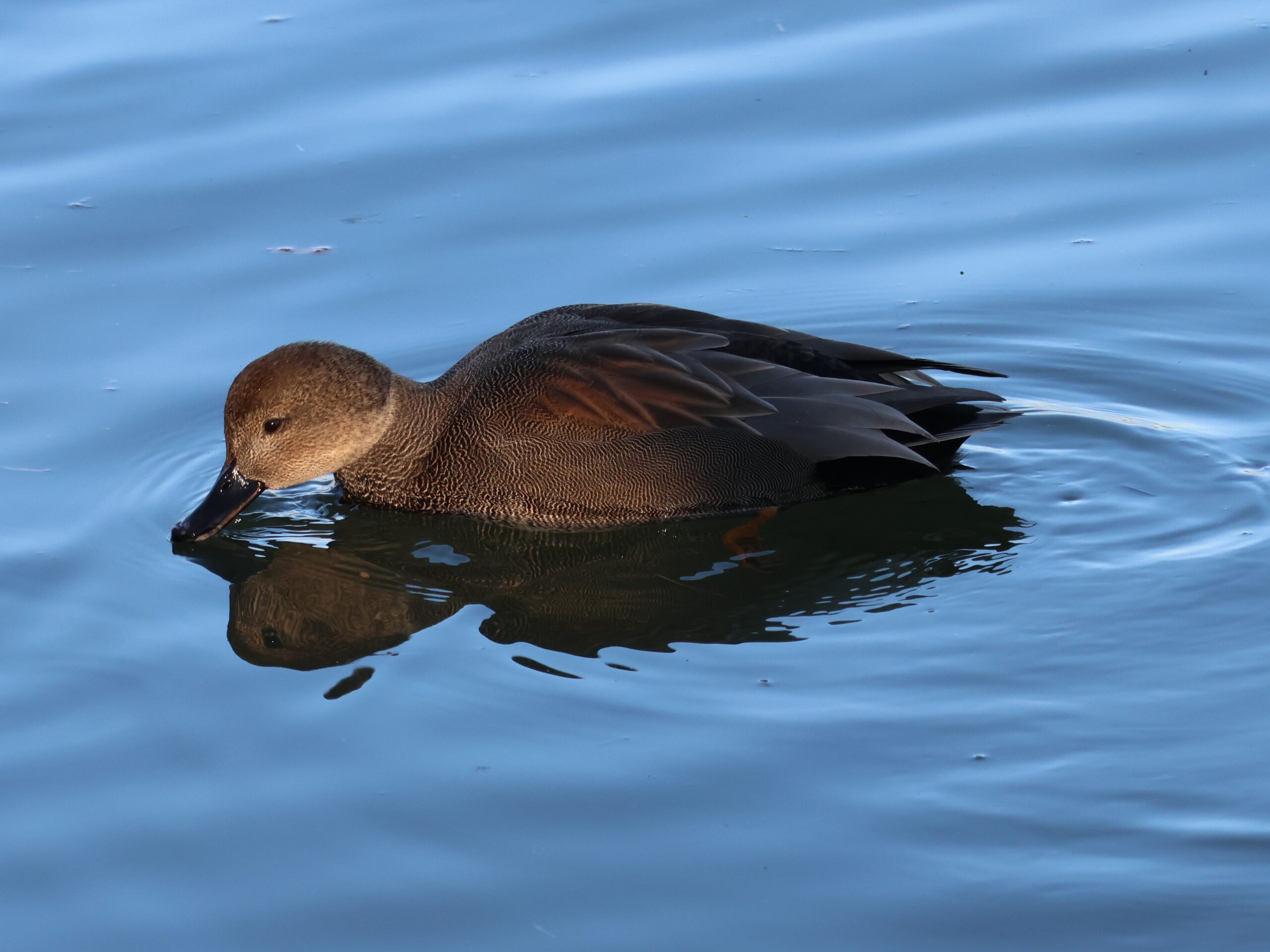
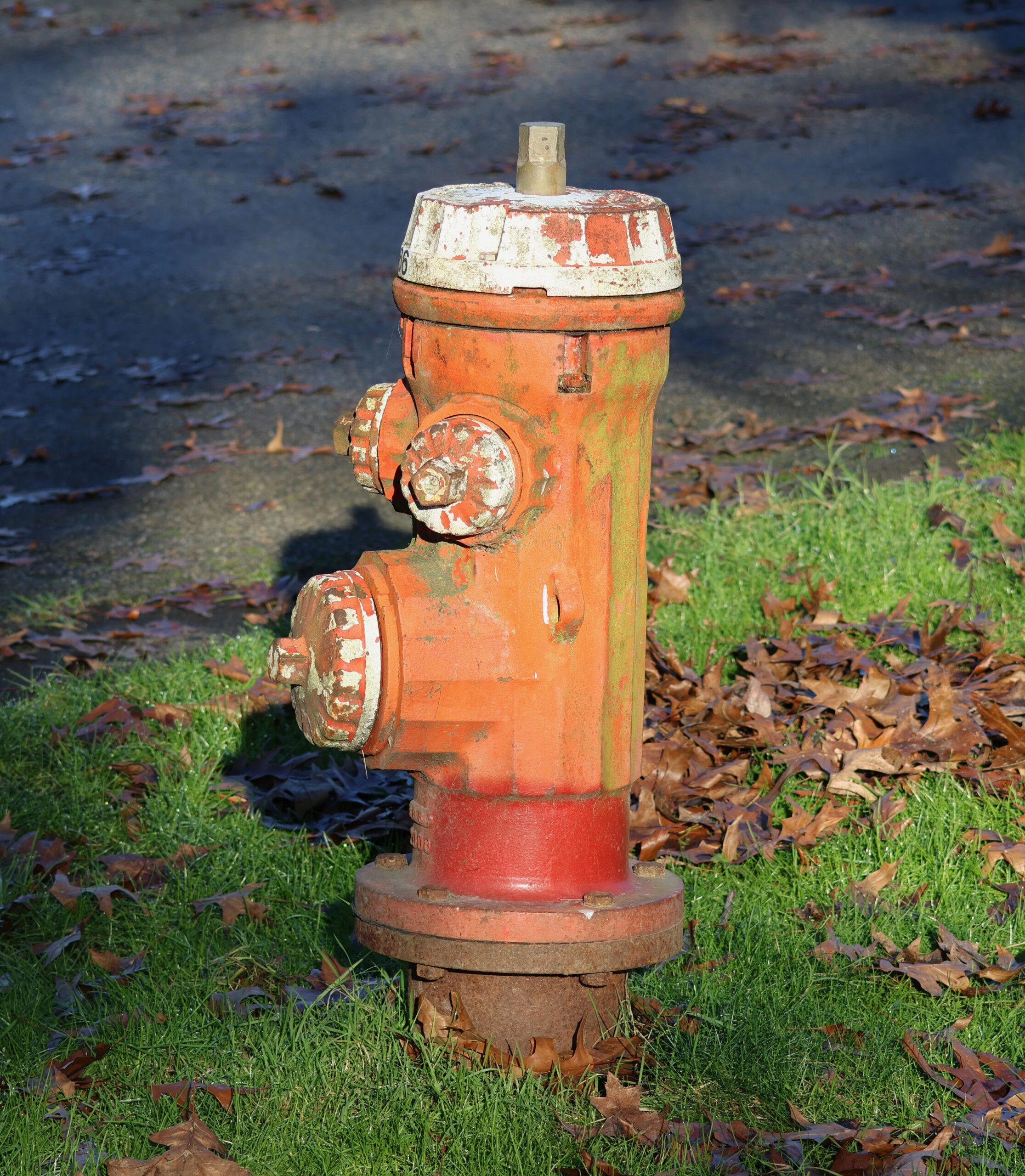
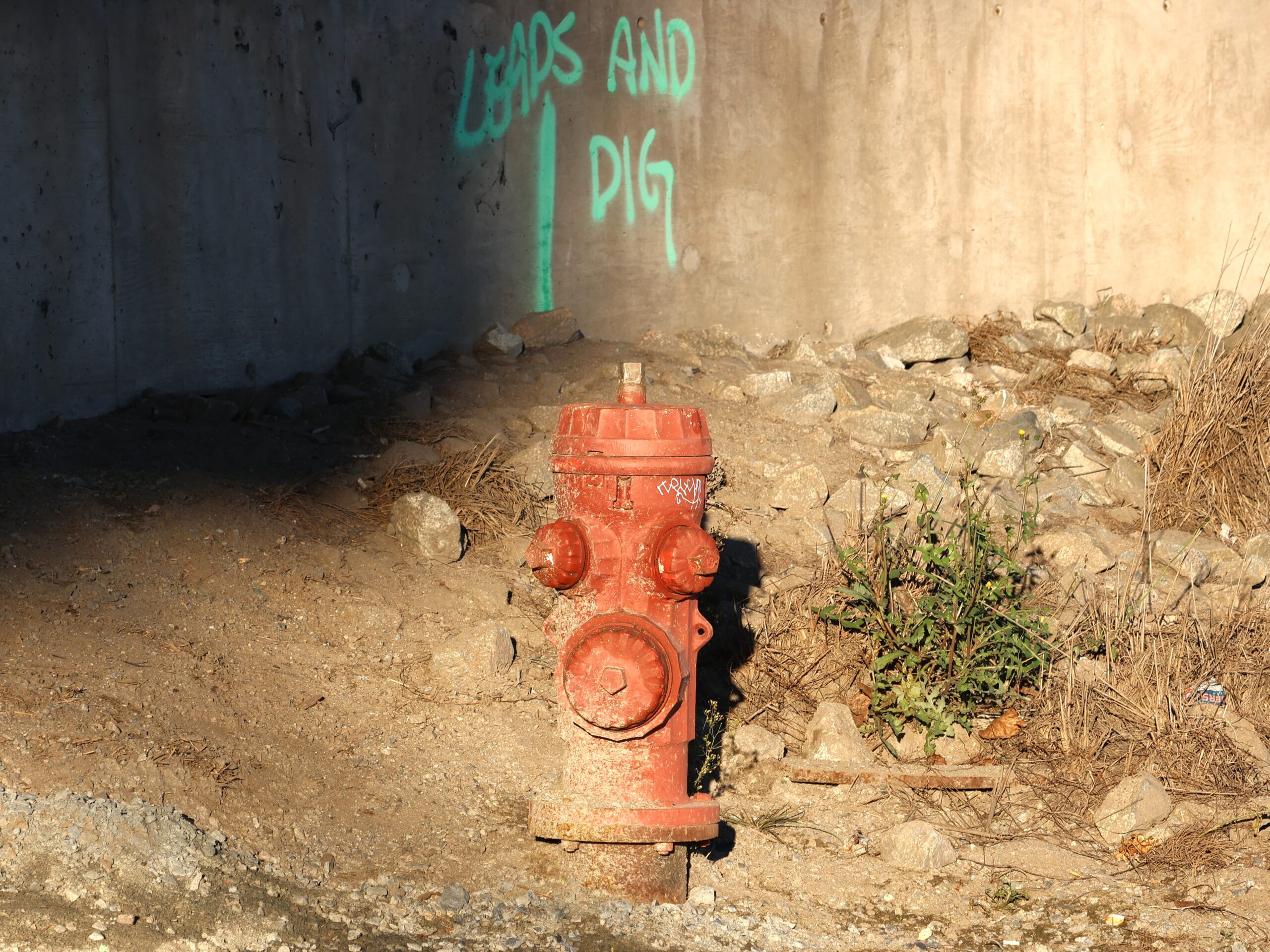
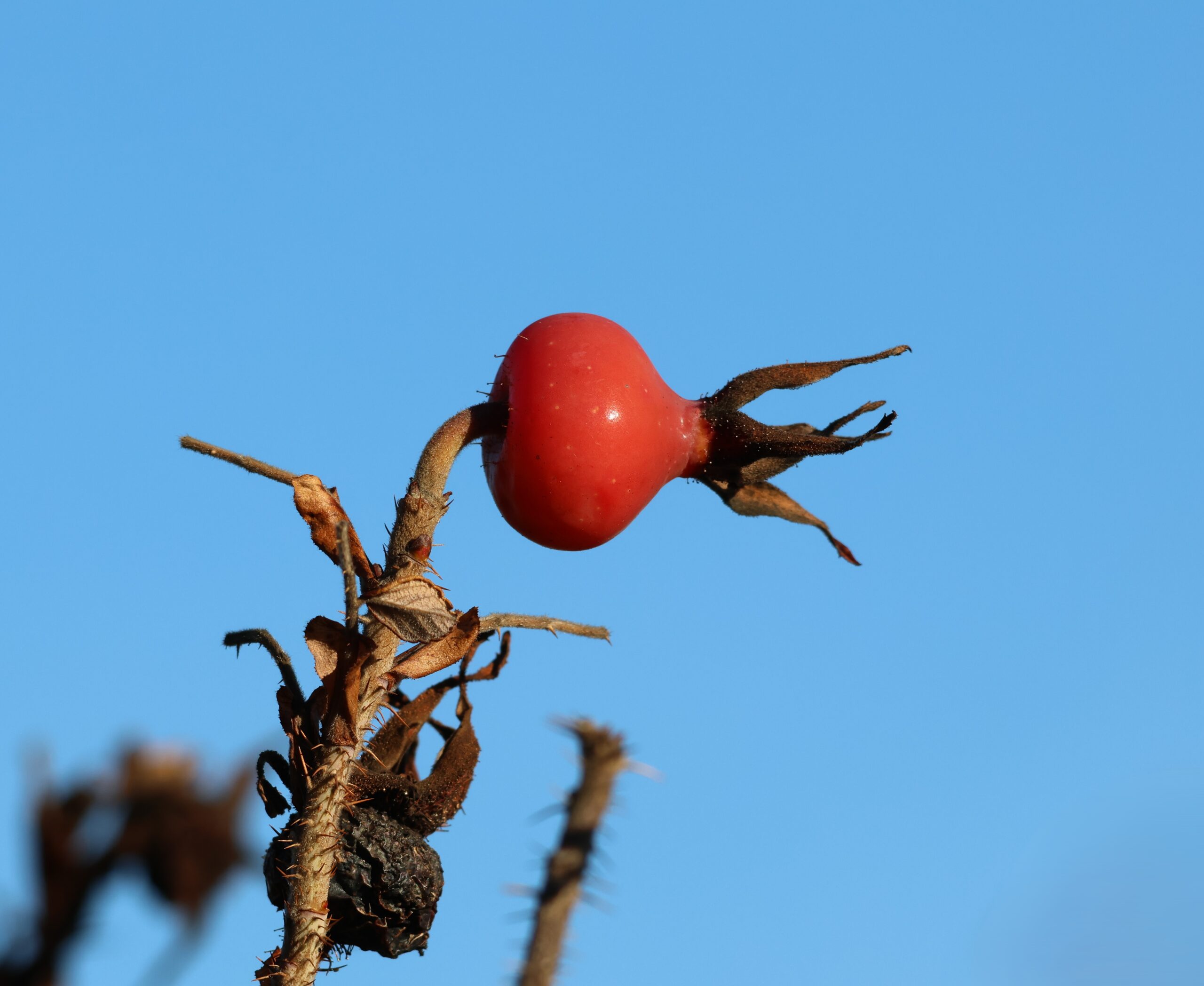
I ended the year by going out on a rare sunny afternoon and grabbing some shots in and around Sapperton Landing. Birds, hydrants, berries, a little of everything.

I also didn’t fuss around with the shots. I used the JPEG versions and edited them in the default Windows 11 Photos program. The advantage? The gallery is done, rather than being in-progress for some unspecified length of time.

Birding, December 6, 2025: Pigeon party

Where: Piper Spit, Burnaby Lake (Burnaby), Tlahutum Regional Park (Coquitlam)
Weather: Sun, cloud, late showers, 9°C
A mostly clear sky and very calm water on Burnbaby Lake.

The original forecast was The Rains and plenty of them, but a shift toward better weather in the morning prompted us to head out earlyish to a couple spots before the showers arrived.

It was also unseasonably mild, at least until the wind started picking up near the end.

Piper Spit, Burnaby Lake

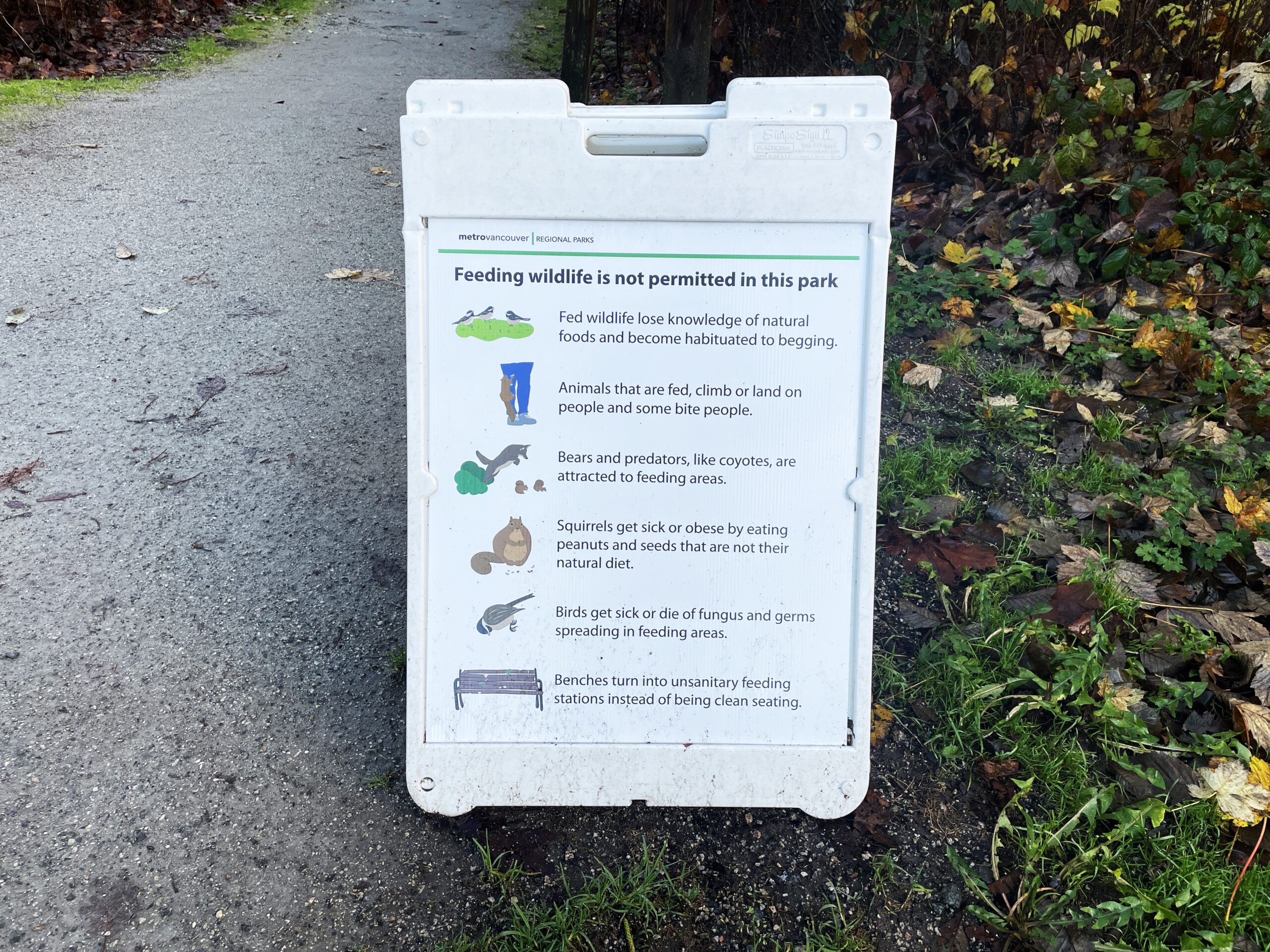
It was sunny at Piper Spit and new signs were out, giving myriad reasons on why feeding wildlife is now permanently banned. It’s not just about keeping the bears away. Check out the chonky squirrel on the sign. I’ve seen that squirrel!

A good luck heron (I have arbitrarily decided that seeing a heron is good luck) was standing in the water, just down from the dam, but we both managed to get grainy, blurry photos, despite it not moving. Not an auspicious start.

Mist on the water provided some nice scenery shots along the trail, though, and a presumed mated pair of geese allowed me to take photos without any hissing.

We took the side trails and it appeared to be feeding time, as a collection of finches, robins, juncos, towhees and more were darting about the trees, snacking on berries. While it proved challenging at times to get shots through all the branches and twigs, I got probably my best directly-from-below shot of a robin ever. Possibly also my only one. We even saw a Stellar’s Jay, though it proved elusive for picture-taking.

At the spit, a few song sparrows were hopping about and the waterfowl were adapting to their new seed-free life (although we later saw someone had left a trail of seeds along a low railing–bad!) The water level seemed higher, which meant the shorebirds were farther away, so no good photo opportunities there. A few cormorants were in the cormorant hangout spot. Mostly, though, it was gulls and pigeons. The gulls were in two large groups, one on the land mass east of the spit and the rest in the shallows adjacent. Many of them were bathing as other birds dozed.

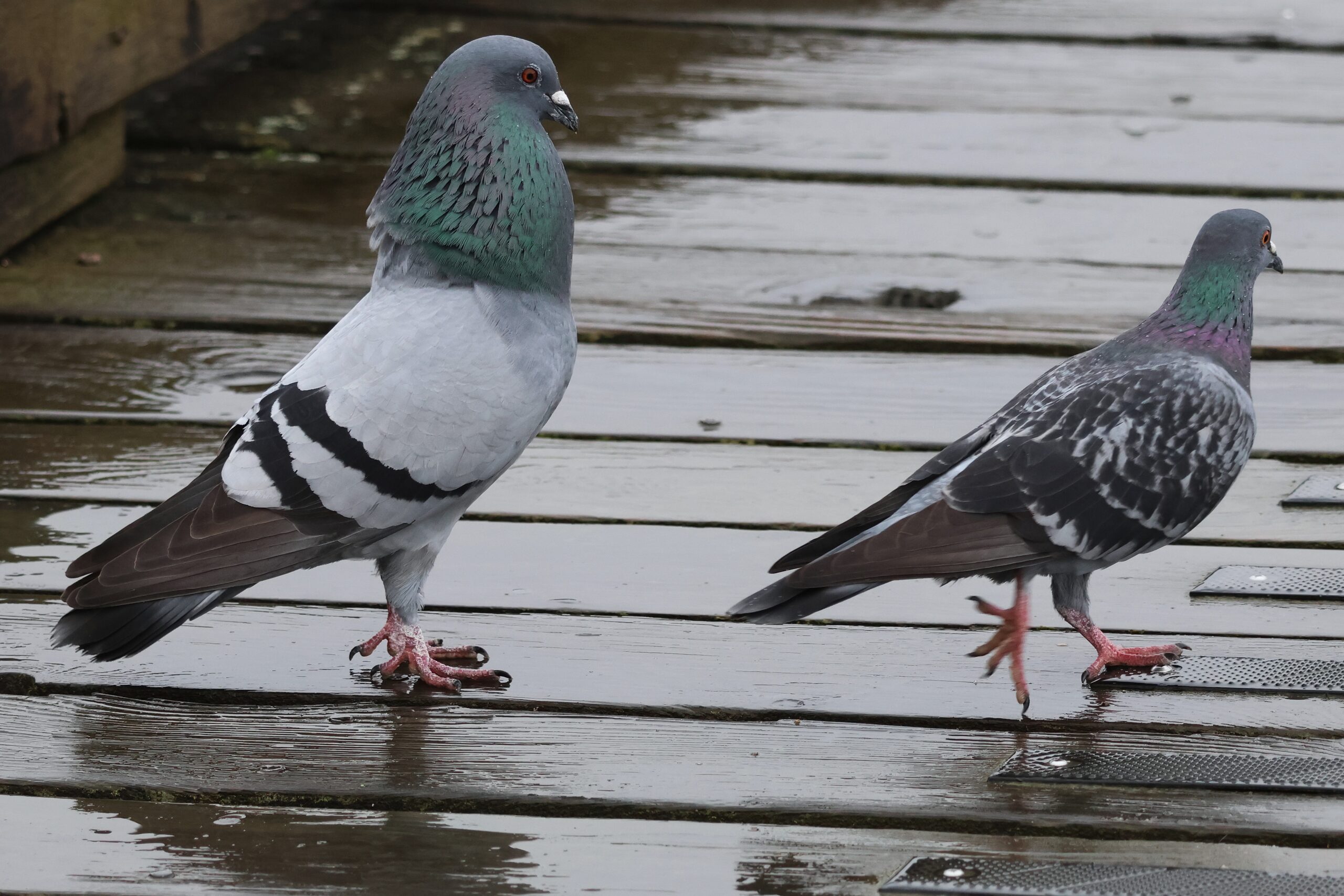
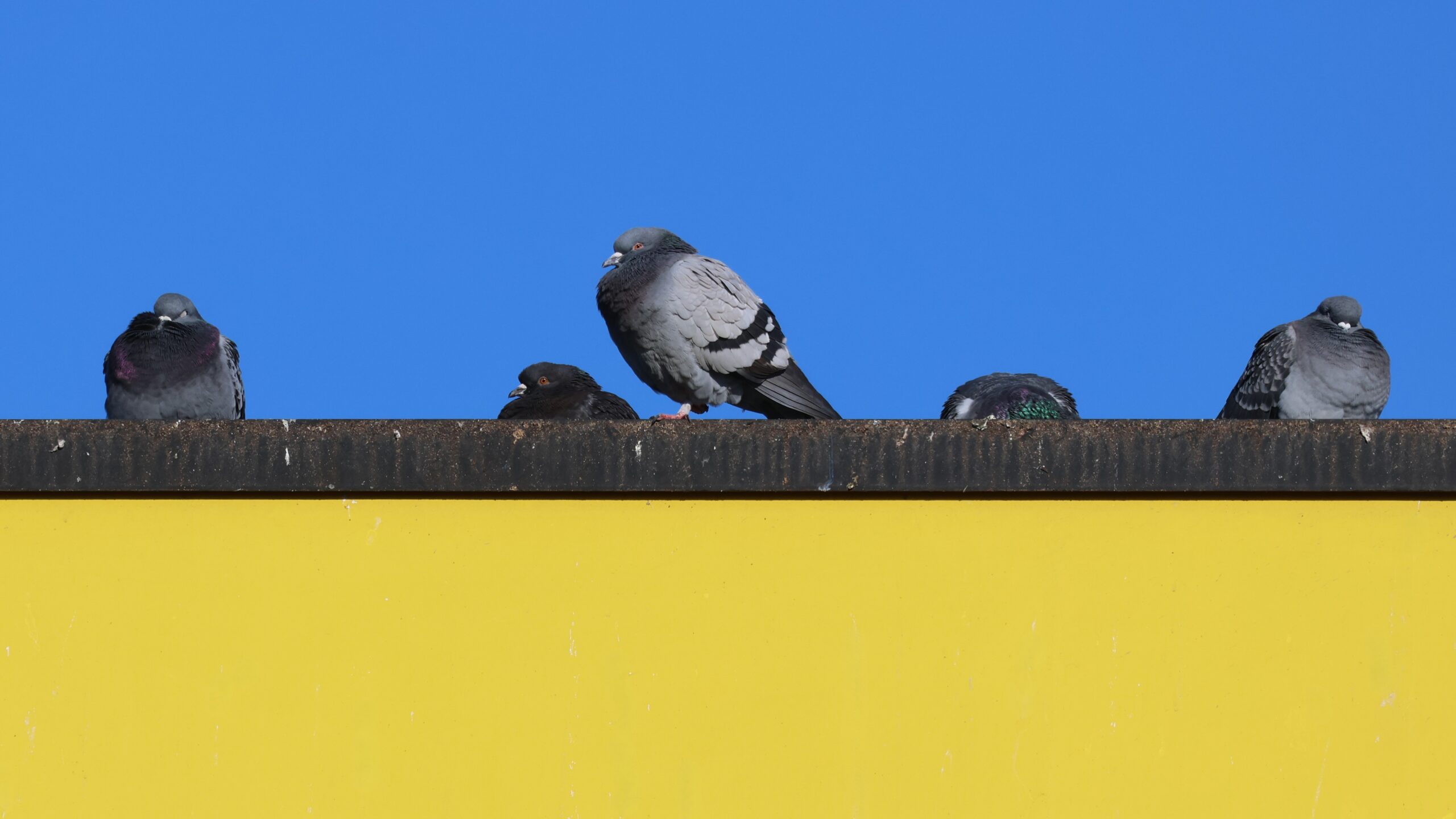
When we got there, the pigeons were lining the railing on either side leading to the end of the pier. The position of the sun meant we needed to walk past them to get the best shots. Would they freak out and fly off? Worse, a pair of guys were on the end of the pier and about to head back. But the pigeons were too cool for school (as the kids say) and remained in place, allowing copious shots of them puffed out, preening and posing.

In the water, the scaups were still here, along with the usual assortment of mallards, wood ducks, teals and others. A few shovellers are sticking around, too, it seems, though they werre snoozing, much like most of the others.

In all, it was a surprisingly good outcome to what had been originally forecast as a very wet morning.

Tlahutum Regional Park

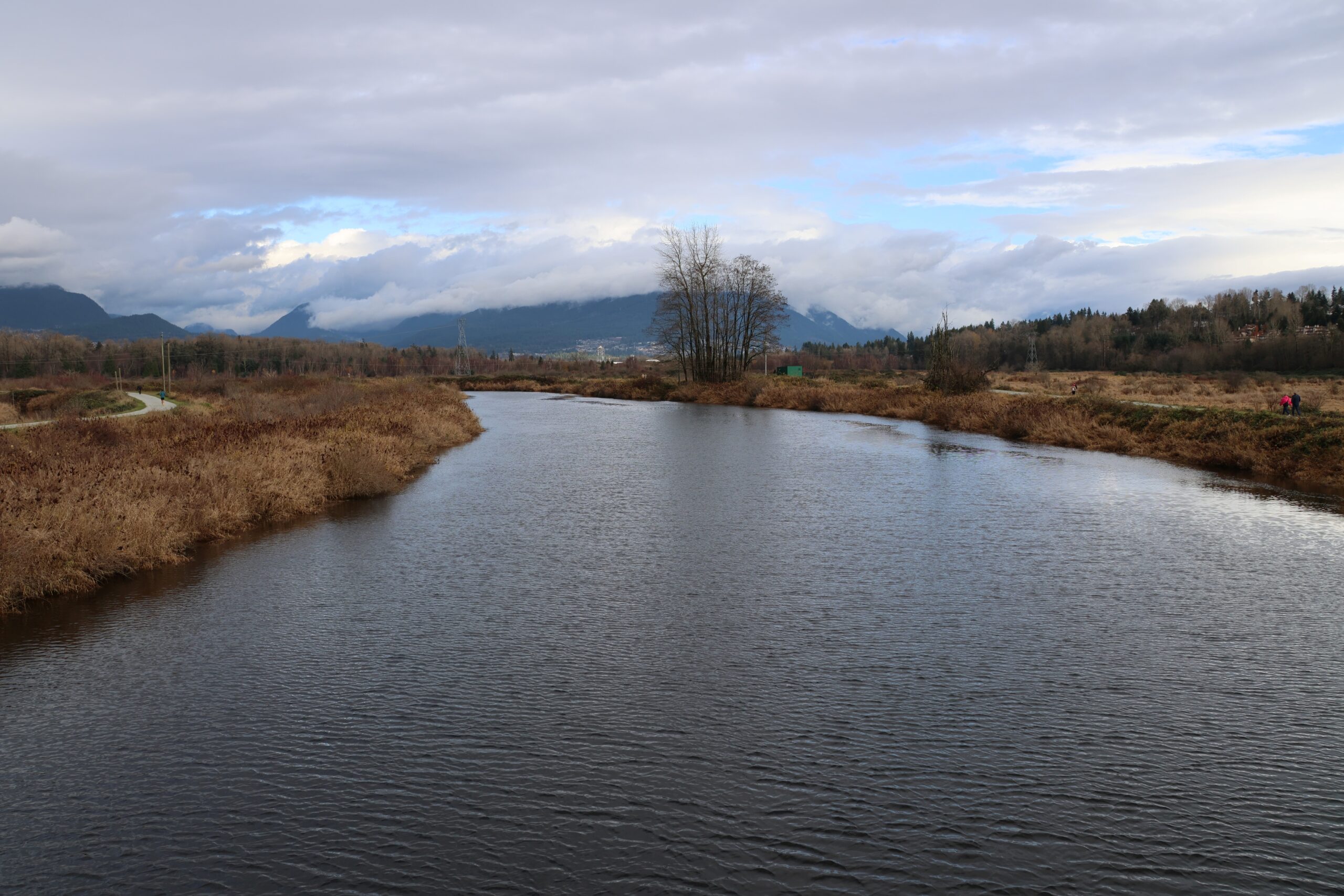
Coquitlam River on arrival, clouds moving in.

By the time we got to Tlahutum, the clouds had started gathering and the wind started picking up. A change in the weather was clearly on the way. Would we get some shots before getting soaked? Yes!

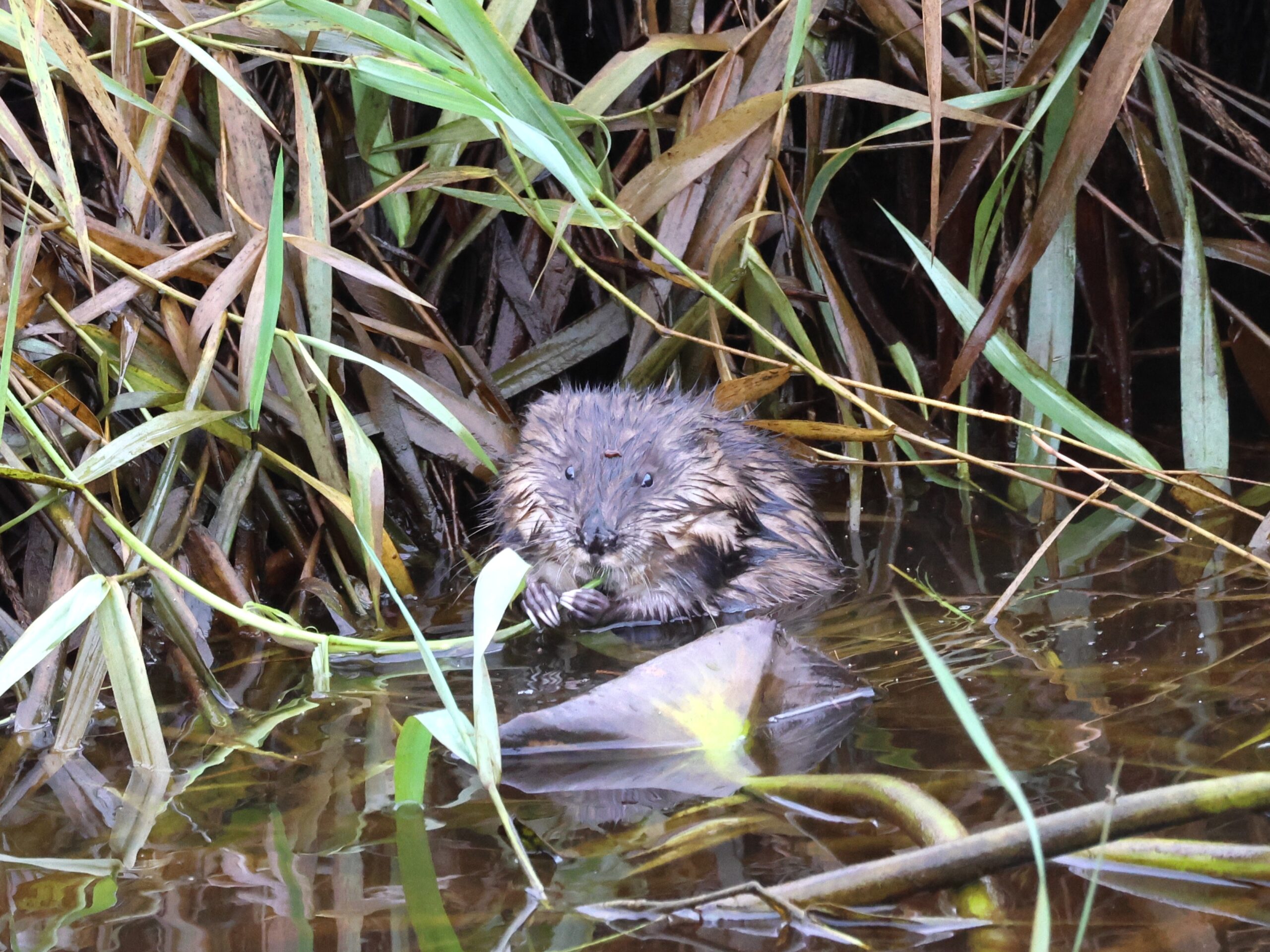
We saw Gadwalls and Common Mergansers in their usual spots (one of the creeks and the bend in the Coquitlam River before it approaches the bridge, respectively) and then I spotted something brown and furry in the water. Probably not a bird. It was a muskrat! It eventually climbed up on shore and began nibbling on vegetation that it held in its adorable little hands (though the claws looked very serious).

Meanwhile, the main pond saw an unusually large variety of waterfowl:

  • Coots
  • Mallards
  • Northern Shovellers
  • Hooded Mergansers
  • Pied-billed Grebes
  • Wood Ducks
  • Buffleheads
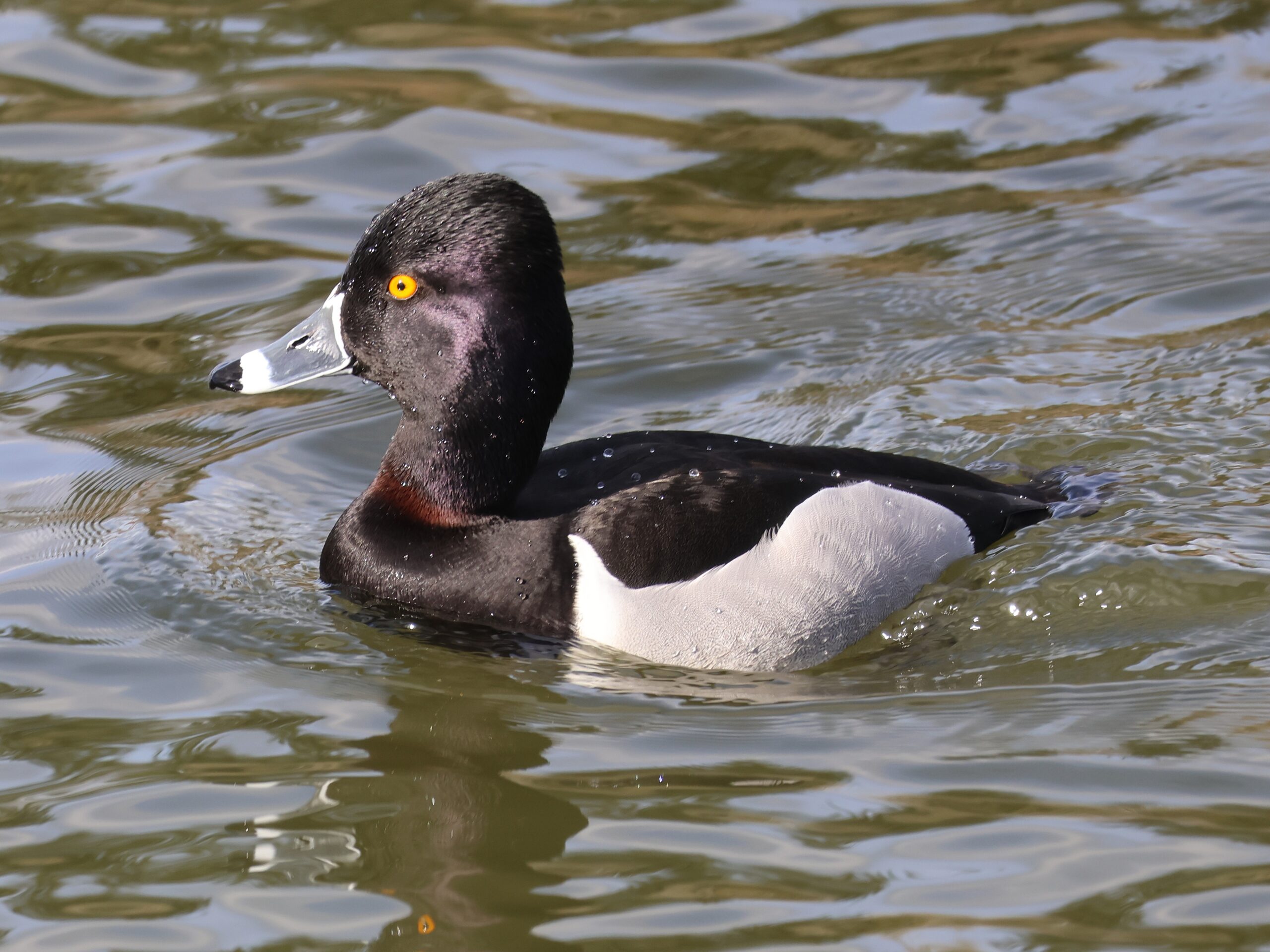
  • Ring-necked Ducks
  • Possibly others I’ve forgotten

I’ve never seen so many different kinds of ducks here. It was clearly the hot place to be. And instead of just one grebe disappearing into a portal to the Grebe Universe before we could even take a photo, today there were multiple grebes, and we got photos as proof!

We opted to skip the community gardens, which is basically a series of mini-lakes right now, and will probably remain as such until spring. It did eventually start to shower, but only after we had packed away our gear and started heading out.

In all, an unusually bountiful outing, especially considering the original forecast.

The Shots

Shot with a Canon EOS R7 with 18-150 mm kit lens and 100-400 mm telephoto.
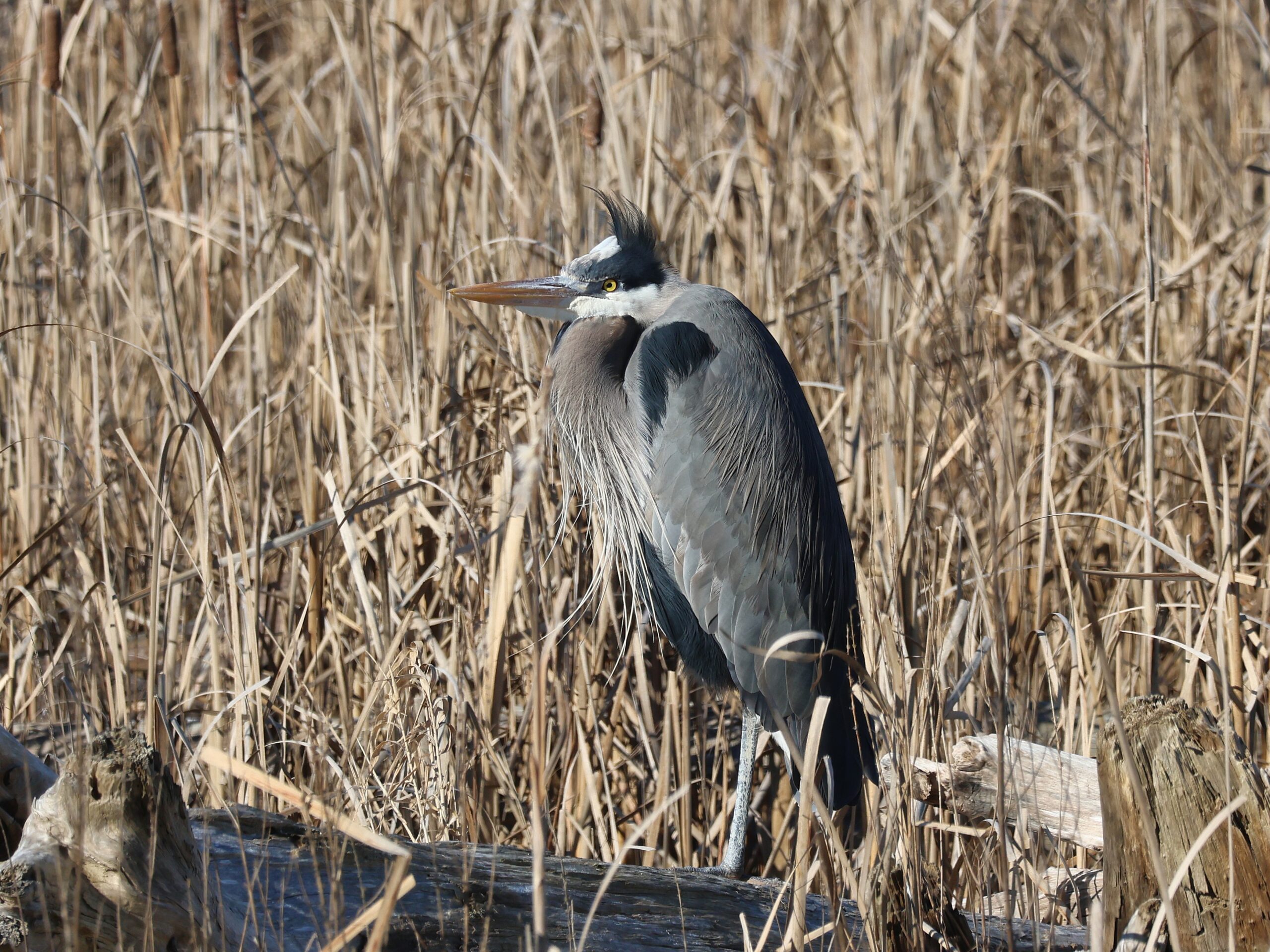
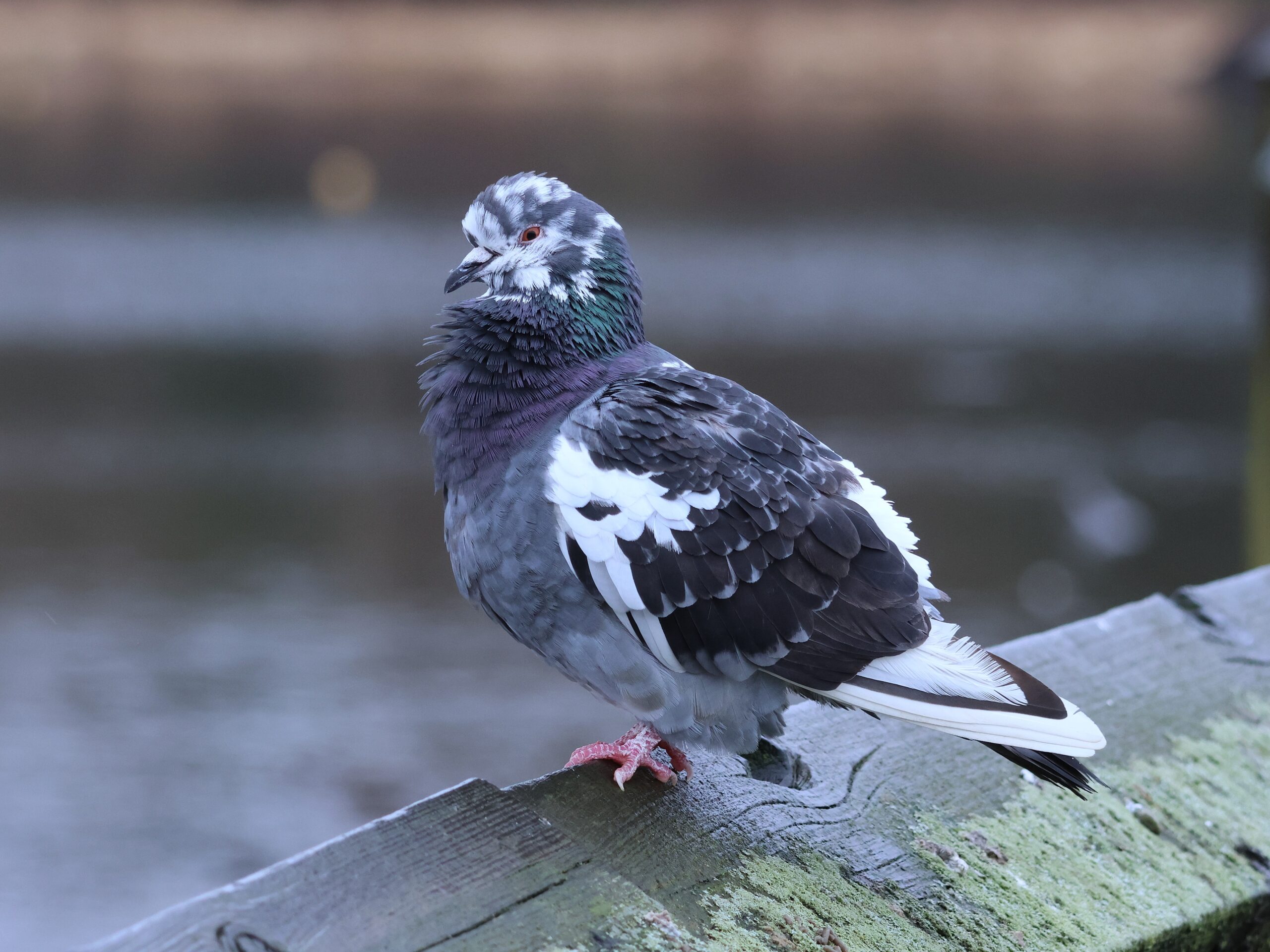
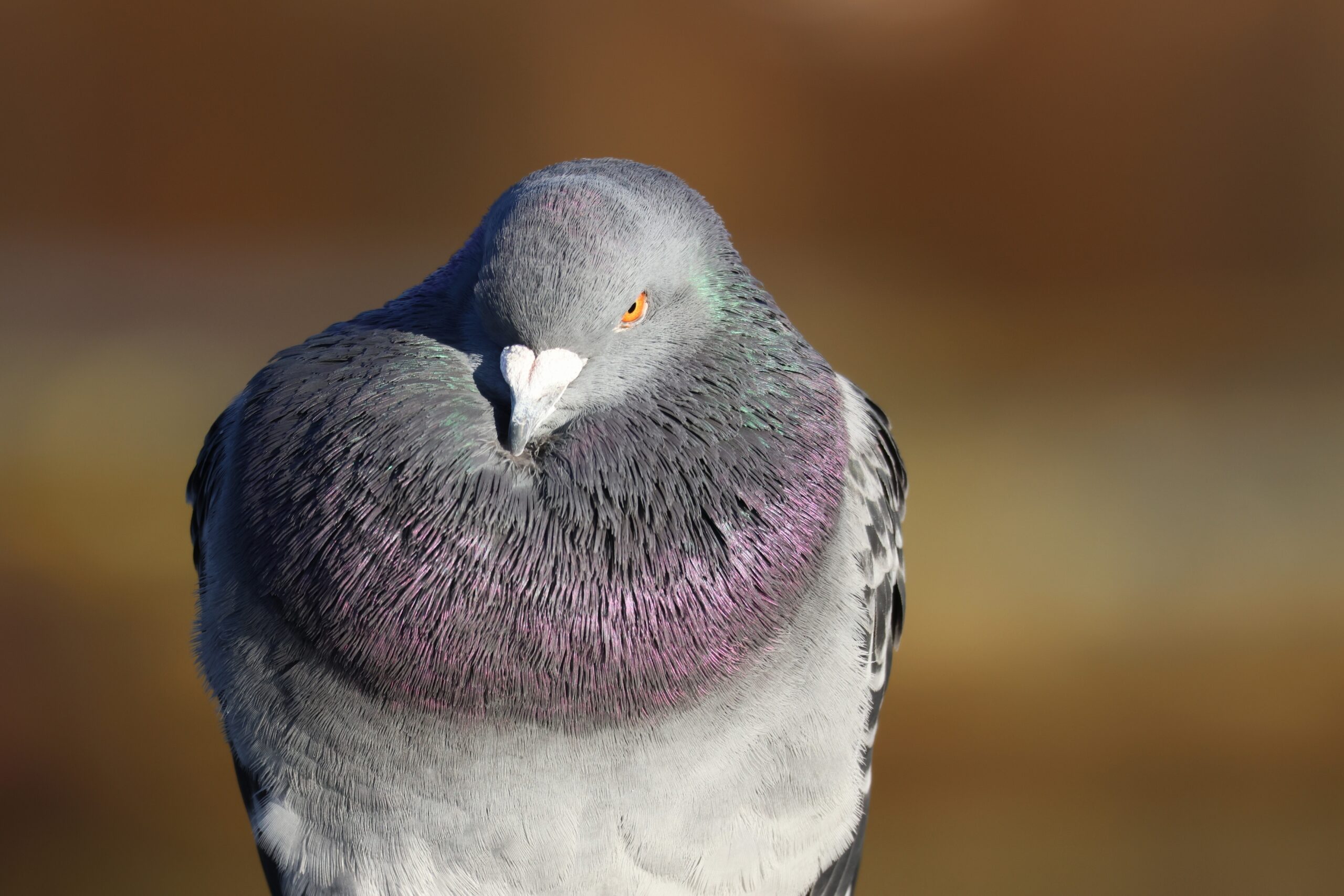
Pigeon glare at Piper Spit.
A muskrat noshing away in one of the waterways of Tlahutm Regional Park.

Gallery soon™.

The Birds (and other critters)

Sparrows and sparrow-adjacent:

  • American Robin
  • Black-capped Chickadee
  • Dark-eyed Junco
  • Fox Sparrow
  • House Finch
  • Red-winged Blackbird
  • Song Sparrow
  • Spotted Towhee
  • Stellar’s Jay

Waterfowl and shorebirds:

  • American Coot
  • Bufflehead
  • Canada Goose
  • Common Merganser
  • Double-crested Cormorant
  • Gadwall
  • Great Blue Heron
  • Green-winged Teal
  • Hooded Merganser
  • Lesser Scaup
  • Long-billed Dowitcher
  • Mallard
  • Northern Pintail
  • Northern Shoveller
  • Pied-billed Grebe
  • Ring-necked Duck
  • Wood Duck

Common:

  • American Crow
  • Assorted gulls
  • Rock Pigeon

Raptors:

  • Bald Eagle

Non-birds:

  • Several ex-caterpillars
  • A muskrat! (at Tlahutum)

Birding, November 29, 2025: Bashful Bittern Bedazzles Birders

Where: Reifel Bird Sanctuary, Centennial Beach (Delta), Piper Spit, Burnaby Lake (Burnaby)
Weather: Cloudy, 7°C

It was a day where it felt colder than the temperature alleged, even without wind. I wore three layers, which turned out to be the smart thing to do.

Reifel Bird Sanctuary

Rusty the pipe, with a moody-looking sky behind.

Reifel’s gates were open, likely due to the very grey skies and cooler temperatures. We were rewarded early with an Anna’s Hummingbird (several, actually, fighting among themselves, as is their way). On the way in, we passed a multitude of ducks, then came across the first very busy feeder, where assorted sparrows, juncos, and others were grabbing seed and spraying it all over. This was the only active feeder that did not have a squirrel either sitting inside it or lusting after its contents from nearby.

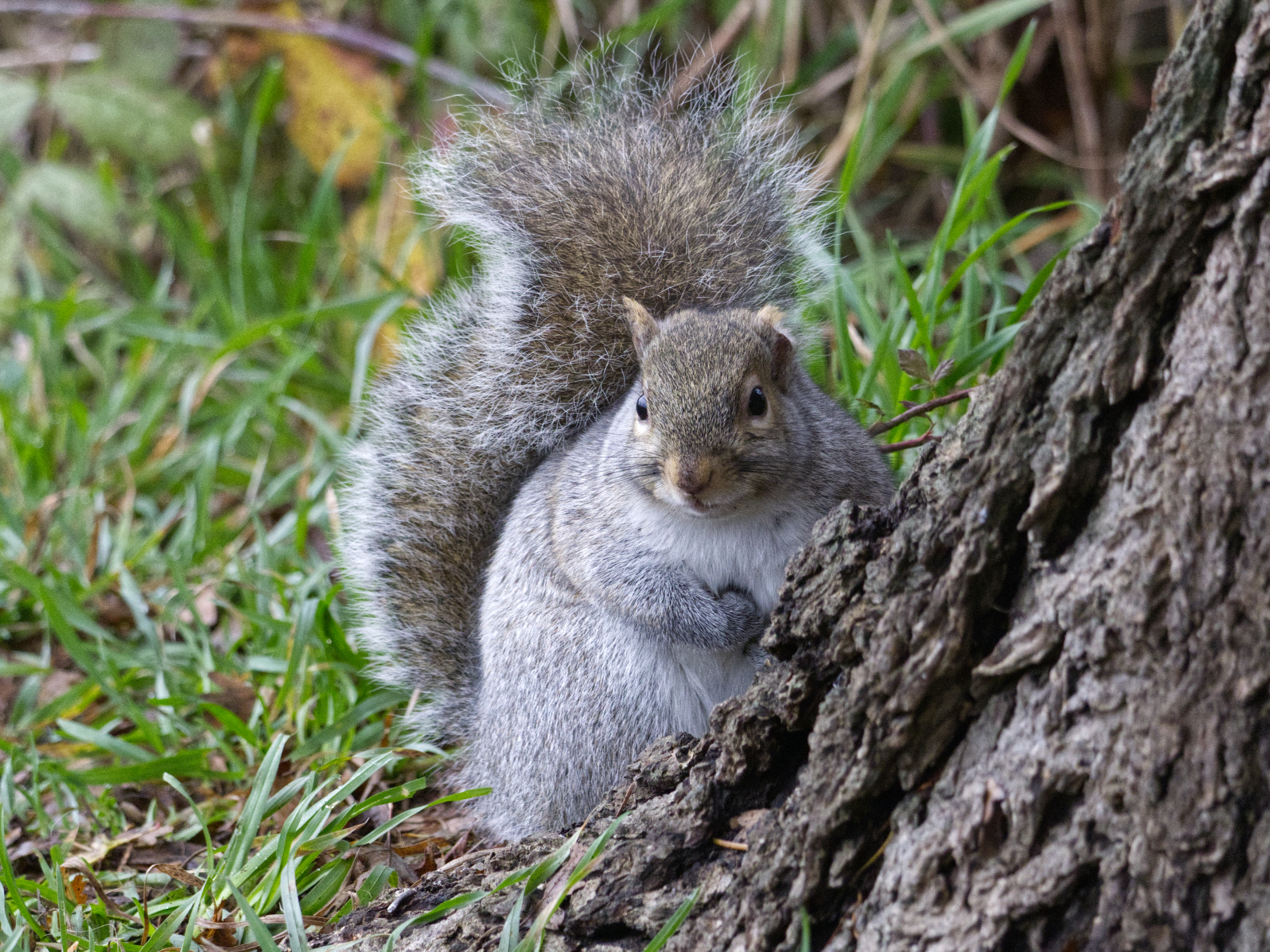
We saw multiple squirrels, and these guys are definitely getting quite chonky as winter approaches.

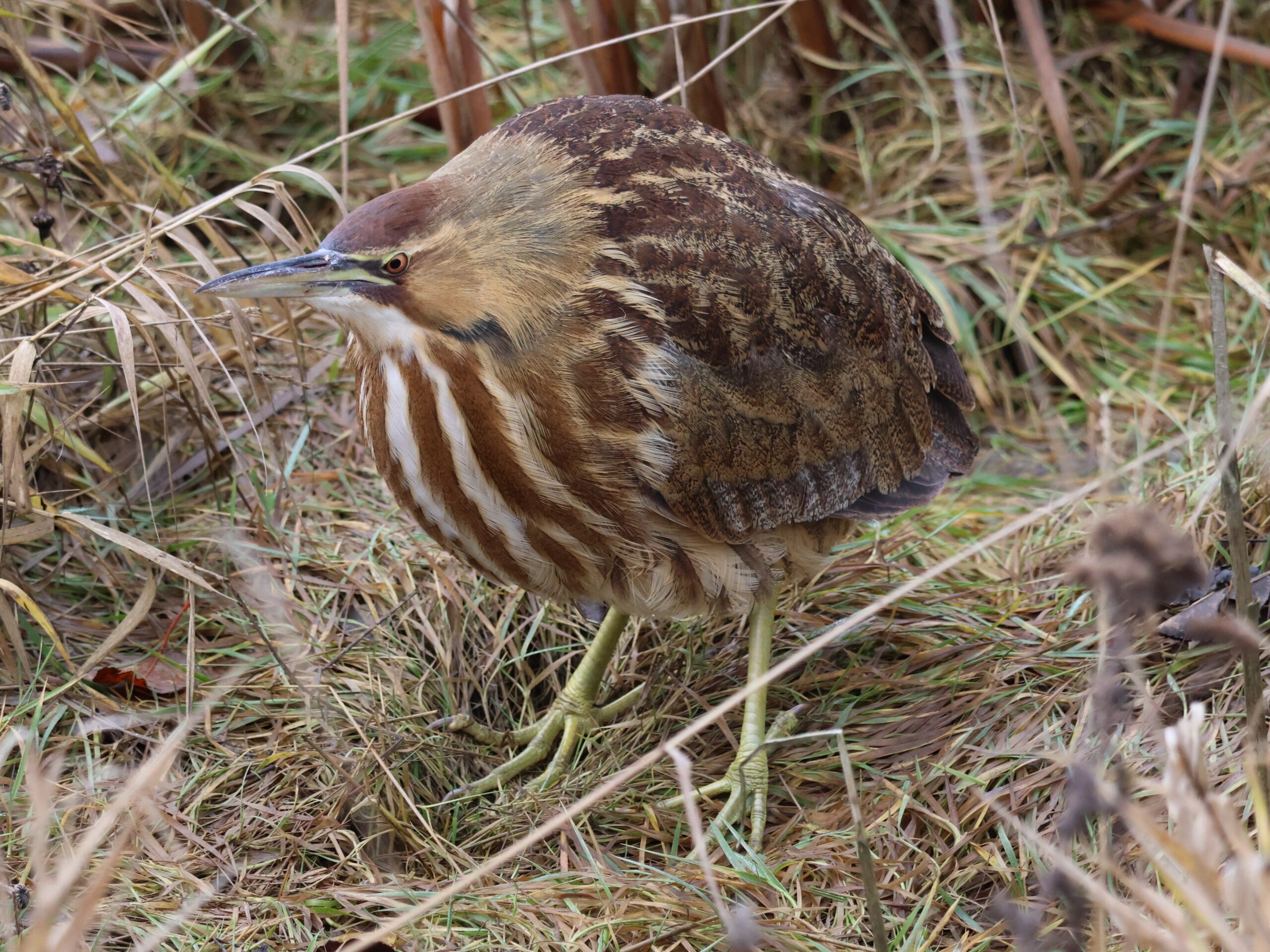
A Golden-crowned Kinglet proved typically elusive, but we ended up getting some decent shots as it hopped madly about above us. Just as elusive, but much more sedate, a rare sighting of an American Bittern on the outer dyke. There was a large group of people gathered, facing toward the marshland. We surmised that they were not shooting a tree as there are no trees in the marshland. What they were shooting was a somewhat shy American Bittern that was standing surprisingly close to the trail. It very slowly moved out and we got some nice shots because, like their relative the Great Blue Heron, they do not exactly speed walk. It was surprisingly oblivious to the large number of people pointing their giant lenses at it. They look lumpy, weird and delightful.

Nic inquired and found out that the local Sandhill Cranes are now hanging out with a larger group that have at least temporarily settled into the far end of one of the fields adjacent to the sanctuary. There’s over a dozen total. It will be interesting to see what the local ones will do when (presumably) the others finally decide to take off.

We again so no geese here.

The drama was left to a couple of female wigeons, who make weird “rrr rrr” sounds that sounded like engines revving, quite unlike their usually pleasant pees. They chased each other, making a big ruckus, then both flapped afterwards, each convinced it was the victor, perhaps.

The coots were well-behaved, in comparison.

And we saw a whole gang of Buffleheads, moving in a group and often diving as a group, making shots a matter of timing.

We saw multiple Northern Harriers and I successfully tracked them, but they were far off, the light was so-so and most of my shots were a bit fuzzy and grainy. Fuzzny. Alas.

Still, it was all worth it for the Bittern.

Centennial Beach

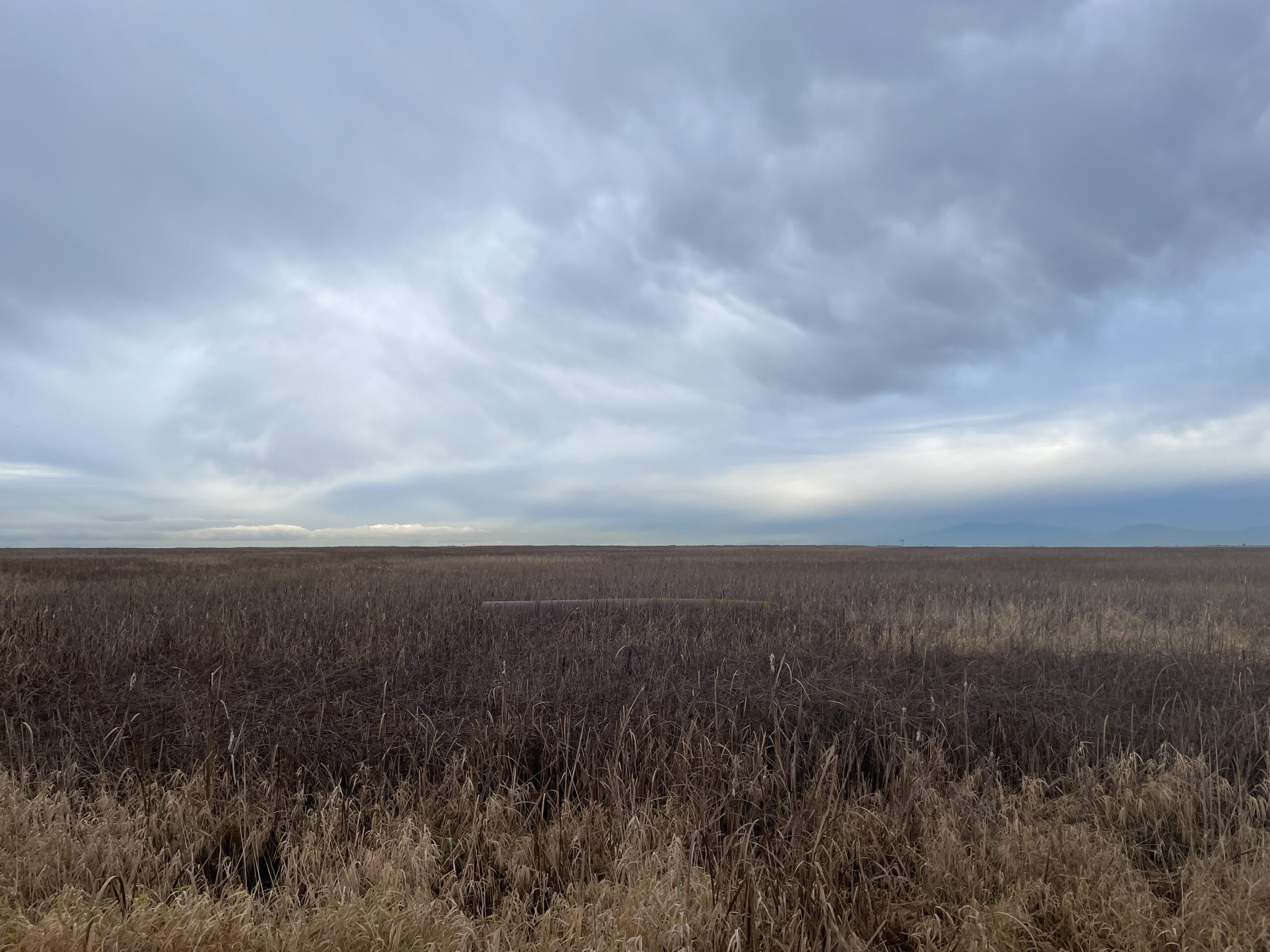
Boundary Bay was rather colourless.

It showered a bit on the way to Centennial Beach, but was dry by the time we got there. It remained very cold, however, so we did a more abbreviated tour. We saw a House Finch and a few other sparrows, and shorebirds, but the tide was in, so most waterfowl were father out. We did get some good shots of a typically grump-looking eagle in a tree–and yes, it was actually perched along Raptor Trail.

There was also a bunny, but I was looking in a different direction and missed it before it hopped back into the brush. Oddly, they seem to hang out a lot on the Raptor Trail, which seems sub-optimal for rabbits.

Piper Spit, Burnaby Lake

Blue sky threatened for a few minutes at Burnaby Lake.

Piper Spit had only a handful of people out and no one was feeding anything. The only feeding taking place1technically there was other feeding going on was a seagull picking away at the carcass of an ex-salmon. As Nic says, the skin is the best part.

The Dowitchers were quite close to the pier, which made for some good shots, and there were geese here, occasionally honking, as is their way. The pigeons mostly stayed in one tree, all poofed up from the cold.

The cormorants were back, or still here, hanging out in what now appears to be their usual spot, east of the pier. I wish they would hang out a little closer, but it’s still nice to at least see them.

And here we saw our first scaups of the season. I couldn’t tell if they were lesser or greater, but they didn’t seem gigantic, so I’m calling them lesser for now.

The coots here were also well-behaved.

In all, a fine, if brisk day for birding.

The Shots

Shot with a Canon EOS R7 with 18-150 mm kit lens and 100-400 mm telephoto.
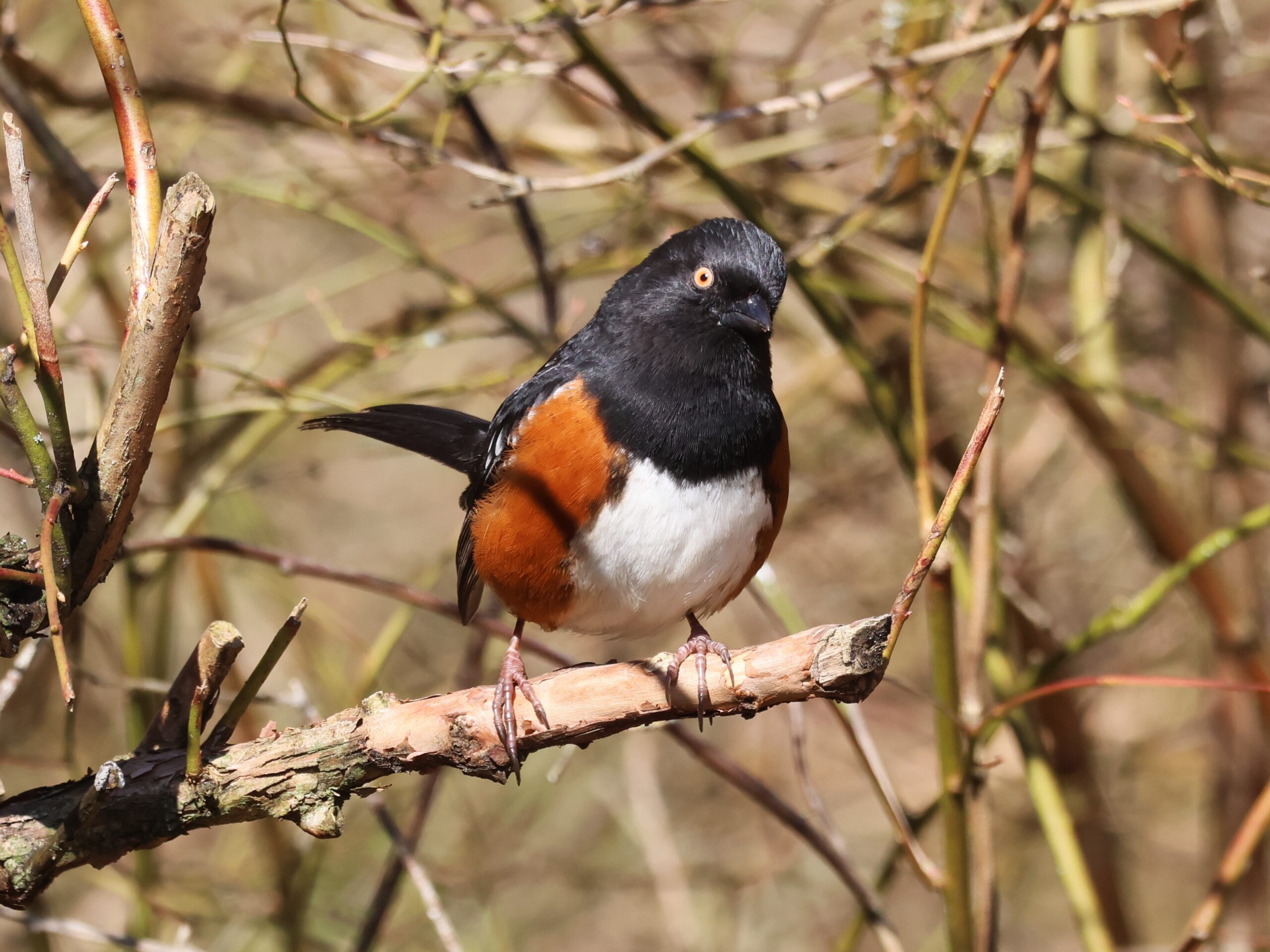
Gallery soon™.

A robust gray squirrel at Reifel.
A rarely-seen American Bittern, also at Reifel.

The Birds (and other critters)

Sparrows and sparrow-adjacent:

  • Anna’s Hummingbird
  • Black-capped Chickadee
  • Dark-eyed Junco
  • Fox Sparrow
  • Golden-crowned Kinglet
  • Golden-crowned Sparrow
  • House Finch
  • House Sparrow
  • Red-winged Blackbird
  • Song Sparrow
  • Spotted Towhee
  • White-crowned Sparrow

Waterfowl and shorebirds:

  • American Bittern
  • American Coot
  • American Wigeon
  • Bufflehead
  • Canada Goose
  • Double-crested Cormorant
  • Gadwall
  • Great Blue Heron
  • Greater Yellowlegs
  • Green-winged Teal
  • Hooded Merganser
  • Lesser Scaup
  • Long-billed Dowitcher
  • Mallard
  • Northern Pintail
  • Northern Shoveller
  • Ring-necked Duck
  • Sandhill Crane
  • Wood Duck

Common:

  • American Crow
  • Assorted gulls
  • Rock Pigeon

Raptors:

  • Bald Eagle
  • Northern Harrier

Non-birds:

  • Several more ex-salmon
  • A bunny
  • A number of, shall we say, big-boned squirrels

Birding, November 15, 2025: Seagulls snacking, coots cuddling, grebes ghosting

Where: Piper Spit, Burnaby Lake (Burnaby), Tlahutum Regional Park (Coquitlam)
Weather: Cloudy, 11-12°C

It was a relatively brief afternoon of birding, thanks to ever-changing weather conditions. As it turned out, the weather was better than expected, with only a wee bit of drizzle at the start and then the sun even appeared several times.

Piper Spit, Burnaby Lake

Gray on gray, with a few rowers out on the lake.

We started at Piper Lake, which was unusually busy. Maybe people are feeling claustrophobic staying inside all the time by mid-November, so any non-rainy weather is good enough to get out. Or maybe everything on Netflix sucks right now. Whatever the case, there were plenty of gulls and plenty of people. But none of the people were feeding the birds, so hooray for that.

Speaking of feeding, it’s spawning season, which meant two things:

  • The occasional salmon carcass
  • Seagulls tending to the above

I took photos.

No new exotic species were on hand, and even the wood ducks seemed relatively scare. The only geese were flying overhead. But we seem to have two semi-new regular groups now:

  • Dowitchers hanging out in the shallow/muddy area to the west of the pier (they shift as the water level of the lake rises and falls)
  • Cormorants gathered off to the east–close enough to shoot, but not very close

The seagull population has also grown, likely due to the salmon. Maybe seagulls and geese don’t get along, which is why the geese are elsewhere.

In even shorter supply were sparrows and similar birbs. We did see a fair number of song sparrows–or maybe just the same one following us around. But others were much more scarce. Admittedly, we arrived via the Nature House entrance, which meant we had a fairly small area for seeing birbs.

Teals, mallards and coots were well-represented, with two coots swapping out their usual drama for some gentle affection. Probably followed later by drama.

Tlahutum Regional Park

Coquitlam River and reflection.

We got a window of golden hour shots here, when the sky cleared enough for the sun to poke out for several minutes. This gave us some fairly snazzy landscape shots. By the time we were leaving, it was back to gray, dim, and getting dimmer.

In the air, we saw little, other than crows and a juvenile bald eagle way up yonder. In the water, we fared better, with a group of common mergansers in the river (where we’ve seen them before), and the main pond had an assortment of shovellers, gadwalls and a trans-dimensional grebe.

I say this because the grebe was fairly close to us–a rarity to begin with–but before either of us could line up a shot, it dove. I observed its direction and speed, and made a rough calculation on where it would surface. It did not appear in that spot. Nor did it appear in any other spot. It just vanished, apparently, gone through the portal back to the grebeverse, denying us a single shot. Perhaps to compensate, a coot came up close to provide a few glamour shots, coot-style.

In all, a fine afternoon out, especially given the original forecast.

The Shots

Shot with a Canon EOS R7 with 18-150 mm kit lens and 100-400 mm telephoto.
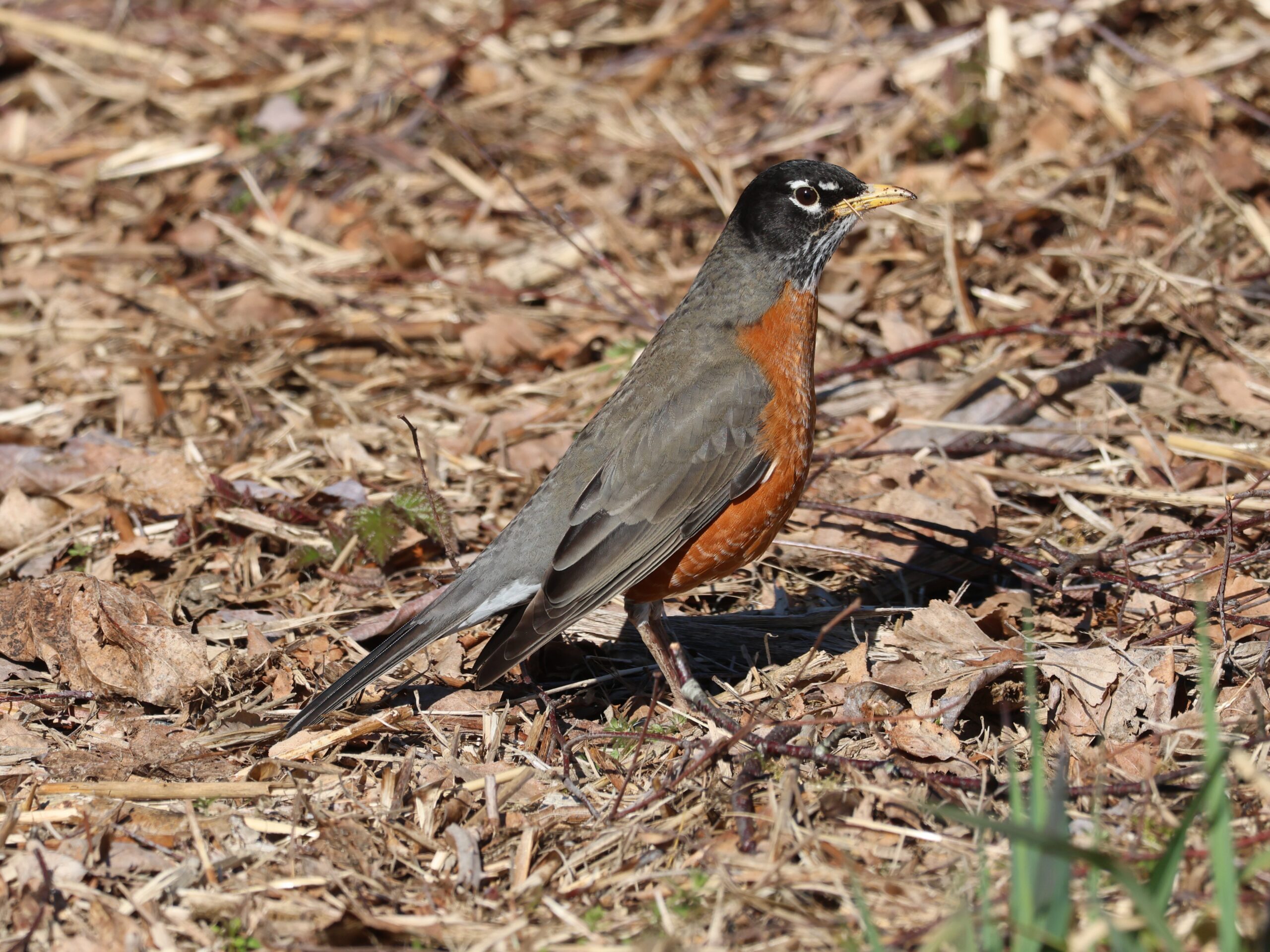
Soon™.

The Birds (and other critters)

Sparrows and sparrow-adjacent:

  • Dark-eyed Junco
  • Red-winged Blackbird
  • Ruby-crowned Kinglet
  • Song Sparrow

Waterfowl and shorebirds:

  • American Coot
  • Canada Goose
  • Common Merganser
  • Double-crested Cormorant
  • Gadwall
  • Great Blue Heron
  • Green-winged Teal
  • Long-billed Dowitcher
  • Mallard
  • Northern Pintail
  • Northern Shoveller
  • Pied-billed Grebe
  • Wood Duck

Common:

  • American Crow
  • Assorted gulls
  • Rock Pigeon

Raptors:

  • Bald Eagle

Non-birds:

  • Several ex-salmon
  • A single fuzzy caterpillar

Birding, November 8, 2025: Mild marshes and chatty chickadees

Where: Reifel Bird Sanctuary (Delta) Piper Spit, Burnaby Lake (Burnaby)
Weather: Sun and high cloud, 8-13°C

Reifel Bird Sanctuary

View of the marshland, with Rusty (the pipe) barely visible.

Finally, the weather cooperated long enough to get in a day of birding, during the few hours of daylight we currently are afforded under SST (Stupid Standard Time). There was even sun, at times.

The main themes at Reifel mid-fall seem to be:

  • Chickadees everywhere, with most of them thinking every person is holding seed
  • The Canada geese have fully retreated, with many in a nearby field adjacent to the sanctuary (interestingly, a group of eight or so Sandhill Cranes were also in the same area–and we haven’t seen the “local” cranes for some time. Hmm, I say!)
  • The Wood Ducks have also seemingly vacated or hidden themselves
  • All the marsh grass is now sad and yellow

The feeders are now full of seed and suet, so most of them are seeing action, which can make for easy-ish shots. I say easy-ish because it is never exactly easy to capture a chickadee. We did not see any squirrels trying to dive onto the feeders, though that may come as the weather gets colder.

We saw the first Buffleheads of the season, which was neat, though they were not very close, which was less neat.

In all, it was a fine fall return to Reifel.

Piper Spit, Burnaby Lake

The lake, now with (more visible) water, and looking moody.

There was a family feeding birds at Piper Spit and Nic gave them the what-for! The father pretended that they hadn’t seen the multiple large signs saying NO FEEDING, including one that was literally feet away. But I guess you gotta say something when someone calls you out.

The lake level was quite low, with the west side of the pier now a large muddy patch, and the lily pads retreating enough to give the lake a more lake-like appearance. I shot artsy shots of the clouds and water.

There were also gulls on hand, probably attracted by the desiccated remains of salmon that had spawned, or tried to spawn, but ended up in the same place: dead.

Thinking back, I’m not sure that we saw any Canada geese here, either. Making up for them were plenty of Mallards, some Green-winged Teals and Wood Ducks. And, of course, coots.

With light starting to fade (see above, re: SST), we bade goodbye to the lake, but it was nice to finally get in some birding again.

The Shots

Shot with a Canon EOS R7 with 18-150 mm kit lens and 100-400 mm telephoto.
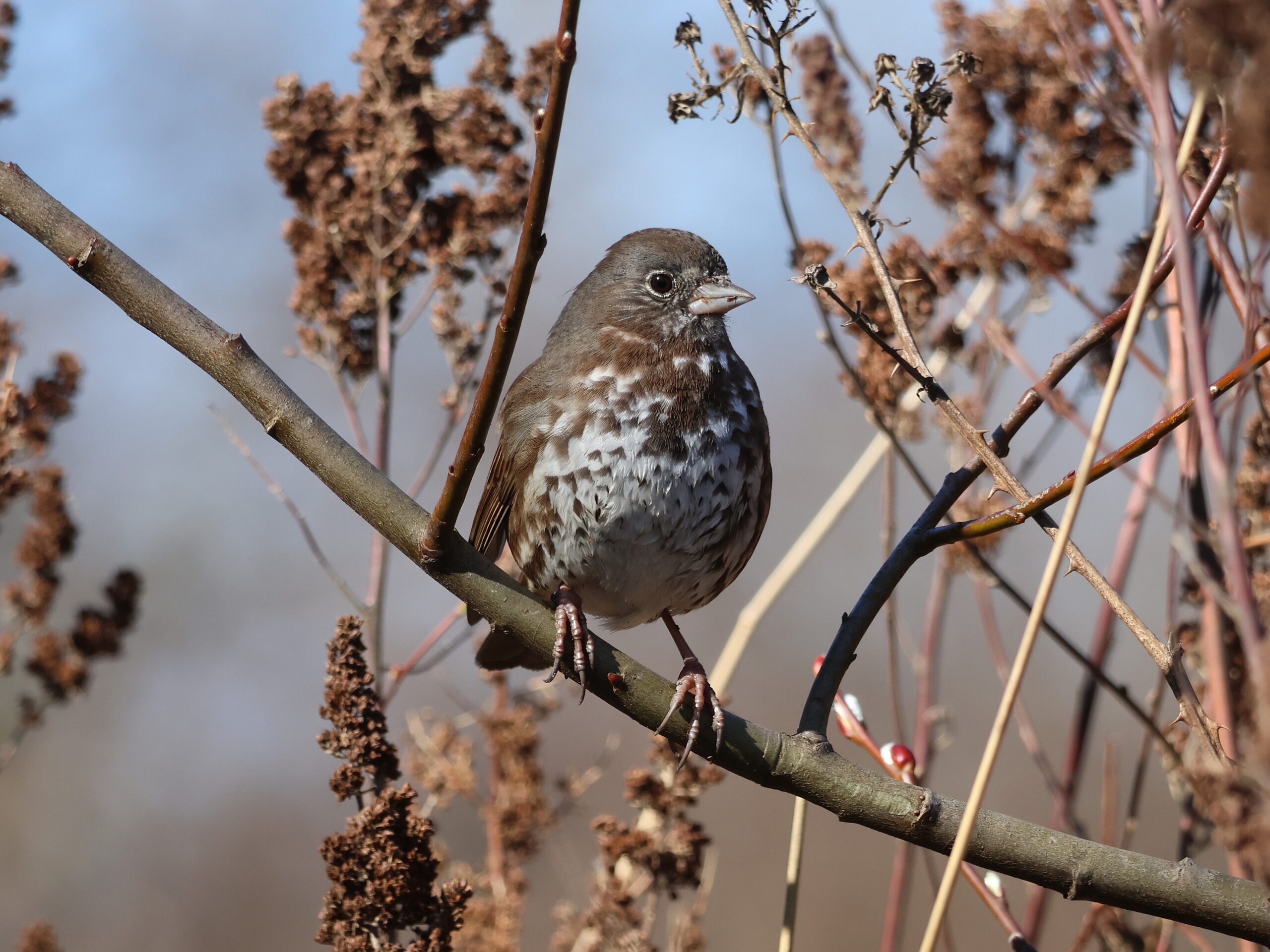
Gallery of shots:

The Birds (and other critters)

Sparrows and sparrow-adjacent:

  • Anna’s Hummingbird
  • Black-capped Chickadee
  • Dark-eyed Junco
  • Fox Sparrow
  • Golden-crowned Sparrow
  • House Sparrow
  • Red-winged Blackbird
  • Song Sparrow
  • Spotted Towhee

Waterfowl and shorebirds:

  • American Coot
  • American Wigeon
  • Belted Kingfisher
  • Bufflehead
  • Canada Goose
  • Gadwall
  • Great Blue Heron
  • Greater Yellowlegs
  • Green-winged Teal
  • Hooded Merganser
  • Long-billed Dowitcher
  • Mallard
  • Northern Pintail
  • Northern Shoveller
  • Ring-necked Duck
  • Sandhill Crane
  • Wood Duck

Common:

  • American Crow
  • Assorted gulls
  • Rock Pigeon

Raptors:

  • Bald Eagle
  • Northern Harrier

Non-birds:

  • A very few pollinators
  • Chonky gray squirrel

Birding, October 13, 2025: Wigeons, warblers and wind

Where: Reifel Bird Sanctuary, Centennial Beach (Delta), Piper Spit, Burnaby Lake (Burnaby)
Weather: Sunny, 9-14°C

Reifel Bird Sanctuary

Some of the marsh grass has taken on a very fall-like orange hue at Reifel.

We got our first chance to visit Reifel in a while, on a rare Monday opening (due to the Thanksgiving holiday). It was a HBD (Hardcore Birder Day), with a plethora of dangerously large telephoto lenses being carried about. I saw monopods!

The weather was cool and there was some wind, but the sky was perfectly clear, affording is good light.

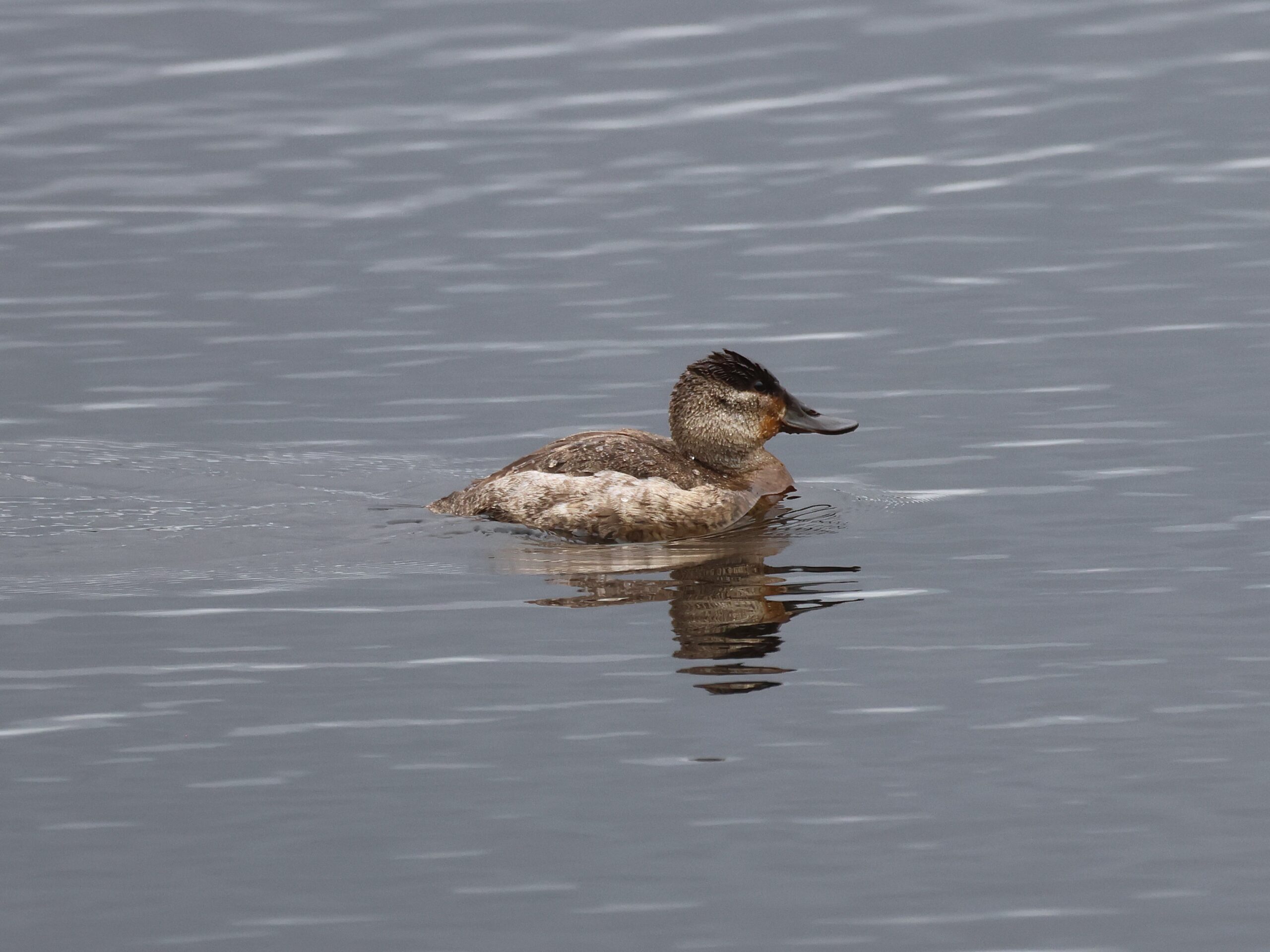
In addition to seeing a gaggleplex of Snow Geese flying overhead1Yes, I have finally relented and am full capitalization for all birbs and birbs., we saw several newly-arrived migrants, like ring-necked ducks and coots (which had already appeared at Piper Spit). We even saw a rare(ish) Ruddy Duck, which is a lifer for me. The Sandhill Cranes didn’t show themselves, however. I wonder where they were?

Dowitchers and Greater Yellowlegs were also in abundance, in the main slough and pond, among other places. One group were inadvertently harassed by some hero drama as a Great Blue Heron chased another directly over the shorebirds. The shorebirds would fly–a little–then return to as they were, so the harassment was pretty low-key. One of the herons landed in the pond and the other flew off, thus preserving the unspoken “one heron per pond, no matter how huge the pond” rule.

We saw hummingbirds at the feeders, keeping alert for a very interested wasp (or hornet?), as they are quite large when you’re a hummingbird. Imagine getting stung by a flying dog. Or something.

Centennial Beach

Mt. Baker overlooking a windy Boundary Bay.

I suggested Centennial Beach next, and we parked near the pump house, basically working in reverse to our usual path. This afforded us early shorebirds and waterfowl and plenty of them. After spotting a Belted Kingfisher shortly after arriving, we saw something on the bay, where the tide was in. What we saw were wigeons. Wigeons everywhere. Wigeons flying, wigeons floating, wigeons that numbered in the hundreds or maybe even more. I am not good at counting massive numbers of birds. But there were oodles of them, along with some gulls, Canada Geese and other duck variants.

The beach was also buffeted by gusts of wind up to 25 km/hour. At one point, I had my cap pulled down so tight to keep it from blowing off that I could barely get the camera up to my eyes. I didn’t observe any birds trying to work against the wind–not even the seagulls, which are usually kind of into that.

This is where we saw a few Yellow-rumped Warblers, an unexpected treat. They were eating from one of the wind-whipped bushes in the sand.

Both here and at Reifel we saw Northern Harriers and while I was pretty successful in tracking them, I was not able to get any great shots. A boy2I’m a boy at heart, or something can dream, though!

By the time we left, I was glad I’d opted for my heavier hoodie. I also noted the light was already taking on a more golden hue. Come November 2 we switch back to Pacific Standard Time (grr) and we’ll have about 23 minutes of quality birding during the day.

Piper Spit, Burnaby Lake

A Canada Goose ponders against a very blue backdrop at Piper Spit.

We ended at Piper Spit, which was initially chock-full of people, due to the holiday. The dowitchers were fairly close in, allowing for some good shots, but we didn’t spot any new migrants here, such as scaups or Buffleheads. Maybe next time. Or at least soon™.

We made due with bathing blackbirds, battling coots and Wood Ducks just being stunning.

In all, a fruitful day as we head into the second season of Fall.

The Shots

Shot with a Canon EOS R7 with 18-150 mm kit lens and 100-400 mm telephoto.
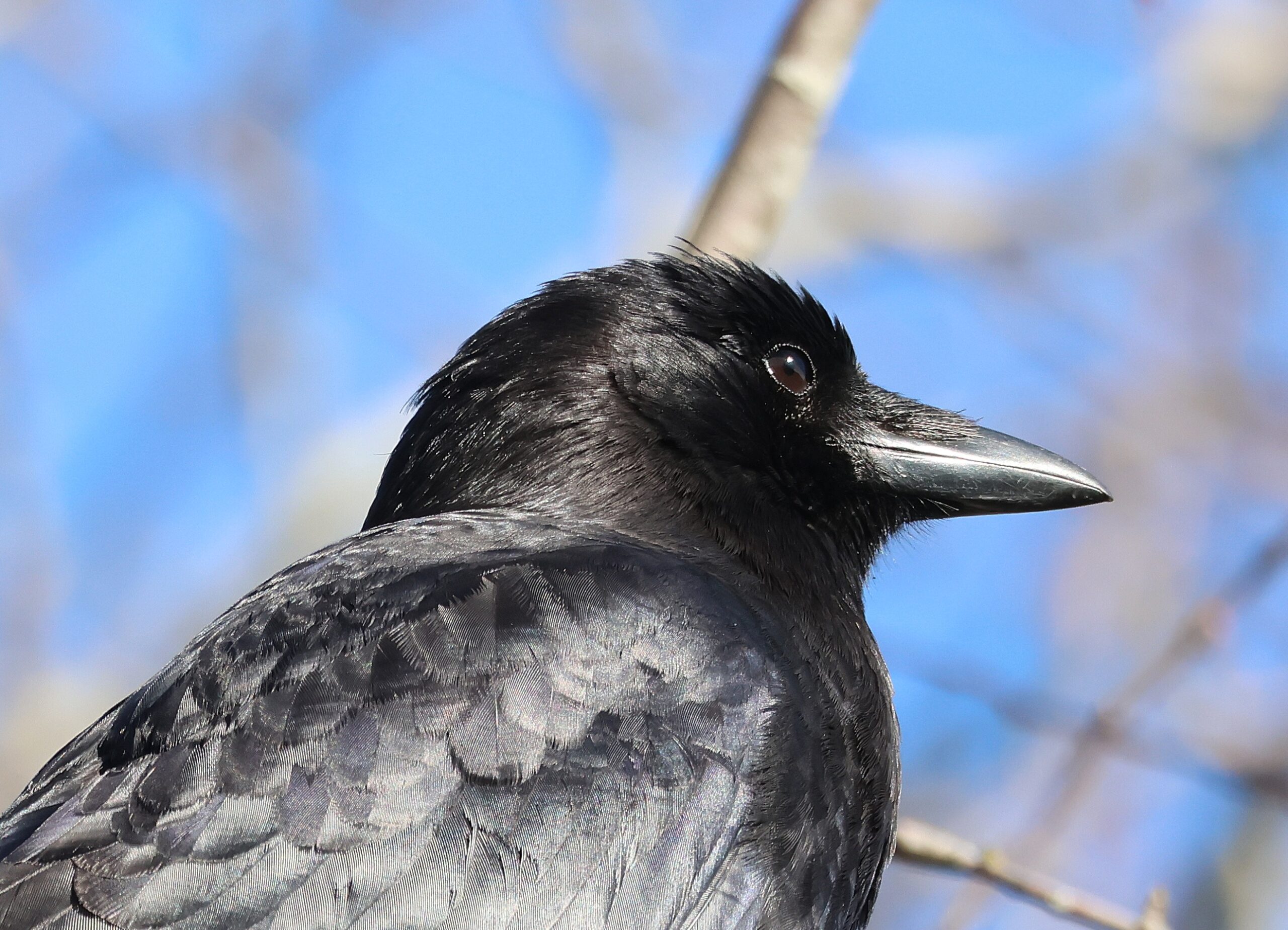
A few shots:

Dark-eyed Junco pausing in the sun at Reifel.
Great Blue Heron flyby at Reifel. Despite appearance, it did have eyes!
A coot being very coot at Piper Spit.

The Birds (and other critters)

Sparrows and sparrow-adjacent:

  • Anna’s Hummingbird
  • Black-capped Chickadee
  • Dark-eyed Junco
  • Fox Sparrow
  • Golden-crowned Kinglet
  • Golden-crowned Sparrow
  • Purple Finch
  • Red-winged Blackbird
  • Song Sparrow
  • Spotted Towhee
  • White-crowned Sparrow
  • Yellow-rumped Warbler

Waterfowl and shorebirds:

  • American Coot
  • American Wigeon
  • Belted Kingfisher
  • Canada Goose
  • Gadwall
  • Great Blue Heron
  • Greater Yellowlegs
  • Green-winged Teal
  • Hooded Merganser
  • Long-billed Dowitcher
  • Mallard
  • Marsh Wren
  • Northern Pintail
  • Northern Shoveller
  • Ring-necked Duck
  • Ruddy Duck (lifer for me)
  • Snow Goose
  • Wood Duck

Common:

  • American Crow
  • Assorted gulls
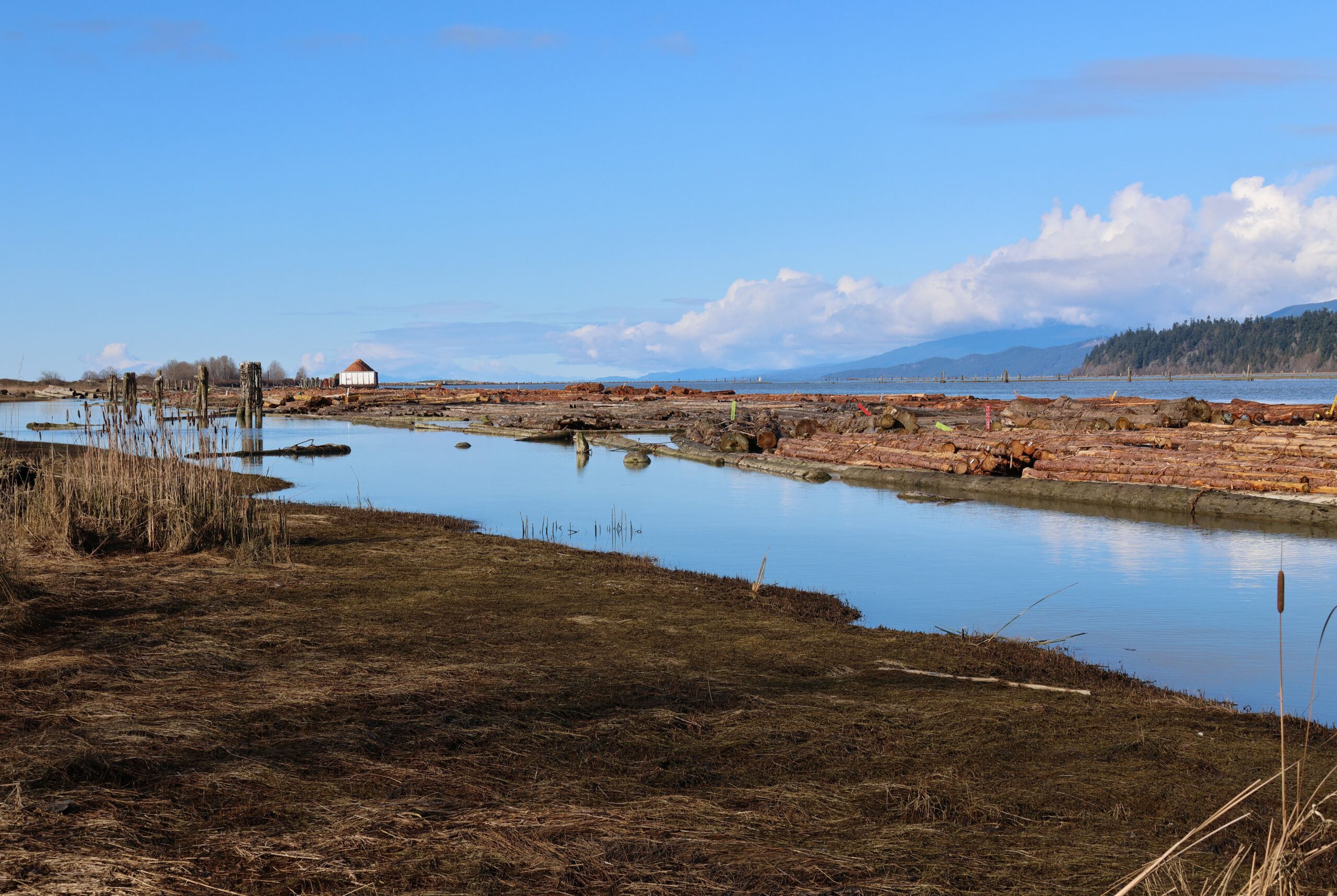
  • Rock Pigeon

Raptors:

  • Bald Eagle
  • Northern Harrier

Non-birds:

  • A few pollinators
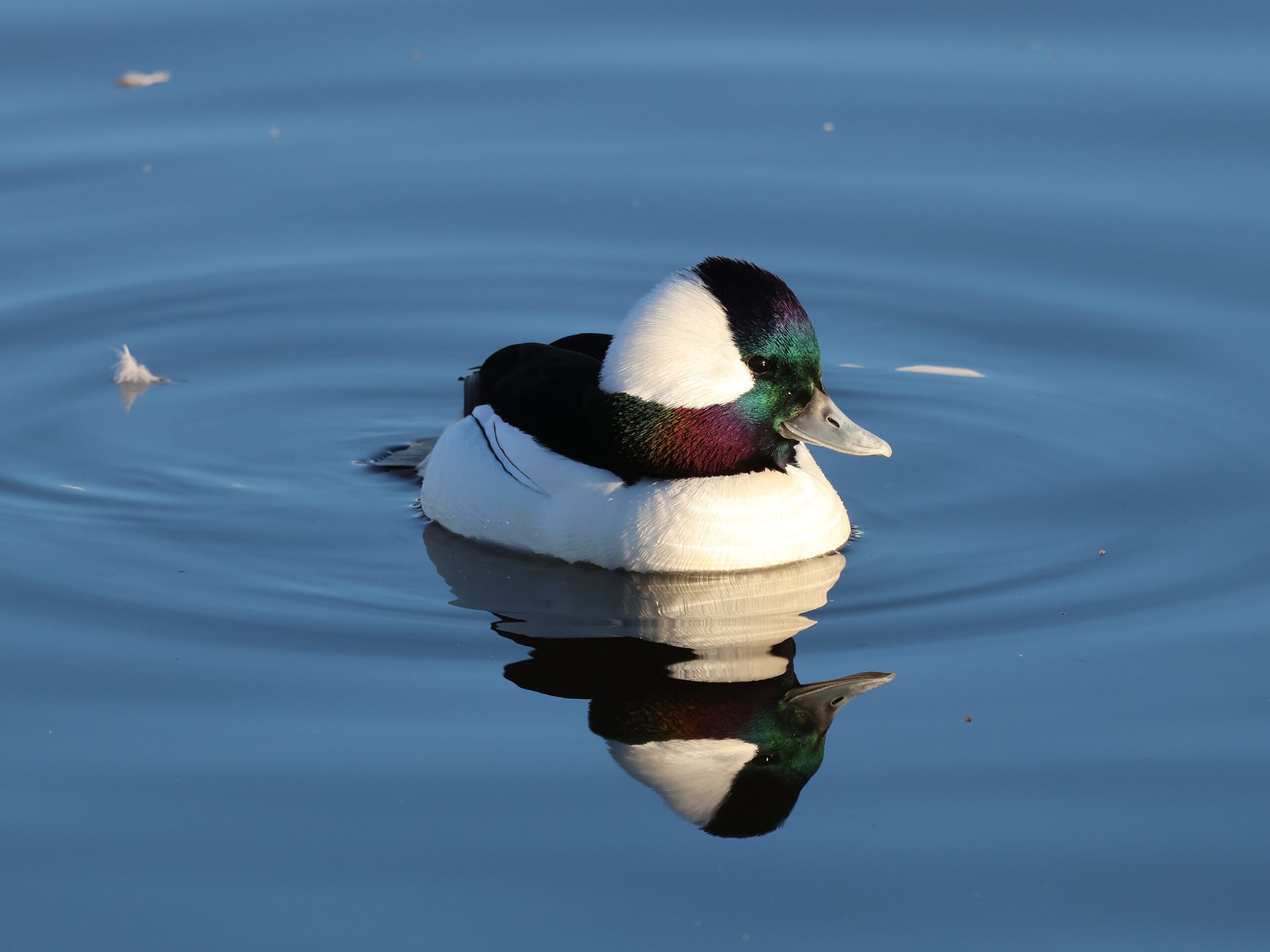
  • Copious caterpillars