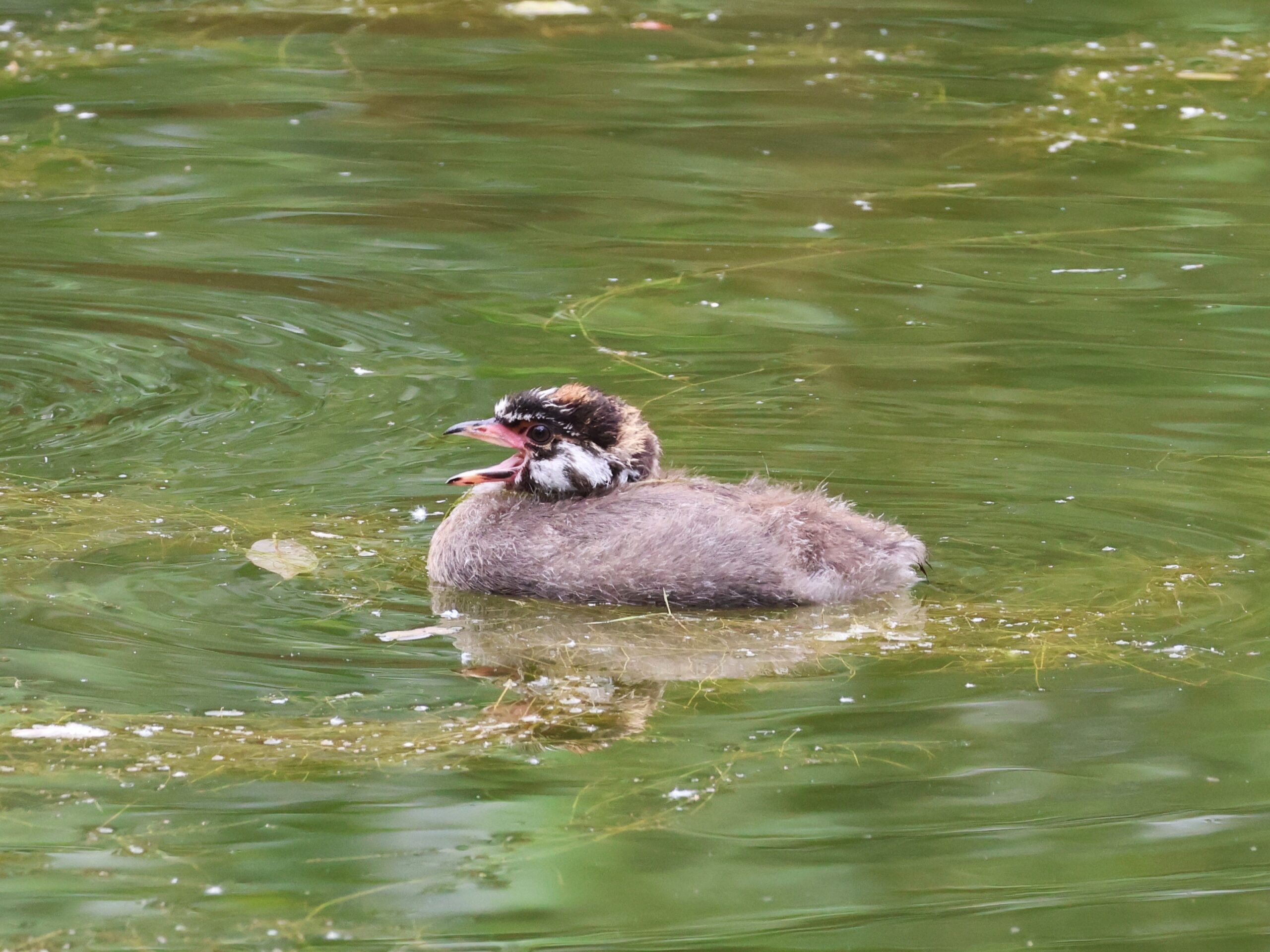
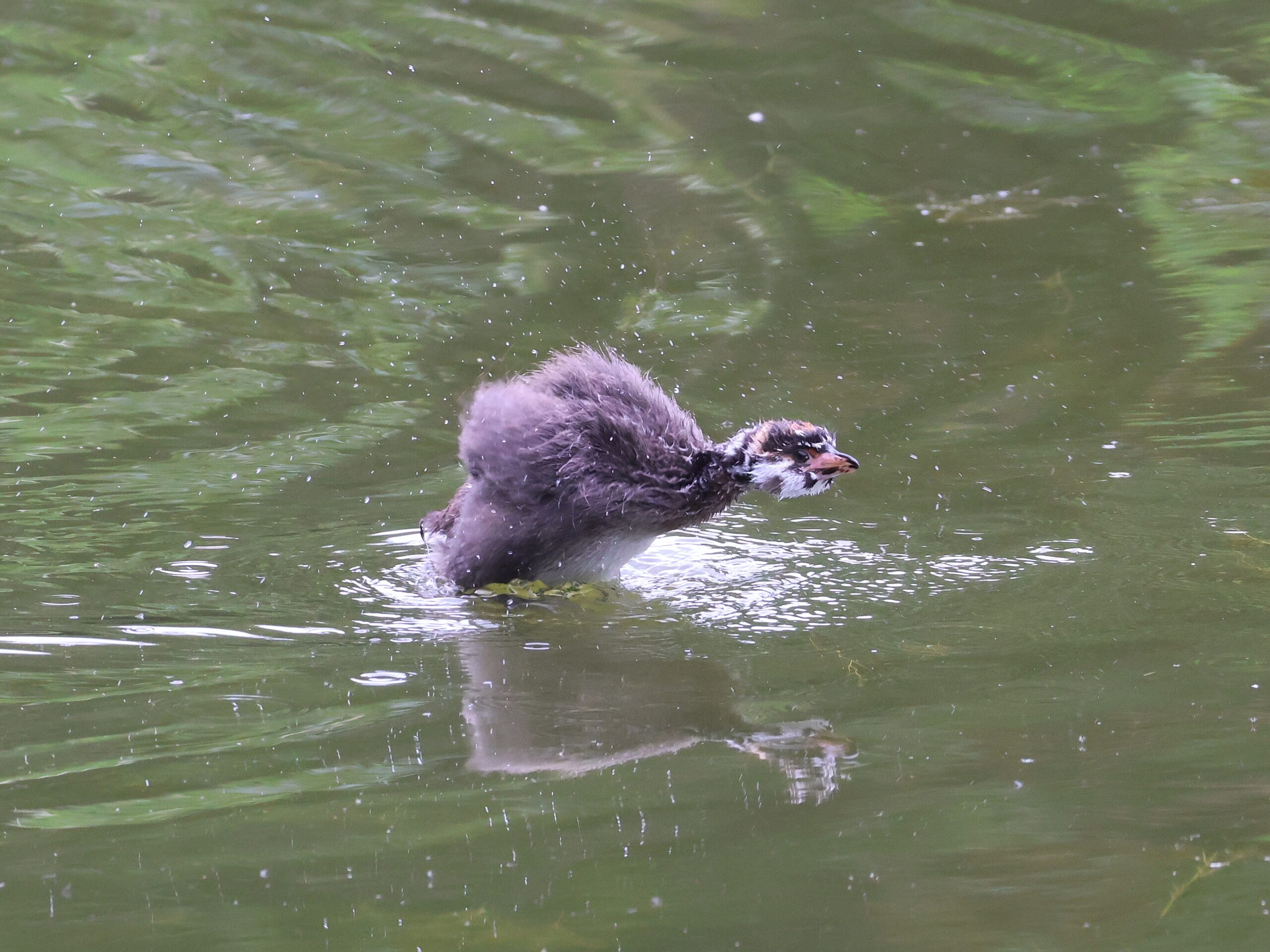
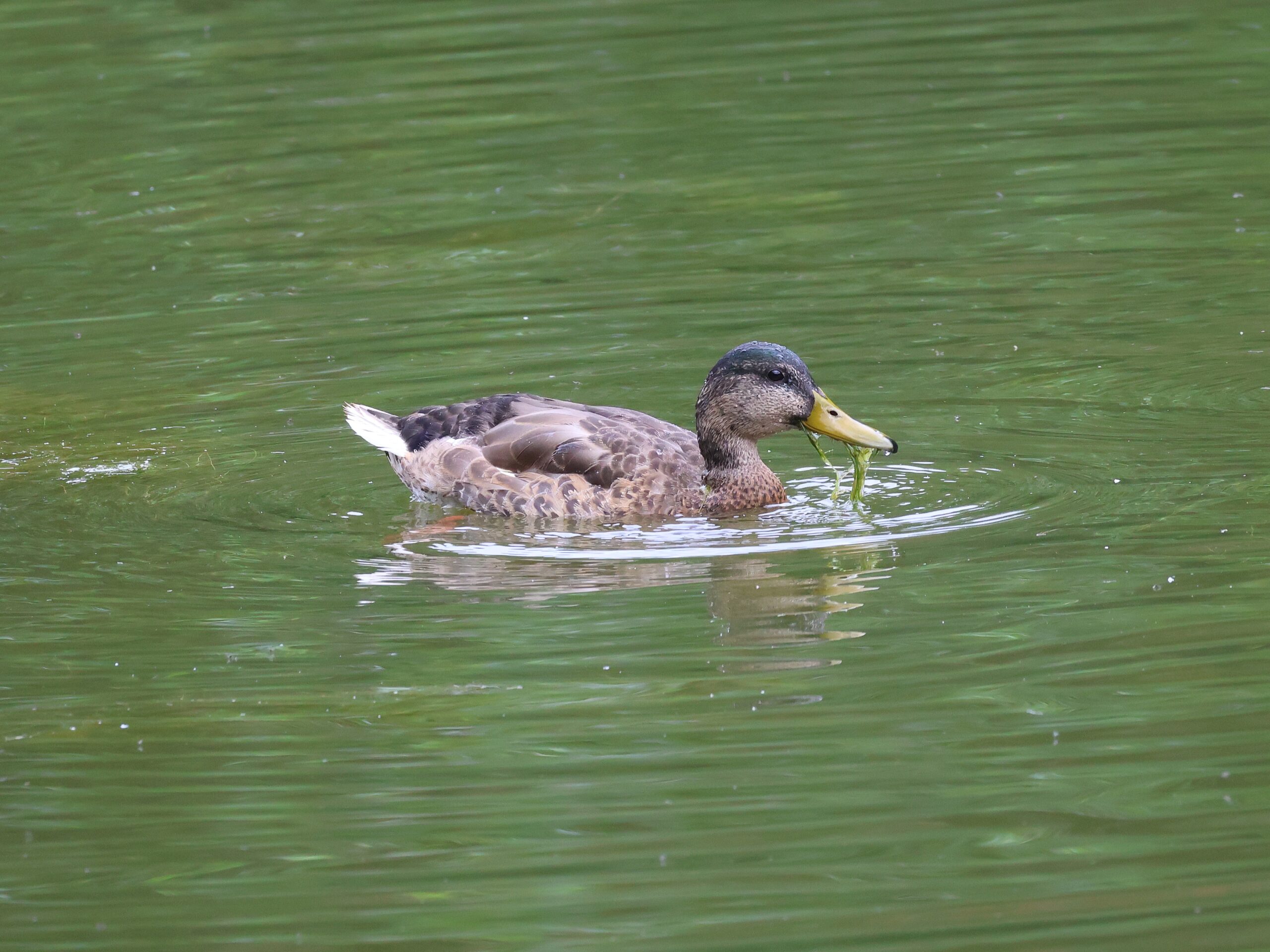
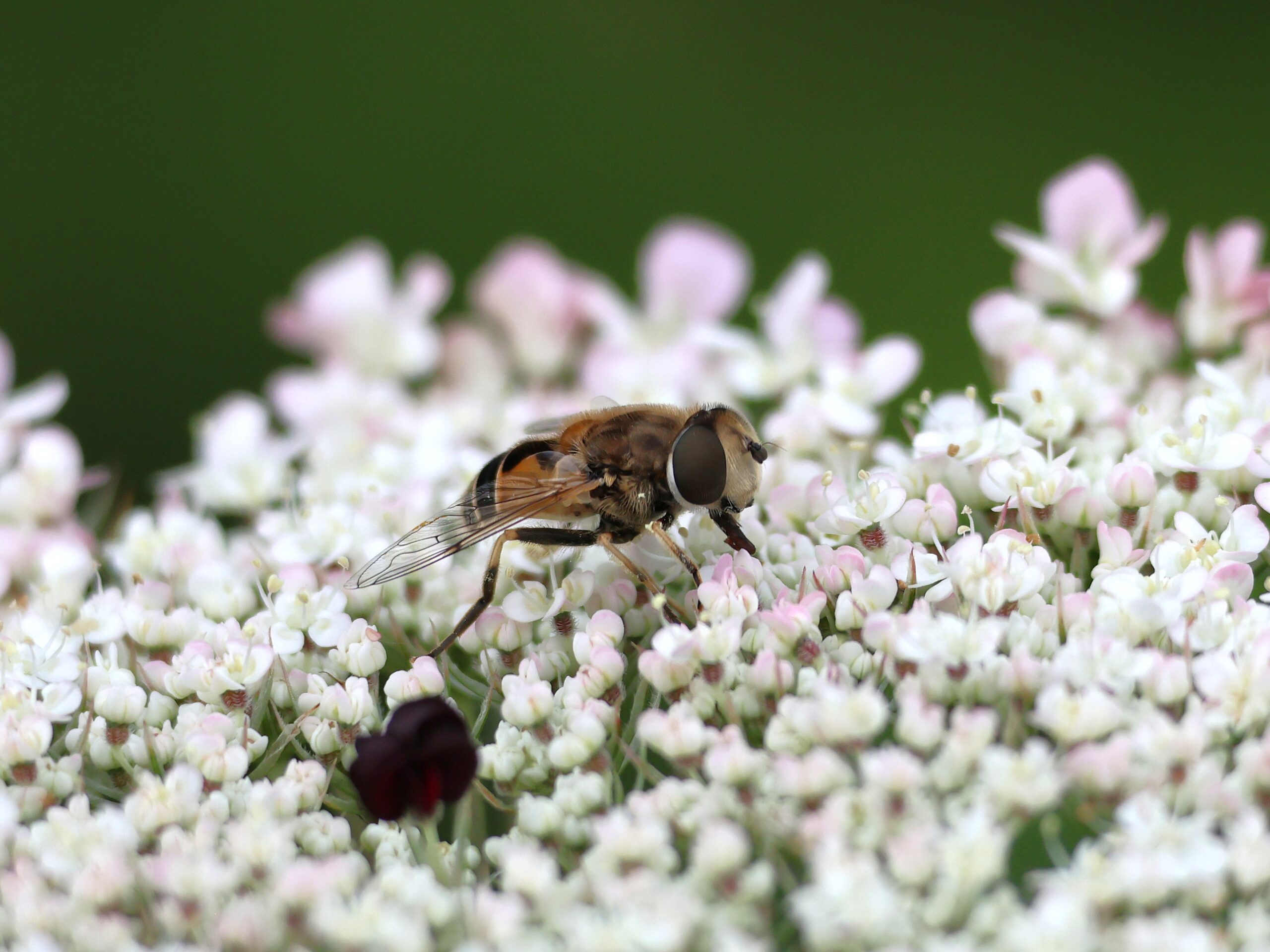
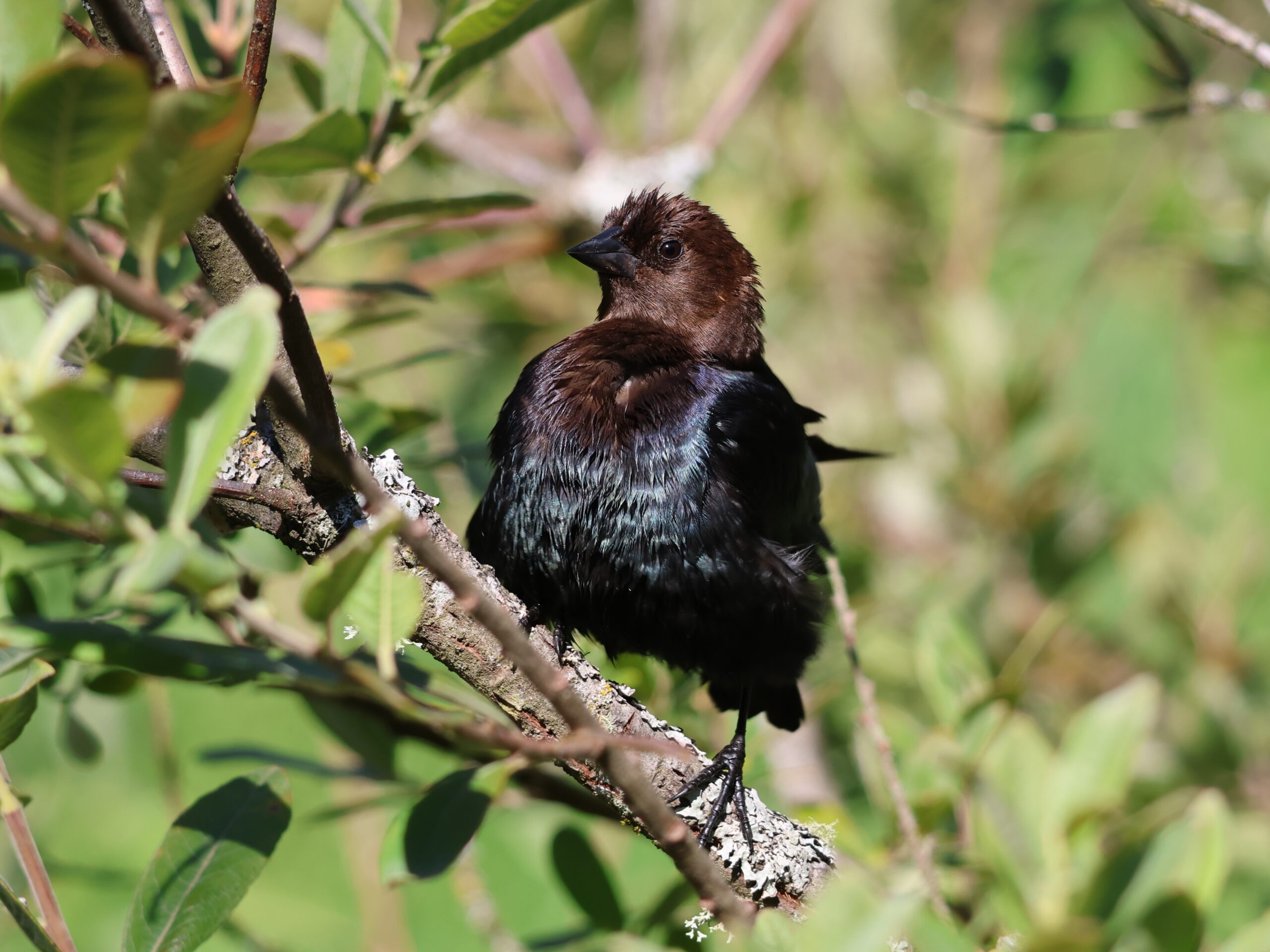
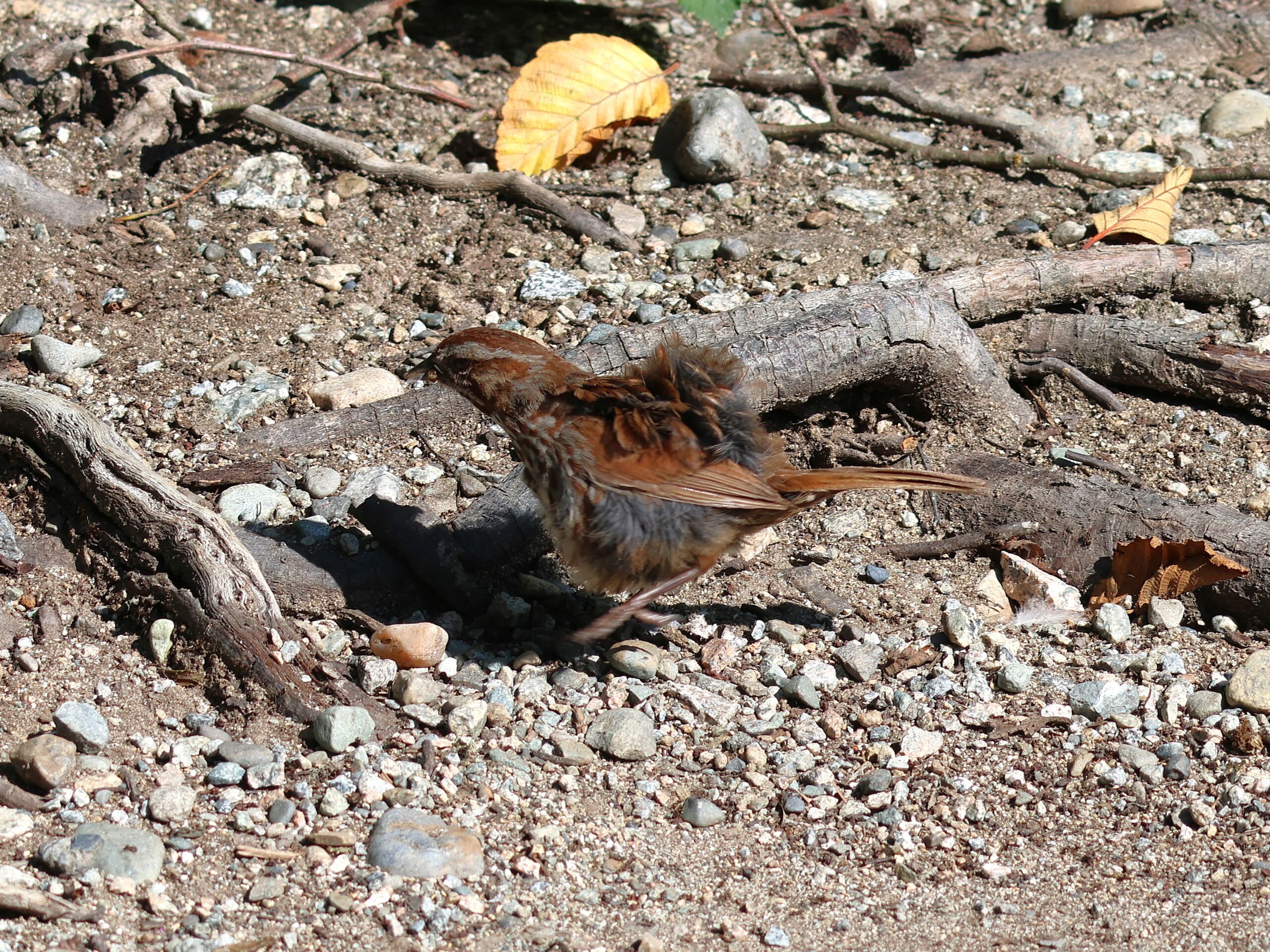
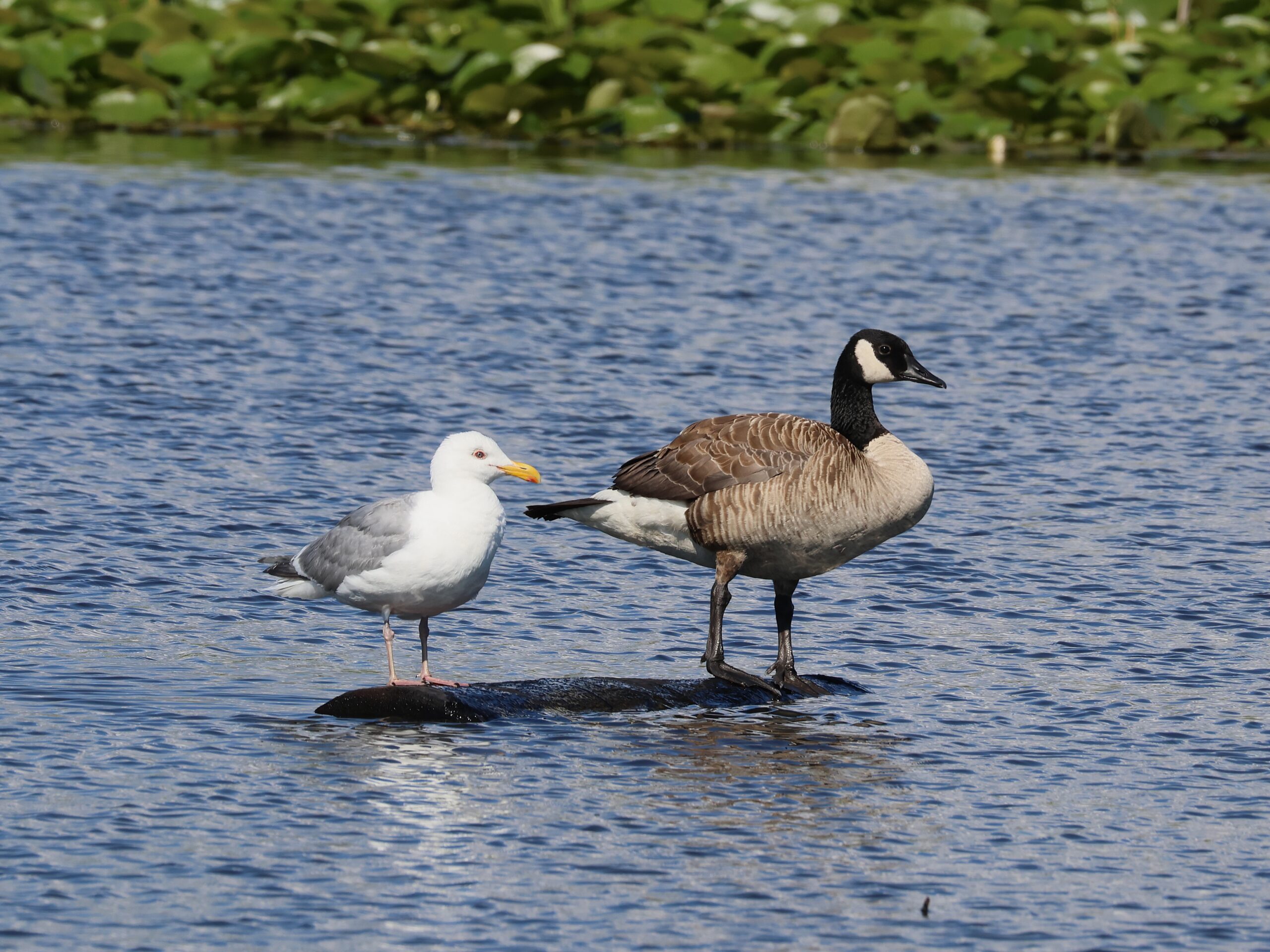
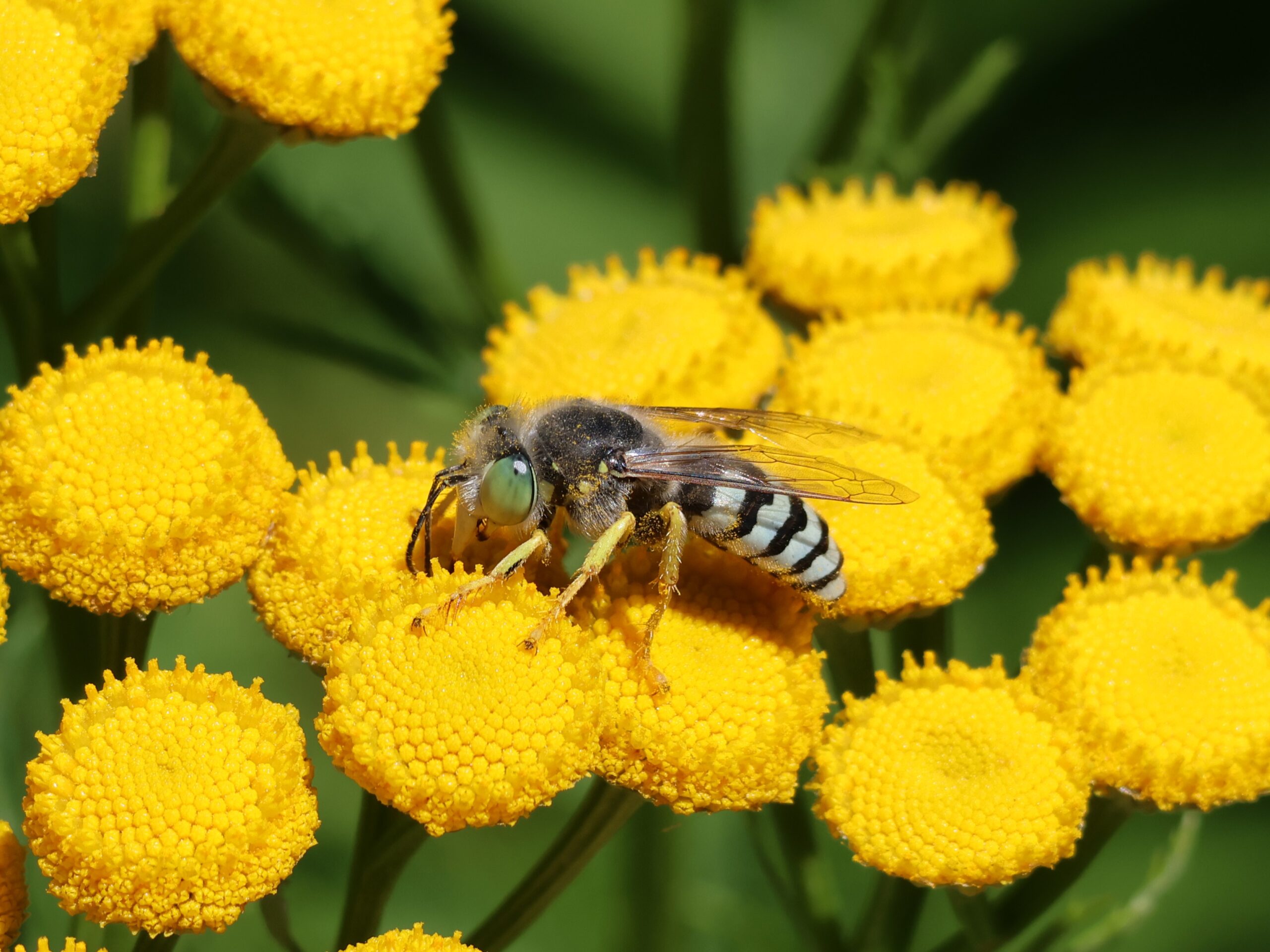
Birding, September 12, 2026: The return of (some) migrants, surprise shorebirds, plus a billion butterflies

Where: Serpentine Fen, Blackie Spit (Surrey), Piper Spit, Burnaby Lake (Burnaby), Tlahutum Regional Park (Coquitlam)
Weather: Partly sunny, 19–21°C

20,000 steps and four locations later, we wrapped up the penultimate summer birding outing for 2026 under partly sunny skies.

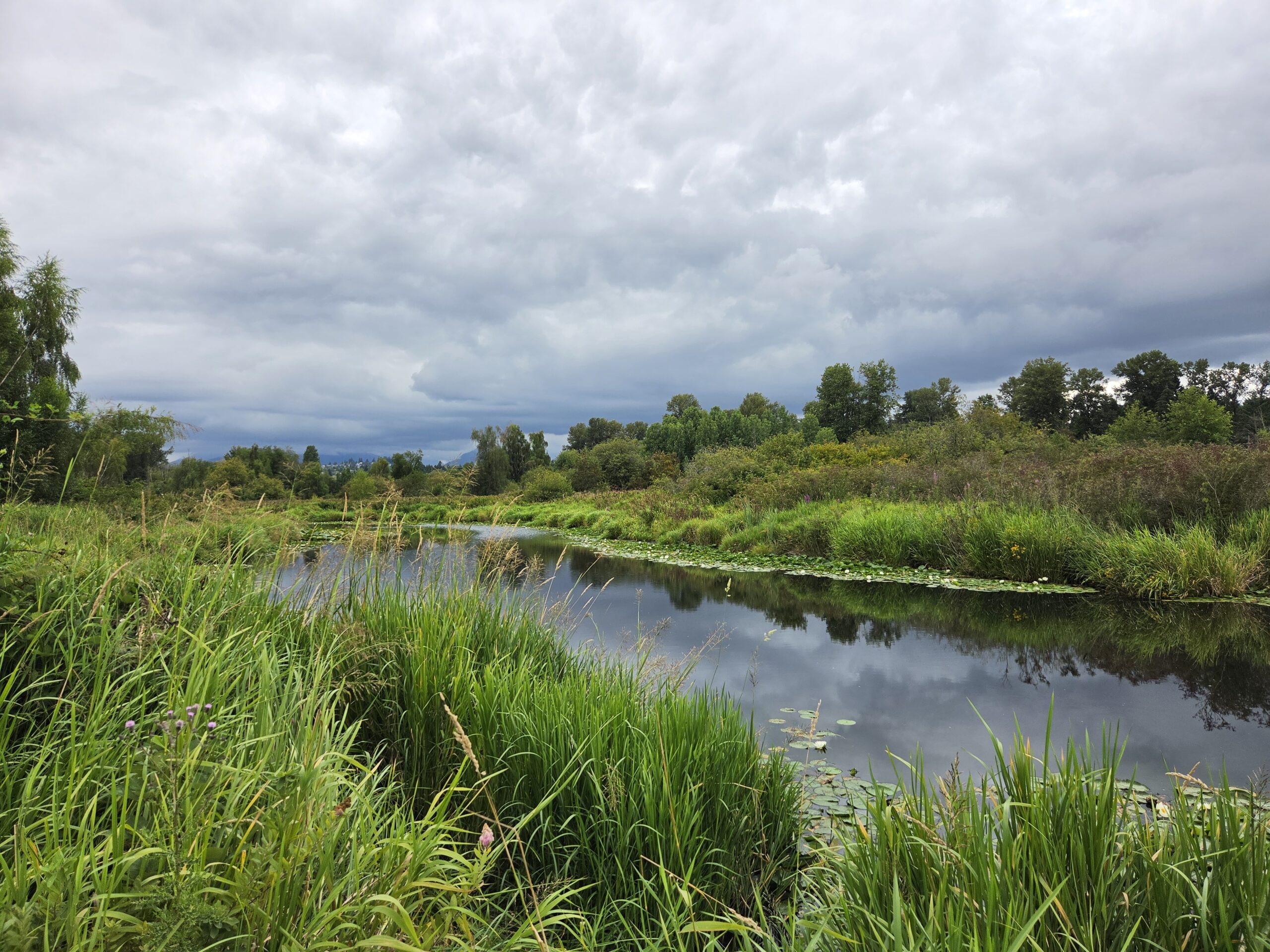
Serpentine Fen

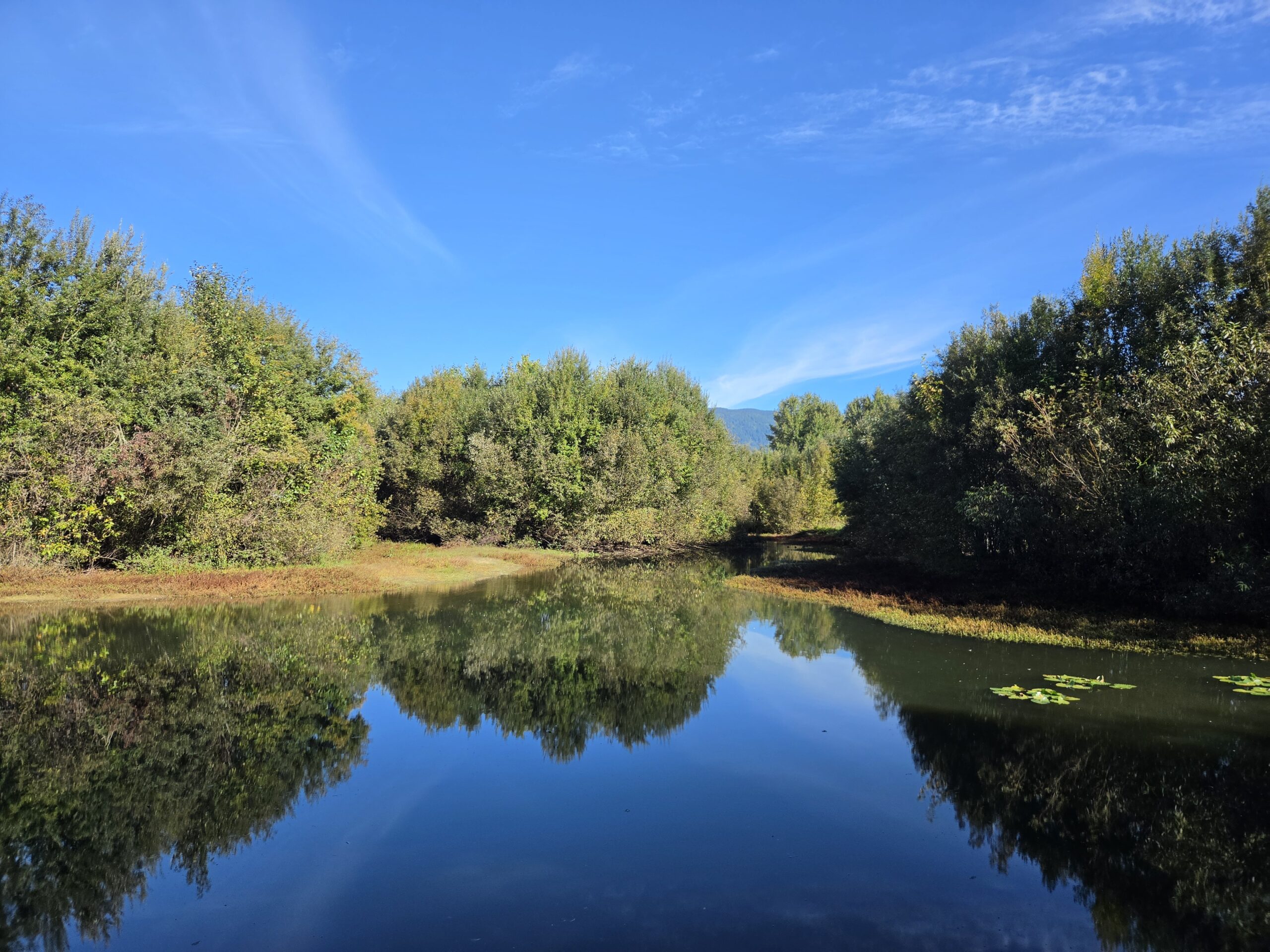
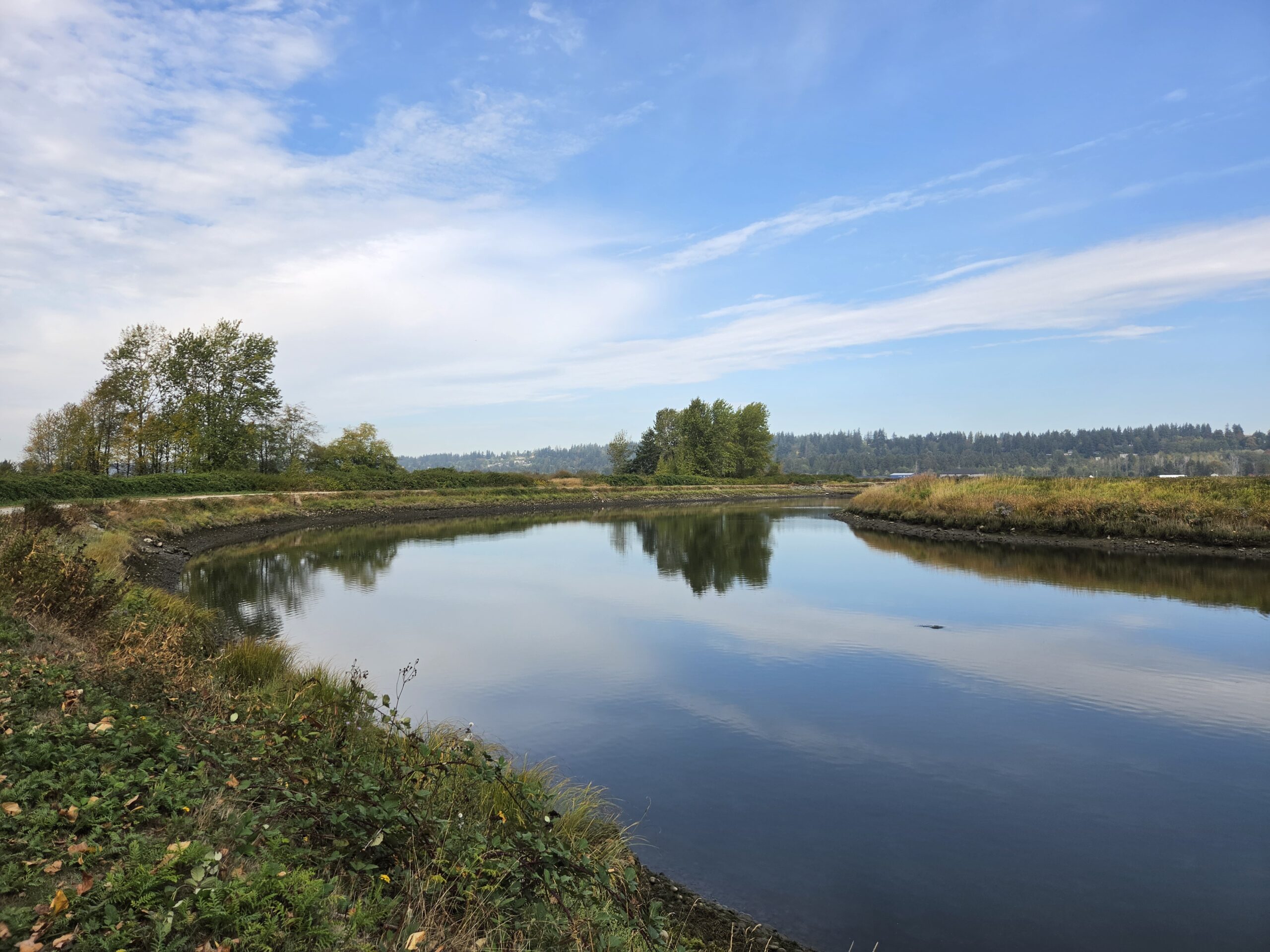
Rare instance of the Serpentine River not lined with people fishing.

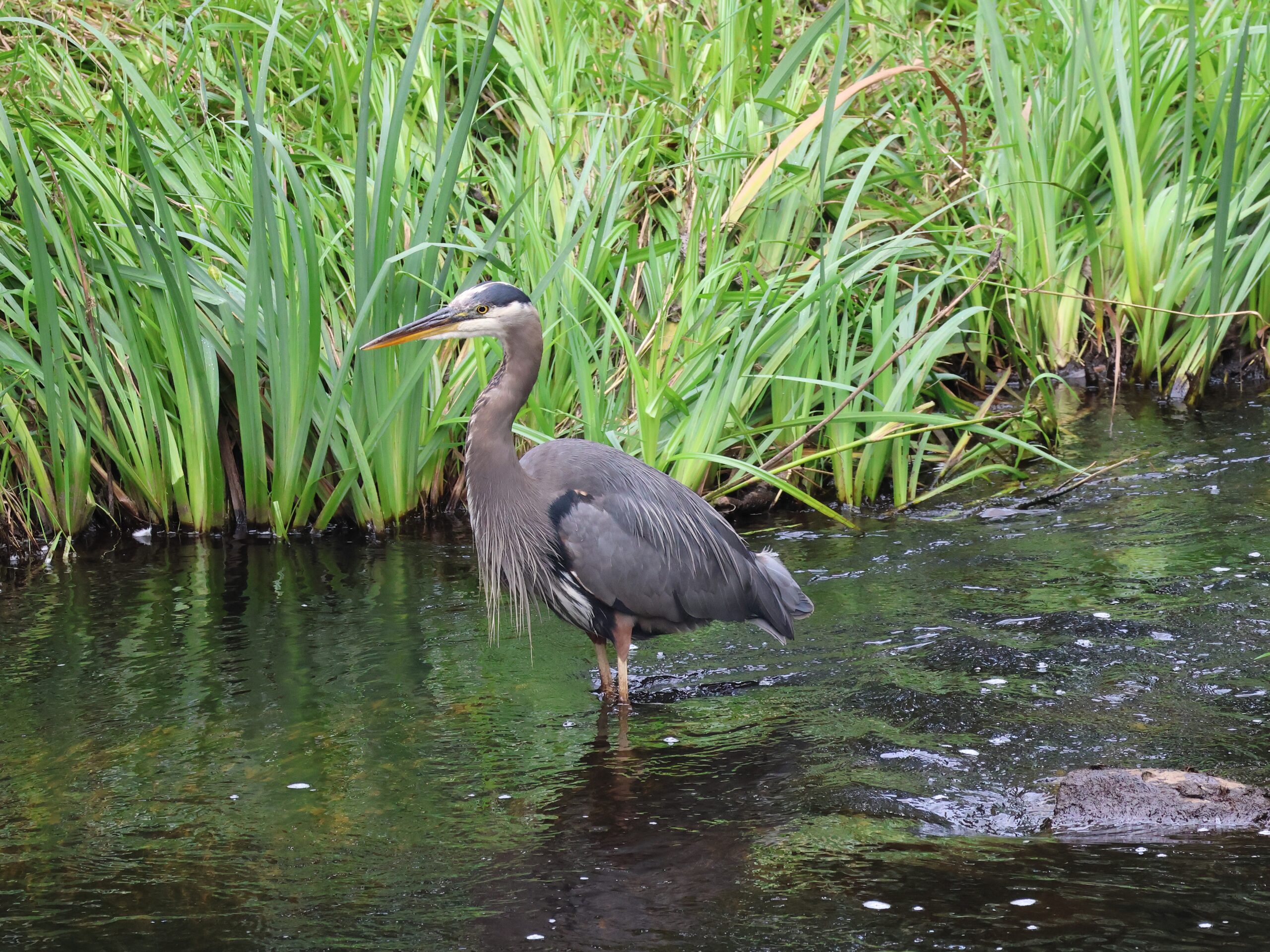
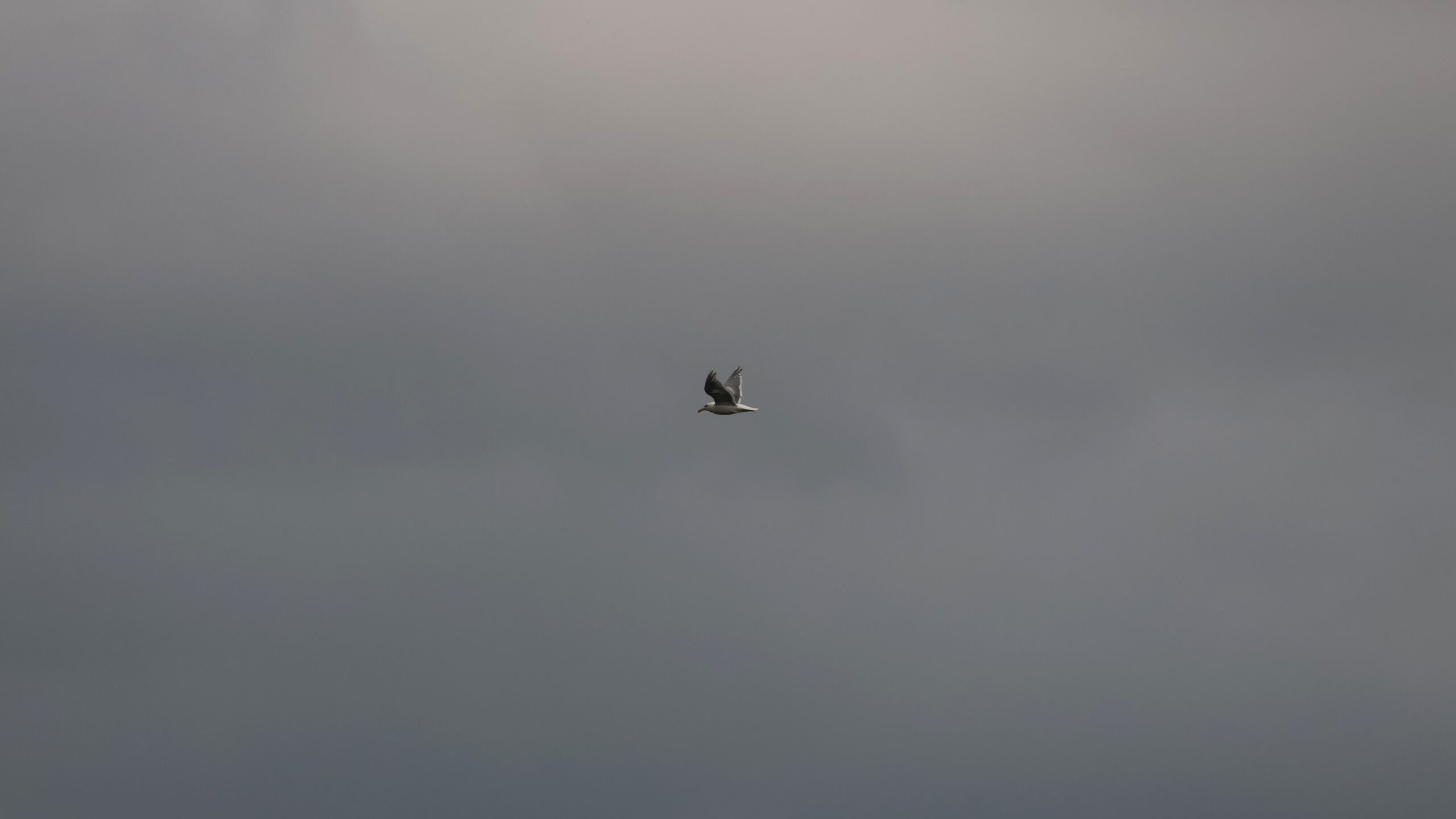
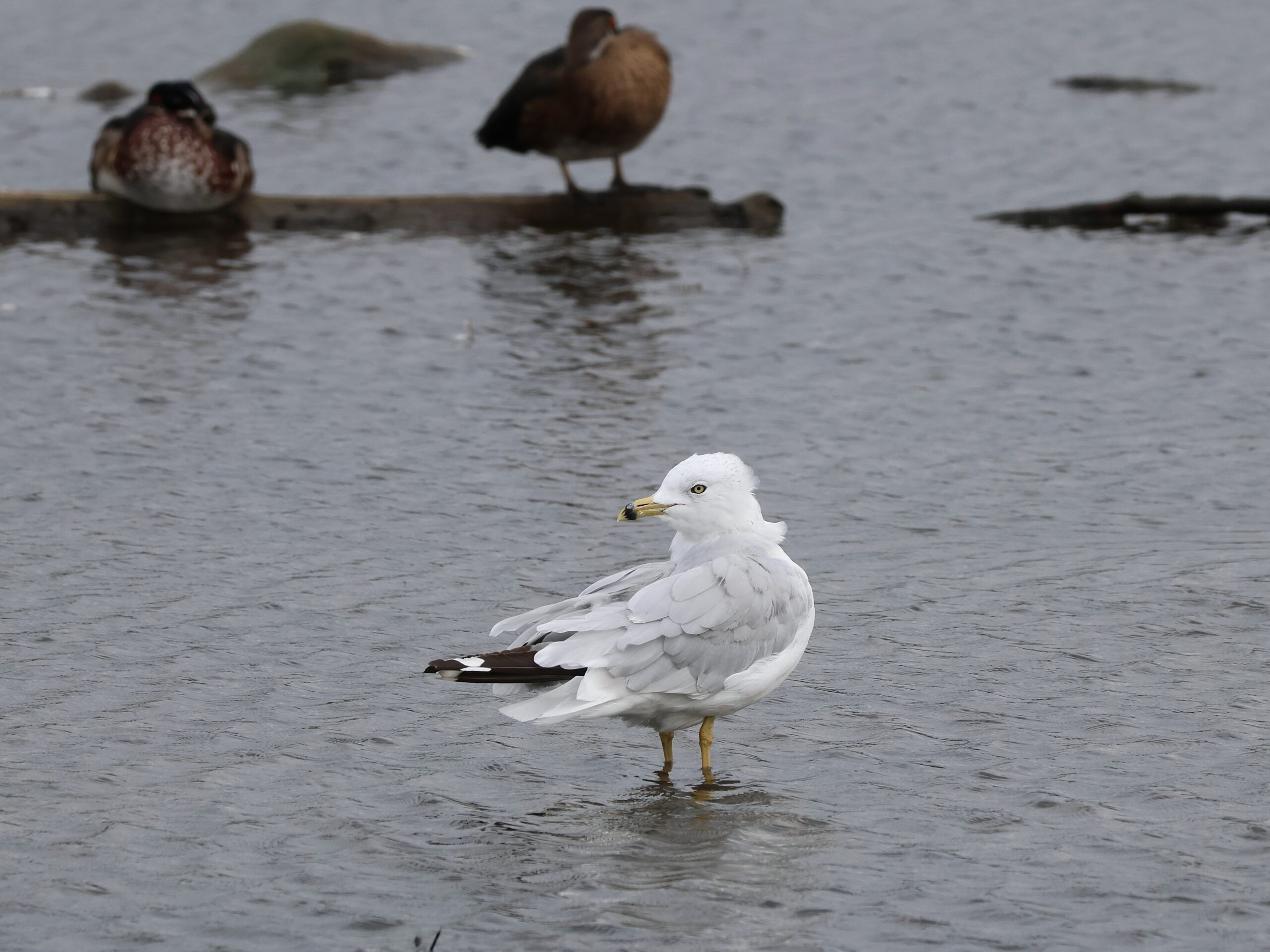
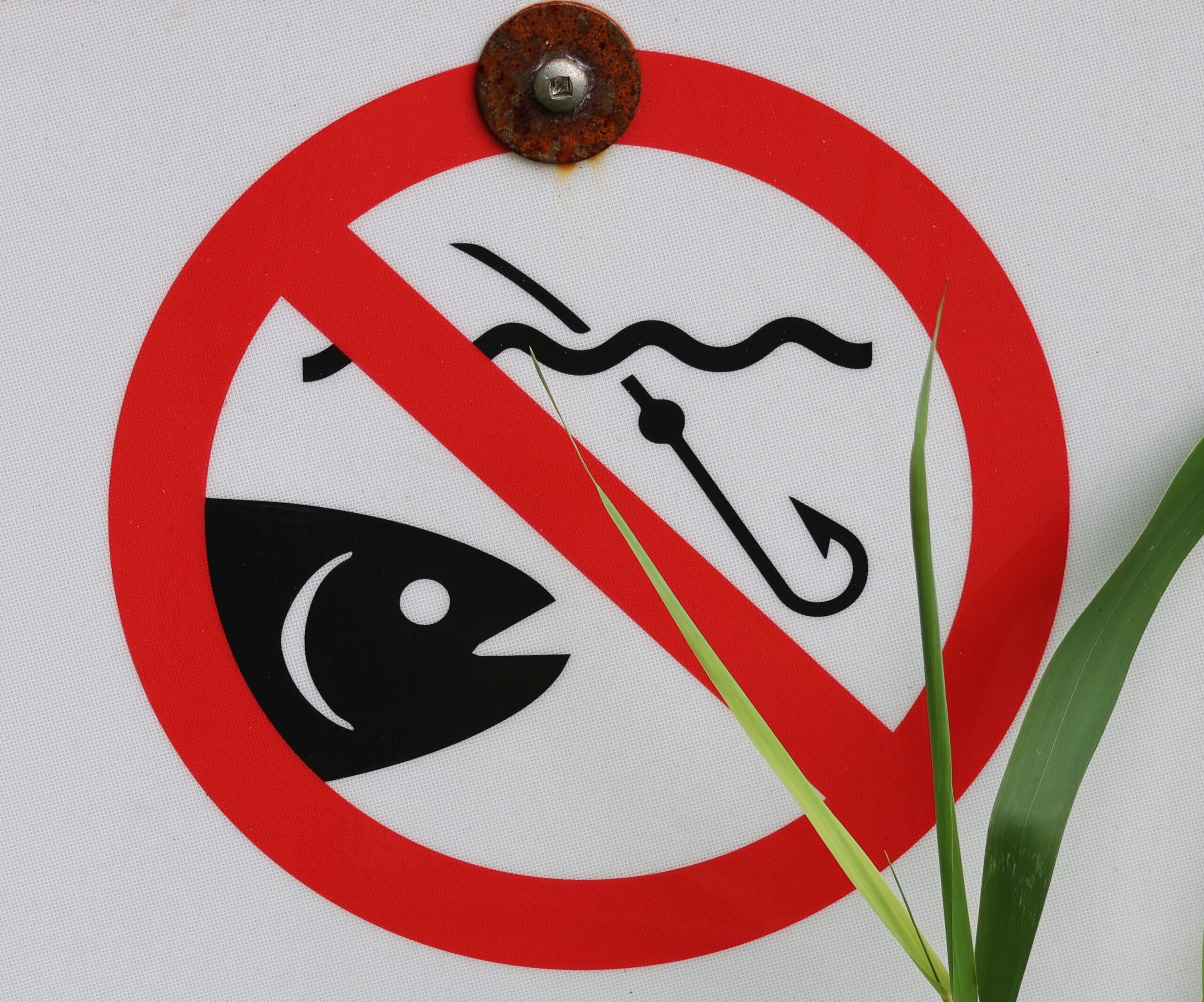
First up was Serpentine Fen, which had a weirdly large number of people fishing along it, like there was a contest or something. And that contest was Insure No Waterfowl Will Hang Out Because of Everyone Fishing. Despite that, we did see some herons, and assorted seagulls over the river.

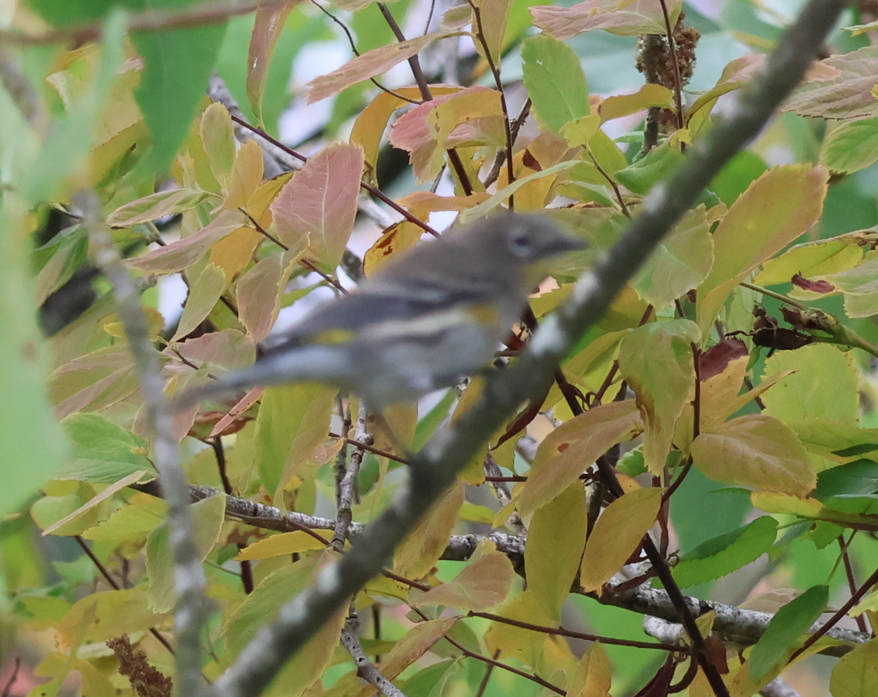
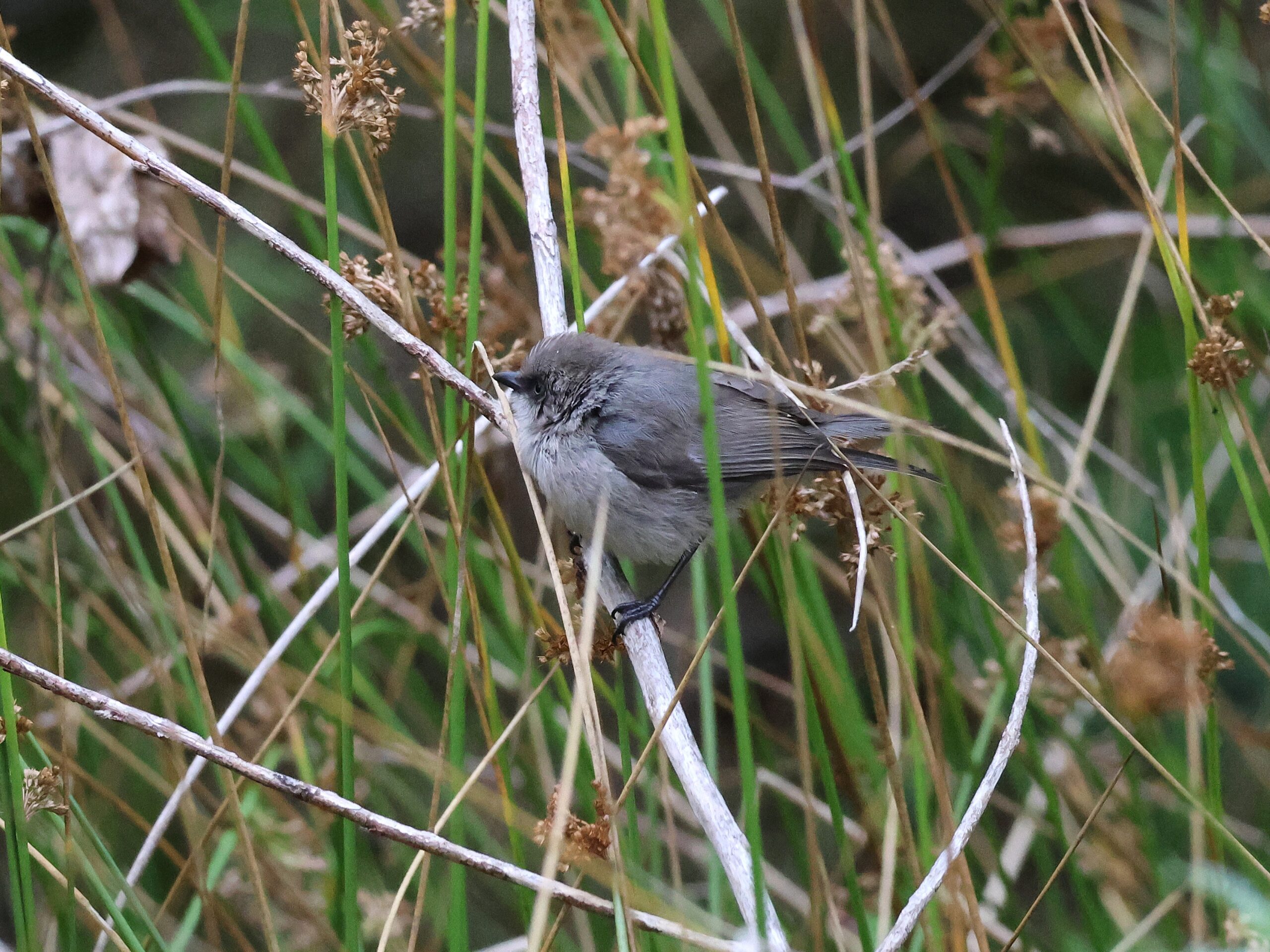
We also spotted some Yellow-rumped Warblers in a stand of trees, but my camera failed to properly focus on any of the four shots I managed, as the warblers tend to move around a lot. It was confused, I was sad.

This is the best I got, as example:

Note the branch behind in perfect focus. 😛

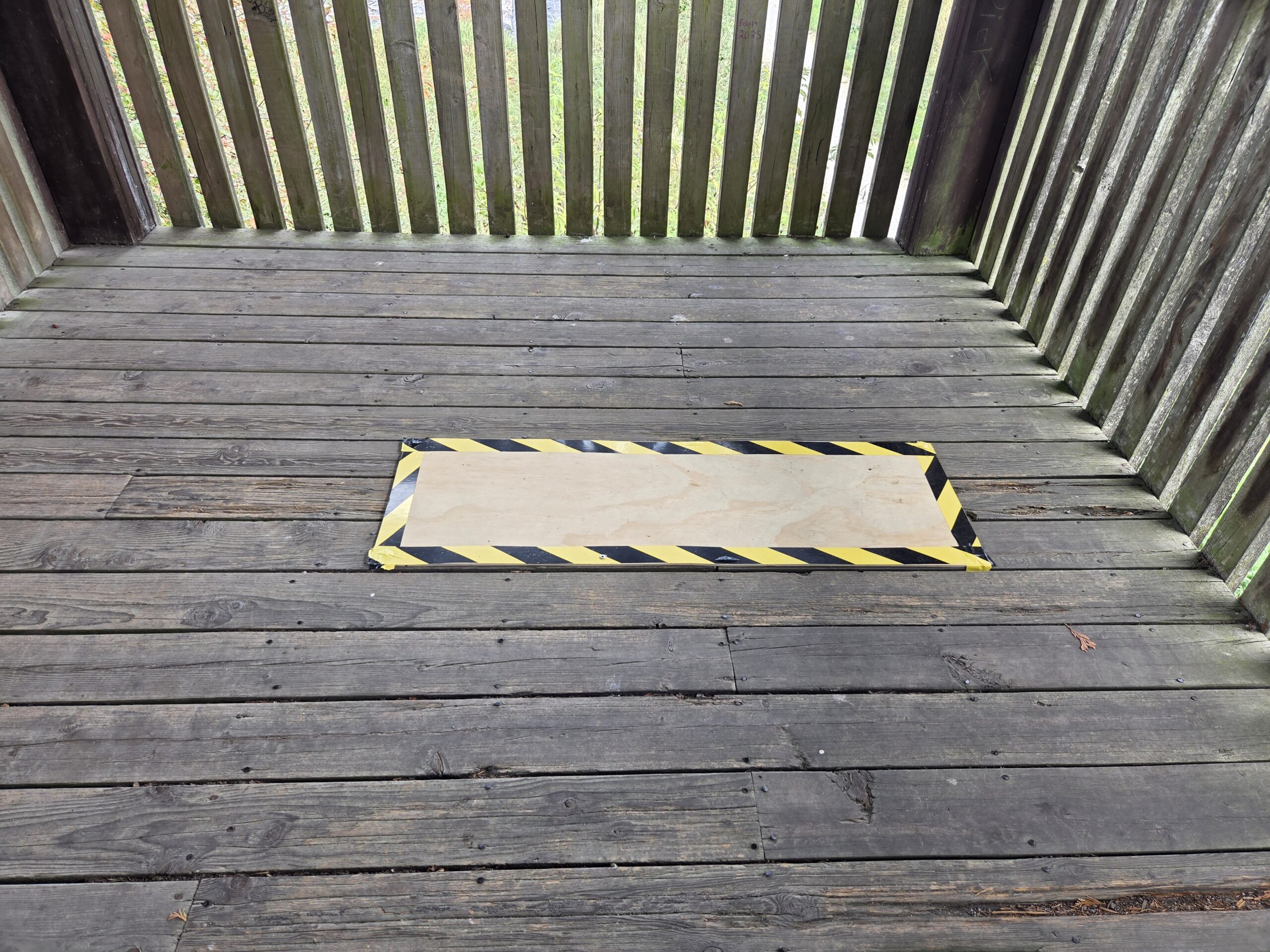
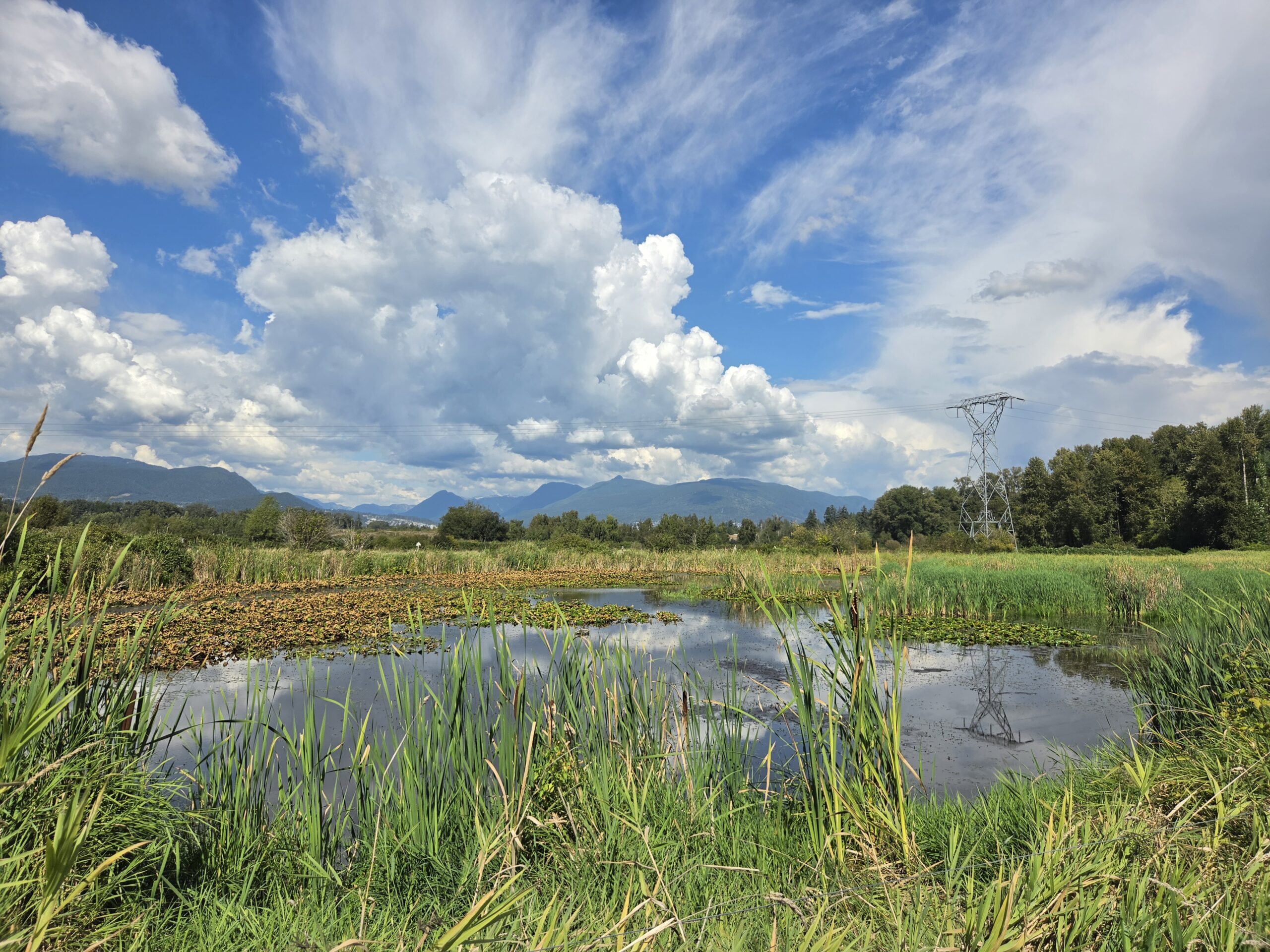
However, the best stuff would come later, not when we discovered they had finally patched the scarily huge hole in the floor of the second viewing tower, though that was nice to see:

I did not test the sturdiness of the caution-taped plank.

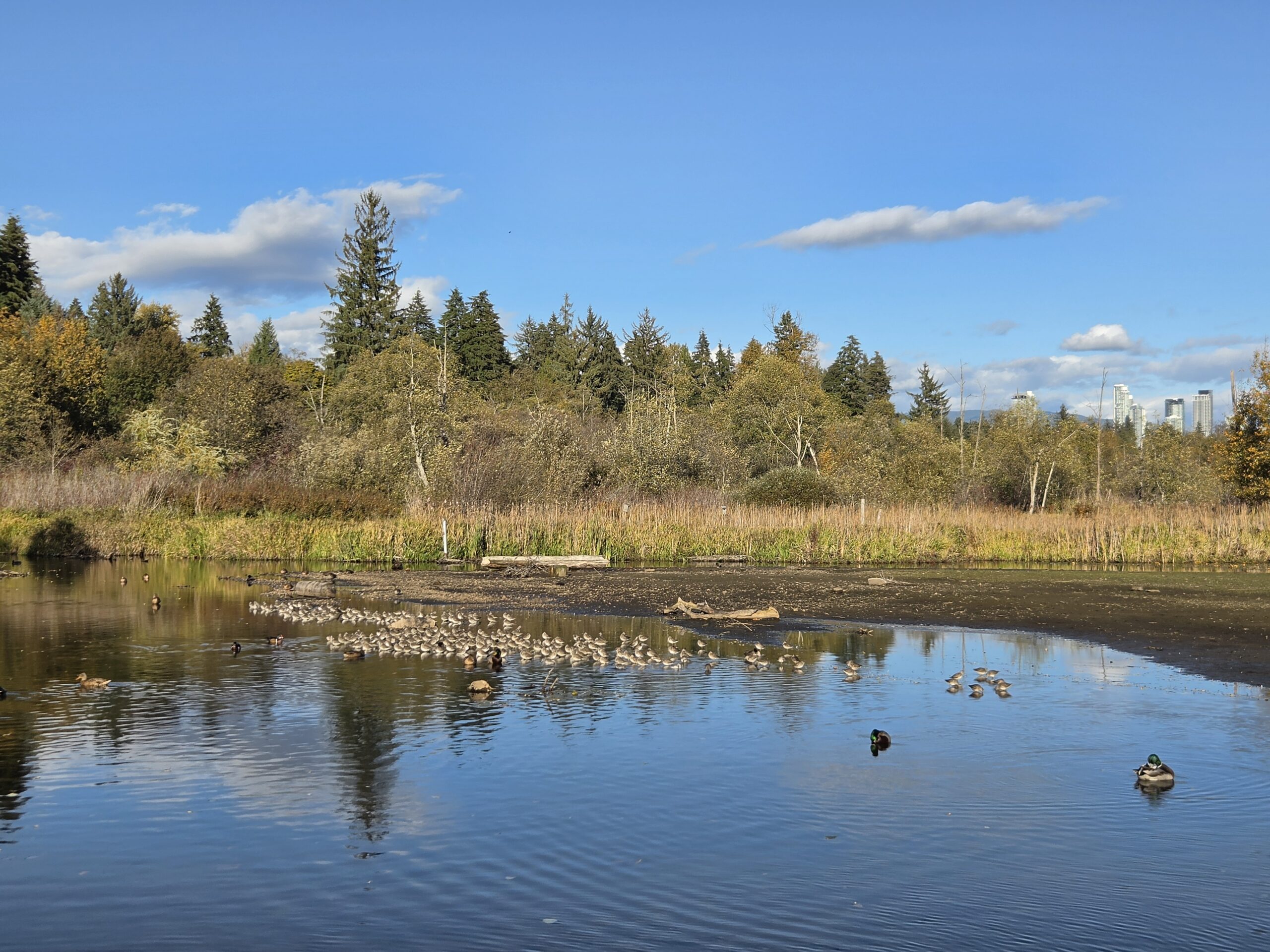
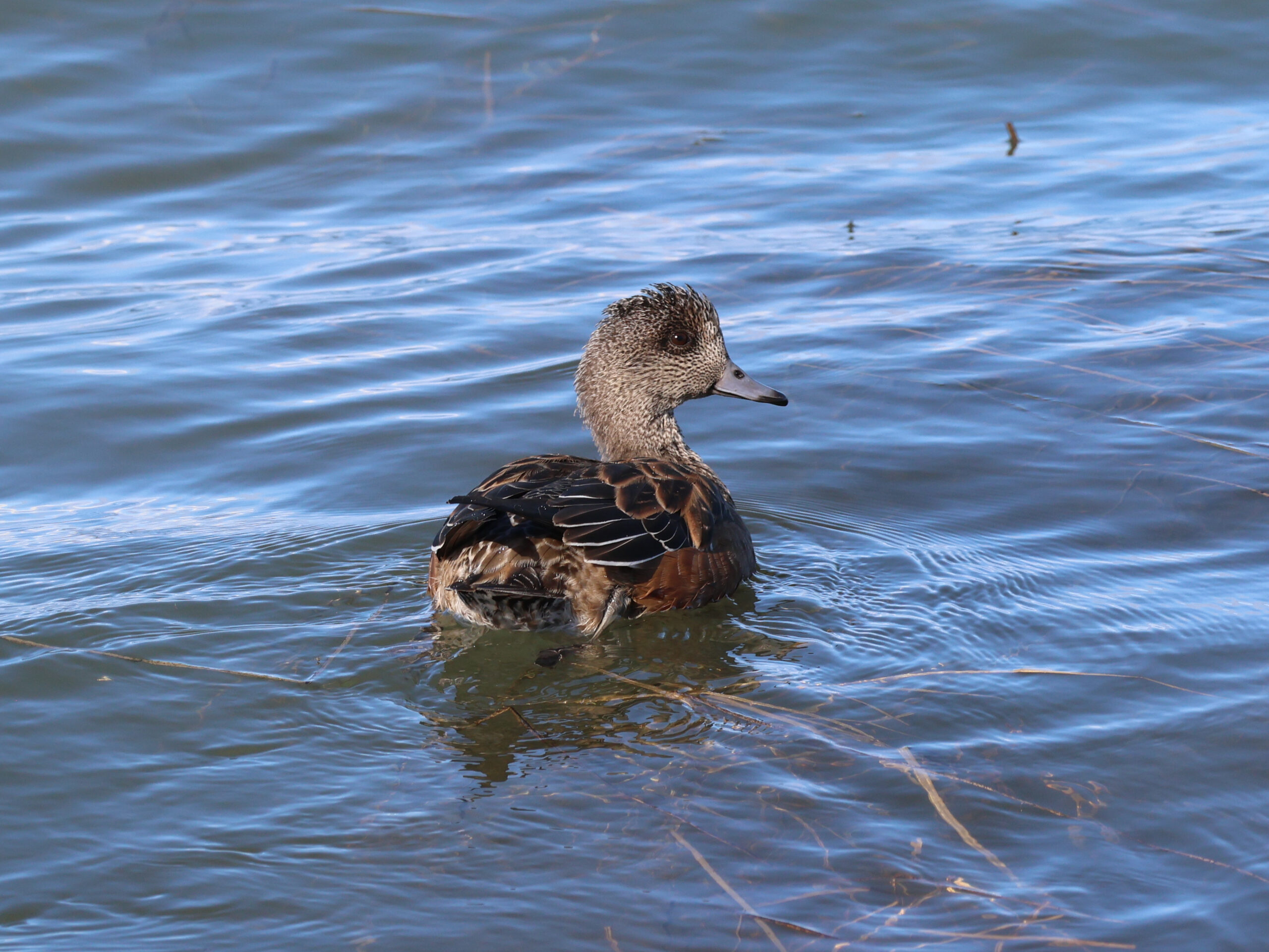
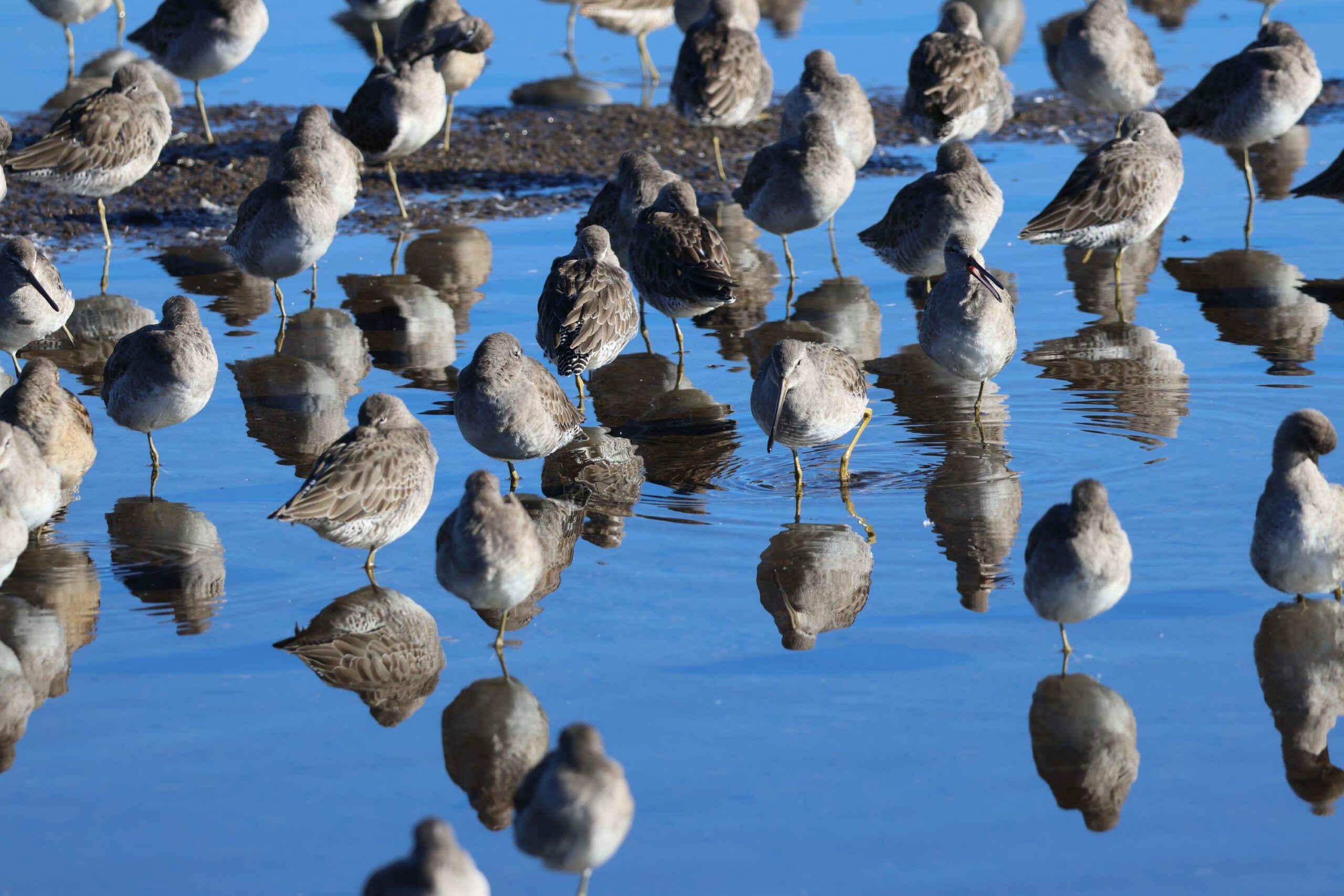
But rather, one of the ponds that had not dried up was host to not just some Northern Shovellers, back from wherever they hide during the summer, but also multiple varieties of shorebirds capering about, both in and out of the water. Neat.

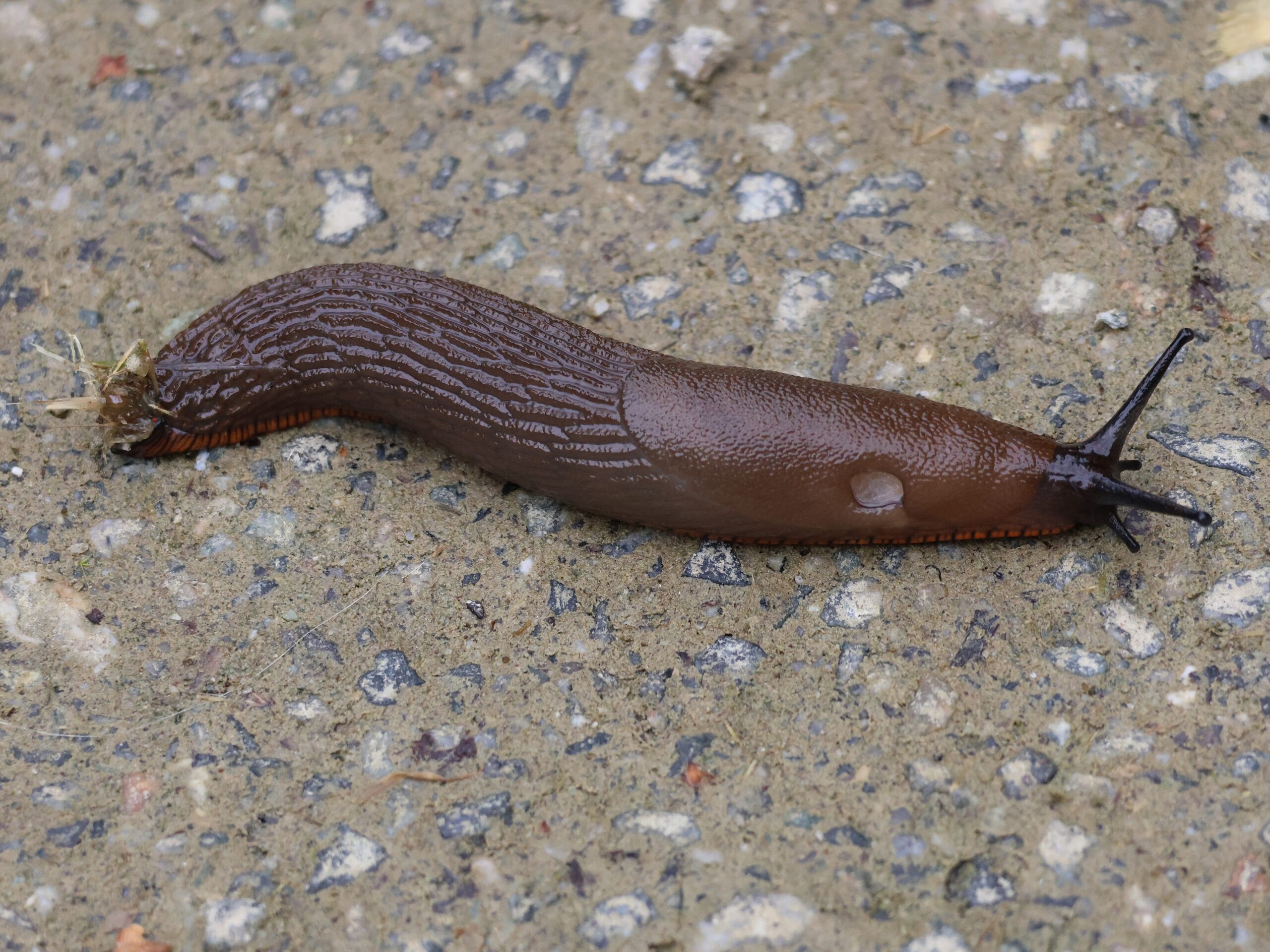
We also observed a plump spider feasting on a grasshopper caught in its web, and another one making a web using its butt spinneret. It was quite an elaborate show.

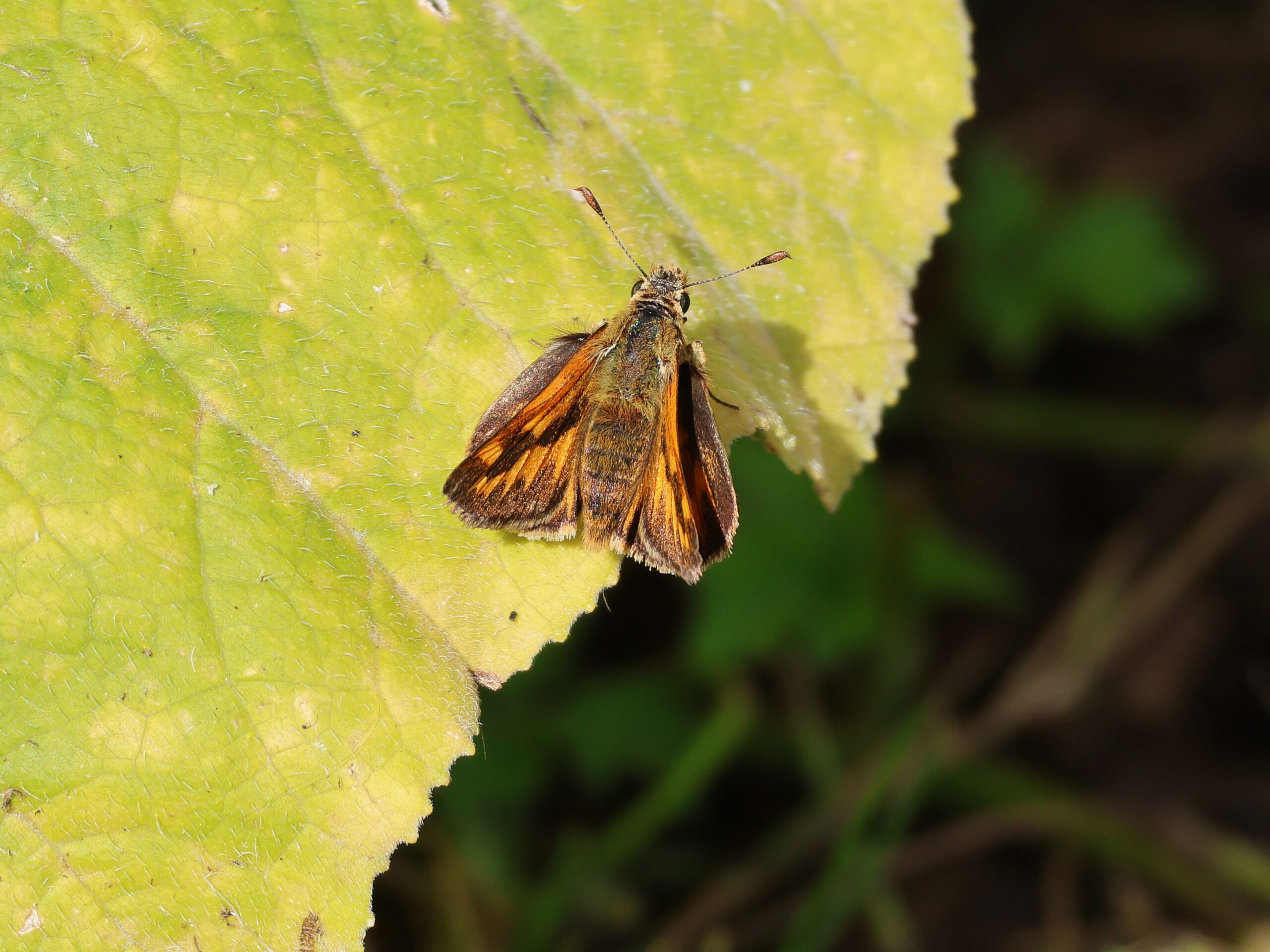
There were also the aforementioned billions of butterflies, mainly the West Coast Lady, a predominately orange butterfly that is tricksy to shoot.

In all, Serpentine Fen proved better than I expected. The abundance of fishers was still weird, though.

Blackie Spit

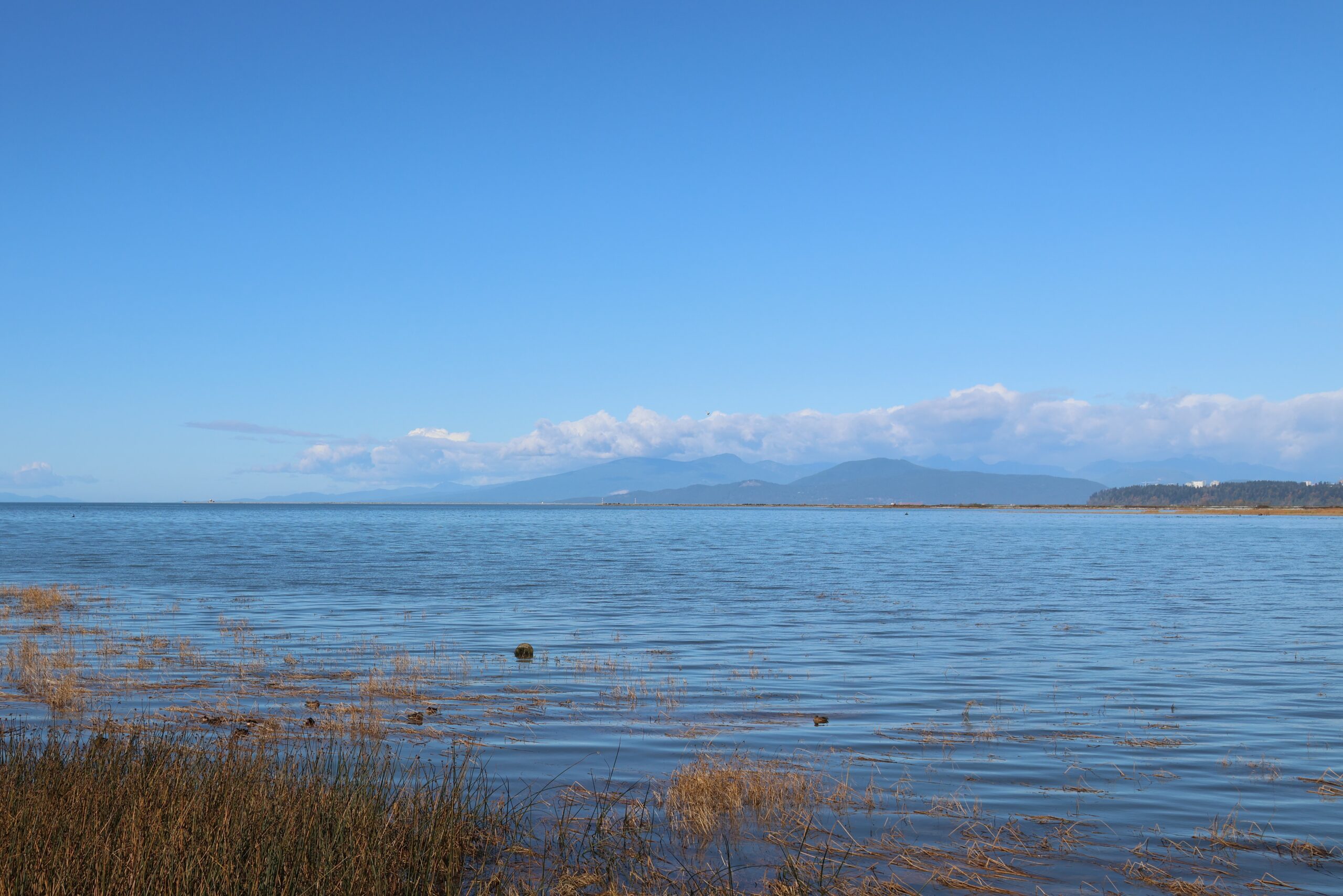
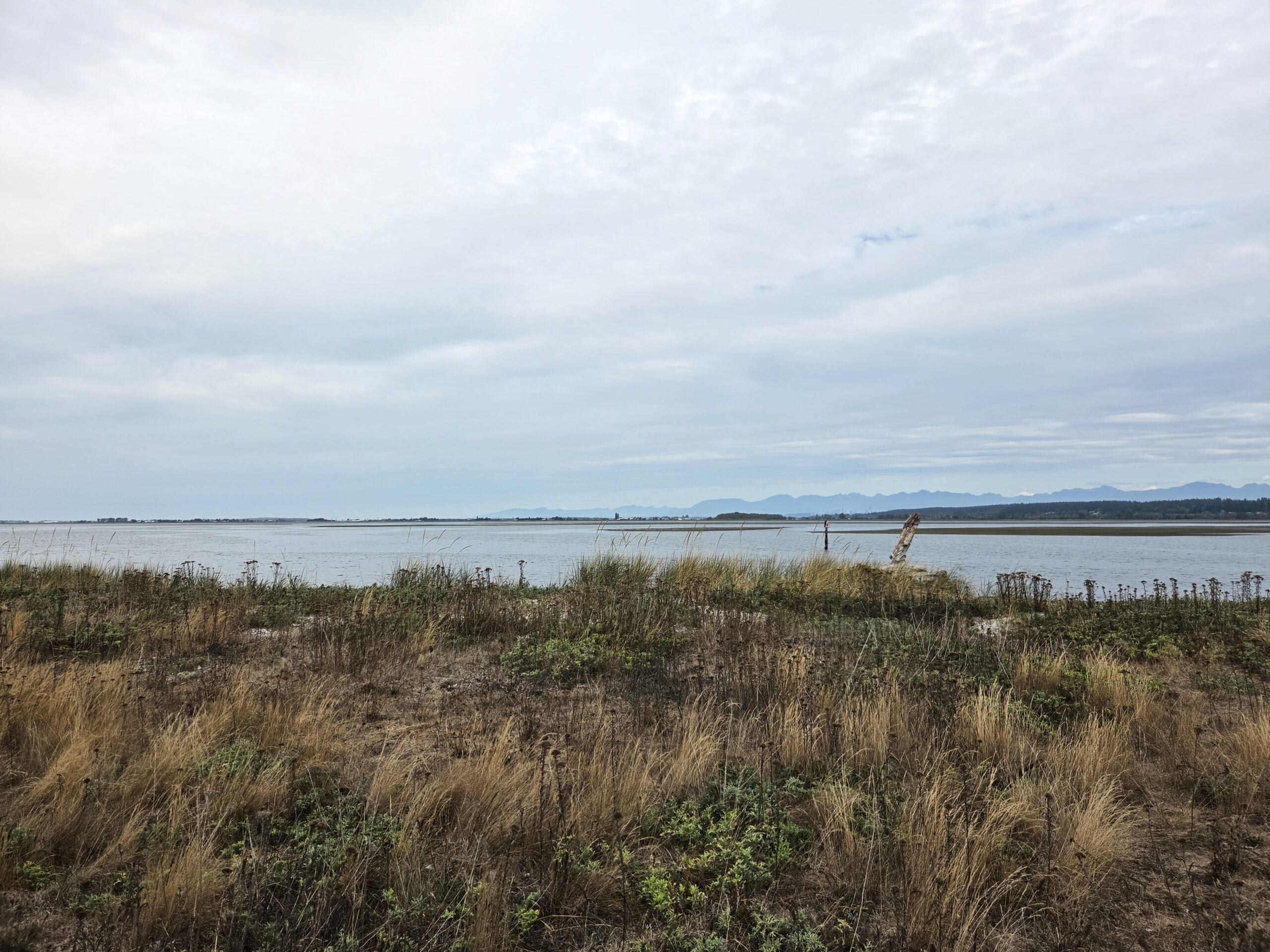
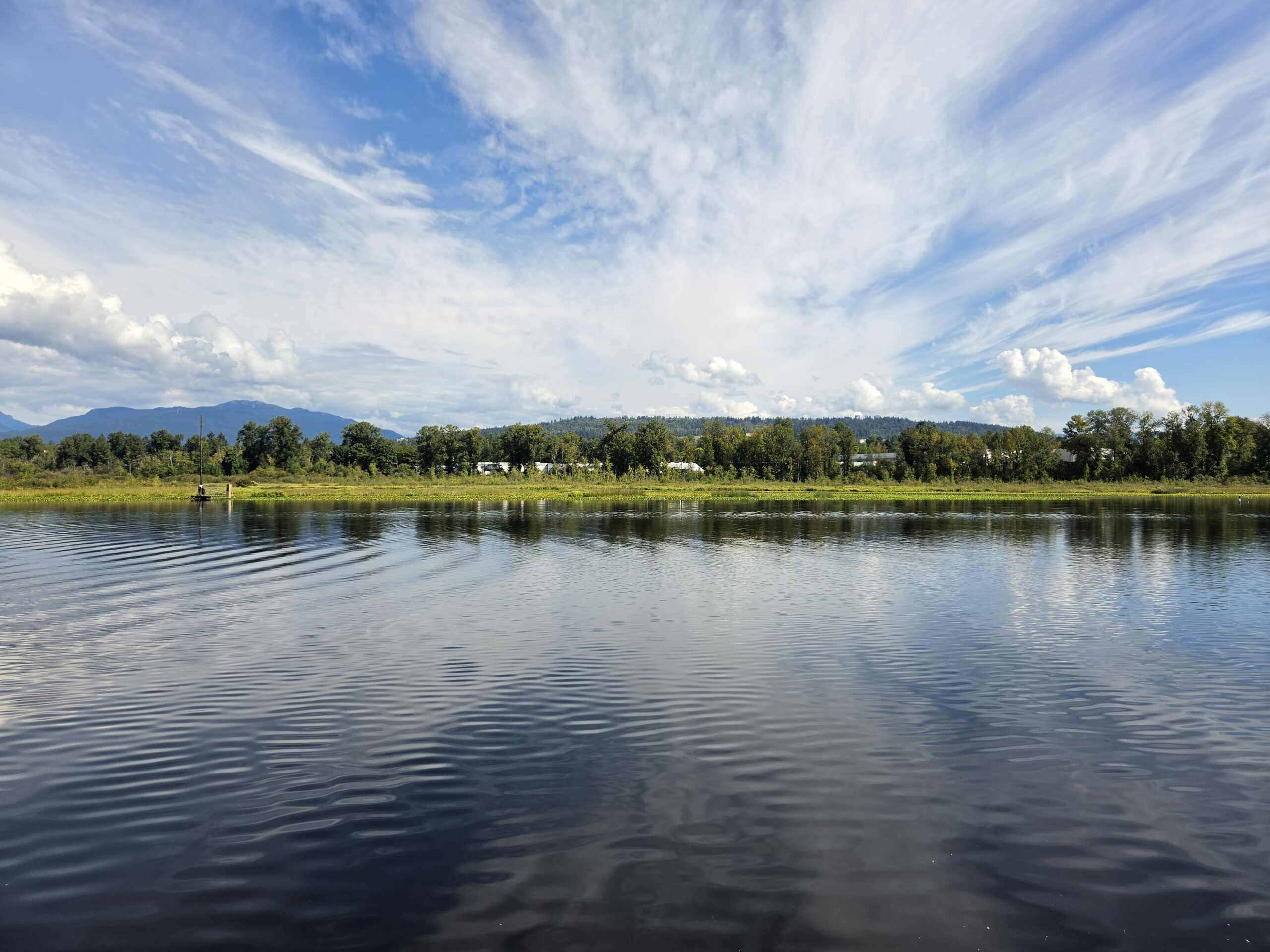
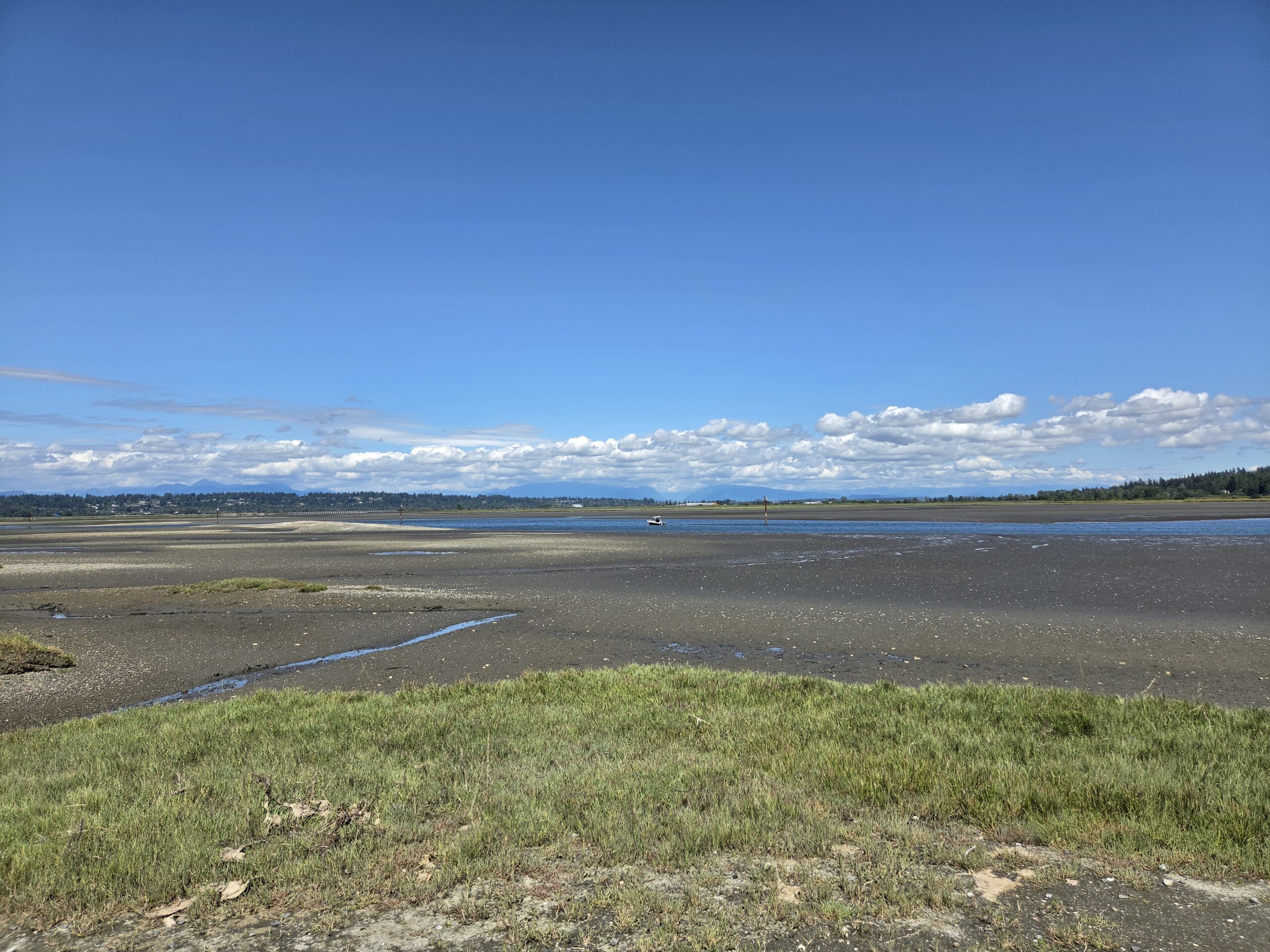
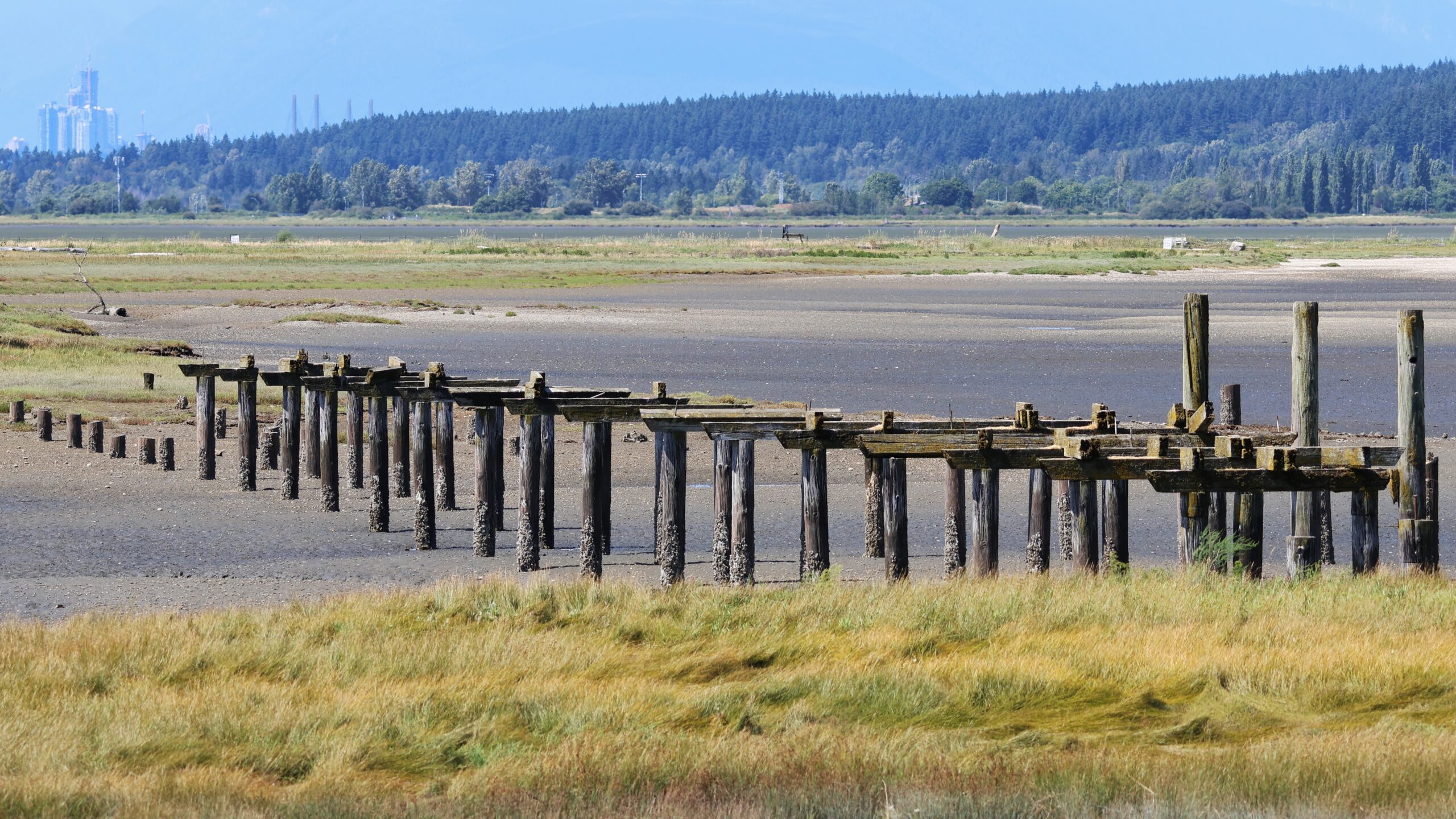
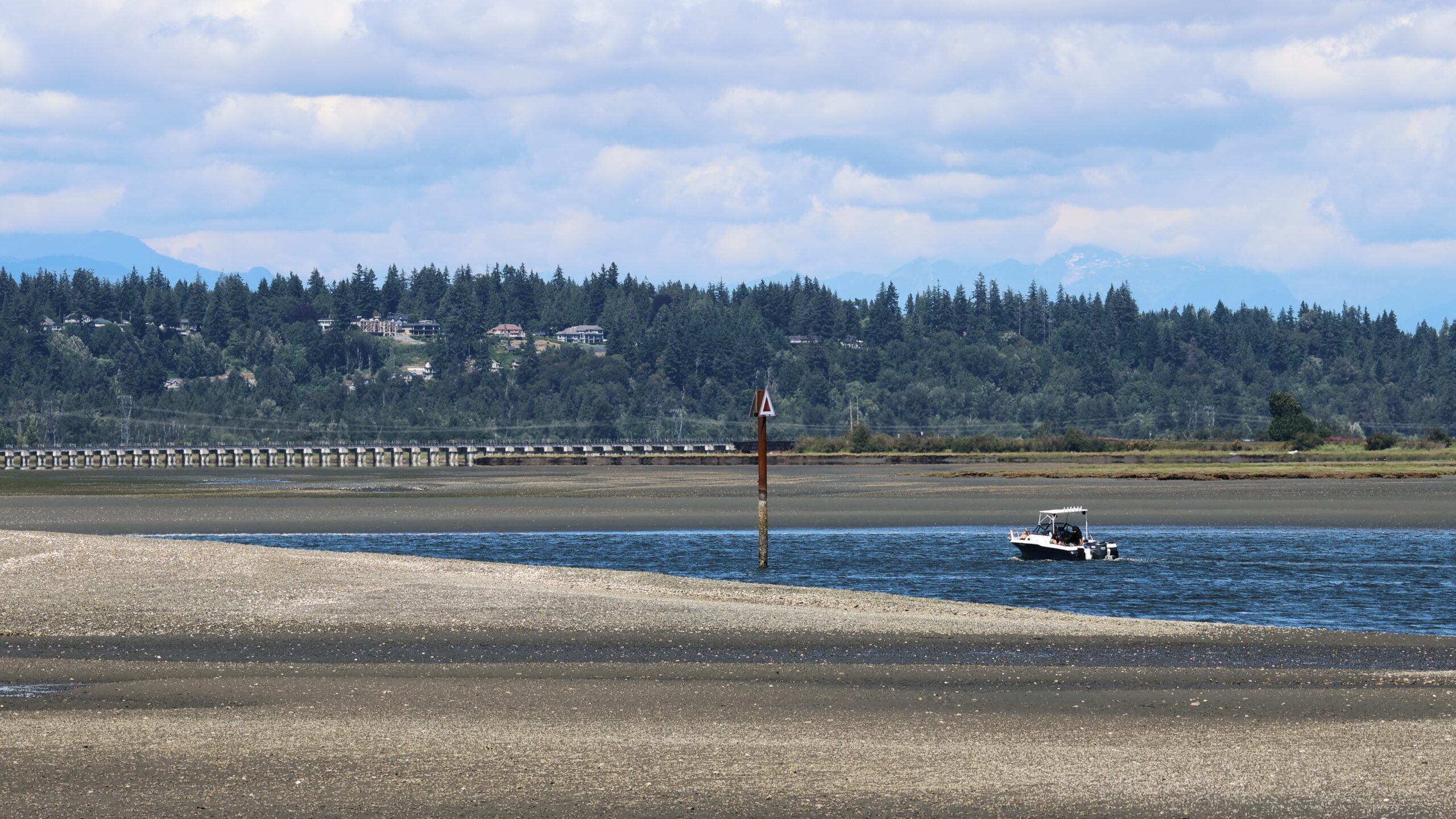
Looking north. Blackie Spit already has an early fall look to it.

With everyone fishing at Serpentine Fen, fewer people were at Blackie Spit, which made parking easier. We did not see any Savannah Sparrows, so they may be gone for the season, which will make Nic sad. Seeing some (distant) Caspian Terns helped to mollify, though.

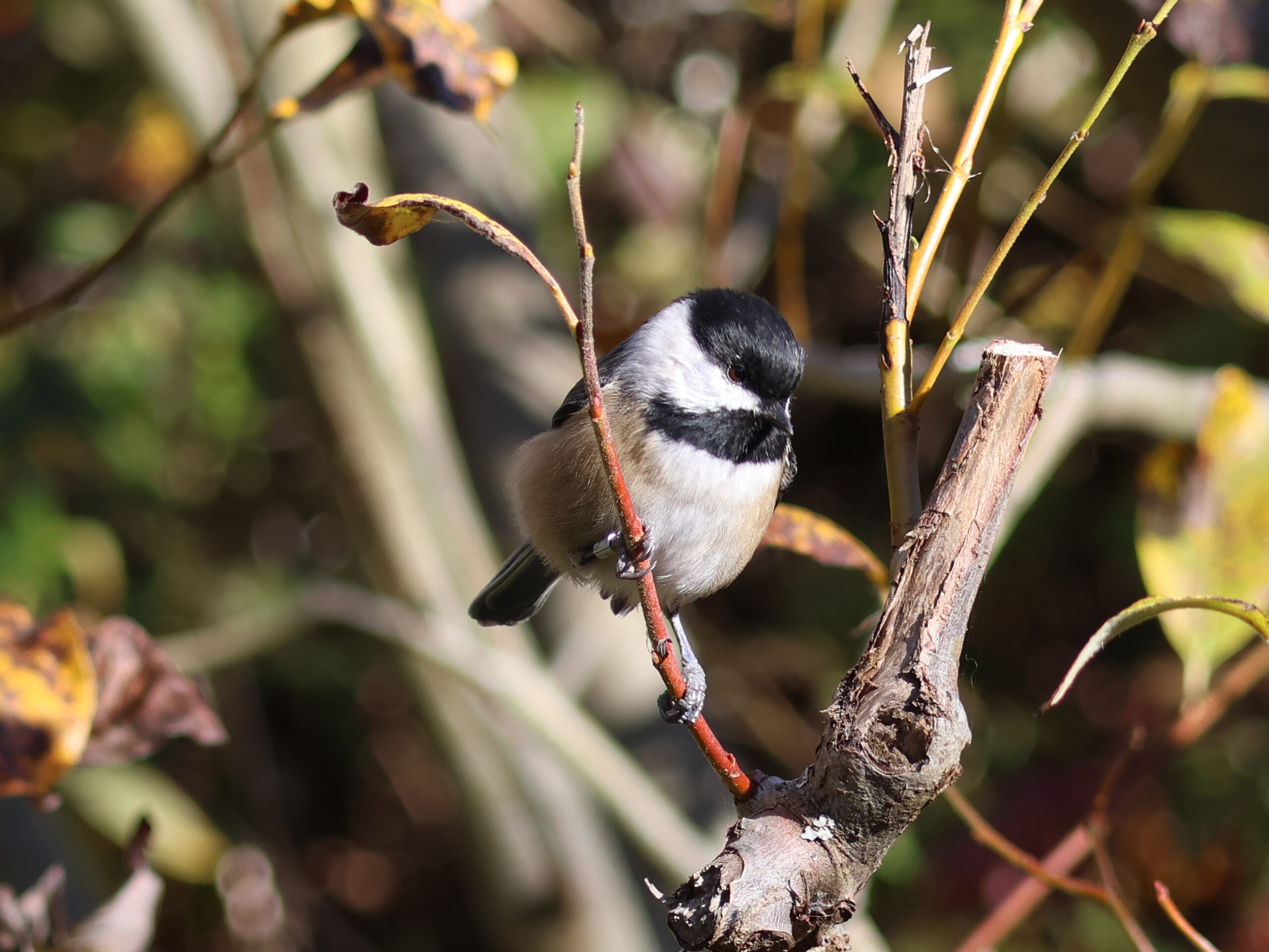
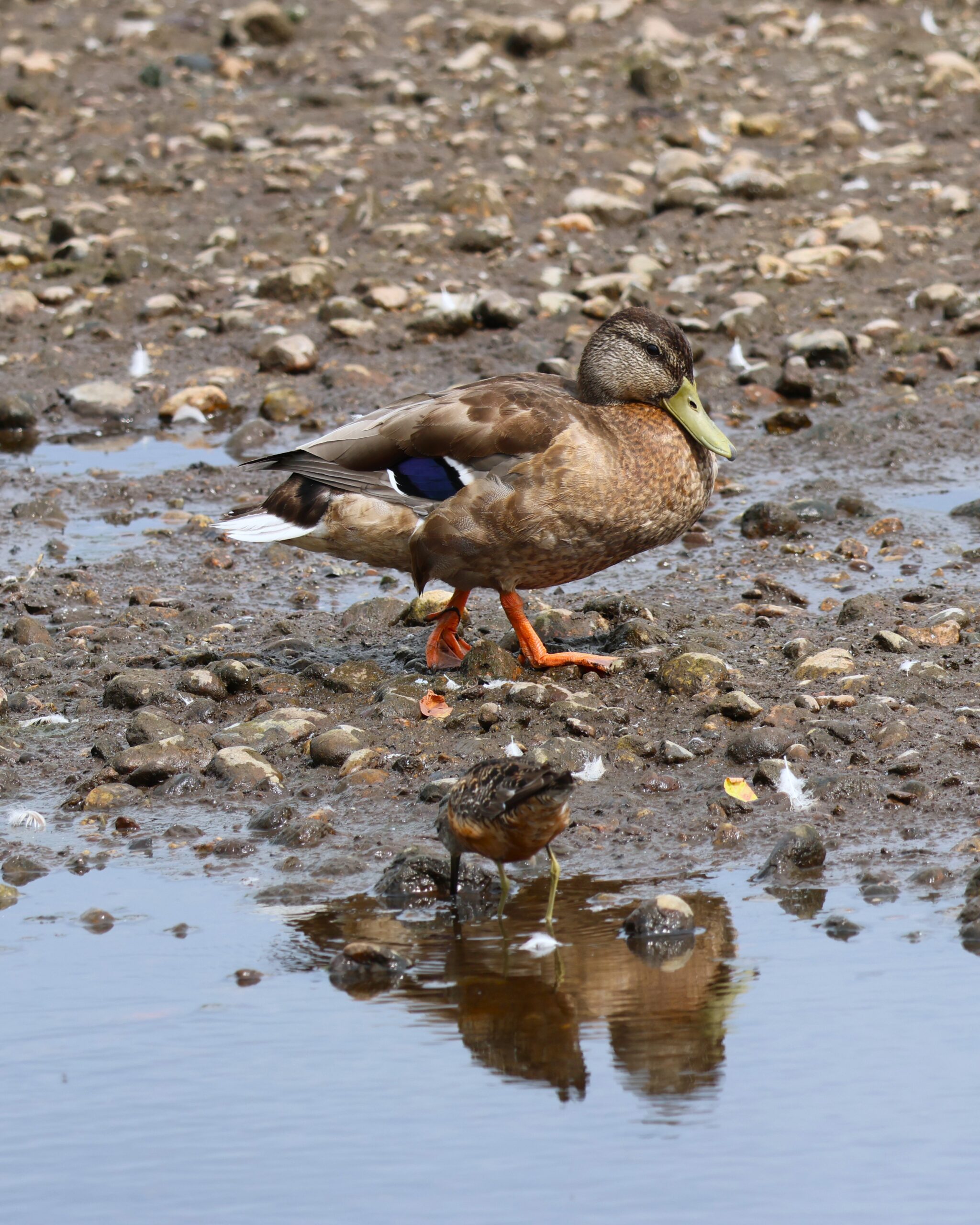
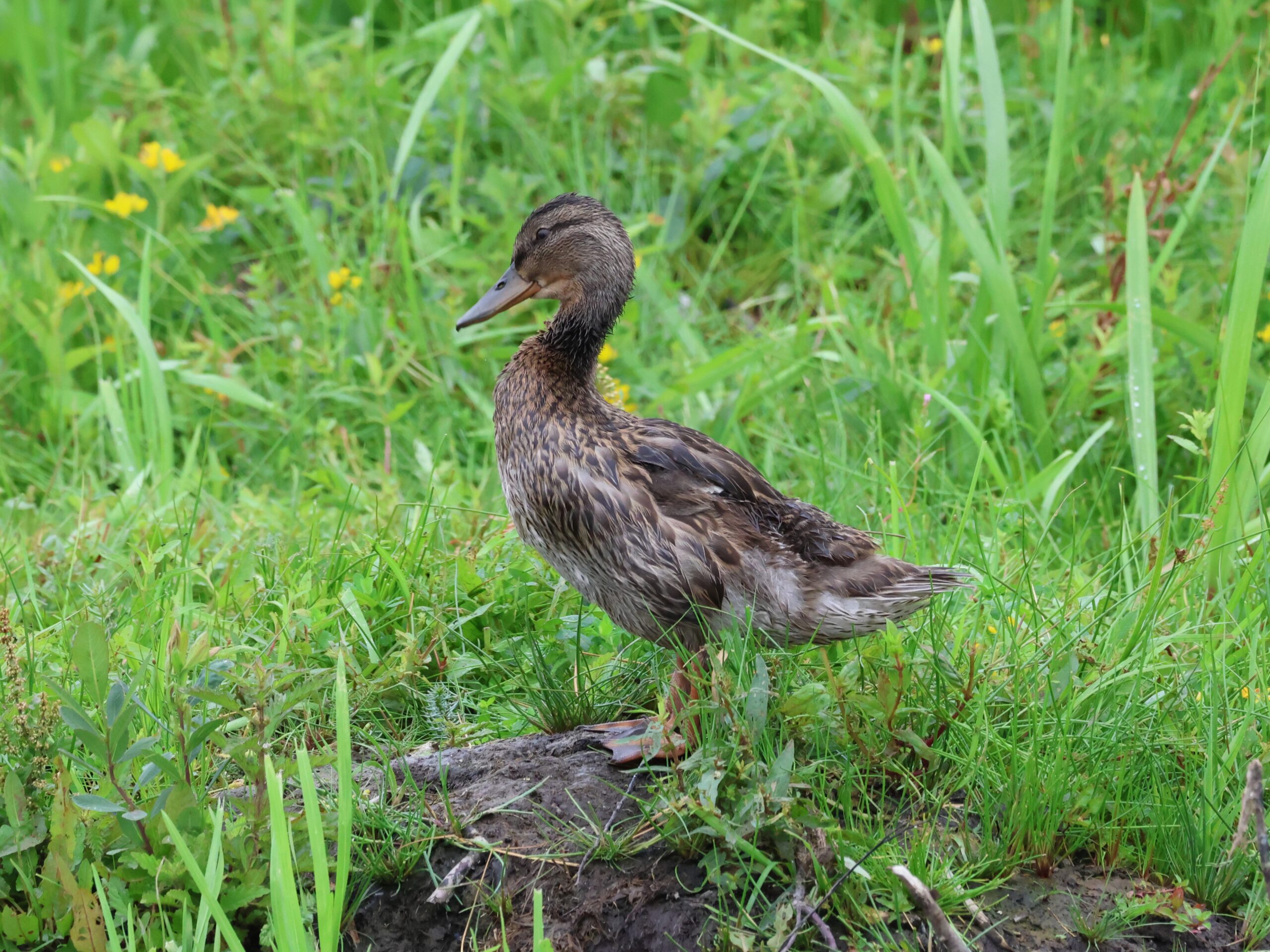
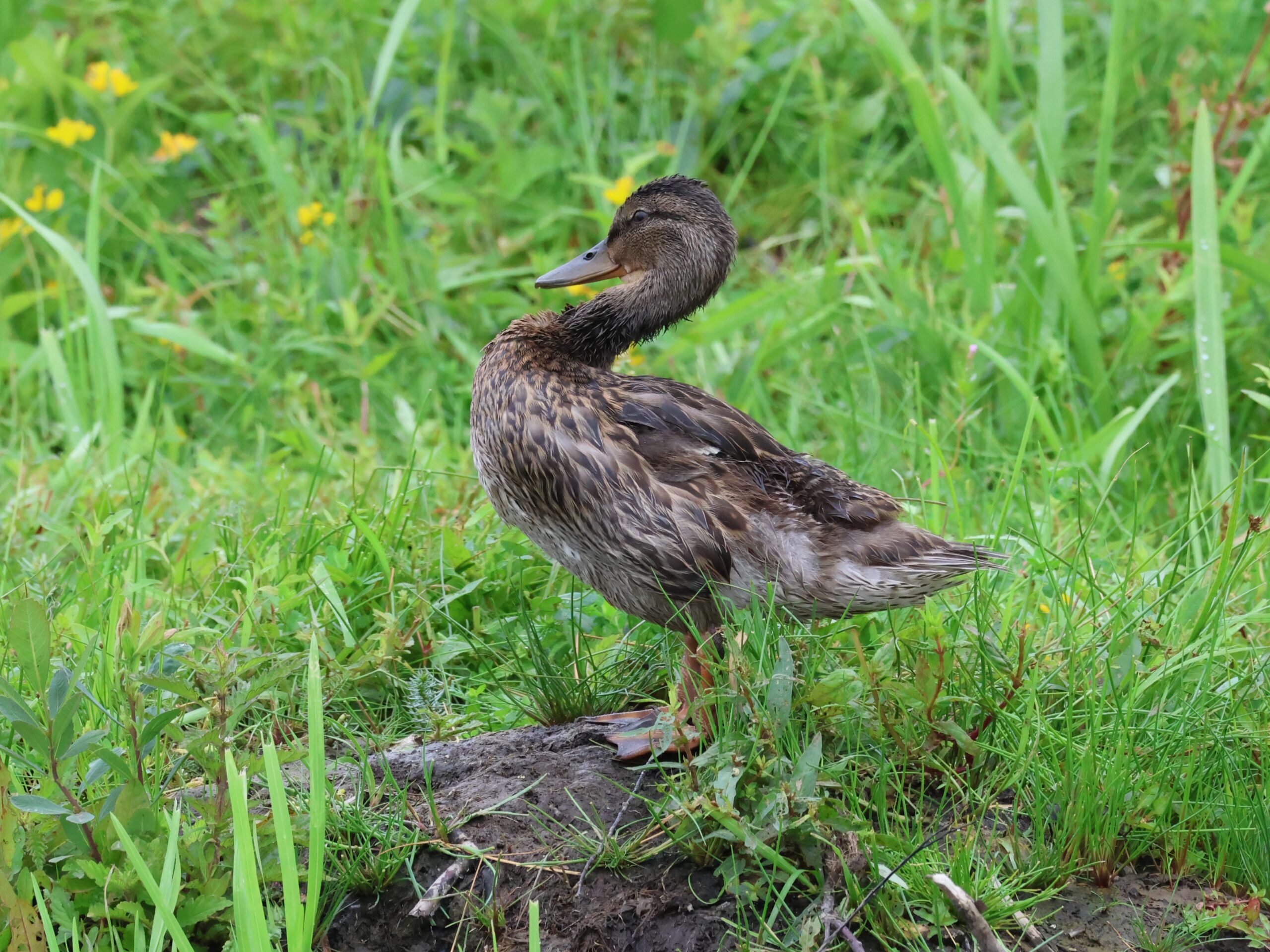
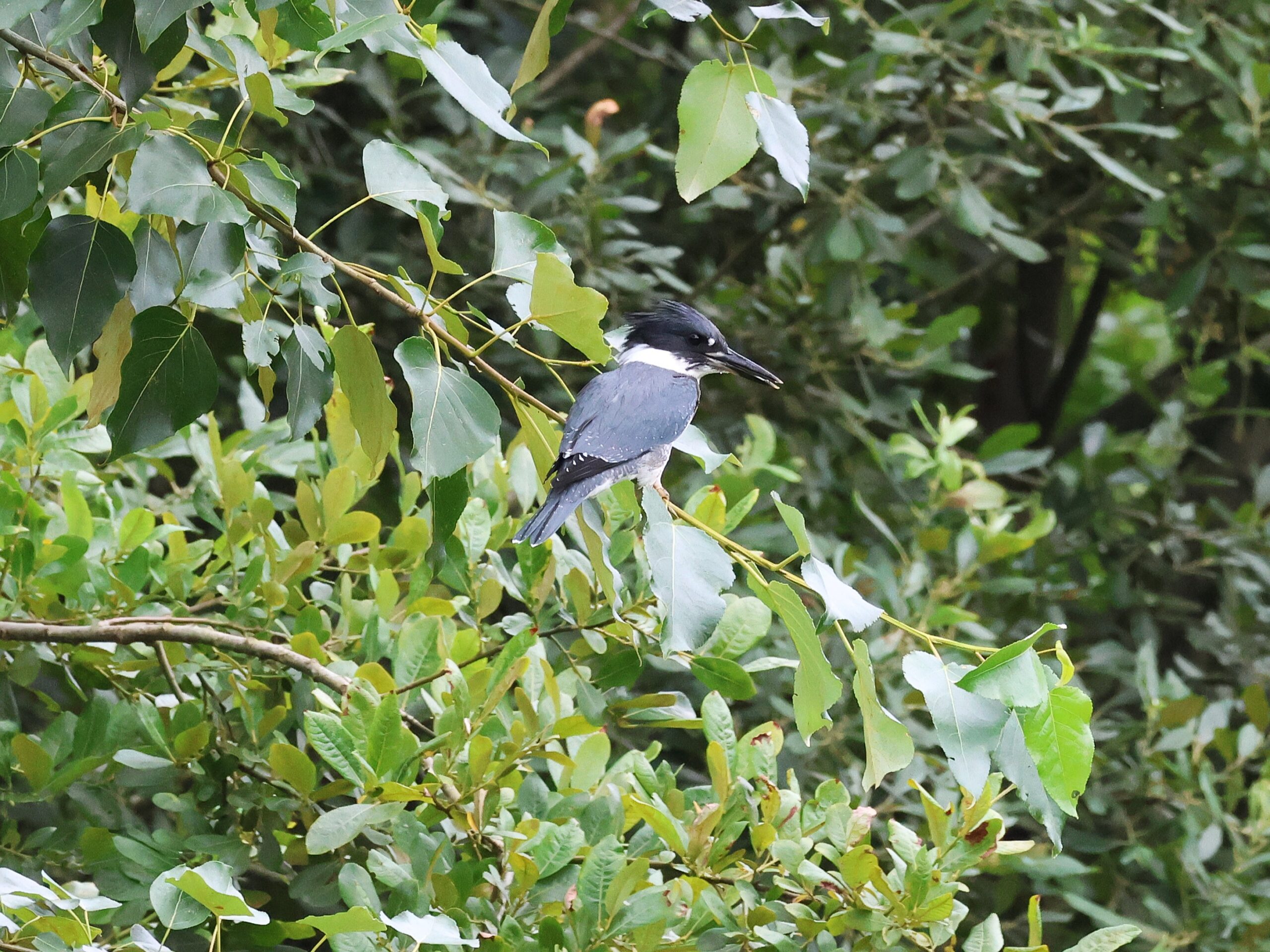
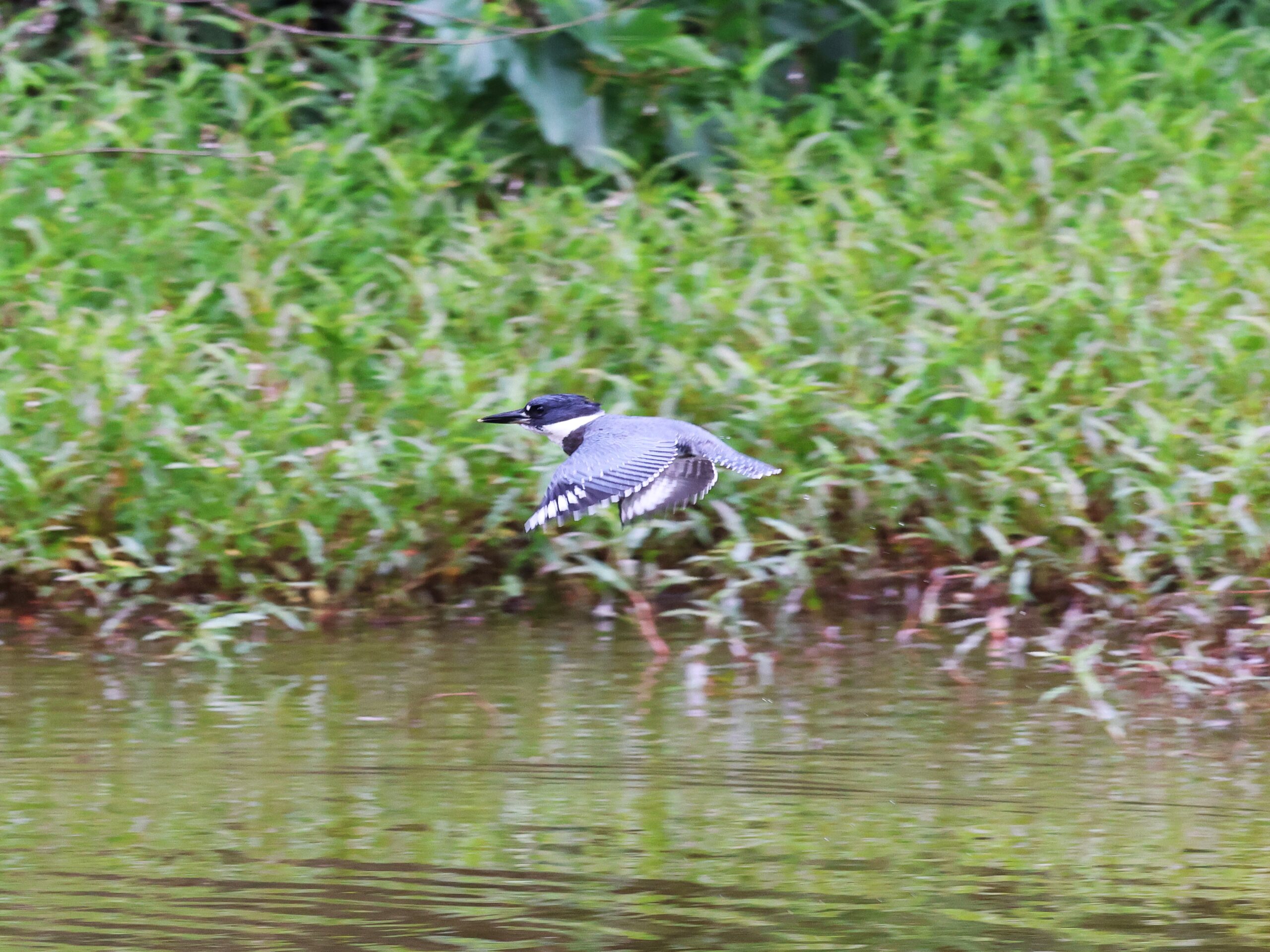
The highlights here were Black-capped Chickadees, more shorebirds in the creek adjacent to the trail to the pump station and about 20 million Mallards, who were in such plentiful numbers there was a constant set of them flying over and landing in the water. We also caught a glimpse of a Belted Kingfisher darting overhead.

We also saw probably the last of the sad wasps, and some of the sparkly beetles previously seen at Iona Beach.

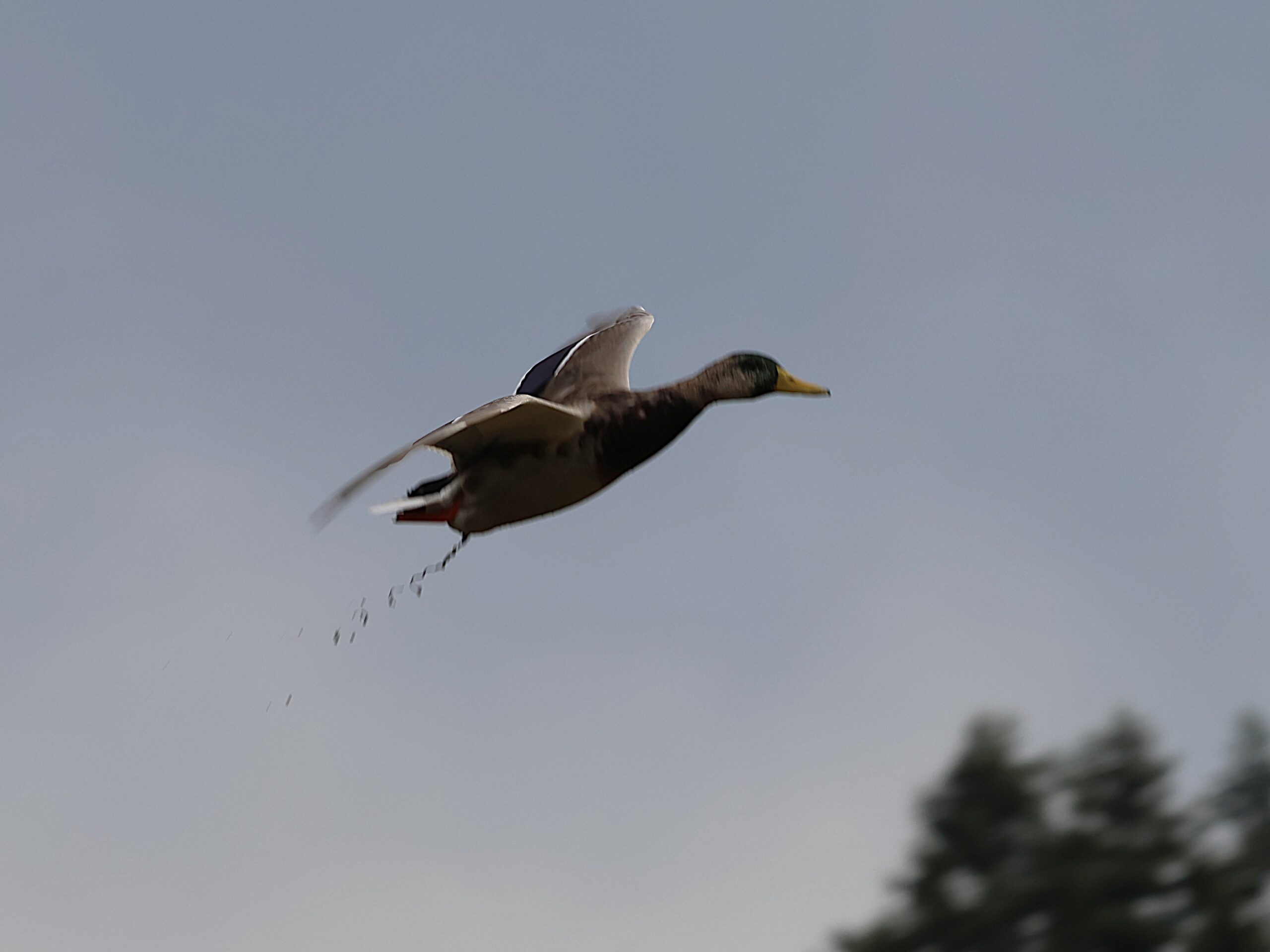
I also got a blurry shot of a Mallard pooping mod-flight, which I will share here:

If you gotta go, you gotta go. Also remember this when a duck is flying over you.

Combined with the usual nice scenery, Blackie Spit was perfectly cromulent.

Piper Spit

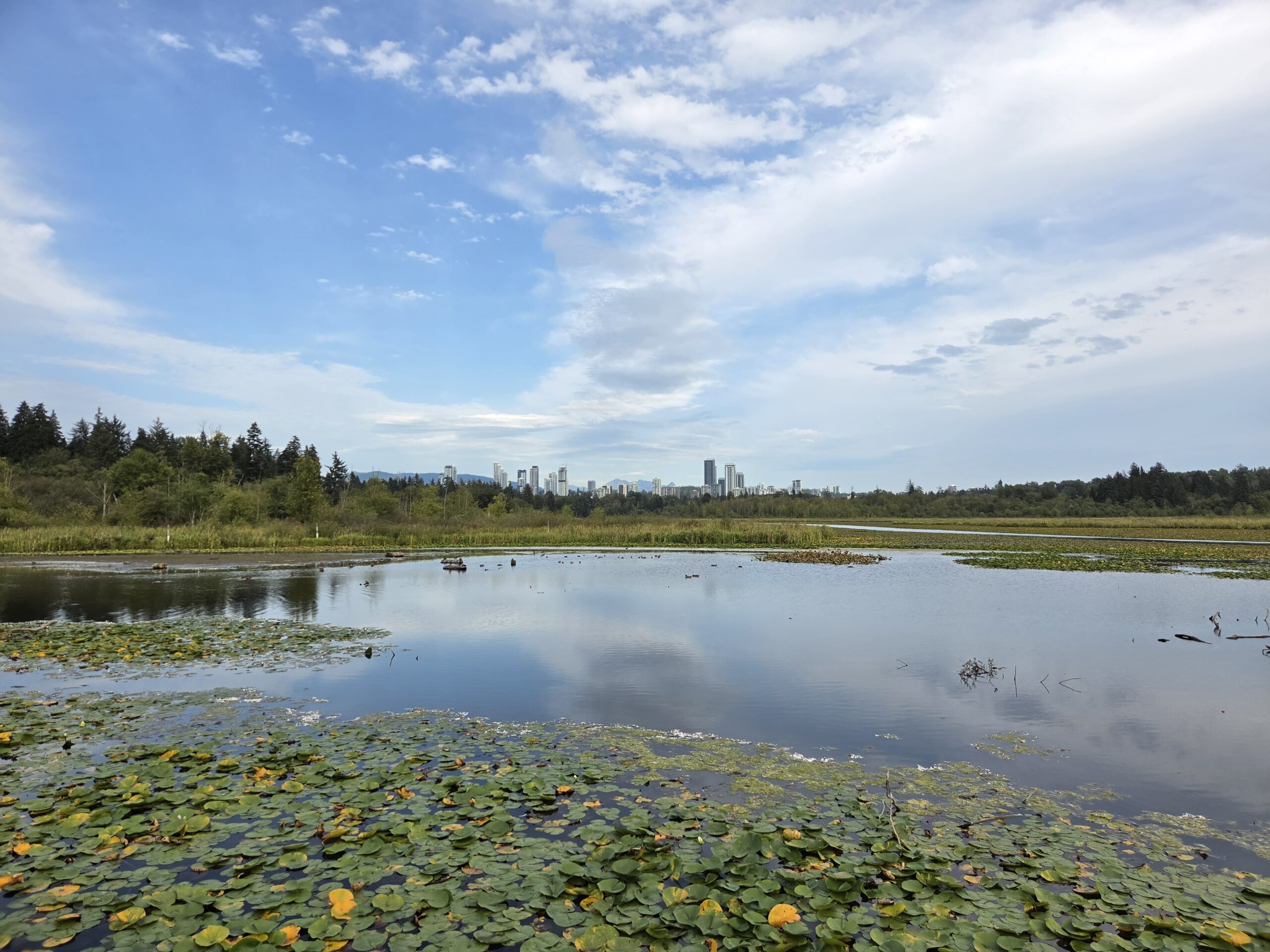
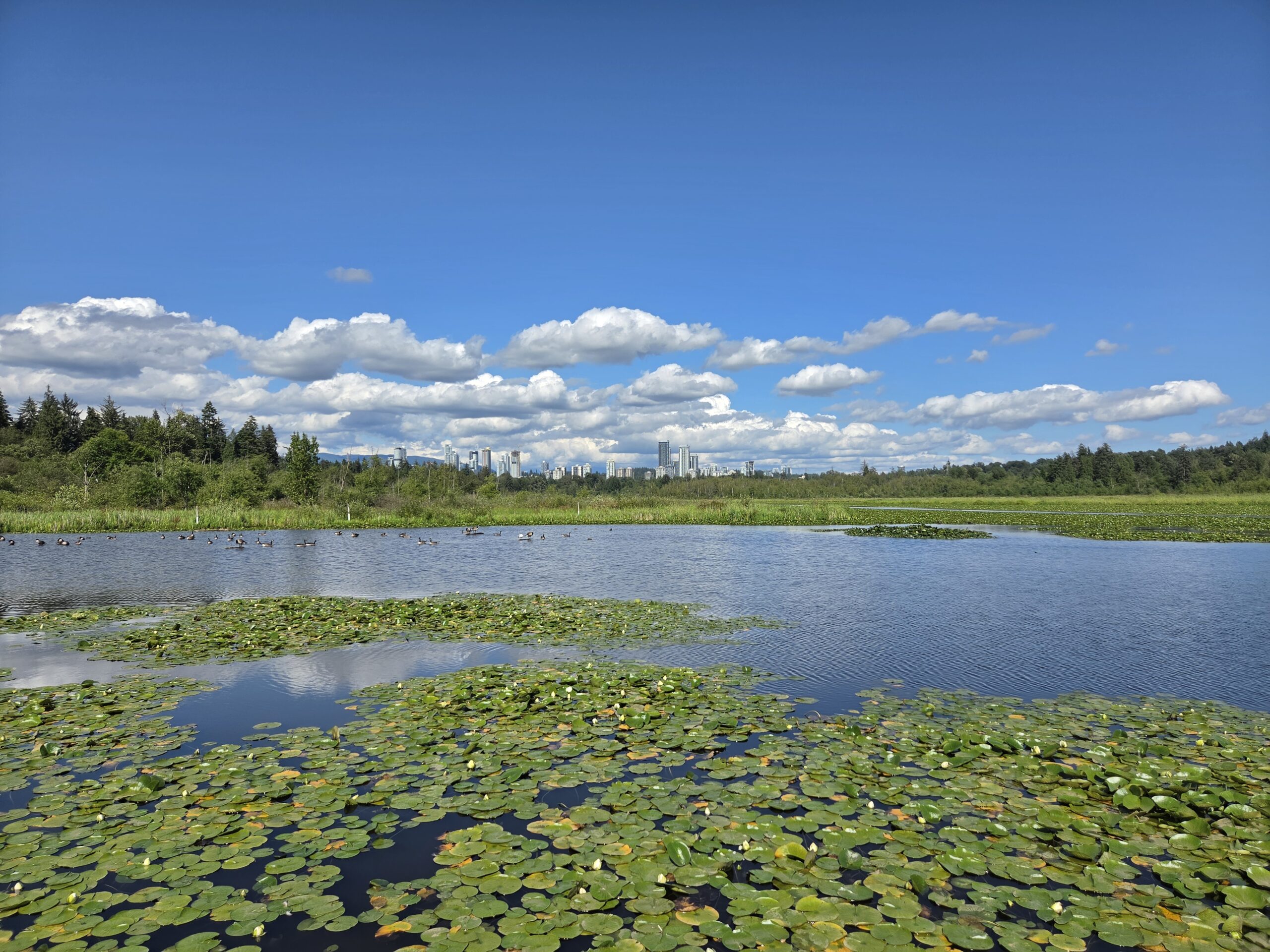
View from the pier, looking east. Not shown: Bad people feeding good birds.

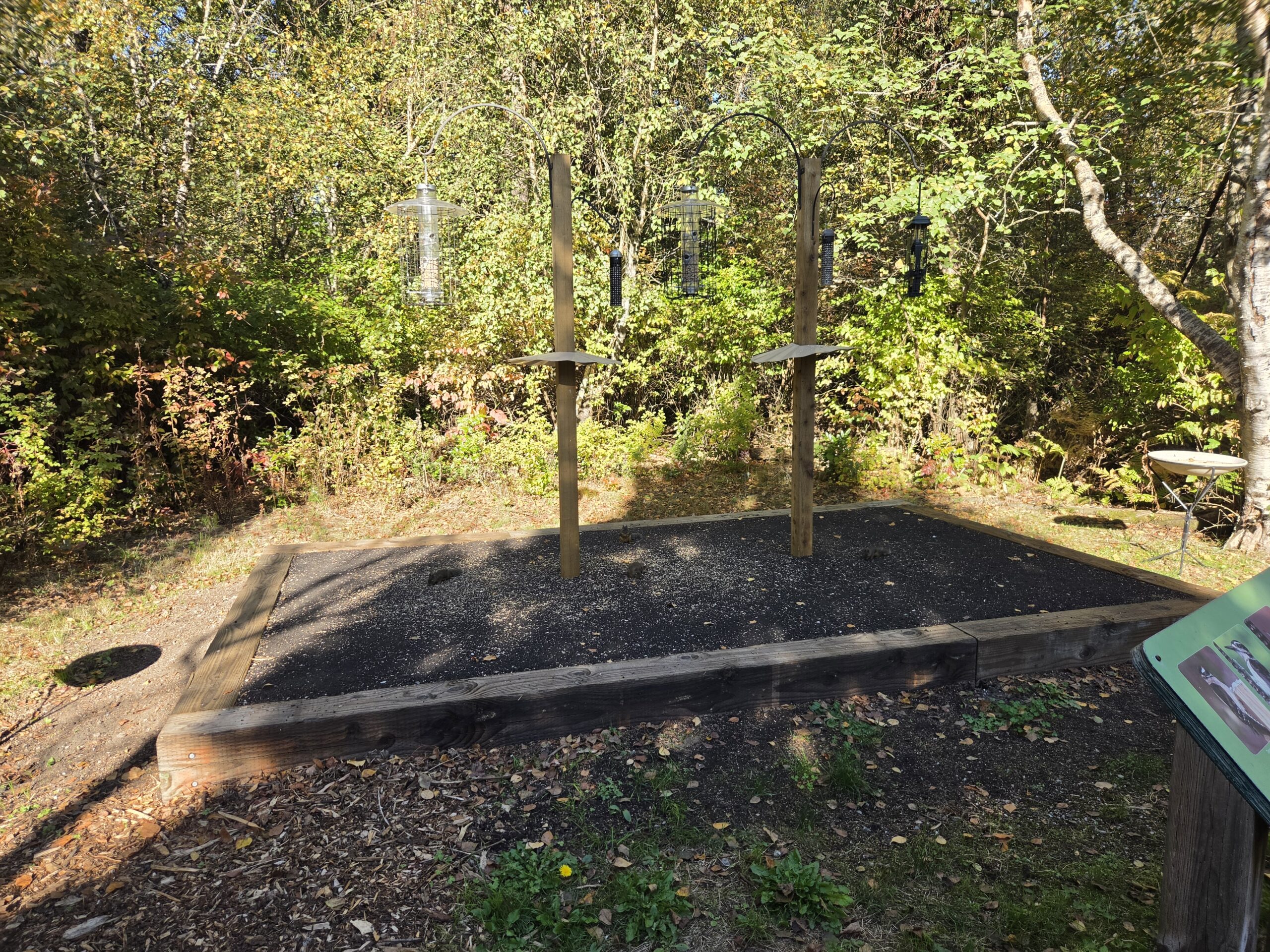
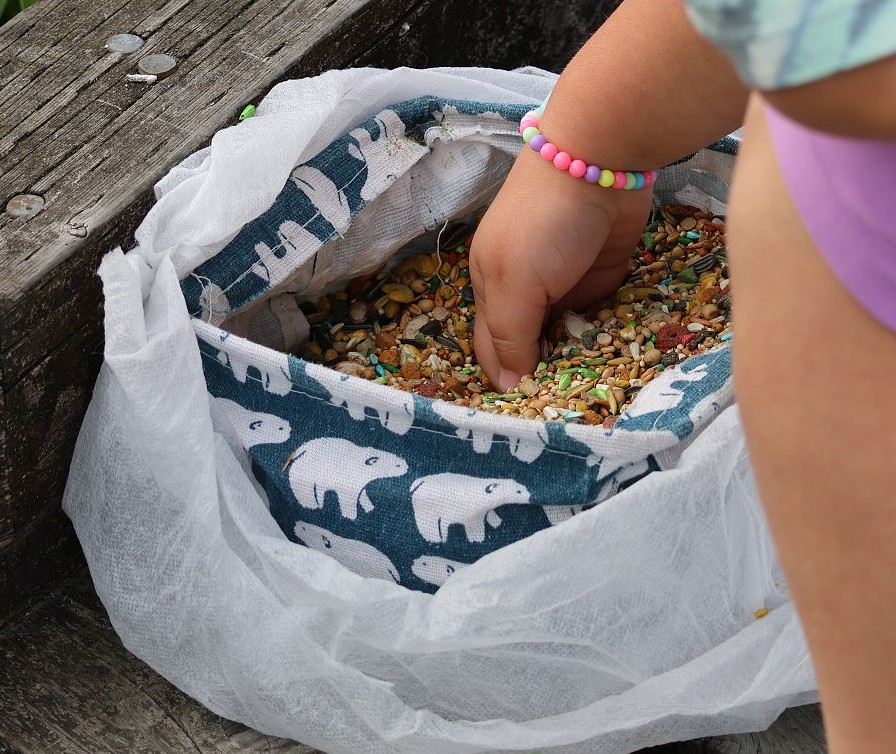
But Nic was not sated, so we went to Piper Spit. And yes, there were people feeding the birds. Not just feeding them, but feeding them from a honking huge bag of seed:

The bears means it will attract bears, too, probably.

But once we looked past the people feeding the birds, we noted the presence of Green-winged Teals, Common Mergansers and some Northern Pintails, newly arrived (or back from wherever they hide). There was also a group of Killdeer capering about on and around the island area, along with some Long-billed Dowitchers and yellowlegs. It was a very Shorebirdy day.

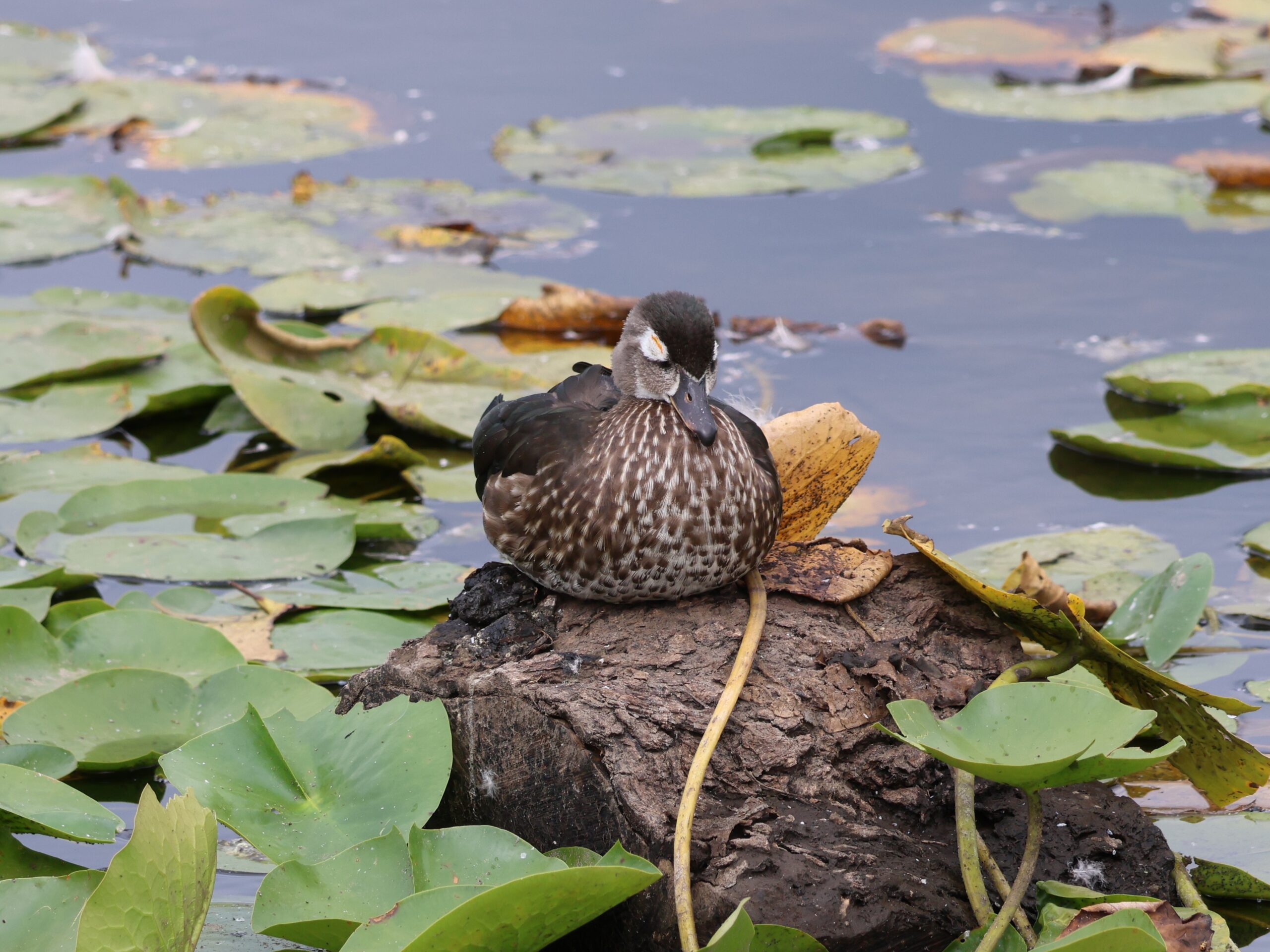
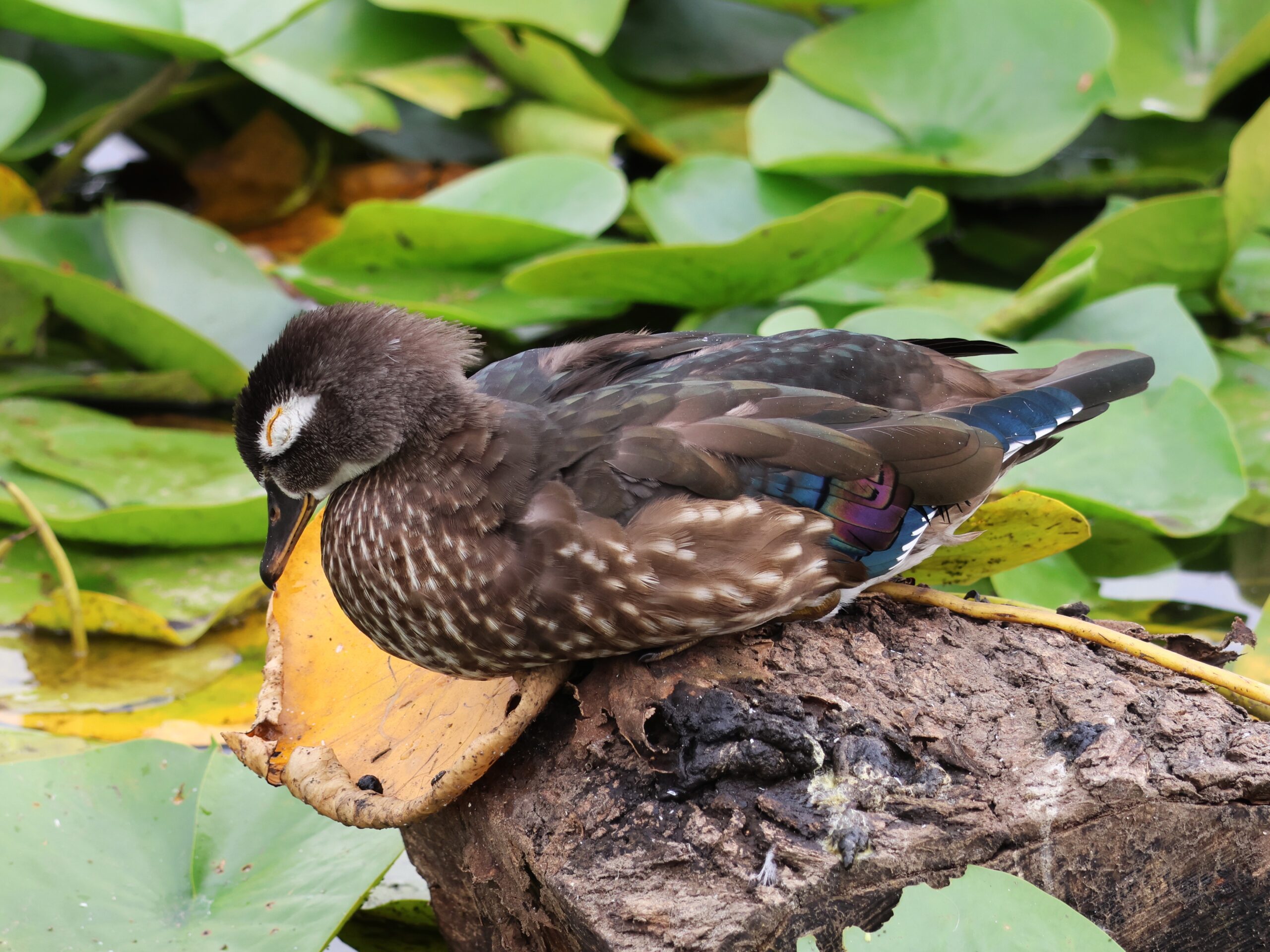
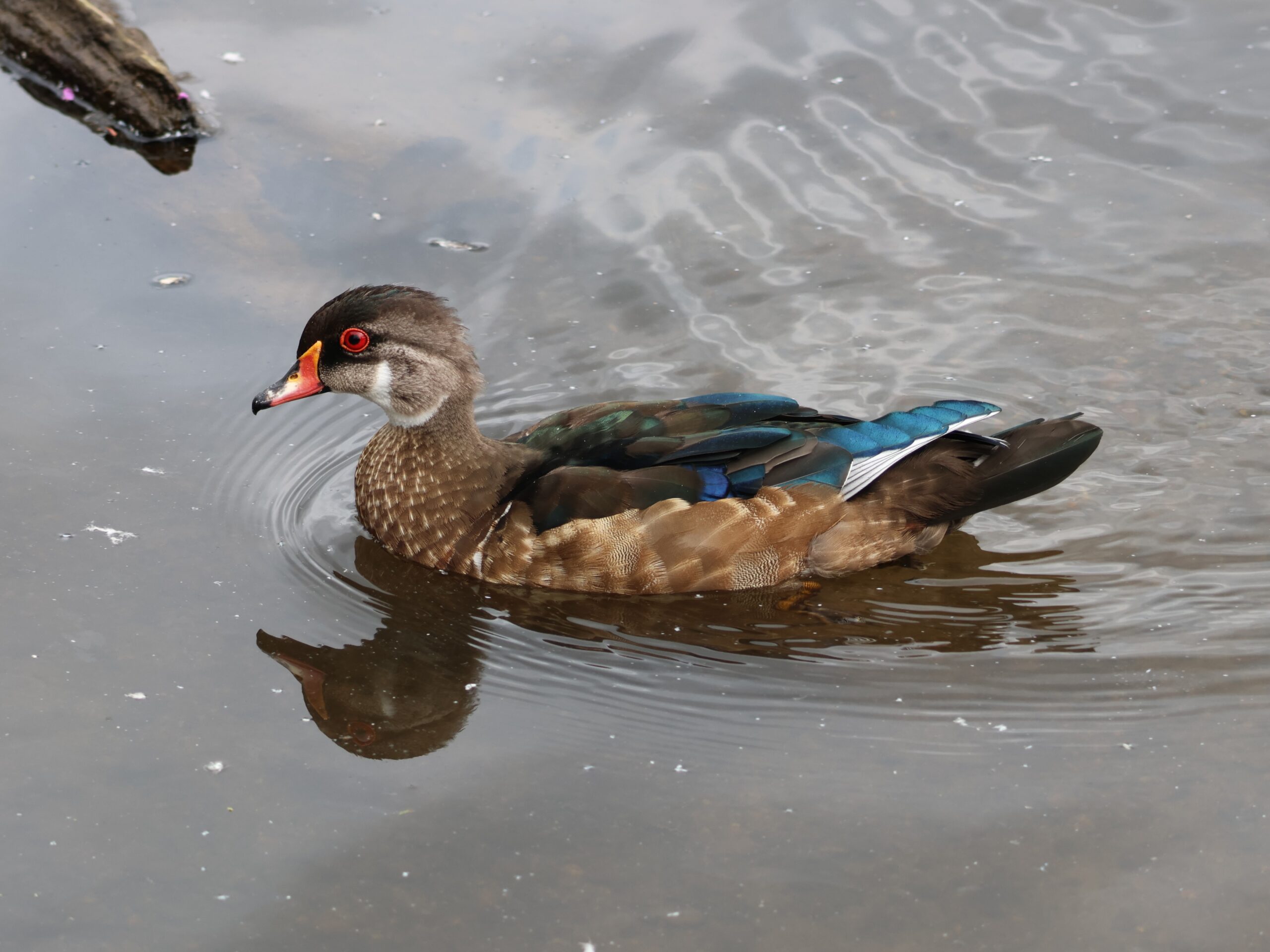
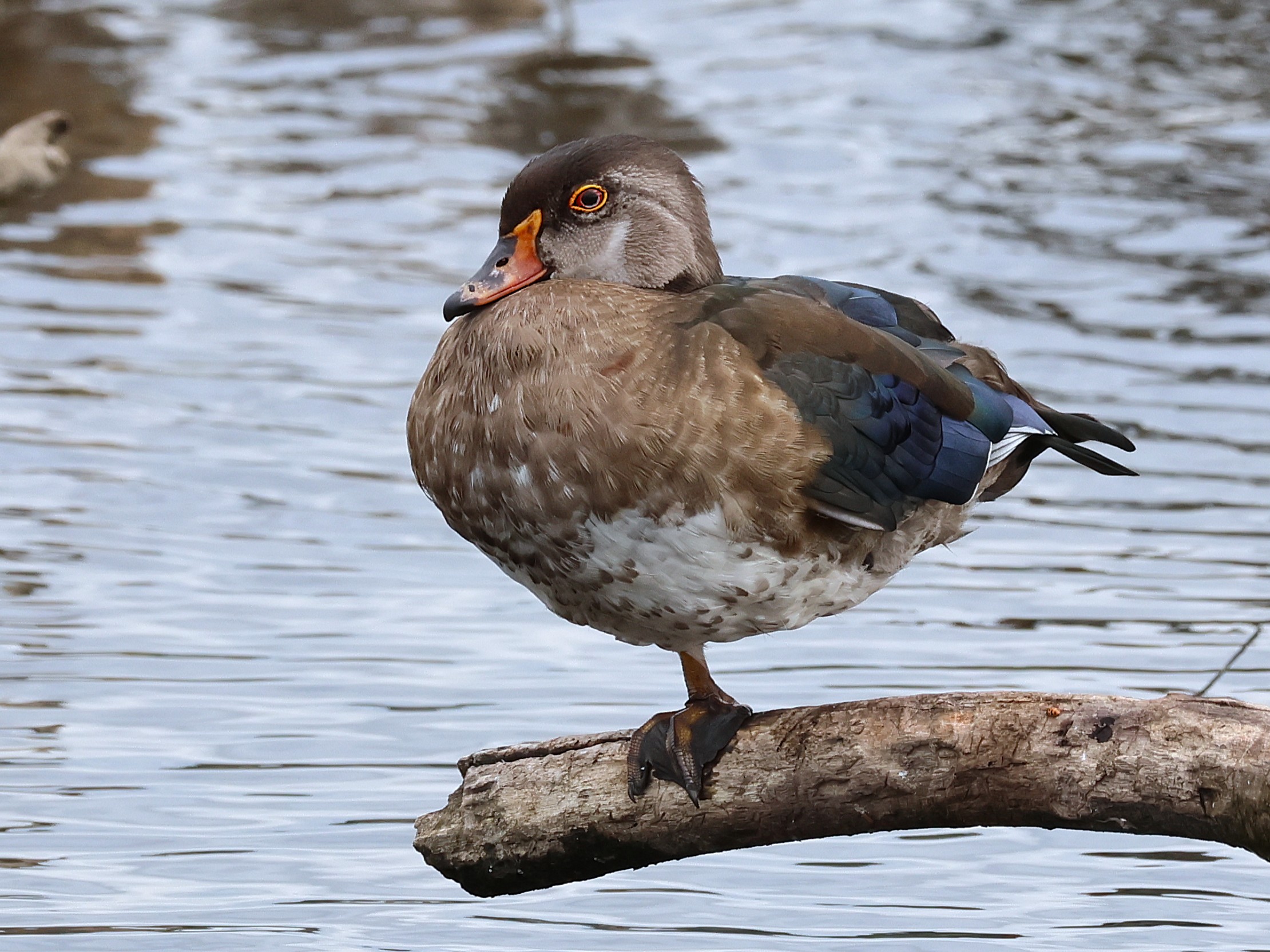
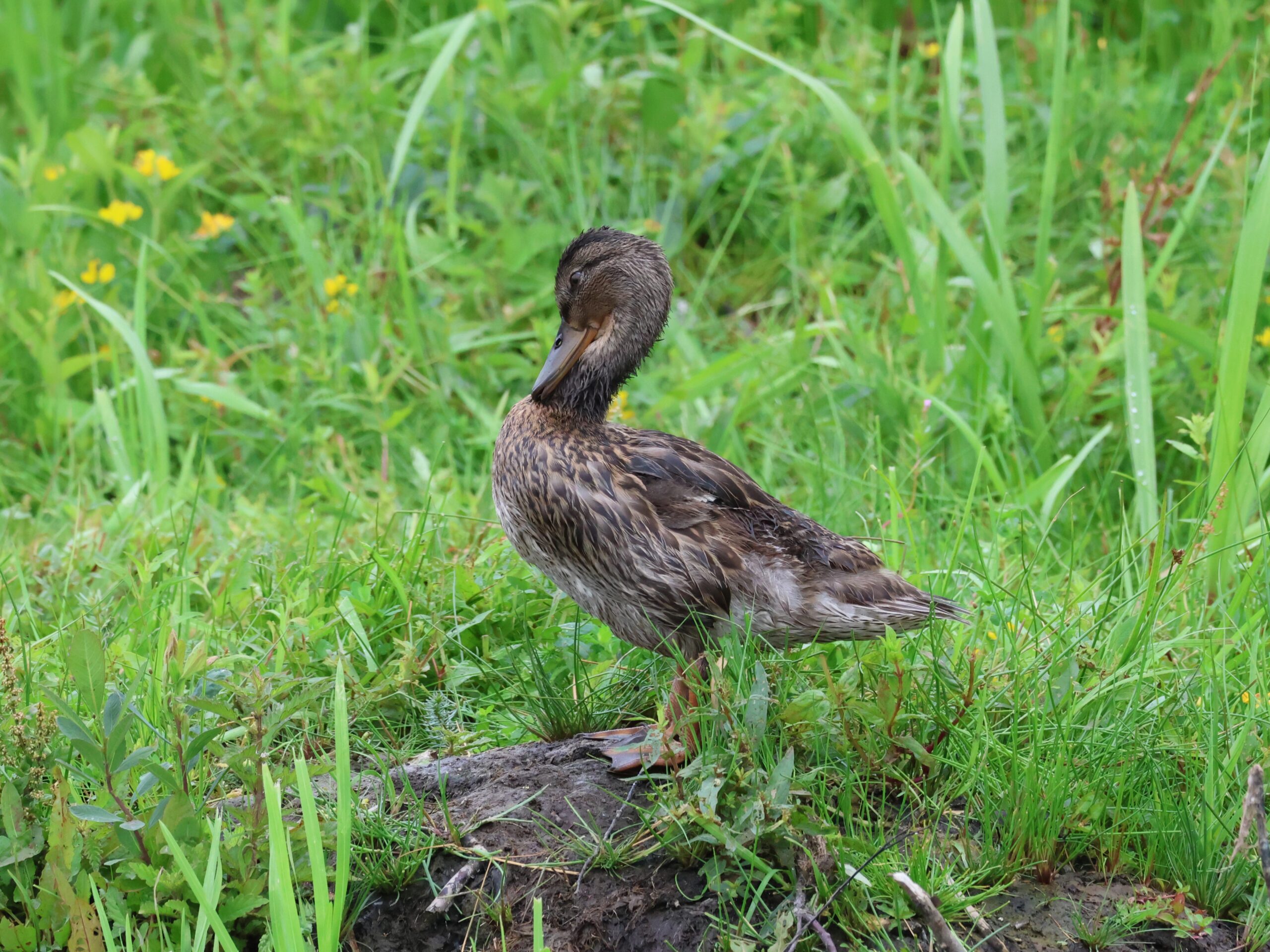
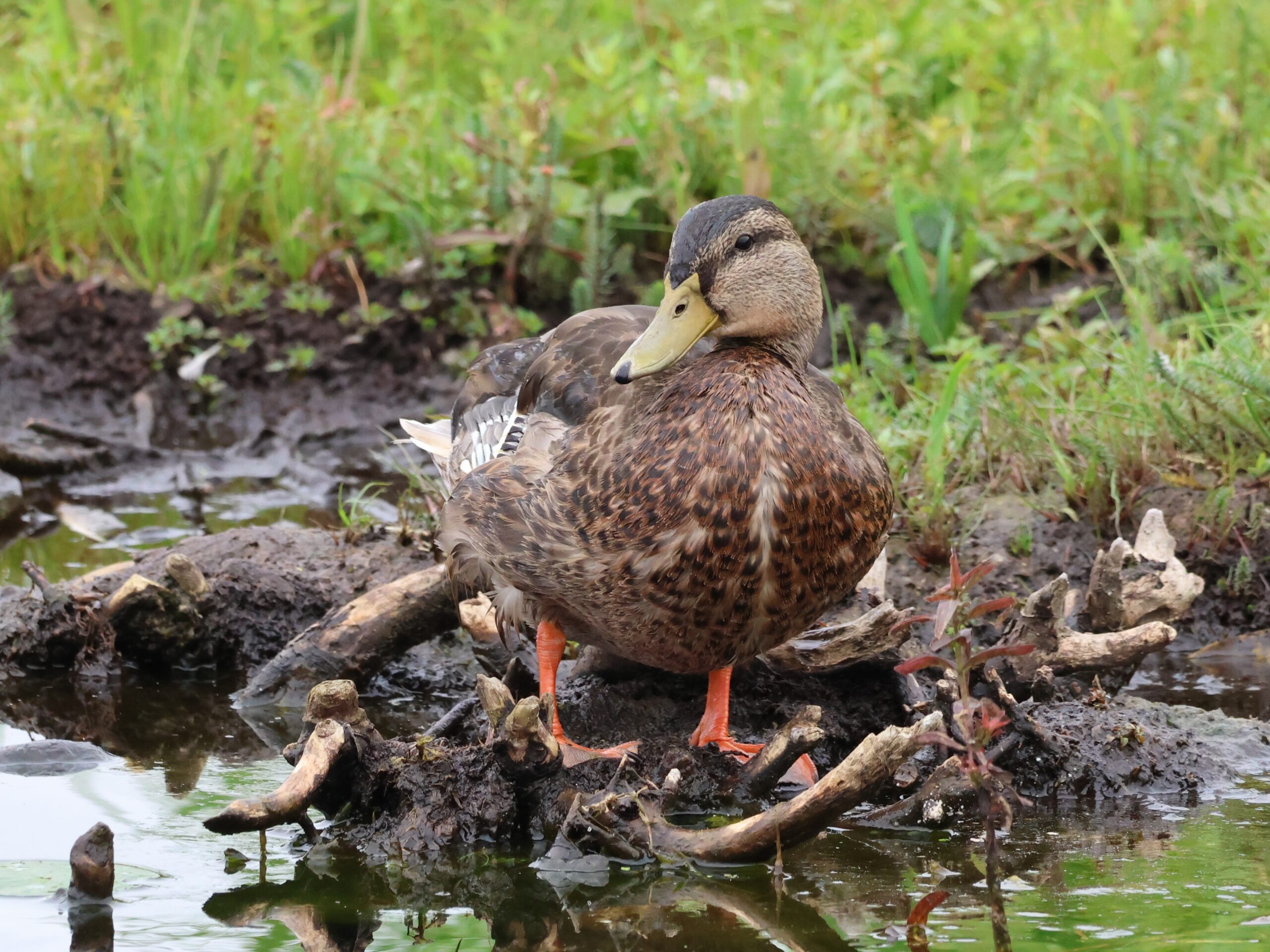
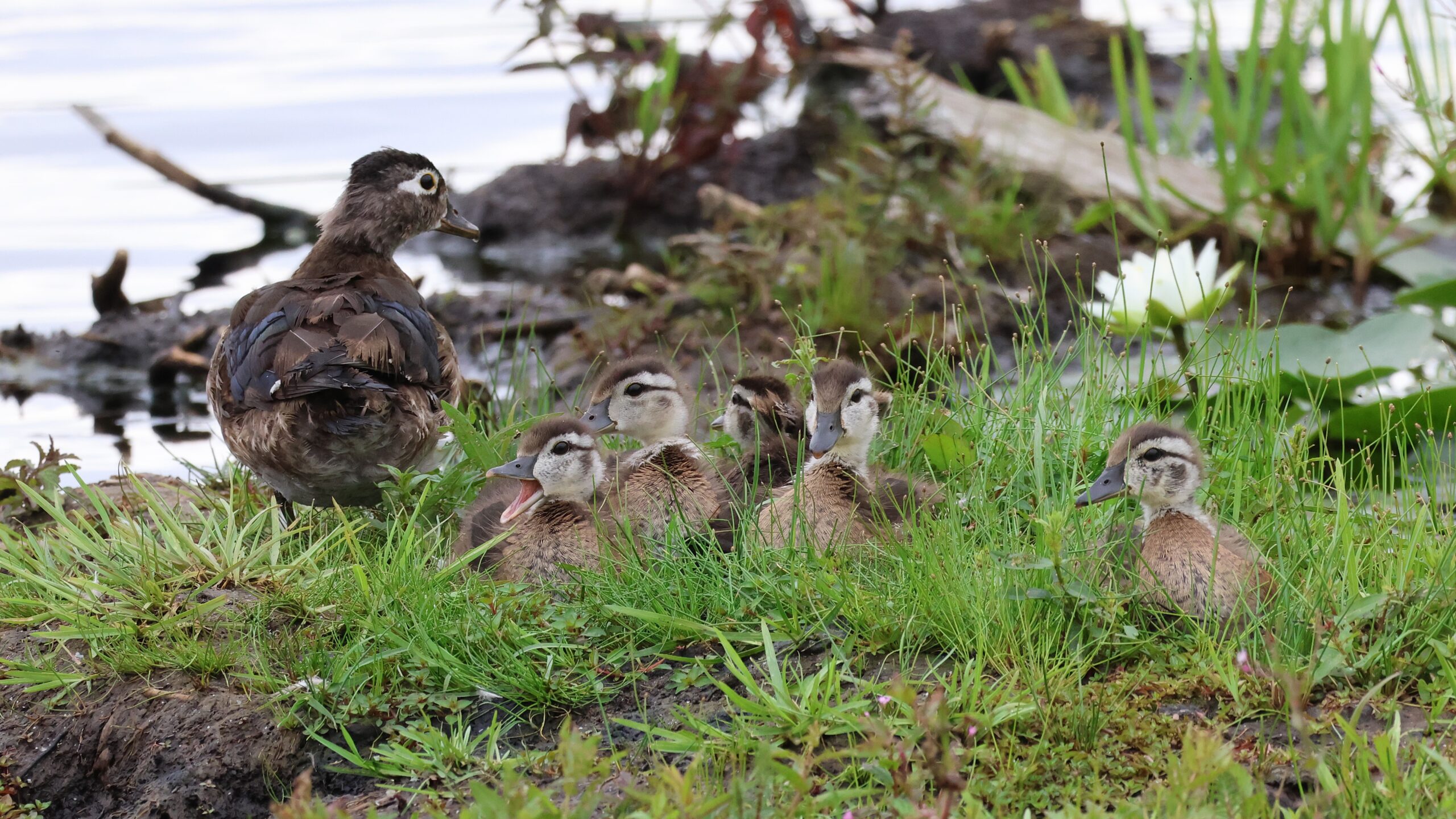
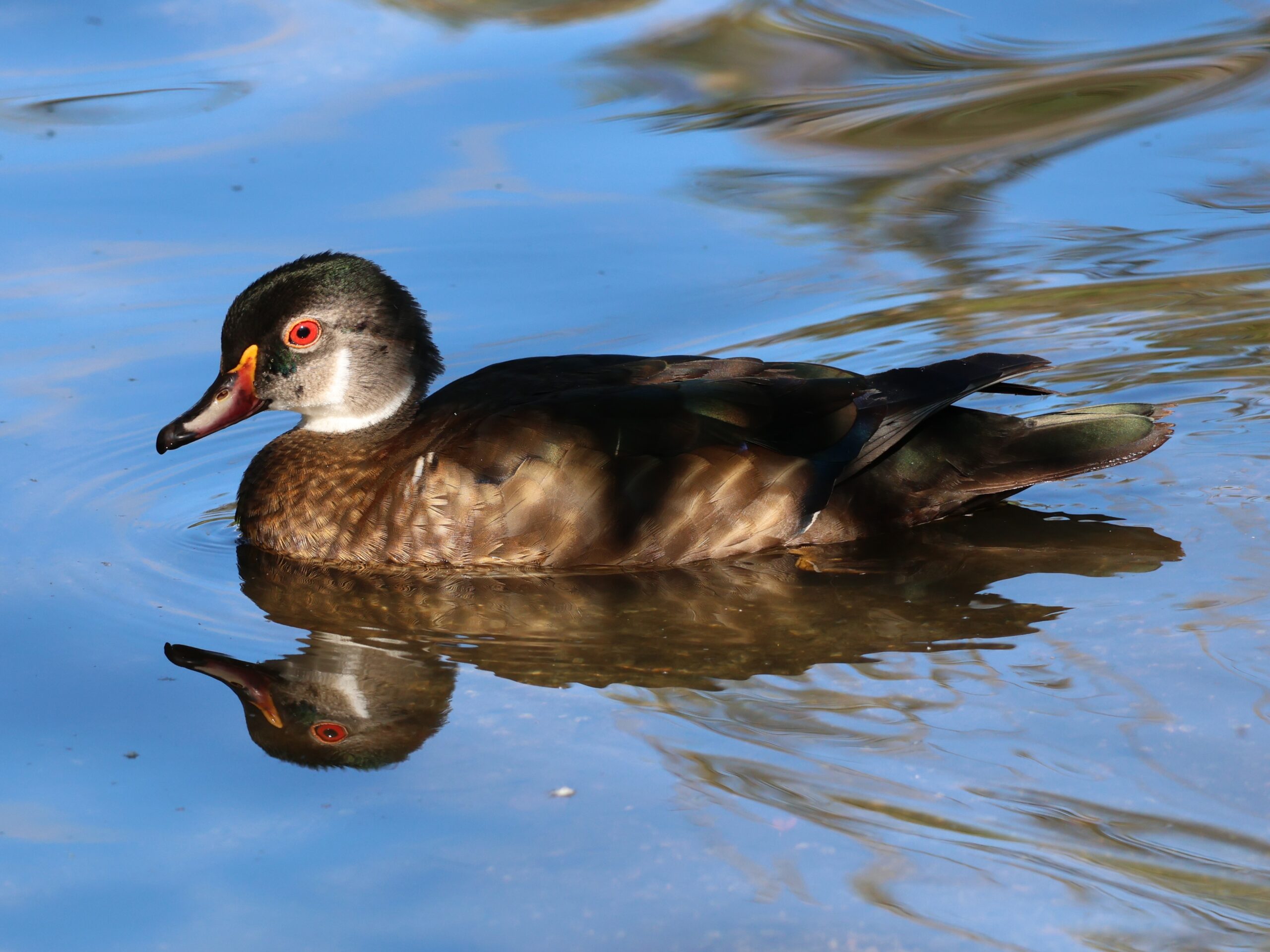
A few male Mallards are close to being back to their breeding colours, but multiple Wood Ducks are already sporting their shiny mullets again and looking pretty.

Tlahutum Regional Park

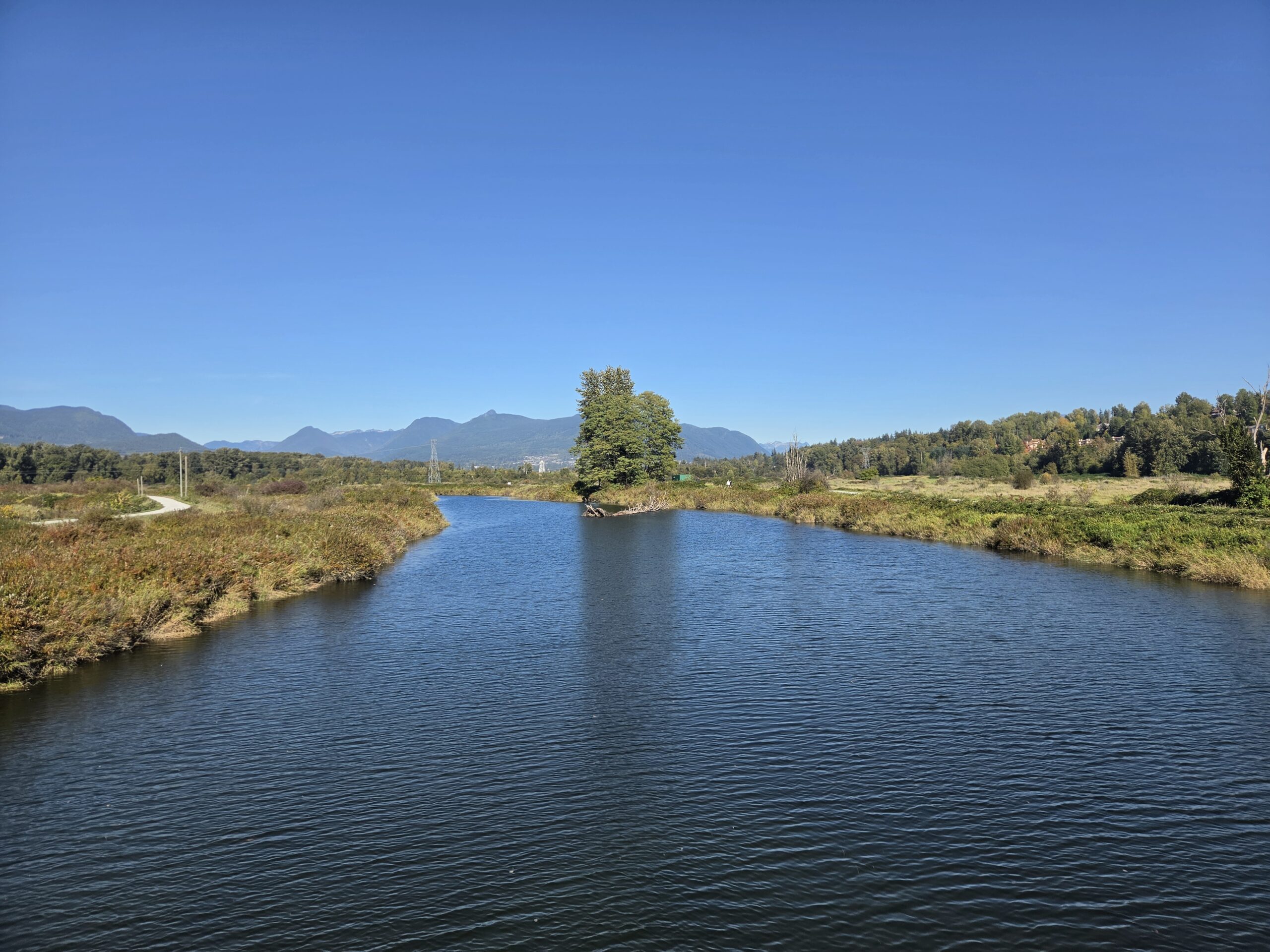
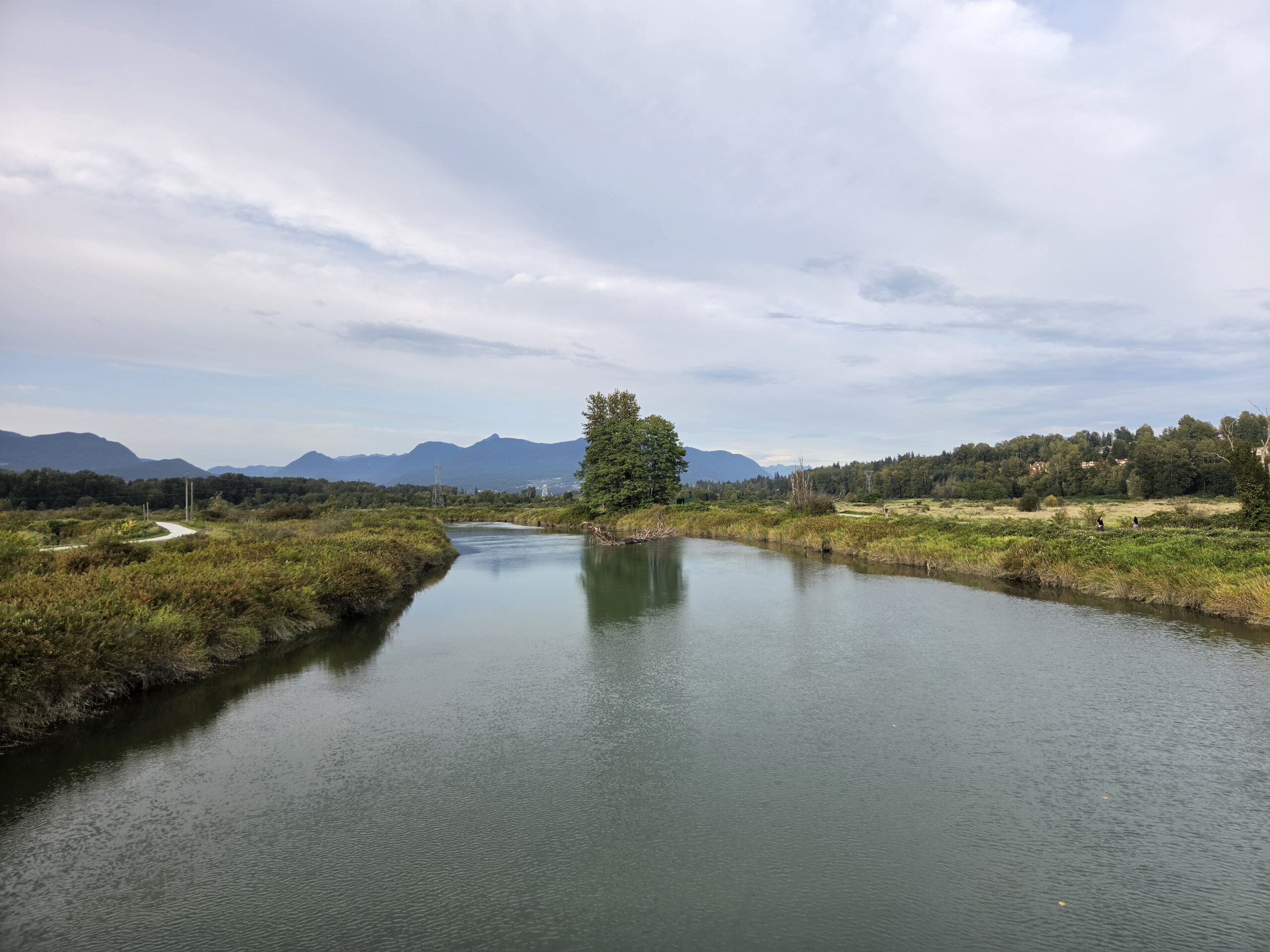
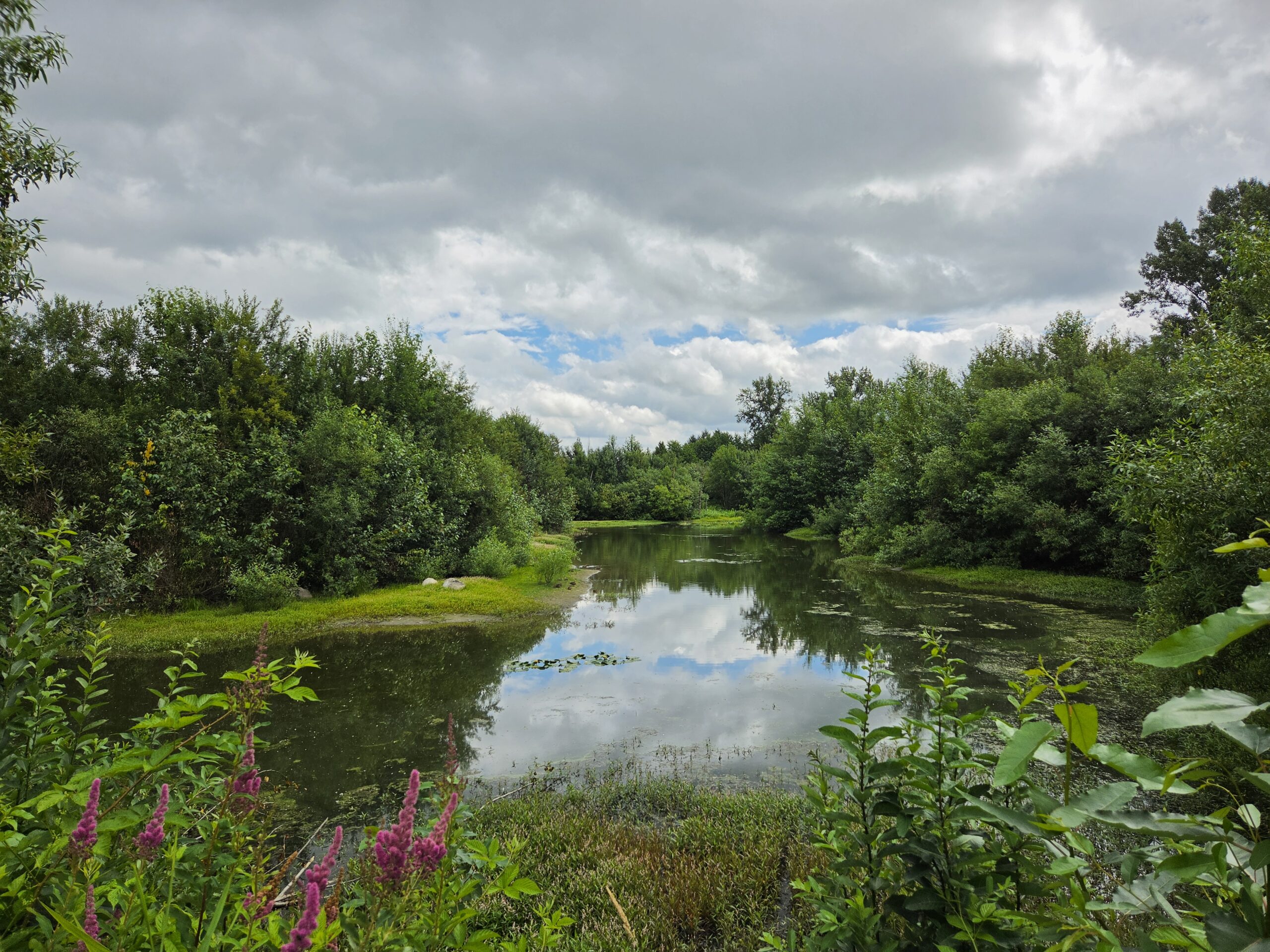
The classic view of the Coquitlam River from the Millennium Bridge.

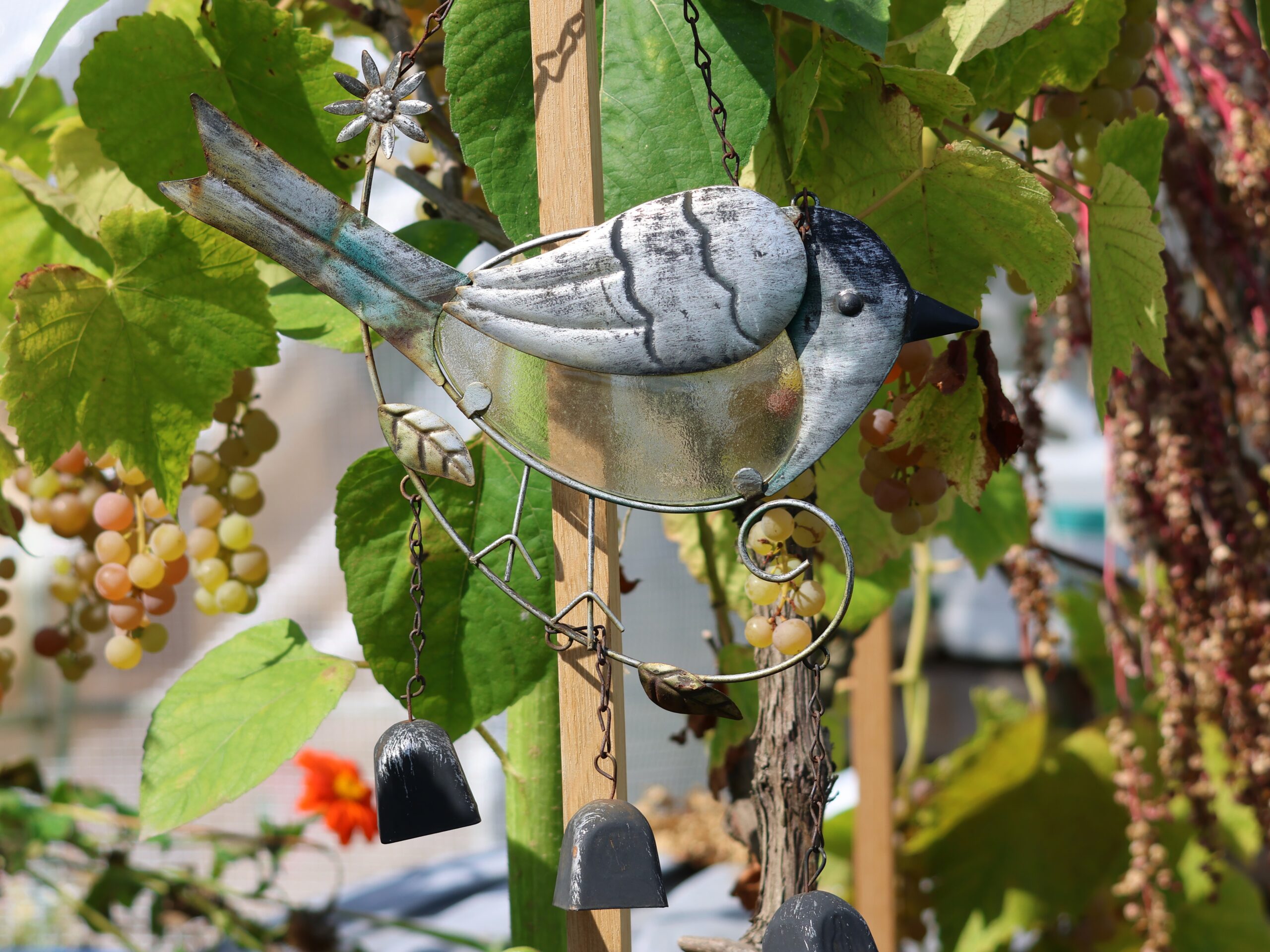
We wrapped up with a trip to the community garden because the number of sparrows and sparrow-adjacent birds we’d seen up to this point was a bit low and Nic wanted MOAR.

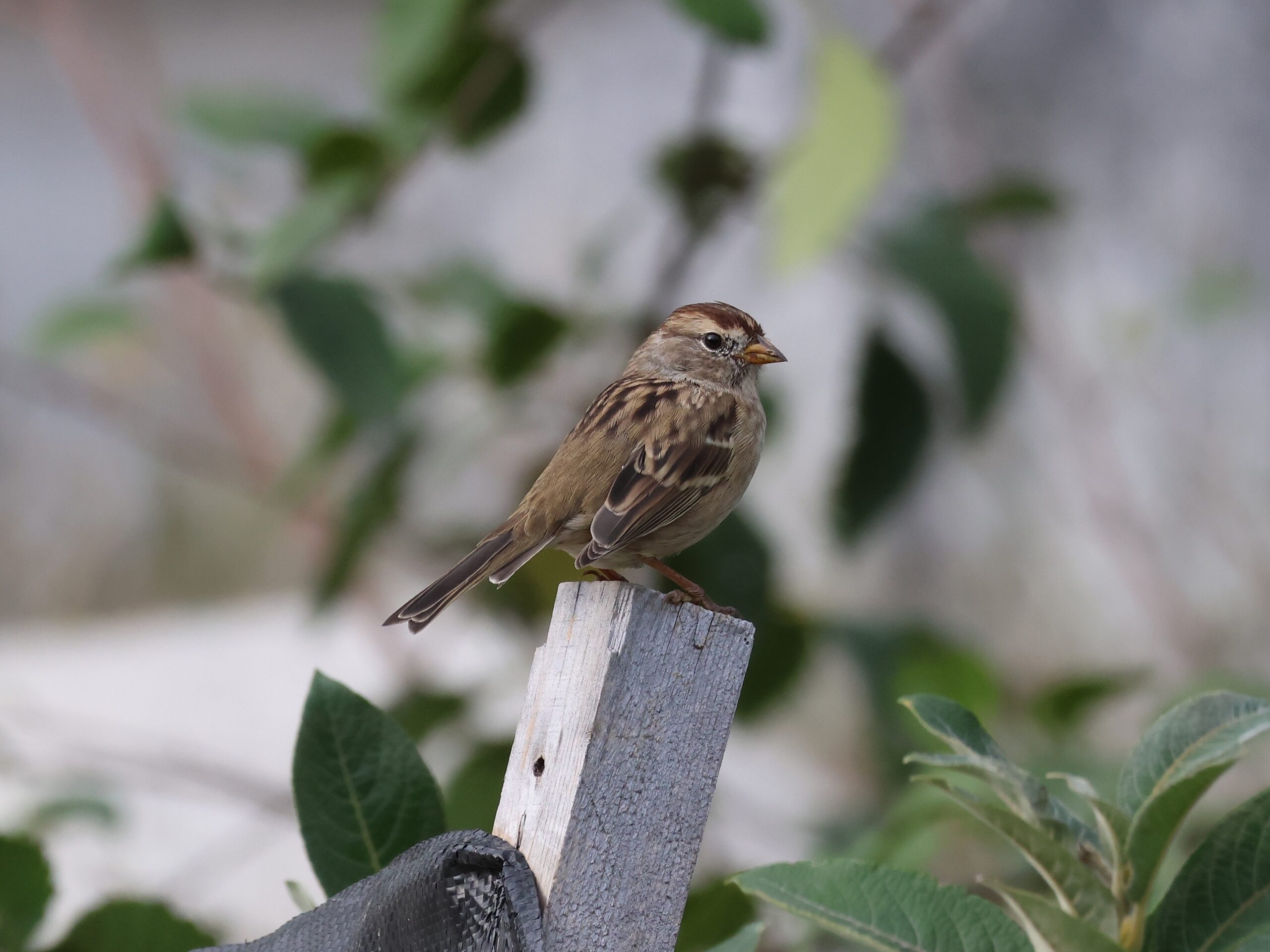
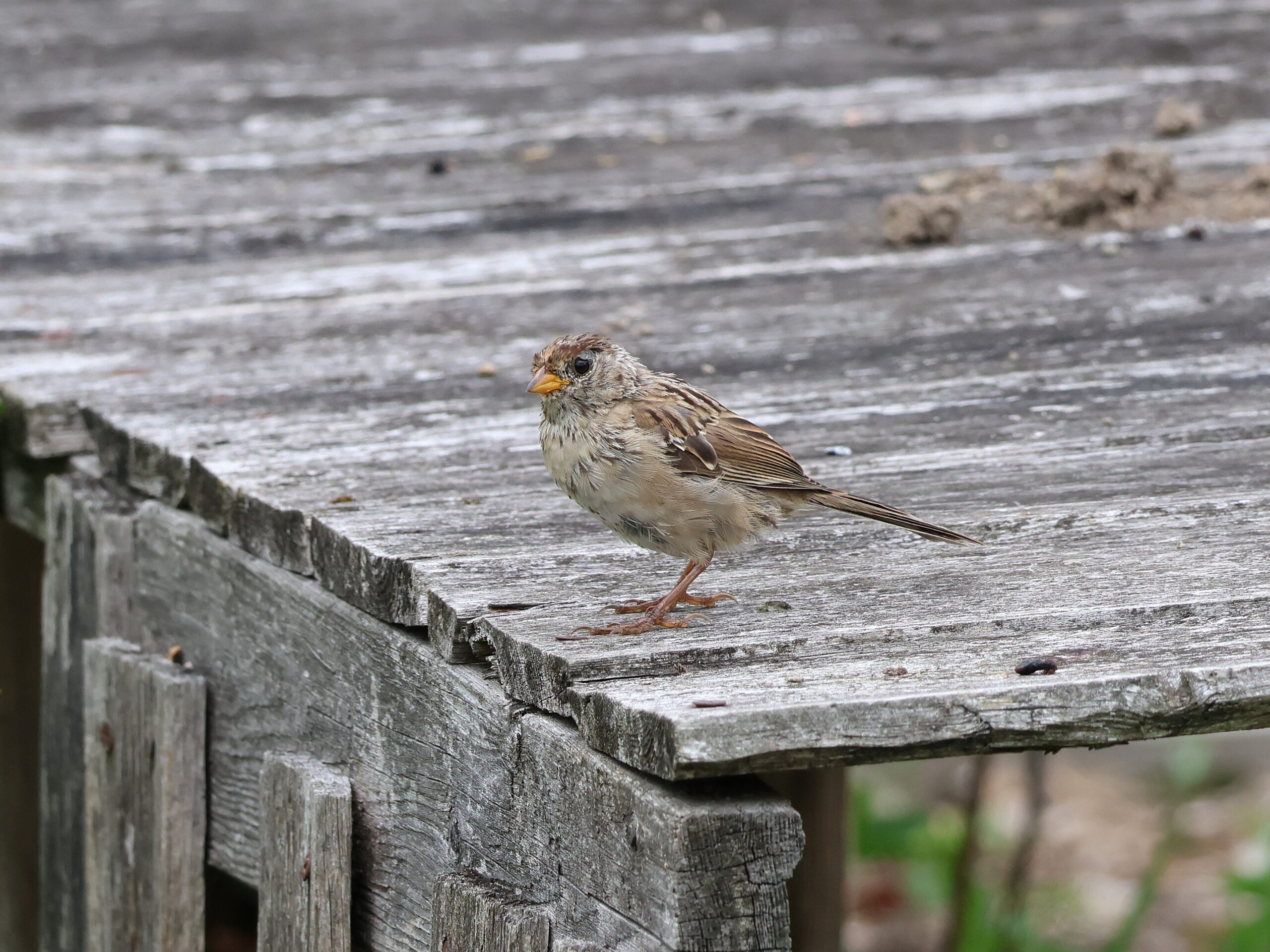
However, the garden proved nearly bird-free. We did see a few fleeting Golden-crowned Sparrows, confirming they’re back, as well as a White-crowed Sparrow or two, but that was it.

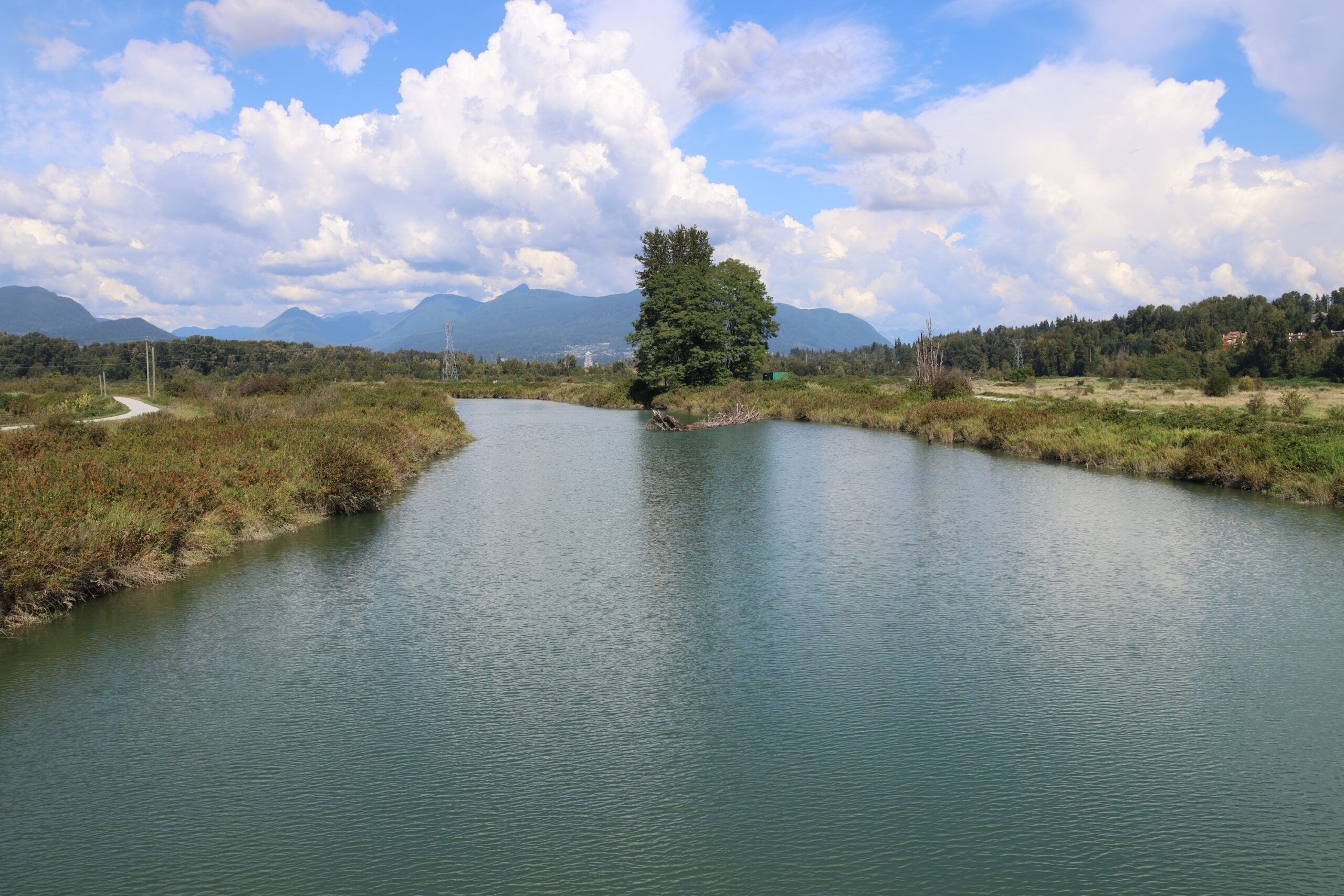
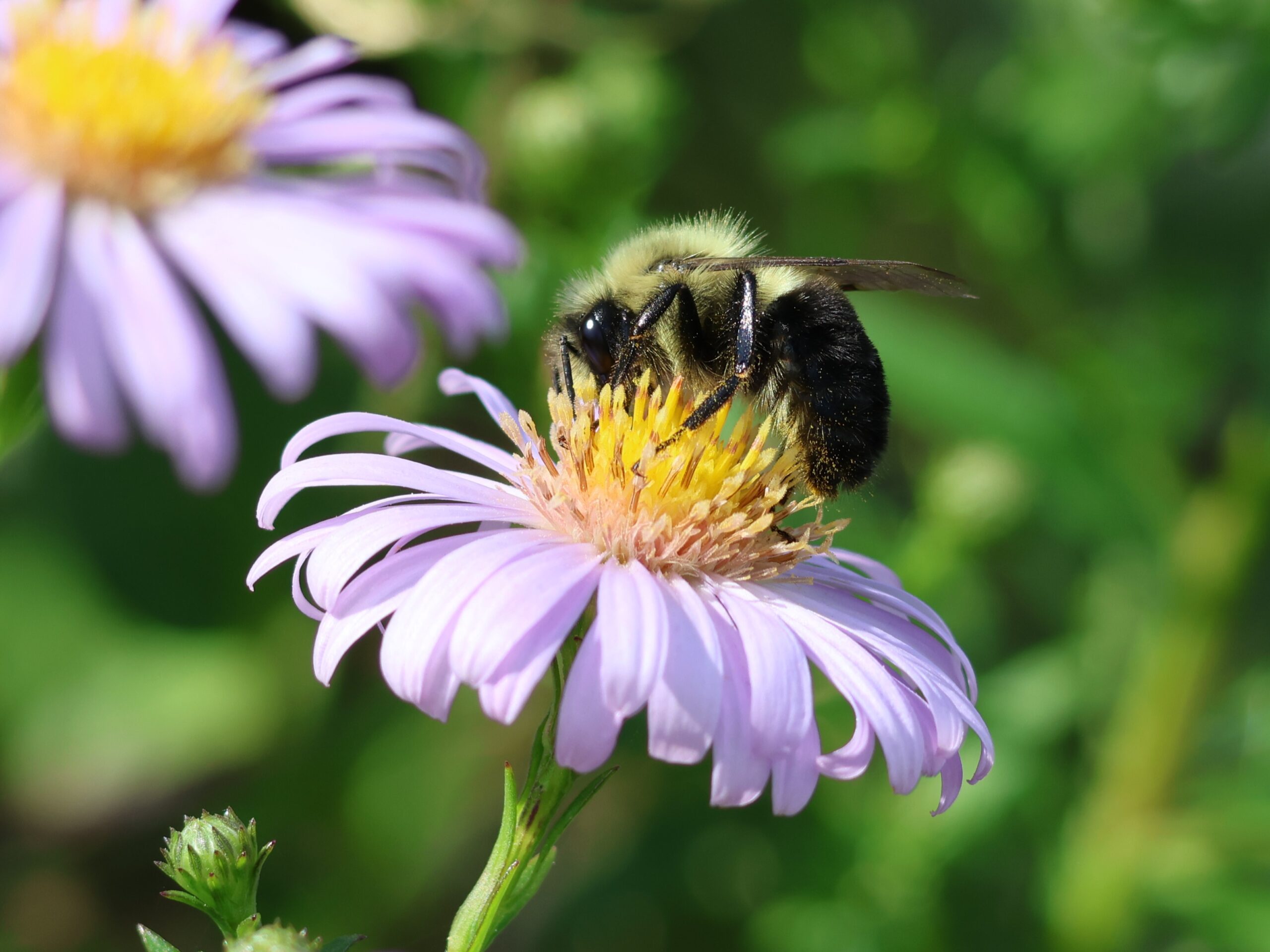
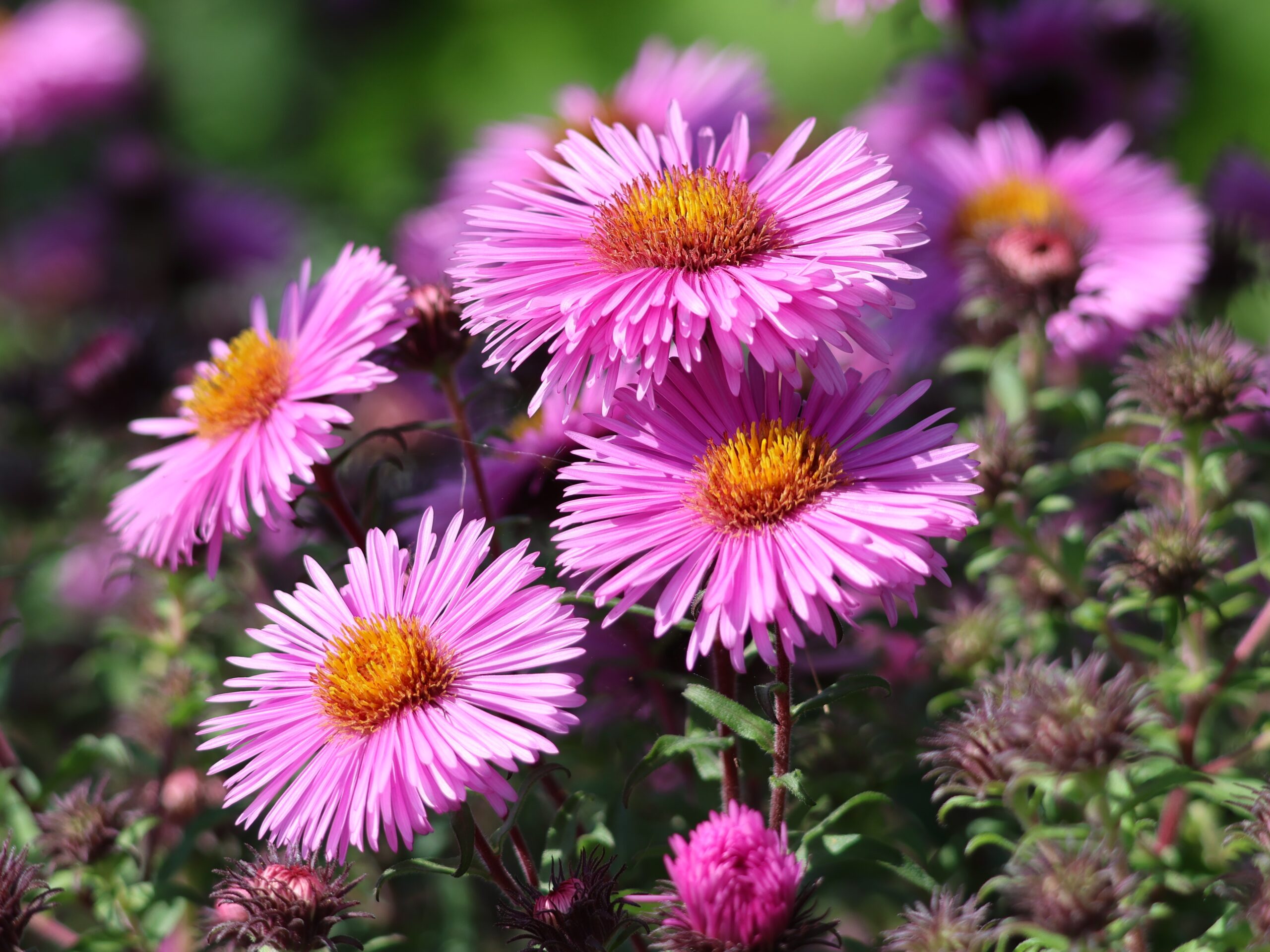
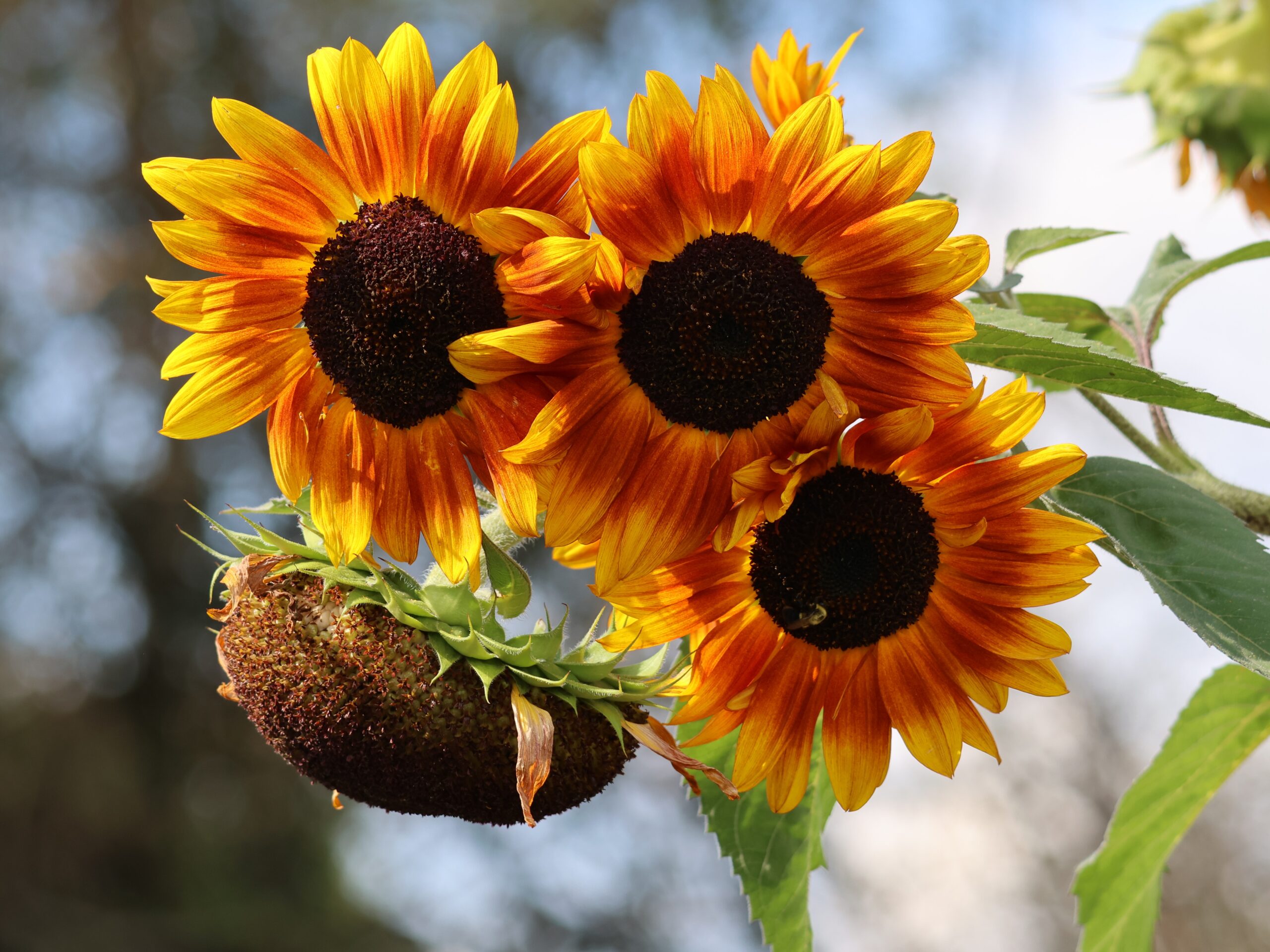
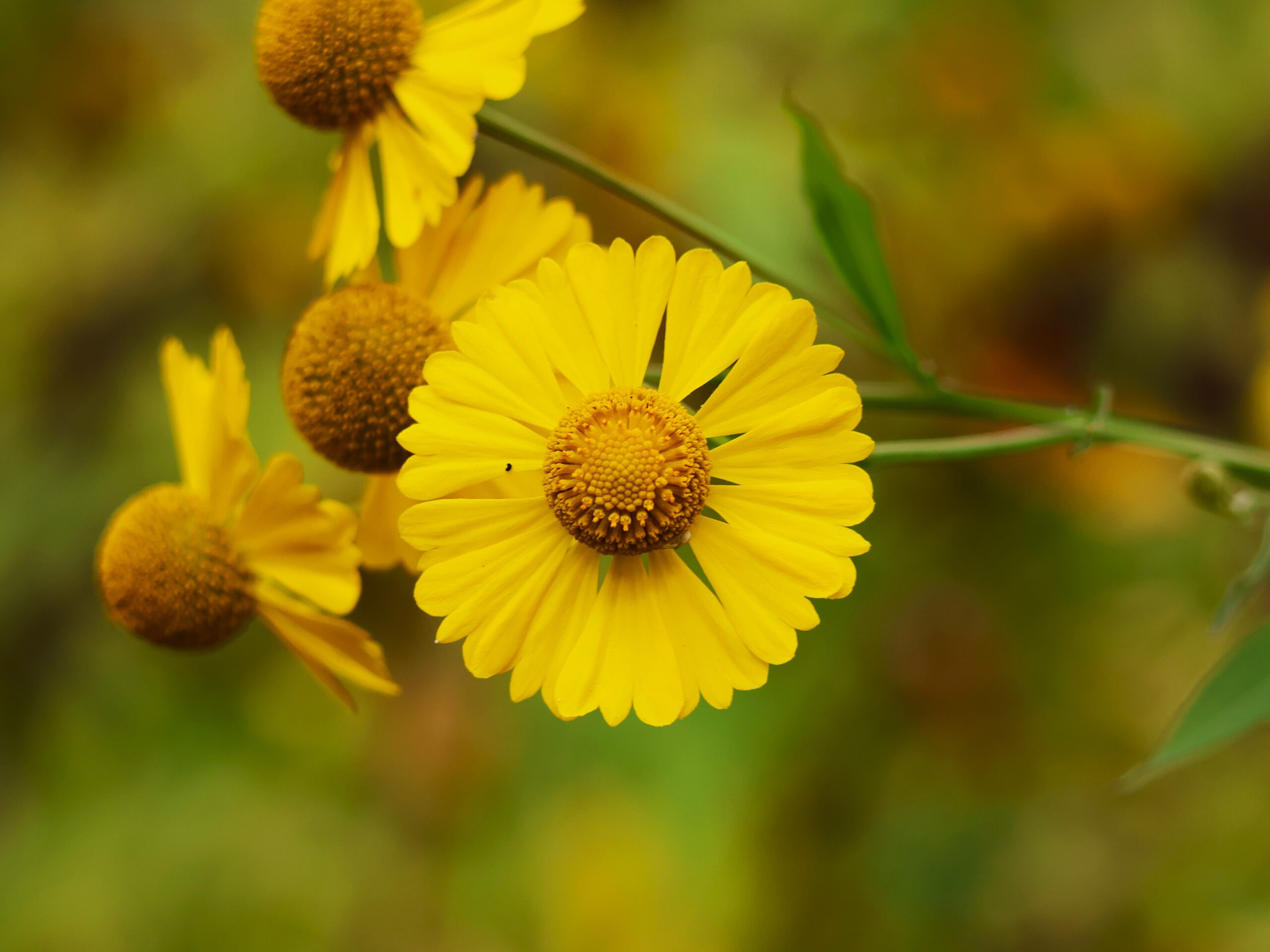
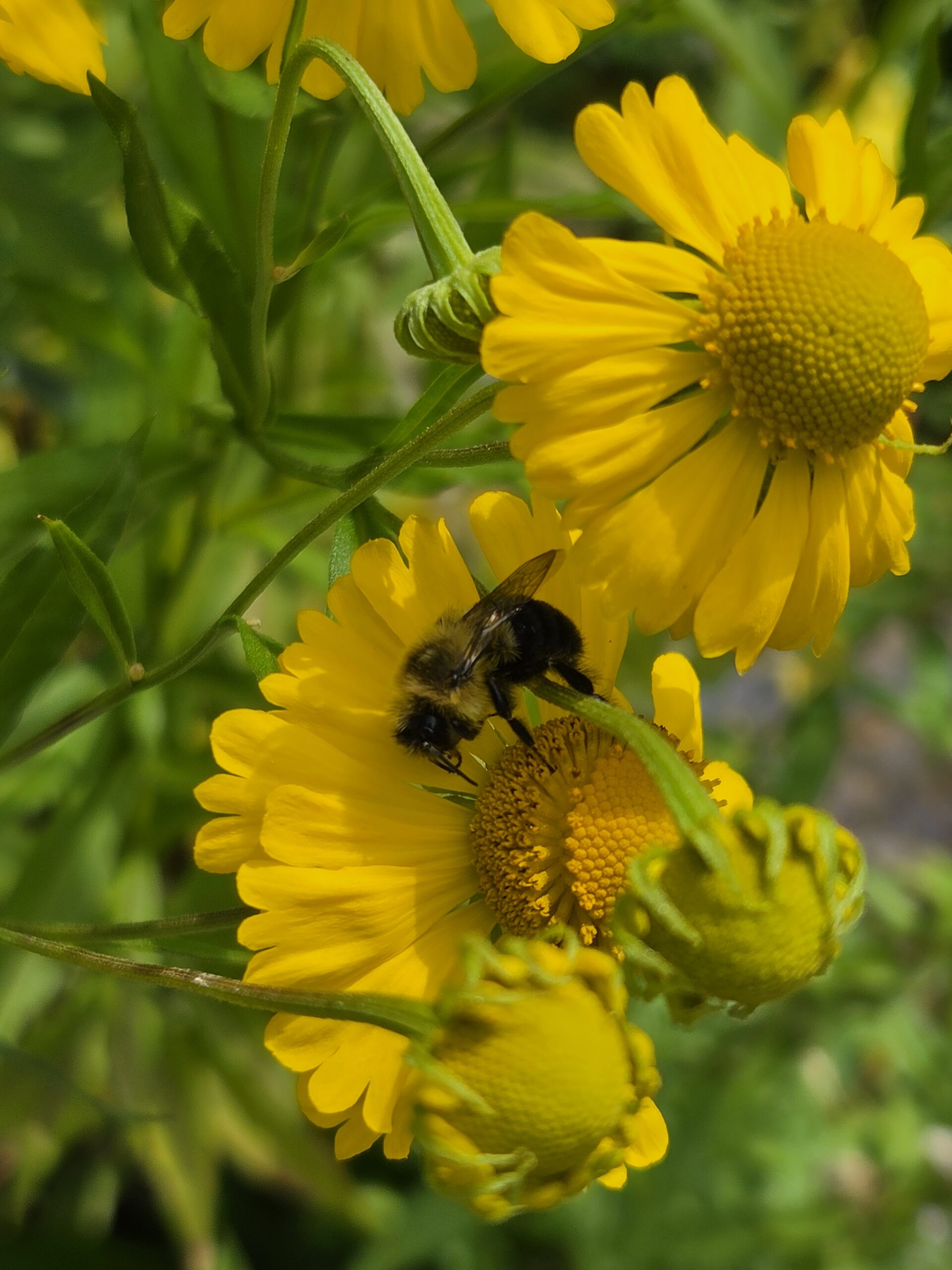
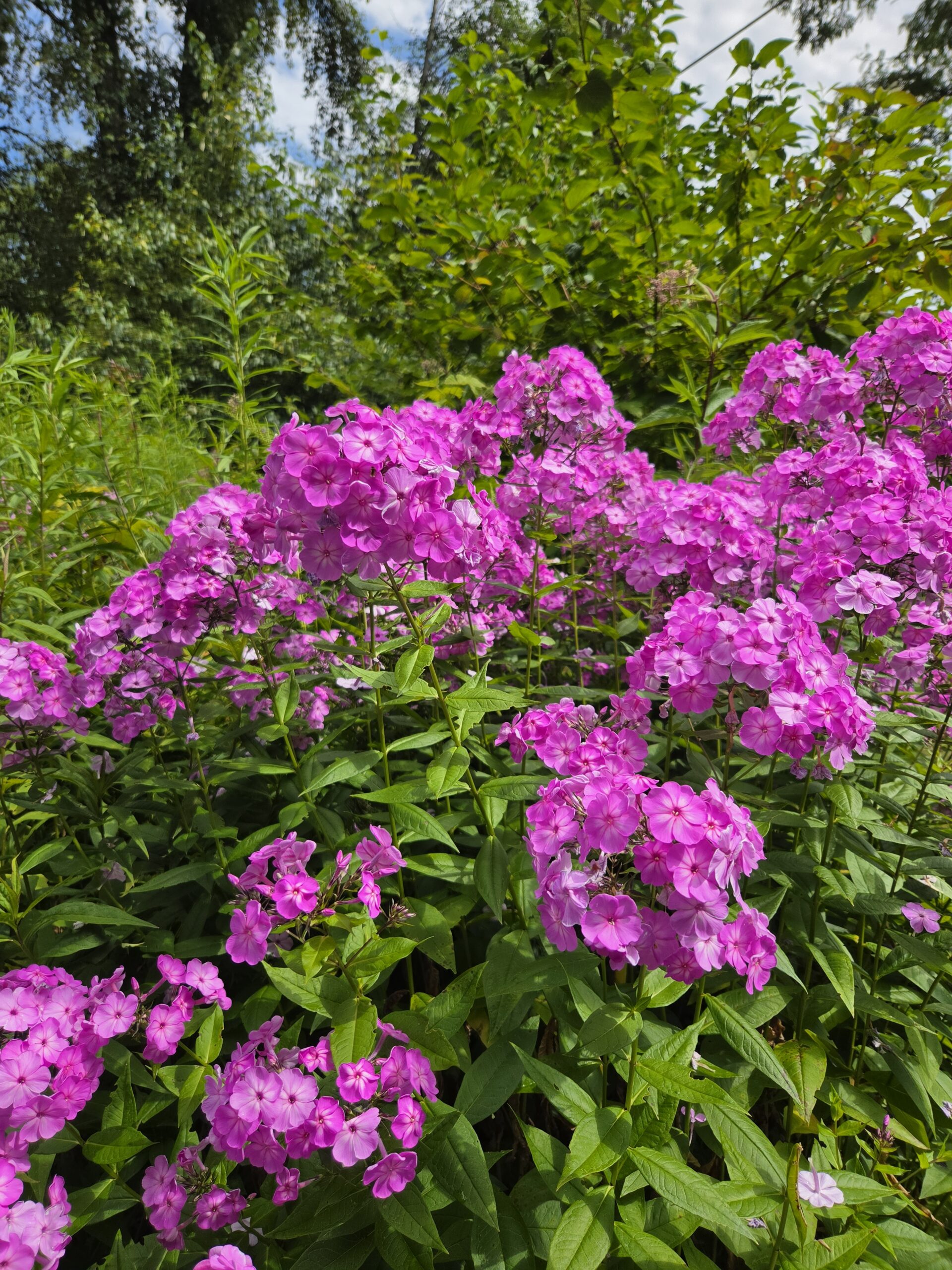
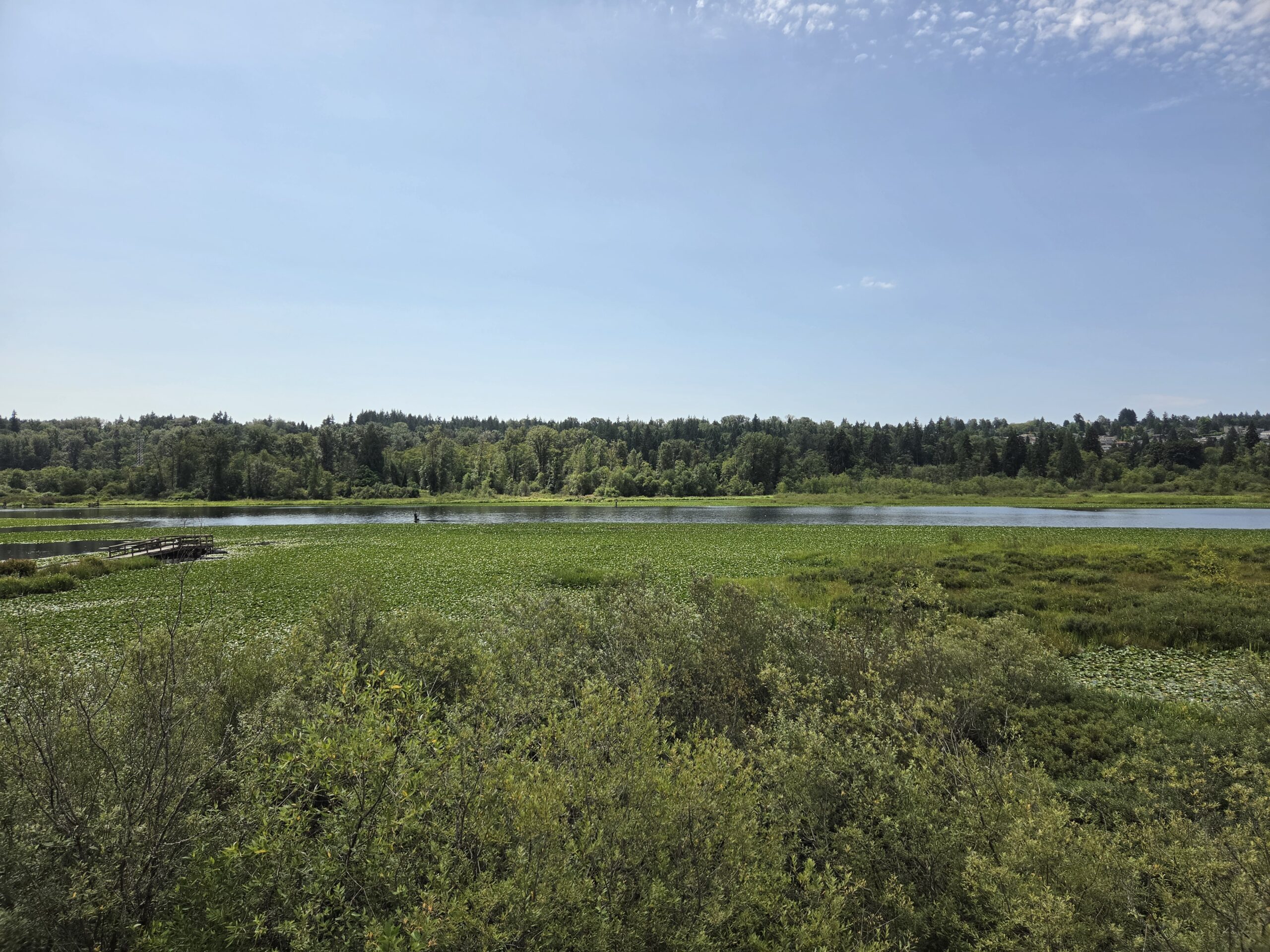
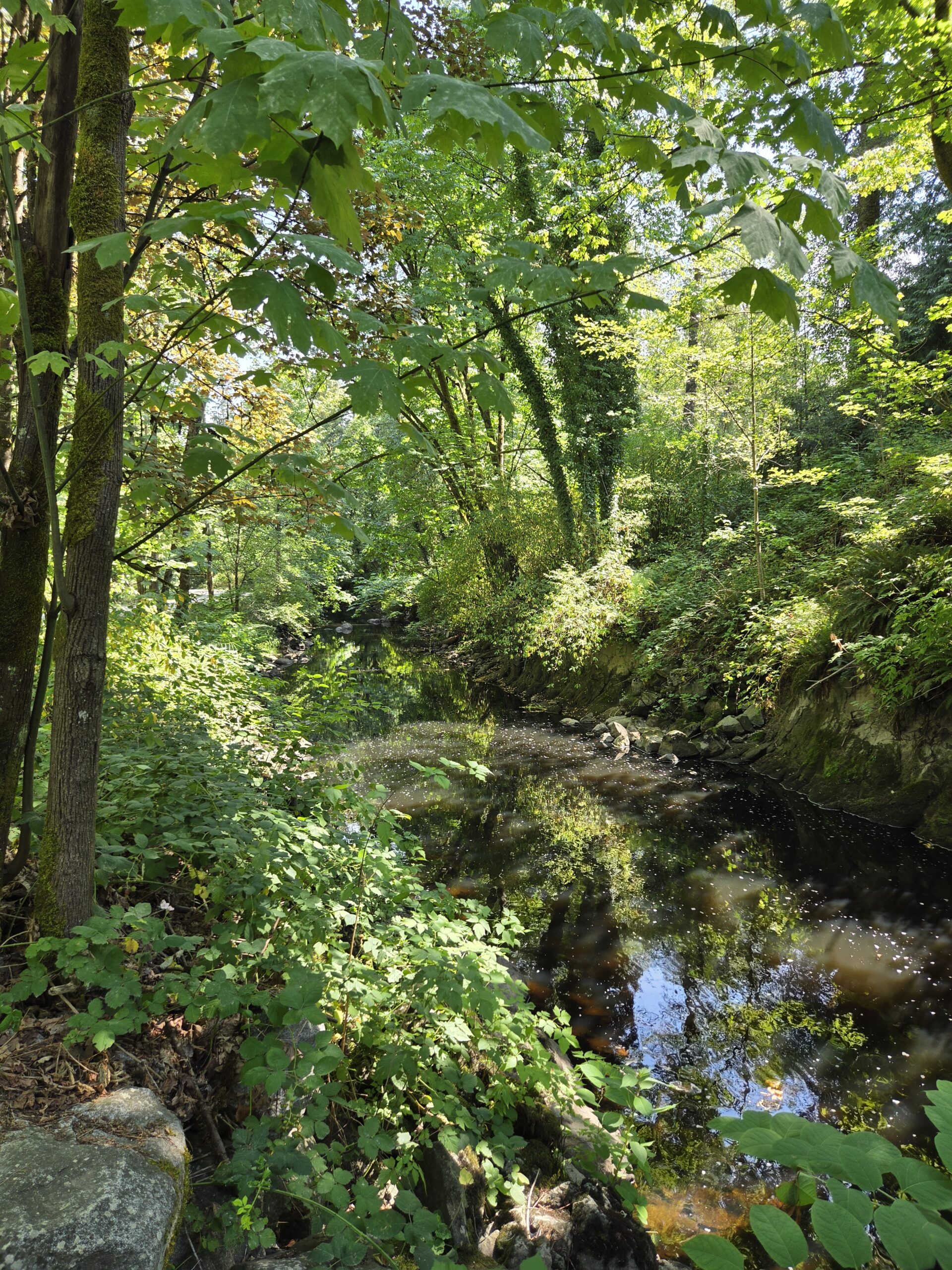
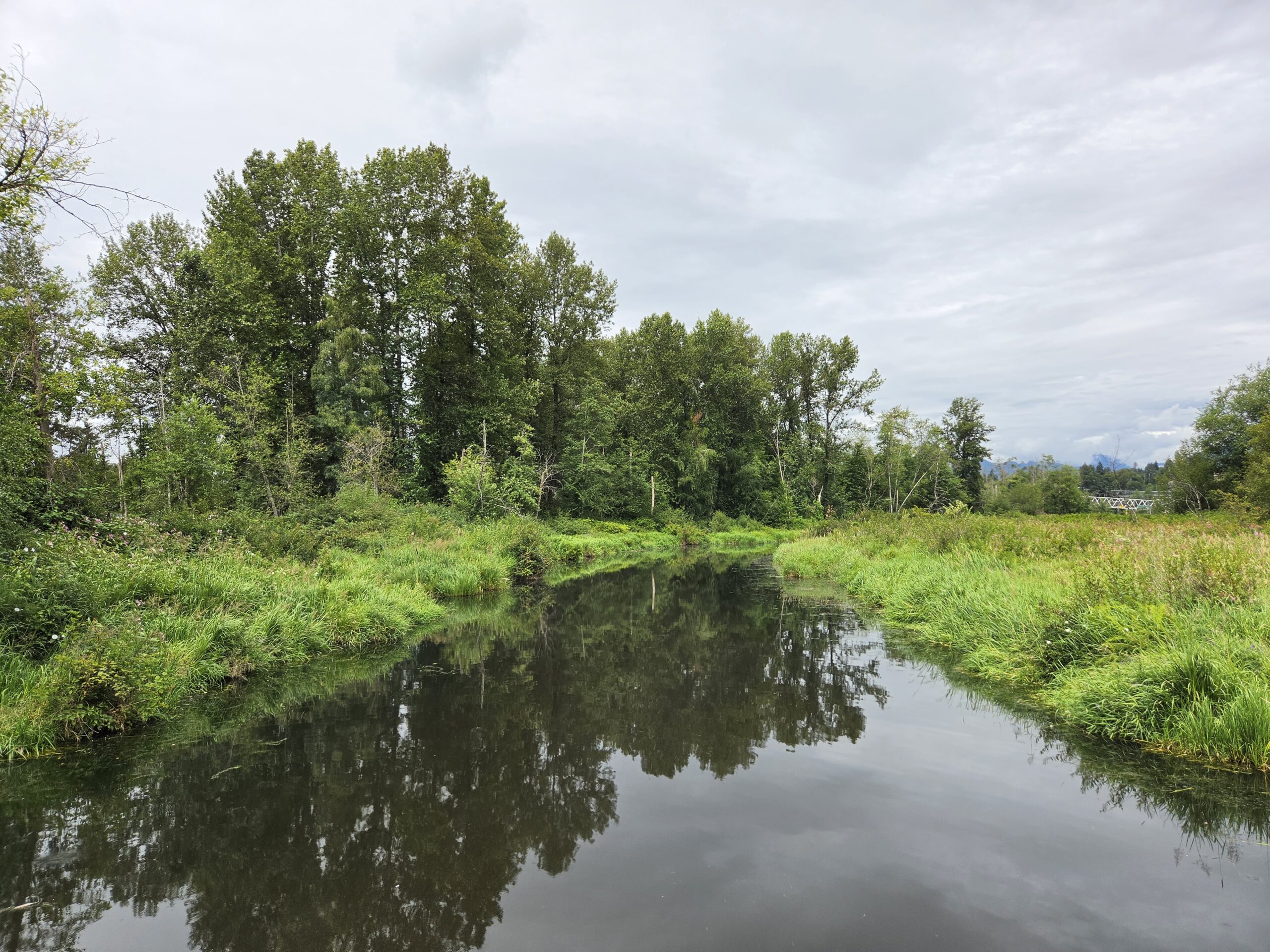
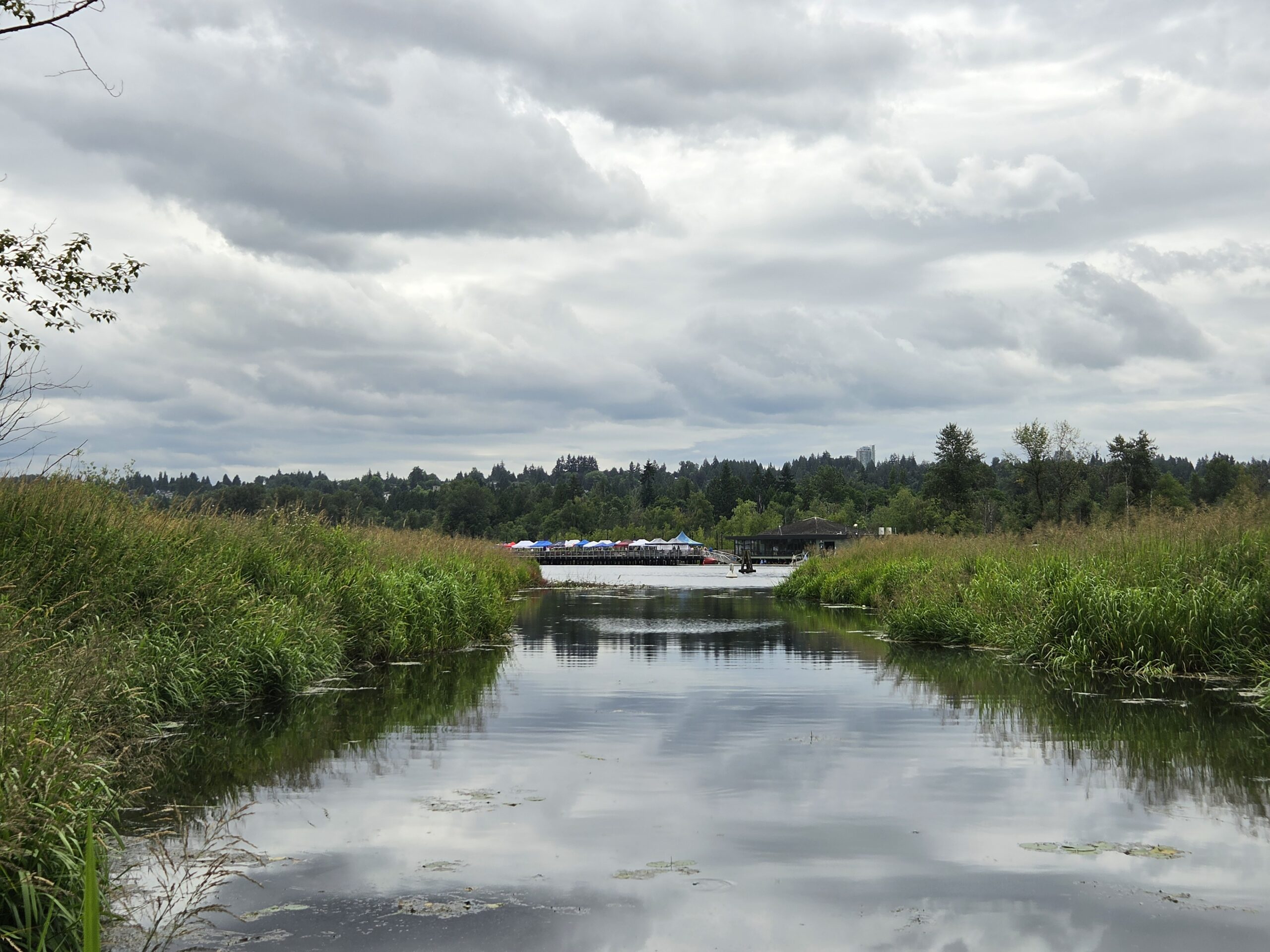
I got some nice shots of flowers and the river.

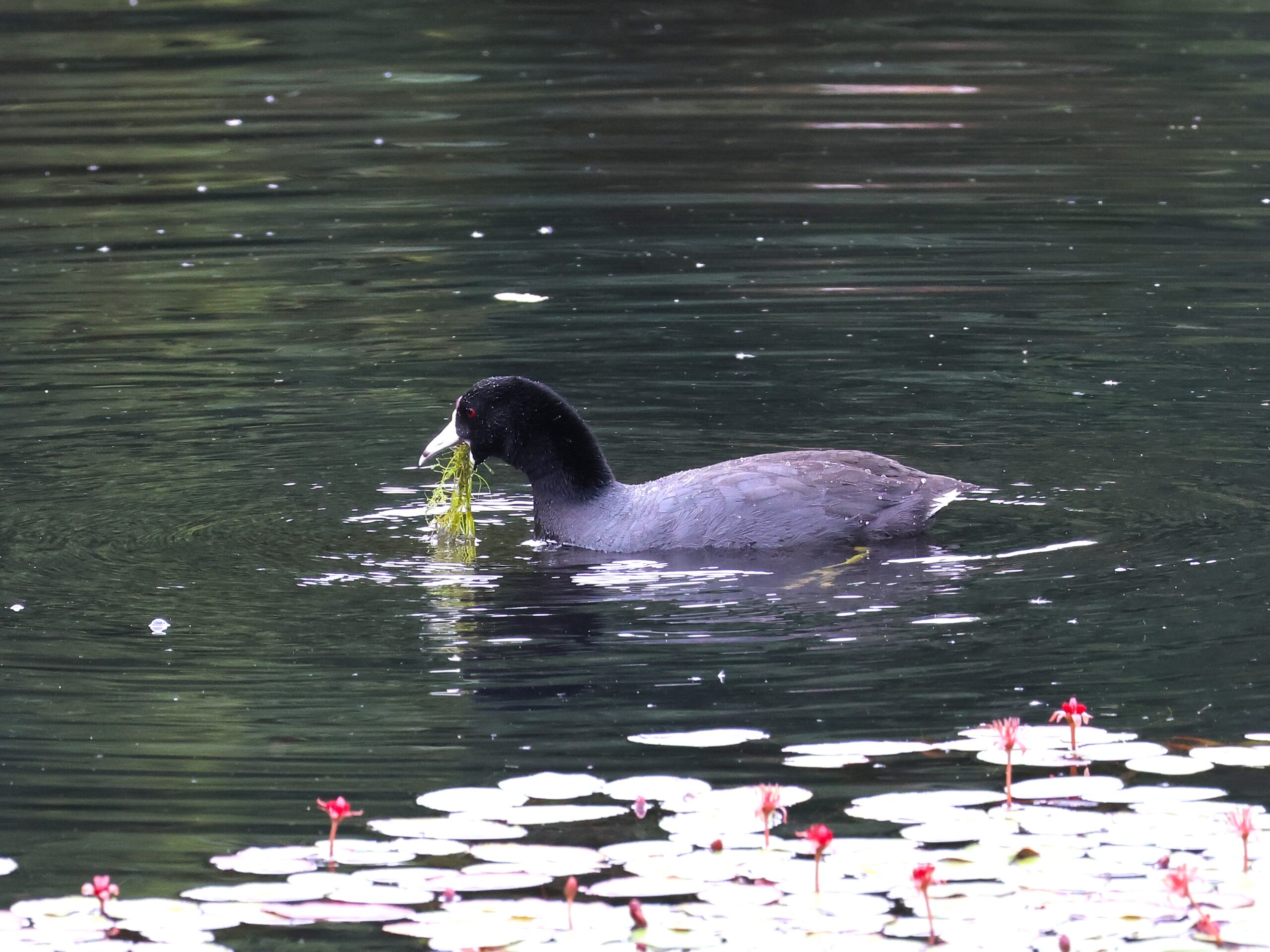
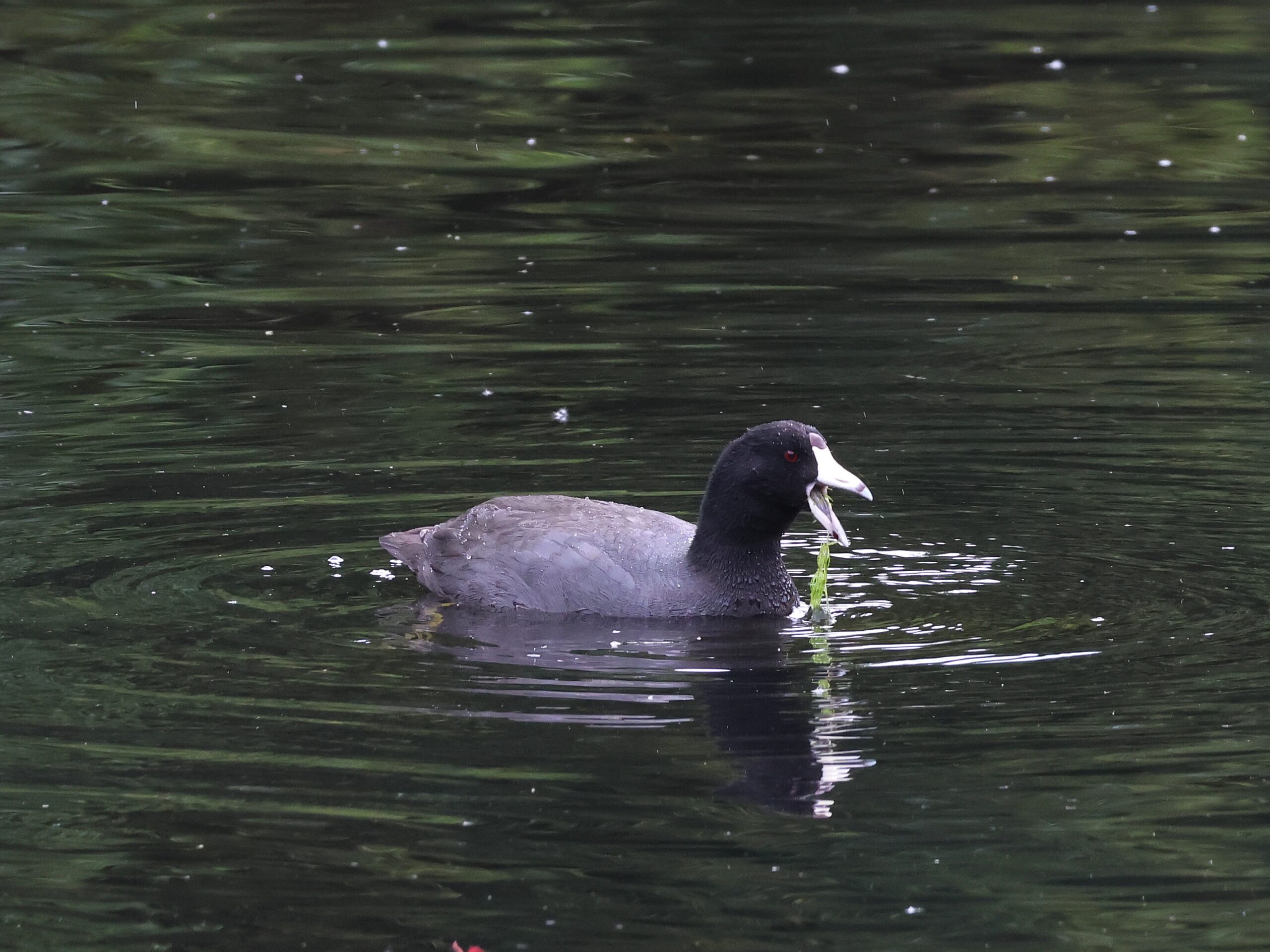
In the end, a busy and pretty good day of birding. We didn’t see any coots, but the fall migration has definitely begun, so coot time is coming.

The Shots

All photos shot with a Canon EOS R7 with 18–150 mm kit lens and 100–400 mm telephoto. Some landscape shots captured with a Samsung Galaxy S26.
Gallery soon™.

The Birds (and other critters)

Sparrows and sparrow-adjacent:

  • Black-capped Chickadee
  • Golden-crowned sparrow
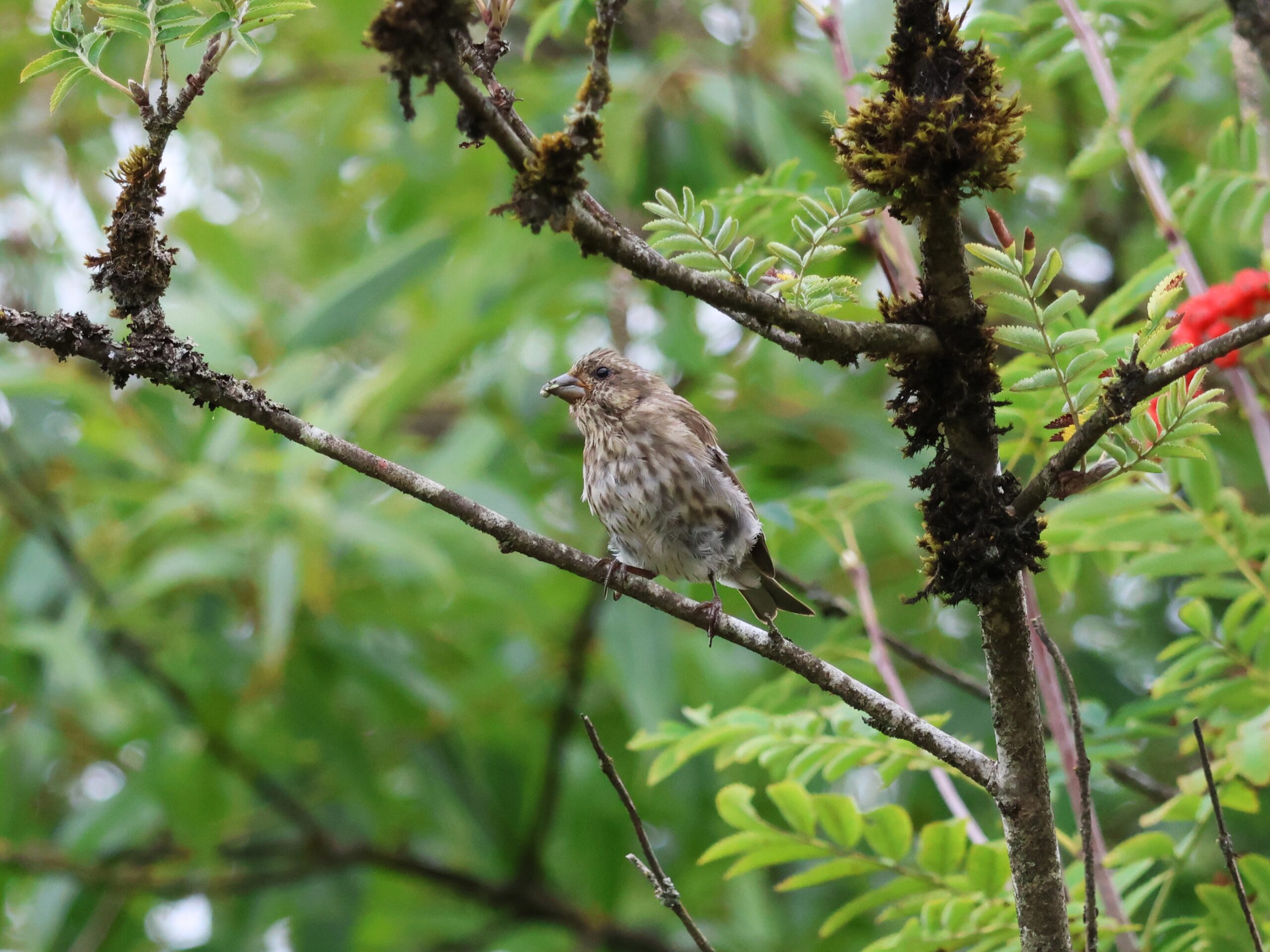
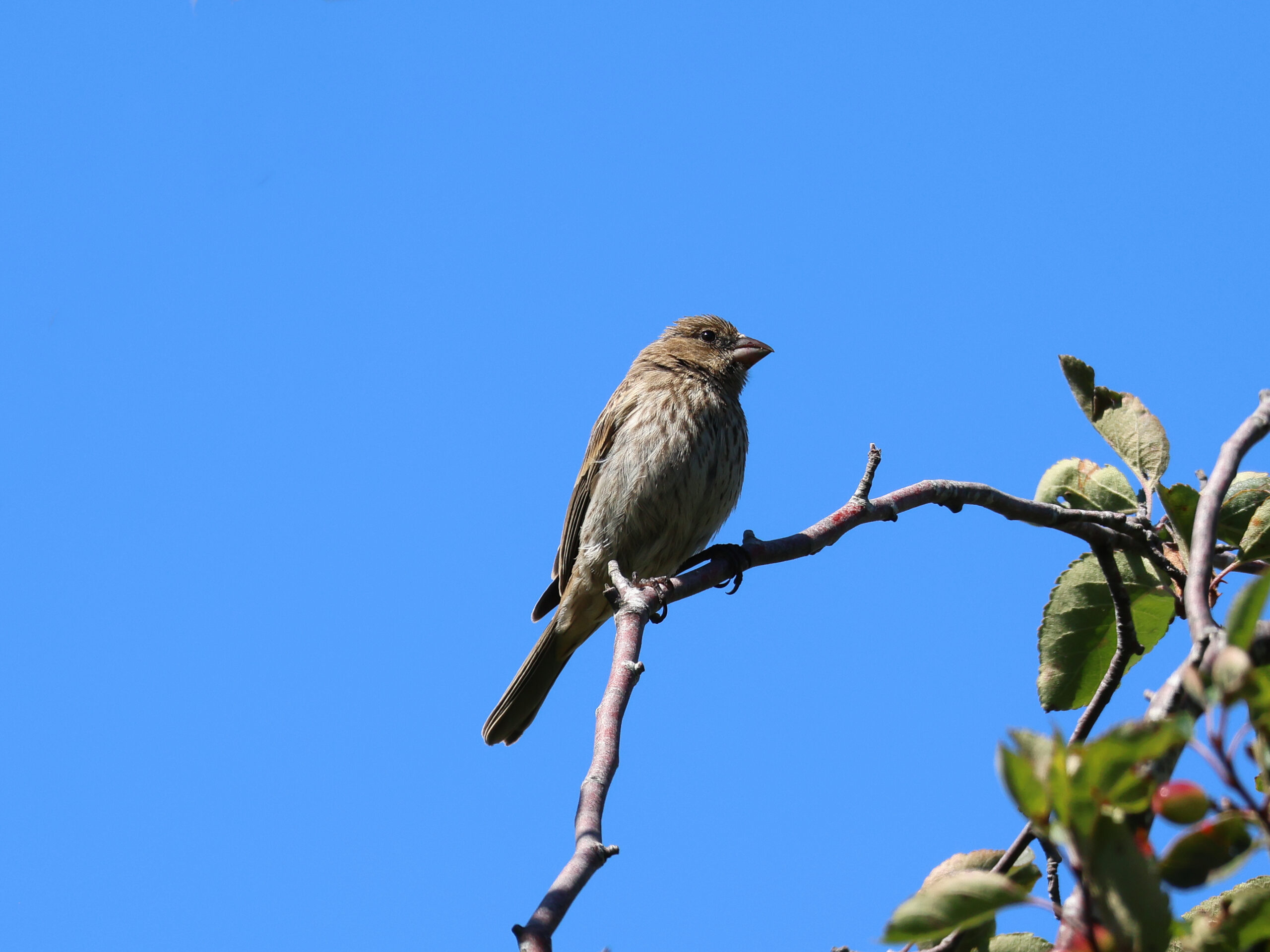
  • House Finch
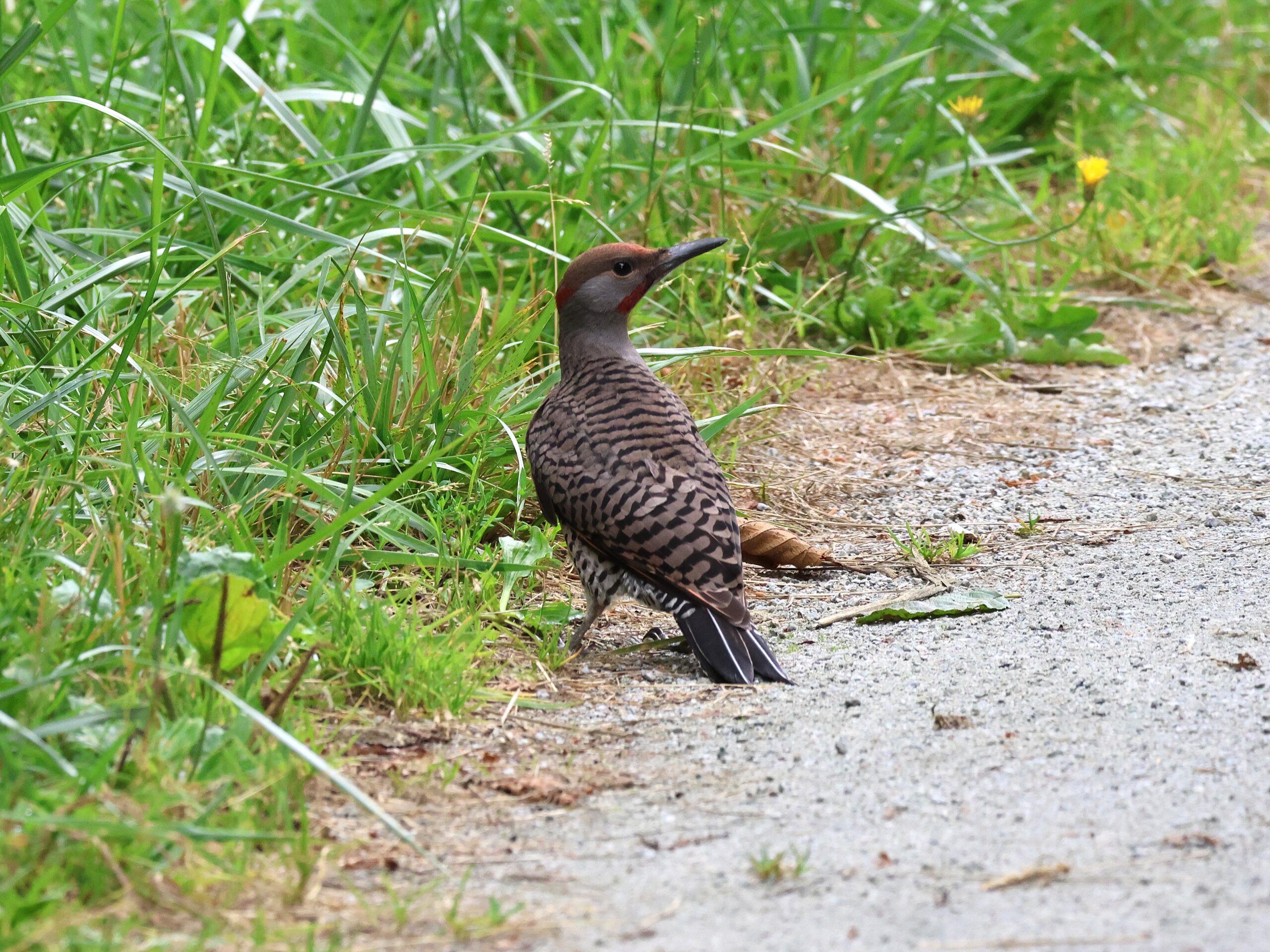
  • Northern Flicker
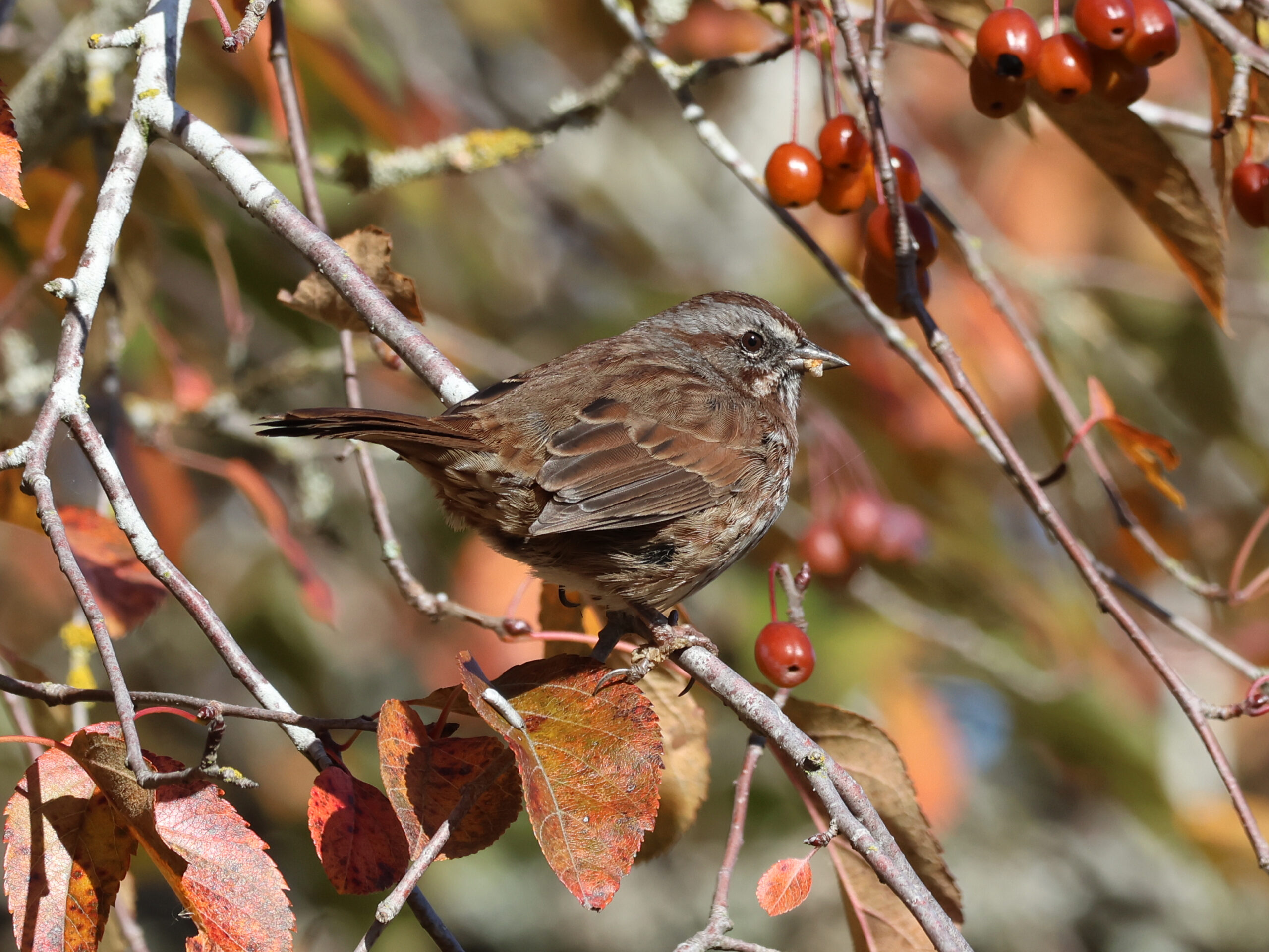
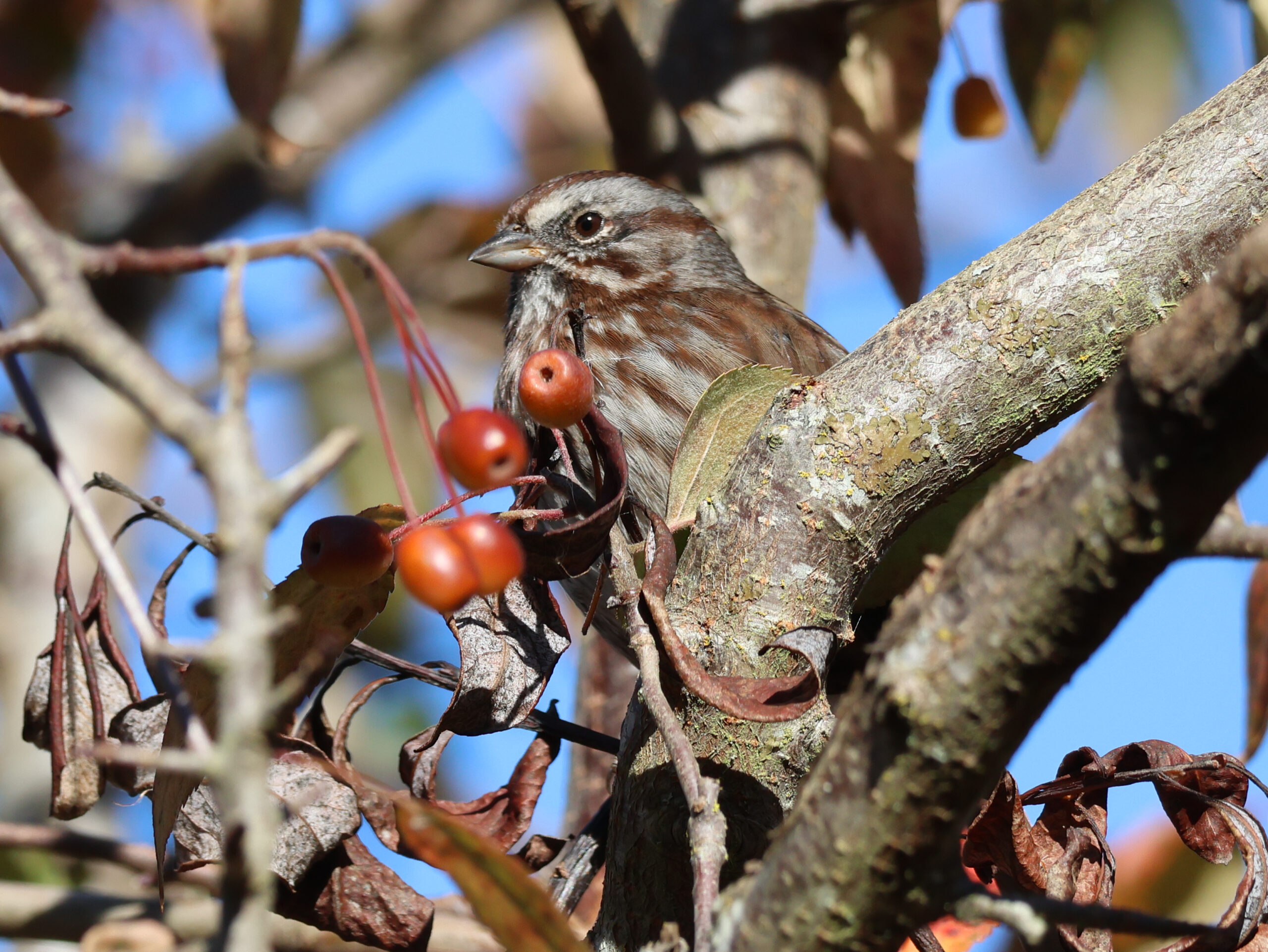
  • Song Sparrow
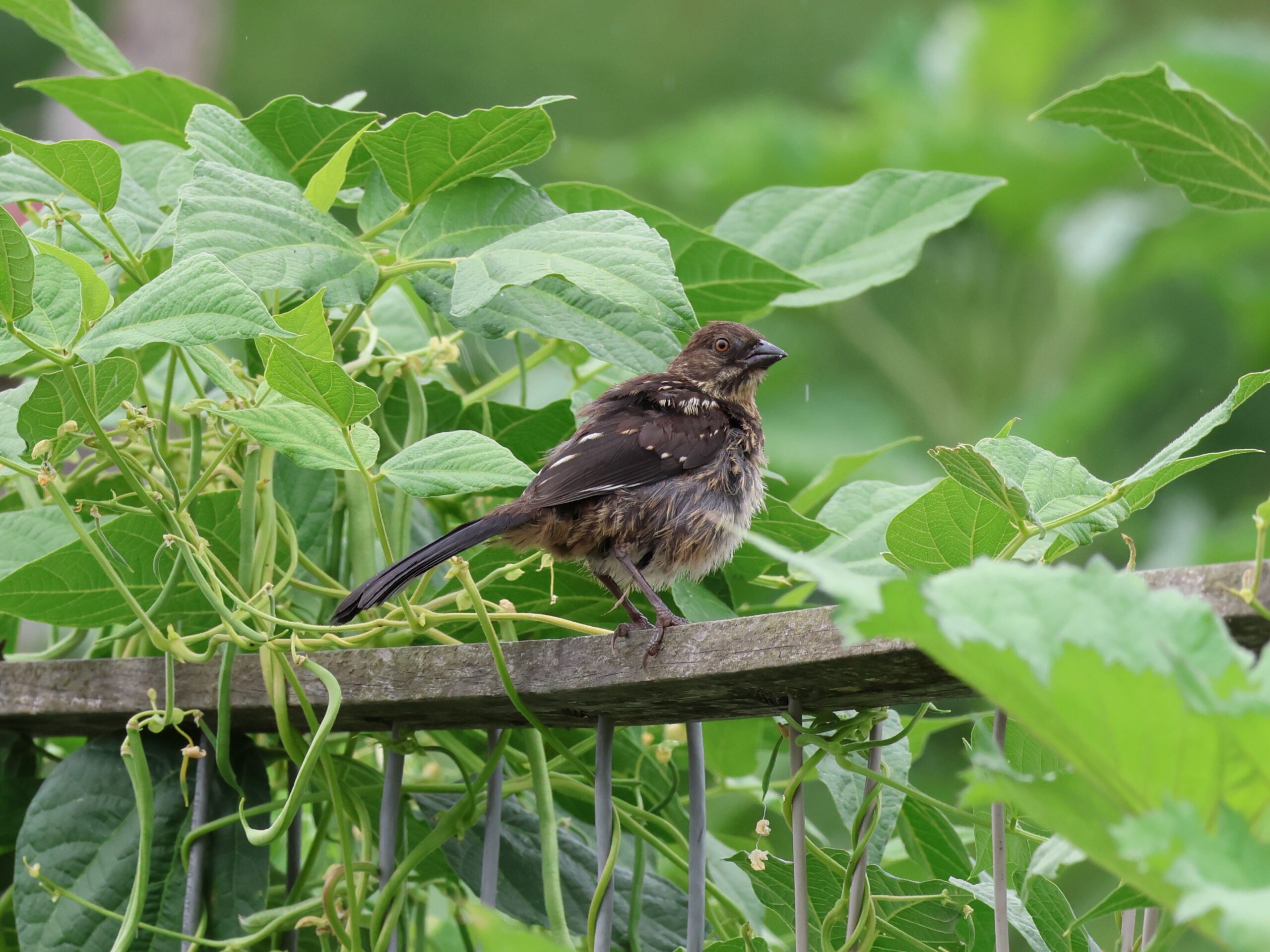
  • Spotted Towhee
  • White-crowned Sparrow
  • Yellow-rumped Warbler

Waterfowl and shorebirds:

  • Belted Kingfisher
  • Caspian Tern
  • Common Merganser
  • Great Blue Heron
  • Greater Yellowlegs
  • Green-winged Teal
  • Killdeer
  • Lesser Yellowlegs
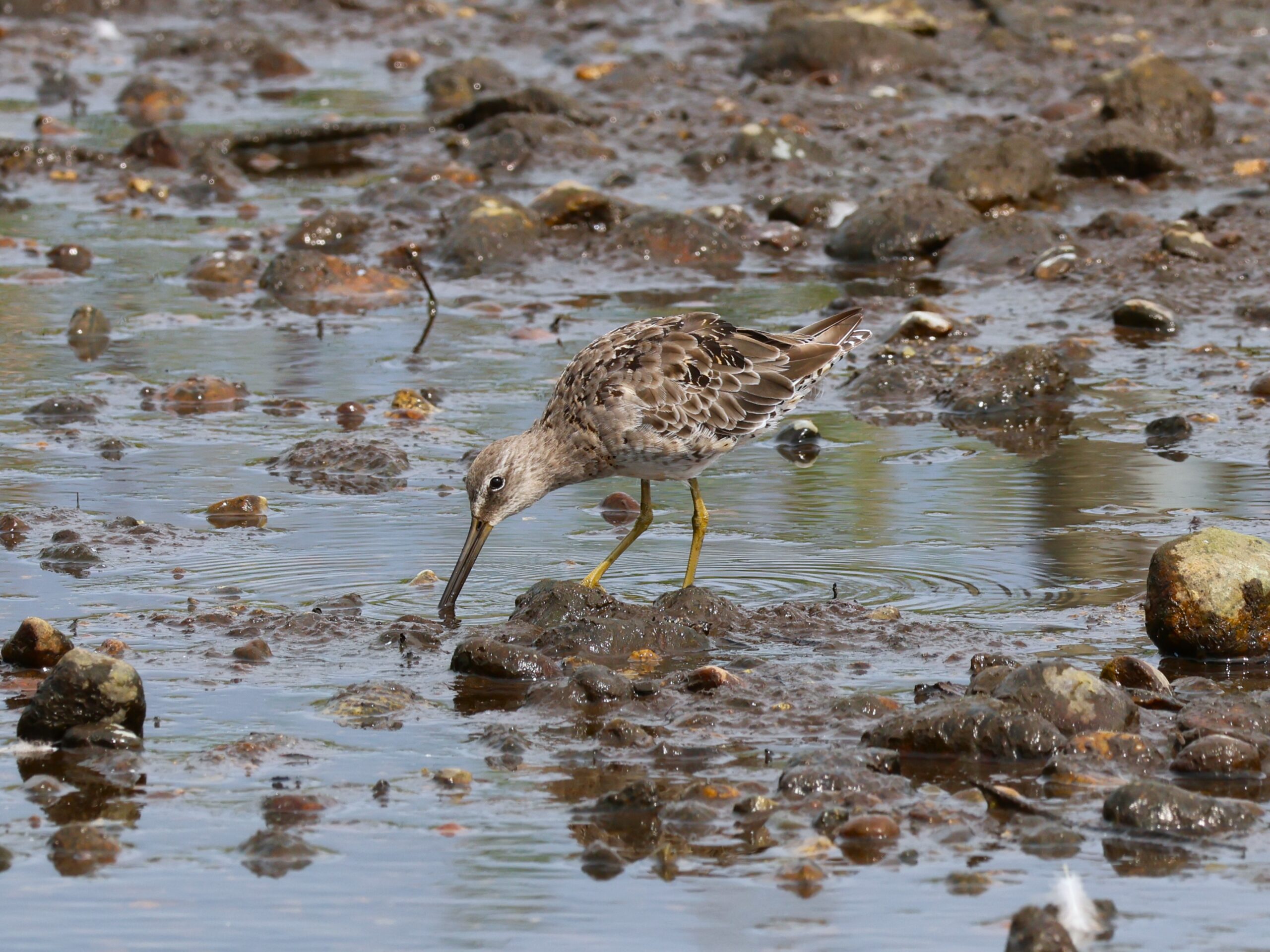
  • Long-billed Dowitcher
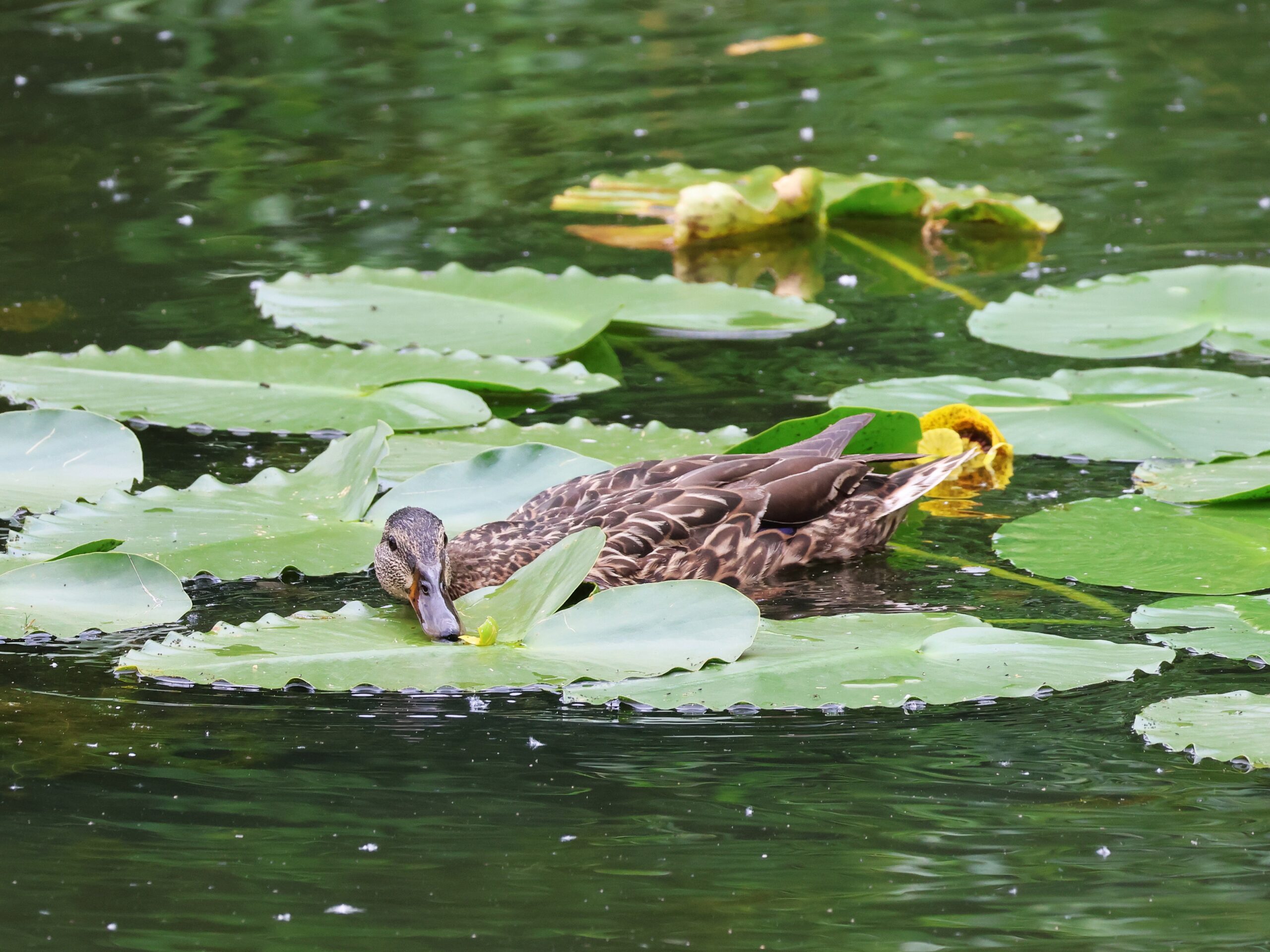
  • Mallard
  • Northern Pintail
  • Northern Shoveller
  • Pectoral Sandpiper (a lifer, I think?)
  • Wood Duck

Common:

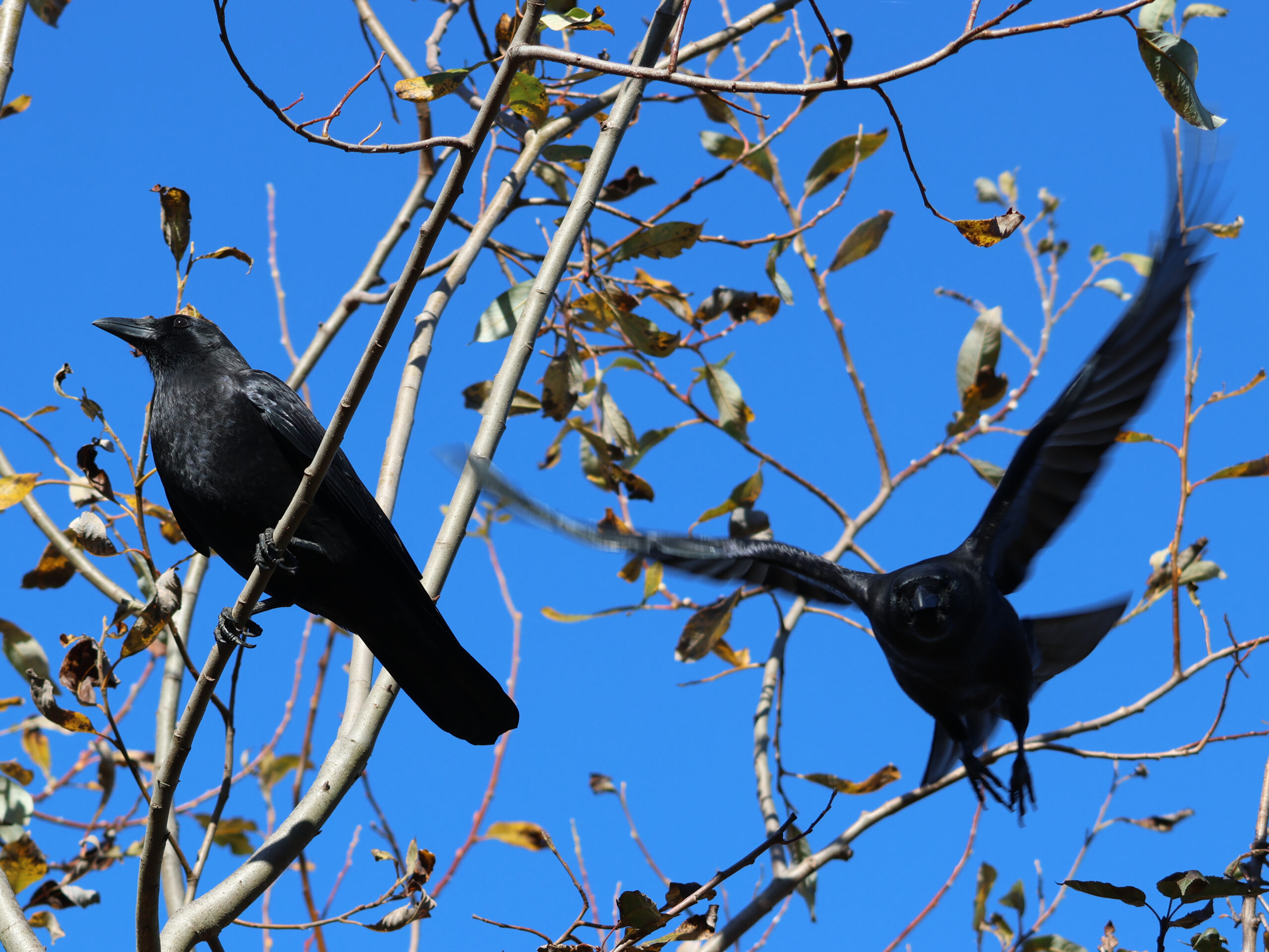
  • American Crow
  • European Starling
  • Various seagulls
Raptors:

  • Northern Harrier

Non-birds:

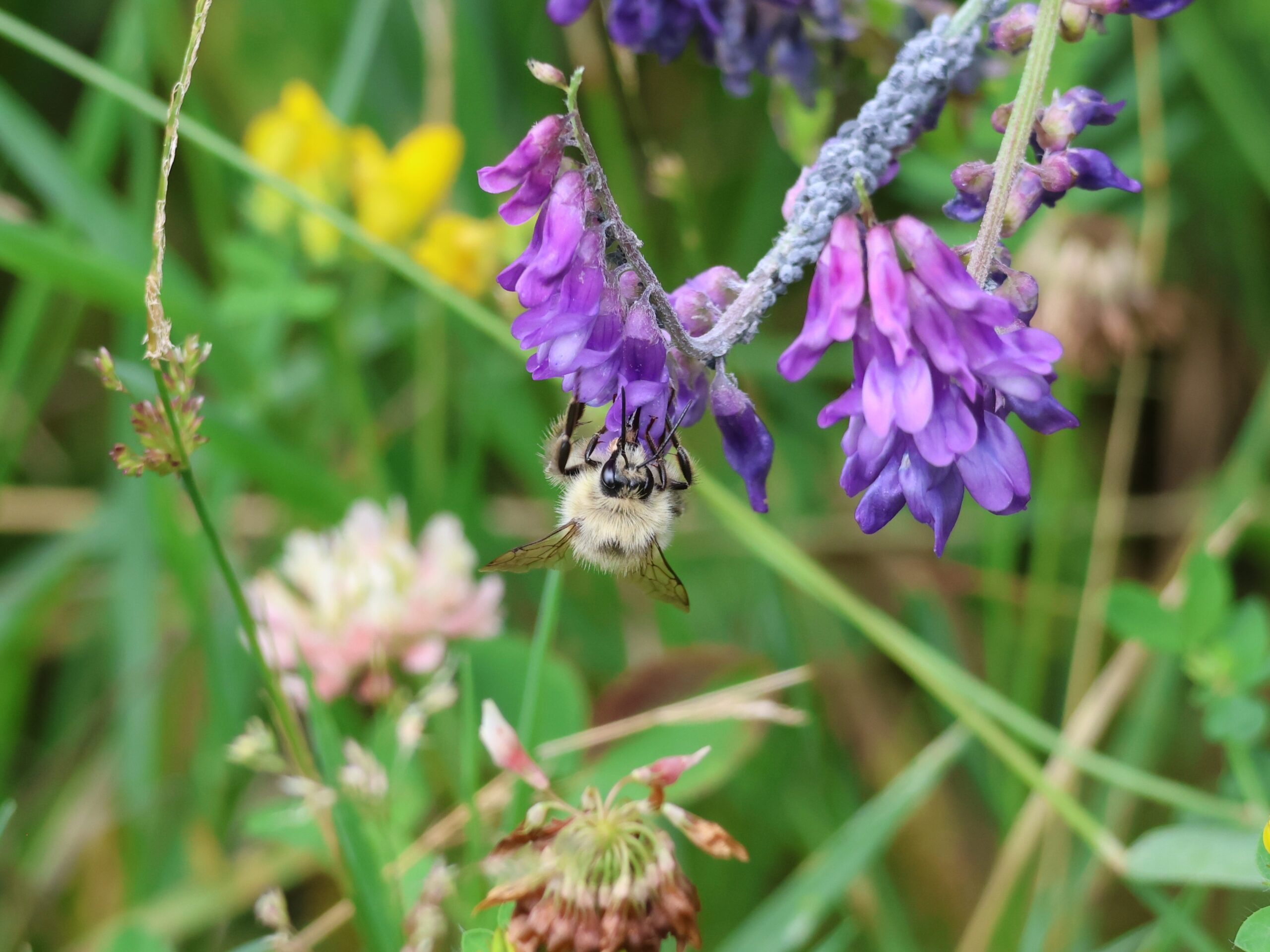
  • Assorted pollinators
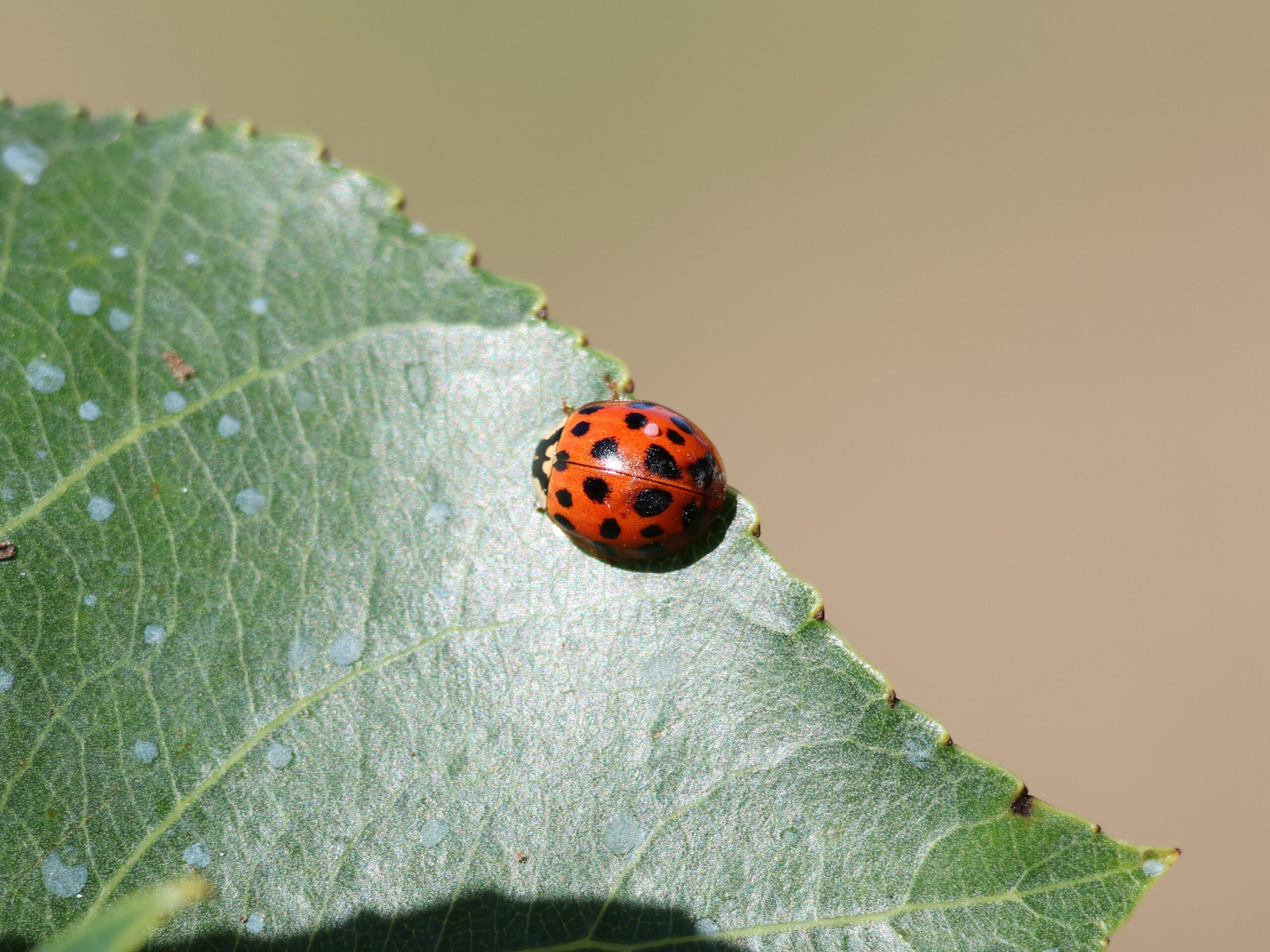
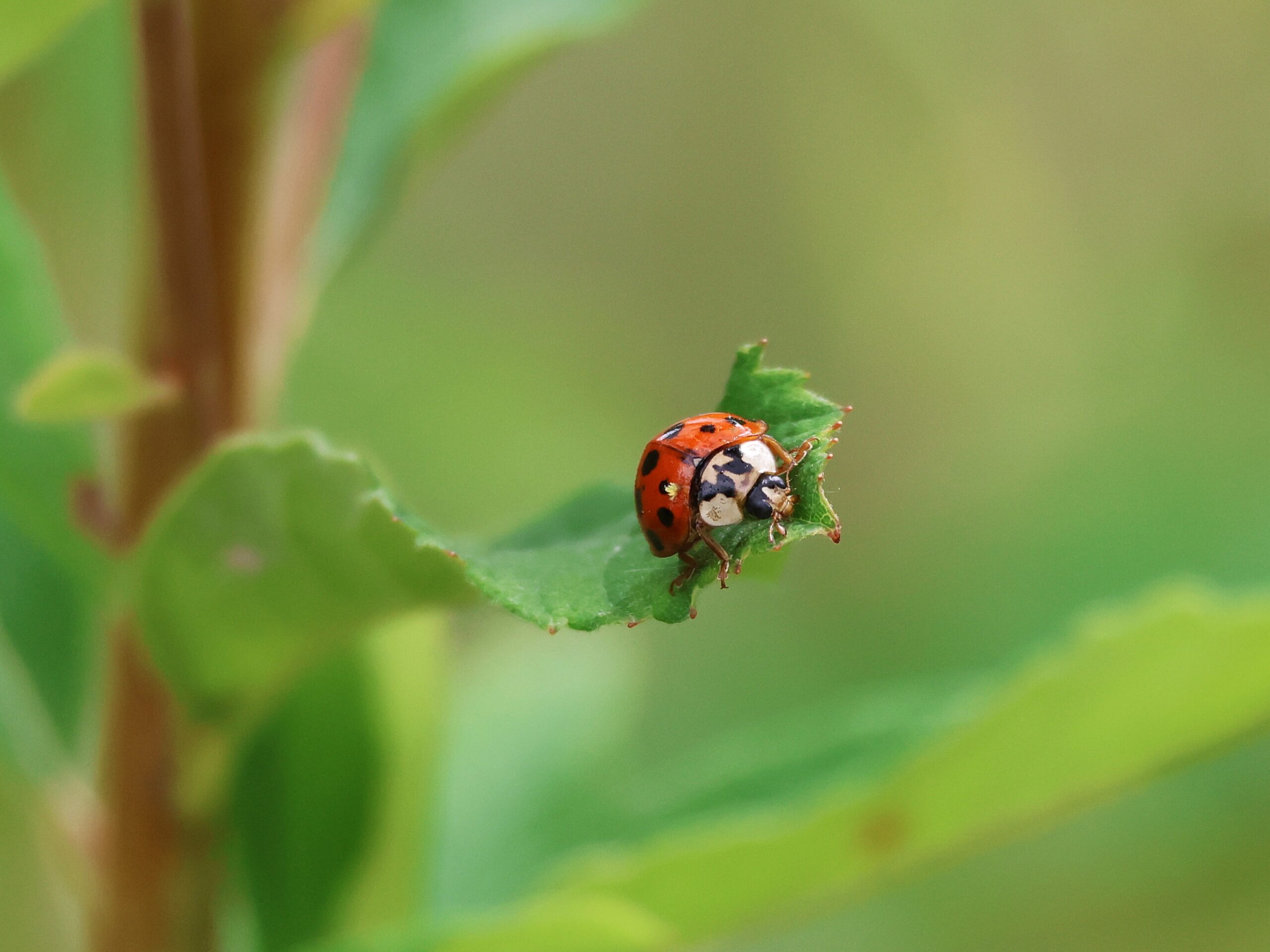
  • Several ladybugs
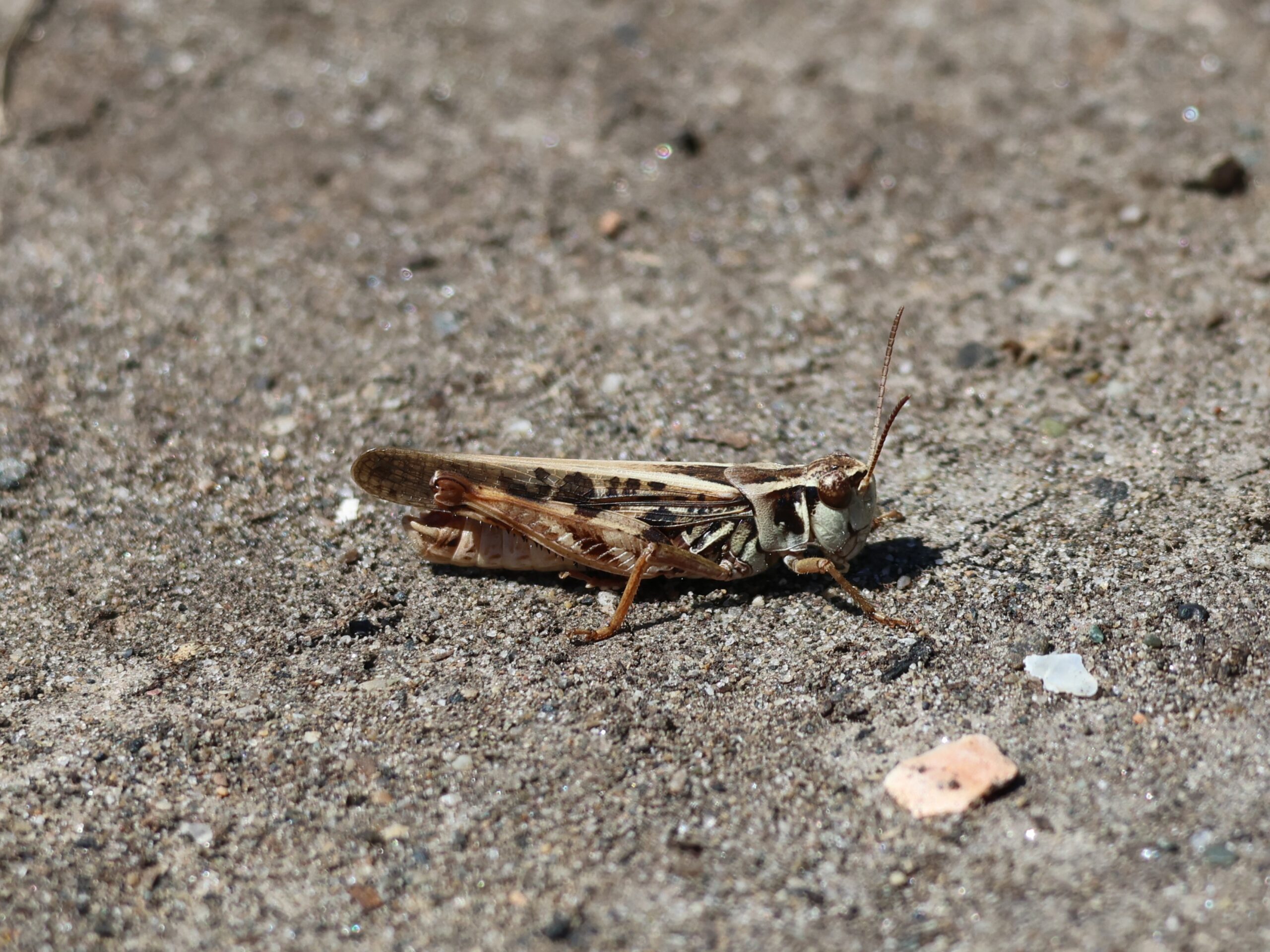
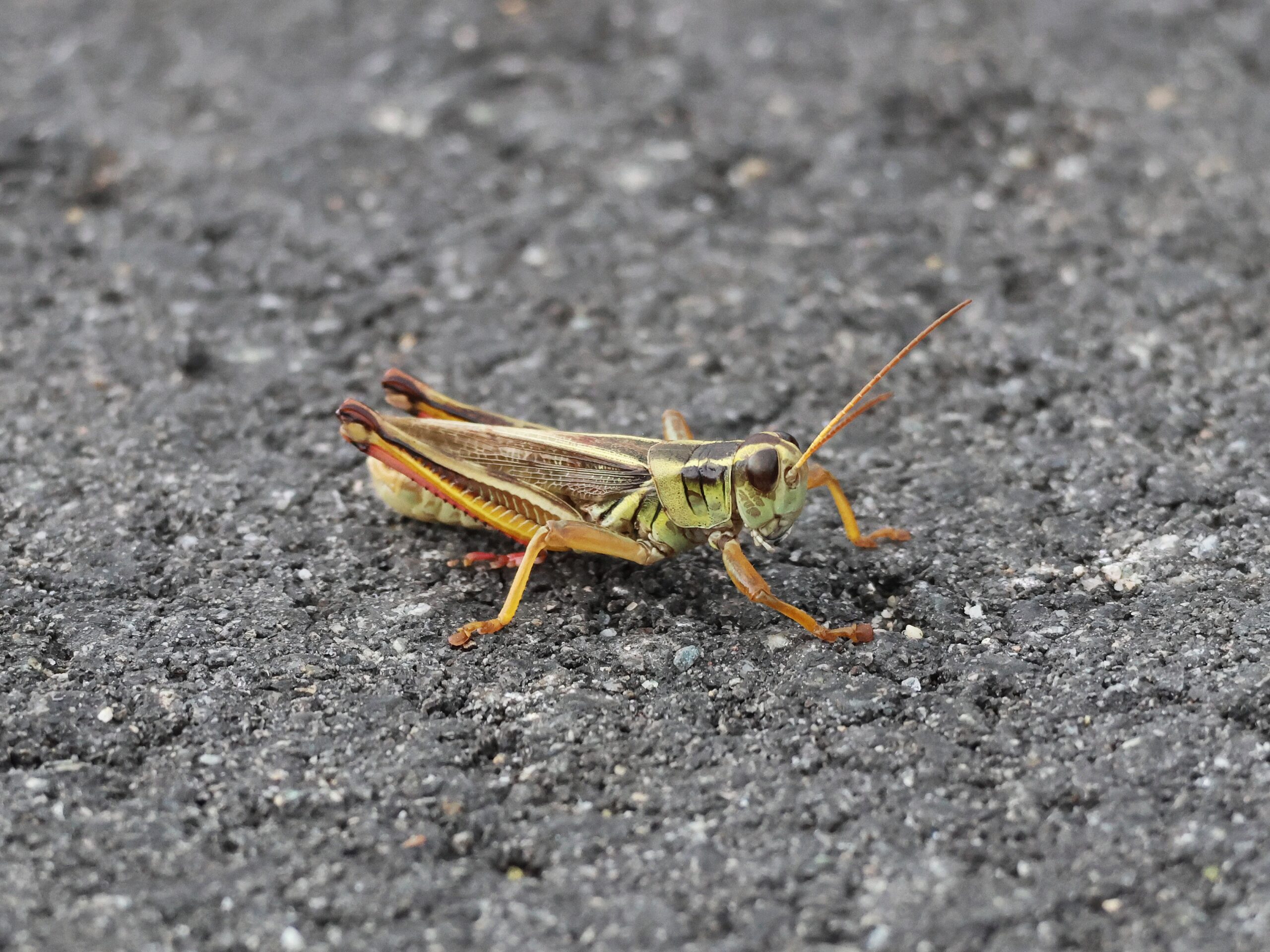
  • Spiders spinning webs and noshing on grasshoppers
  • A squirrel with an acorn

Birding, September 5, 2026: Random objects, plus some birds

Where: Burnaby Lake Regional Park (Burnaby), Tlahutum Regional Park (Coquitlam)
Weather: Sunny, 21-23°C

The first birding of September, which yielded no fall migrants (boo), but some photogenic locals (yay) and no tree frogs.
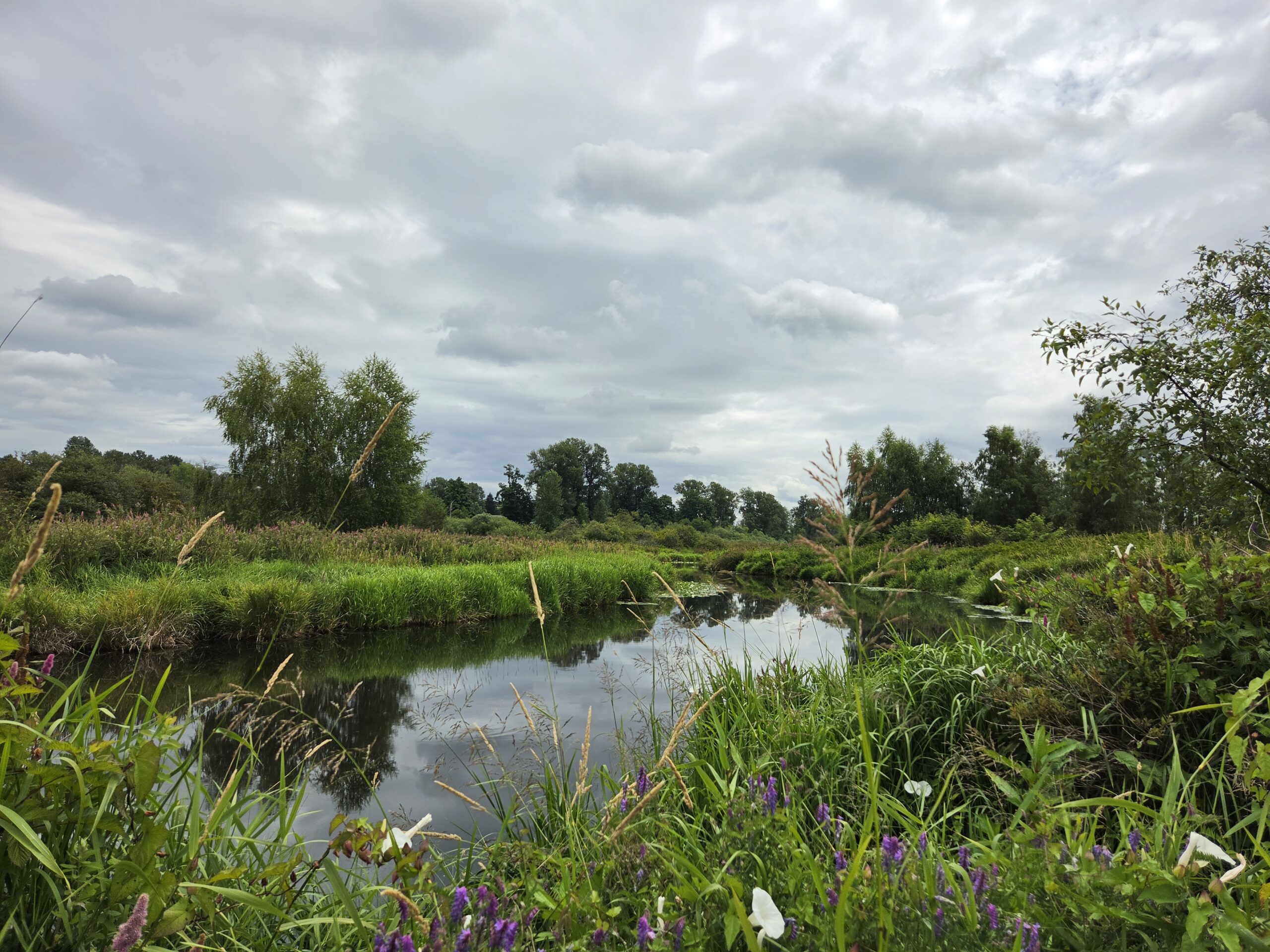
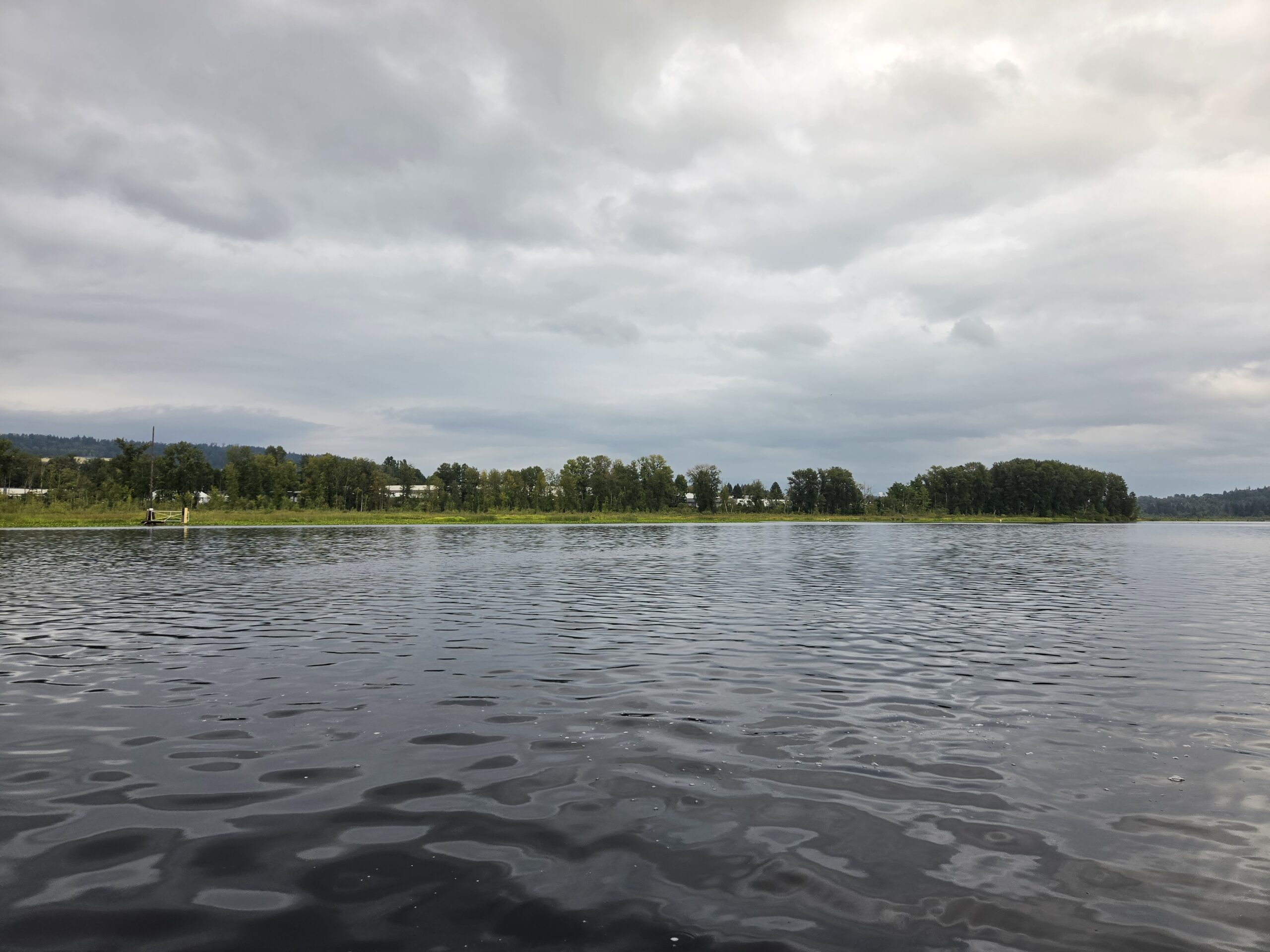
Looking north across the lake from the rowing pavilion.
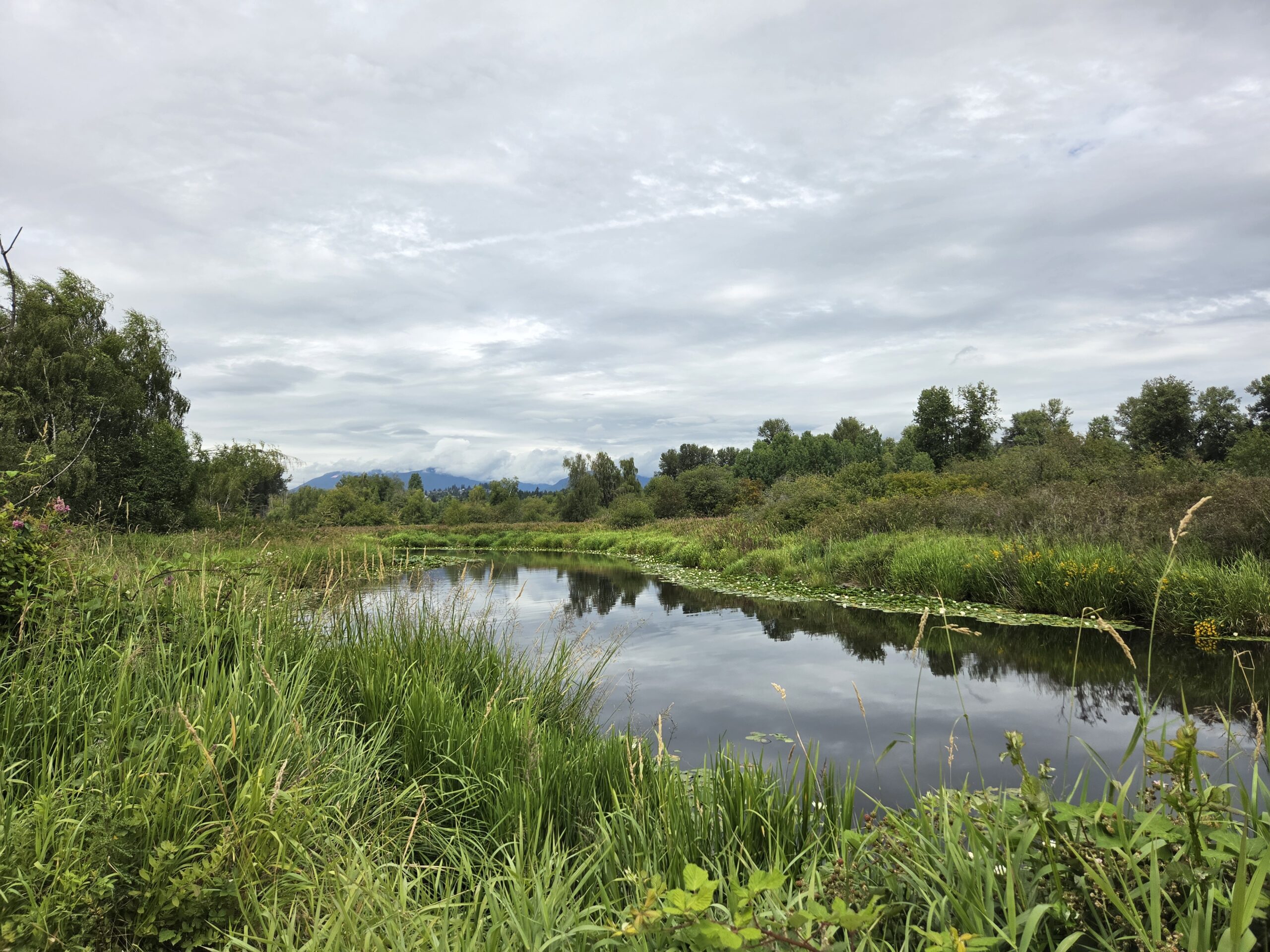
Burnaby Lake Regional Park

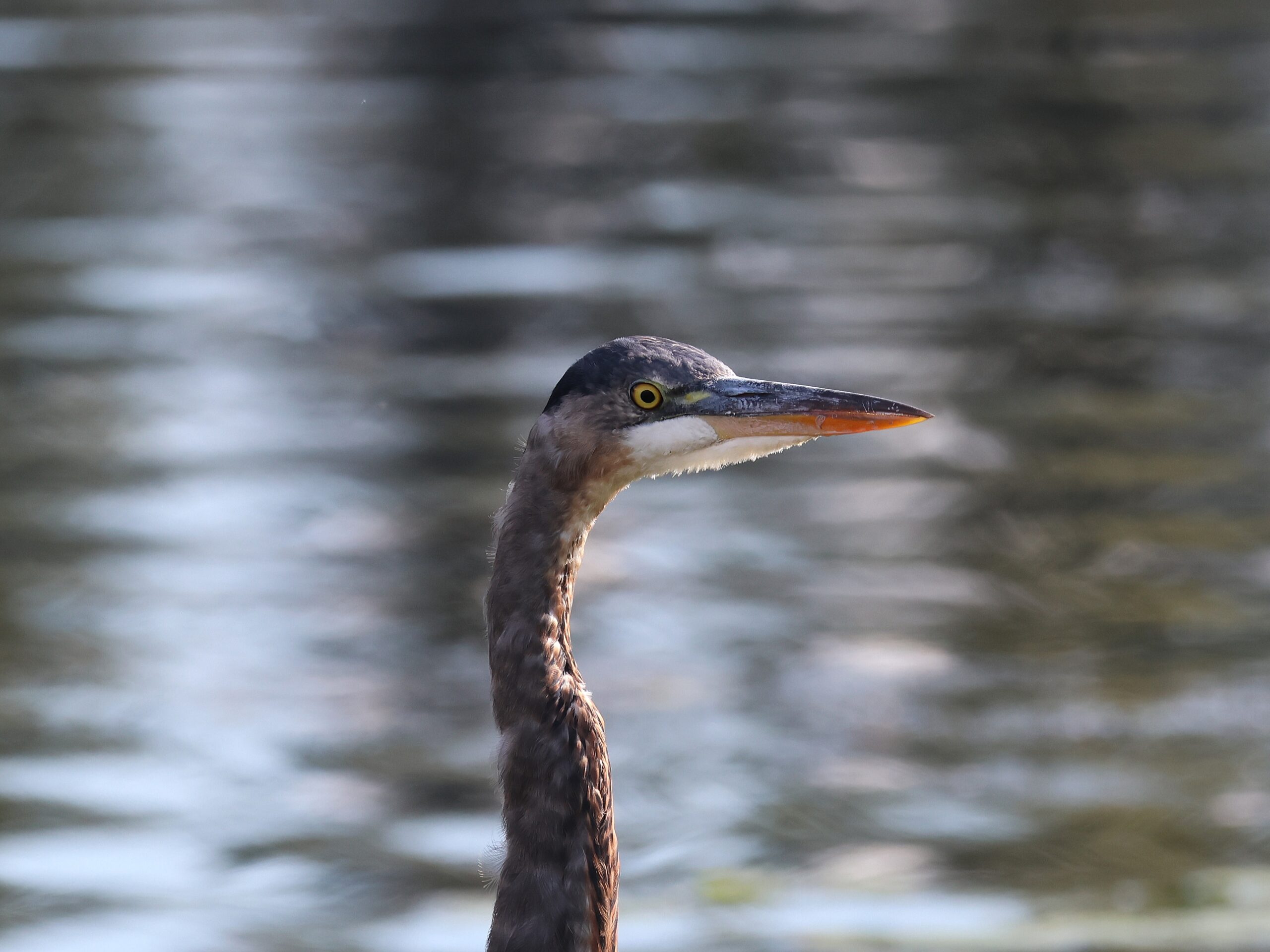
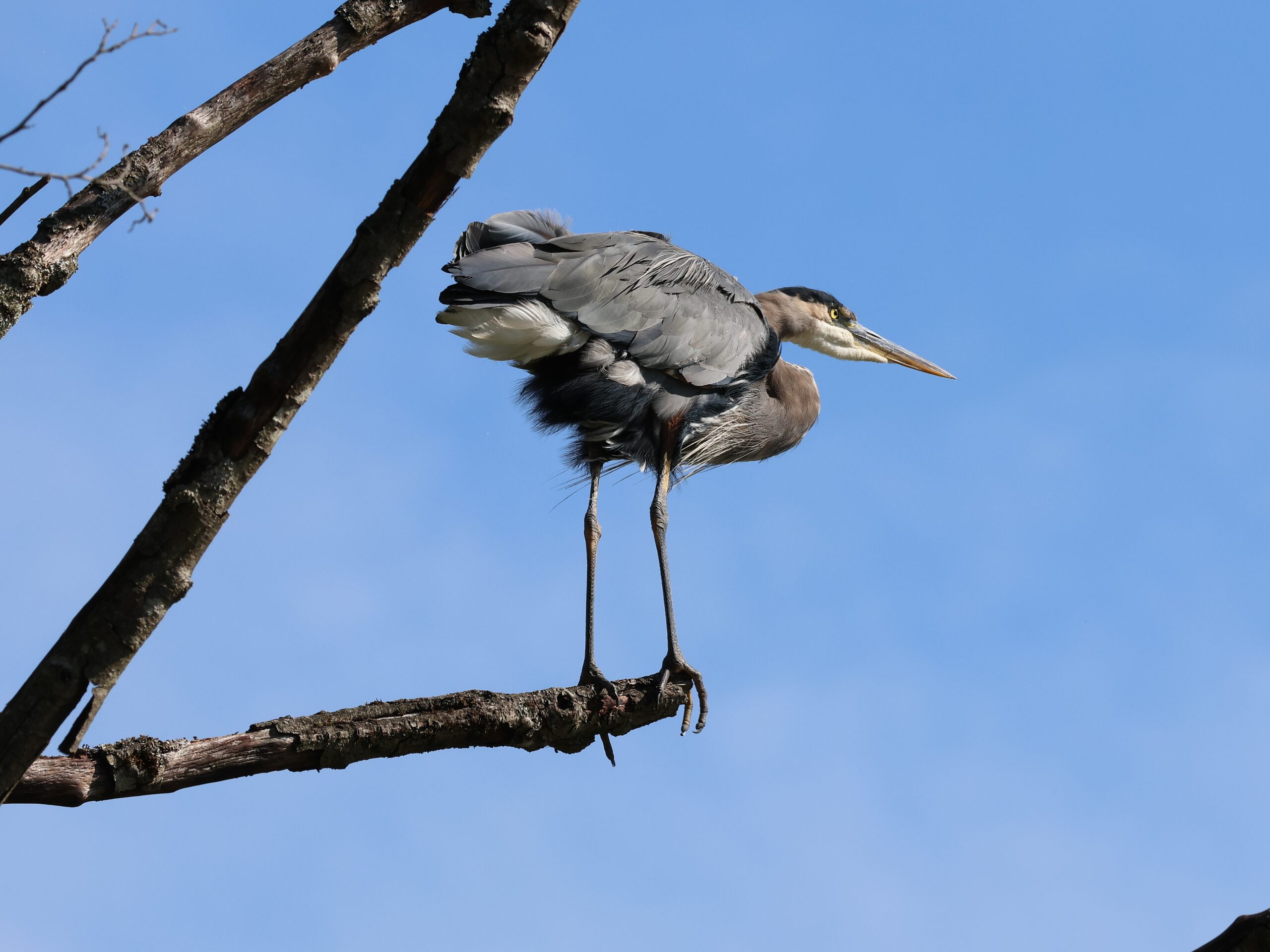
We checked out the west end of Burnaby Lake again and it started with the flash of promise–a fleeting Savannah Sparrow. Then we saw no birds, but did catch some nice scenery. When we got to a view of the lake (something that may surprise a lot of people: on the 10 km loop around the lake, there aren’t actually many clear views of the lake itself) we saw a Great Blue Heron holding vigil in a tree far above us. It started to ruffle its feathers and I figured this meant one of two things: imminent flight, or pooping. But it tricked us and stayed put, even doing the one-legged thing.

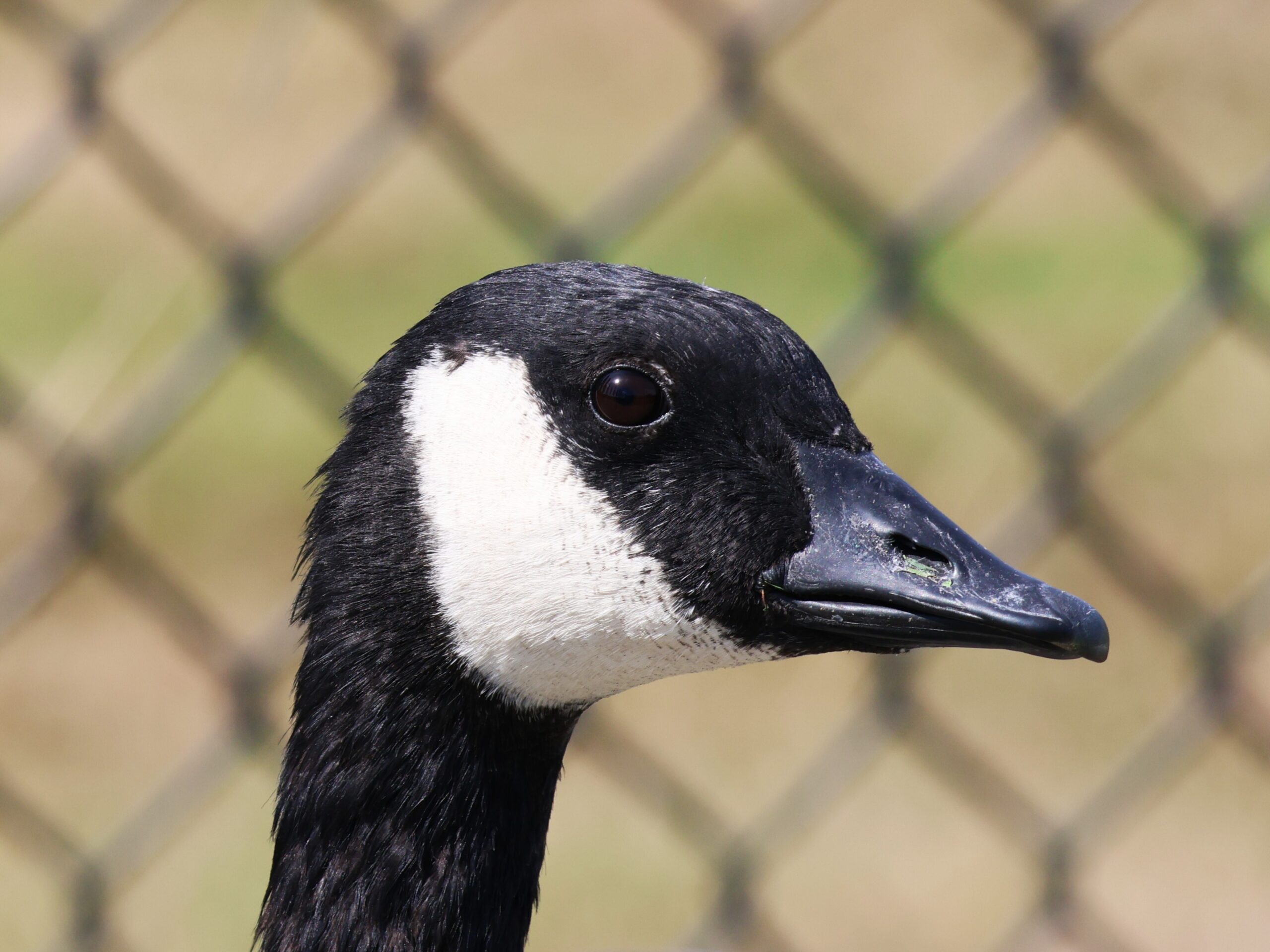
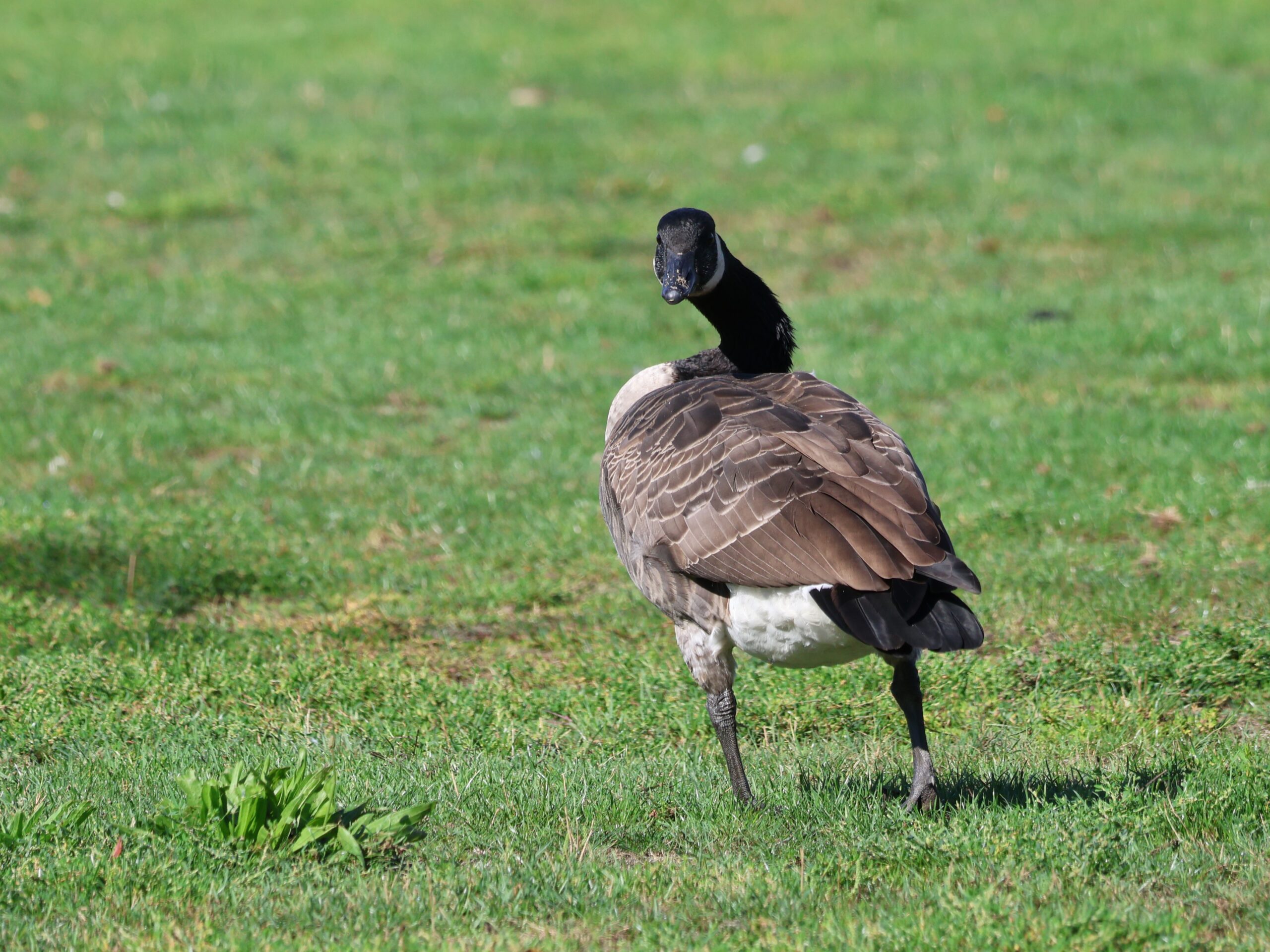
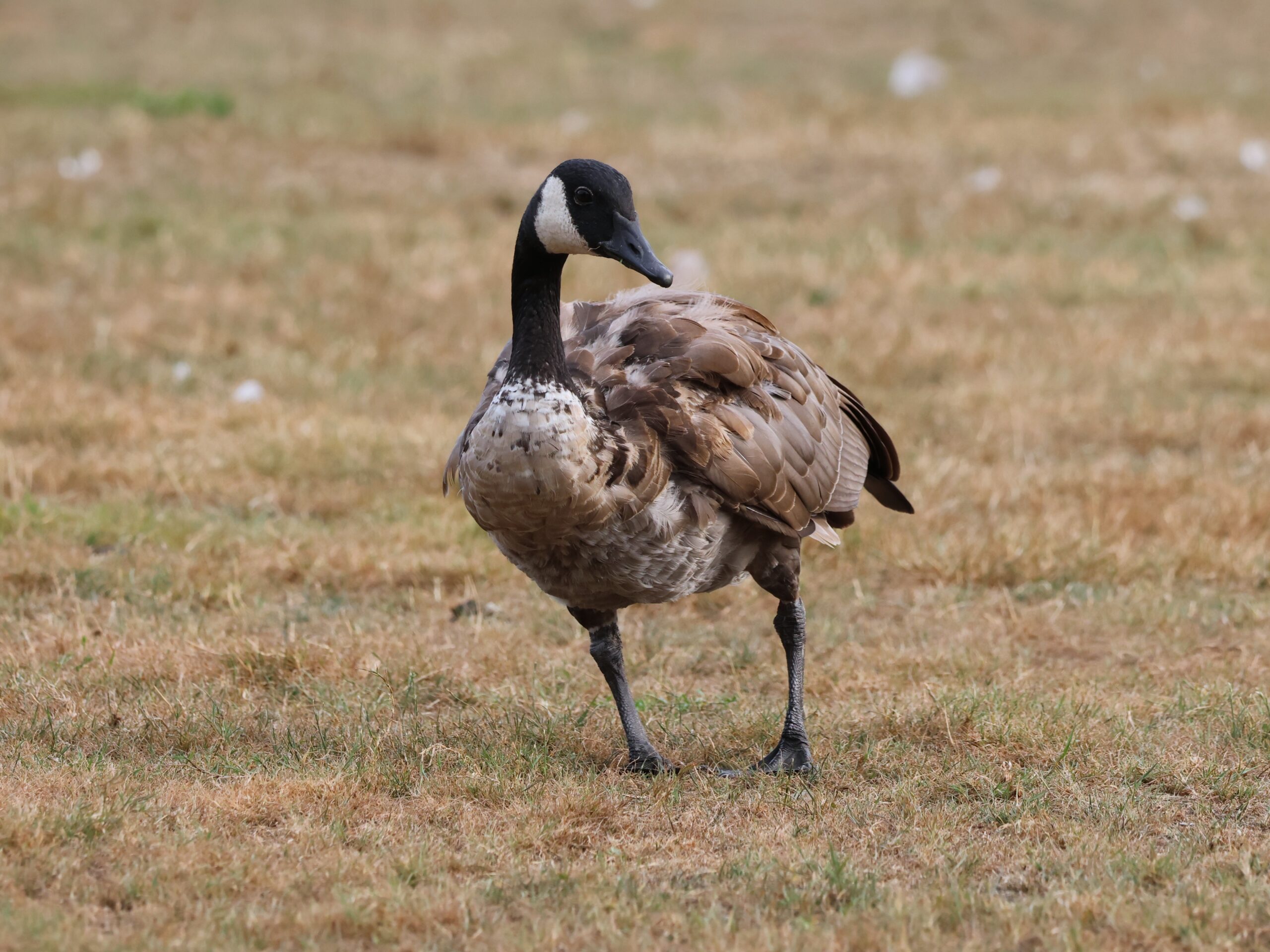
As always we saw Canada Geese, both on the ground and in flight, with and without dander stuck to their bills. No Xtreme molting this time, though.

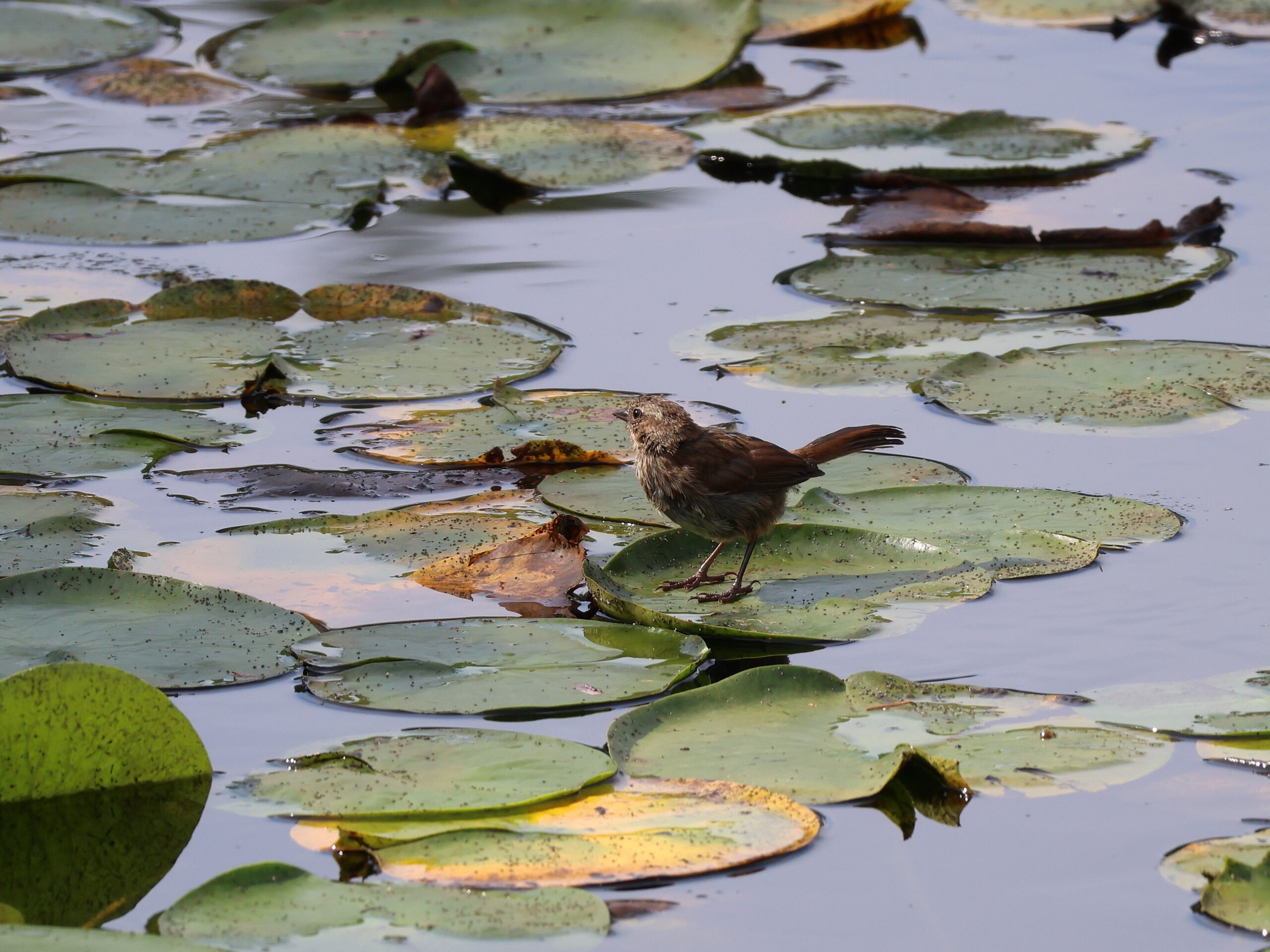
At the bridge over Deer Lake Brook we watched a Song Sparrow bouncing from lily pad to lily pad, thinking it was drinking, but further examination revealed the lily pads were festooned with bite-sized bugs perfect for noshing on (if you’re a Song Sparrow).

Nic opted to not try to shoot a Barn Swallow at the rowing pavilion. I was a little surprised some are still hanging around. Maybe it felt bad for us, since there were no fall migrants to be seen. Maybe they are waiting until actual fall starts.

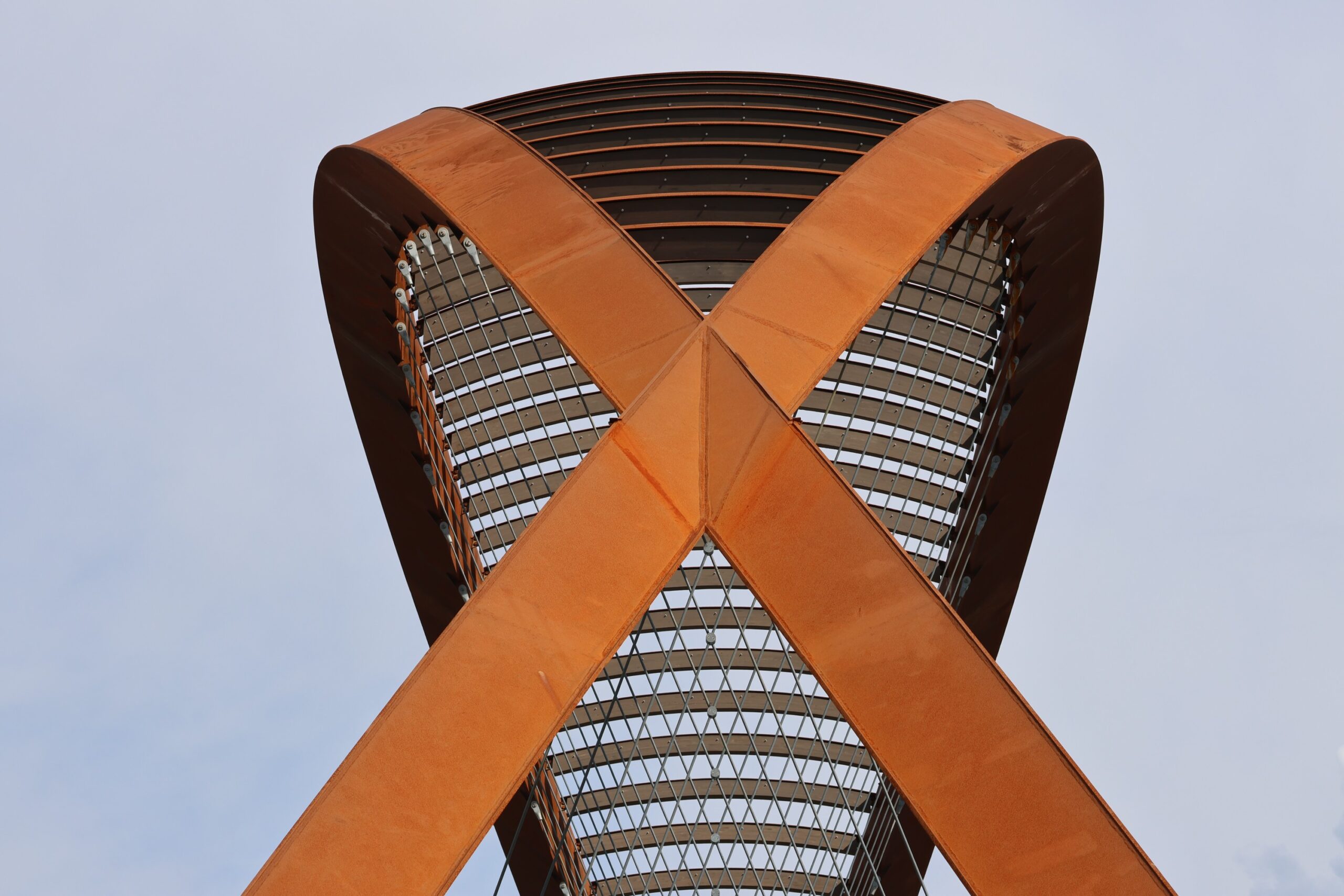
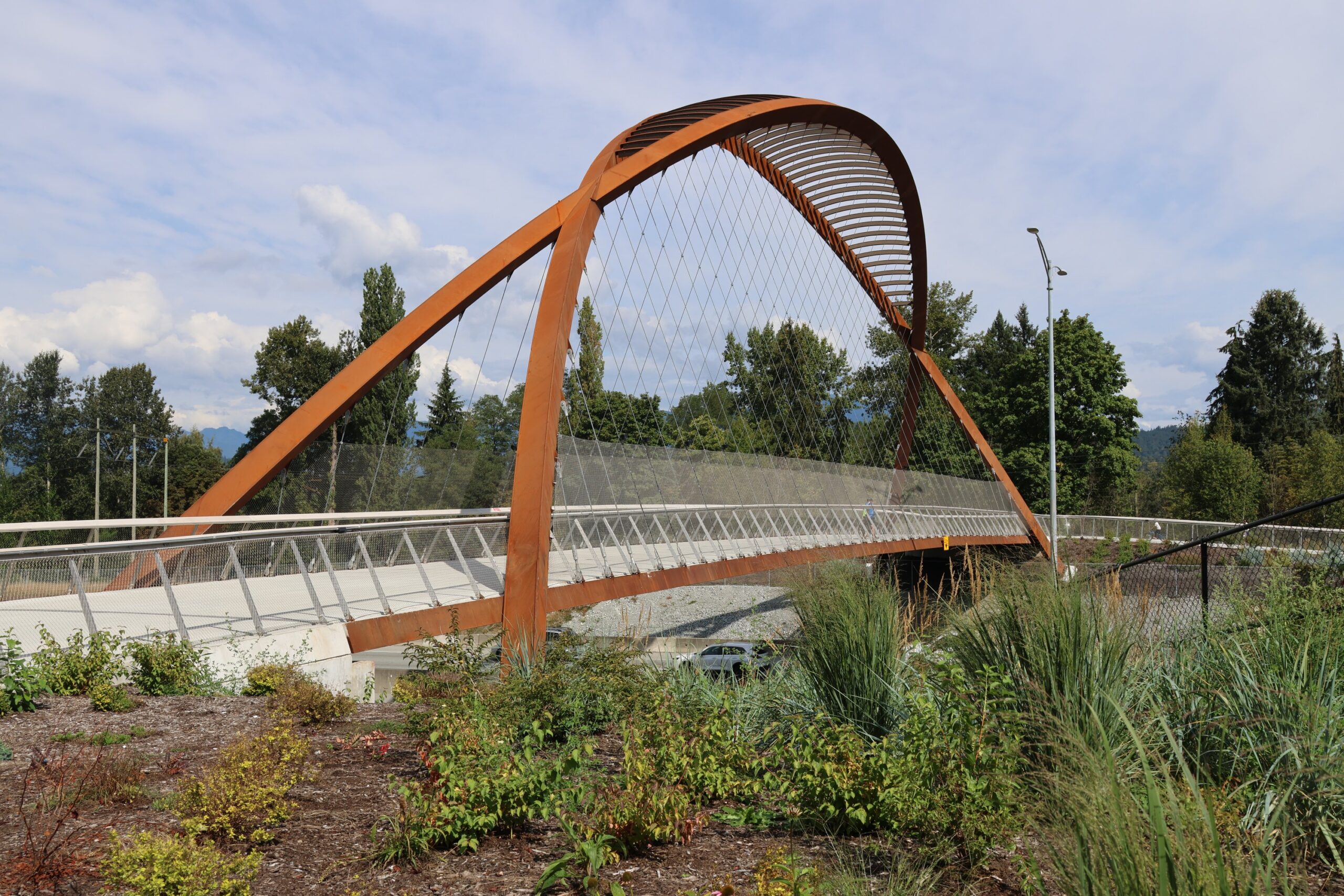
We crossed over the new pedestrian bridge again, and with the better light, I got some semi-artsy shots of it.

In all, it was a nice trek, even if birds were scant.

Tlahutum Regional Park

The big pond at Tlahutum, now with water again.

There were a few more birds at Tlahutum, but being mid-afternoon, they proved a bit elusive, often chirping and singing from the trees, but not venturing out into the sun. We did catch sightings of House Finches and American Goldfinches. One goldfinch even cooperatively landed on a railing not far ahead of us, but my camera inexplicably refused to focus on it and it flew off. The goldfinch, not my camera. I was a but peeved, but technology, amirite?

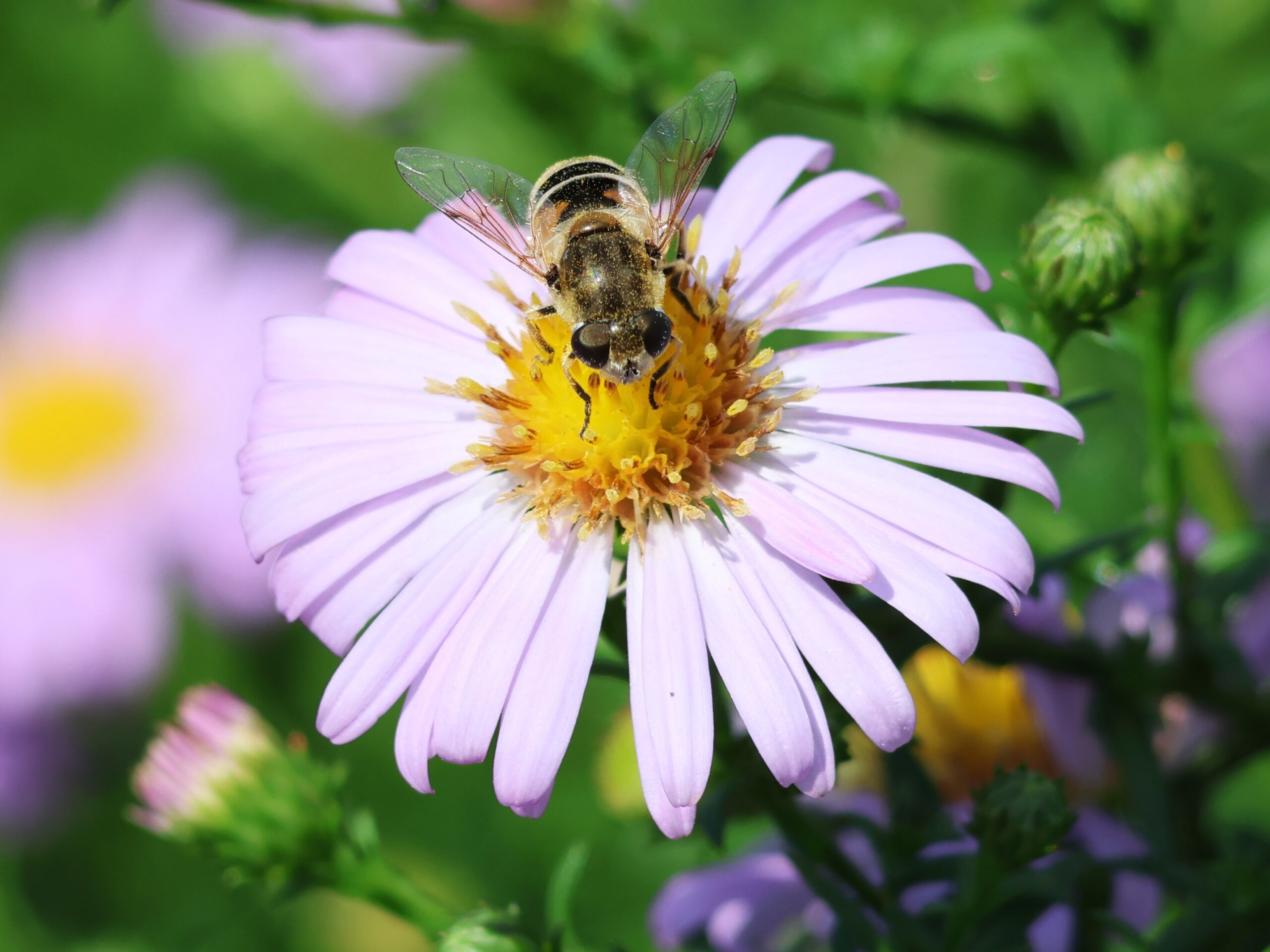
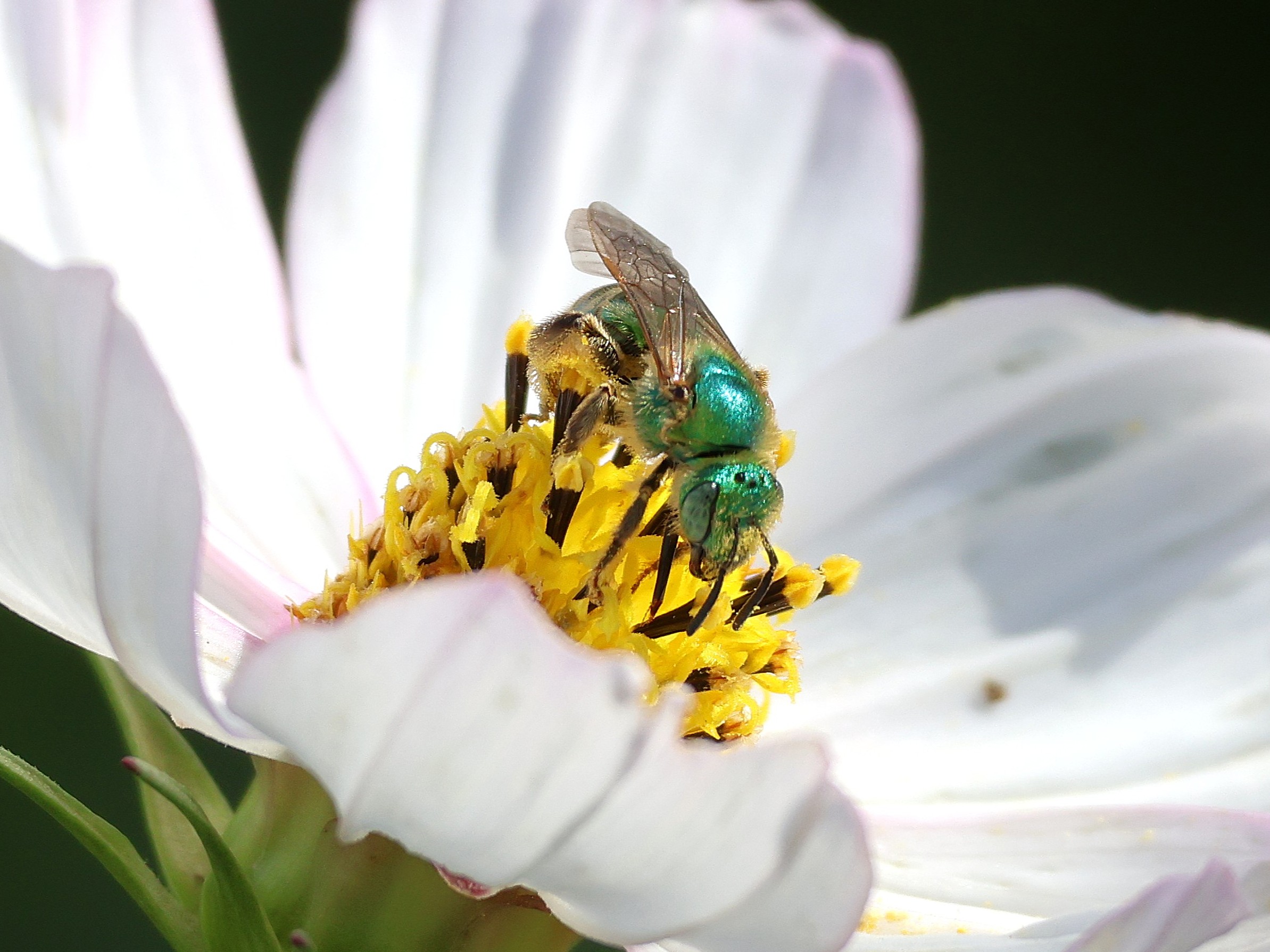
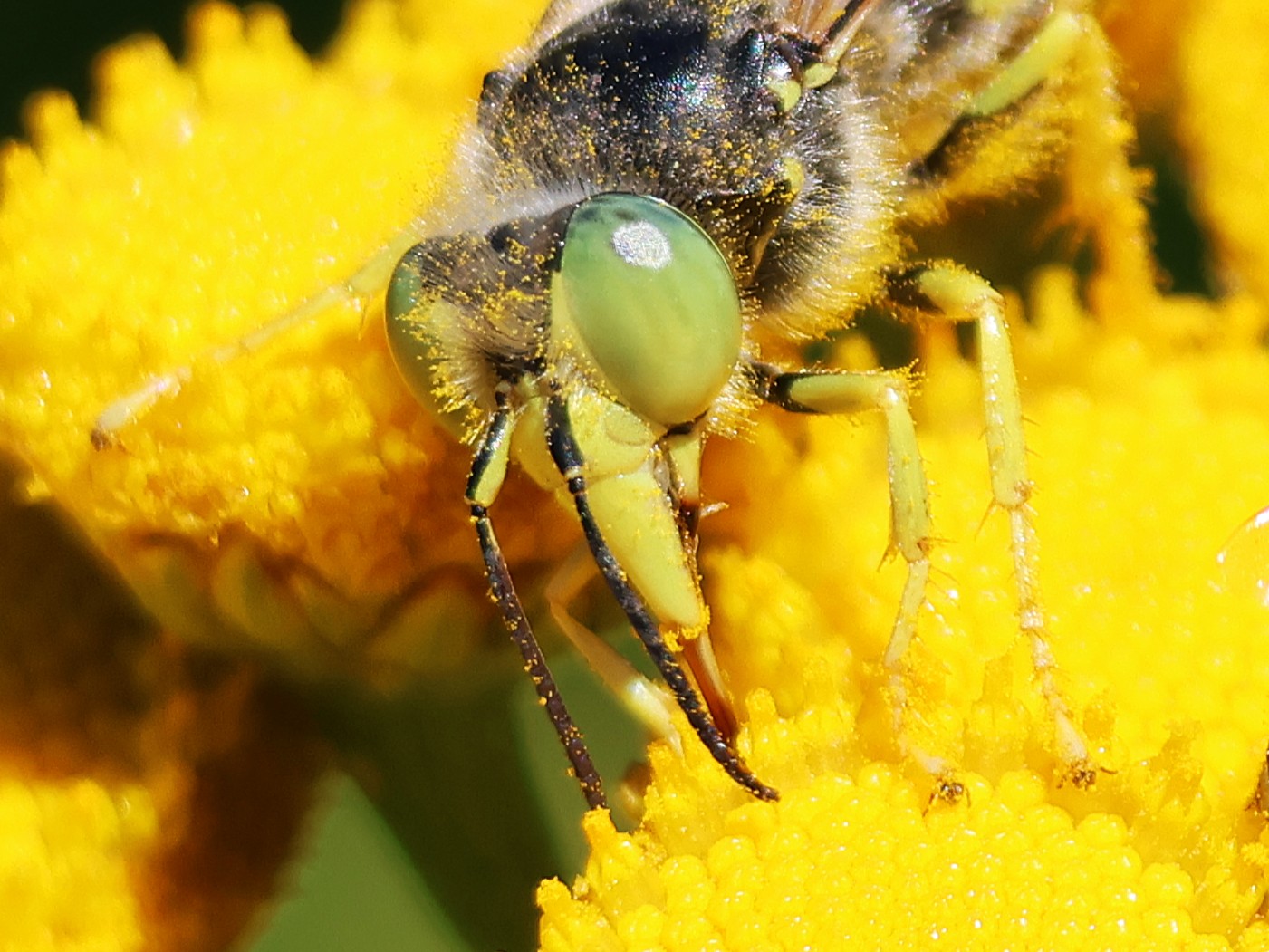
We had better luck with pollinators, including a hover fly, another freaky sweat bee (?!) that was a shiny green, unlike the previous shiny blue one we saw. Or maybe they change colours. I don’t know how they work.

We saw a spider on the trail and got some shots, but looking at them later, we discovered the spider was carrying a whole load of babies on its back. Both delightful and terrifying.

We also saw a White-crowned Sparrow that had something very wrong with its face, though we couldn’t determine what it was–a mess of feathers on its right side that seemed to be obscuring the eye. It seemed to be faring all right, but was annoyed by whatever it was.

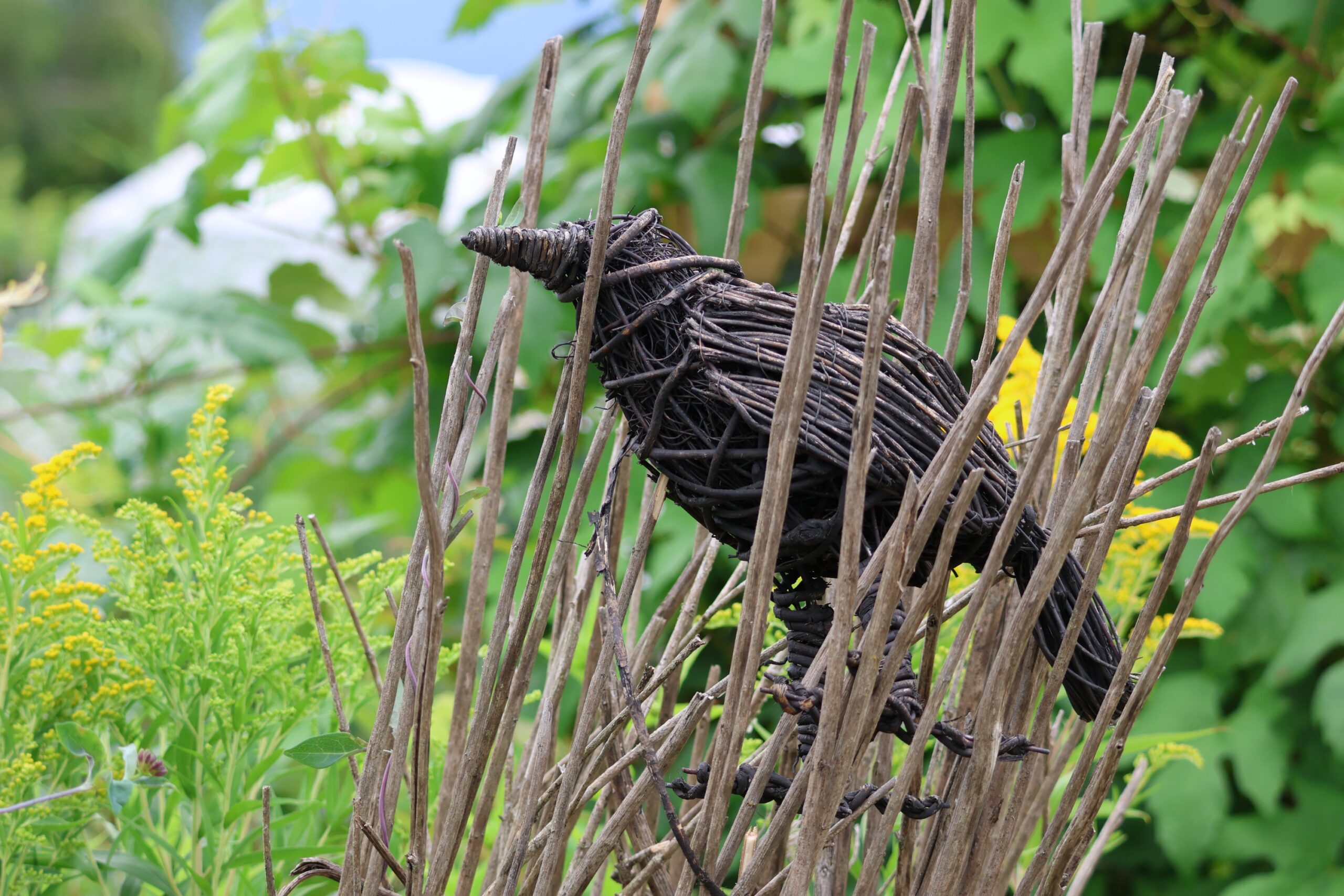
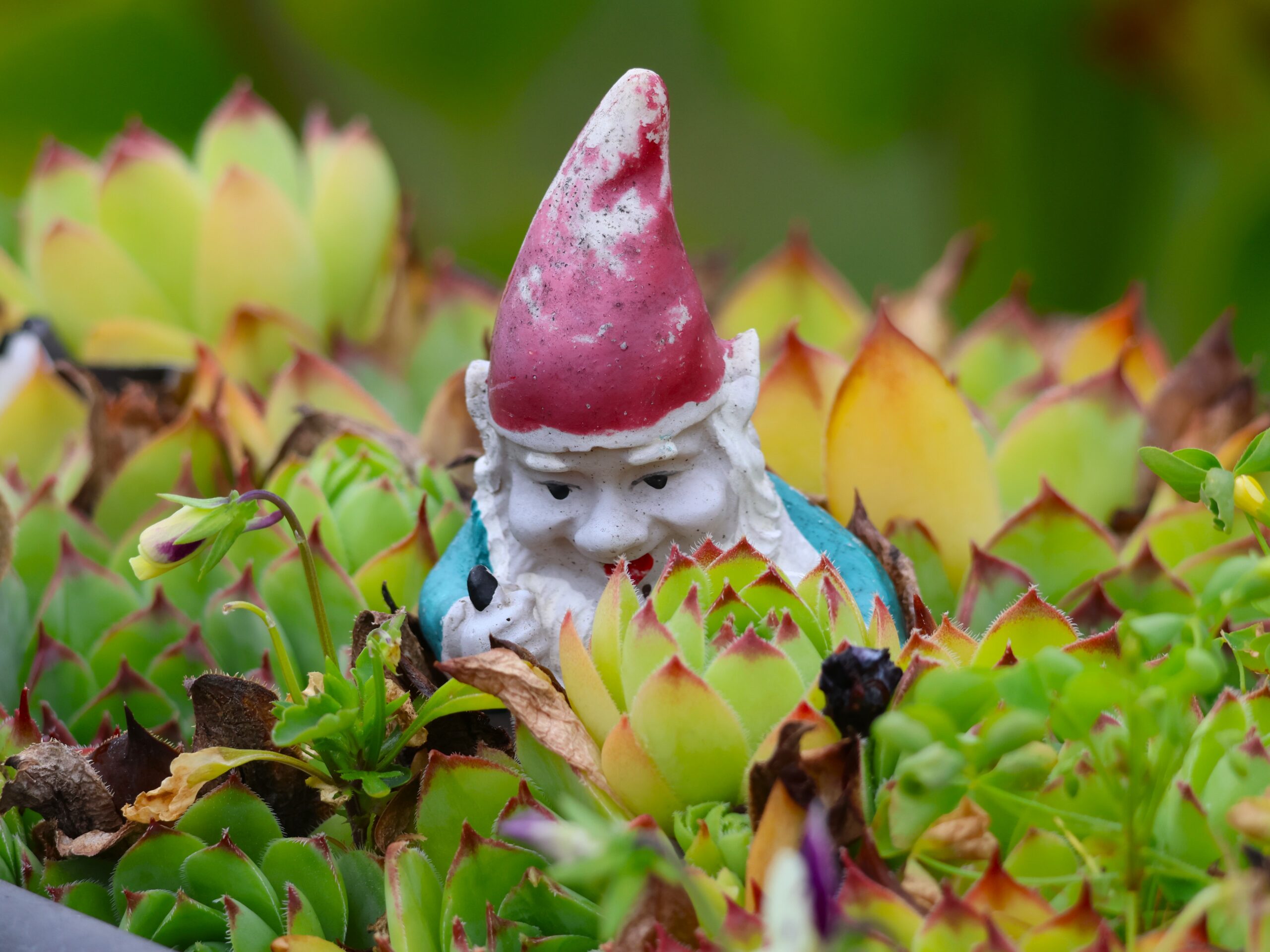
With birds keeping to themselves, I shot more kitsch than usual and experimented more with composition and just taking weird shots of things. I amused myself.

In the end, not a lot of bird shots (or shots, period) but it was nice to be out and the weather was a lot better than the original forecast, so hooray for that.

The Shots

All photos shot with a Canon EOS R7 with 18–150 mm kit lens and 100–400 mm telephoto unless otherwise noted.

The Birds (and other critters)

Sparrows and sparrow-adjacent:

  • American Goldfinch
  • Anna’s Hummingbird
  • Barn Swallow
  • Black-capped Chickadee (heard)
  • House Finch
  • Savannah Sparrow
  • Song Sparrow
  • Spotted Towhee (heard)
  • White-crowned Sparrow
  • Yellow-rumped Warbler

Waterfowl and shorebirds:

  • Canada Goose
  • Great Blue Heron
  • Mallard
  • Wood Duck

Common:

  • American Crow
  • Rock Pigeon

Raptors:

  • None!

Non-birds:

  • Assorted pollinators
  • A ladybug
  • A fuzzy caterpillar
  • A spider and her brood
  • The promise of frogs, but no actual frogs (again)

August 22 2026 birding gallery is up (finally)

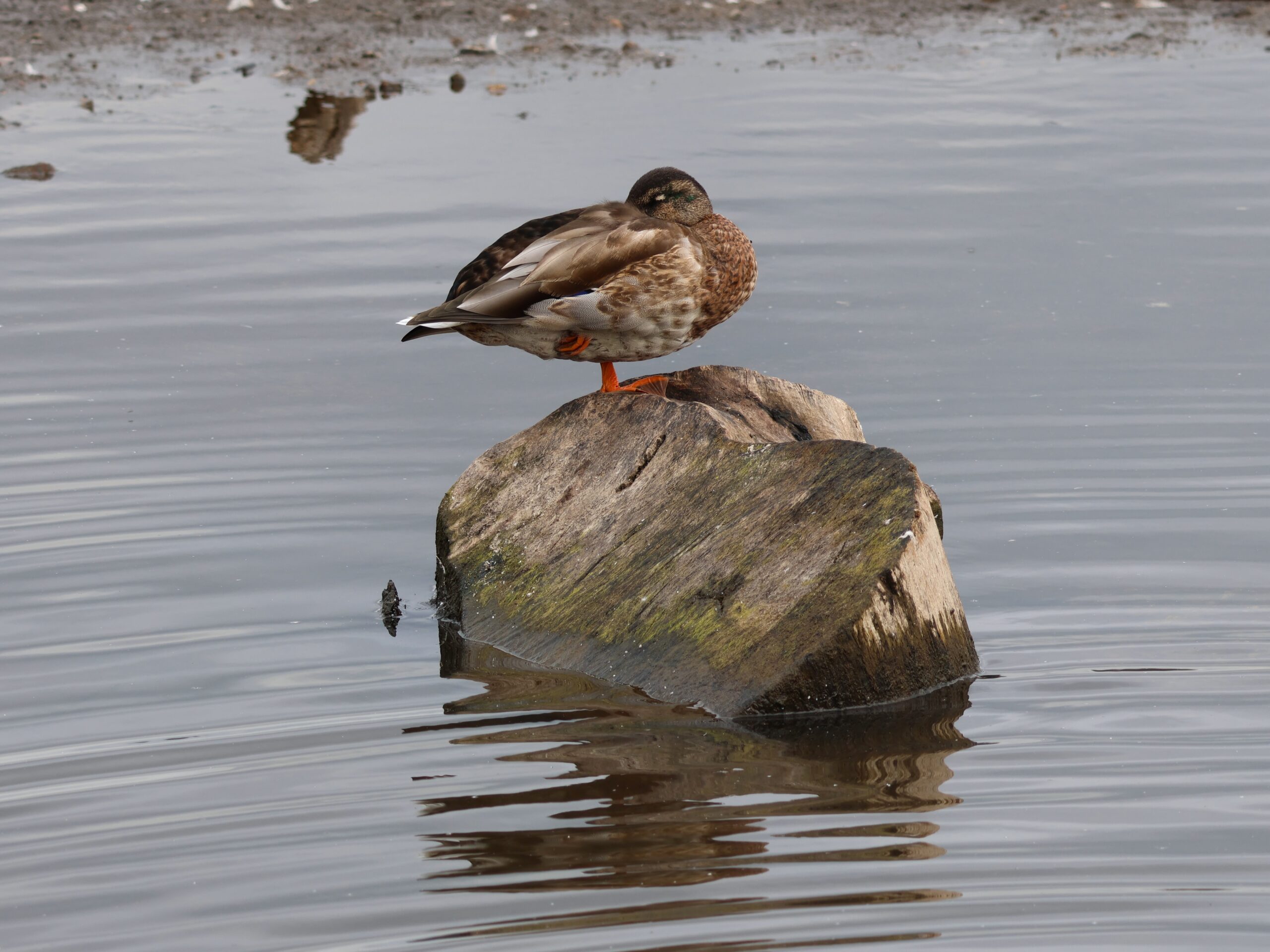
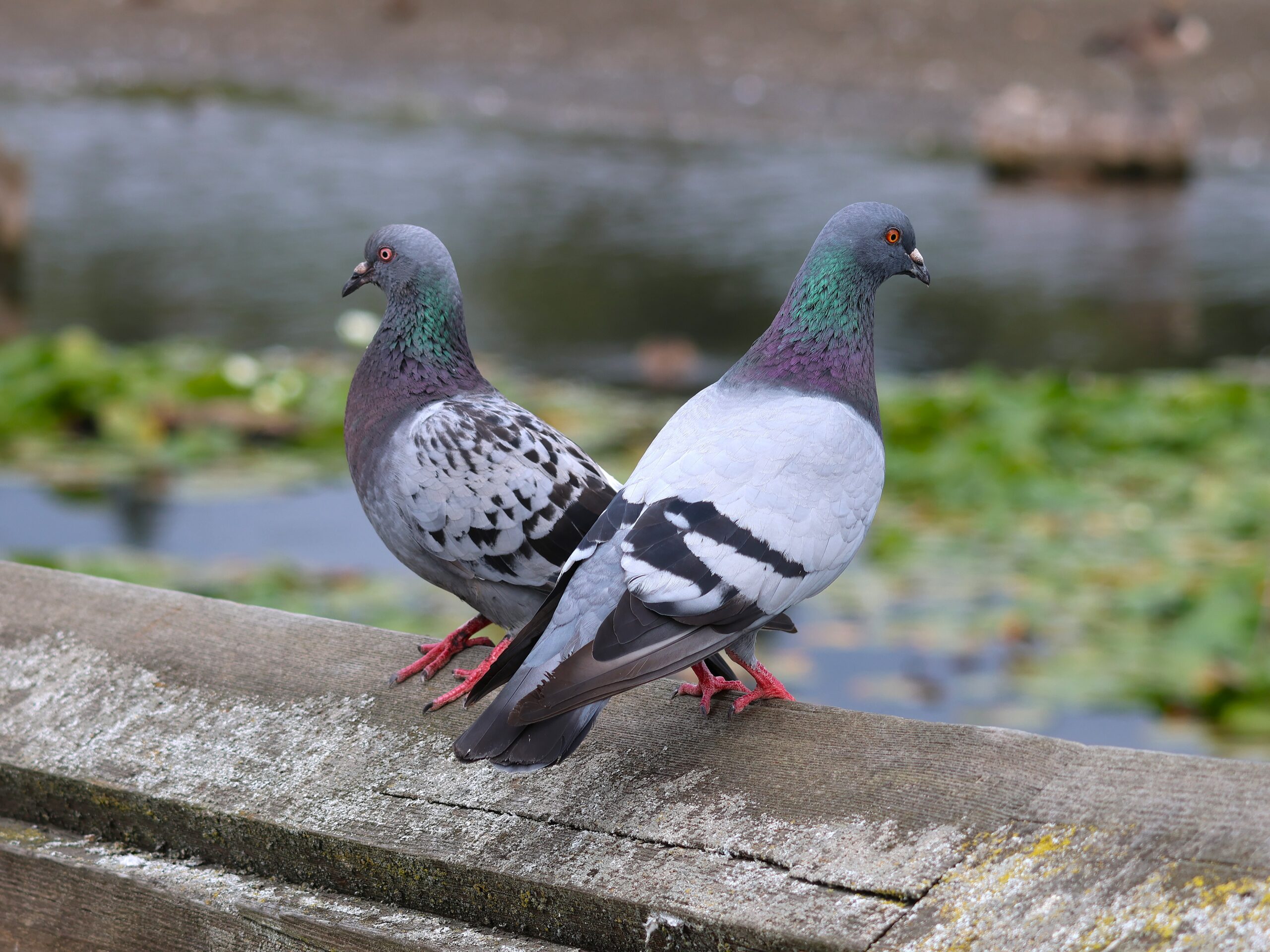
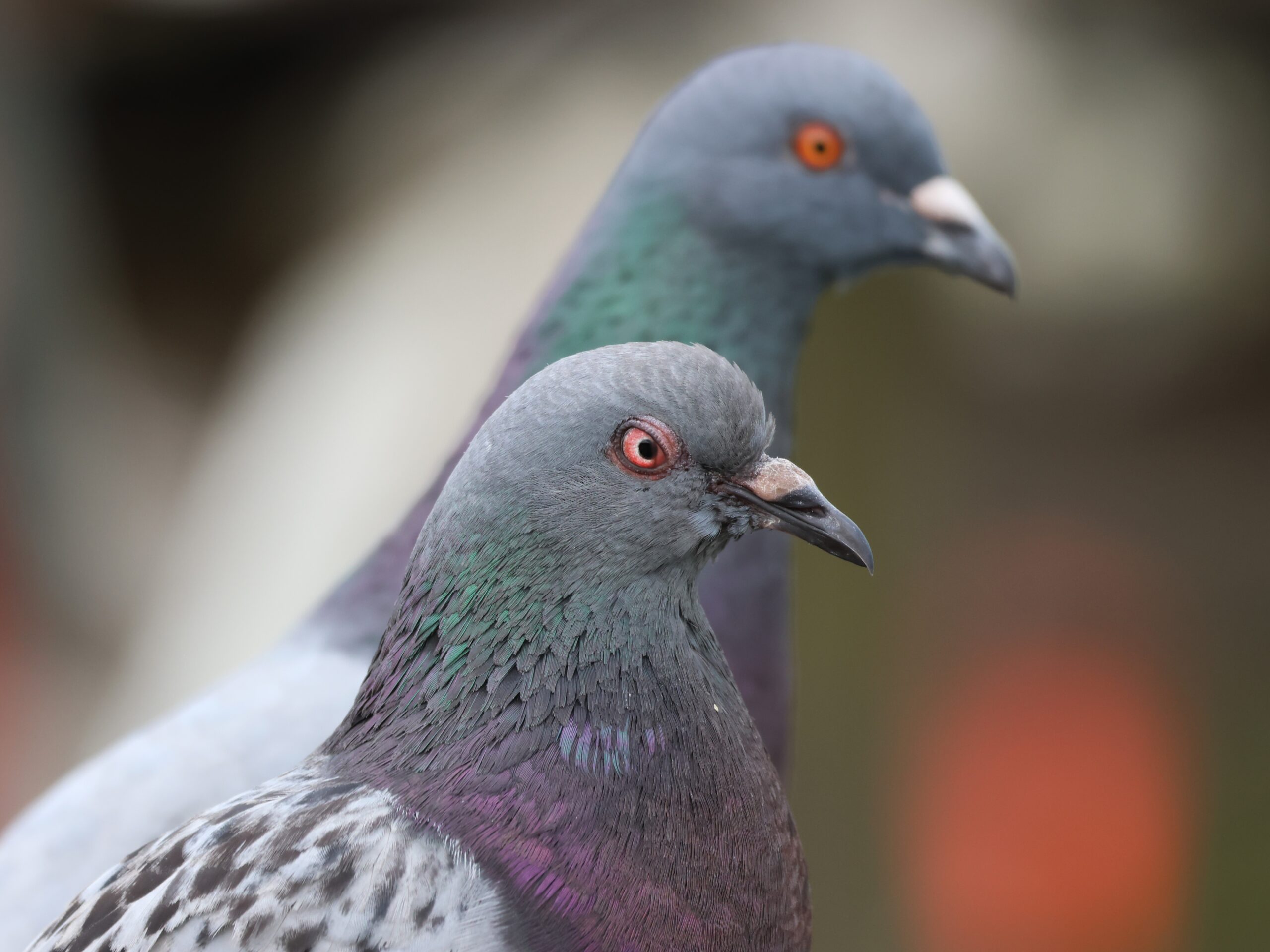
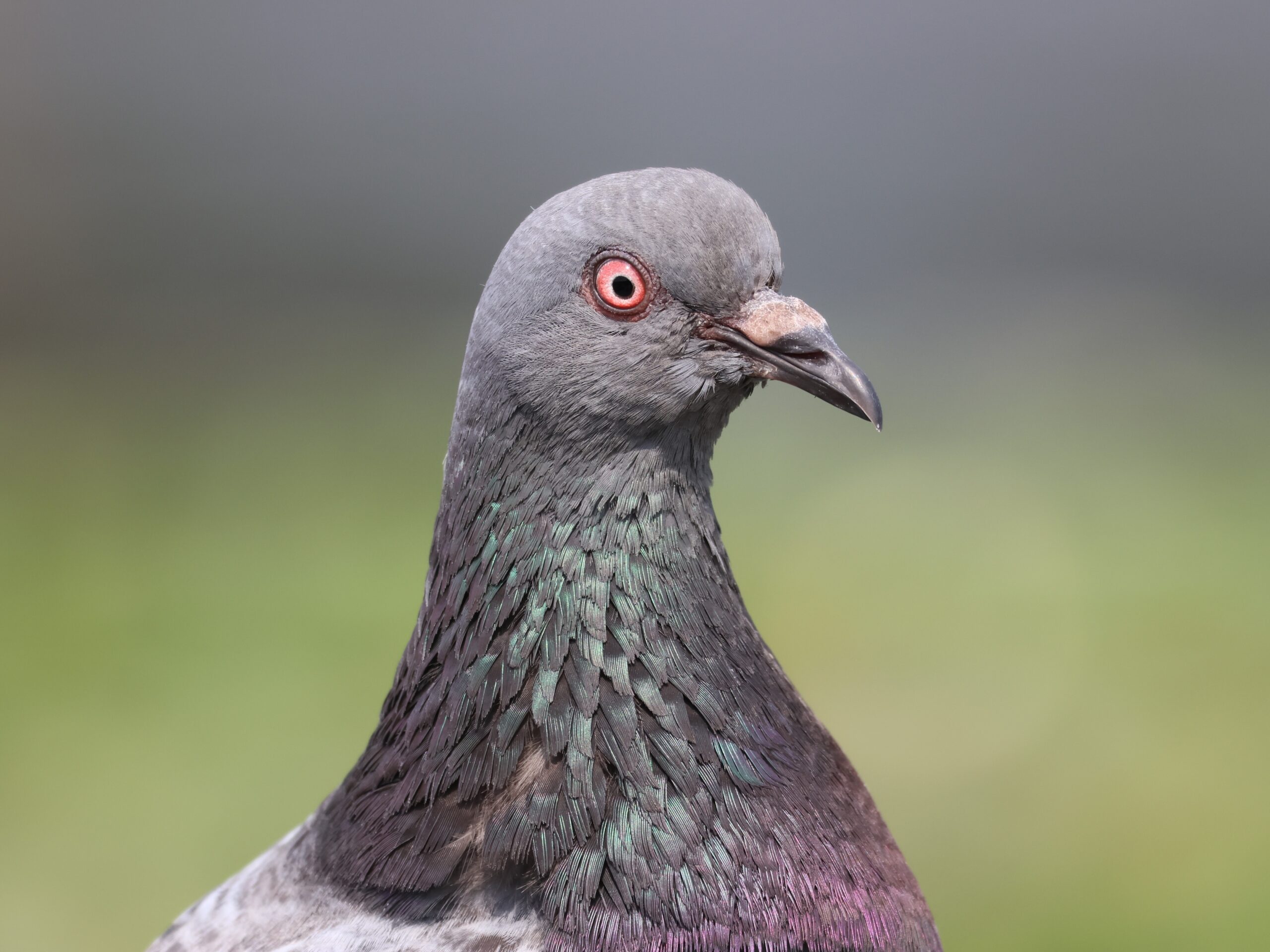
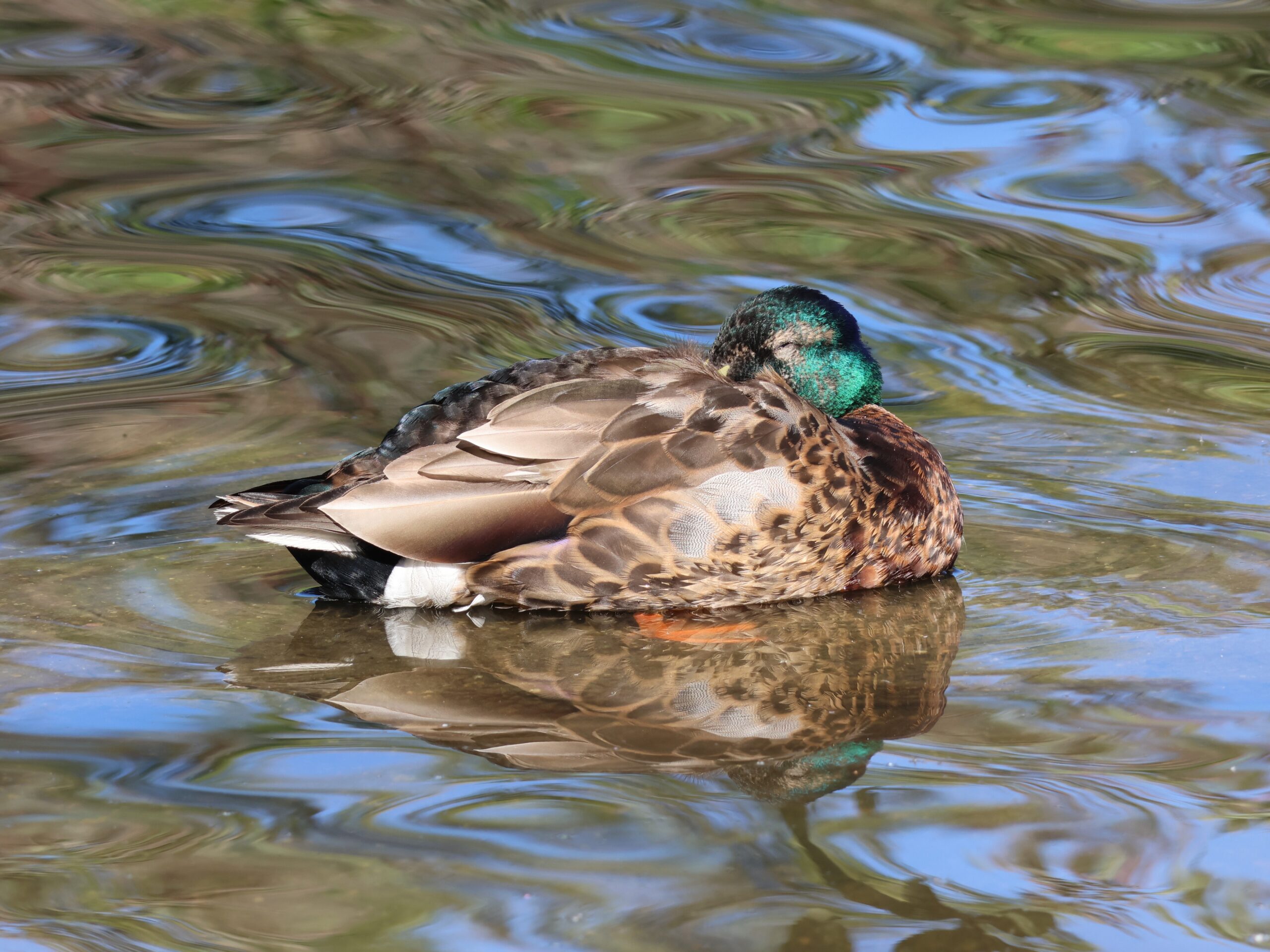
A wee bit late with this one. It’s a kooky mix of snoozing ducks, weird shots of random objects and pigeons.

Original post here: Birding, August 22, 2026: When life gives you mallards…

Birding, August 22, 2026: When life gives you mallards…

Where: Burnaby Lake Regional Park (Burnaby)
Weather: Cloudy, 21°C

…you take a lot of photos of mallards. But there were other birds and things, too.

Burnaby Lake Regional Park

View from the Rowing Pavilion, where lily pads do not reign supreme.

We started out a bit late and under cloudy skies that threatened showers, but it actually stayed dry while we were out and at 21C, it was quite comfy. We got some early shots of Ol’ Stabby Face (a Great Blue Heron) at the Cariboo Dam, but saw very few birds on the 2 km walk up the trail to Piper Spit.

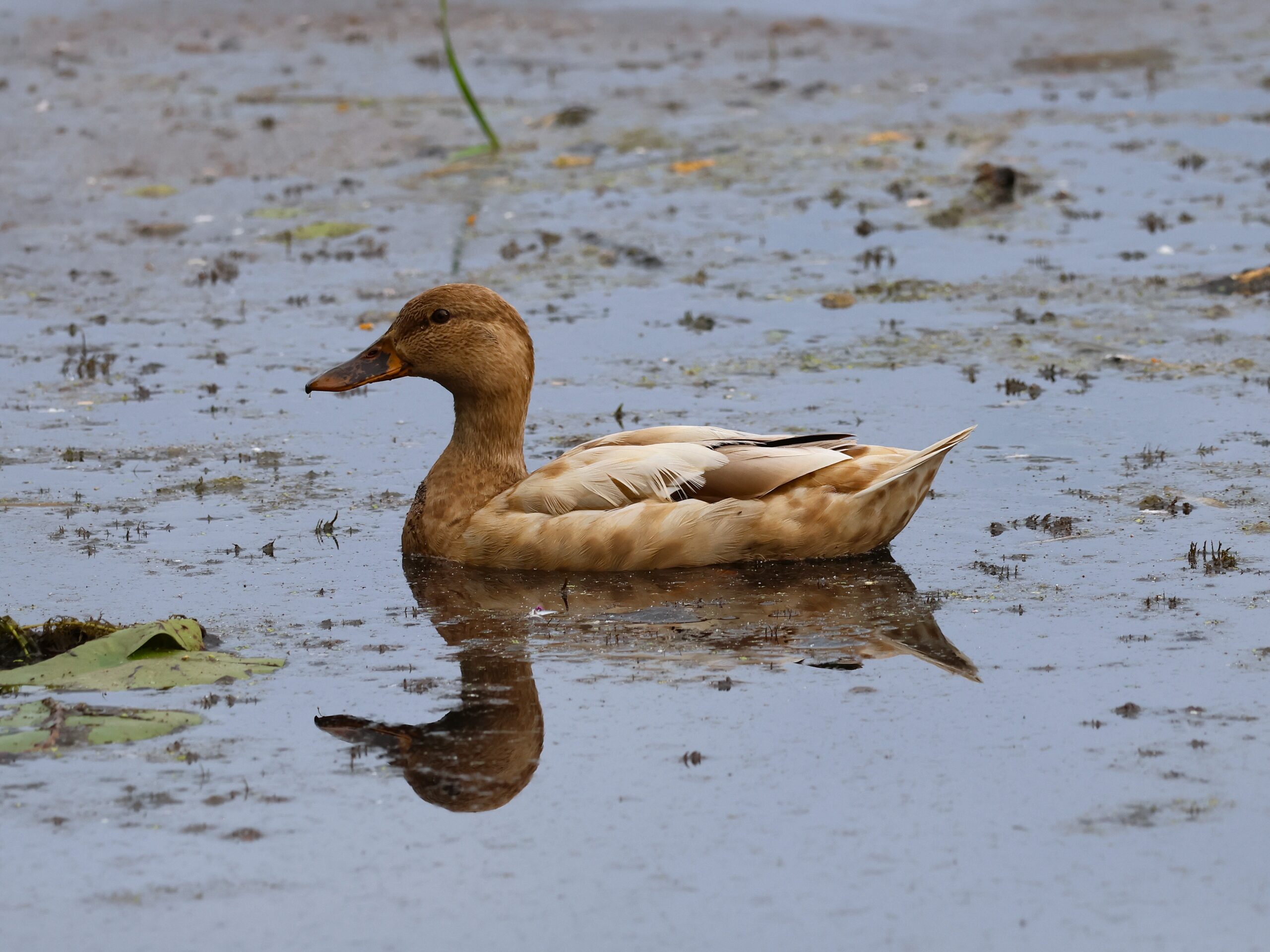
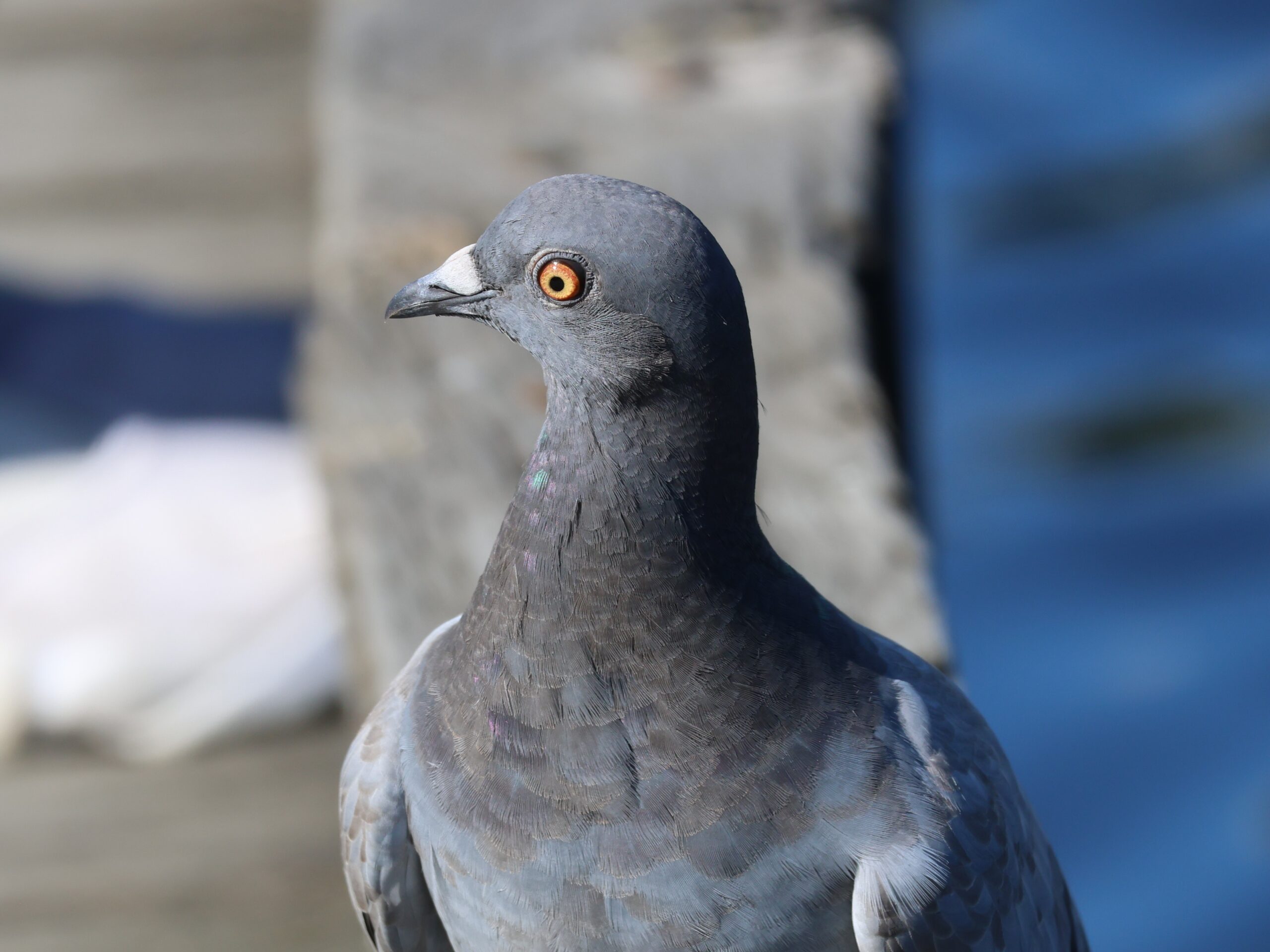
Once at Piper Spit, we noted very few people (unsurprising, given the weather) and most of the people who were there had Very Big Lenses. The fall migrants are still flapping their way here, so we had to make do with the locals, which mostly meant Mallards and plenty of ’em. A few males are starting to show tiny bits of their iridescent green again, as they get ready to pretty up for the fall. There were also plenty of Wood Ducks and geese, as well as a few gulls and some pigeons, including at least one young pigeon sporting a relatively undeveloped bump thing on its beak. You know what I’m talking about. And yes, I could look up the exact name, but where’s the fun in that?1Fine, it’s called a cere and no one really knows what it does.

There were also some Long-billed Dowitchers toodling about, thanks to the return of shallow water. And speaking of shallow water, the landmass is not only back, it’s expanding and getting rather close to the pier. If that happens, chaos will undoubtedly ensue.

After we wrapped up at the spit, we moved onto the area around Still Creek. The nearby athletic fields were filled with people playing sportsball and geese. The geese were not playing sportsball. One goose was going through some Extreme Molting and looked quite funky. We literally observed feathers popping off. The goose was unperturbed.

We went to the bridge at Deer Lake Brook and spent some time testing its structural integrity by jumping up and down on it like five year olds. Admittedly, I did this a lot more than Nic. It’s fun except for the fact that I was probably actively reducing the lifespan of the bridge (which is getting replaced eventually). Since we were close, we also checked out the new pedestrian/cycling bridge that crosses over the No. 1 highway and connects Burnaby Lake to the area near Deer Lake. It’s a nice bridge. It does not bounce when you jump up and down on it.

On our return back to Still Creek, we got actual shots of actual birbs–in this case, some White-crowned Sparrows snacking around a pump station, so that was a nice way to wrap things up.

And next time, who knows? There may be coots.

The Shots

All photos shot with a Canon EOS R7 with 18–150 mm kit lens and 100–400 mm telephoto unless otherwise noted.

The Birds (and other critters)

Sparrows and sparrow-adjacent:

  • American Goldfinch
  • American Robin
  • Black-capped Chickadee
  • House Finch
  • Song Sparrow
  • White-crowned Sparrow
  • Western Warbling Vireo (heard)

Waterfowl and shorebirds:

  • Canada Goose
  • Great Blue Heron
  • Long-billed Dowitcher
  • Mallard
  • Wood Duck

Common:

  • American Crow
  • Rock Pigeon
  • Some seagulls

Raptors:

  • None!

Non-birds:

  • Assorted pollinators
  • A cricket
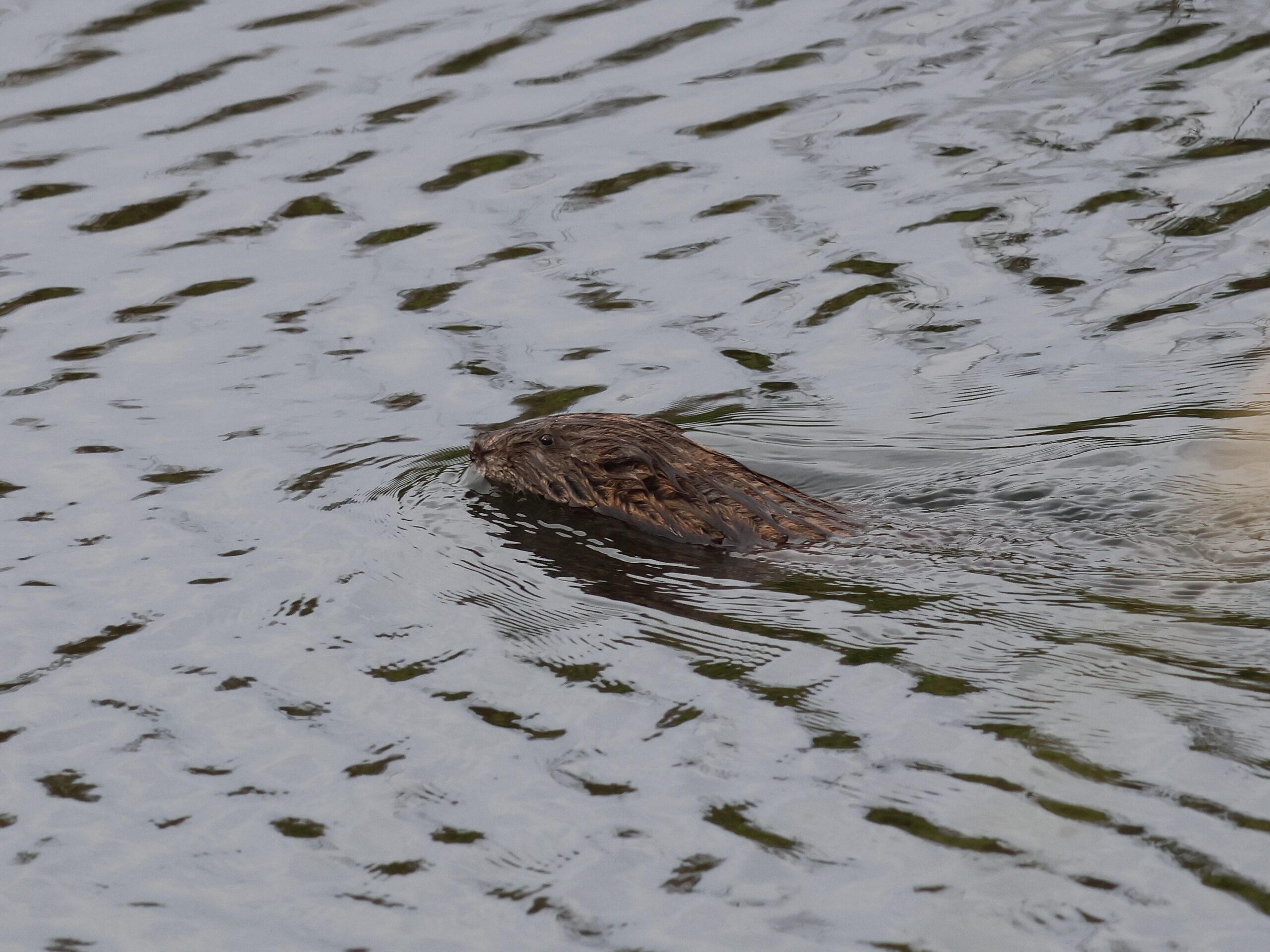
  • An otter. Or a muskrat. One of those. But not both.
  • The promise of frogs, but no actual frogs

Birding, July 25, 2026: Briny beaches and between bridges

Where: Maplewood Flats (North Vancouver), Burnaby Lake (Burnaby), Tlahutum Regional Park (Coquitlam)
Weather: Mostly cloudy, some drizzle, 20°C

The alliteration will stop when it gets too terrible even for me.

Maplewood Flats

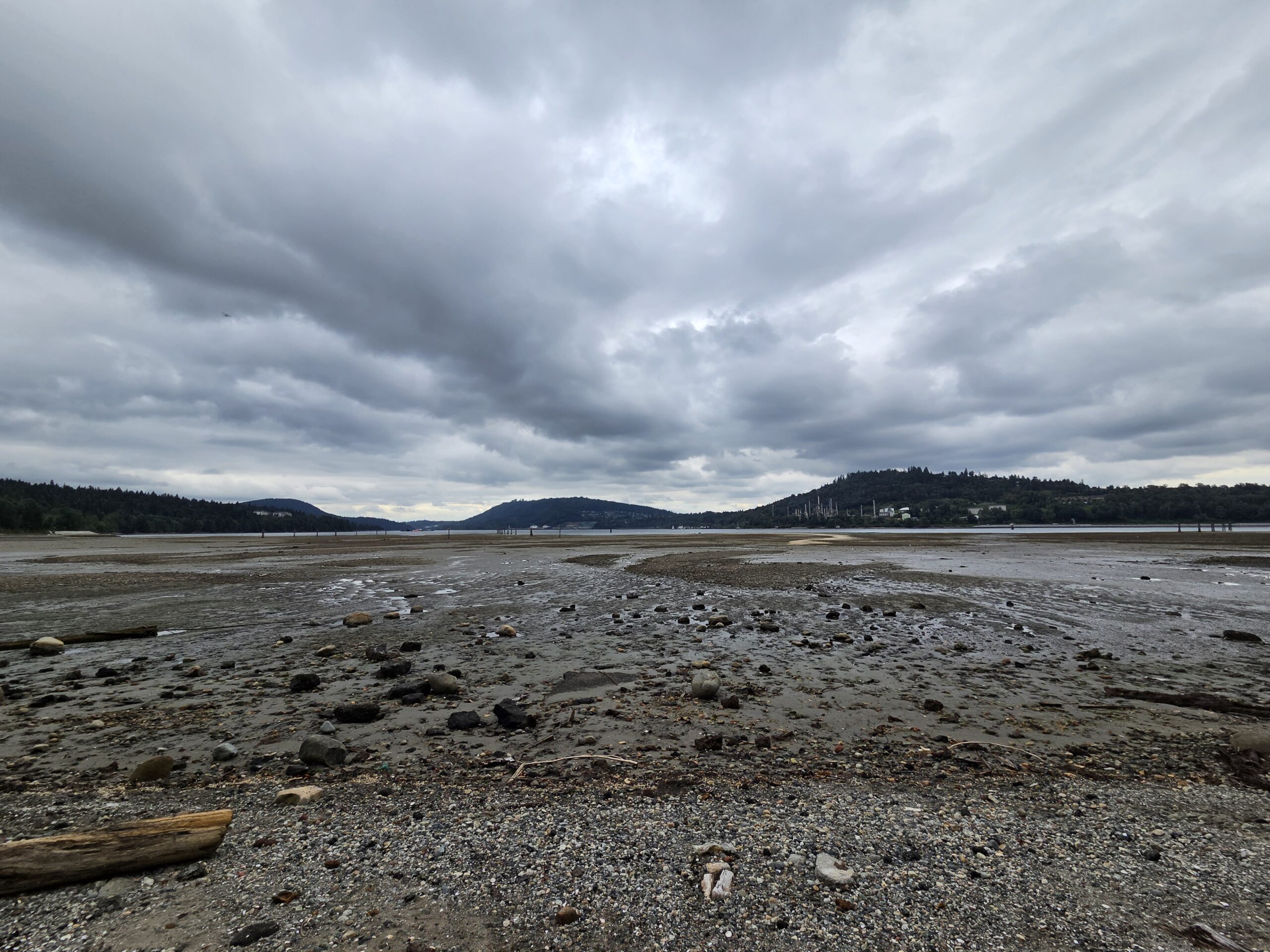
Low tide at Maplewood Flats.

The weather was looking iffy, but we braved not the weather, but traffic, to get to Maplewood Flats (which actually has a big ol’ hill in the middle of it). It was cloudy, but otherwise fine. We saw some bushtits and they were fantastically difficult to capture, as always, along with some mallards, one brooding heron, some gulls and not much else. The scenery was nice and the inlet smelled especially briny, perfect for people who want to “touch ocean.”

Burnaby Lake

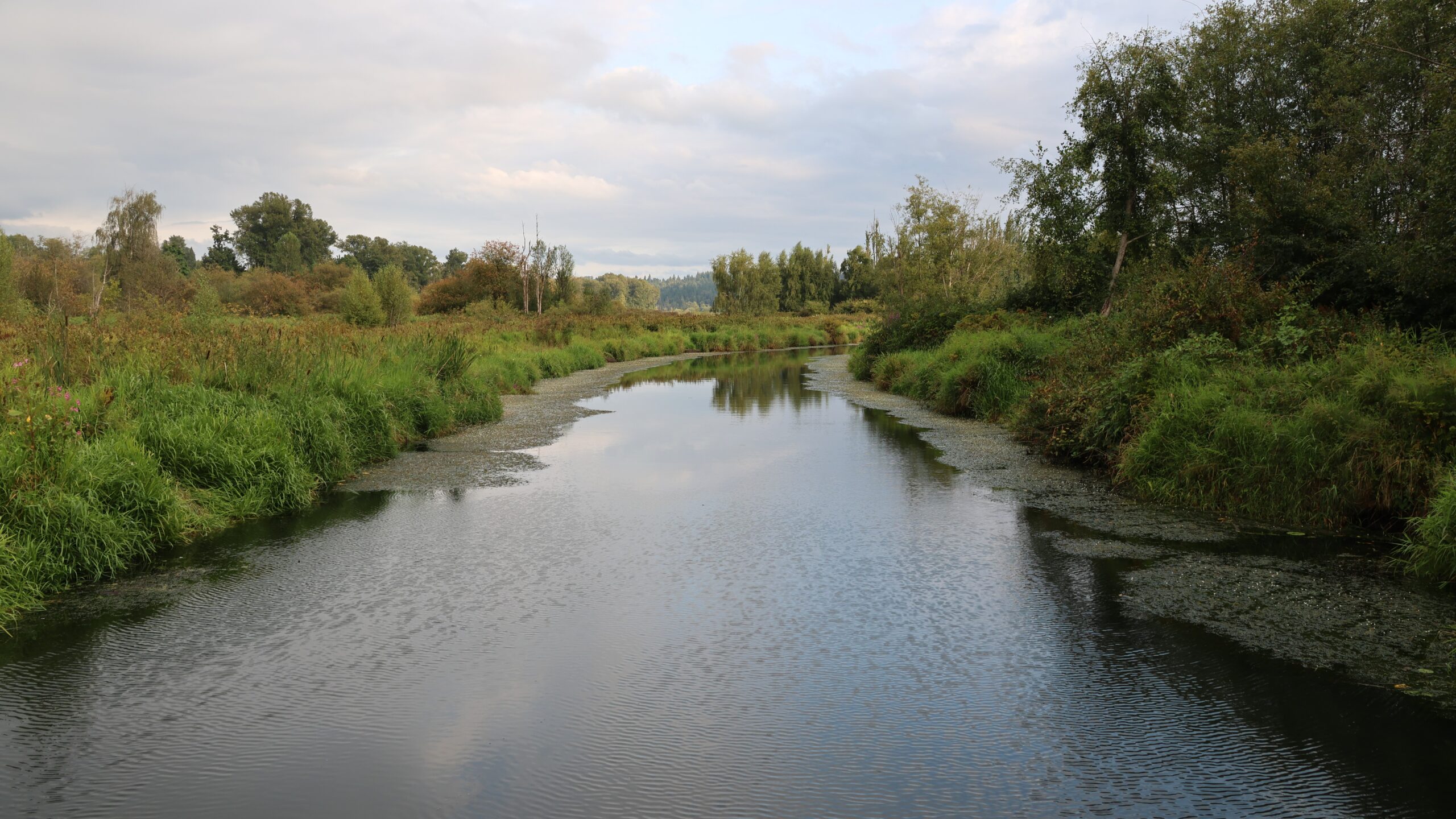
Still Creek doing its thing.

We opted to skip Piper Spit, where no doubt people were hauling giant bags of seed to the pier and shovelling it all into the water. Instead, we did a bridge to bridge walk, starting at Still Creek and going to Deer Lake Brook. Along the way we saw mallards, wood ducks (and youngsters), a rare sighting of a Swainson’s thrush, about a million Canada geese claiming the sports fields, and lots of very pretty scenery. The weather continued to hold, with a very occasional bit of drizzle here and there. The park was busier than I expected, given the weather. Maybe Netflix has finally raised its prices too much.

A person at the rowing club said they’d seen a beaver and indeed, we saw the head of a muskrat or beaver as it swam down Still Creek. I am not expert enough to identify by the back of a head at distance, so I’m going to claim it was a beaver. Maybe THE beaver.

Tlahutum Regional Park

Greenery and signery at the community garden.

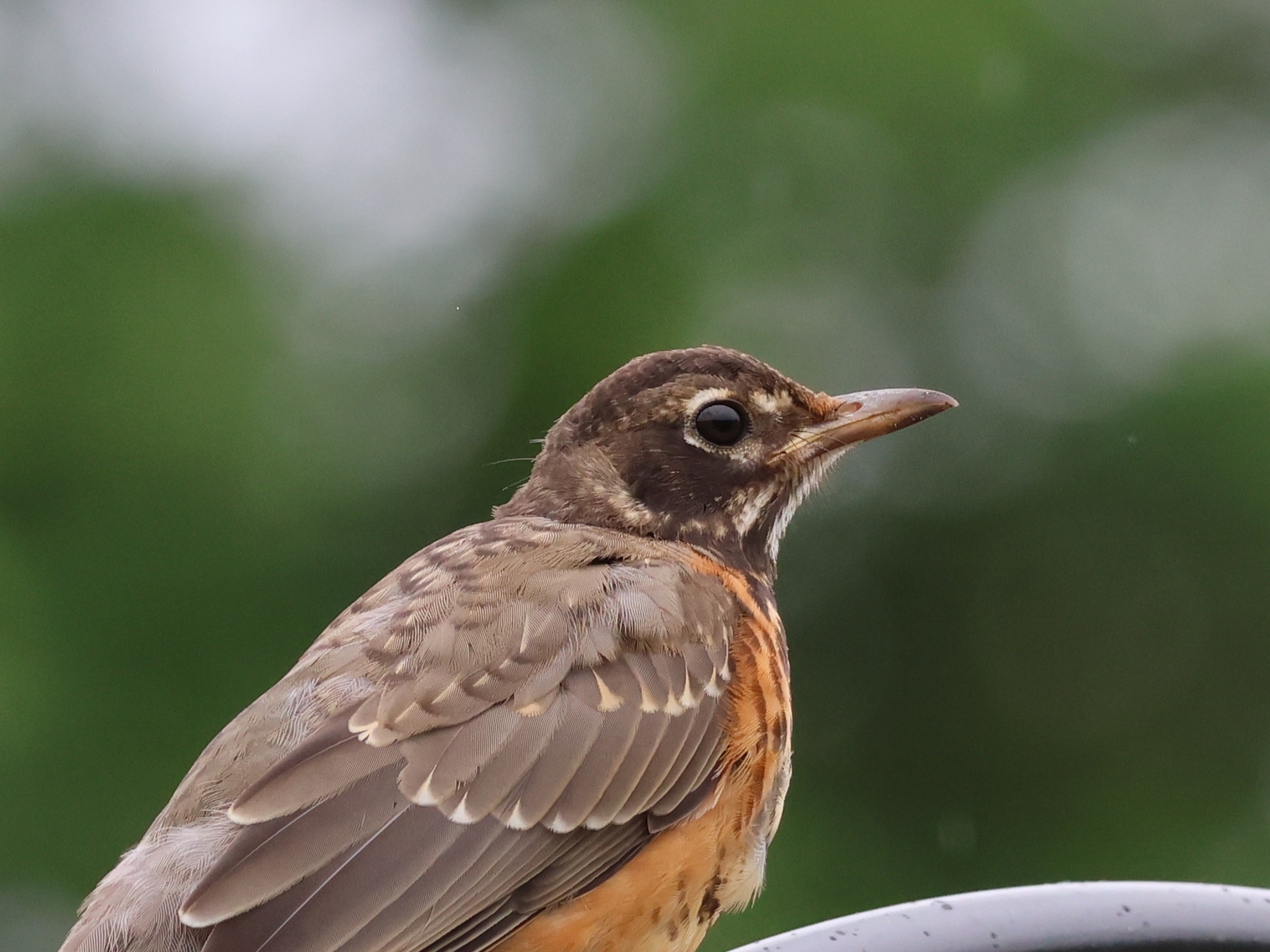
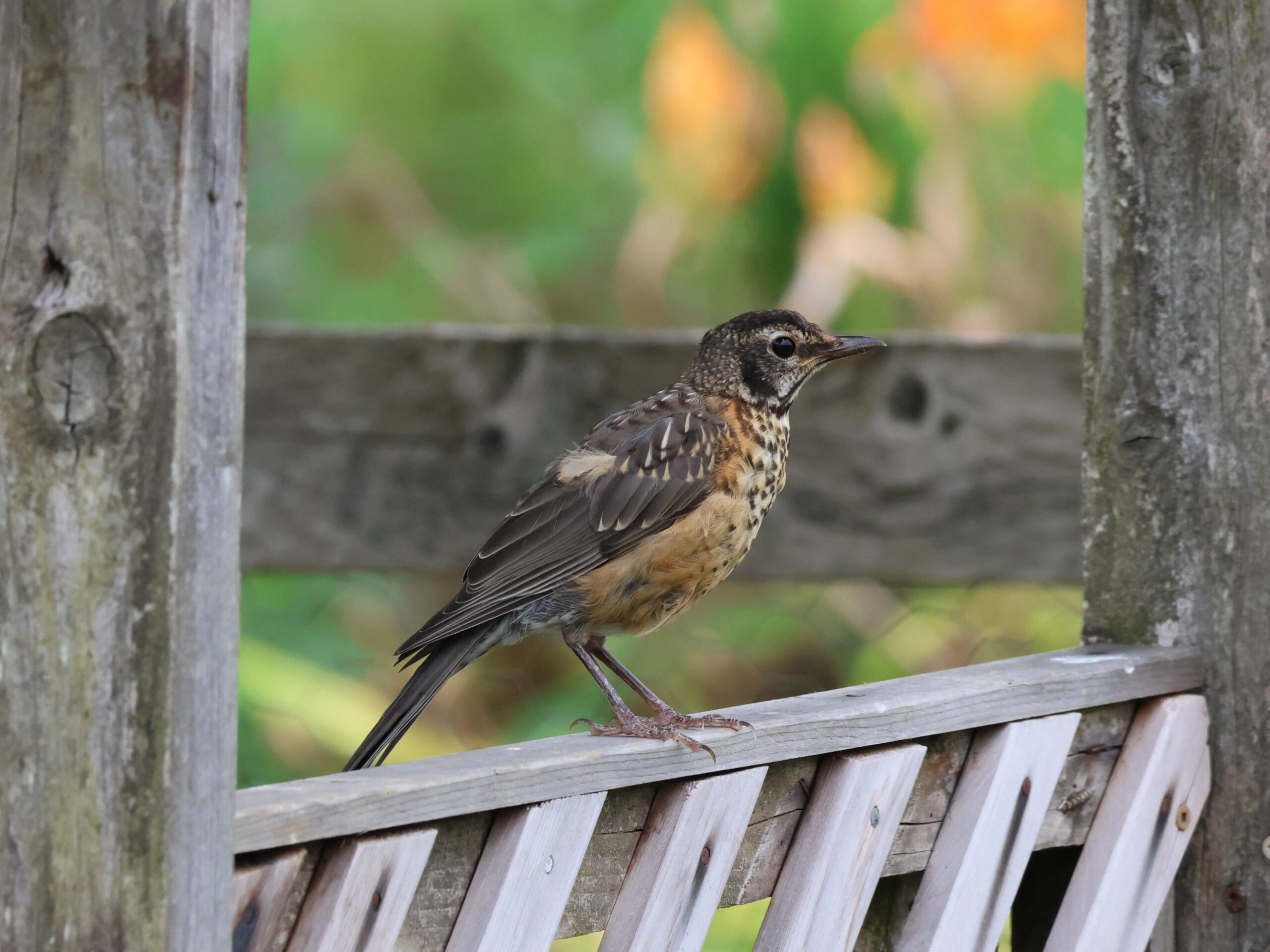
We ended the afternoon at Tlahutum, but opted to focus solely on the target-rich environment of the community garden. There, it was almost exclusively young birds, looking all spotted and scruffy and getting out there in the world. Robins dominated, though there were lots of house finches as well. We also saw a fair number of hummingbirds, some white-crowns and towhees. Bumblebees were out in numbers and as always, red soldier beetles were getting it on.

Nic once again demonstrated his ability to scare off birds by either getting too close (I declared I have better BirdSense™ than he does and stand by that) or by pointing at them. I always felt his pointing reminded me of something and I finally figured out what it was:

OK, not with the mouth hanging open, but otherwise yes.

I mean, if I was a young robin, I’d book it, too.

I actually got some very nice shots of the beetles and hummingbirds, so I was pleased. We opted not to take our chances any further as by this time it was starting to sprinkle lightly, but it was still a bounty of birding.

The Shots

All photos shot with a Canon EOS R7 with 18–150 mm kit lens and 100–400 mm telephoto unless otherwise noted.

The Birds (and other critters)

Sparrows and sparrow-adjacent:

  • American Bushtit
  • American Goldfinch
  • American Robin
  • Anna’s Hummingbird
  • Black-capped Chickadee
  • Brown-headed Cowbird
  • Eastern Kingbird
  • House Finch
  • Song Sparrow
  • Spotted Towhee
  • Swainson’s Thrush
  • Tree Swallow
  • White-crowned Sparrow
  • Willow Flycatcher

Waterfowl and shorebirds:

  • Belted Kingfisher
  • Canada Goose
  • Great Blue Heron
  • Mallard
  • Wood Duck

Common:

  • American Crow
  • Rock Pigeon
  • Various seagulls

Raptors:

  • None

Non-birds:

  • Assorted pollinators
  • Other naughty bugs
  • A lone black squirrel

Four photos from my walk to Burnaby Lake but without any lake shots (07/23/2026)

See below, in kitschy pseudo Polaroid glory. The weather was milder today, but a bit more humid. I enjoyed the walk.

A few more shots of Still Creek from yesterday’s run

My watch said I overdid it, all but calling me dumb.

So today I am mostly taking it easy, but here are a few more shots of Still Creek I took yesterday after overdoing it. Conveniently, my run ends right about where Still Creek is at its most photogenic.

All shot on my not-decrepit Samsung Galaxy S26.

Still Creek, from the footbridge.
Creek under a cloudy sky.
Pacific coastal mountains looming in the background.
Not Still Creek! This is the lake and the rowing pavilion, where something fancy was happening.

Birding, July 4, 2026: Greedy Grebelings gobbling goodies

Where: Blakeburn Lagoons Park (Port Coquitlam), Blackie Spit (Surrey), Piper Spit, Burnaby Lake (Burnaby) 
Weather: Mostly sunny, 17–20°C

In which I wore sunblock and did not get roasted.

Blakeburn Lagoons Park

One of the lagoons, framed by wildflowers.

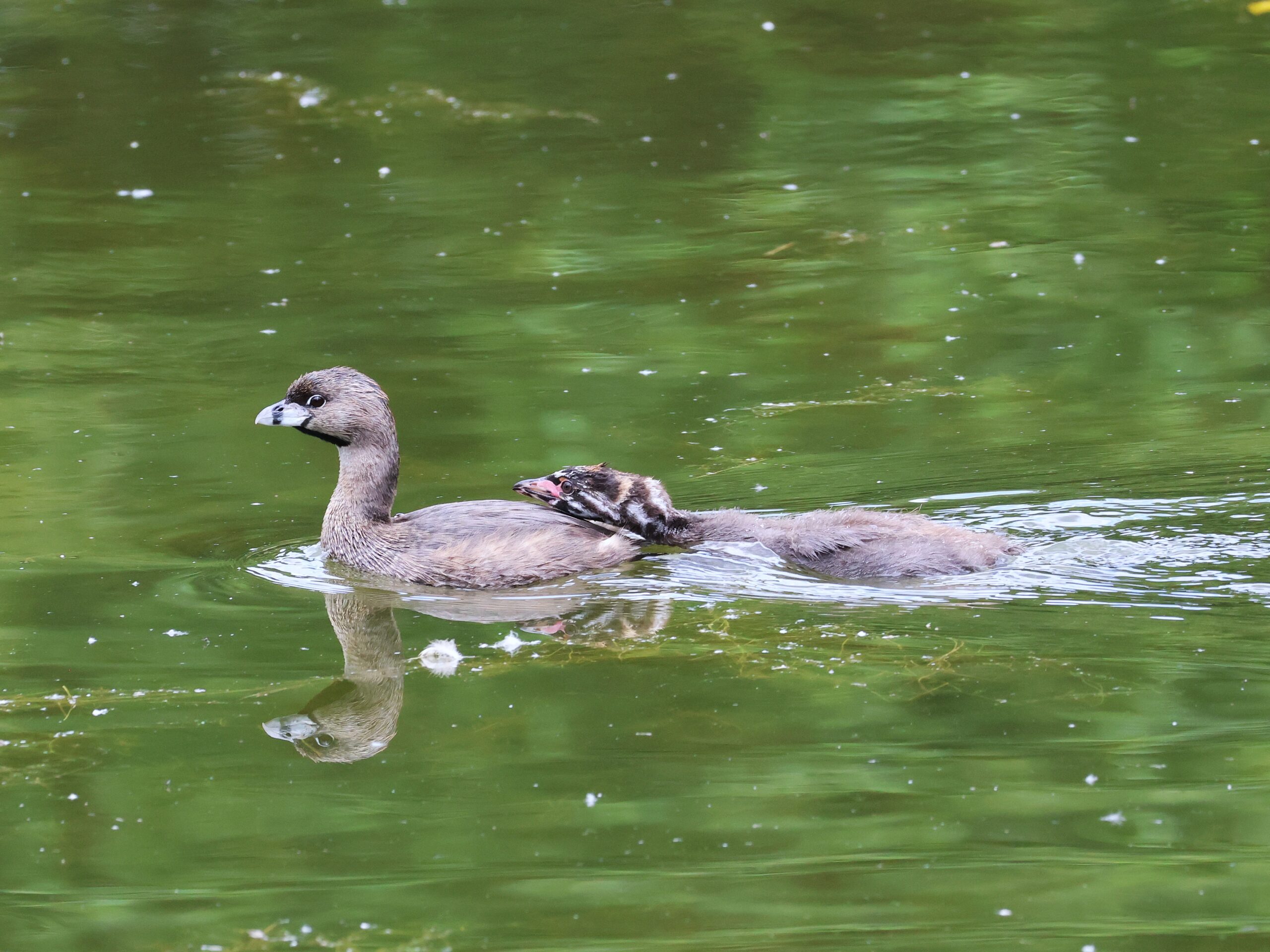
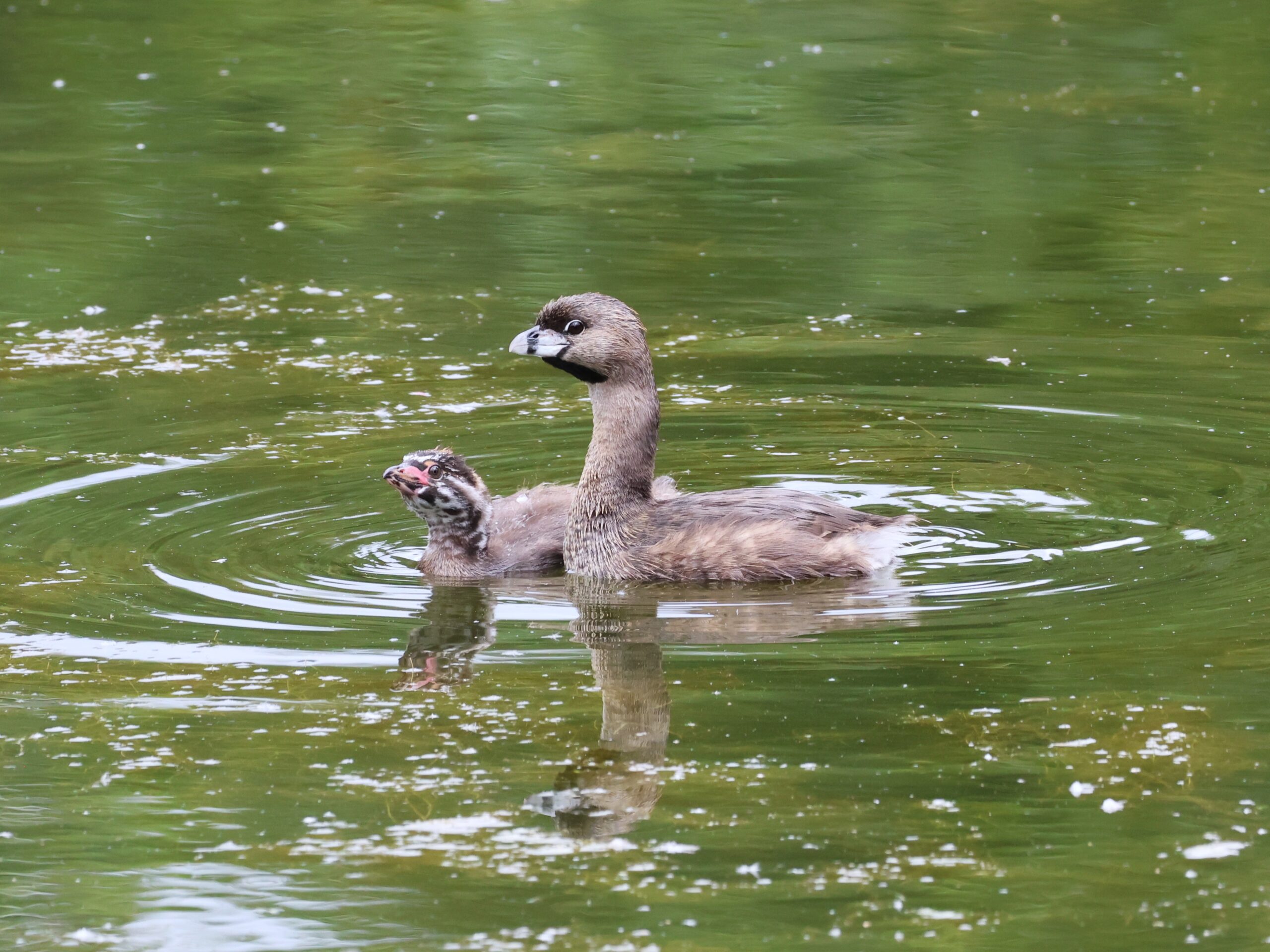
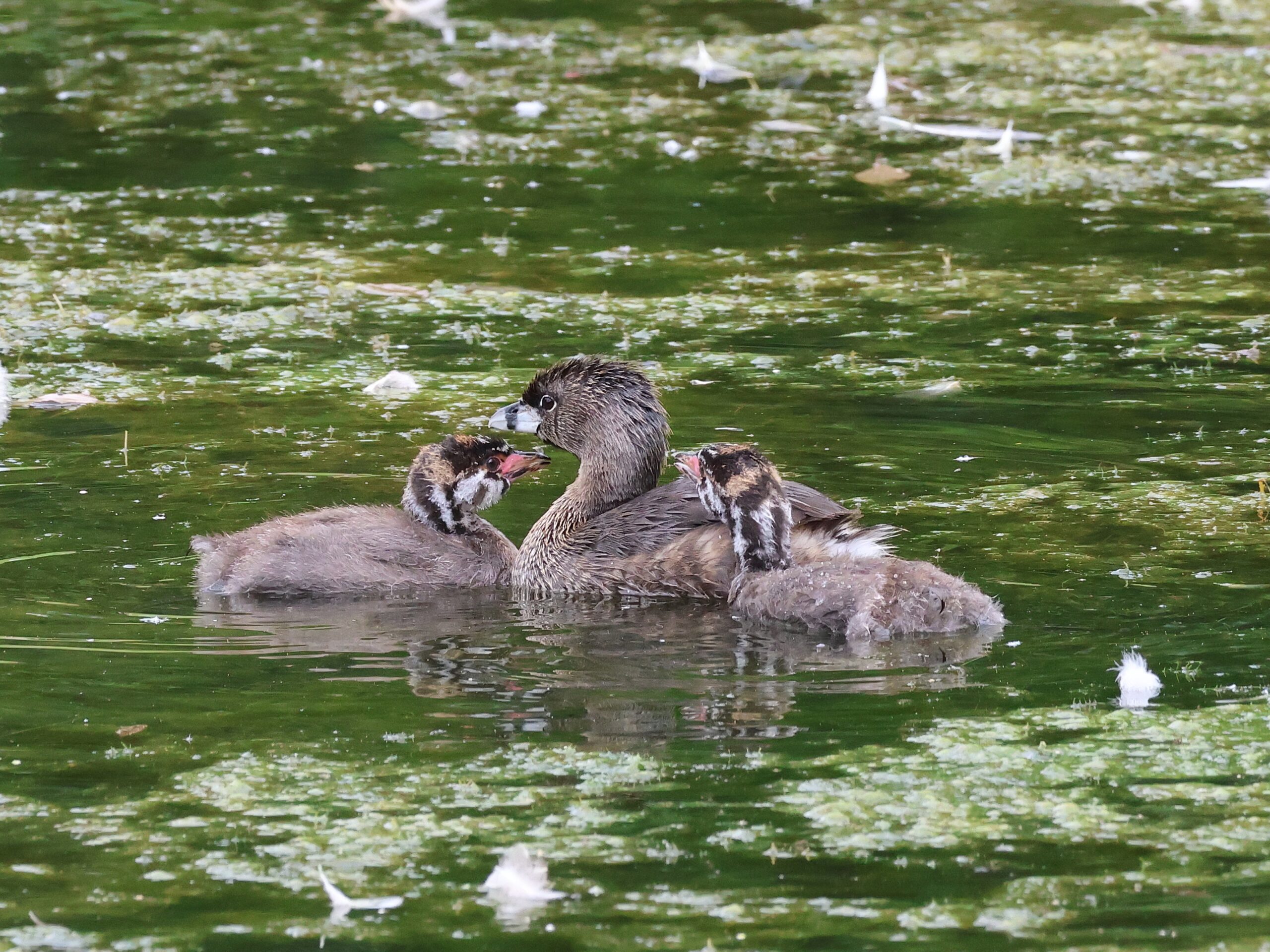
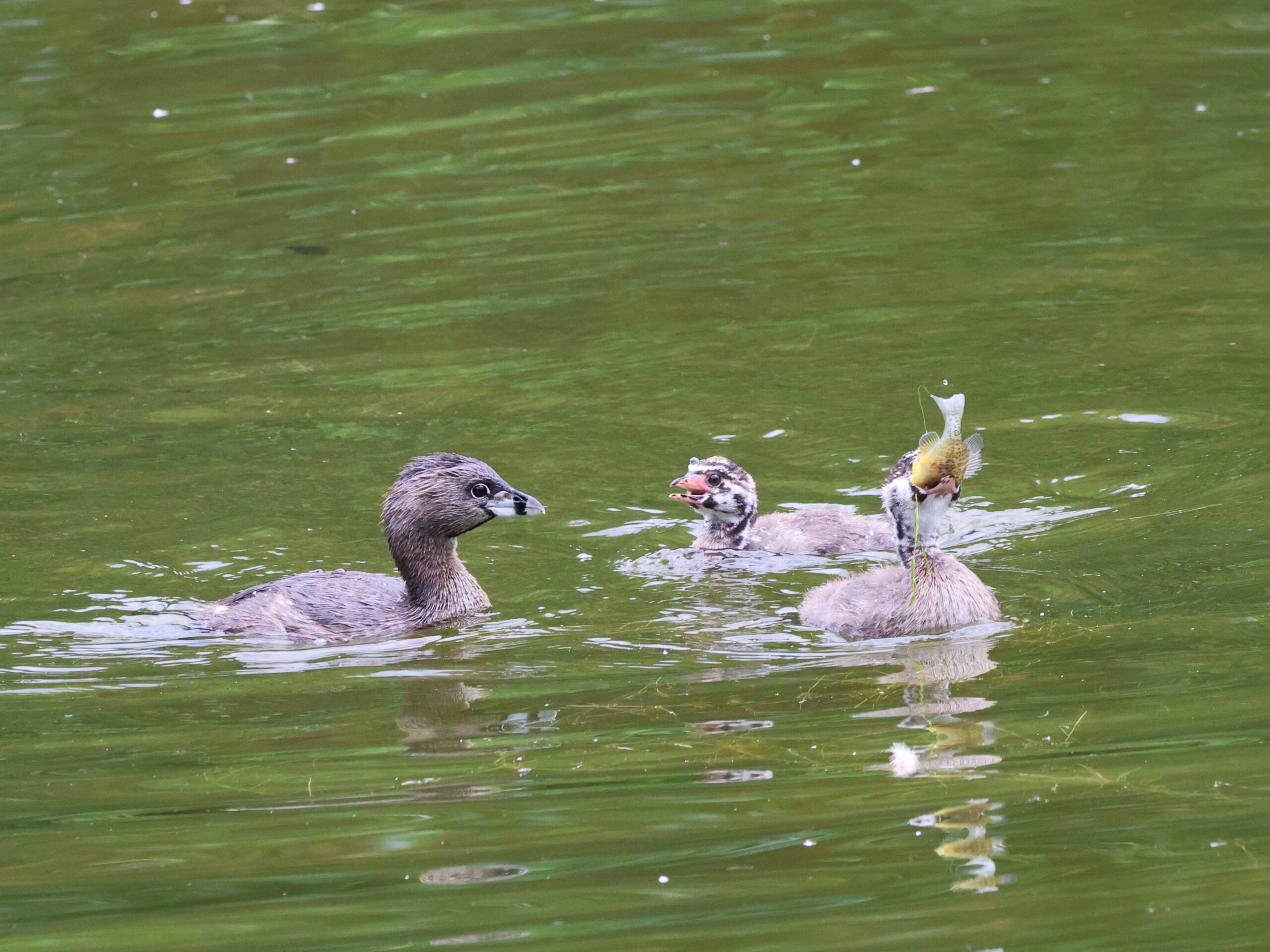
We returned to Blakeburn to take in the baby Grebes again and this time we arrived in the morning, which was apparently nap time, because all the waterfowl, Mallards, and Grebes alike, were mostly dozing. But after a short time they started stirring and soon enough the Grebelings began chasing a parent, desperate for food. We observed one getting a big ol’ fishy from the parent and watched as it horked it down in about three gulps.

We also saw a heron–but not a green one, just the great blue kind. It flew right past in front of us. I got a blurry action shot.

Elsewhere around the lagoon, we spied a Northern Flicker, a robin hanging out by a sewer grate and lots of pollinators. It was unofficial Pollinator Day.

At the second lagoon, we heard invisible frogs and once more saw a single American Coot, probably the same one we saw last week. It did a weird kind of coot bobbing thing a few times but mostly ate copious amounts of greenery, which at times looked more like something it was throwing up rather than nomming on.

In all, a nice beginning and I think I got better shots of the grebes this time, so woo for that.

Blackie Spit

A boat plies through the narrow band of water off Blackie Spit.

We then spent 10 hours travelling south to Blackie Spit, thanks to Google Maps directing us to busy highway intersections without traffic lights and asking us to then turn left. Once there, we heard but didn’t see (or did we?) Savannah Sparrows, but we did get shots of a House Finch impersonating one. There were also a lot of sand wasps here, furiously digging burrows as they do.

We hoped for a repeat of seeing a California Scrub Jay after a guy on a scooter advised us of some in the area, but alas, we didn’t see any. We saw lots of pollinators again, though.

The tide was extremely low, which in itself made for some interesting scenery shots.

When we left, I marvelled at how my skin had not turned crimson.

Piper Spit, Burnaby Lake

A goose-rich view of Piper Spit.

We rounded out the day at Piper Spit, where the level of the lake was almost as high as the piles of seeds from all the criminal bird feeders. When not telling girls destined to be sociopaths not to kick at pigeons, we saw pigeons, blackbirds, and a Song Sparrow that kind of looked like it had exploded, but didn’t seem to mind. The ducks were mostly avoiding the pier and hanging out in Eagle Creek.

There were a lot of Canada Geese around and some of the babbies have become sullen teens with mostly adult colours and bad attitudes.

When we left, after silently cursing the people with seed, I was just grateful karma didn’t put us behind a 150-car train before we could head out.

But the weather was nice!

In all, a fine day with maybe a bit too much travelling (but no U-turns), but redeemed by all those grebes.

The Shots

All photos shot with a Canon EOS R7 with 18–150 mm kit lens and 100–400 mm telephoto unless otherwise noted.

The Birds (and other critters)

Sparrows and sparrow-adjacent:

  • American Robin
  • Cedar Waxwing
  • Common Yellowthroat (heard, not seen)
  • House Finch
  • Northern Flicker
  • Red-winged Blackbird
  • Savannah Sparrow (heard)
  • Song Sparrow
  • Spotted Towhee
  • Tree Swallow

Waterfowl and shorebirds:

  • American Coot (probably the same one)
  • Belted Kingfisher
  • Gadwall
  • Great Blue Heron
  • Mallard
  • Pied-billed Grebe
  • Wood Duck

Common:

  • American Crow
  • Another Glaucous-winged Gull

Raptors:

  • Bald Eagle

Non-birds:

  • Assorted pollinators
  • Other bugs
  • A few dragonflies
  • An errant squirrel
  • Frogs (heard frequently, seen never)

Birding, June 20, 2026: Crows call for a harried Harrier

Where: Reifel Bird Sanctuary (Delta), Centennial Beach (Delta), Piper Spit, Burnaby Lake (Burnaby)
Weather: Sunny, 17-23°C

In which a crow demonstrates why the Raptor Trail may need to be renamed Corvid Trail.

Reifel Bird Sanctuary

A green London Slough, filled with Canada Geese and a couple of turtles.

Our first stop was Reifel, which I haven’t been to since the surgery. Much like myself, the sanctuary has mostly healed from its own issues, namely all trails are now open, though at least three are rather lumpy, with signs warning you to walk like you’re an ATV.

Despite sunny skies, comfy (not hot) temperatures the front gate was open and, indeed, there weren’t too many people around. Something non-birding people may not realize is that summer is actually about the worst time for birding, because:

  • Maximum tree canopy makes birds in trees harder to spot. Birds like trees.
  • It’s an in-between season, meaning a lot of spring migrants have already left and the winter migrants are yet to arrive, so it’s mostly local birds, which may disappoint some looking for something more exotic.

Also, the higher-then-normal temperatures this spring mean the various ponds and waterways are already getting a lot of algae and slime, so the views are sometimes a little green in a way that is less aesthetically pleasing.

Still, we saw C21 (a goose with one of those dorky big collars) and for some reason I couldn’t remember the name of the explosive compound so mused incorrectly about watching out for C1, then C2, then Nic reminded me it’s actually C4 and I was like, that’s totes what I meant. Watch out for the C4 goose, it hisses and then BOOM.

The Sandhill Cranes were out and about, which is always nice to see. Like Mallards and a few other species, they are generally indifferent to people, so you are sometimes presented with the challenge of them getting too close for a good shot.

We saw one Wood Duck, I think. The rest were Mallards, the males looking pretty scruffy now.

Barn Swallows were present near the entrance with a few tending nests, but I did not see any babbies.

Speaking of babbies, a family of goslings was trundling about, now in their gawky teen “all legs” phase. Not quite cuddly anymore, but cute in a goofy sort of way.

There were also plumes of sand wasps along the Outer Dyke trail. We took some photos, then I suggested we move on because I was concerned about smooshing some accidentally and doing that when surrounded by them seemed like it might lead to an unpleasant turn of events. They are still wasps, after all.

I also got my first dragonfly shots of the season, which turned out OK. I was generally not thrilled with today’s shots, but I admit, I am not a Hardcore Birder/Photographer. Maybe I should be and start a blog called hardcorebirderphotographer.com.

Anyway, we shot a lot of bugs, because most song birds were hiding. I suggested we hit Centennial Beach next, so we did.

Centennial Beach

Boundary Bay, unbounded by water. The people provide perspective!

We started near the pond and worked our way to the pump station, then back, walking along the Raptor Trail as one does along the way.

Near the pond we saw some Brewer’s Blackbirds, which I haven’t seen in approximately a hundred years. Their eyes are a striking yellow and they have a kind of cute derpy quality to them that I like. It’s why I did one for my bird art.

We saw more sand wasps, panting crows, baby ducks and a few Killdeer (which were weirdly hard to shoot, in part because they kept moving and I don’t mean bobbing their heads, though they did a lot of that, too) walking around the very low tide area. On the aforementioned Raptor Trail we spotted a Northern Harrier flying high overhead. Then another bird emerged–a crow! The crow did not like the harrier being there and assumed attack formation. The harrier quickly vacated the airspace and the crow went back to the invisible line marking the periphery of its territory. No one messes with crows.

A few more scenery shots (nice views across the expanse of the bay, though the horizon was hazy) and we set off to our last stop, Illegal Bird Feeding Place.

Piper Spit, Burnaby Lake

Typical late afternoon wind rippling the lake surface, towers in the distance.

Which is to say Piper Spit. The illegal bird feeding didn’t happen until we were just leaving, though, so our rage was more contained. I’m pretty sure they could erect a 10-metre sign here saying IF YOU BRING SEED WE WILL KILL YOU DEAD and people would casually walk by, clutching their bags of seed. It’s just the world we live in now. What we need, clearly, are Guard Geese.

The island is still submerged, though the water is shallow enough for the geese to stand in and geese were once again the dominant waterfowl here, with Mallards and Wood Ducks comprising most of the rest. A couple of Sandhill Cranes were on hand, too, though they were stalking about separately.

Blackbirds flitted about, smearing seed over their bills as they do, and a few pigeons were once again playing sexy and generating no interest whatsoever from the other pigeons. As they do.

In all, a perfectly cromulent day of birding and a nice break from the torrid heat of the previous outing. Next stop: Summer 2026!

The Shots

Shot with a Canon EOS R7 with 18-150 mm kit lens and 100-400 mm telephoto. Some scenery captured on a Samsung Galaxy S26.

Some of the shots in the gallery are not exactly sharp, but I chose each for a reason, usually stated in the captions.

The Birds (and other critters)

Sparrows and sparrow-adjacent:

  • American Goldfinch
  • American Robin
  • Anna’s Hummingbird
  • Barn swallow
  • Bewick’s Wren
  • Black-capped Chickadee
  • Brewer’s Blackbird
  • Brown-headed Cowbird
  • Common Yellowthroat (heard, not seen)
  • Red-winged Blackbird
  • Song Sparrow
  • Spotted Towhee
  • Tree Swallow
  • Willow Flycatcher (heard)

Waterfowl and shorebirds:

  • Canada Goose
  • Mallard
  • Sandhill Crane
  • Wood Duck

Common:

  • (Feisty) American Crow
  • Rock Pigeon
  • A few gulls

Raptors:

  • Bald Eagle
  • Northern Harrier

Non-birds:

  • Assorted pollinators
  • Bugs, bugs, bugs
  • Some Western Painted Turtles

Birding, June 6, 2026: The Return

Where: Piper Spit, Burnaby Lake (Burnaby), Tlahutum Regional Park (Coquitlam)
Weather: Cloudy with some sun, 15-16°C

This was my first birding since the surgery and it went fine. The only thing I noticed is getting a tiny bit tired holding the camera up for an extended period of time. But that can also happen without surgery.

Piper Spit, Burnaby Lake

Looking west, with a Wood Duck photobombing the shot.

We were a bit boxed in by weather (showers in the morning) and fabulousness (Nic had to help with a VMC show in the early evening) so we dropped our initial plan to check the heron rookery in Port Moody and went with the Piper Spit/Tlahutum split.

We didn’t see anyone feeding birds at Piper Spit–in fact, there were few people there, likely because of the earlier showers–but the ground and pier were absolutely festooned with seed. Perhaps the Bird Police had been occupied eating artisanal organic donuts.

The recent showers meant the water level was quite a bit higher, with the island completely submerged and no chance of shorebirds. Initially, it was mostly just Goosetown, with geese arrayed across where the island would normally be. The geese were disturbingly well-behaved, perhaps because their dominance was unchallenged.

Some other waterfowl did show up, and the wood ducks and mallards are both starting to look quite scruffy, now that spring fever/mating/babby-making is largely over. I did not observe any migrant waterfowl, it’s just the locals for now.

One blackbird was acting weird, fanning its wings in a show of…something. Most of the other birbs were indulging in the plentiful seed.

We did not stay too long, because there really wasn’t much activity.

Tlahutum Regional Park

For a change of pace, the creek adjacent to the Coquitlam River.

We started at the community garden, wary of the showers creating mini-lakes here, but it was fine and we saw collections of cowbirds, swallows posing, robins acting rascally and what appears to be a Willow Flycatcher, which I’ll have to check if it’s a lifer or not (I can never keep my flycatchers straight). As usual, I kept my eye out for kitschy decorations in the plots.

The trails netted us a pair of Eastern Kingbirds and a guy claimed to see a seal in the river, though maybe it was an otter, which would make more sense. A lot of pigeons were flying overhead–in both directions. No idea what was going on there.

Bonus shot: The mostly empty big pond, with patchy blue sky overhead.

The big pond had a few ducks and a number of swallows darting overhead, but it seemed quieter than usual, a recurring theme through the afternoon. Still, by this time the weather was pretty decent, it was pleasantly mild, and it was one of the first “normal” activities I’ve engaged in since the surgery, so overall, a perfectly cromulent bit of birding.

The Shots

Shot with a Canon EOS R7 with 18-150 mm kit lens and 100-400 mm telephoto. Some scenery captured on a Samsung Galaxy S26.

The Birds (and other critters)

Sparrows and sparrow-adjacent:

  • American Robin
  • Anna’s Hummingbird
  • Brown-headed Cowbird
  • Cedar Waxwing
  • Common Yellowthroat (heard, not seen)
  • Eastern Kingbird
  • House Finch (probably)
  • Northern Flicker
  • Northern Rough-winged Swallow
  • Red-winged Blackbird
  • Song Sparrow
  • Spotted Towhee
  • Tree Swallow
  • Willow Flycatcher (lifer–I think?)

Waterfowl and shorebirds:

  • Canada Goose
  • Great Blue Heron
  • Mallard
  • Wood Duck

Common:

  • American Crow
  • Rock Pigeon

Raptors:

  • None!

Non-birds:

  • Assorted pollinators, mainly bumblebees
  • Fuzzy caterpillars
  • A snail shell