Birding, August 16, 2025: Bees, not birds

Where: Piper Spit, Burnaby Lake (Burnaby), Tlahutum Regional Park (Coquitlam)
Weather: Sun and clouds, 19-22°C

Piper Spit

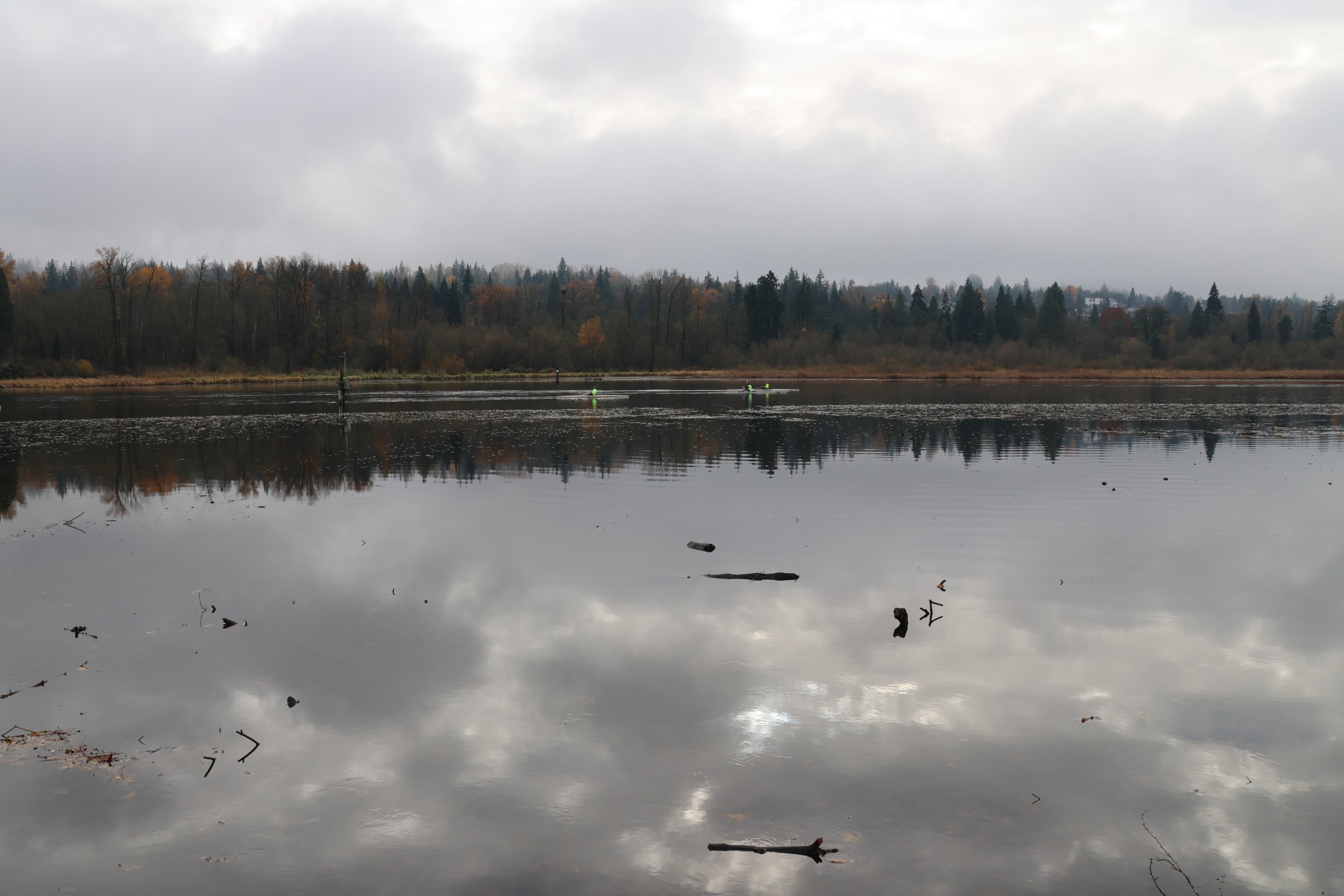
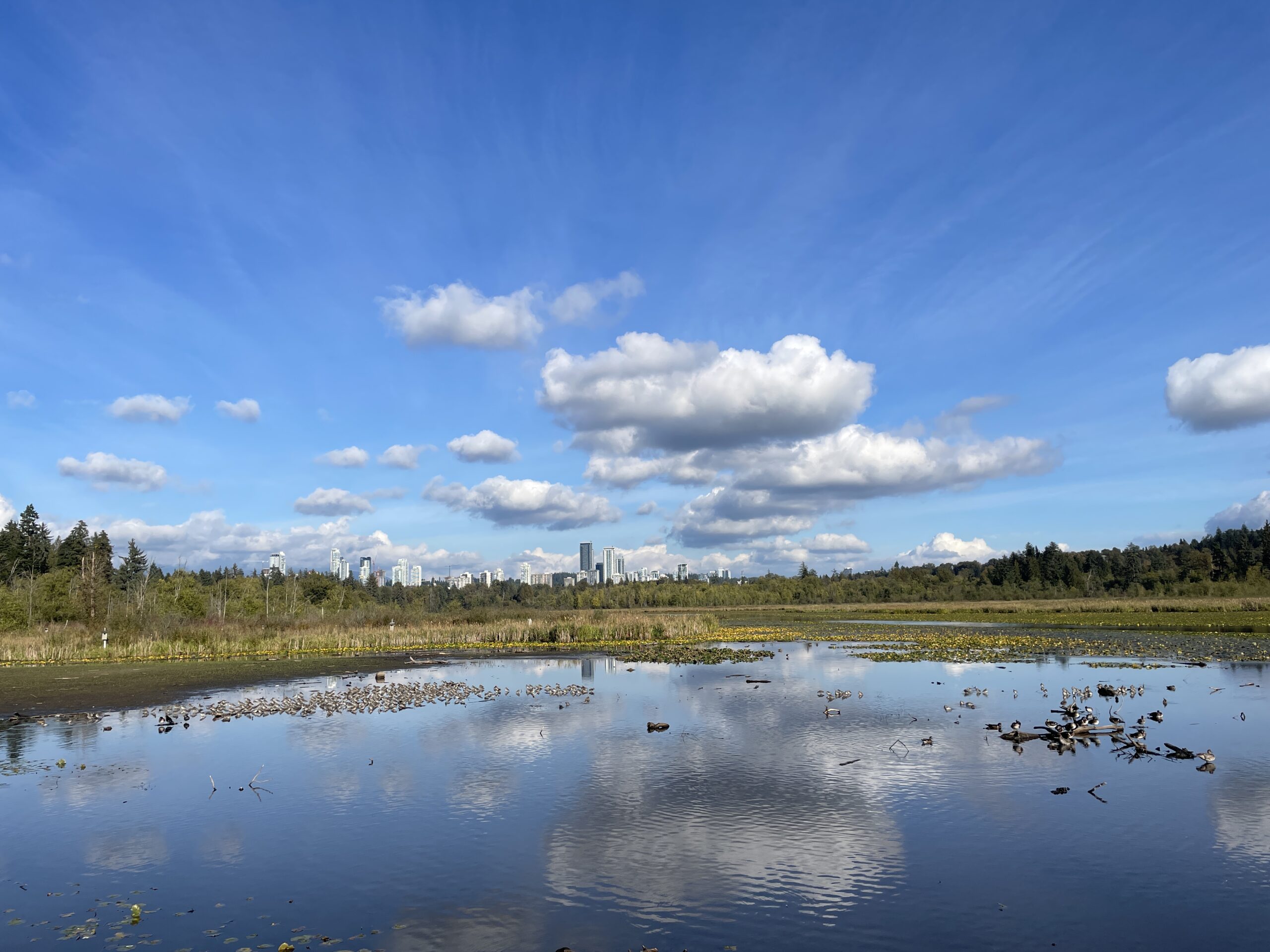
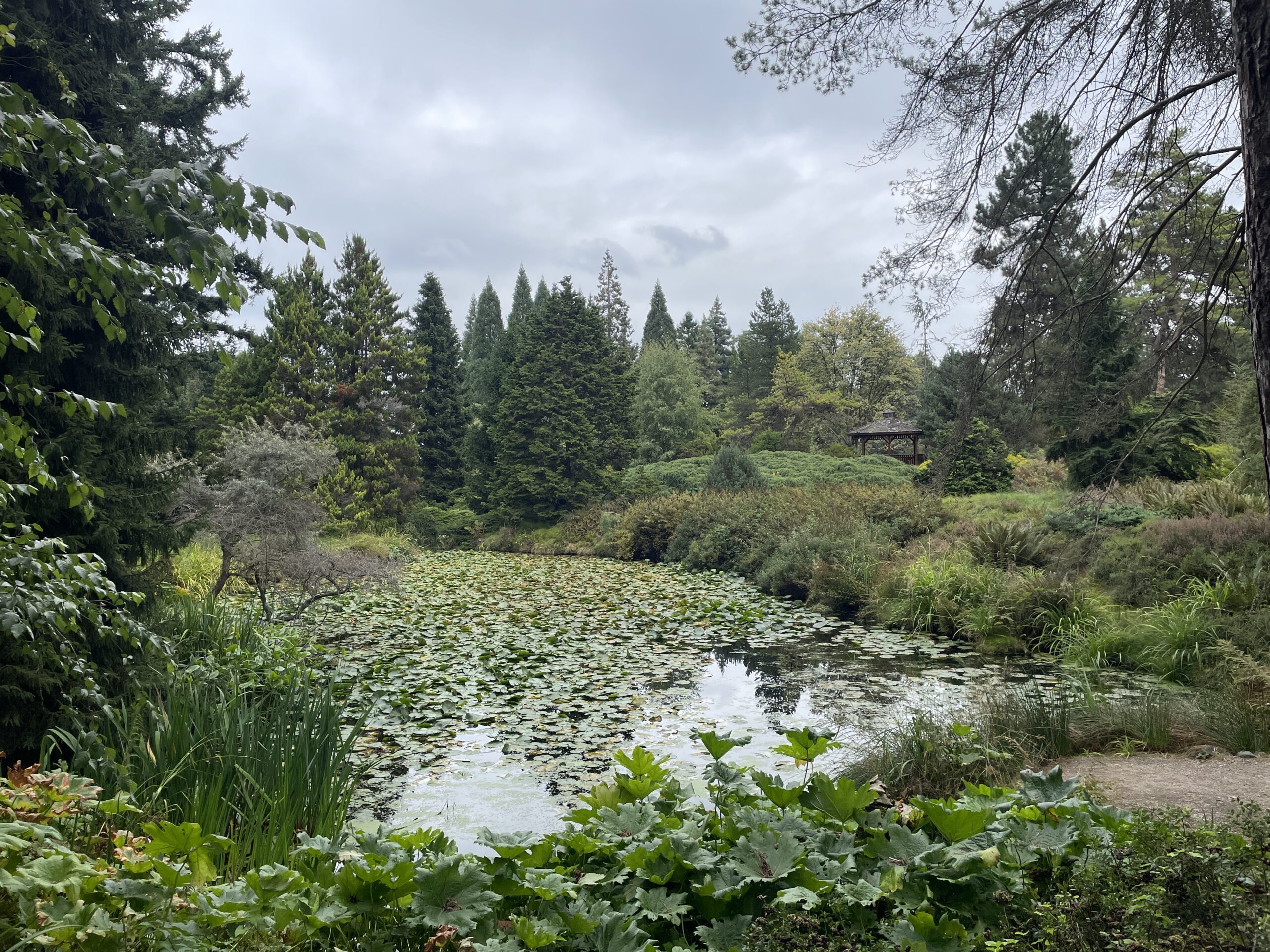
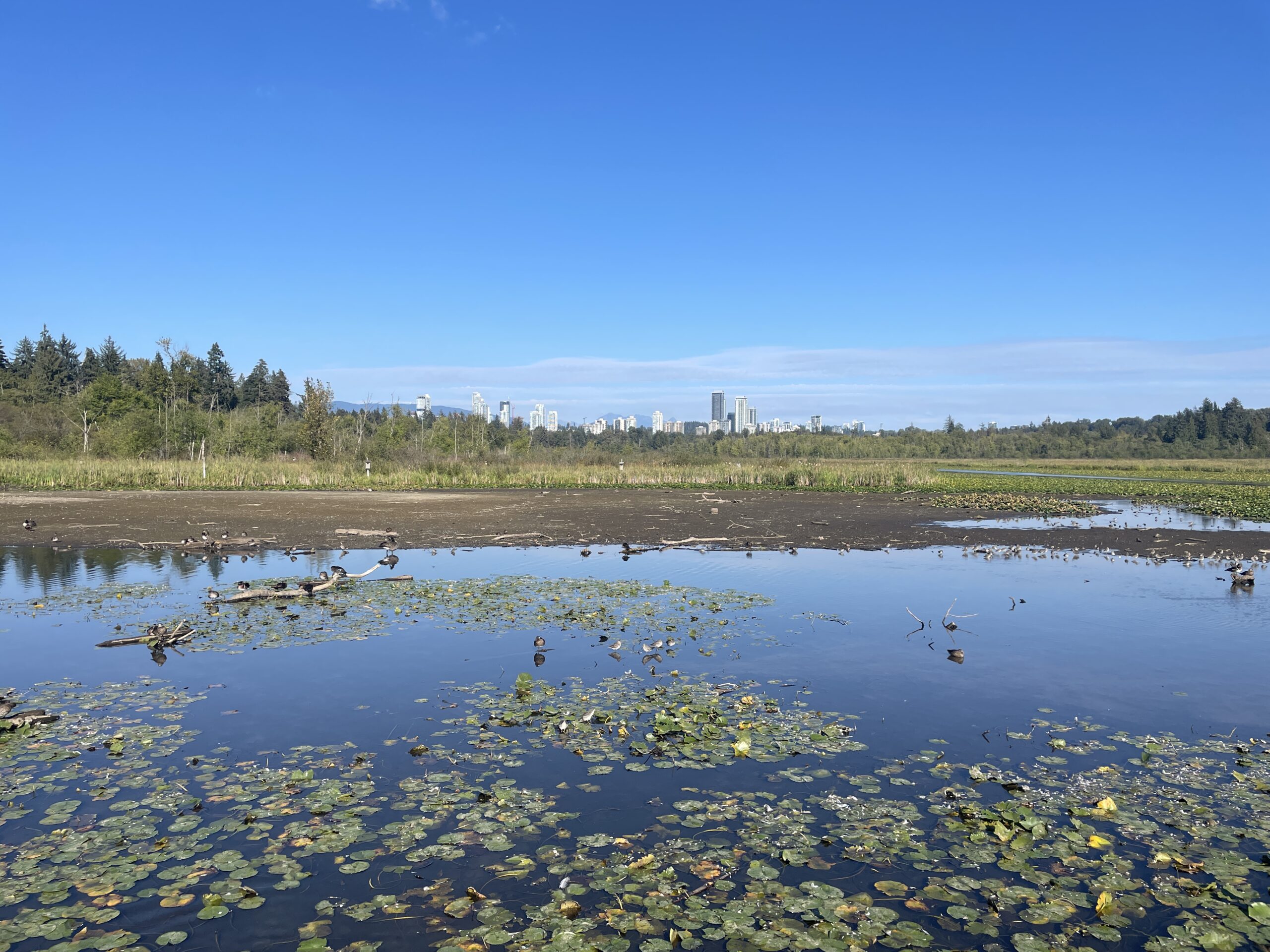
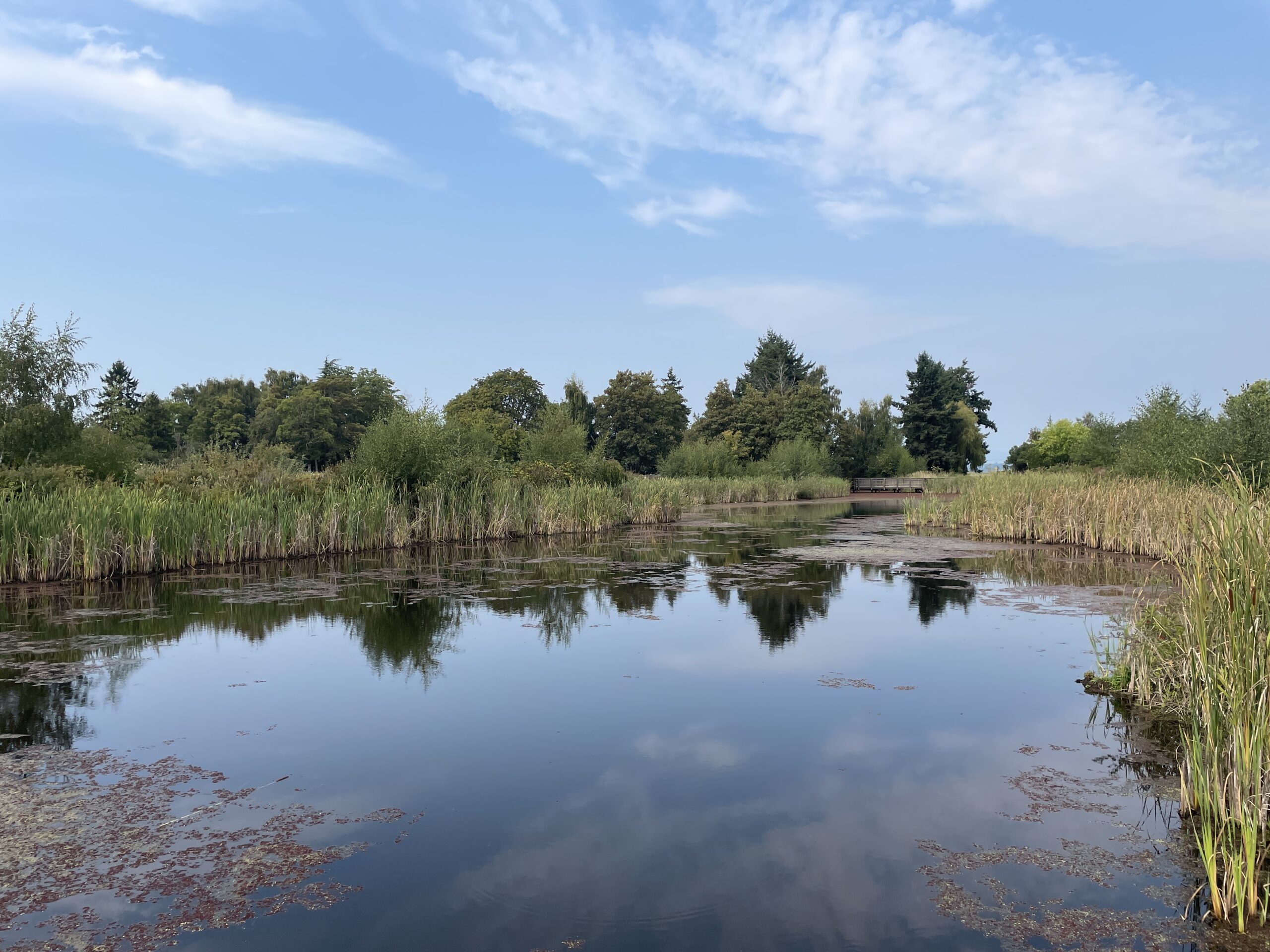
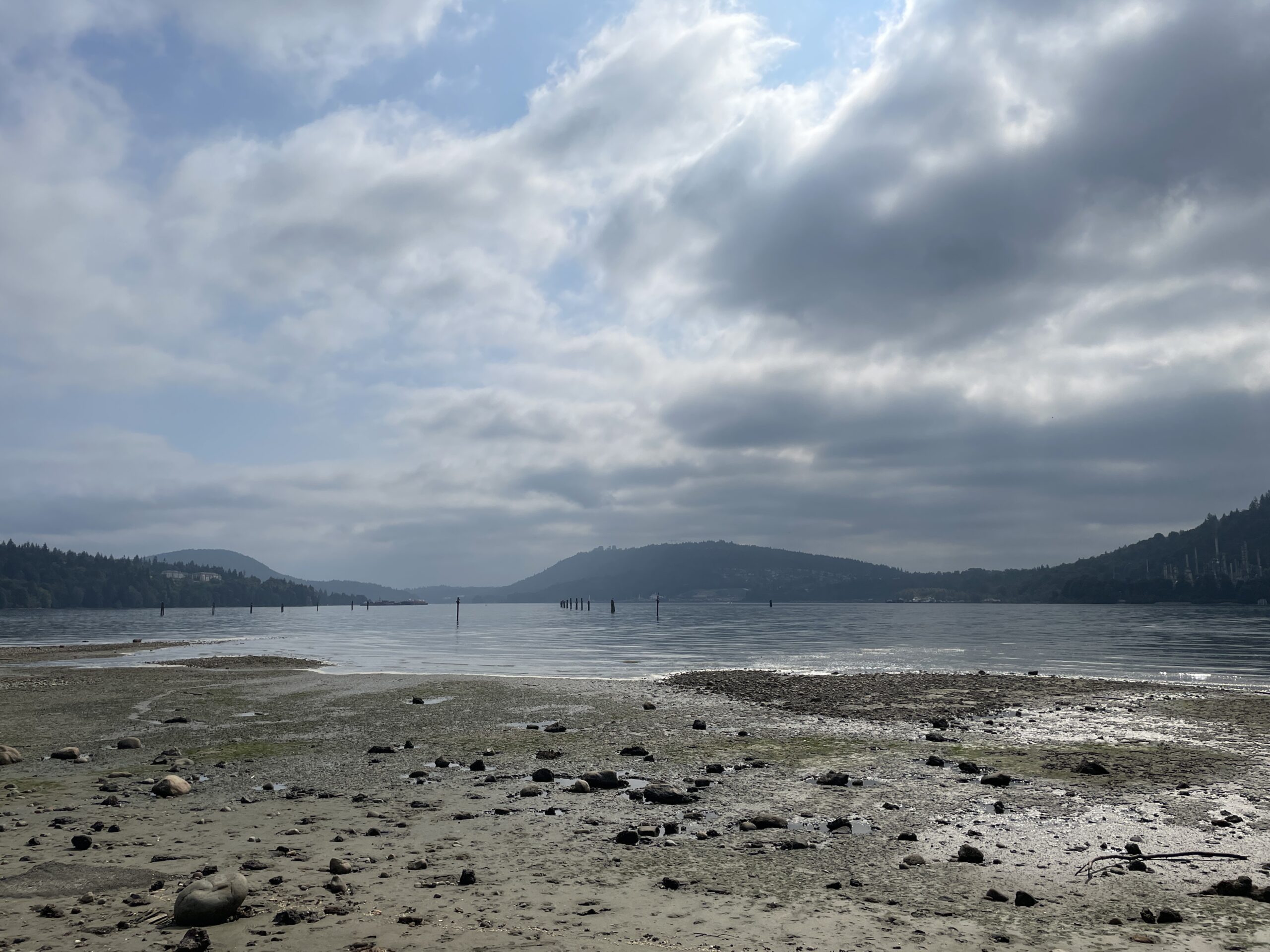
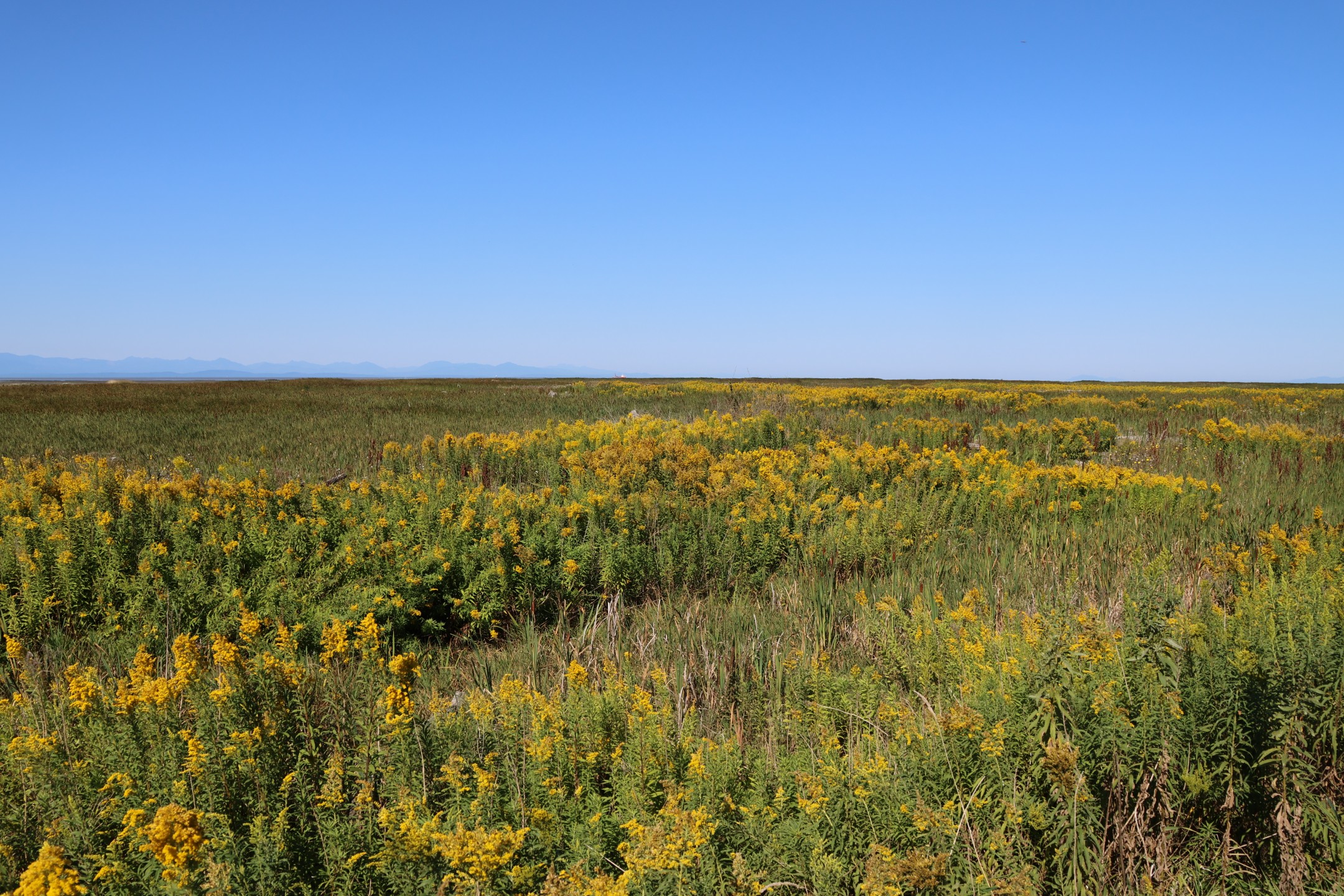
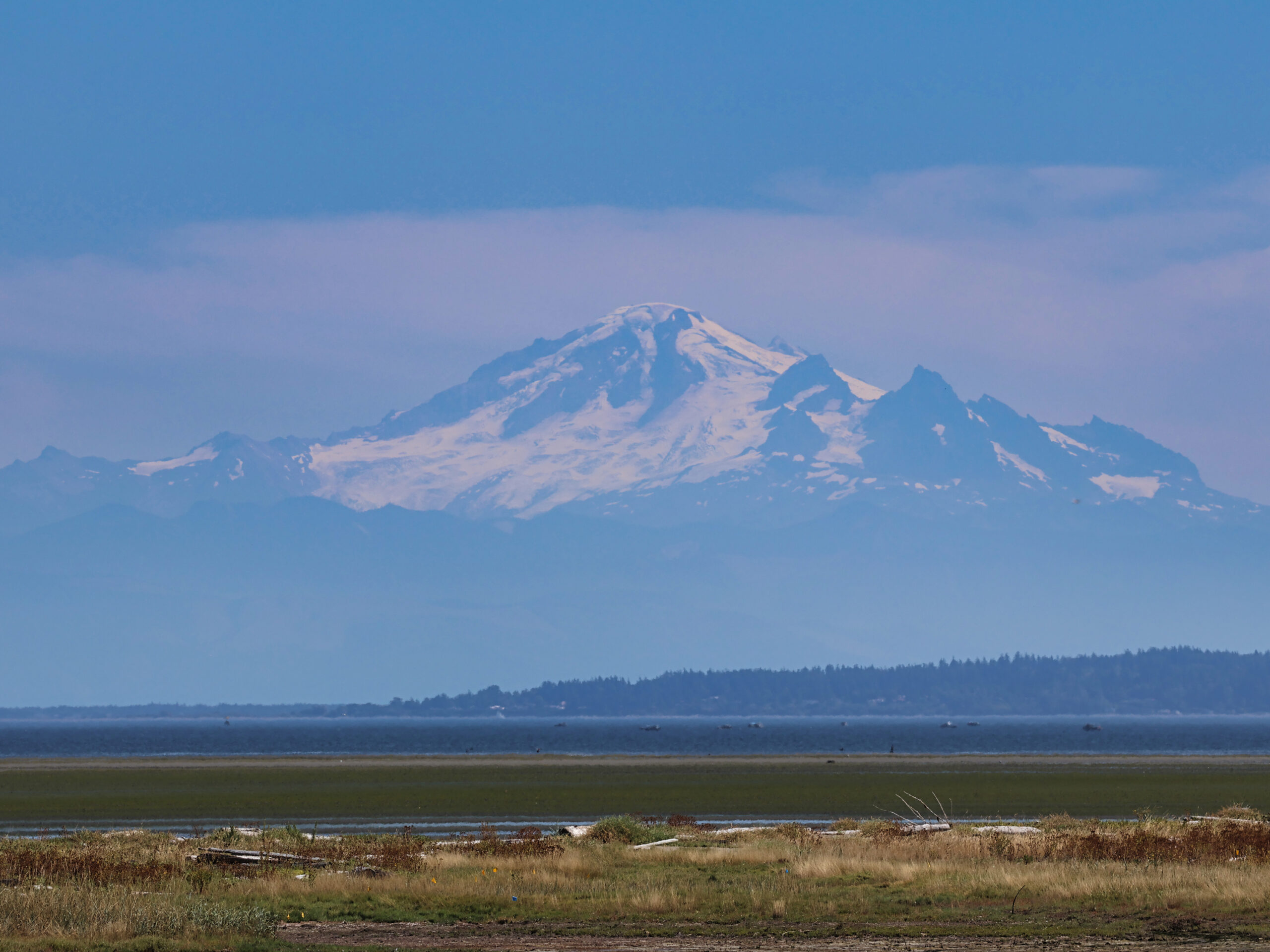
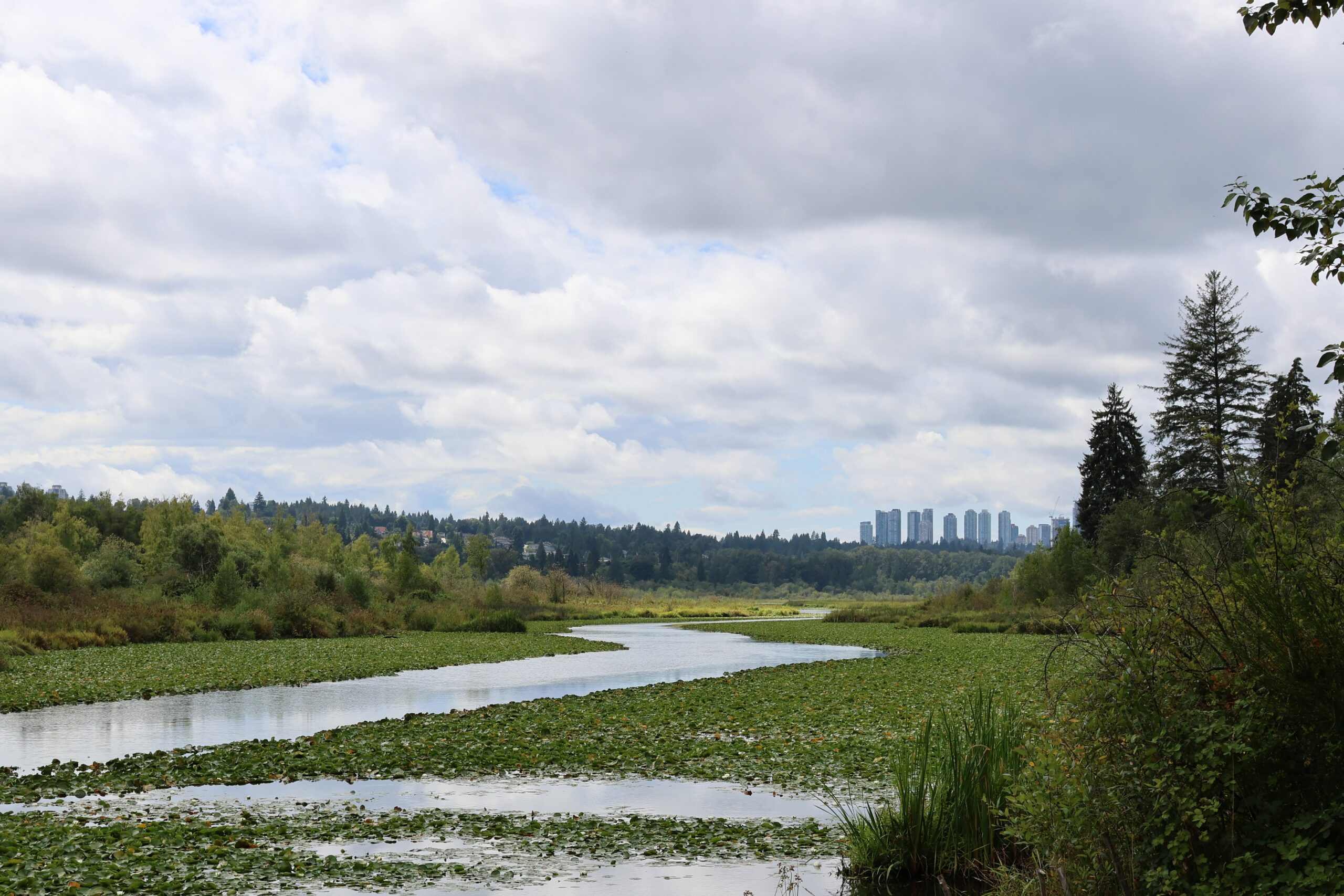
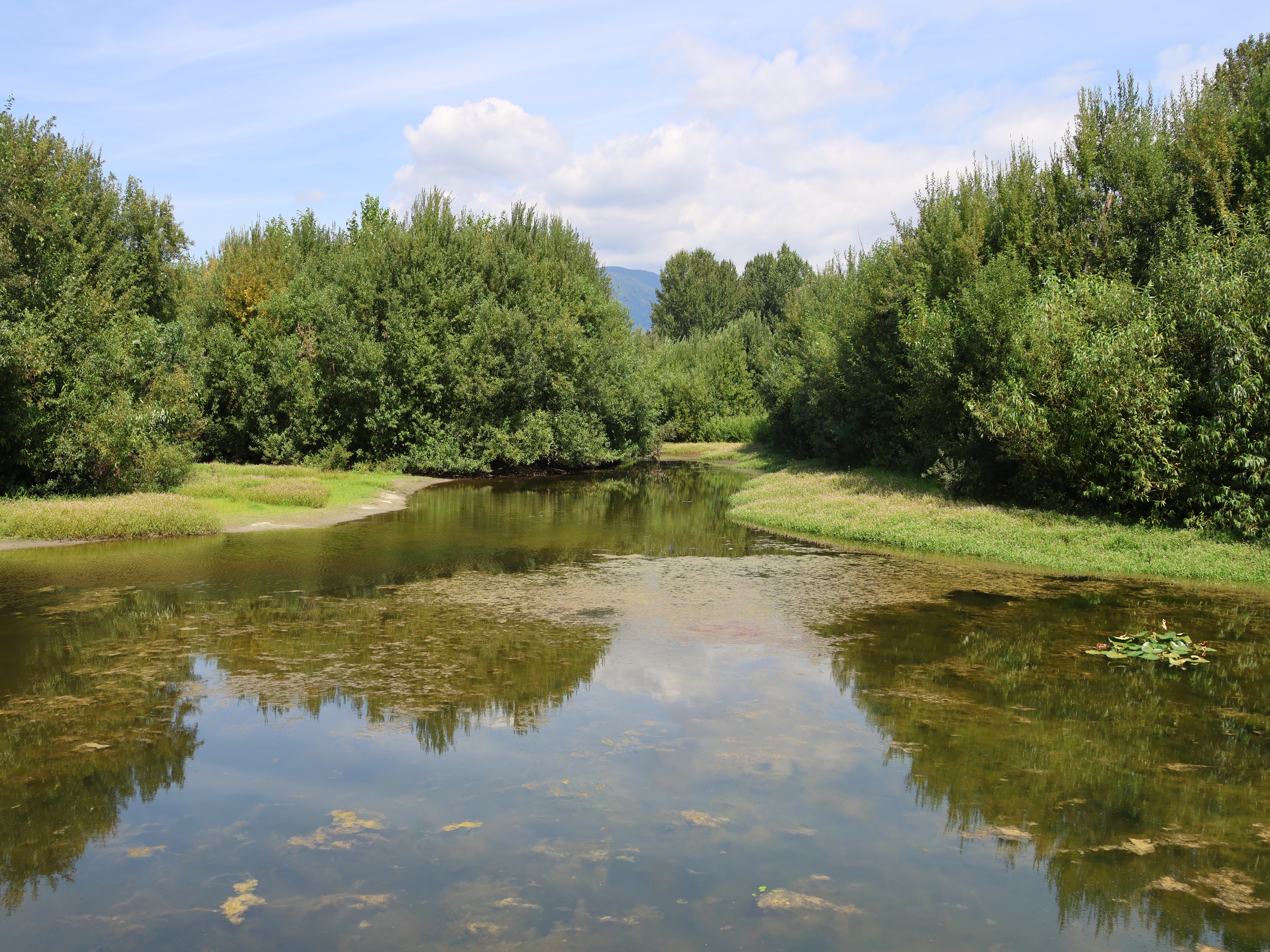
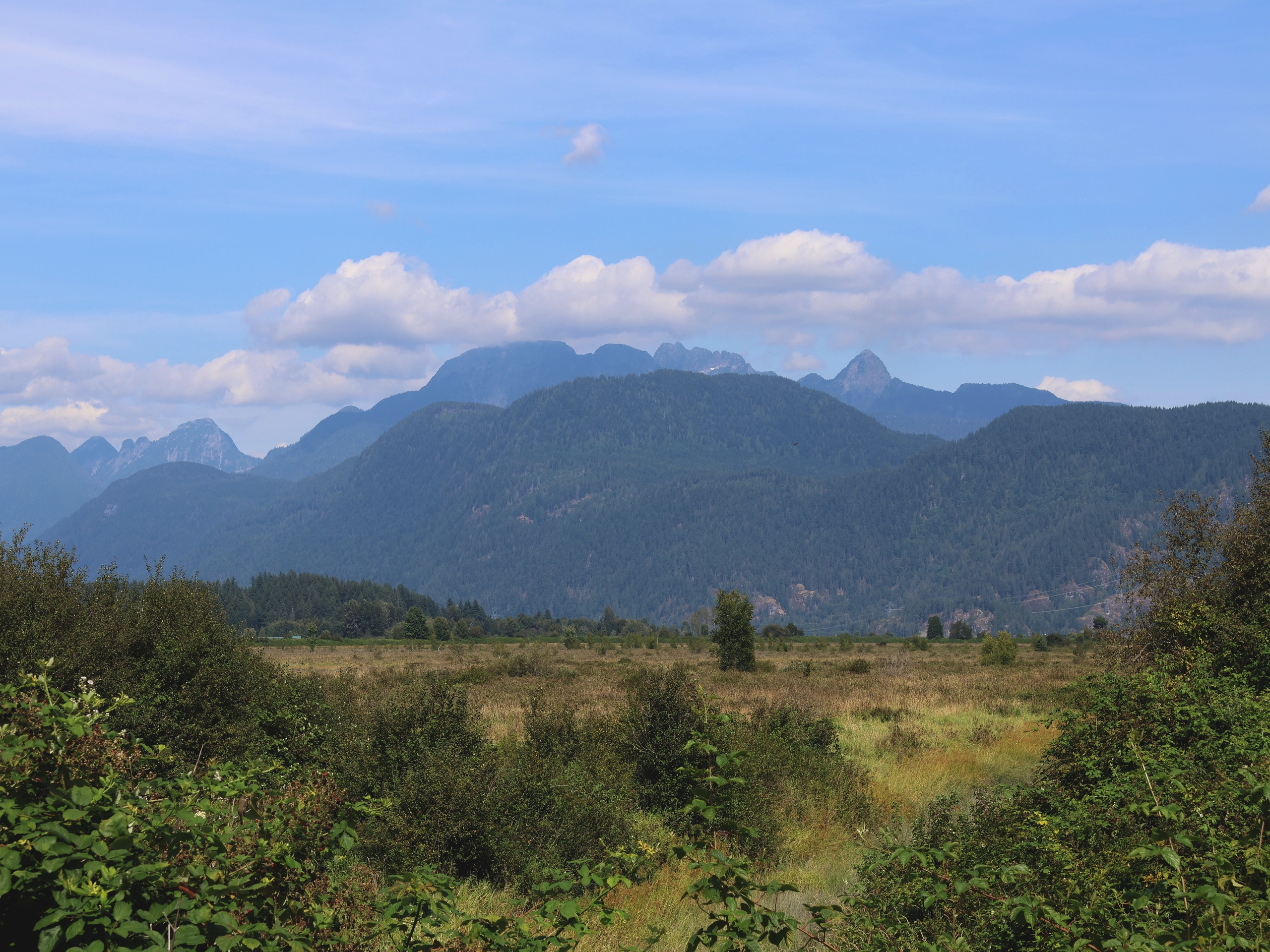
View from the turtle nesting area. Not seen: turtles, as always.

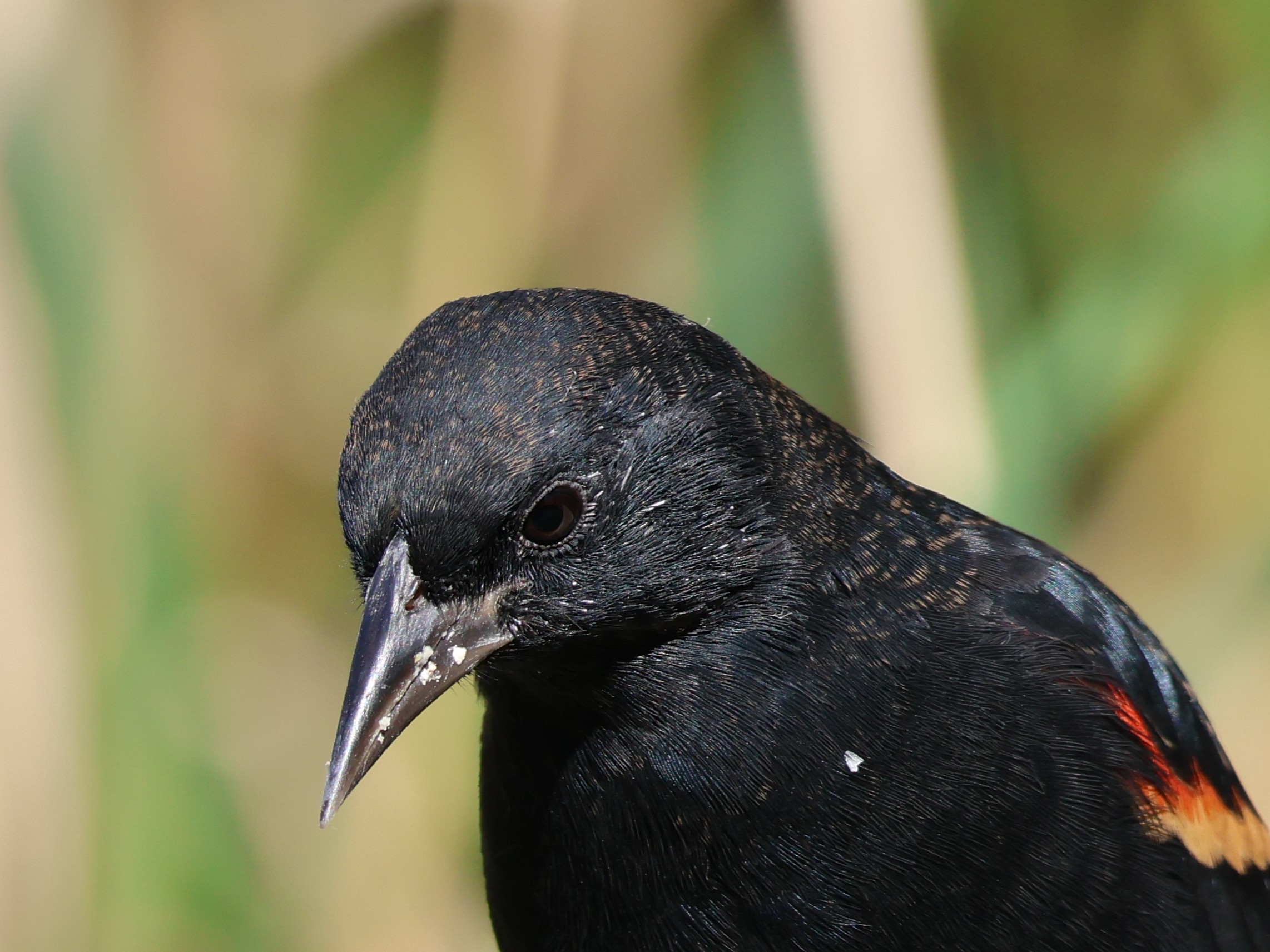
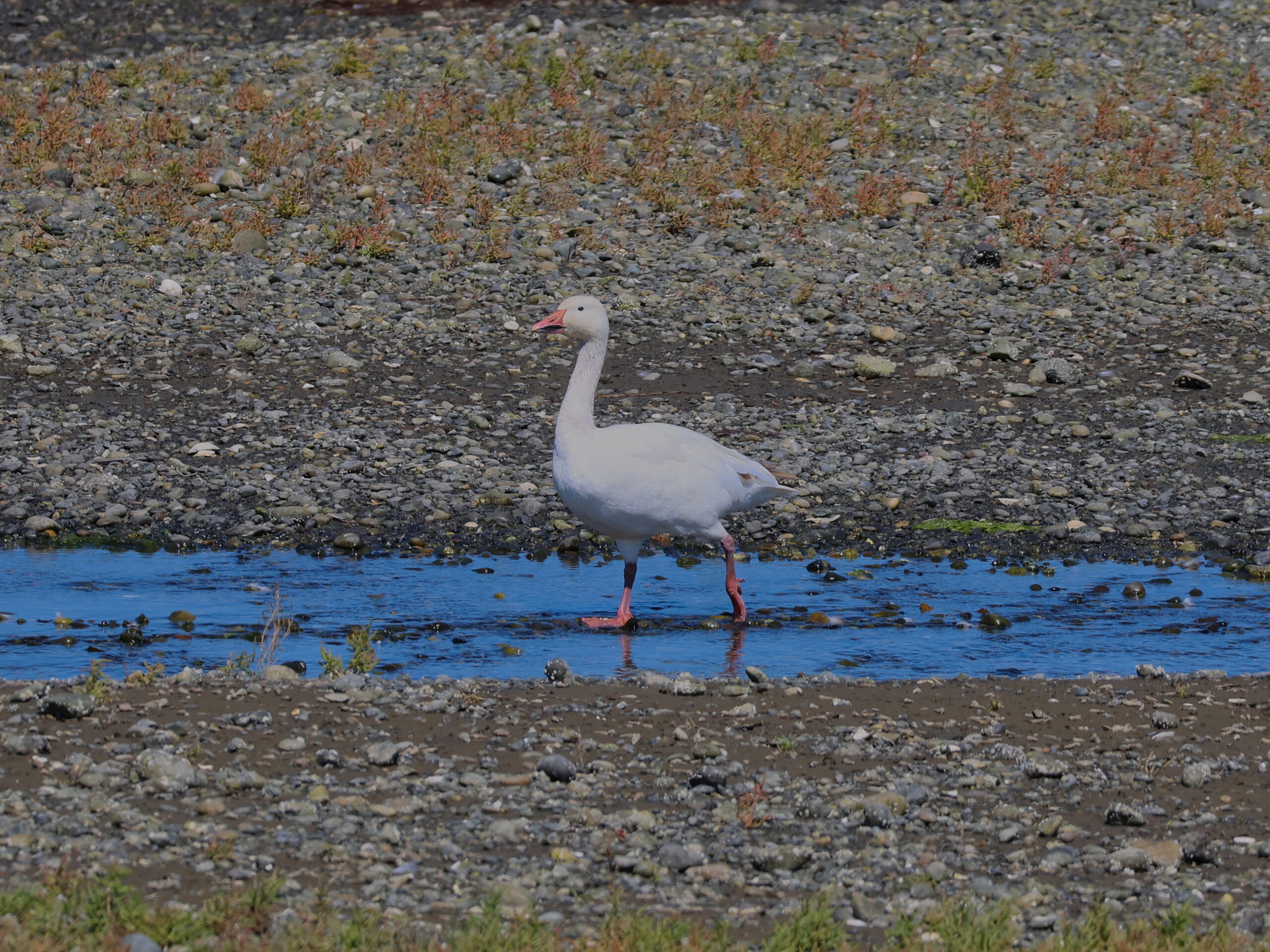
Although several naughty humans were feeding seed to the birds, which has been banned all summer (and reinforced my many signs all over the place), there were still relatively few around. We did not see geese, blackbirds or any fall migrants. It is also true it is not fall yet. Perhaps the migrants know this, too.

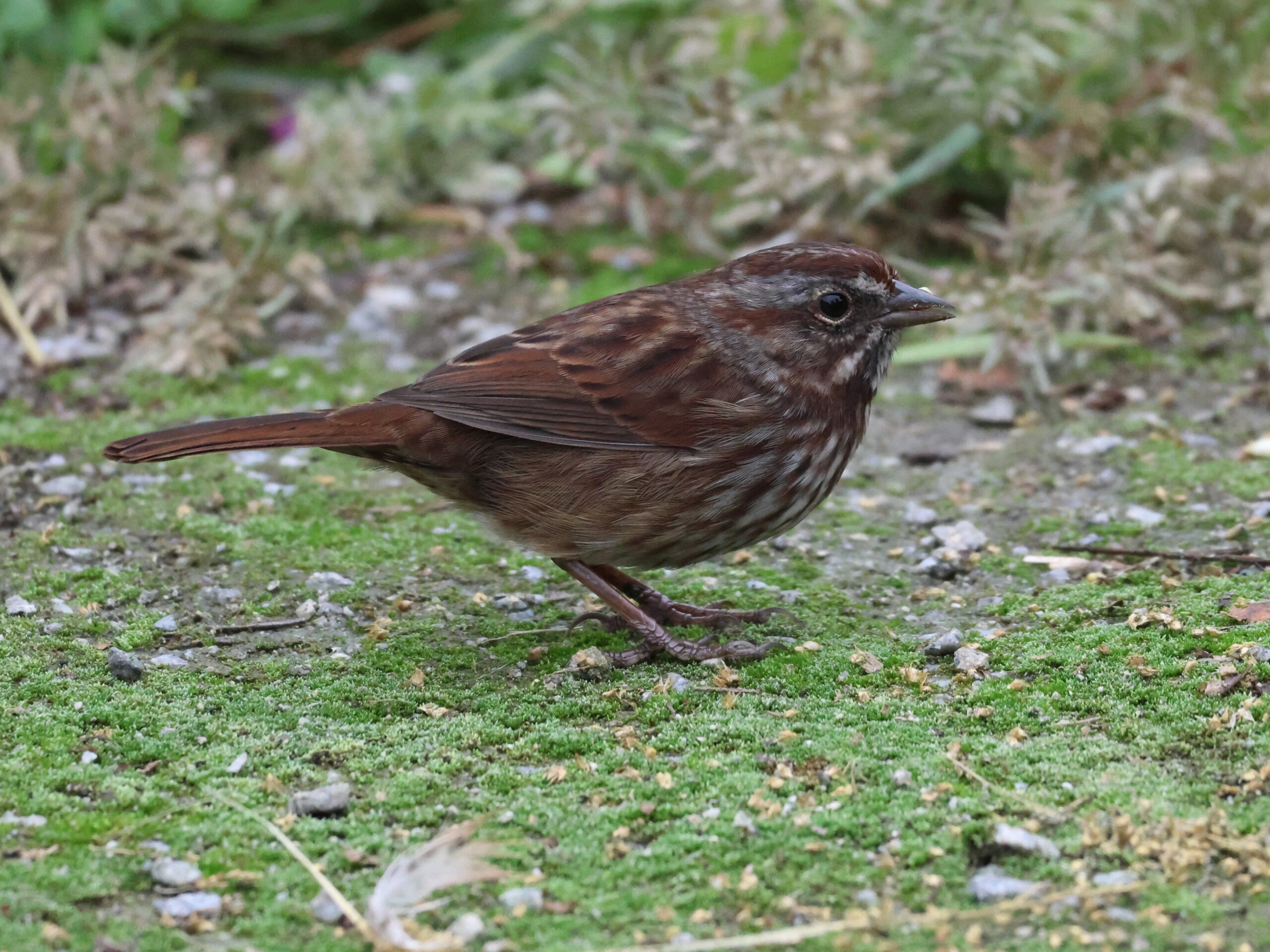
But we did see a scruffy little young song sparrow and an even more adorable baby cedar waxwing, which still had a lot of down, but already sported a proto face mask. It was kind of hiding in the bushes, which is probably a wise thing for its age.

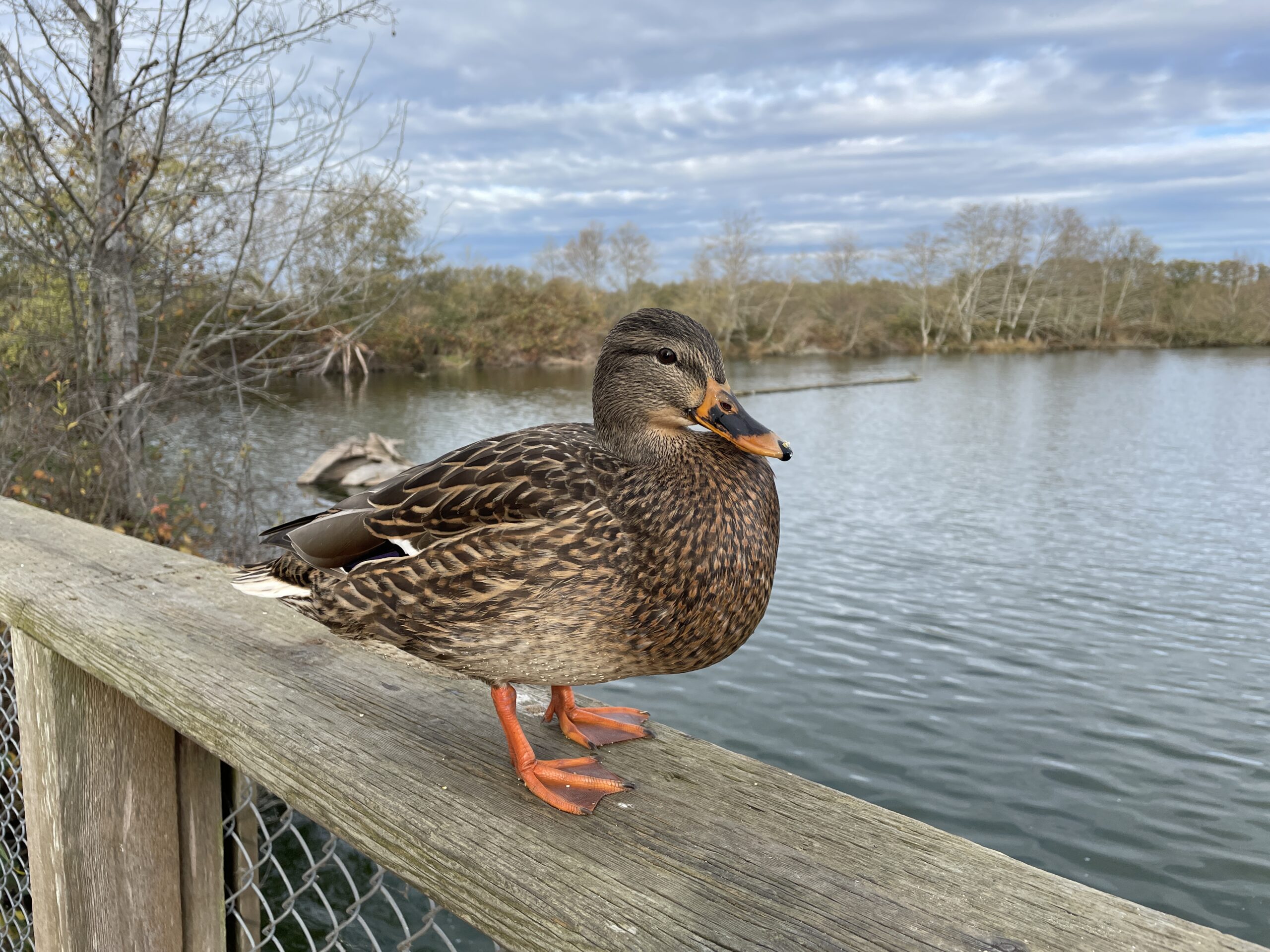
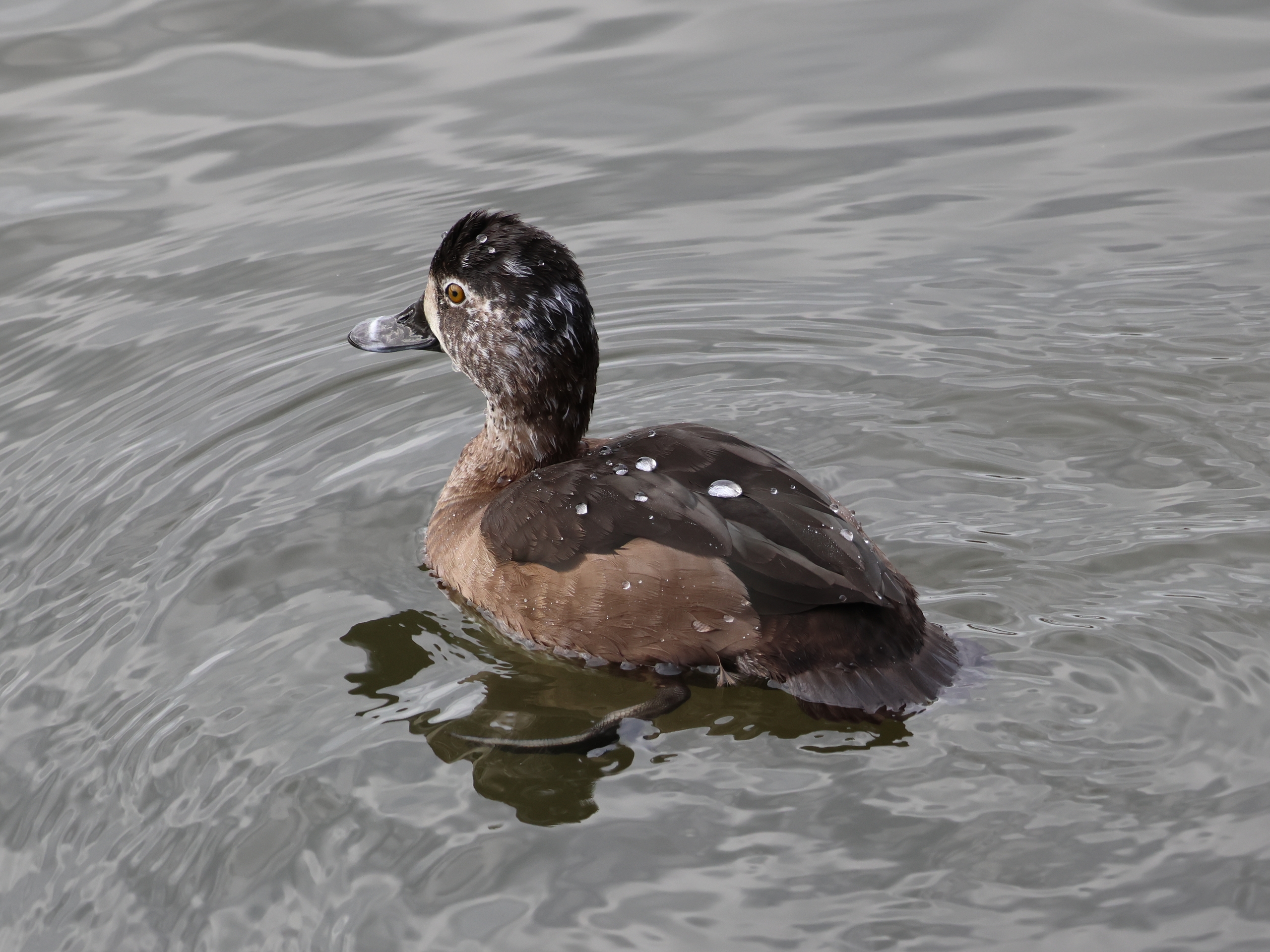
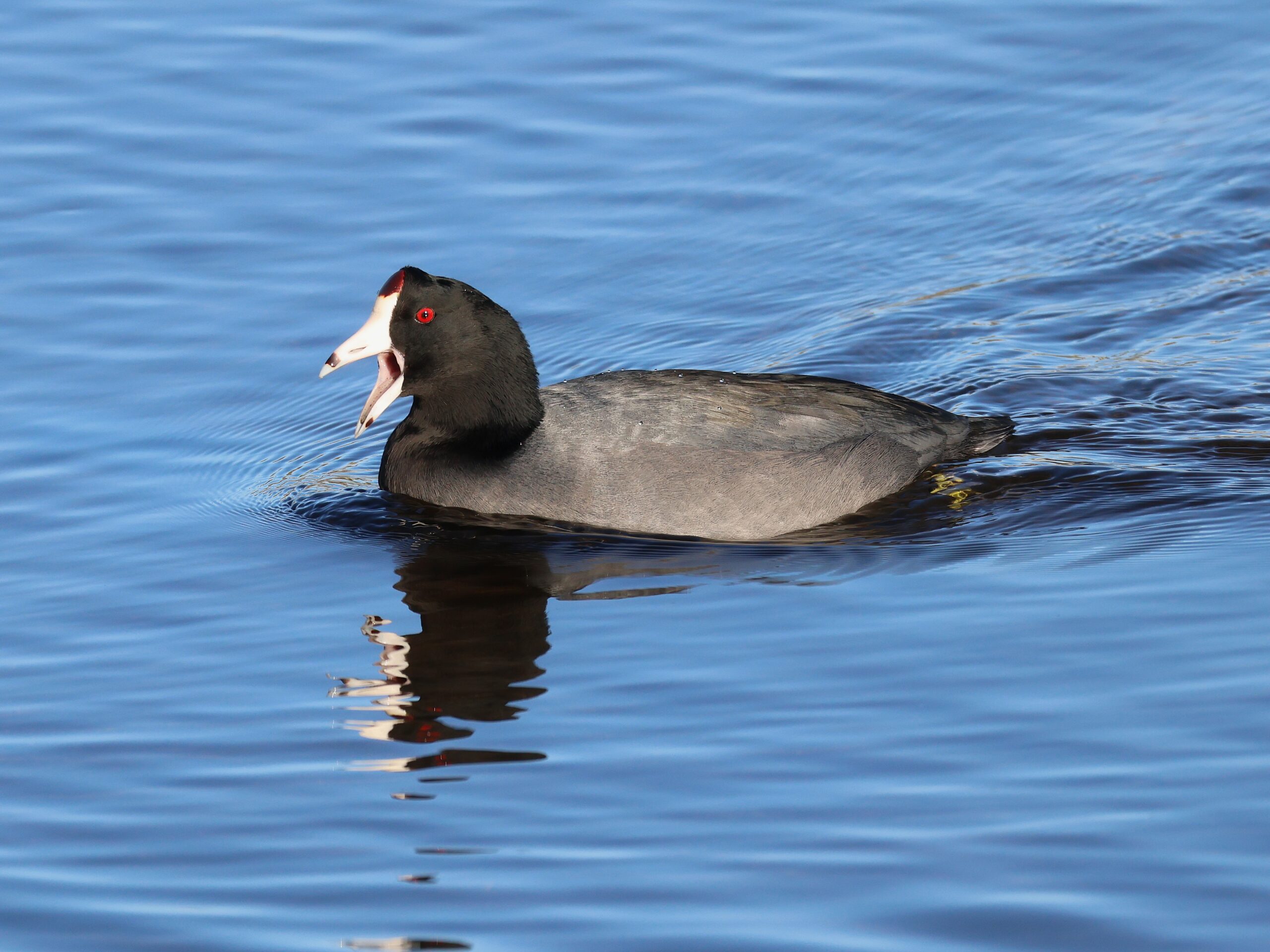
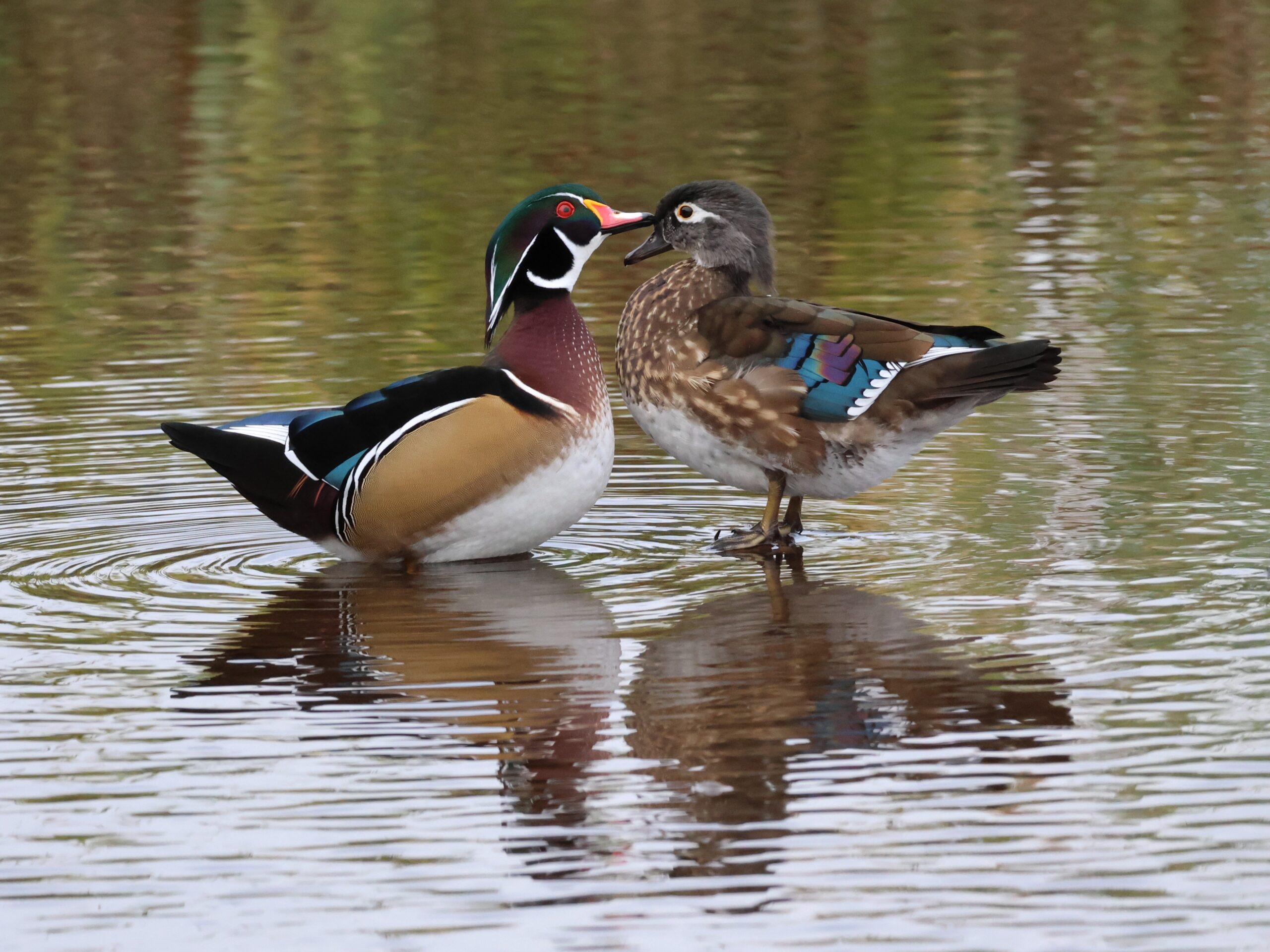
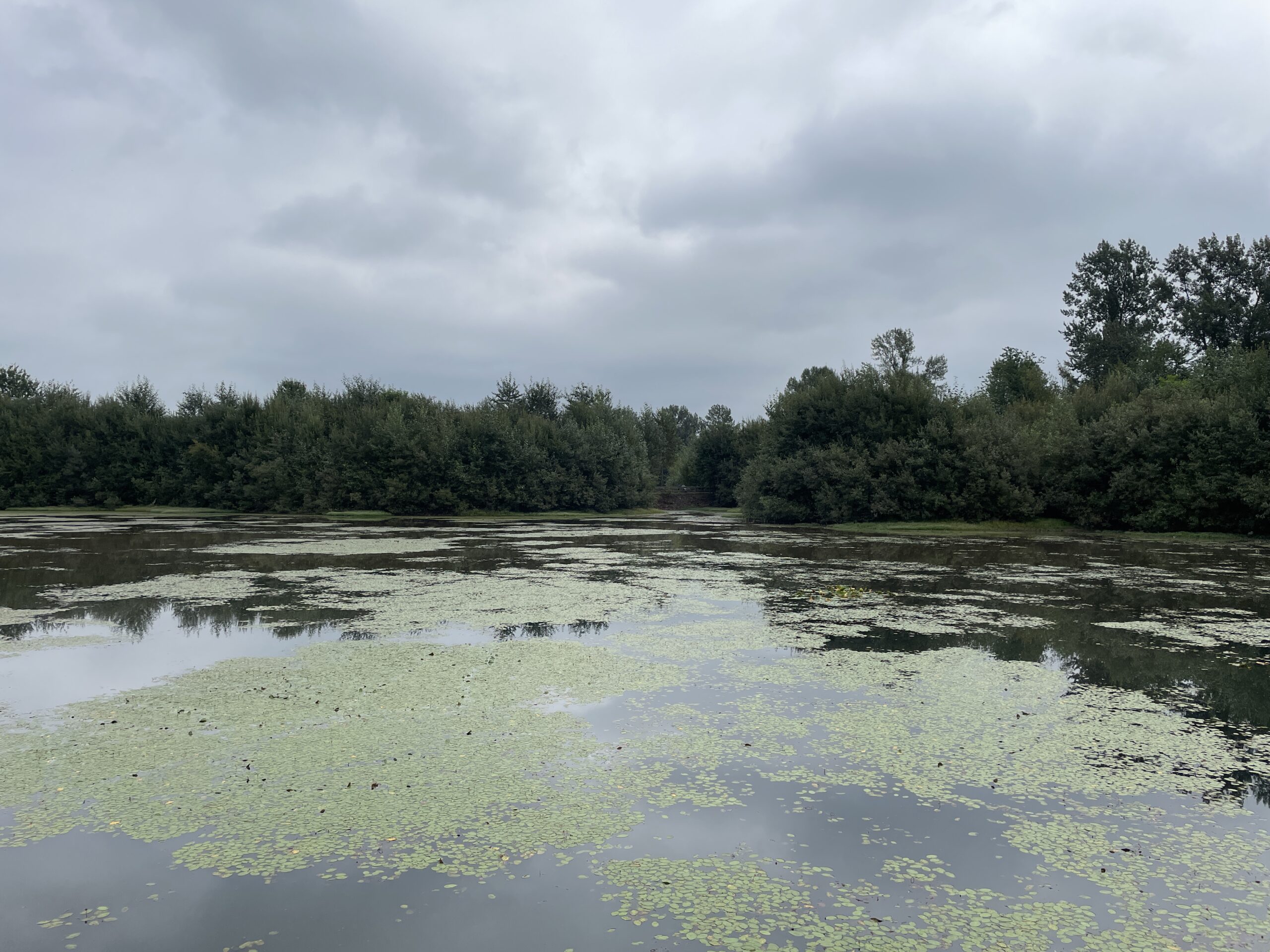
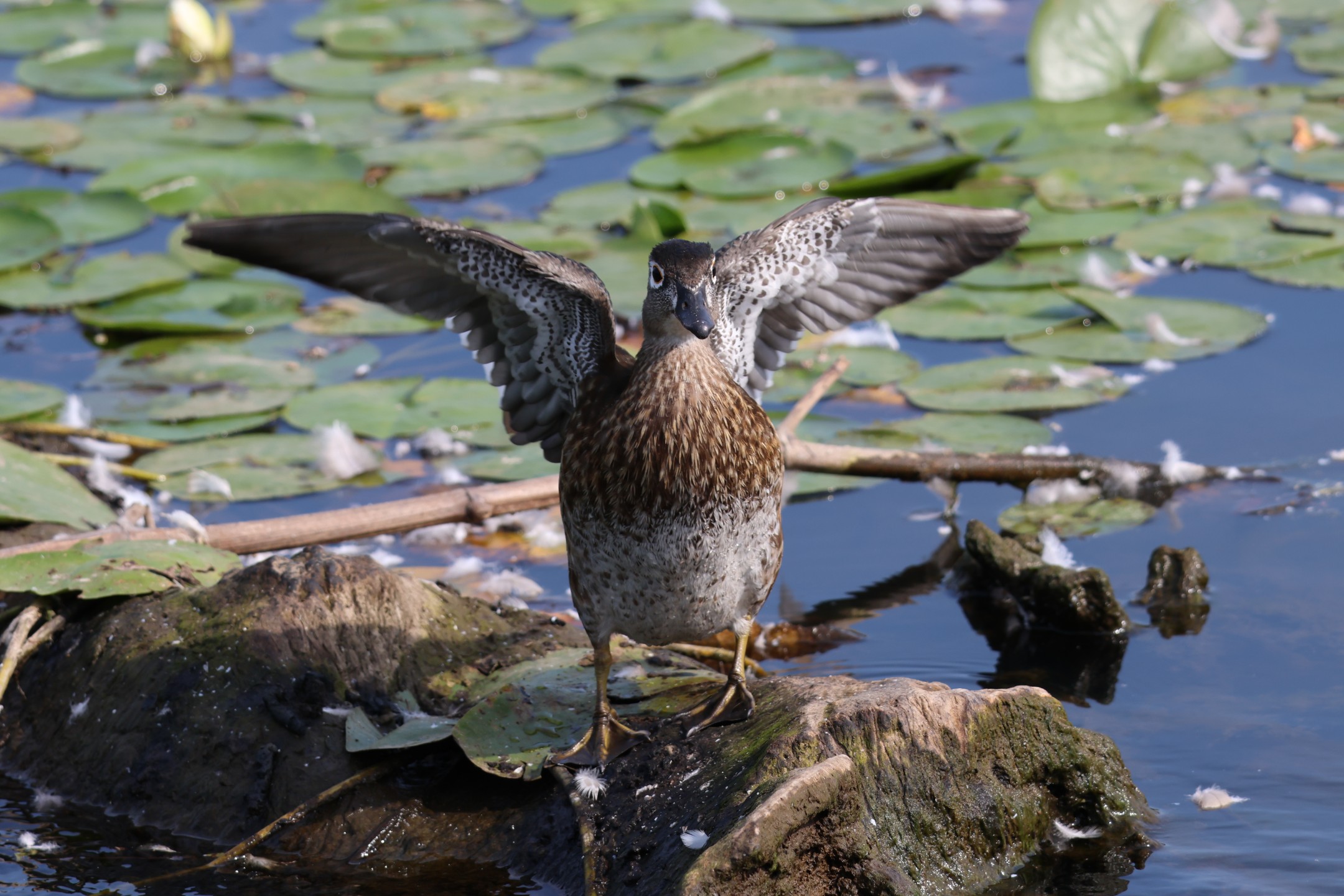
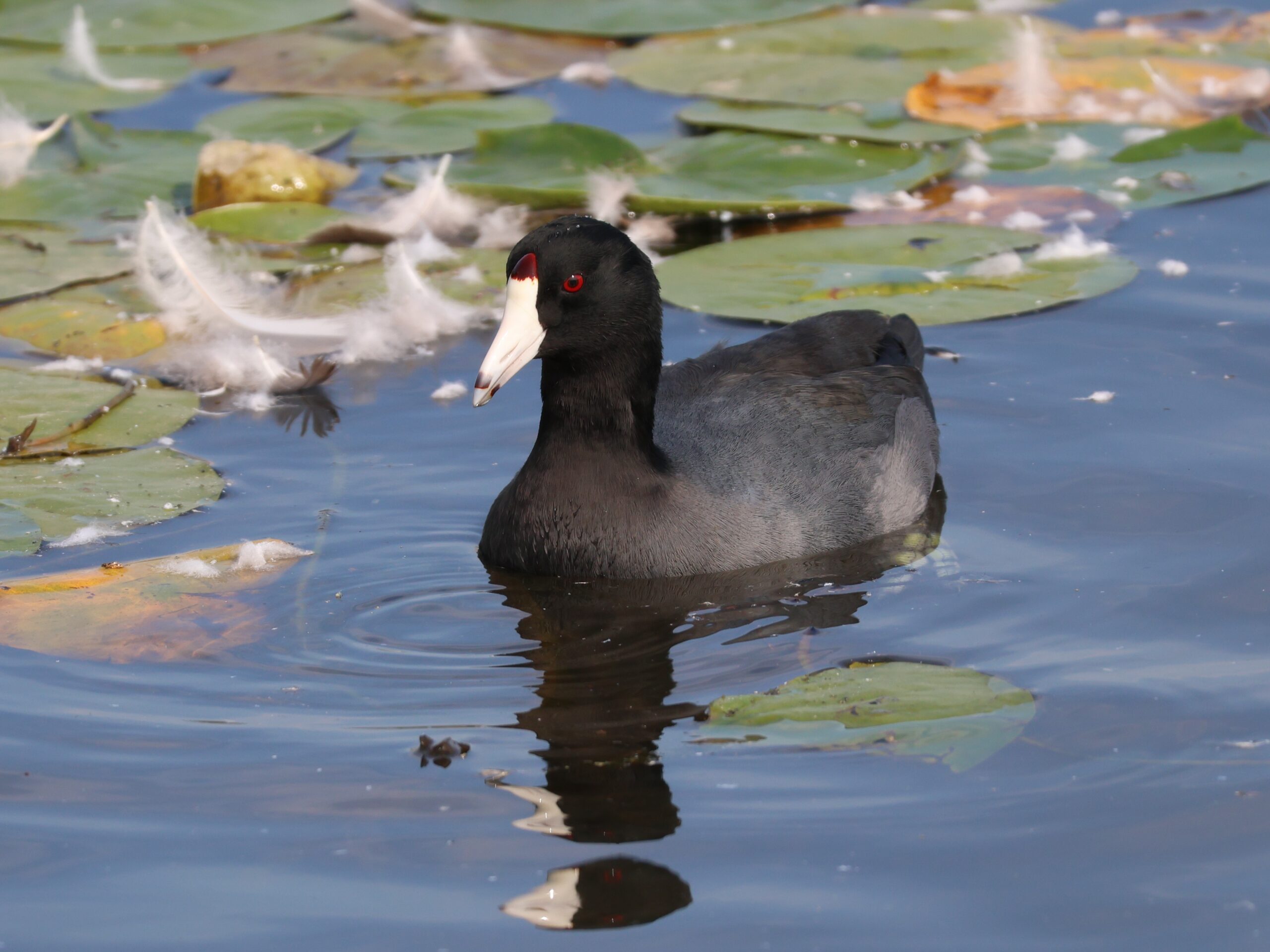
The waterfowl largely consisted of mallards and wood ducks, and they mostly stayed well away from the pier. If it hadn’t been for one very splashy duck, I might have taken more shots of butterflies and bees.

But the trip was worth it for the babby waxwing.

Tlahutum Regional Park

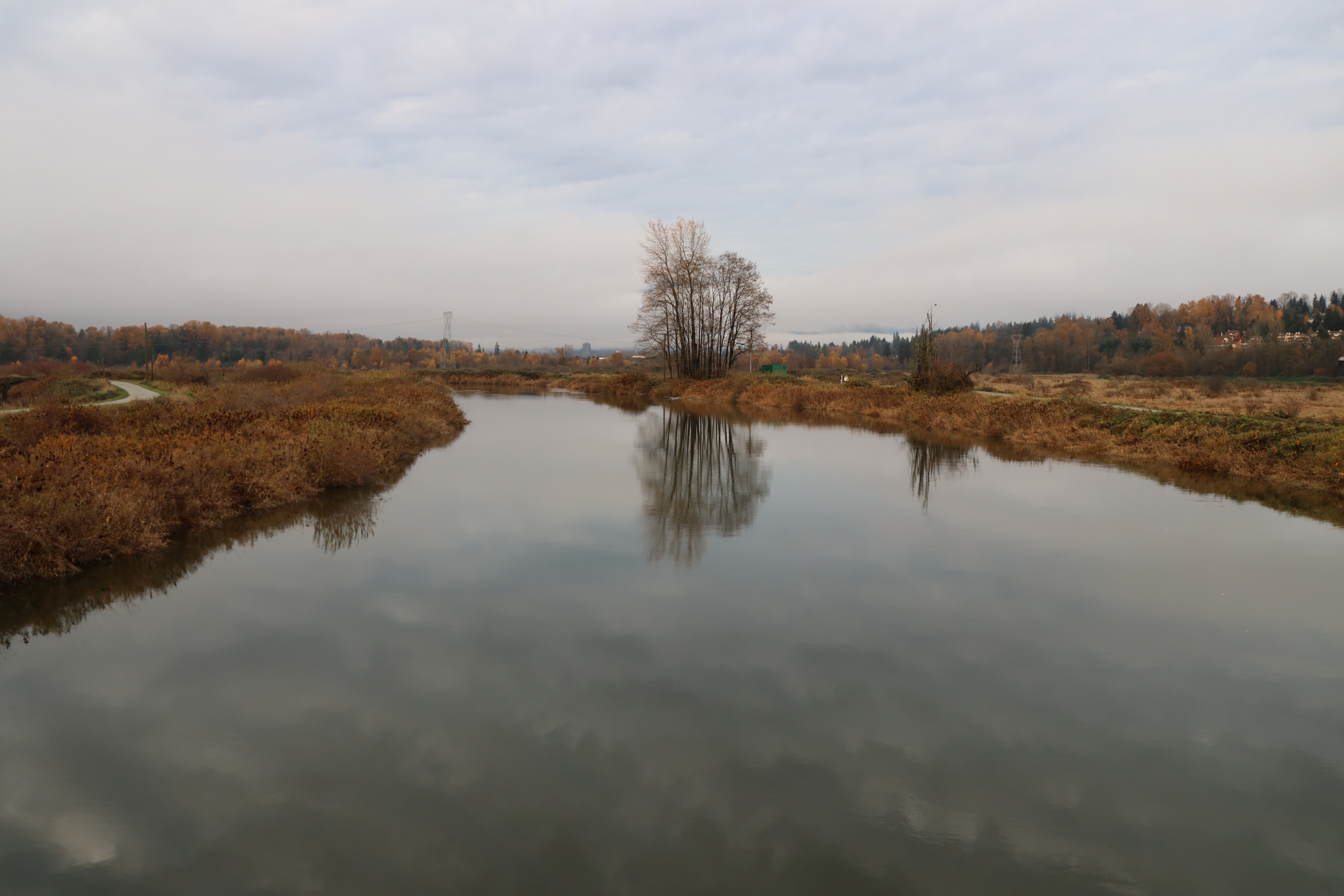
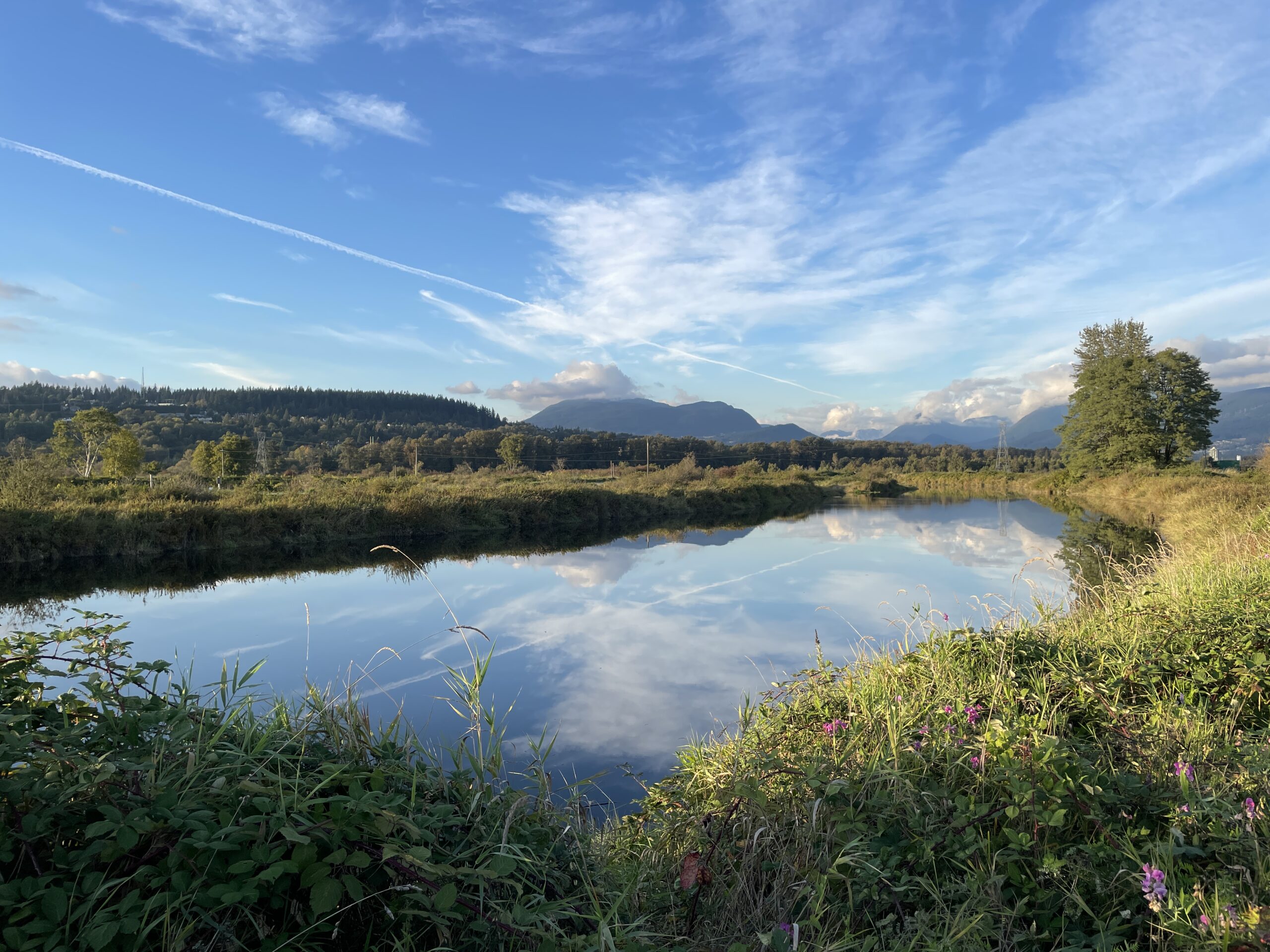
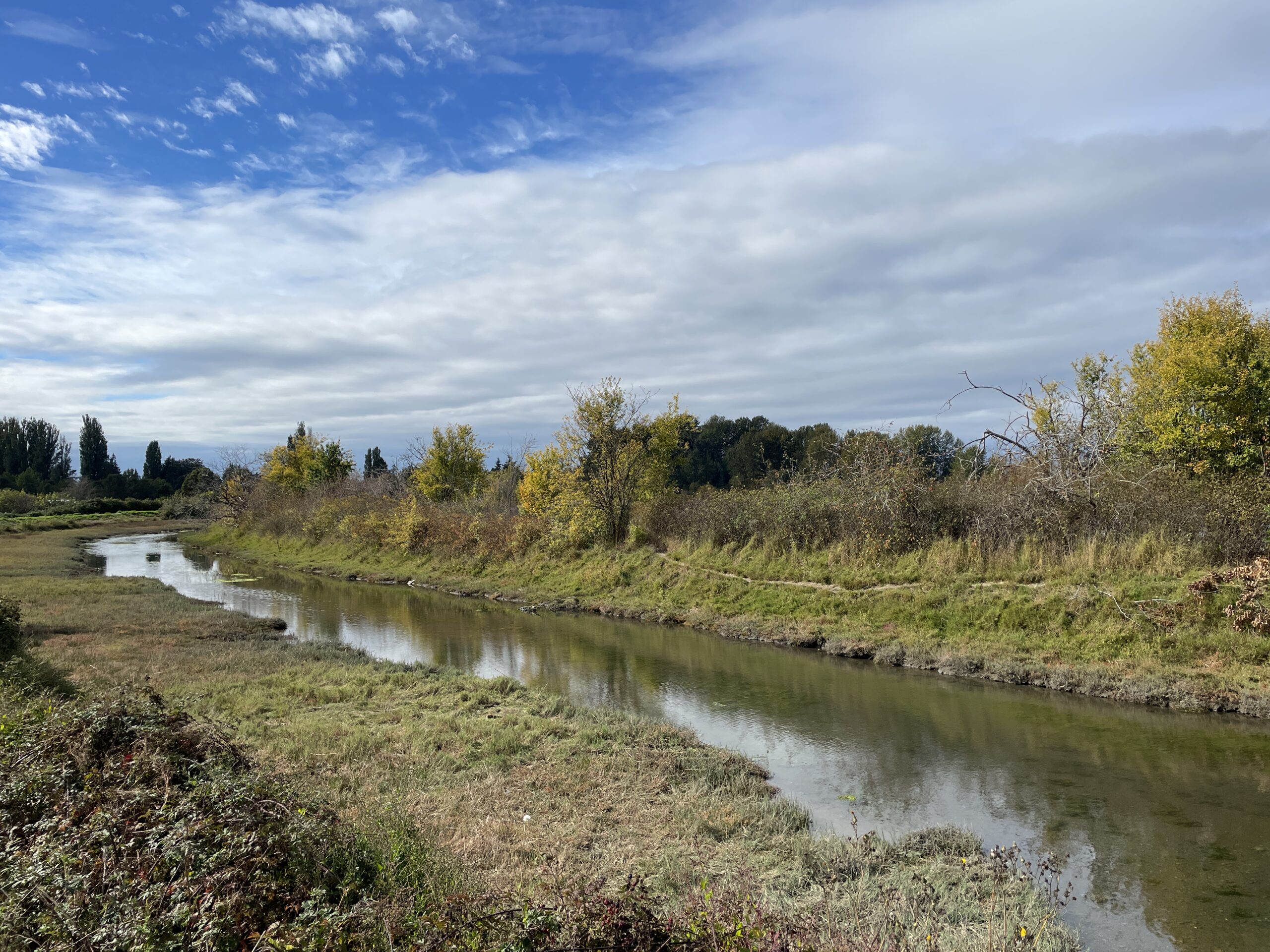
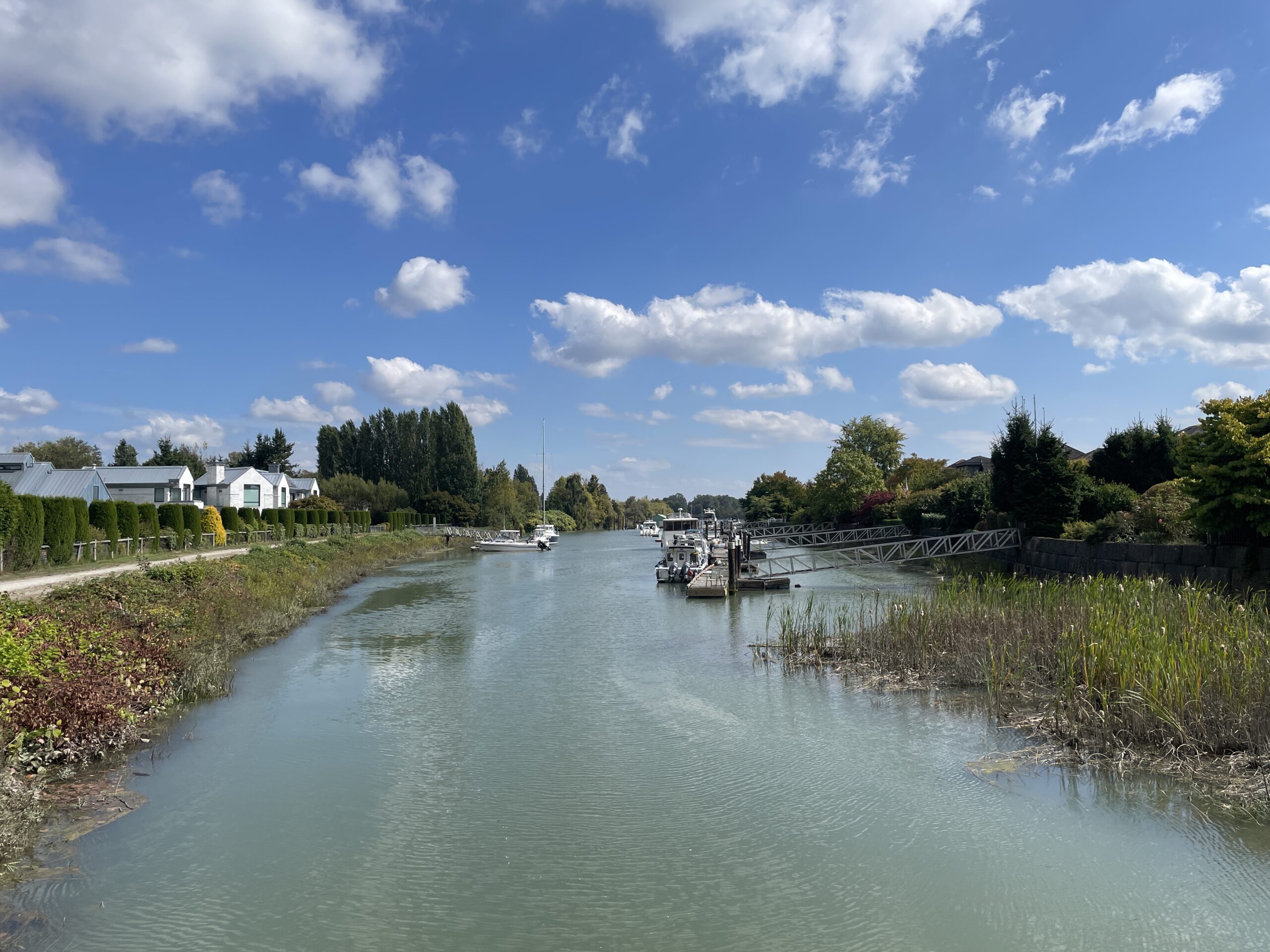
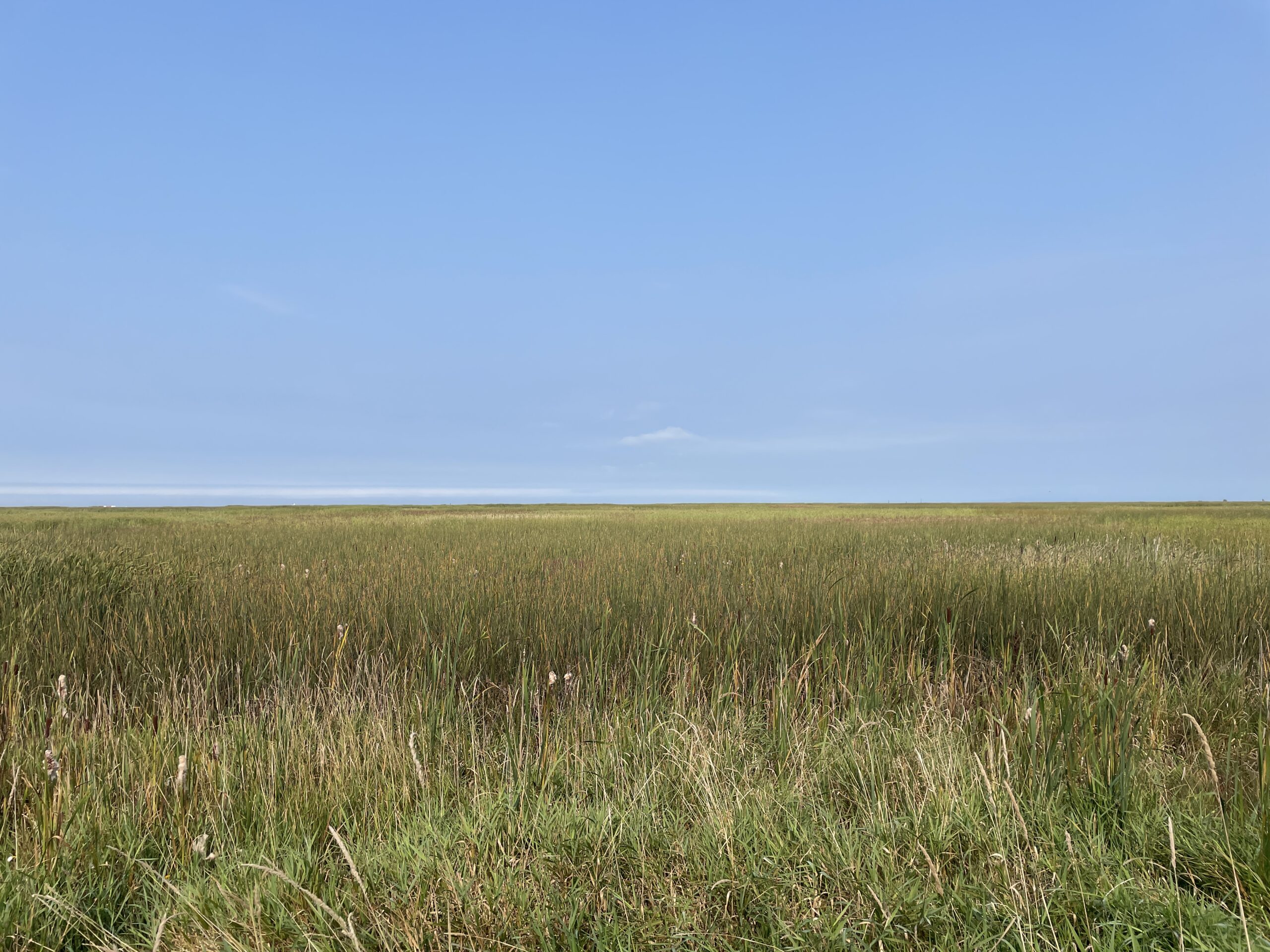
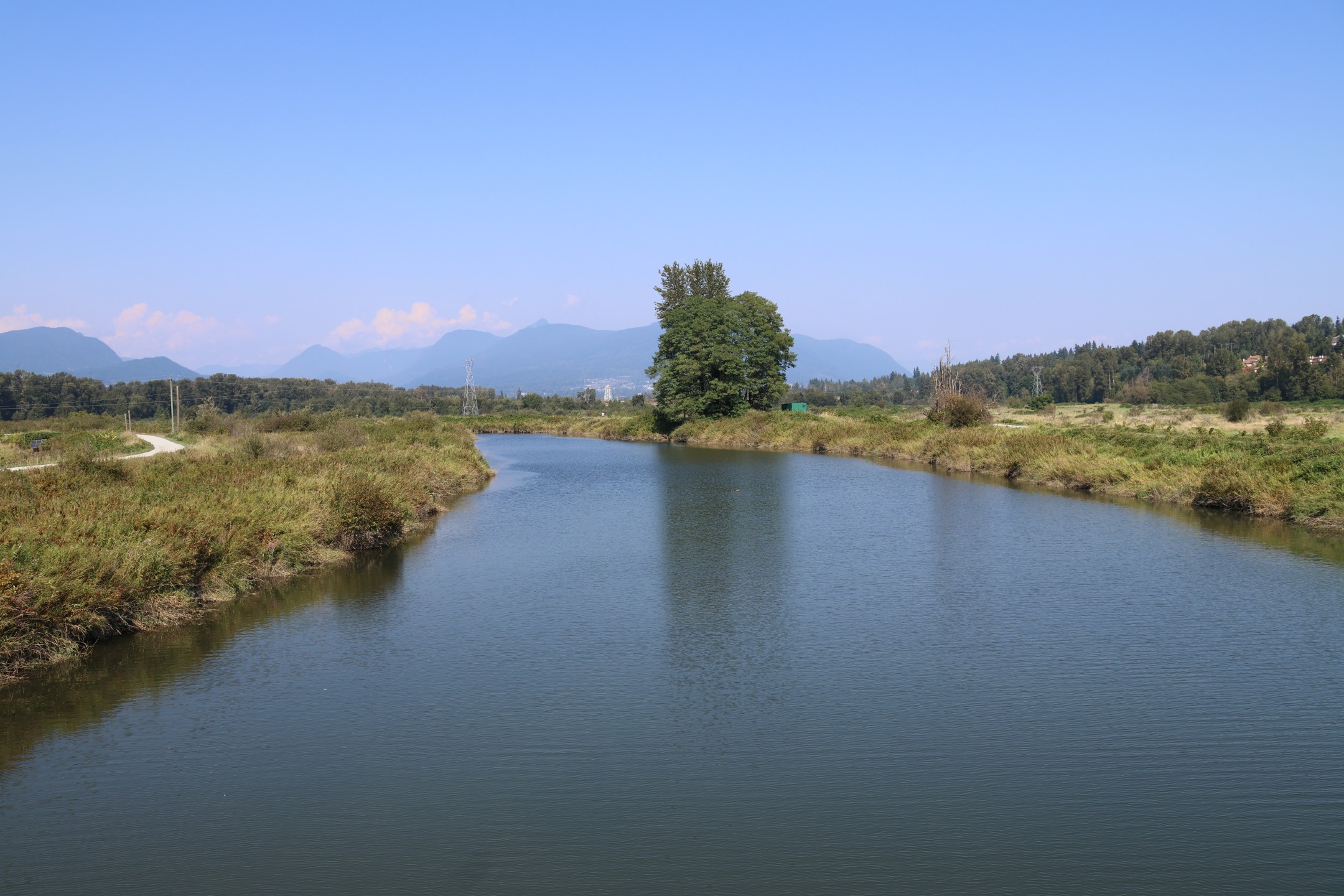
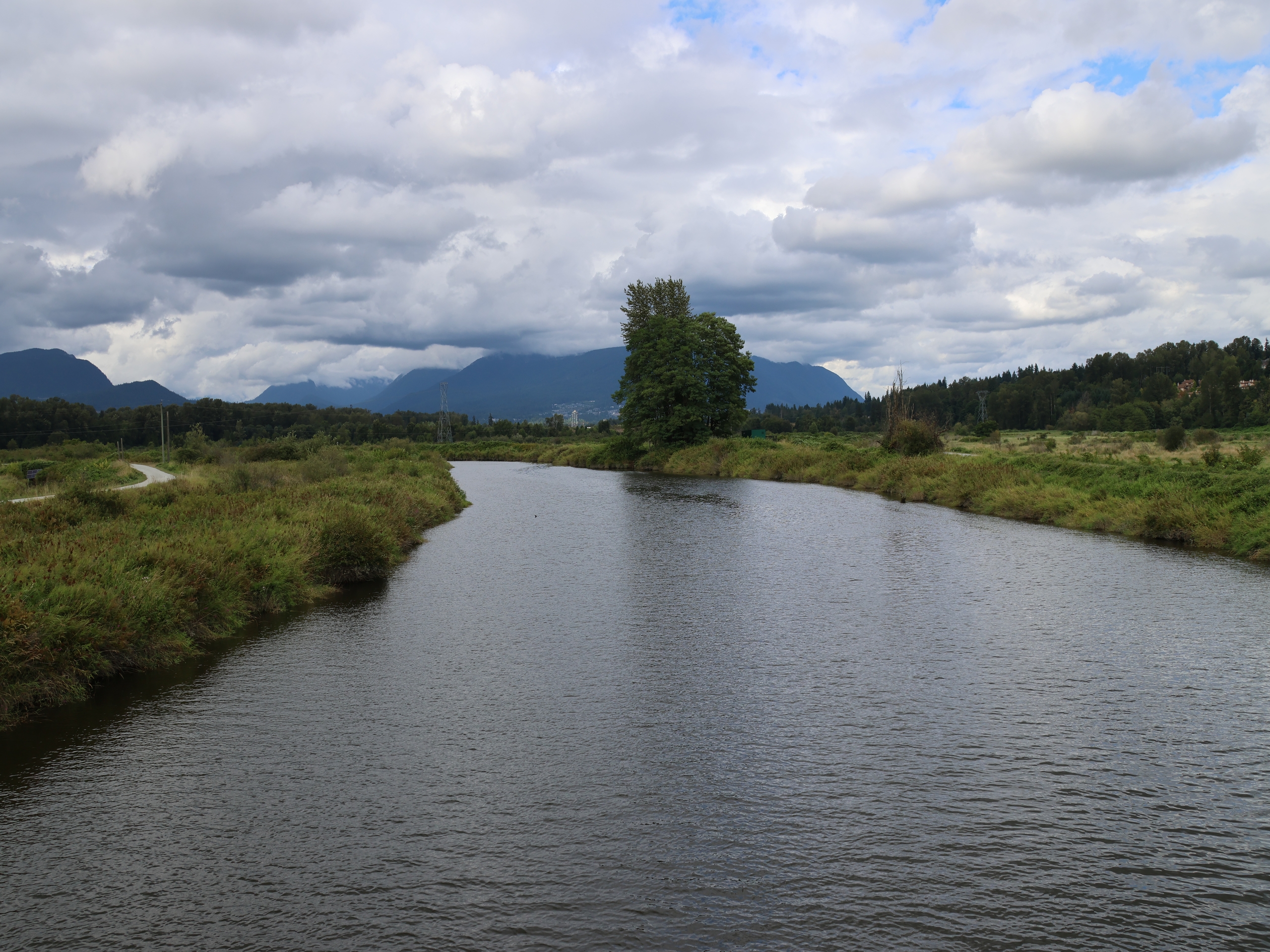
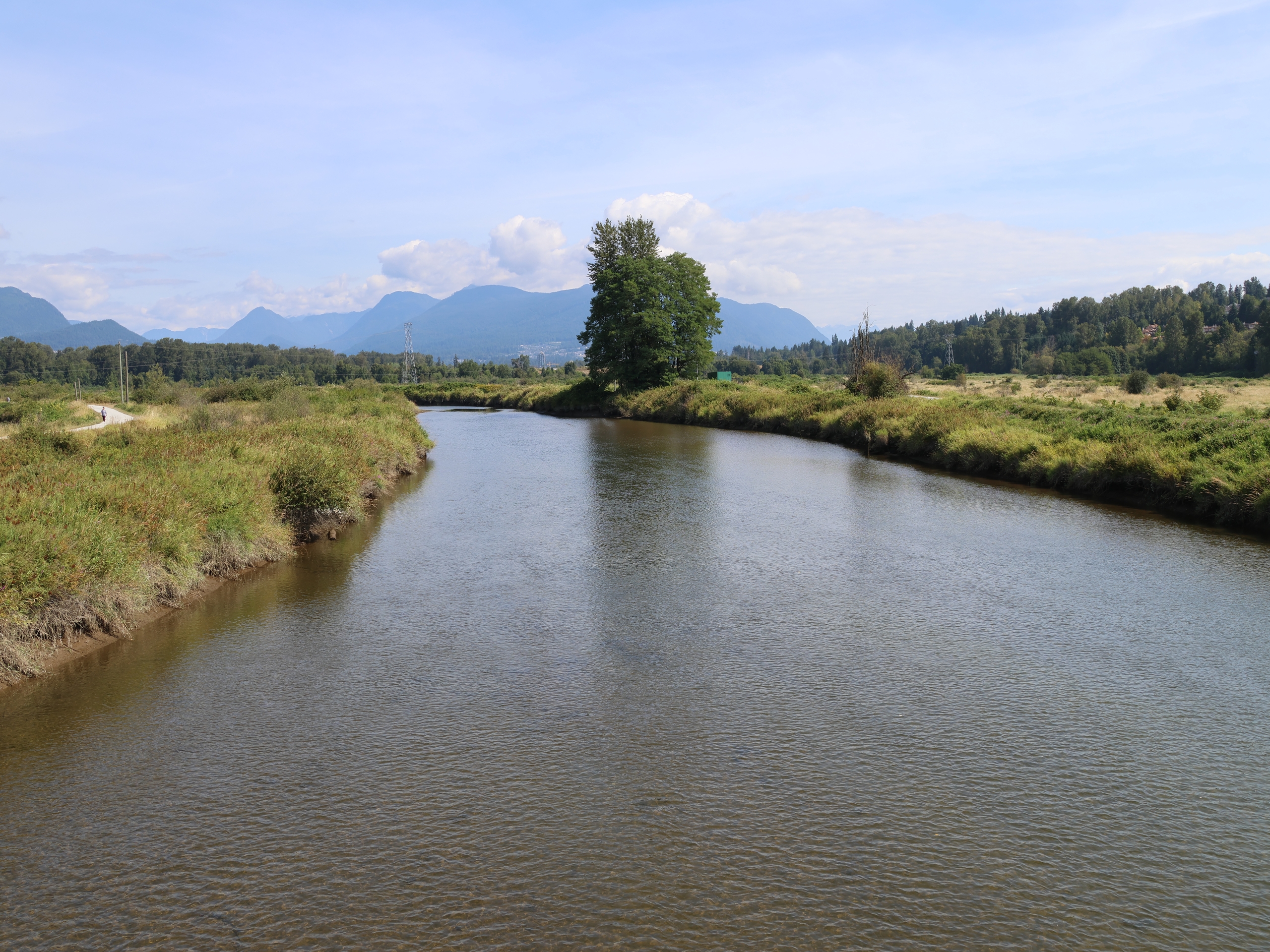
Coquitlam River, fuller than last week thanks to heavy rain the day before.

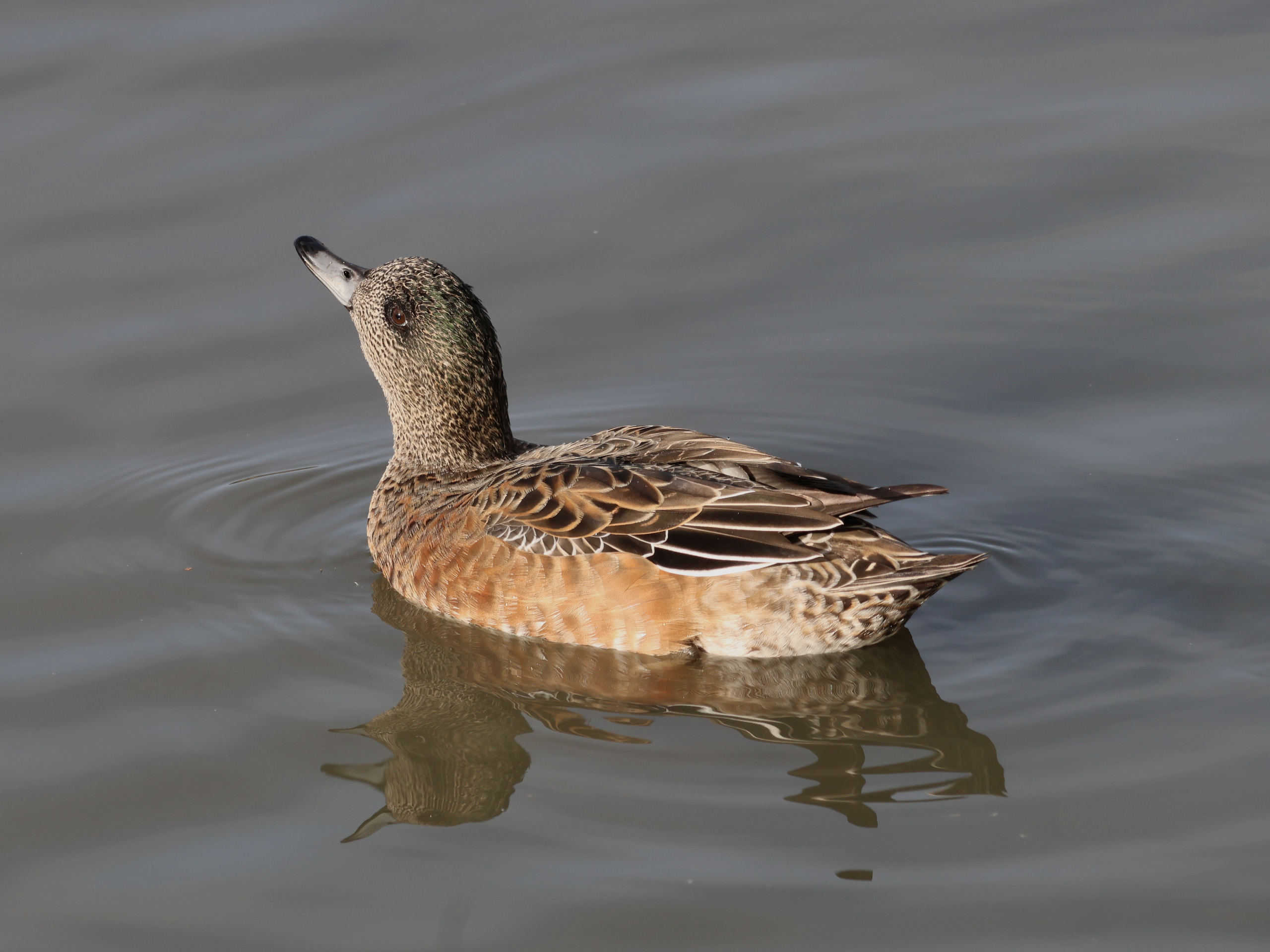
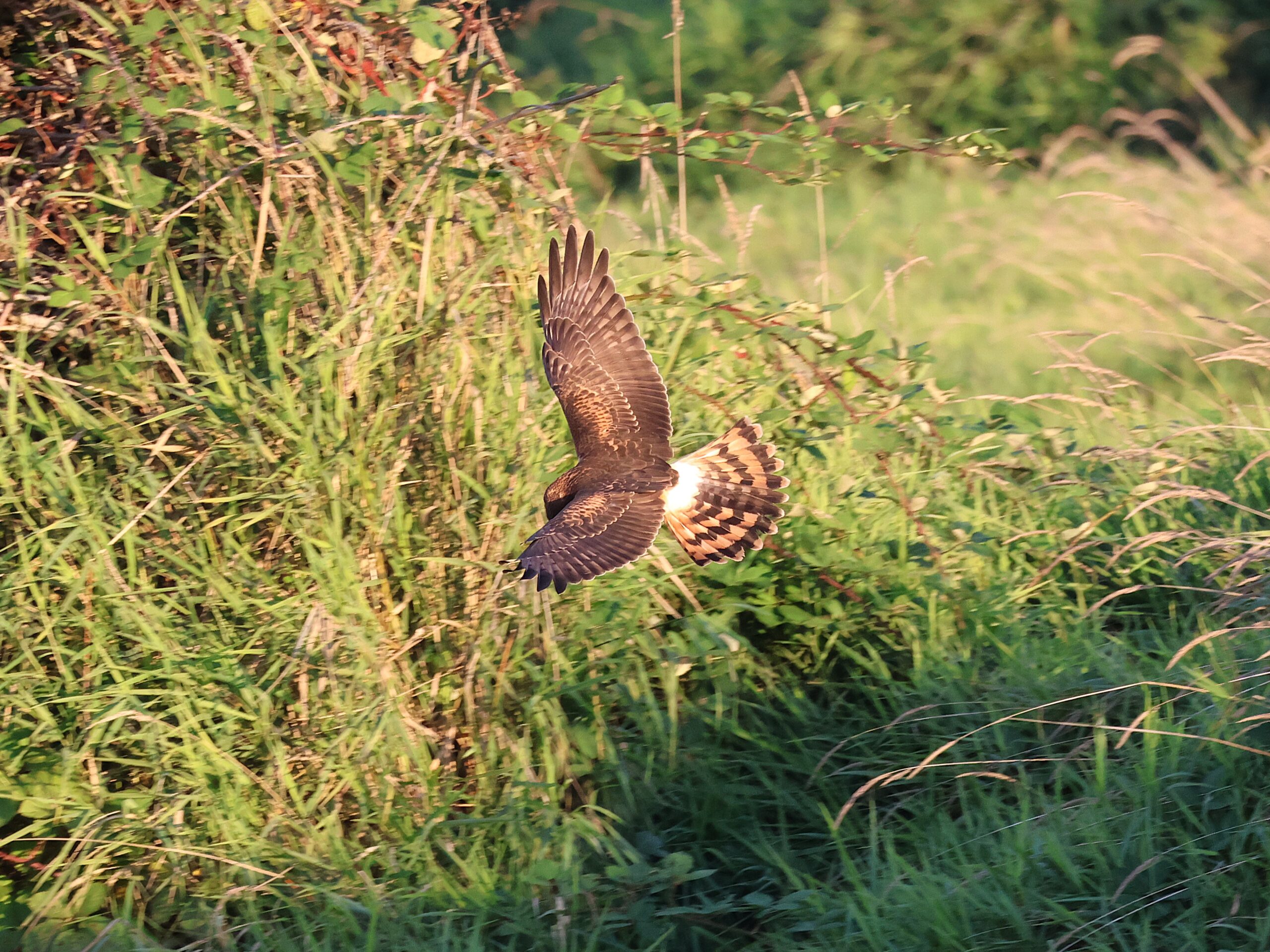
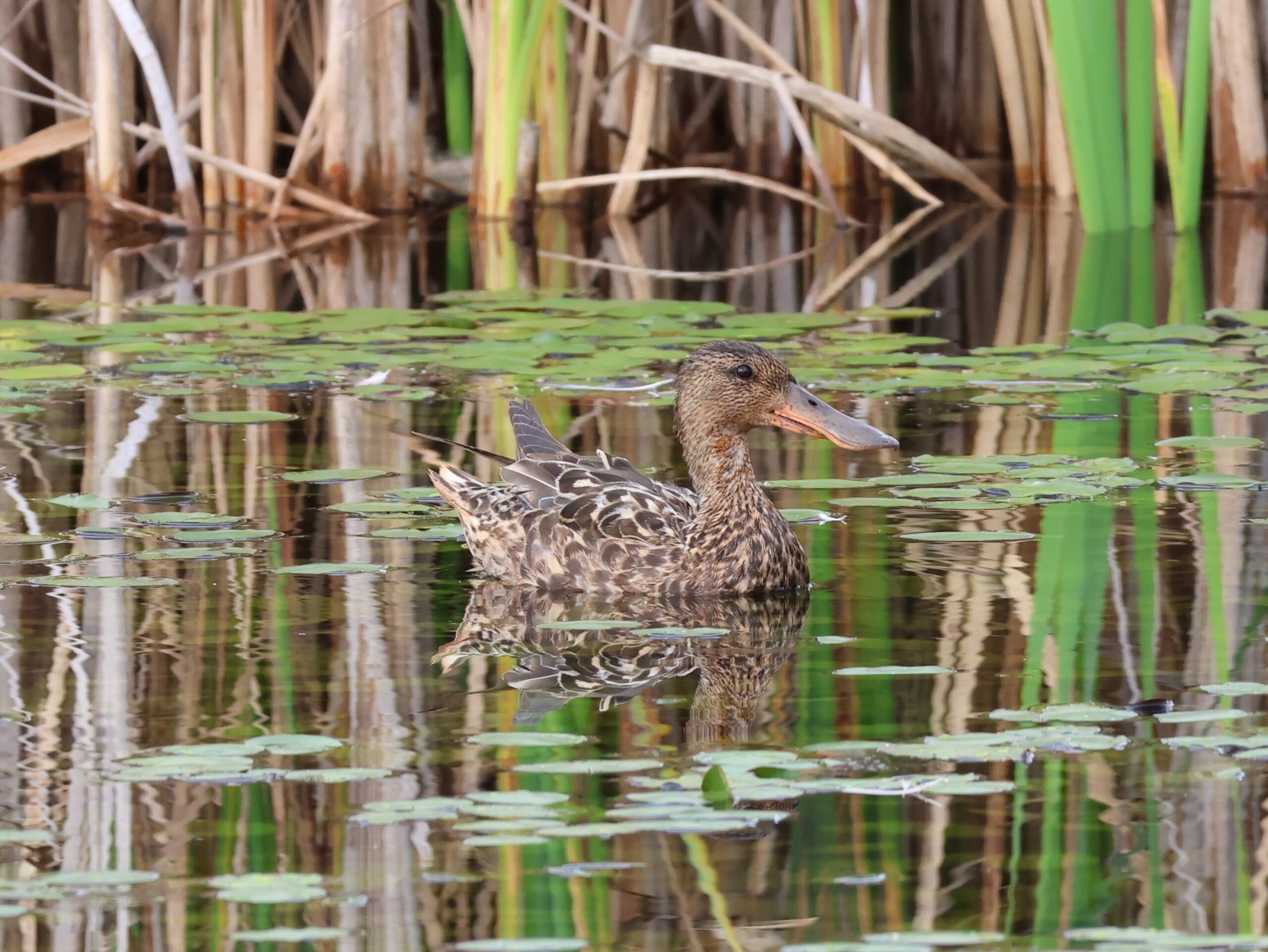
There were even fewer birds at Tlahutum, though we did see some kind of raptor flying way overhead, and a lone female northern shoveller in the main pond. I shot a lot of flowers here, which have the bonus of not flitting around, unless it’s really windy.

And that was about it! Our outing was shortened by foul (not fowl) weather in the morning and by an event Nic was attending in the early evening, yet I somehow still managed over 25,000 steps as I type this.

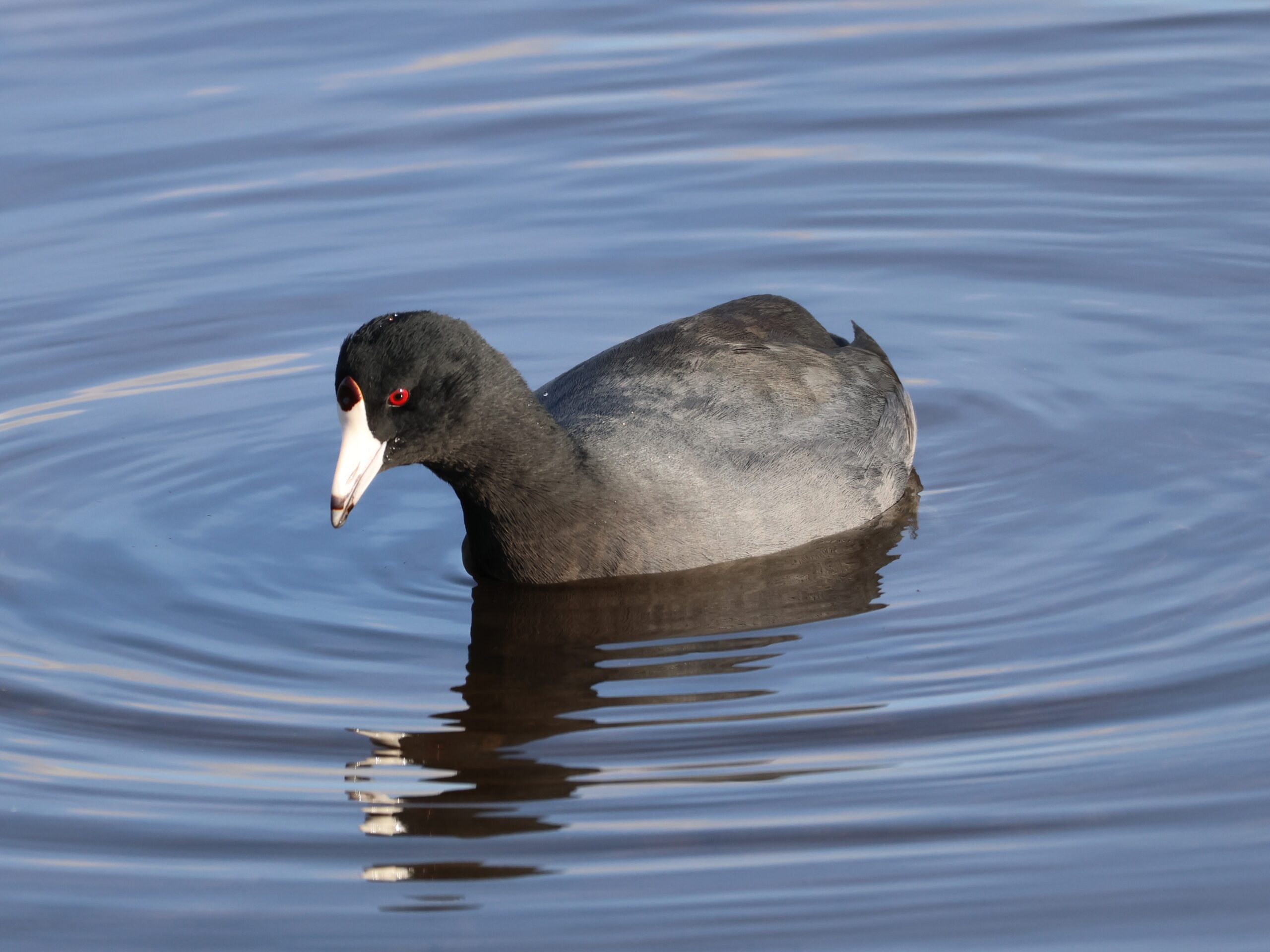
I think there is a decent chance we’ll see at least one fall migrant the next time we are out. Coots are imminent.

The Shots

Shot with a Canon EOS R7 with 18-150 mm kit lens and 100-400 mm telephoto.

A few shots:

Northern shoveller in the main pond at Tlahutum Regional Park.
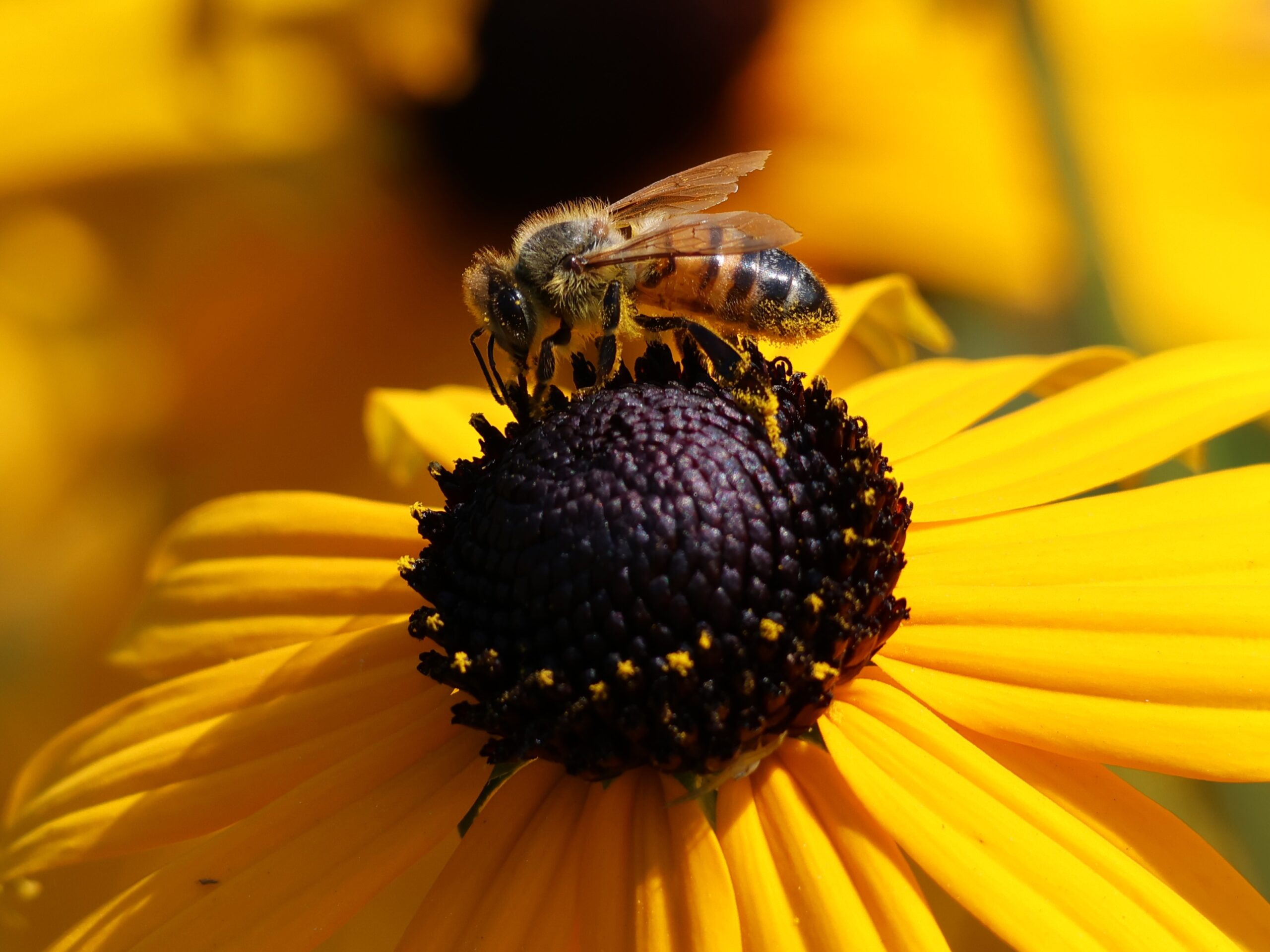
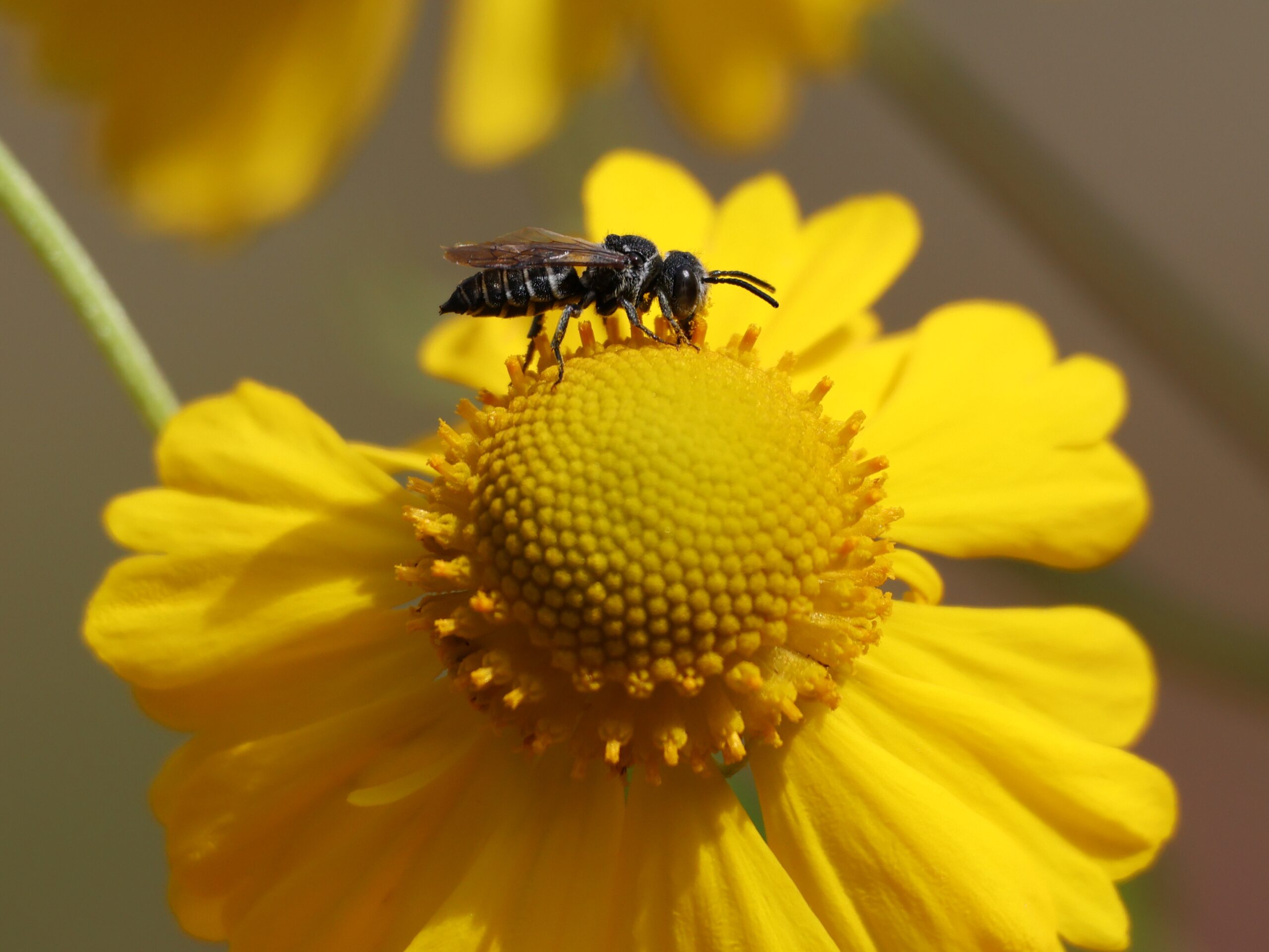
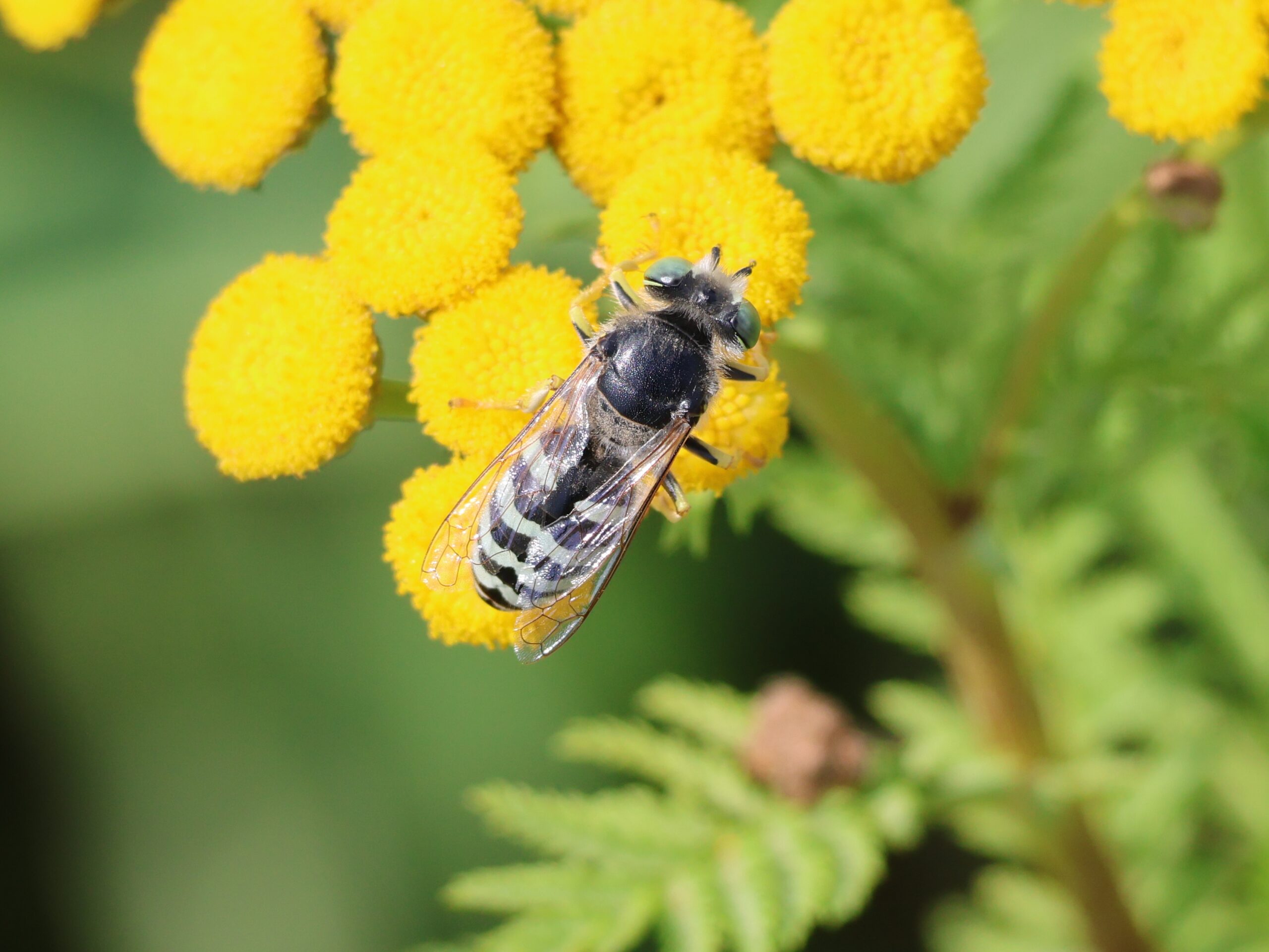
One of many pollinators seen in the community garden.

The Birds (and other critters)

Sparrows and sparrow-adjacent:

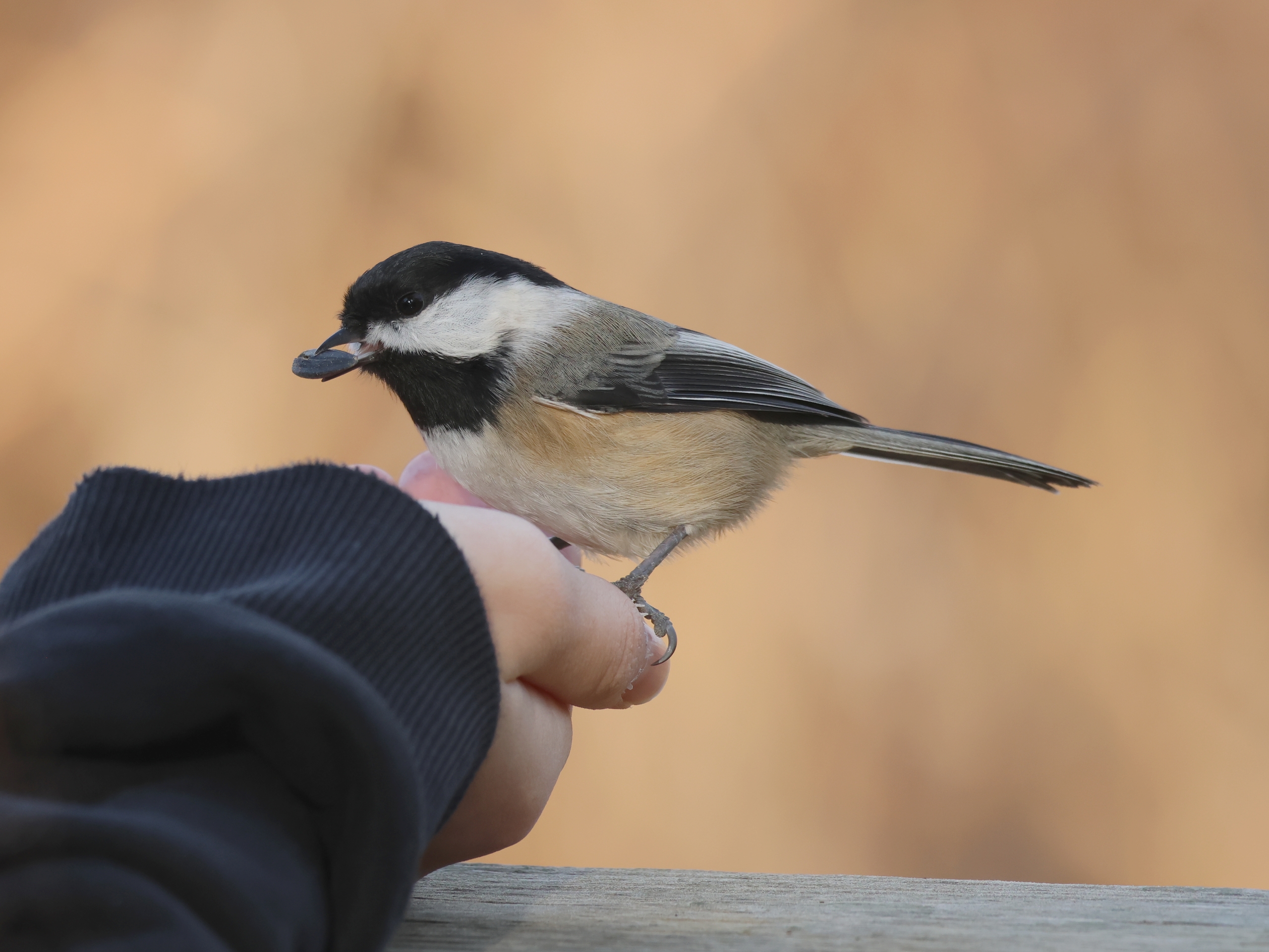
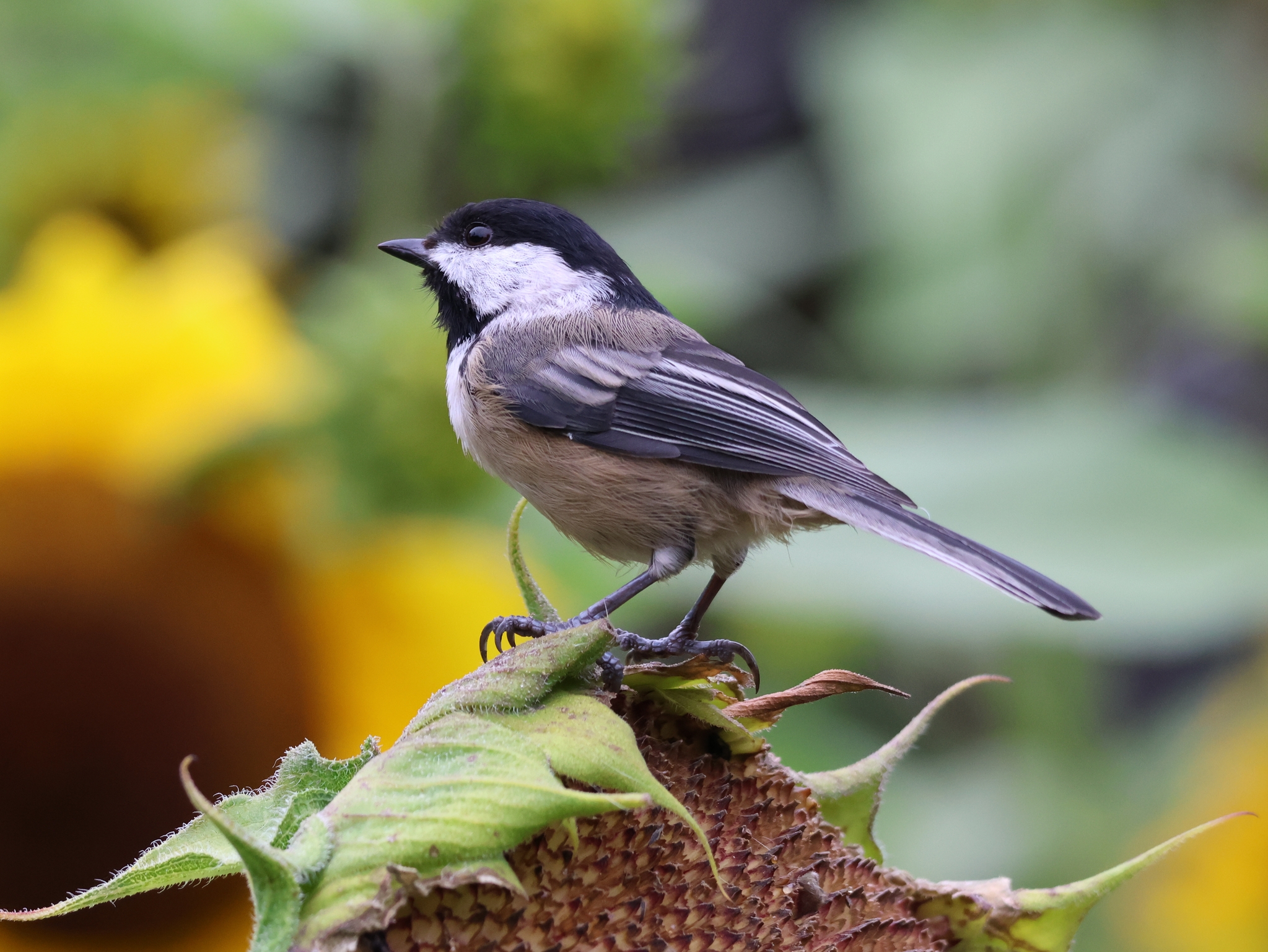
  • Black-capped chickadee
  • Cedar waxwing (babby)
  • Eastern kingbird
  • Song sparrow (babby)
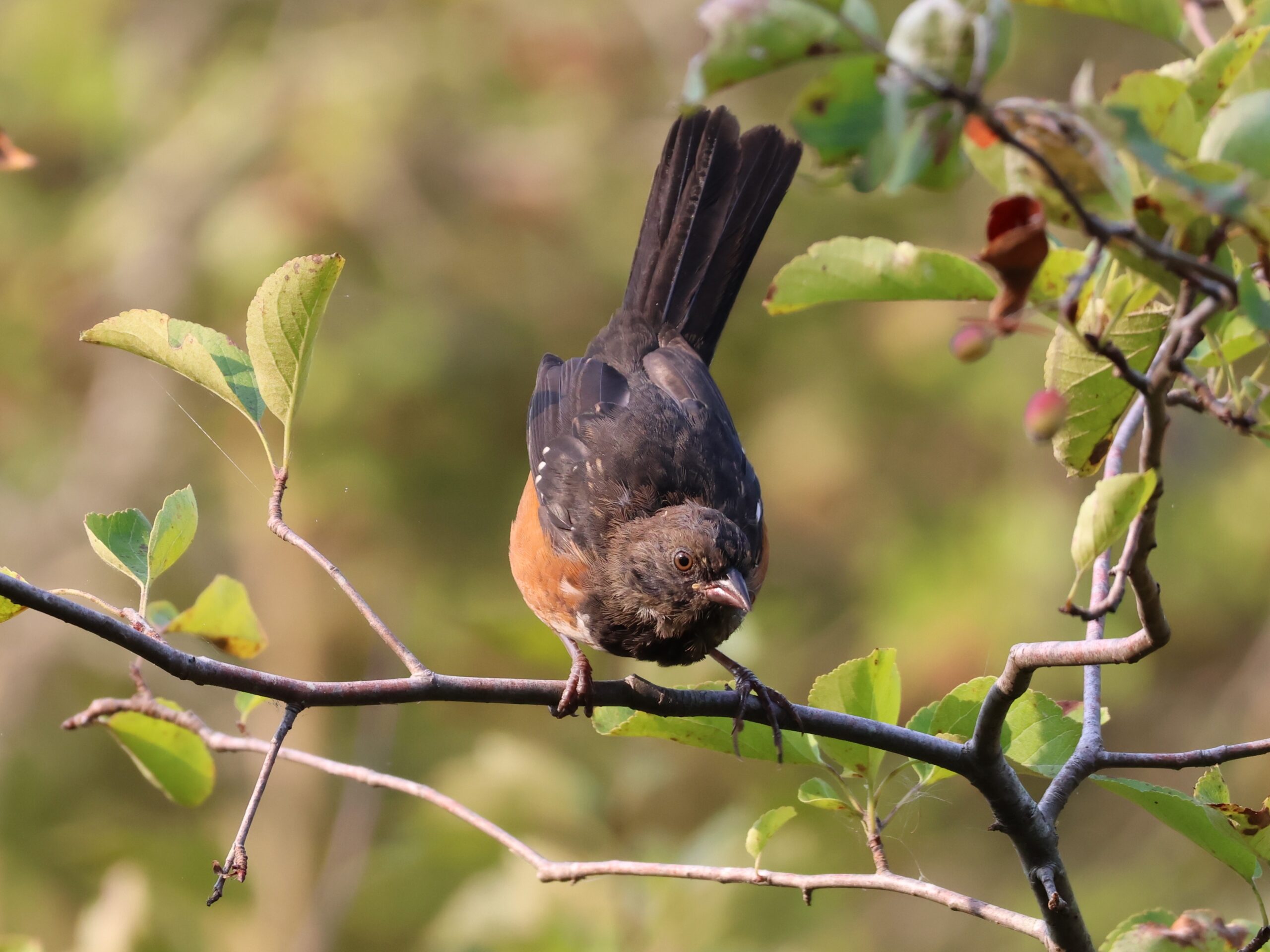
  • Spotted towhee
  • White-crowned sparrow (heard)

Waterfowl and shorebirds:

  • American coot (not yet!)
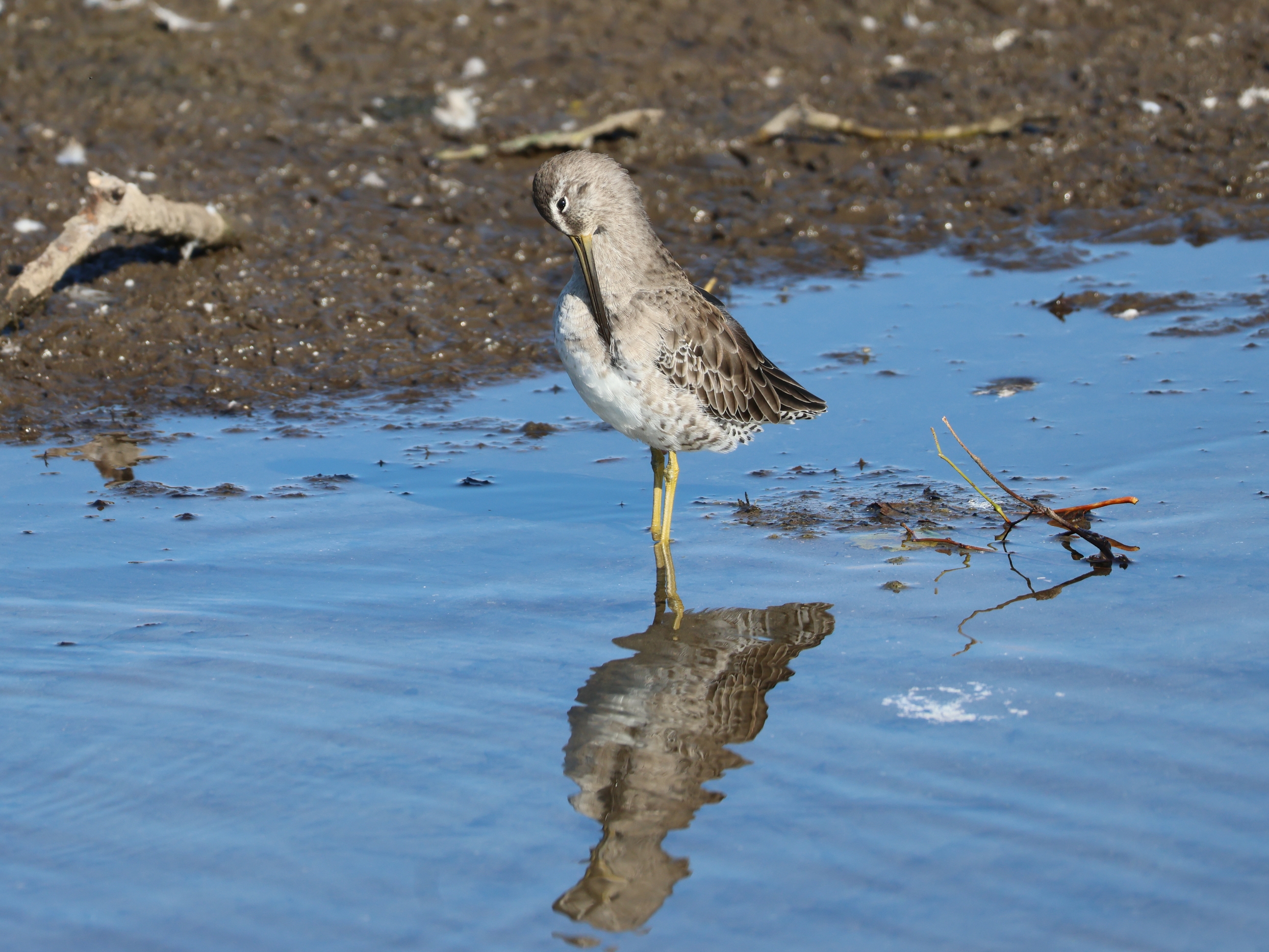
  • Long-billed dowitcher
  • Mallard
  • Northern shoveller
  • Wood duck

Common:

  • American crow
  • Rock pigeon

Raptors:

  • Some kind of raptor, yes

Non-birds:

  • Copious pollinators

Birding, August 9, 2025: Bear-y trees and catchers of the fly

Where: Tlahutum Regional Park (Coquitlam), Blakeburn Lagoons Park (Port Coquitlam), Traboulay PoCo Trail/DeBoville Slough (Port Coquitlam)
Weather: Sunny, 25°C

Tlahutum Regional Park

Coquitlam River.

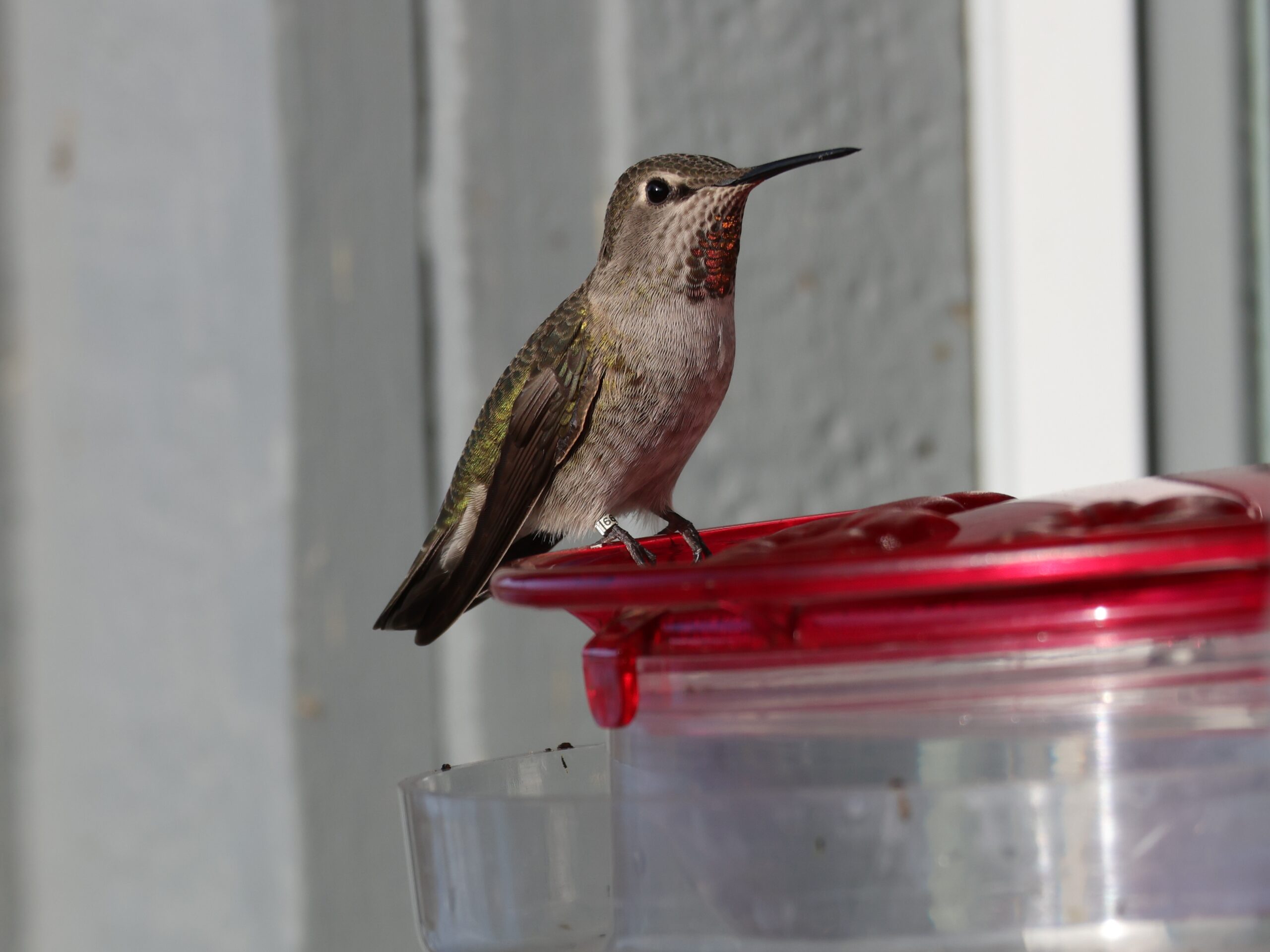
For a change of pace, we started at Tlahutum and Nic managed to get a shot of what might be a Calliope hummingbird. Merlin was not sure and neither are we.

Despite being morning, it was already fairly warm, but also kind of muggy. This would be the unofficial theme of the day. Also the official theme of the day.

The other official theme of the day was yet to come–more on that below.

We actually did not see a lot of birds at Tlahutum, but we shot many pollinators, giant, scary sunflowers and the scenery.

The highlights were a pair of raptors, an osprey that generously flew right overhead, and a turkey vulture, which is a bird I rarely see. It did not fly directly overhead, but if you zoom in, you can clearly see its turkey-like head.

Blakeburn Lagoons Park

One of the Blakeburn Lagoons, possibly with a green heron hiding somewhere in it.

We went to Blakeburn because a green heron has been seen there, and we wanted to get award-winning photos of it. We did see it, briefly, flying across a lagoon, never to be seen again. The animal signs at each viewpoint tease a number of species we’ve never seen, though to be fair, most of them are not birds. We consoled ourselves with scenery, some ducks and then headed out again.

Traboulay PoCo Trail/DeBoville Slough

Mountains and fields to the north and west of the Pitt River.

Today we ventured all the way up the trail and hooked a right to the viewing platform at the end overlooking the Pitt River, before heading back.

It was here that we encountered the other official theme of the day: flycatchers, and plenty of them! They were in abundant numbers and often surprisingly close, so we had no issue getting good shots. There were also multiple kingbirds showing themselves, too.

At one point, a goldfinch appeared and briefly landed on tall grass right in front of us–so close that I didn’t have time to focus on it before it thought better of where it was and took off. Alas.

At one point we saw several people, including someone with a VLL1very long lens, all looking off to the side of the trail toward some trees. We approached, wondering what exotic birds had captured their attention. But surprise twist, it was actually a young black bear, well up a tree and looking somewhat unsure of itself, or maybe very sure of itself. I can’t read bear faces well. It was gone by the time we returned, so I assume it was just exploring and having some fun. We also saw a significantly larger back bear, but it was trundling along in a field and was not interested or really close enough to eat tasty humans. Note to future bears: I am not tasty.

We saw more ospreys here, along with a good number of purple martins, so it proved to be a fruitful, if long and sweaty trek. Plus, the scenery is always nice, especially when the jet skis get out of hearing range.

The Shots

Shot with a Canon EOS R7 with 18-150 mm kit lens and 100-400 mm telephoto.

A sand wasp, to prove I took more than just scenery shots!

The Birds (and other critters)

Sparrows and sparrow-adjacent:

  • American Goldfinch
  • American robin
  • Black-capped chickadee
  • Black-headed grosbeak
  • Anna’s hummingbird
  • Calliope hummingbird (?)
  • Cedar waxwing
  • Eastern kingbird
  • House finch
  • Purple martin
  • Song sparrow
  • Spotted towhee
  • Willow flycatcher

Waterfowl and shorebirds:

  • American coot (not yet!)
  • Great blue heron
  • Green heron
  • Mallard
  • Wood duck

Common:

  • American crow
  • European starling

Raptors:

  • Osprey
  • Turkey vulture

Non-birds:

  • A small black bear and a very large black bear
  • A fuzzy caterpillar
  • Woodland skippers and cabbage butterflies
  • Copious other pollinators
  • Humans on noisy jet skis

Birding, August 2, 2025: Hot pigeons in love (or not)

Where: Piper Spit, Burnaby Lake (Burnaby)
Weather: Sunny, 24°C

Piper Spit, Burnaby Lake

A bit of a breeze kept it from feeling too warm.

It was a shorter birding trip today as I did a rare run/birding double header. I have over 38,000 steps as I type this.

It was a sunny and pleasant mid-afternoon at Piper Spit, and with the no feeding rule still in effect, two things can be observed:

  • Far fewer people on the pier
  • The waterfowl tend to hang out farther away from the pier because no free snacks

We are still yet to see any new migrants arriving, but soon™. We did see several ducks that appeared to be hybrids of mallards and whatever else a mallard finds sexy (and vice versa).

But the variety and, in some cases, numbers were way down. Pigeons? Plenty! And some of them quite frisky. Blackbirds? We saw one. Gulls? Also, only one. Geese? Multiple gaggles.

Still, we shot what we could, and some birds cooperated by getting all showy with flapping and splashing and scooting across the water.

In all, not a bad little outing and none of my photos were accidentally overexposed, hooray.

The Shots

Shot with a Canon EOS R7 with 18-150 mm kit lens and 100-400 mm telephoto.

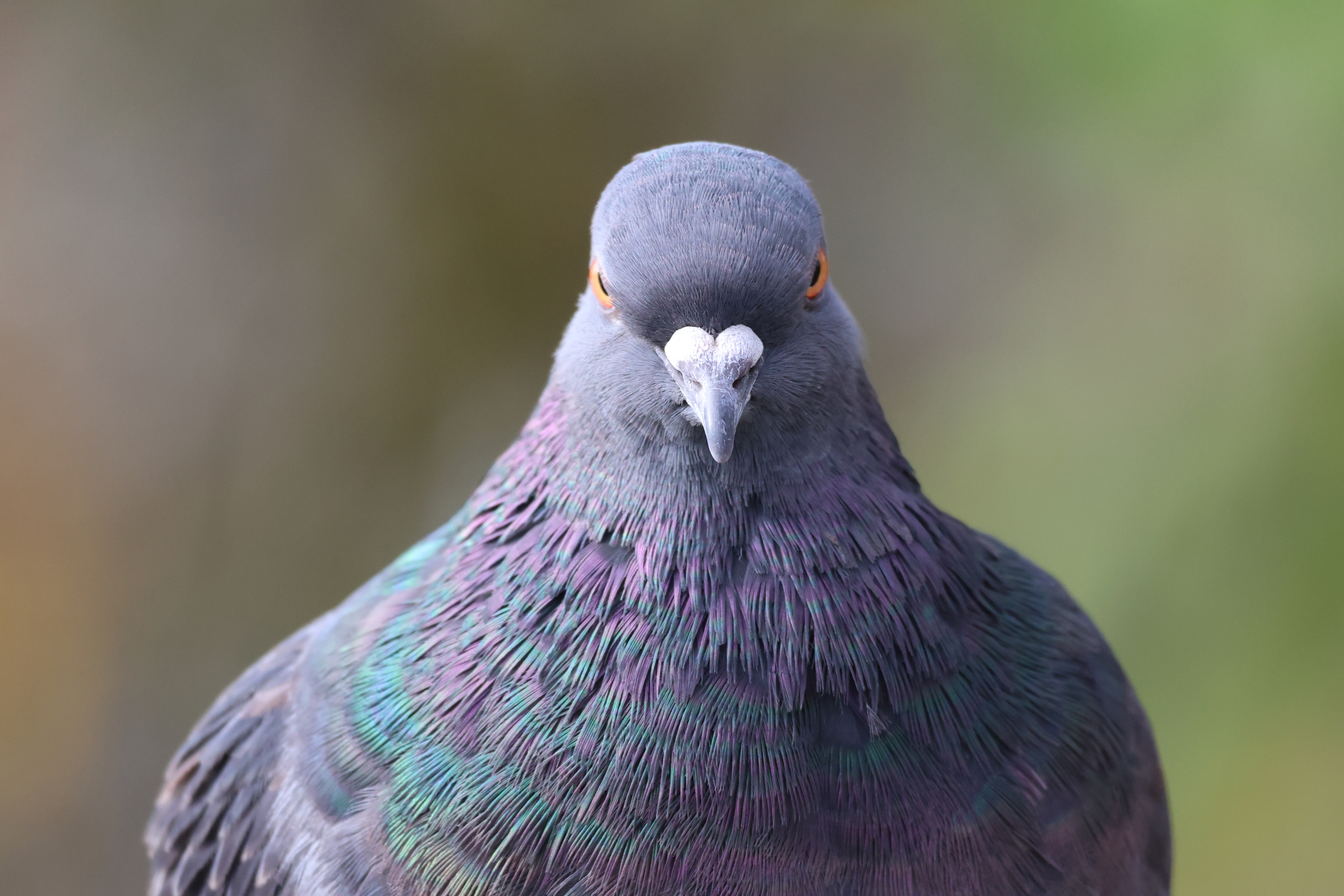
Here is an unedited shot of a pigeon (except for cropping) to prove I took photos, while I go through all of my shots.

A pigeon possibly staying away from one very amorous male.

The Birds (and other critters)

Sparrows and sparrow-adjacent:

  • American robin
  • Barn swallow
  • Red-winged blackbird
  • Song sparrow
  • Spotted towhee

Waterfowl and shorebirds:

  • American coot (not yet!)
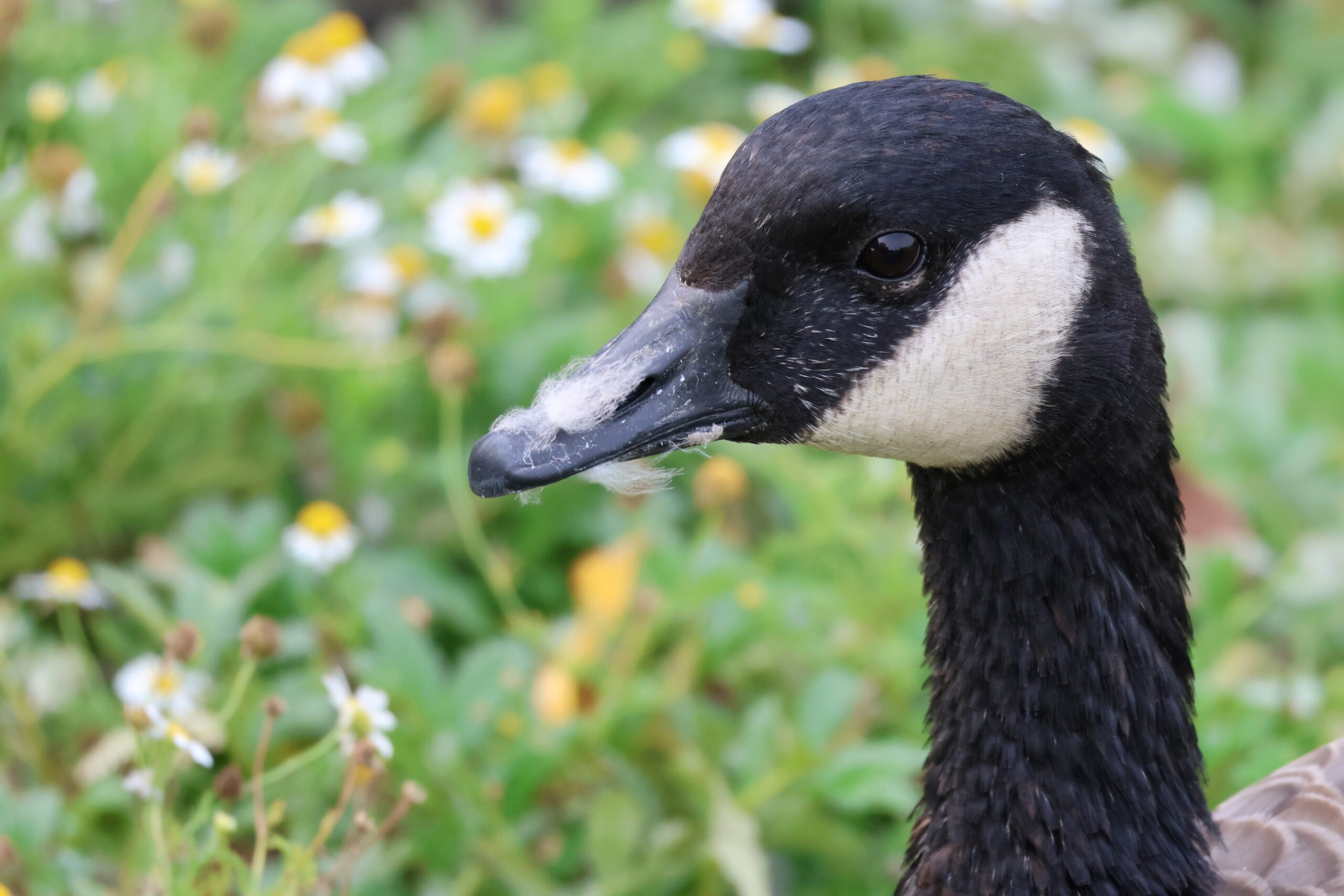
  • Canada goose
  • Long-billed dowitcher
  • Great blue heron
  • Mallard
  • Wood duck

Common:

  • American crow
  • Rock pigeons (in love)
  • A ring-billed gull

Raptors:

  • None!

Non-birds:

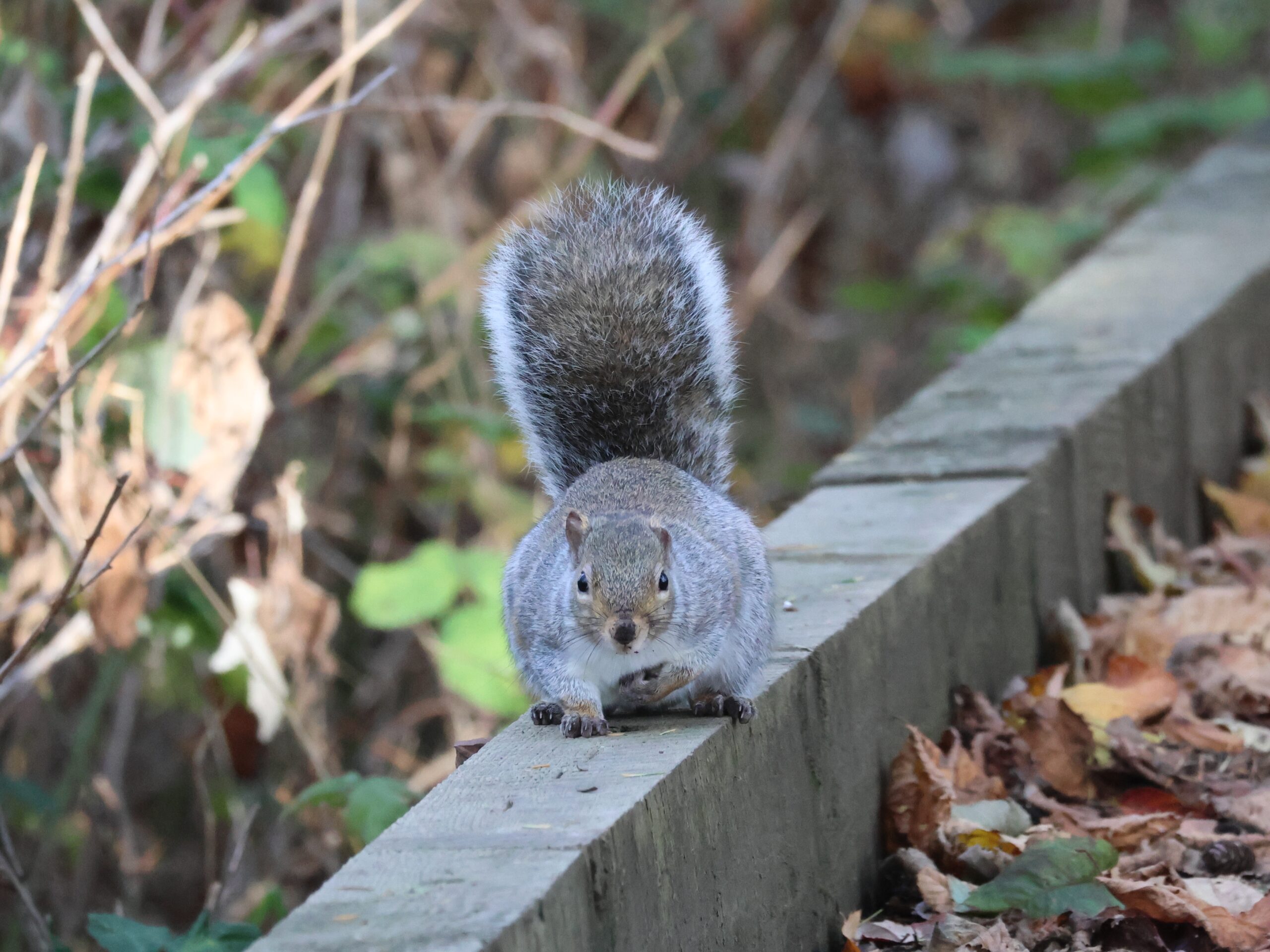
  • A squirrel
  • Some pollinators

Birding July 26, 2025: Everywhere you go, it’s gonna be goose

Where: Reifel Bird Sanctuary, Boundary Bay Dyke Trail (Delta), Blackie Spit, Crescent Beach (Surrey)
Weather: Sunny, 20°C

Reifel Bird Sanctuary

The marshland appears endless from the West Dyke Trail.

The day took a weird turn, camera-wise, as I managed to change the exposure on-the-fly without realizing it until I was looking at the photos later. Whoops. The change was subtle enough that I didn’t pick it up in the EVF. I’ve set it back and think I know how I did it, so hopefully this won’t happen again without me doing it on purpose.

But it was also a day when I shot a lifer–a Peregrine falcon!

Reifel started with a paucity of birds in the entrance pond, but there were signs of others we haven’t seen much, like chickadees. Sort of pond-adjacent was an abundance of barn swallows grooming in nearby trees, including what appeared to be a bunch of juveniles. Cute! The geese were everywhere, but didn’t seem overly interested in trying to eff each other (or anyone else up). Summer doldrums, maybe. We were reacquainted with C21, a goose that has a rather clunky-looking neck collar. No sign of C19 or C20, though. We also saw a towhee wearing a wire. We’re being tracked, the birds are being tracked, everyone is being tracked.

There were a few shorebirds in one of the west dyke ponds, but again very far away, boo. The blind that faces one of the ponds had a special “treat”, though–a growing wasp nest on the inside of one of the wooden flaps, which was left in the open position (for obvious reasons). The honeycomb had probably a few dozen pockets in it, with wasps canoodling around it, probably adding more using their secret wasp techniques. We took our photos and scrammed.

And upon seeing a raptor flying way up overhead, I took a bunch of shots that were mostly mediocre, but were good enough to identify the bird as a Peregrine falcon–a lifer! It seemed to just be passing by.

I experimented more with shooting scenery (and some bugs) using manual focus, which may have had repercussions revealed later (which I will also reveal later).

Boundary Bay Dyke Trail

I have never seen horses out here before. Now I have seen three.

For Boundary Bay, we started near the golf course (there’s always a golf course) and went to the little pump house near 80th Street, probably a few km or so. The trail was very dry and bright. There were basically no birds, except an errant robin and a bald eagle sitting atop a telephone pole. The eagle was “panting” but when Nic crossed to the other side of the trail, it immediately stopped and looked precisely in our direction. And kept looking. We got some very nice shots, then scrammed (at a leisurely pace. An eagle would probably not be able to carry us off. Probably).

The main highlight here were planes, if you’re into planes, the scenery, and bugs, specifically grasshoppers of various colours, and butterflies.

We decided to round out the day with a risky trip to Blackie Spit.

Blackie Spit/Crescent Beach

Distant kayakers make land off Blackie Spit.

This is risky only in the sense that a sunny Saturday afternoon is likely to find the parking lot full. And it was. But we went to the second, smaller parking lot further in, the one with the curiously square roundabout (a squareabout?) and lo, there was a single spot! We parked a short distance from a Cybertruck, which seemed to have parked in a handicapped spot without apparent reason[Cybertruck joke here].

The tide was way out and Blackie Spit itself is now restricted to a single straight trail that doesn’t really get close to the water, so it’s a bit of a bust now. The scenery is still nice.

We ventured onto the other trails, saw more shorebirds (still kind of far away), but again, not too many birds venturing out into the mid-afternoon sun, apart from some song sparrows, a crow and a seagull that Nic and I both managed to capture pooping in mid-flight. You take the wins where you can.

And that was the day! The weather was perfectly cromulent, the lack of birds not surprising, and the rare gems all the more precious because as birding goes, we are also in the summer doldrums.

Soon, though, there will be coots.

The Shots

Shot with a Canon EOS R7 with 18-150 mm kit lens and 100-400 mm telephoto.

The Birds (and other critters)

Sparrows and sparrow-adjacent:

  • American goldfinch
  • American robin
  • Anna’s hummingbird
  • Barn swallow
  • Black-capped chickadee
  • Brown-headed cowbird
  • European starling\House finch
  • House sparrow
  • Red-winged blackbird
  • Rufous hummingbird
  • Song sparrow
  • Spotted towhee
  • White-crowned sparrow

Waterfowl and shorebirds:

  • American coot (not yet!)
  • Belted kingfisher
  • Canada goose
  • Great blue heron
  • Greater yellowlegs
  • Hooded merganser
  • Mallard
  • Sandhill crane
  • Wood duck

Common:

  • American crow
  • Rock pigeon
  • A few gulls

Raptors:

  • Bald eagle
  • Northern harrier (most likely)
  • Peregrine falcon

Non-birds:

  • A black squirrel
  • Bugs and insects:
    • Dragonflies
    • Hover flies
    • Honey bees
    • Bumblebees
    • Killer bees (wasps)
    • And more

Birding, July 12, 2025: The Blackbird and the Lily Pad

Where: Reifel Bird Sanctuary (Delta), Richmond Nature House, Terra Nova Park (Richmond), Piper Spit, Burnaby Lake (Burnaby)
Weather: Sunny, 20-28°C

Reifel Bird Sanctuary

South pound at Reifel: Mostly empty, a little slimy.

We started bright ‘n early at Reifel, where the clouds quickly burned off and it was actually kind of warm. You know it’s warm at Reifel when the breeze feels pleasant.

There was some incipient goose drama, but for the most part, it was pretty quiet, with many of the ponds and waterways absent of waterfowl. Several ponds were also looking quite slimy, including the London Slough1Dictionary Fun Fact: It can be pronounced sloo or slow, but not sluff, where it means something that can be shed or cast off, which gave us slimy mallards and equally slimy turtles. Everyone seemed pretty chill with the green slime. And speaking of the slough, one of the logs there was, as Nic put it, a veritable United Nations of waterfowl, with mallards, wood ducks, wigeons and mergansers all sharing space, a turtle at the end keeping an eye on them.

The vast marshlands are looking pleasantly green and verdant now, with wildflowers providing ample opportunities for the billion types of pollinators buzzing about. The first of the main ponds on the Outer Dyke (approaching from the north) appeared to have a lot of birds over yonder in the eastern end, so we went to the secret third bird blind and indeed, the area was replete with dowitchers and lesser yellowlegs. They were a little too far away, alas.

We encountered a pair of Sandhill cranes and they were in a restful mood, probably due to the heat. One even folded down on its legs in a comfy patch of shaded grass.

There were goldfinches and yellowthroats, but they mostly remained elusive, as is their way. Herons were more present than in other recent trips, on the ground, in the water and in the air (but not pooping).

We saw more beetles going at it. I’m ready to declare them the horniest bugs of summer, though the dragonflies are putting in a good effort, too.

In all, a perfectly pleasant tour of the sanctuary, with a few birds we haven’t seen lately sneaking back in, like a few mergansers and pintails.

Richmond Nature House

My arm with a ladybug on it, photo courtesy of Nic.

Next was the Richmond Nature House. I did not take any photos here, but Nic shot a rufous hummingbird and a furtive chickadee that came out briefly to check one of the feeders that still had seed in it. Actually, I did take one photo–of a fire hydrant surrounded by flowers. And Nic took photos of me. Or at least my left arm, which had a ladybug on it.

Terra Nova Park

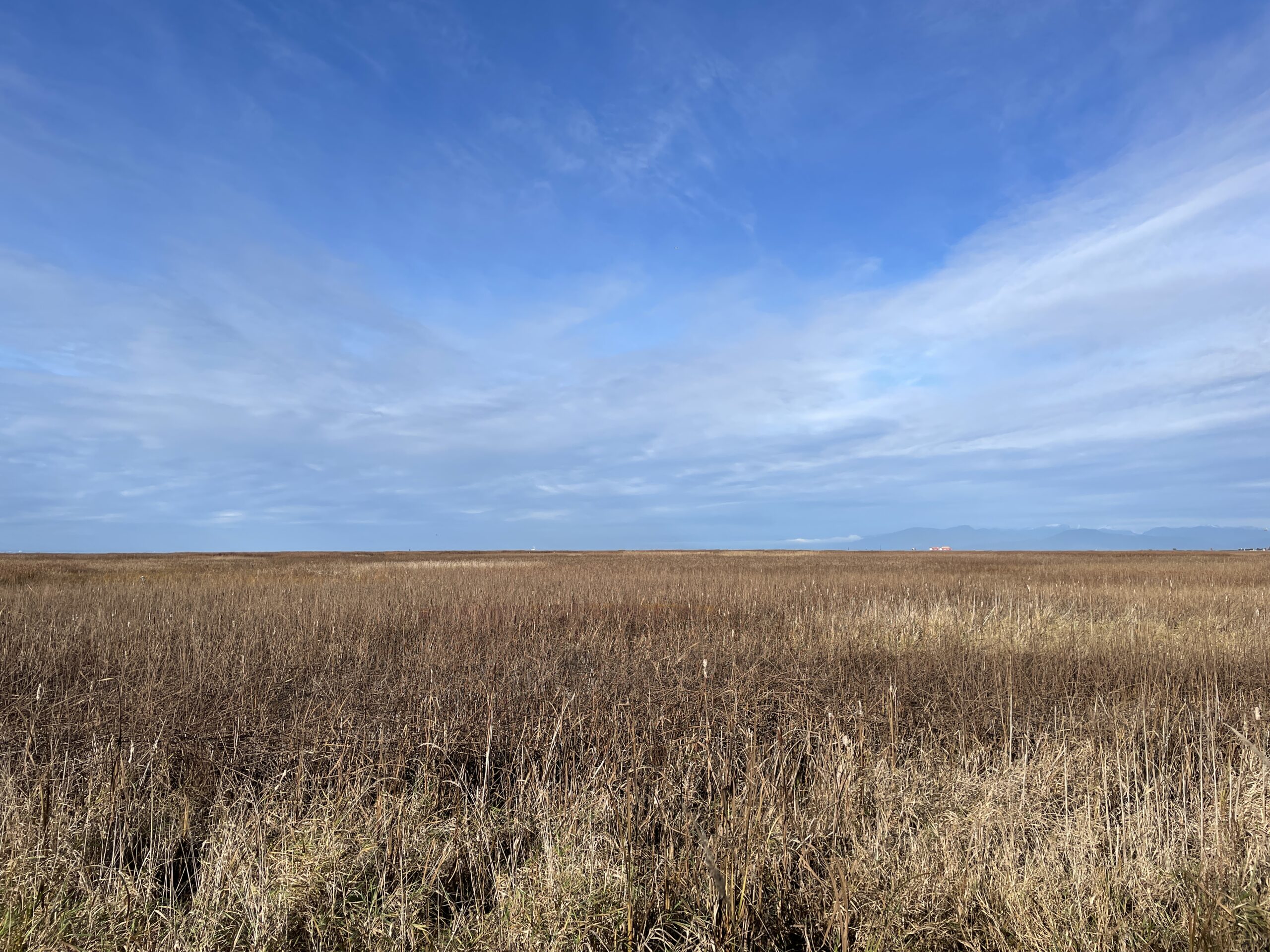
Vast marshlands at Terra Nova, looking north toward the coastal mountains.

We moved on to Terra Nova and for me, it was all planes planes planes! There were only a few birds here–again, probably staying in the shade to avoid the mid-afternoon heat. Terra Nova always offers nice scenery, though. And planes.

The tide was the lowest here I can recall seeing. A collection of herons were gathered south of the Iona Beach jetty, noodling about in an area that would normally be under water. And when I say noodling, I mean standing, because that’s what herons do.

Piper Spit, Burnaby Lake

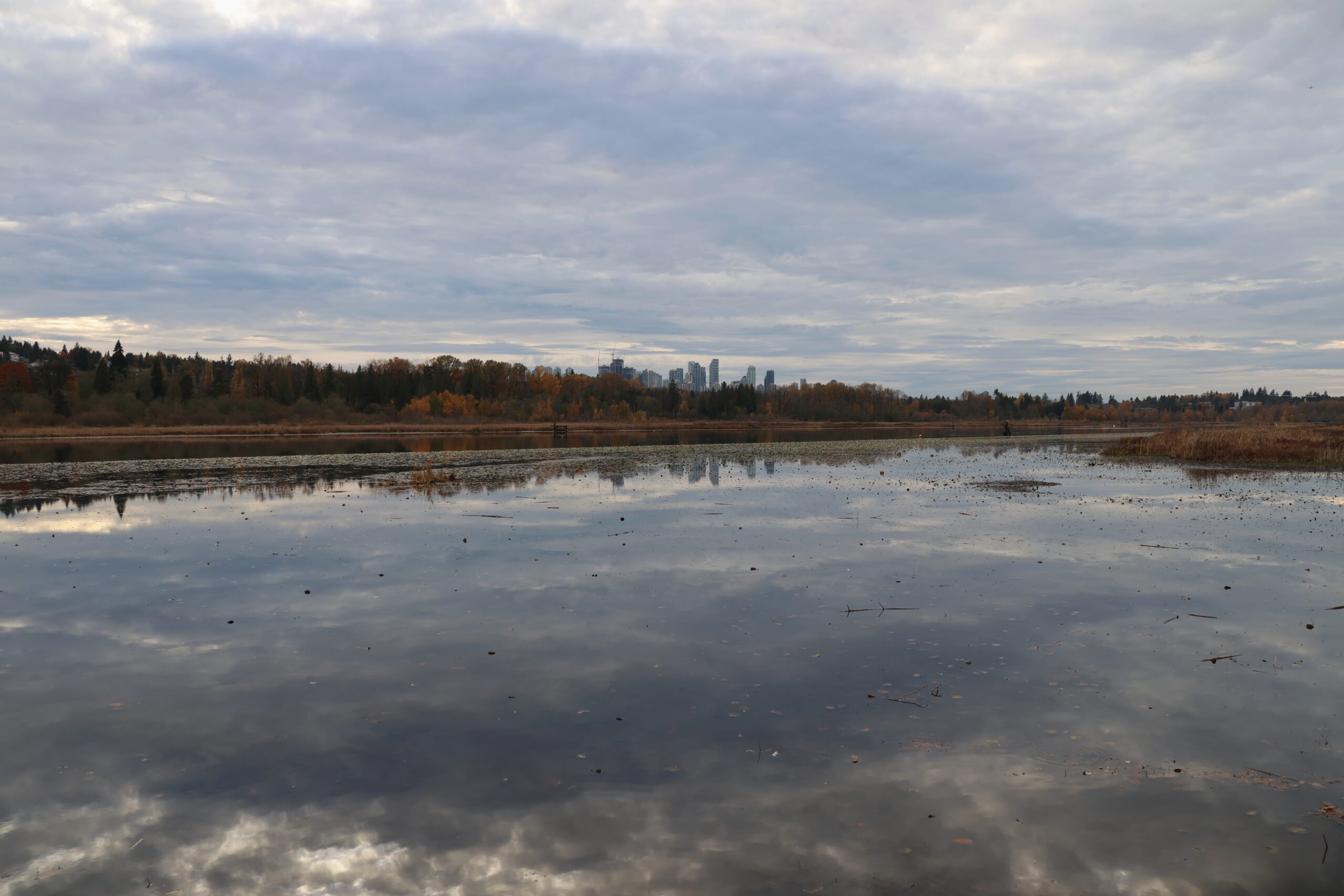
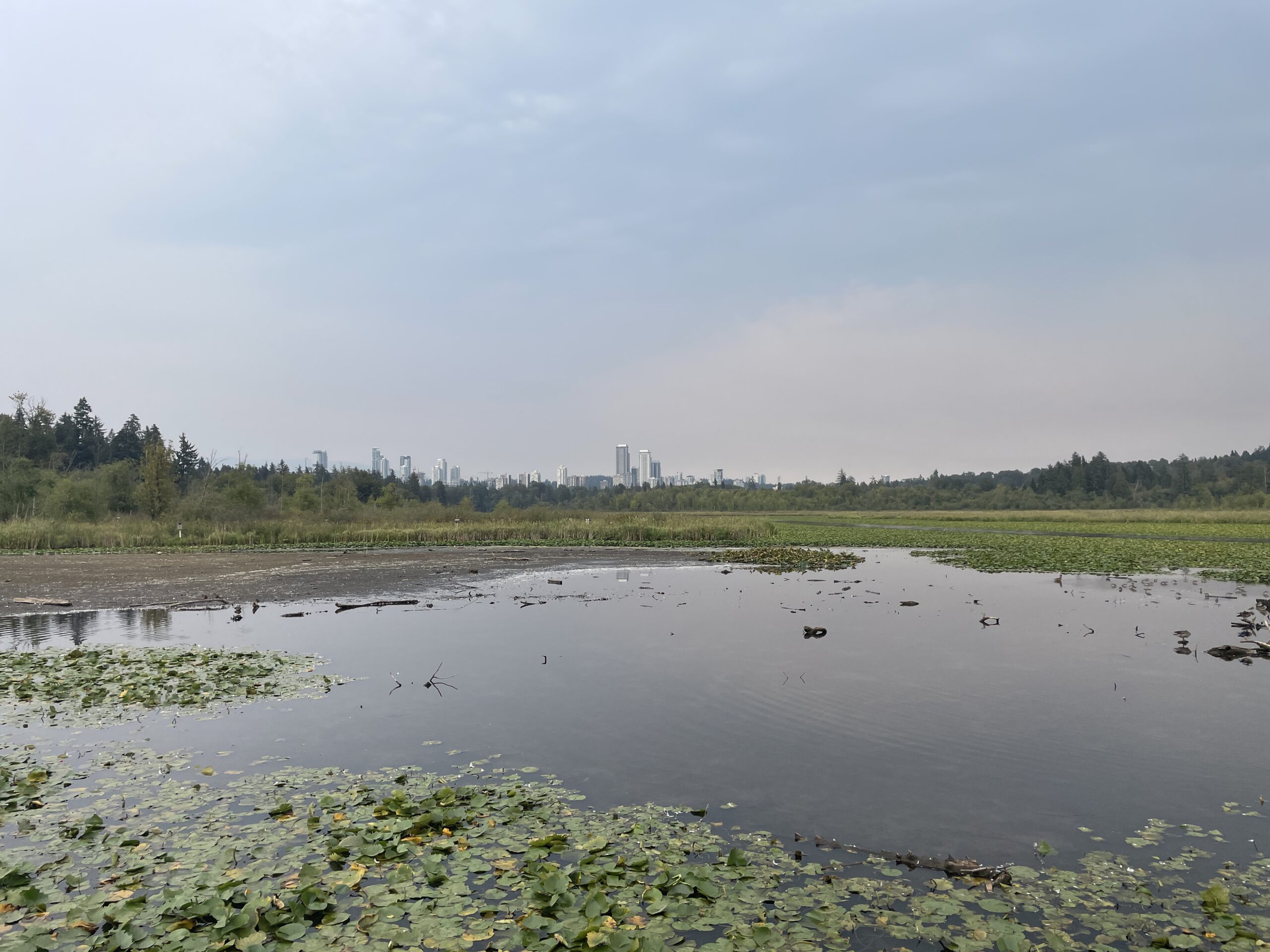
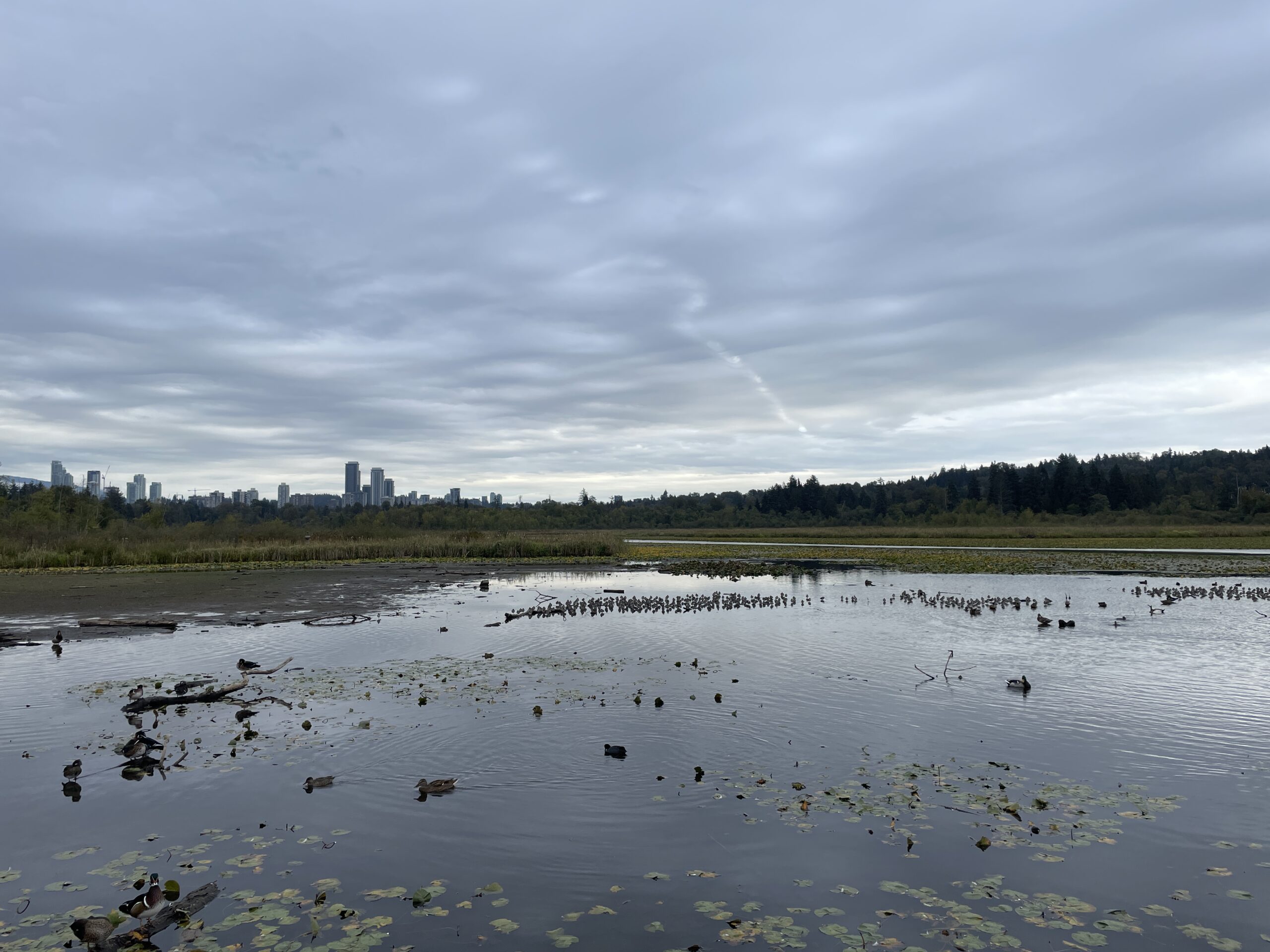
A pair of poop monsters with urban towers in the distance.

We ended our birbing at Piper Spit and by now it was up to 28C, but the breeze meant it didn’t actually feel that hot. The spit is still a no-feeding area (though a few people were doing that and will end up in bird hell or something. Actually, the birds like the seed, so it would probably be some other kind of hell, like, uh, the no bird feeding hell, where you are waist deep in seed no matter where you go, constantly slogging through), so while there are birds, they don’t hang around the pier itself as closely as usual. We didn’t see anything unusual here and did not magically summon the crane this time. We did observe at length a blackbird on the lily pads giving itself a good bath, though. There were also pigeons acting like red soldier beetles, if you know what I mean. The ladies (or men? I am not a pigeonologist) seemed unimpressed.

As a special bonus, we did not have to wait for a train to pass when leaving.

In all, a good outing.

The Shots

Shot with a Canon EOS R7 with 18-150 mm kit lens and 100-400 mm telephoto.

The Birds (and other critters)

Sparrows and sparrow-adjacent:

  • American goldfinch
  • Anna’s hummingbird
  • Barn swallow
  • Black-capped chickadee
  • Brown-headed cowbird
  • Cedar waxwing
  • Common yellowthroat
  • European starling
  • House sparrow
  • Red-winged blackbird
  • Rufous hummingbird
  • Song sparrow
  • Spotted towhee
  • Tree swallow
  • Yellow warbler

Waterfowl and shorebirds:

  • American coot (not yet!)
  • American wigeon
  • Canada goose
  • Great blue heron
  • Hooded merganser (!)
  • Lesser yellowlegs
  • Long-billed dowitcher
  • Mallard
  • Northern pintail (!)
  • Sandhill crane
  • Wood duck

Common:

  • American crow
  • Rock pigeon
  • A few gulls

Raptors:

  • Bald eagle

Non-birds:

  • Western painted turtle
  • Bugs and insects:
    • Red soldier beetle
    • Great blue skimmer (dragonfly)
    • Eight-spotted skimmer (dragonfly)
    • Blue damselfly
    • Hover fly
    • Paper wasp
    • Sand wasp
    • A billion others I could not classify or have forgotten

Birding, July 5, 2025: The horny world of bugs

Where: Centennial Beach, Beach Grove, Boundary Bay Dyke Trial (Delta)
Weather: Partly sunny, 17-19°C
Boundary Bay: Sometimes it’s a bay, and sometimes it’s this.

My suggestion to start out at Crescent Beach/Blackie spit was thwarted a few km short of the target when traffic mysteriously came to a standstill. There were a lot of dump trucks and other vehicles ahead of us and they seemed to be turning around for some reason. We could see little flags on the road, but not enough to quite discern what had happened or was happening. We pondered taking another route in, but couldn’t be sure it wouldn’t also be blocked, so we headed to our original destination of Centennial Beach.

The weather was pleasant enough, with partly sunny conditions, but the wind was gusting regularly, which brought a delightful (?) challenge to shooting bugs and birds on bobbing branches.

This time, the raptor trail delivered a Northern raptor right up front and it swooped over the area numerous times, often while being harassed by blackbirds, because the area is clearly not big enough for all of them.

The tide was way out, so we got obligatory shots of the vastness of Mud Bay, while mostly avoiding the mud. Mostly.

House sparrows were out everywhere, as were various swallows, but shorebirds were in short supply at Centennial, which was perhaps understandable, because the shore was effectively about an extra km out.

The behaviour of bugs was notable on this outing. We observed what appeared to be a BC miner bee (which looks like a bumblebee with “pollen pants”) being regularly assaulted in the sand by another bee. Examination of the shots left me uncertain what exactly was going on. The beat-up bee didn’t seem to be interested or perhaps capable of flying off, and a few of the rasslin’ poses were of the variety that would make young, uncertain bees uncomfortable, if you know what I mean.

The promised afternoon sun did not really materialize, but the hazy clouds still allowed decent illumination. We moved on to Beach Grove and the Boundary Bay Dyke Trail, which we haven’t visited in a while.

We saw more insects getting it on, specifically a pair of amorous red solider beetles, and a couple of mud dauber (?1Nic did extensive interweb research to ID the various insects and what we discovered is that a) there are a lot of types of insects, like way too many and b) this makes them very challenging to ID) wasps that were connected in a way that suggested love was in the air and in even closer proximity to them.

But what we mostly saw were Savannah sparrows, and plenty of ’em. I got some of my best shots of these pretty boys, along with more horny bugs, some elusive common yellowthroats, and an American goldfinch sitting atop a tree, which I pointed out to Nic. I had my kit lens on the camera at the time and it took off before I could switch lenses, but Nic got some shots, thus ending his curse. For now.

I also had a red soldier beetle climb onto my shoe (the shots didn’t turn out, but I tried) and despite being very aware of the copious horse poop on the trail, managed to step in it twice. Still, if there is any poop you must step in, horse poop is probably the least offensive.

One of the ponds near(ish) to the trail had attracted no less than four different types of shorebirds, so we got our shorebird fix in a concentrated burst, with a few killdeer, lesser and greater yellowlegs and a least sandpiper, which was being mostly shy and keeping partly hidden in the grass.

In all, I was surprised at how many birds we saw, particularly on the dyke trail. And having the 400 mm lens definitely made for a better experience for me, as the birds are often not near the trail, so the extra reach is handy. Also, I remembered sunblock and despite the hazy conditions, probably would have burned otherwise, so yay for that.

The Shots

Shot with a Canon EOS R7 with 18-150 mm kit lens and 100-400 mm telephoto.

The Birds (and other critters)

Sparrows and sparrow-adjacent:

  • American goldfinch
  • Barn swallow
  • Brown-headed cowbird
  • Cedar waxwing
  • Common yellowthroat
  • European starling
  • House finch
  • House sparrow
  • Red-winged blackbird
  • Rough-winged swallow (maybe?)
  • Savannah sparrow
  • Song sparrow
  • Spotted towhee
  • Tree swallow
  • White-crowned sparrow

Waterfowl and shorebirds:

  • Canada goose
  • Great blue heron
  • Greater yellowlegs
  • Killdeer
  • Least sandpiper
  • Lesser yellowlegs
  • Mallard

Common:

  • Shore crows

Raptors:

  • Northern harrier

Non-birds:

  • A brown bunny, but briefly
  • An orgy of various horny insects:
    • Red soldier beetle
    • Mud dauber wasp
    • BC miner bee
    • Woodland skipper
    • Grasshoppers
    • Other butterflies and things

Birding, June 28, 2025: All the lifers, plus all the swallows

Where: Heron Cove, Pitt River, Grant Narrows Park at Pitt Lake, Sturgeon Slough (Pitt Meadows)
Weather: Partly cloudy, 17-22°C

It was a day of sloughs, creeks, rivers and lakes under a mostly sunny sky and temperatures that actually felt kind of like summer. Novel!

We started near Heron Cove and the name did not disappoint, as we saw two herons standing in a tree, an adult and a juvenile. The juvenile was acting strange and silly. You know how teens are.

From there we walked a trail that got more and more overgrown, showing a clear line on how far most people were willing to explore. We saw a ladybug on a frond of wild grass and after my camera refused to focus on it, I went manual and actually got a really nice shot. I’ll have to experiment more with manual mode on targets that are not madly flitting about.

Returning, we saw our first lifers, along with about a dozen other photographers with Very Big Lenses, namely a yellow warbler pair (you can probably guess what they look like) and a Bullock’s oriole.

Walking the other way, we saw our third (!) lifer, a black-headed grosbeak, which was sufficiently obscured that we never did see its face.

We later moved to Grant Narrows Park, at the south end of Pitt Lake. We didn’t have to pay for the pay parking because it was full, and parked with several dozen others alongside the road leading in. From here we got to see an osprey nest, which was just a little too far off the shore, even for a 400 mm lens. We could still see the baby dinosaurs in the nest, though.

Further up, a viewing tower was closed because it has been completely and utterly claimed by cliff swallows, who build these cute little cavity nests out of mud. Almost every nest was occupied and there were quite a few swallows flying around the tower and the general area. In fact, the only species we didn’t see that even shows up in this area were cave swallows.

Nic got an awesome set of shots of an adult feeding a giant bug to a younger swallow, which I totally missed because I was shooting scenery or something. The number of birds here surprised me.

We ended the tour of Pitt Meadows by walking along the Sturgeon Slough, where we saw a few kingfishers, including one trying to gulp down a large meal. We followed a pair of common yellowthroats for a bit, watched a big spider possibly catch a bug, watched a pair of butterflies getting it on, strolled past the inevitable golf course, and took many shots of the gorgeous scenery.

In all, a fine outing in which the lack of steady sun was probably a good thing, given we were in the open most of the time.

The Shots

Shot with a Canon EOS R7 with 18-150 mm kit lens and 100-400 mm telephoto.

The Birds (and other critters)

Sparrows and sparrow-adjacent:

  • American robin
  • Anna’s hummingbird
  • Barn swallow
  • Black-headed grosbeak (lifer)
  • Brown-headed cowbird
  • Bullock’s oriole (lifer)
  • Cedar waxwing
  • Cliff swallow
  • Common yellowthroat
  • Orange-crowned warbler
  • Red-winged blackbird
  • Rough-winged swallow
  • Song sparrow
  • Tree swallow
  • Violet-green swallow
  • White-crowned sparrow
  • Yellow warbler (lifer)

Waterfowl and shorebirds:

  • Canada goose
  • Eastern kingfisher
  • Great blue heron
  • Mallard

Common:

  • Some gulls

Raptors:

  • American osprey

Non-birds:

  • Dragonflies
  • A damselfly
  • Various bees

Birding, June 22, 2025: Daring duck and cautious coyote

Where: Burnaby Lake (Burnaby), Tlahutum Regional Park (Coquitlam)
Weather: Cloudy, 16-19°C

We switched things up by starting at Piper Spit and the signs warning people not to feed the birds are all over the place, and it seems people are actually following the request for the most part (we did see some seed on a picnic table near the dam being nommed on by a song sparrow). This, along with the recent showers leading to the water level of the lake rising again, meant that most of the waterfowl were not hanging near the pier and shorebirds were completely absent.

I arrived early, shot some song sparrows, a robin, and a mom with a lone baby duck near the dam. After Nic arrived, we saw another female mallard, sans family, hanging around the dam. She jumped onto the edge of the fish ladder, then…jumped into the fish ladder itself, which is basically a series of rapids descending into the river. She seemed to enjoy letting the foaming water swirl around her and occasionally jammed her head in, sometimes coming up with strands of yummy (?) vegetation.

At the lake, a group of cinnamon teals and a blue-winged teal made an appearance, which was spiffy. Also, seemingly moments after I noted the absence of the sandhill crane, it flew in and landed in its usual area. Next, I will use my powers to win $10 million in the lottery.

Among the birds that hang out at Piper Spit, the “friendliest” are probably the blackbirds, as they will happily eat seed from your hand. The absence of seed seems to have made them all a little deranged, as we had them attempting to, and in some cases, succeeding in landing on us, even though we were seed-free. Maybe they thought that if they stuck to the routine, the seed would just manifest.

And while I did not get a shot, because it was hopping madly deep inside the branches of a tree, we spotted a warbling vireo, which for mew is a lifer. Neat.

There are a couple of stumps on the way to the pier that someone always covers in seed for the Douglas squirrels. These were cleaned up and a cute little sign placed on one. This will make getting shots of squirrels eating in that adorable pose more challenging.

A sign saying “No wildlife feeding.” Squirrels are sad.

The weather began to warm up a bit at Tlahutum, though it remained cloudy and dim. It’s been like this since summer officially began, so the people who complain about the heat should be pleased.

We saw a mix of swallows and sparrows in the community garden, along with an ever-elusive American goldfinch, which helpfully sat atop a pole. But the pole was set against a bright cloudy sky, making the goldfinch a very darkfinch. It no doubt chuckled to itself, then flew off.

The surprises here were the four-legged kind. As we crossed the bridge over the Coquitlam River, we spotted an otter out for an afternoon snack. It appeared to catch some kind of fish or something. My shots were not great, but you can see its whiskers and adorable little ears.

And as we were returning from The Big Pond a coyote came up behind us and then scooted rapidly past, ambling at a decent gait until it was a safe distance away. It then stood and looked across the river, giving us some fine profile shots. We wondered if it would cross the bridge (which we would be doing) but as it neared, a cyclist approached, so it jogged past. The cyclist, by coincidence, was heading the same way and the coyote booked it at that point.

In all, it was a comfortable day, weather-wise (no sun beating down on us) but with iffy lighting (no sun beating down on us).

The Shots

Shot with a Canon EOS R7 with 18-150 mm kit lens and 100-400 mm telephoto.

Shots coming soon, but here are two as a preview. The first is the American goldfinch, which was post-processed up the wazoo–I cranked exposure way up, cranked highlights way down and then added a bit of sharpening to get something resembling a goldfinch.

Max exposure, min highlights, one American goldfinch against a very bright sky.
A coyote on the ground, where the light is much more cooperative.

The Birds (and other critters)

Sparrows and sparrow-adjacent:

  • American robin
  • Black-capped chickadee (heard?)
  • Brown-headed cowbird
  • Red-winged blackbird
  • Rufous hummingbird
  • Spotted towhee
  • Song sparrow
  • Tree swallow
  • Violet-green swallow
  • Warbling vireo (lifer!)
  • White-crowned sparrow

Waterfowl and shorebirds:

  • Blue-winged teal
  • Canada goose
  • Cinnamon teal
  • Gadwall
  • Great blue heron
  • Mallard
  • Sandhill crane
  • Wood duck

Common:

  • Rock pigeon

Raptors:

  • Some kind of hawk

Non-birds:

  • Coyote
  • Otter
  • A turtle in the Nature House

Windows 11: Making photo editing weirdly laggy since 2025

The other night I thought to myself that I’ve been taking photos with my new camera, but hardly ever post any of them. So I went through and tagged a bunch I took on Saturday and found I had 51 apparently worth considering. That’s way too many, but it was a starting point. I did the tagging in Linux Mint, but photo editing is still a bit iffy there, so I switched back to Windows 11 and my main photo editing software, Affinity Photo.

I edited one raw image of a barn swallow, then loaded a second image, of a house sparrow. After doing this, Windows 11 turned into this weird, laggy mess. The mouse cursor would slowly drift across the screen on its own, as if it weighed several tons, never fully stopping, never responding to any clicks, though I could get it to slowly move in other directions. The keyboard was also non-responsive, so I could not invoke task manager by using CTRL-ALT-DEL to see what program had gone rogue., or if it was Windows itself.

In the end, I rebooted the PC. It was such an unpleasant experience I even briefly thought of switching over to the Mac, then remembered the security hell of trying to install mouse drivers on it that led me to abandoning it for what has now been multiple weeks, because I am done with modern computers constantly throwing obstacles in the way of a pleasant, or even just nondescript, user experience.

Windows 11 has been behaving so far since the reboot, but I’ve only edited a single photo. I’ll have the full batch of selected photos from last Saturday posted sometime in 2028, probably.

In the meantime, here is that one photo, of a barn swallow.

Birding, June 14, 2025: No sunblock required

Where: Reifel Bird Sanctuary (Delta)
Weather: Cloudy, 15-17°C
The darker green reeds on the right are new and completely block off the pond, which continues behind them.

Today was a shorter outing because Nic needs his beauty nap before volleyball tryouts tonight. As such, we only went to Reifel, which was bird-deficient across vast stretches of the ponds and trails. Still, there were birbs to be seen.

The weather was cooler and cloudy, so the sunblock stayed in the bottle as we hit the trails.

Among the regulars, we also spotted a Northern shoveller, lending credence to them not really migrating away, just lying low and hiding…somewhere nearby? We also saw some wigeons, so at least two of them are back. The coots can’t be far behind.

The cranes were dining near one of the ponds we don’t usually see them hanging out at, along with several groups of adorable ducklings, providing at least one target-rich environment.

The geese were strangely reserved, with minimal honking. It always unnerves me when they’re quiet.

The male mallards and wood ducks are looking increasingly ratty, as they no longer have to keep up the good looks, with mating season over. The female ducks must now tolerate their beer bellies and mullet-free heads.

The biggest change since the last visit a few weeks ago, other than the relative absence of birds, was the marshland given over to being almost completely green now. It is very lush. Speaking of lush, this new type of reed/grass seems to be growing all over the place now, including spots where it is now obscuring some views. It’s kind of weird. I wonder if it’s invasive.

Despite the smaller number of birds, we did get some fine shots and there were turtles at the end. And it was nice to not have to slop greasy goop all over my exposed flesh, even if it does make me smell pretty.

The Shots

Shot with a Canon EOS R7 with 18-150 mm kit lens and 100-400 mm telephoto.

The Birds (and other critters)

Sparrows and sparrow-adjacent:

  • American robin
  • American wigeon
  • Anna’s hummingbird
  • Barn swallow
  • Black-capped chickadee
  • Brown-headed cowbird
  • House finch
  • House sparrow
  • Marsh wren (heard)
  • Rufous hummingbird
  • Savannah sparrow
  • Spotted towhee
  • Song sparrow
  • Tree swallow

Waterfowl and shorebirds:

  • Blue-winged teal
  • Canada goose
  • Gadwall
  • Great blue heron
  • Mallard
  • Northern shoveller
  • Sandhill crane
  • Wood duck

Common:

  • Rock pigeon

Raptors:

  • Bald eagle

Non-birds:

  • Black squirrel
  • Beetles
  • Turtles

Birding, June 7, 2025: Shoot the bear, shoot the poop

Where: Rocky Point Park (Port Moody), Blakeburn Lagoons Park (Port Coquitlam), Traboulay PoCo Trail (Port Coquitlam)
Weather: Sunny, 20-27°C

Rocky Point

An unusual request at one of the viewing platforms.

Today was expected to get quite warm–and it did. We were very smart and most of our birding today took place on trails with no canopy, because we love the sun.

We started at Rocky Point, where the heron babies are growing up oh-so-fast. They seemed a bit more visible this time, due to being larger and more willing to hang out on the edges of the nests, yearning to escape from the yoke of their parents’ tyranny.

We ventured a bit down the trail, but didn’t see much else, other than a lot of people, because the place was packed. Who knew a warm, sunny Saturday in June would draw people out?

Blakeburn Lagoons Park

One of the two lagoons, with mallards and gadwalls paddling about.

We next moved onto Blakeburn Lagoons Park, which is a fairly compact pair of lagoons reclaimed from an old wastewater site. We got some good views, a bit of goose drama, and Nic felt compelled to shoot some bird poop. One must not question the muse. The muse poops for thee, not me. Or something.

The highlight, strangely, was a butterfly that stopped long enough to allow us to get some very nice shots of it. After a quick trip around the lagoons, we needed more sun, so off we went!

Traboulay PoCo Trail/DeBoville Slough

The DeBoville Slough, wending its way through the wilds of Port Coquitlam.

We’ve been in this area before, but along the southern trail. This time we took the northern, which parallels the slough and eventually leads to the Pitt river, which is where we saw a nesting osprey (neat) and then turned around and headed back. We saw a few birds along the way, too–a robin, a waxwing and a Northern flicker–but most of the views were of the slough, the verdant fields and mountains. And one shirtless jogger.

Although by this point it was getting quite warm, the breeze kept it from getting sticky and awful.

And we also saw a bear, trundling casually through the crops on a field. There was a slough between us and the bear and even though bears can swim, it was not close and seemed pretty mellow. I got a few iffy shots, but it’s definitely bear.

After that, we wrapped up early, as Nic has to help out a theatre full of gay men. As one does.

Although the birds were not out in copious numbers today, the change of scenery was pleasant, as was the weather.

The Shots

Shot with a Canon EOS R7 with 18-150 mm kit lens and 100-400 mm telephoto.

The Birds (and other critters)

Sparrows and sparrow-adjacent:

  • American robin
  • Cedar waxwing
  • Common yellowthroat (heard)
  • Northern flicker
  • Spotted towhee
  • Song sparrow
  • Violet-green swallow

Waterfowl and shorebirds:

  • Canada goose
  • Gadwall
  • Great blue heron
  • Mallard

Common:

  • American crow
  • Assorted gulls

Raptors:

  • American osprey
  • Bald eagle
  • A hawk?

Non-birds:

  • Butterflies
  • Dragonflies
  • Other flies
  • A black bear

Birding, June 1, 2025: Eagles in chips, blurry ships and snails between lips

(Technically, the snails were between beaks)

Where: Douglas Park (Vancouver), Iona Beach Regional Park, Terra Nova (both in Richmond), Tlahutum Regional Park (Coquitlam)
Weather: Sunny, 13-18°C

Douglas Park

We began with a brief detour to Douglas Park in Vancouver, where a mated pair of barred owls and several large but still fluffy babbies have been seen. We did see an adult and a baby, but my shots of the latter were not much beyond “fuzzy thing in tree”. The adult is clearly an owl, though. We moved on, as there’s not really much to Douglas Park than an open field.

Iona Beach

View of the Fraser River, looking west.

It was windy as heck at Iona Beach, to the point where Nic pointed out a Savannah sparrow and I shot it, only hearing the sparrow part and thinking it was a song sparrow.

We actually saw a surprising number of birb species at Iona Beach, everything from hummingbirds to towhees, goldfinches and more. The birds were often a bit obscured by vegetation, but you take what you can get.

We also saw a bald eagle sitting atop the wood chips on one of the parked barges. It seemed quite content. I later spotted another eagle doing the same on an adjacent barge, but it left before Nic could see it and now he probably thinks I just hallucinate eagles on barges.

We also got some shots of Western tiger beetles, which are shiny and iridescent, and later spotted a couple of them doing the nasty. It’s still that time of year.

I have yet to see a live crab at Iona, and that didn’t change today, either. We did see several ex-crabs on the beach, including the shell of one that had been flipped over and looked reminiscent of an ashtray, filling with sand. An inglorious end.

Terra Nova

Buttercup field at Terra Nova.

It was still quite windy at Terra Nova. I shot planes, even while my camera was still in animal subject detection mode. It worked reasonably well on planes. We did not see too many birds here. Even the pond that reliably has one or two grebes in it was empty. The scenery is always nice, though. Nic shot many swallows. I think I shot one? It was blurry.

We saw a Cybertruck in the parking lot advertising AI slop on its side. Fitting. For some reason, we saw four Cybertrucks today, which made me wonder if the Apocalypse was nigh or something.

Before we could be raptured, we left and headed to our final destination (!), Tlahutum.

Tlahutum Regional Park

Coquitlam River, on a gorgeous late spring afternoon.

We saw more Eastern kingbirds here than I’ve ever seen before, and got plenty of snazzy shots. Cedar waxwings were in abundance, too, including a pair doing that adorable mating ritual where they hand off gifts to each other, usually berries. I guess there were no berries handy, as this pair was swapping the remains of a snail. Not quite as cute as a big berry, but still kind of cute!

We also saw a single Canada goose in the main pond, which is unusual. They don’t seem to like Tlahutum, probably due to its marshy nature.

The community gardens did not yield too much today, but there were swallows and the odd crow. Maybe by mid-afternoon it was too hot, and the birds were hiding in the shade. This is probably where my ears got burned (I put sunblock on everything but my ears, which I forgot).

At my suggestion, we opted out of Piper Spit. I was at 20,000+ steps at this point and didn’t expect to see much new at Burnaby Lake, though there is always the chance to see more babbies. Next time!

The Shots

Shot with a Canon EOS R7 with 18-150 mm kit lens and 100-400 mm telephoto.

The Birds (and other critters)

Sparrows and sparrow-adjacent:

  • American robin
  • Anna’s hummingbird
  • Brown-headed cowbird
  • Cedar waxwing
  • Cliff swallow
  • Common yellowthroat
  • Eastern kingbird
  • Flycatcher (?)
  • Goldfinch
  • Red-winged blackbird
  • Rufous hummingbird
  • Spotted towhee
  • Savannah sparrow
  • Song sparrow
  • Tree swallow
  • Violet-green swallow
  • White-crowned sparrow
  • Yellow warbler

Waterfowl and shorebirds:

  • Canada goose
  • Double-crested cormorant
  • Gadwall
  • Great blue heron
  • Mallard
  • Wood duck

Common:

  • American crow
  • Assorted gulls
  • Rock pigeon (?)

Raptors:

  • Bald eagle
  • Northern harrier (?)

Non-birds:

  • Bees and beetles. So many beetles.
  • Specifically, the Western tiger beetle
  • A satin moth caterpillar
  • Dragonflies
  • Ladybug