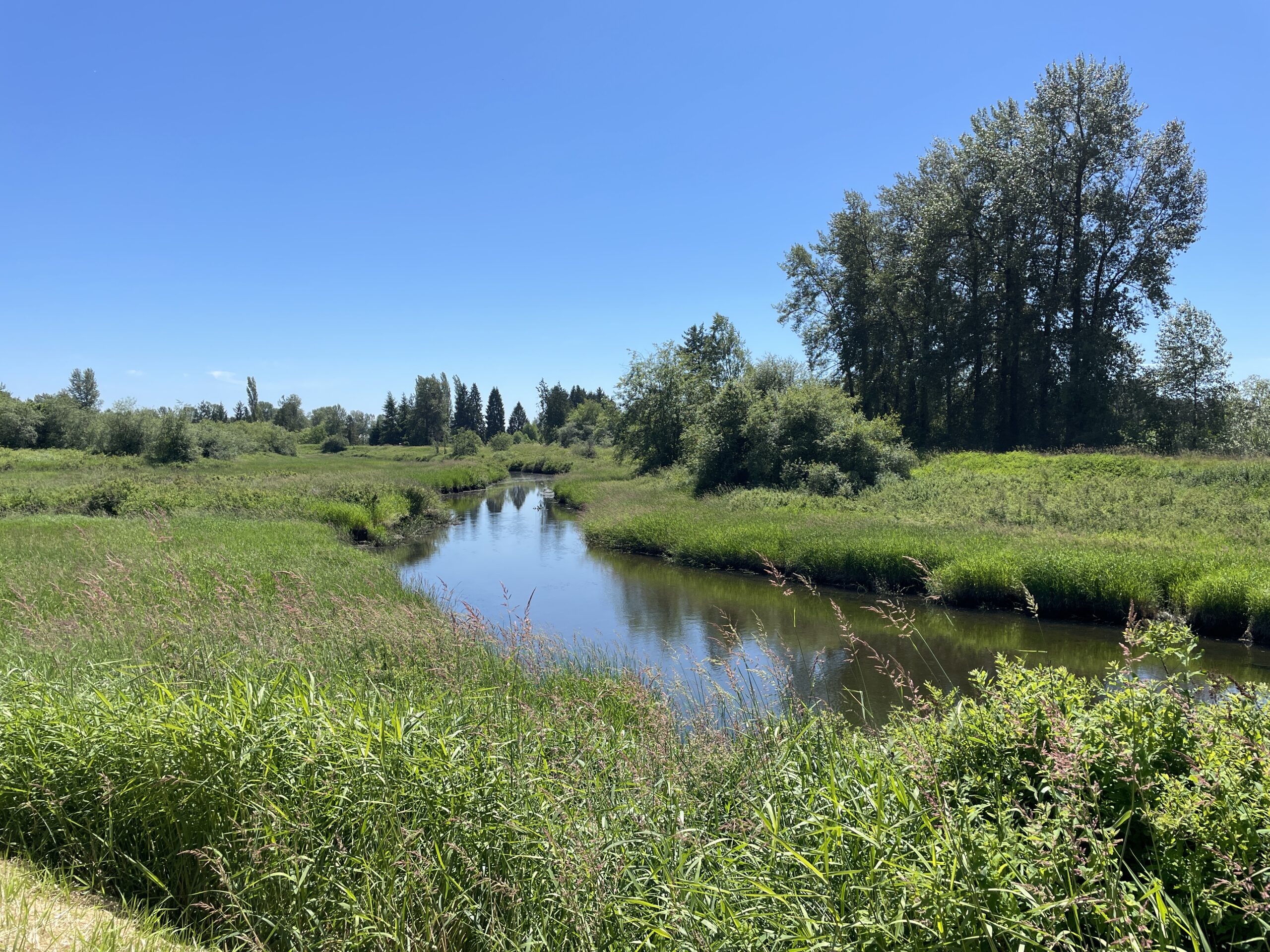
Birding, January 24, 2026: Also know as Brr-ding

Where: DeBoville Slough, Blakeburn Lagoons Park (Port Coquitlam), Tlahutum Regional Park (Coquitlam)
Weather: Sunny, -2-5°C

The temperature started out below freezing, but thanks to sun, little wind and warm pockets, it didn’t feel too cold as we headed north and east for today’s birding. We had planned on going to Reifel, but they remain closed after a boat struck the only bridge to Westham Island last week. It’s looking like we may have to explore other places for some time.

DeBoville Slough
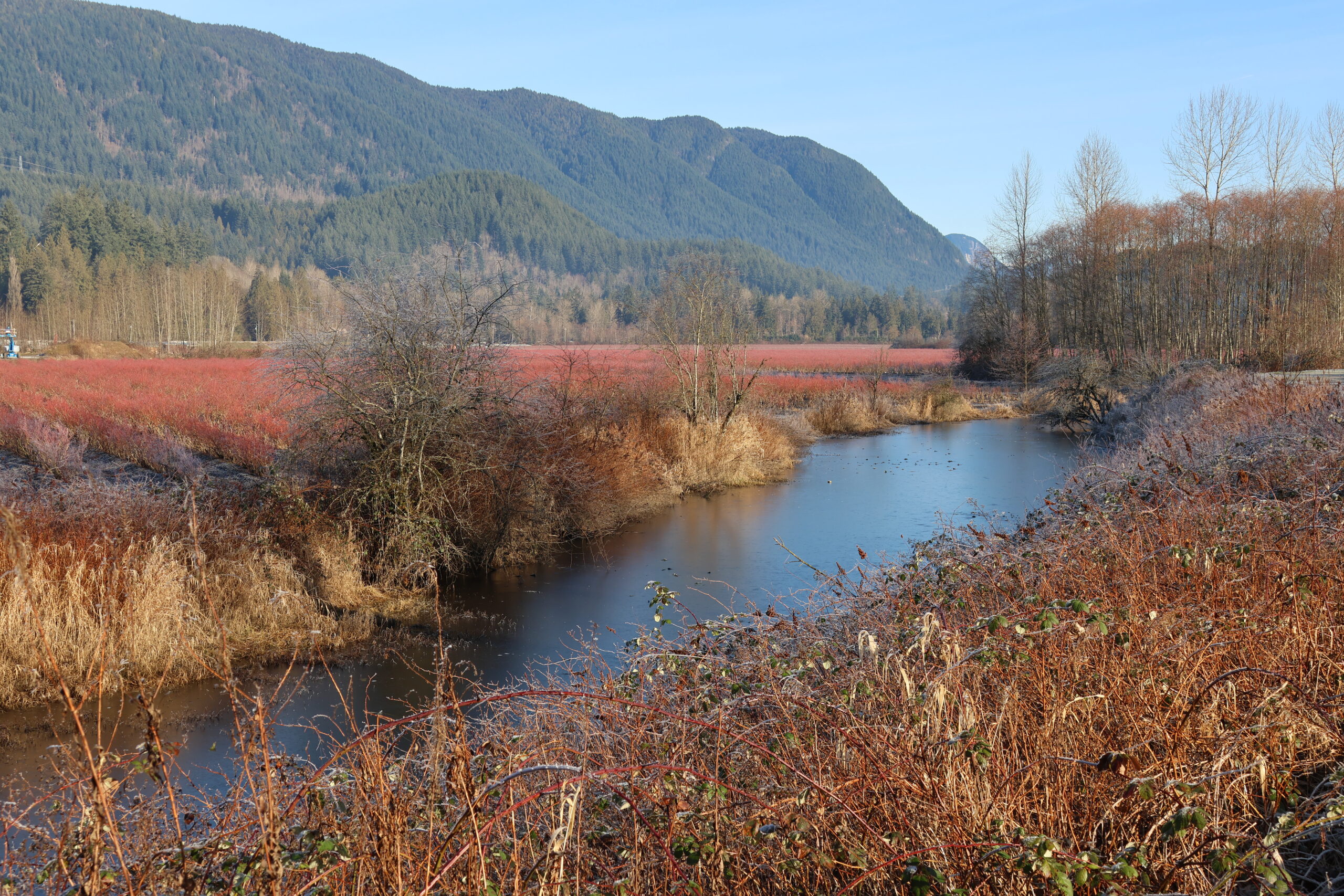
The frozen slough.

The first spot was a return to DeBoville Slough, on the north trail. We were here last summer, so the scenery is a lot more austere now. The freezing temperatures did help make things pretty, with vegetation and trees in shaded areas covered in frost and some of the waterways iced over.

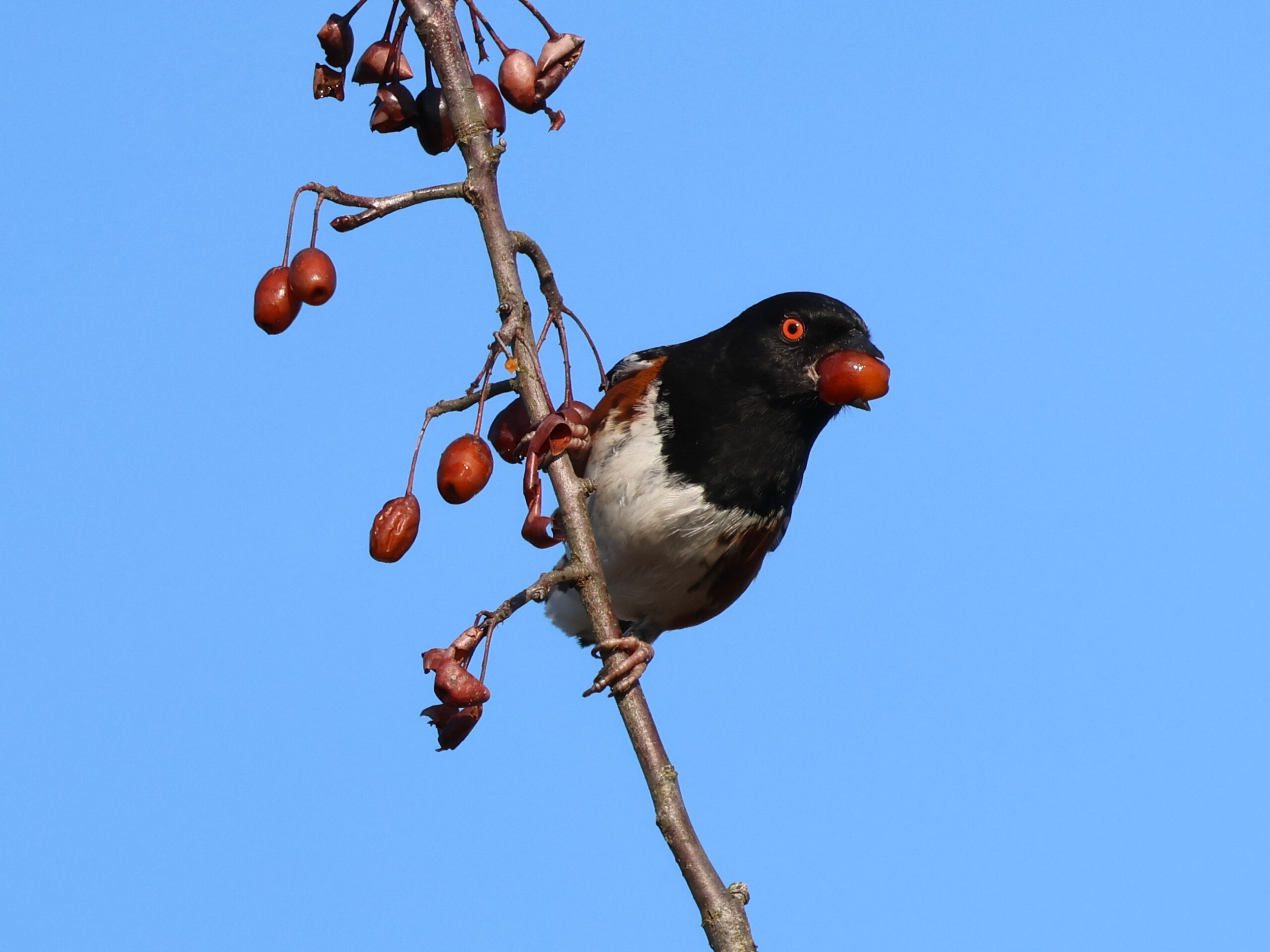
And birds. We saw more birds than I expected, with towhees especially well-represented. The main item on the menu for them and others were berries that survive and grow in the winter. There is nothing quite like a towhee sitting on a naked branch, its red eye staring out, while it clutches a full, round berry in its bill. And I got that shot!

Other than the birds, a lot of people were out, too. Again, sunny weather in January is probably enough for most, regardless of temperature.

Some of the birds we spotted were deeper in the trees and proved elusive, like a Steller’s Jay and a Marsh Wren that Nic managed to get one shot of, but we still had lots of scenery to shoot as backup.

We did not see any bears because they are sleeping, and the osprey nest on the Pitt River is understandably empty, but it was nice to return and see the slough in a different mood.

Blakeburn Lagoons Park
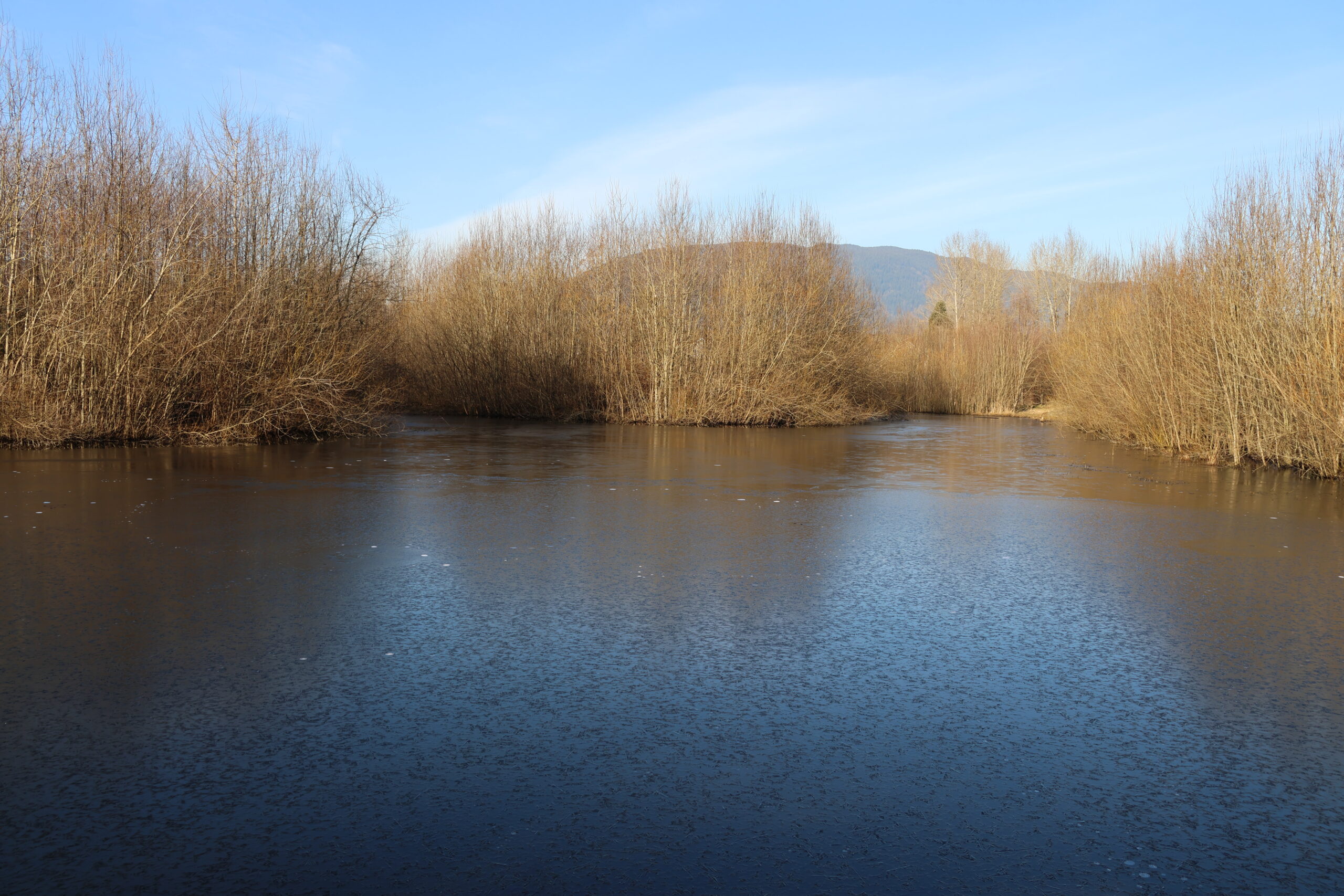
A frozen lagoon.

We next went back to Blakeburn Lagoons, which remains a nicely compact pair of water bodies you can walk around fairly quickly if you need to just bird ‘n go. A lot of the water here was frozen, but in a few spots we did see some mallards and a surprise Northern Shoveller. While a Green Heron remained elusive, we were treated to a Varied Thrush a couple of times, allowing us to get some good shots, along with an Anna’s Hummingbird that was claiming half the place, and a single but very vocal chickadee.

Tlahutum Regional Park
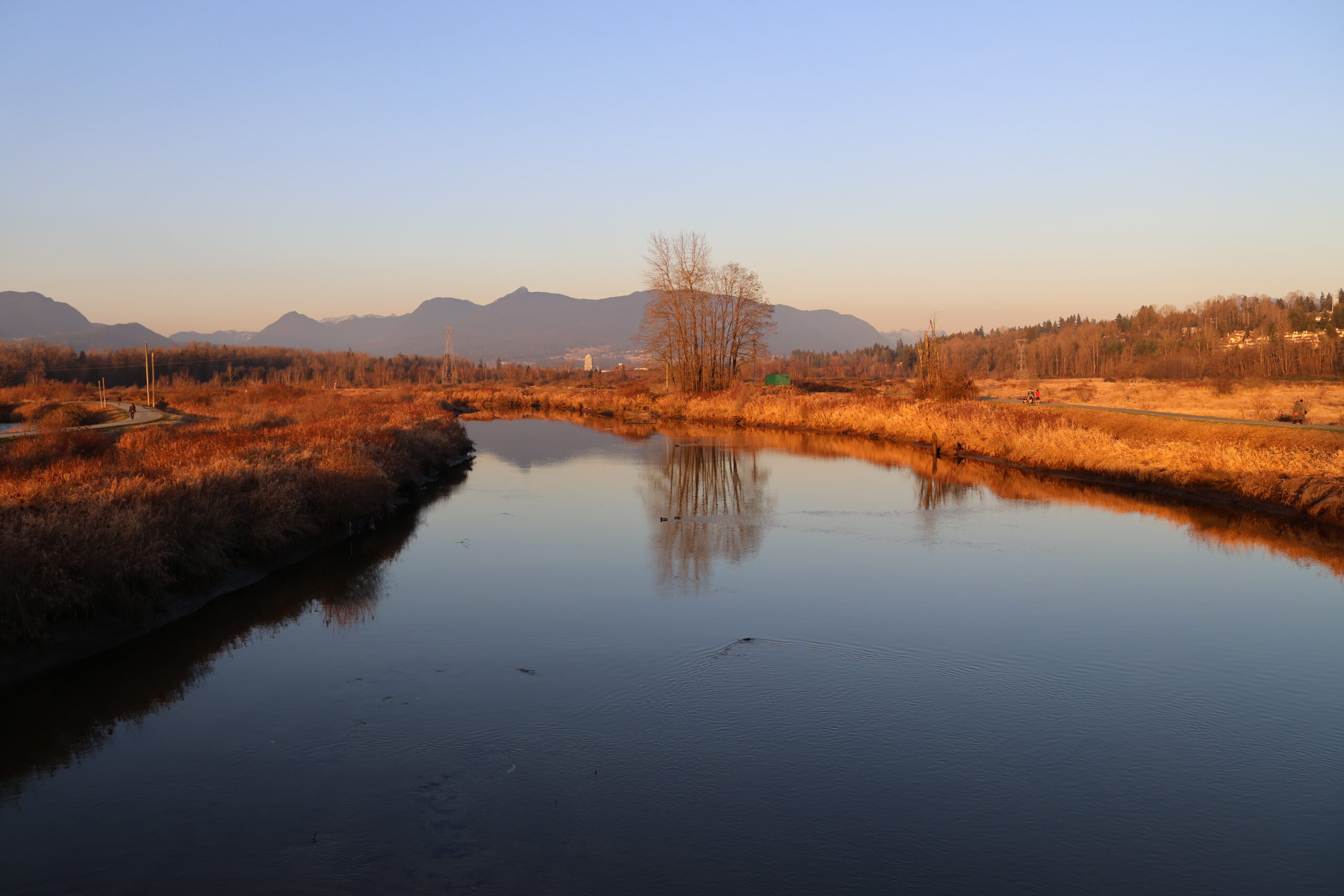
Golden hour over the Coquitlam River.

By the time we got to Tlahutum, the light was turning golden and it was very golden when we left, shortly before sunset. Again, the waterways here were a mix of open and frozen, though most of the main pond was frozen. The open part was at the far end, alas, so the waterfowl were all gathered there because they aren’t going to walk all over the icy surface for our amusement and pleasure.

We saw a lot of the usual birds here and a couple of odder sights, such as an appropriately-named murder of crows harassing a bald eagle, a flock of Canad geese flying in a classic V-formation, then shifting into more of a Silly String formation, without any particular goose leading them. But mostly, voles.

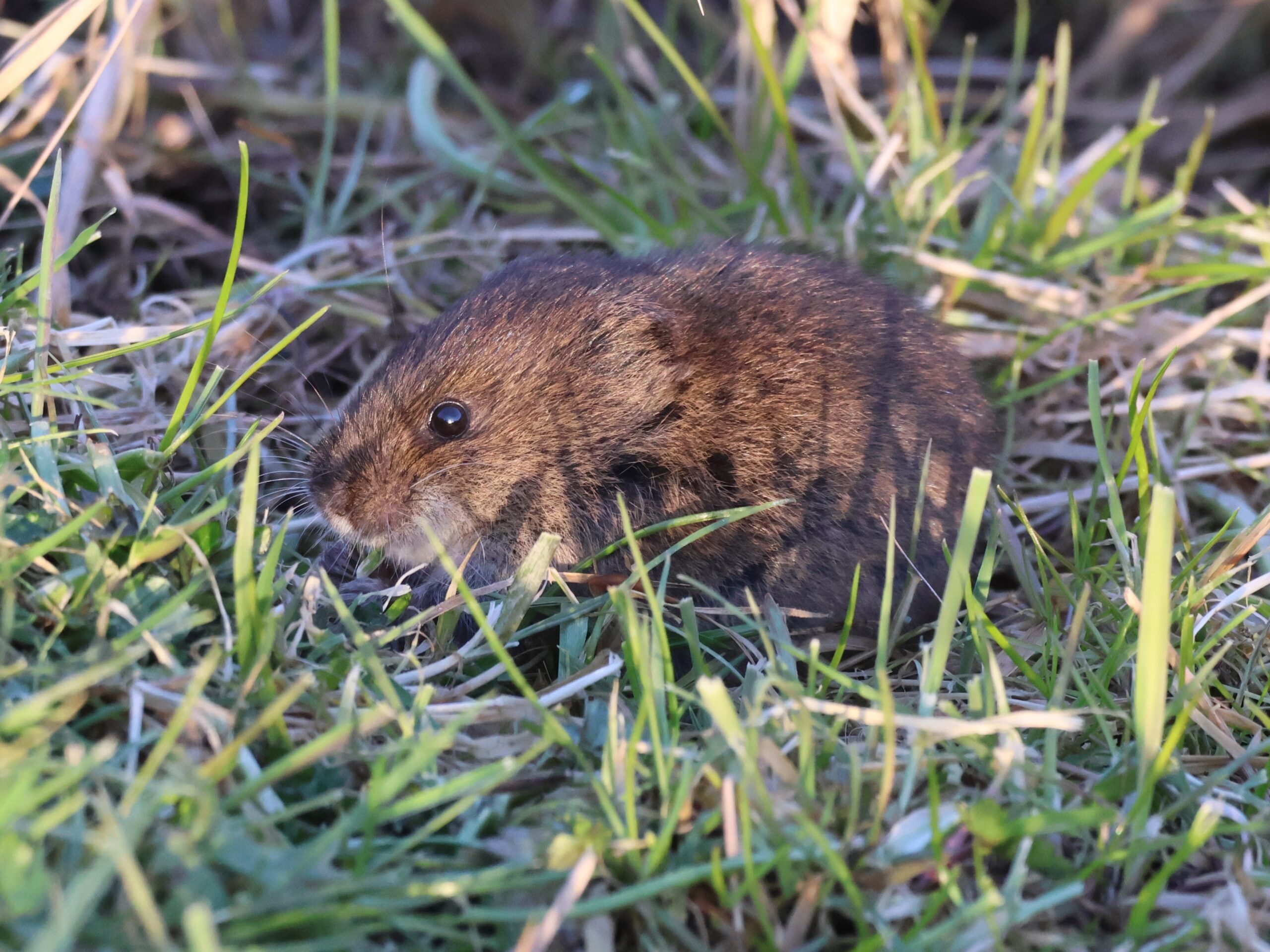
Tlahutum is the kind of spot where voles–small rodents related to hamsters–are likely to hang out, as it has a number of large, grassy expanses. It’s also why we often see eagles or raptors here, as voles are bite-sized snacks for them. But I had never seen an actual vole until today. Then I saw all of them.

Along the first trail into the park, there is a tall wild grass on both sides. Right now it is yellow and flattened down for the winter, but on the trail edges, shorter green grass and vegetation is still growing. And it seems that a whole pile of Meadow Voles know this. We spotted one, then another, then an entire platoon, or whatever you call a bunch of voles. Each would have its own little burrow in the tall grass and would dash out to the trail edge to eat the green grass, then dash back under cover. They did not seem especially perturbed by people, waiting mere moments for someone to pass before returning to nibble. And they may have felt safer with the crows deciding the best use of their time was to pester and chase the one eagle in the area.

They are also very cute, if you find hamsters or hamster-like animals cute.

I wonder if we will see them as the weather warms and the wild grass grows tall again.

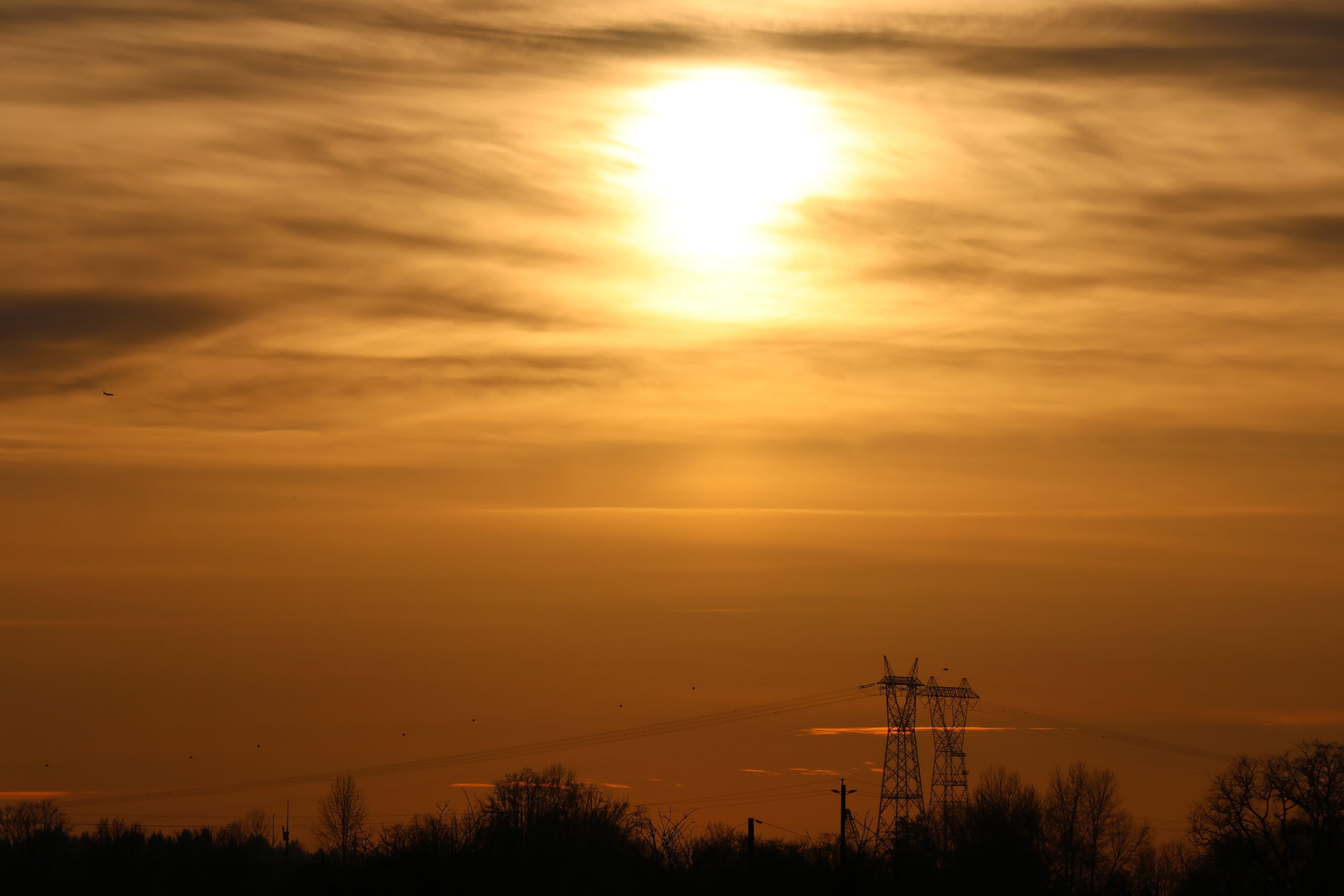
We stayed close until sunset and ended with some final shots of the sun going down.

In all, a fine day and an enjoyable alternative to Reifel.

The Shots

Shot with a Canon EOS R7 with 18-150 mm kit lens and 100-400 mm telephoto.
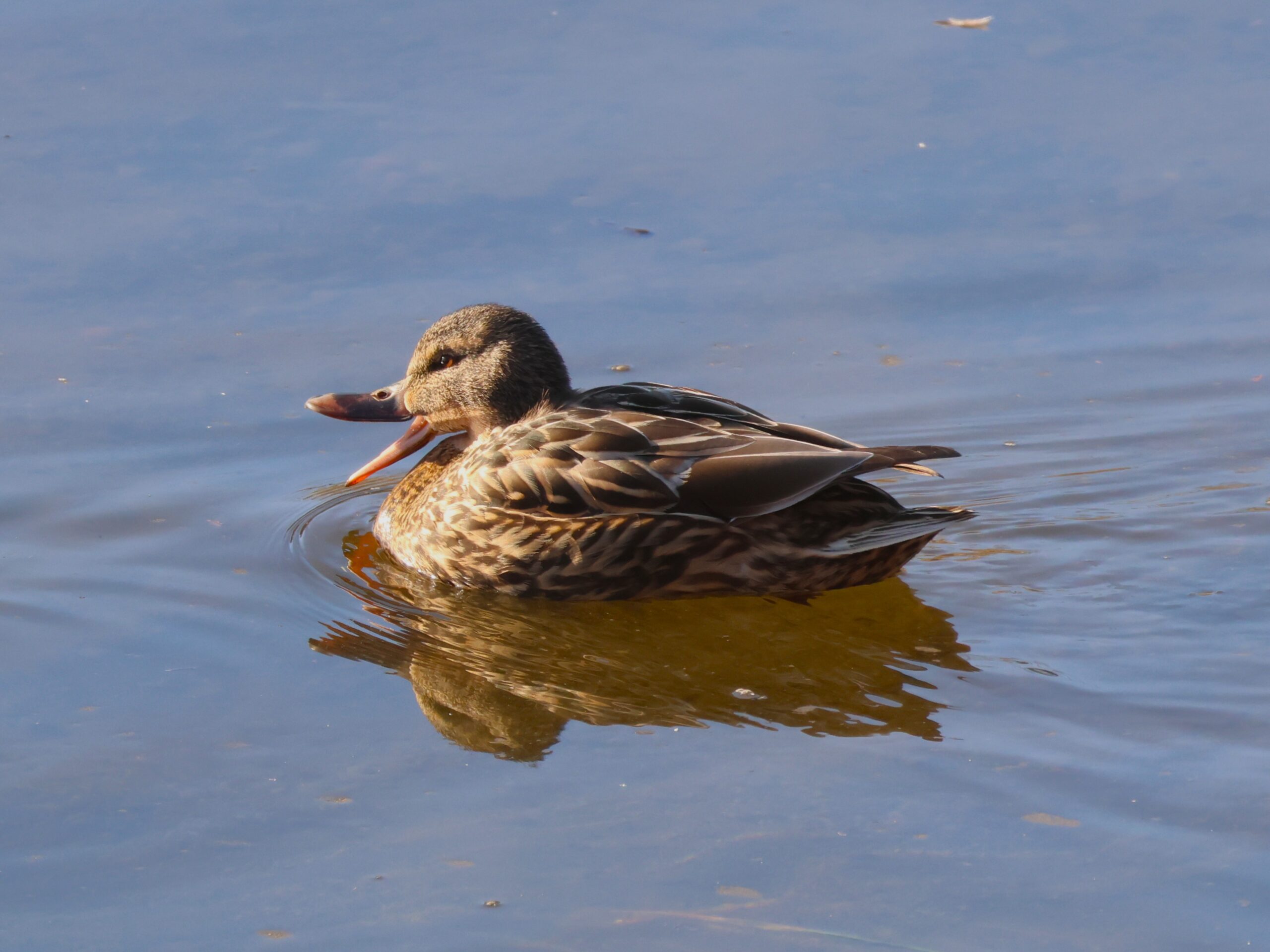
Gadwall quack (I actually couldn’t hear anything).
A Meadow Vole noshing away on grass.
Sunset at Tlahutum, with bonus plane.
A Spotted Towhee haz berry, as the kids say.

Gallery soon™.

The Birds (and other critters)

Sparrows and sparrow-adjacent:

  • American Robin
  • Anna’s Hummingbird
  • Black-capped Chickadee
  • Dark-eyed Junco
  • Fox Sparrow (maybe)
  • Golden-crowned Sparrow
  • Song Sparrow
  • Spotted Towhee
  • Steller’s Jay
  • Varied Thrush

Waterfowl and shorebirds:

  • American Wigeon
  • Belted Kingfisher (probably)
  • Bufflehead
  • Canada Goose
  • Gadwall
  • Great Blue Heron
  • Hooded Merganser
  • Mallard
  • Marsh Wren
  • Northern Shoveller
  • Wood Duck

Common:

  • American Crow
  • Assorted gulls

Raptors:

  • Bald Eagle

Non-birds:

  • A million Meadow Voles

Birding, August 30, 2025: Merry Cootmas!

Where: Maplewood Flats (North Vancouver), Blakeburn Lagoons Park (Port Coquitlam), Tlahutum Regional Park (Coquitlam), Piper Spit, Burnaby Lake (Burnaby)
Weather: Sunny, 21-24°C

Maplewood Flats

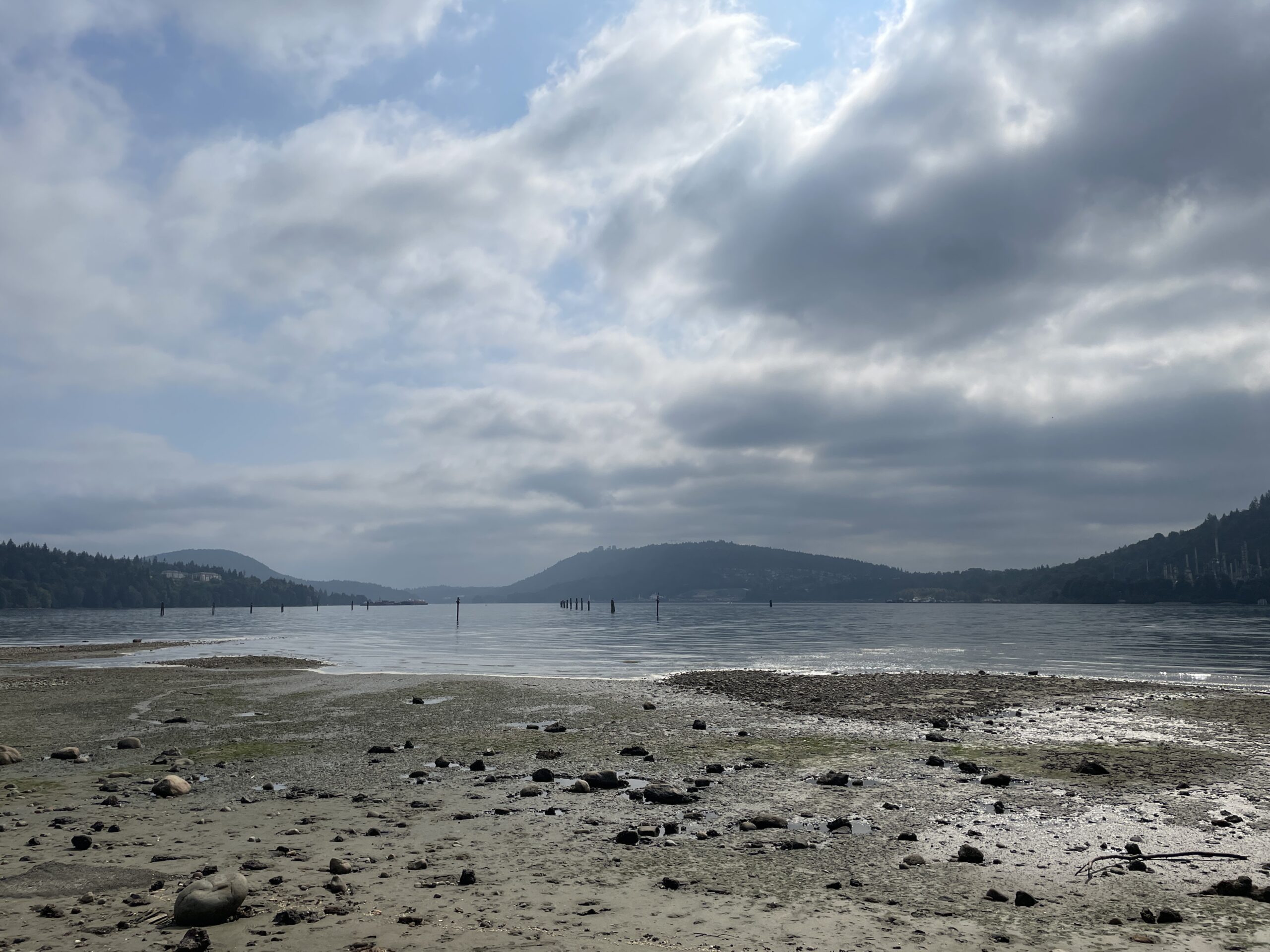
View looking east over Burrard Inlet.

It was birding all over the place today. The only thing missing was the birbs. We heard a few and eventually saw a few, but it was mostly waterfowl and the like as songbirds seemed to prefer hiding away on what was a very humid day.

We began at Maplewood Flats and saw and heard a few chickadees, spotted some cormorants offshore, and a few gulls, but a promised sandpiper remained elusive. The scenery is always nice here, though.

Blakeburn Lagoons Park

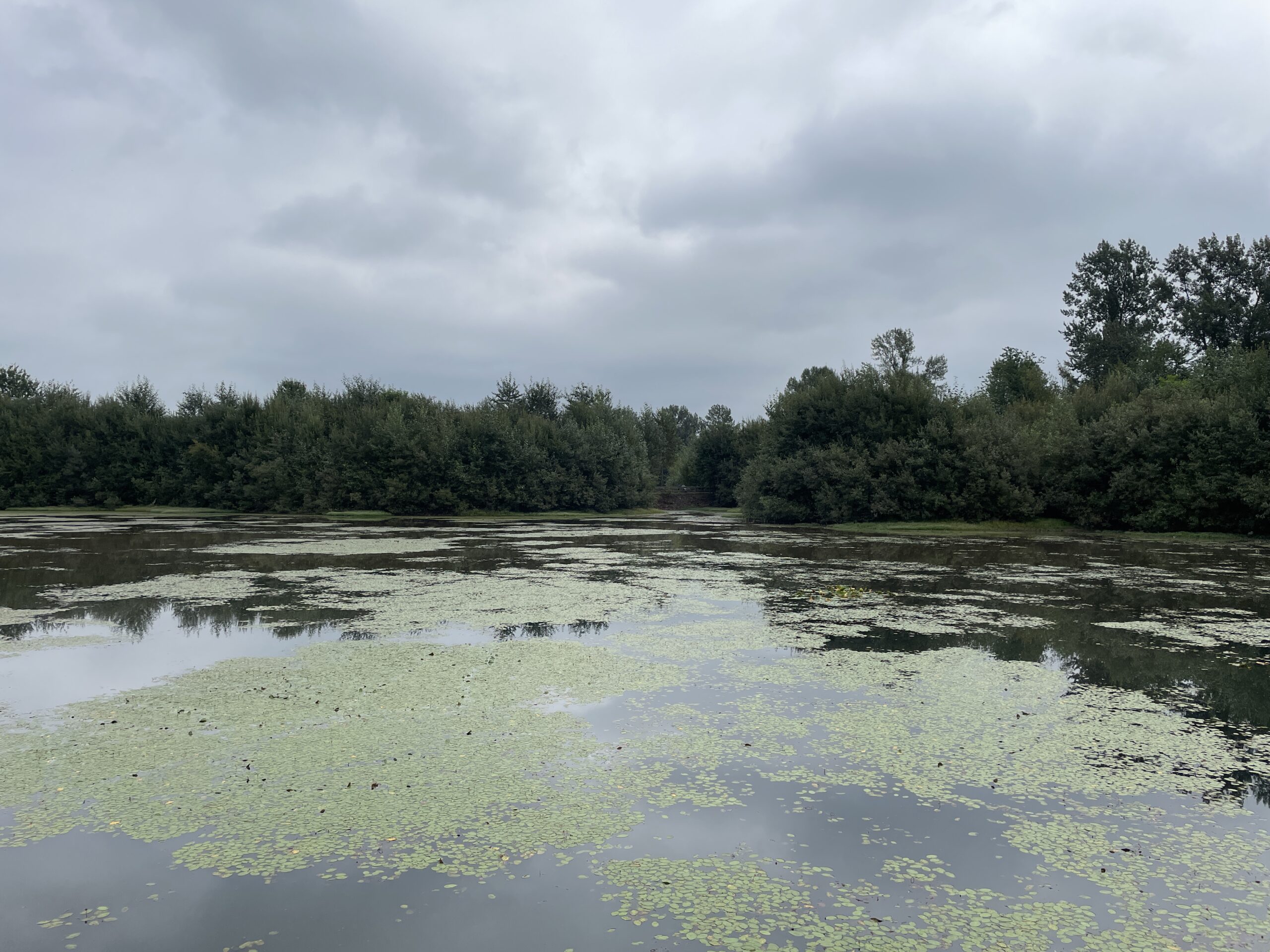
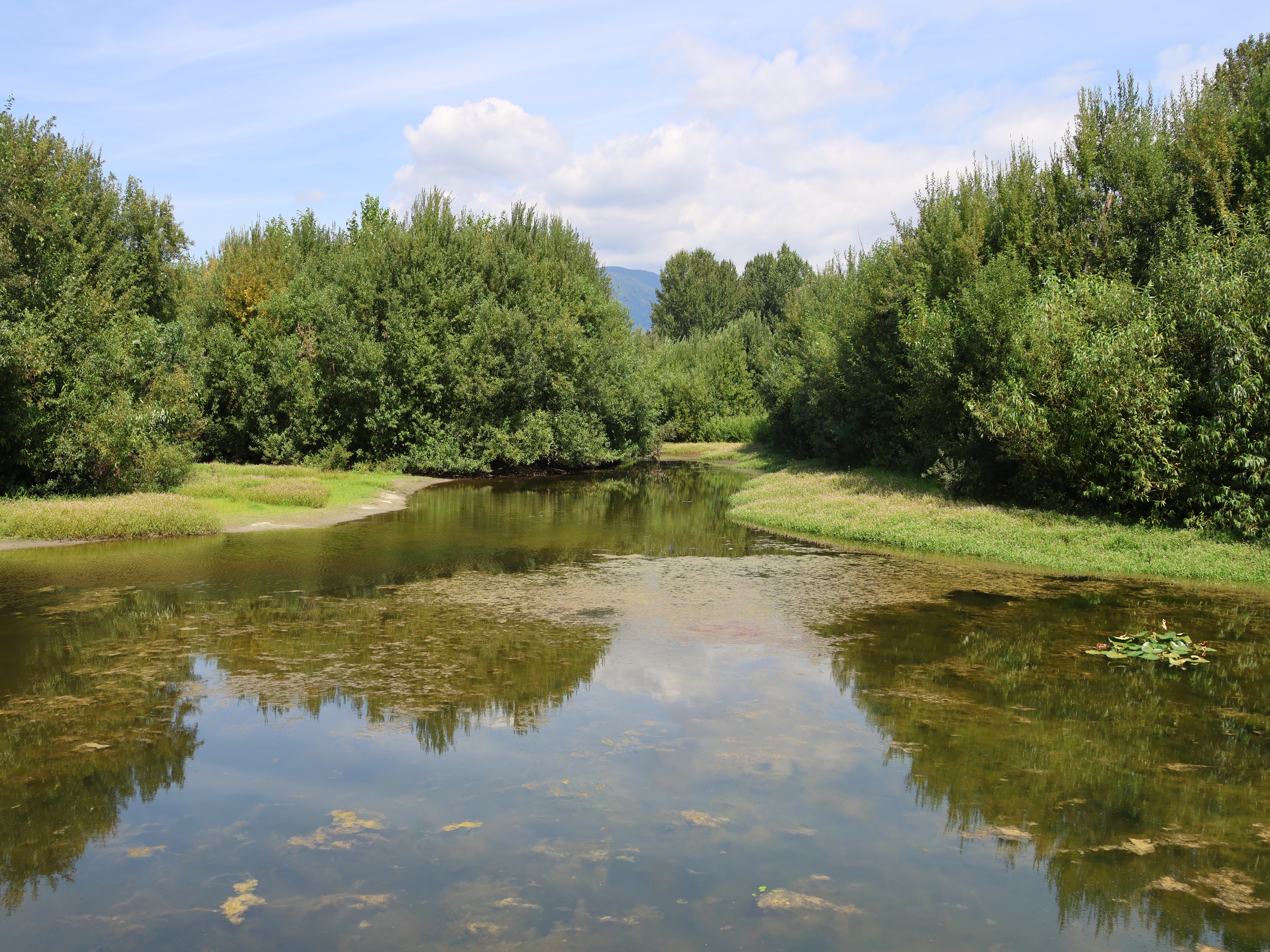
One of the two lagoons. They were replete with ducks, some herons (none green) and a single goose.

We went to Blakeburn Lagoons to search for the elusive green heron. It remained elusive. We did see several great blue herons as compensation.

Otherwise, it was ducks and plenty of them, along with a solitary Canada goose, the only one we saw today (I think).

Tlahutum Regional Park

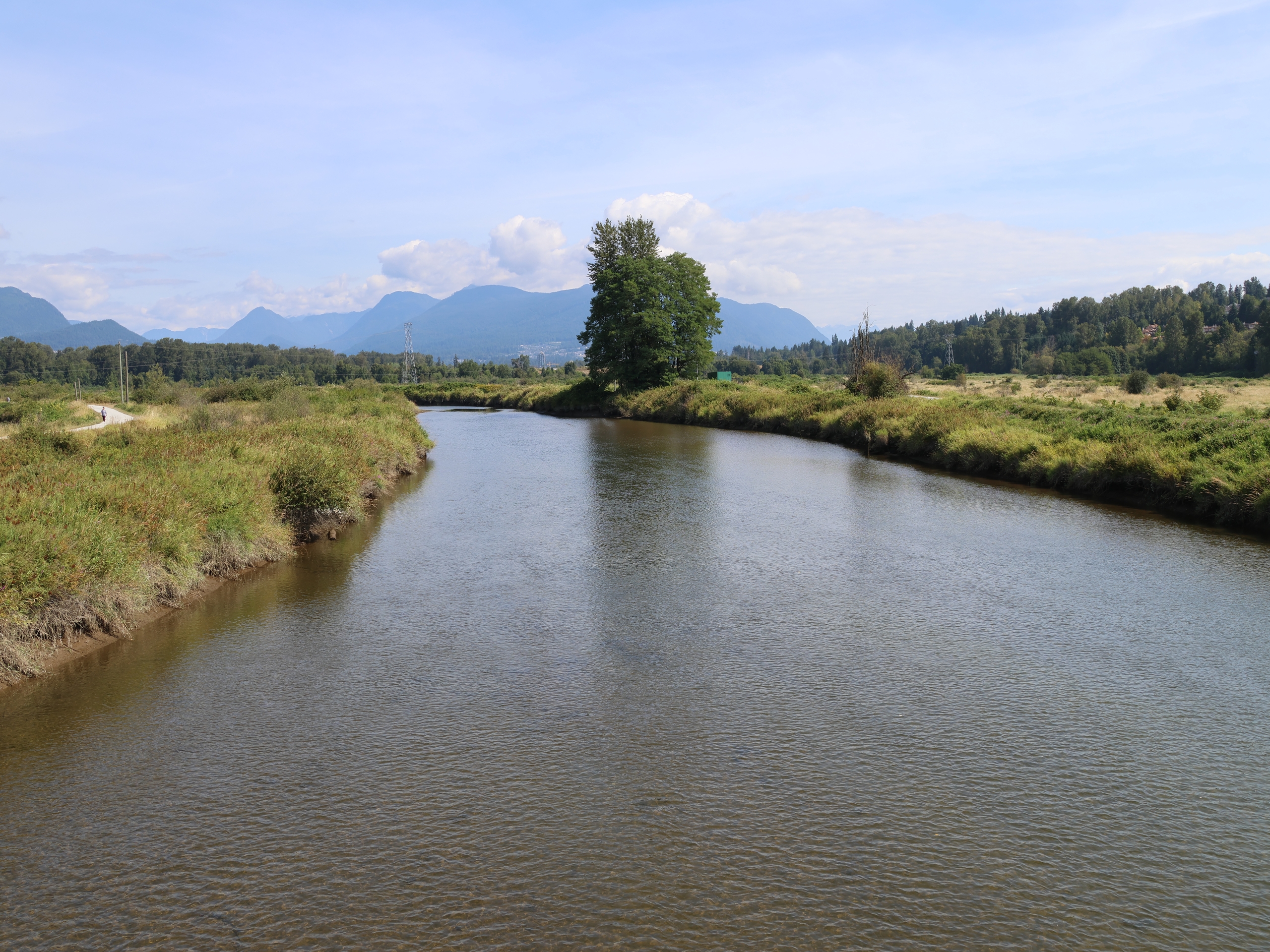
Coquitlam River, looking rather full on this day.

There were ducks in the main pond at Tlahutum and a couple of bald eagles flapping high overhead, but very few other birds were making themselves visible, so we made do with shooting flowers and the many pollinators tending to them.

Piper Spit

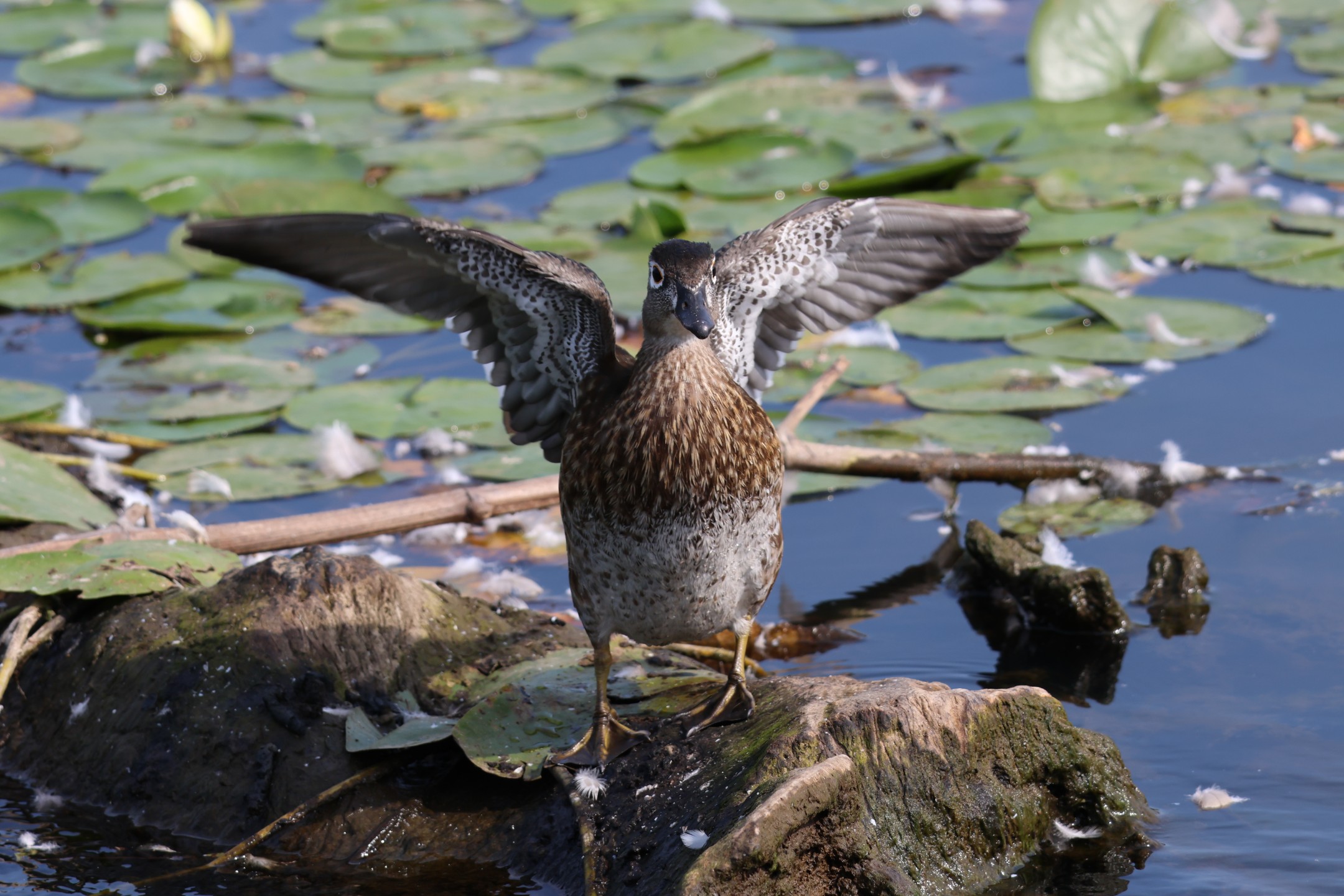
Oddly, I forgot to take any scenery shots at Piper Spot, so enjoy this wood duck stretching instead.

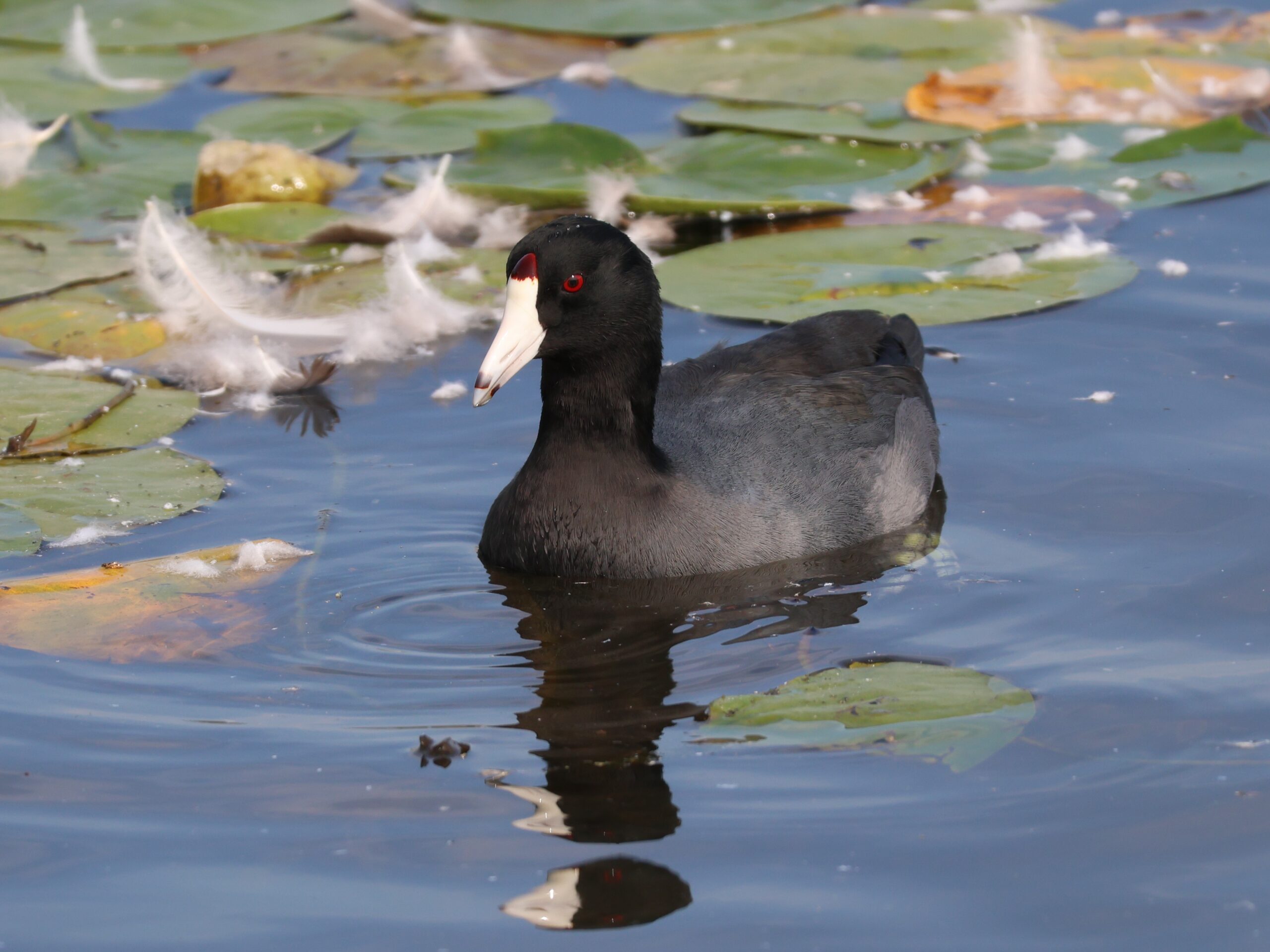
The land mass at Piper Spit is not only back, but fairly massive. A few small shorebirds were darting about on it, but most birds preferred the water. In the water, we saw the usual mix of mallards and wood ducks, along with a pair of hooded mergansers, but no geese. And lo, there was the first coot of the season, swimming about by itself and looking glorious and weird. It’s as much a sign of fall coming as the proliferation of pumpkin spice in everything from muffins to school supplies (probably).

Several people were stupidly feeding the birds again. Having recently seen bears up close and personal here, I feel comfortable in calling their actions stupid.

But we also saw a song sparrow. Just one, but it stopped hopping just long enough to let us get some decent shots. A few wood duck males were also back to near-full, resplendent mullets.

In all, a fine day of birding, even with the scarcity of birbs.

The Shots

Shot with a Canon EOS R7 with 18-150 mm kit lens and 100-400 mm telephoto.
A few shots:

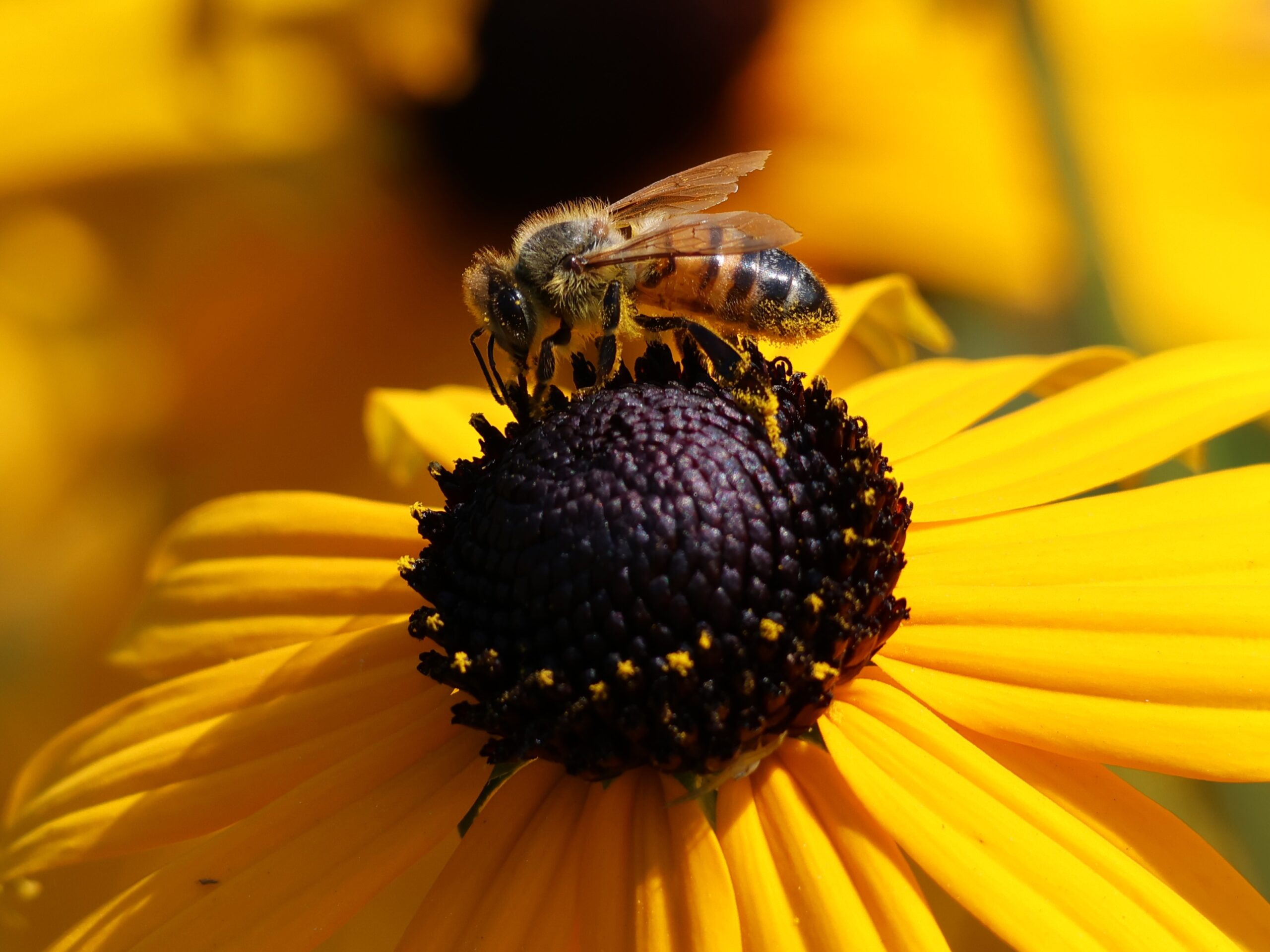
A bee loving its job.
The first coot of the season. Coming soon: more coots and coot drama.

The Birds (and other critters)

Sparrows and sparrow-adjacent:

  • Bewick’s wren (heard, not seen)
  • Black-capped chickadee
  • Purple martin
  • Song sparrow
  • Spotted towhee (heard, not seen)
  • White-crowned sparrow (heard, not seen)

Waterfowl and shorebirds:

  • American coot (one!)
  • Canada goose
  • Common merganser
  • Double-crested cormorant
  • Great blue heron
  • Hooded merganser
  • Long-billed dowitcher
  • Mallard
  • Northern pintail
  • Pied-billed grebe
  • Western sandpiper
  • Wood duck

Common:

  • American crow
  • Rock pigeon
  • Various gulls

Raptors:

  • Red-tailed hawk

Non-birds:

  • Copious pollinators
  • Raccoons (actually after birding, and in my neighbourhood. I think they were having a meeting over lunch)

Birding, August 9, 2025: Bear-y trees and catchers of the fly

Where: Tlahutum Regional Park (Coquitlam), Blakeburn Lagoons Park (Port Coquitlam), Traboulay PoCo Trail/DeBoville Slough (Port Coquitlam)
Weather: Sunny, 25°C

Tlahutum Regional Park

Coquitlam River.

For a change of pace, we started at Tlahutum and Nic managed to get a shot of what might be a Calliope hummingbird. Merlin was not sure and neither are we.

Despite being morning, it was already fairly warm, but also kind of muggy. This would be the unofficial theme of the day. Also the official theme of the day.

The other official theme of the day was yet to come–more on that below.

We actually did not see a lot of birds at Tlahutum, but we shot many pollinators, giant, scary sunflowers and the scenery.

The highlights were a pair of raptors, an osprey that generously flew right overhead, and a turkey vulture, which is a bird I rarely see. It did not fly directly overhead, but if you zoom in, you can clearly see its turkey-like head.

Blakeburn Lagoons Park

One of the Blakeburn Lagoons, possibly with a green heron hiding somewhere in it.

We went to Blakeburn because a green heron has been seen there, and we wanted to get award-winning photos of it. We did see it, briefly, flying across a lagoon, never to be seen again. The animal signs at each viewpoint tease a number of species we’ve never seen, though to be fair, most of them are not birds. We consoled ourselves with scenery, some ducks and then headed out again.

Traboulay PoCo Trail/DeBoville Slough

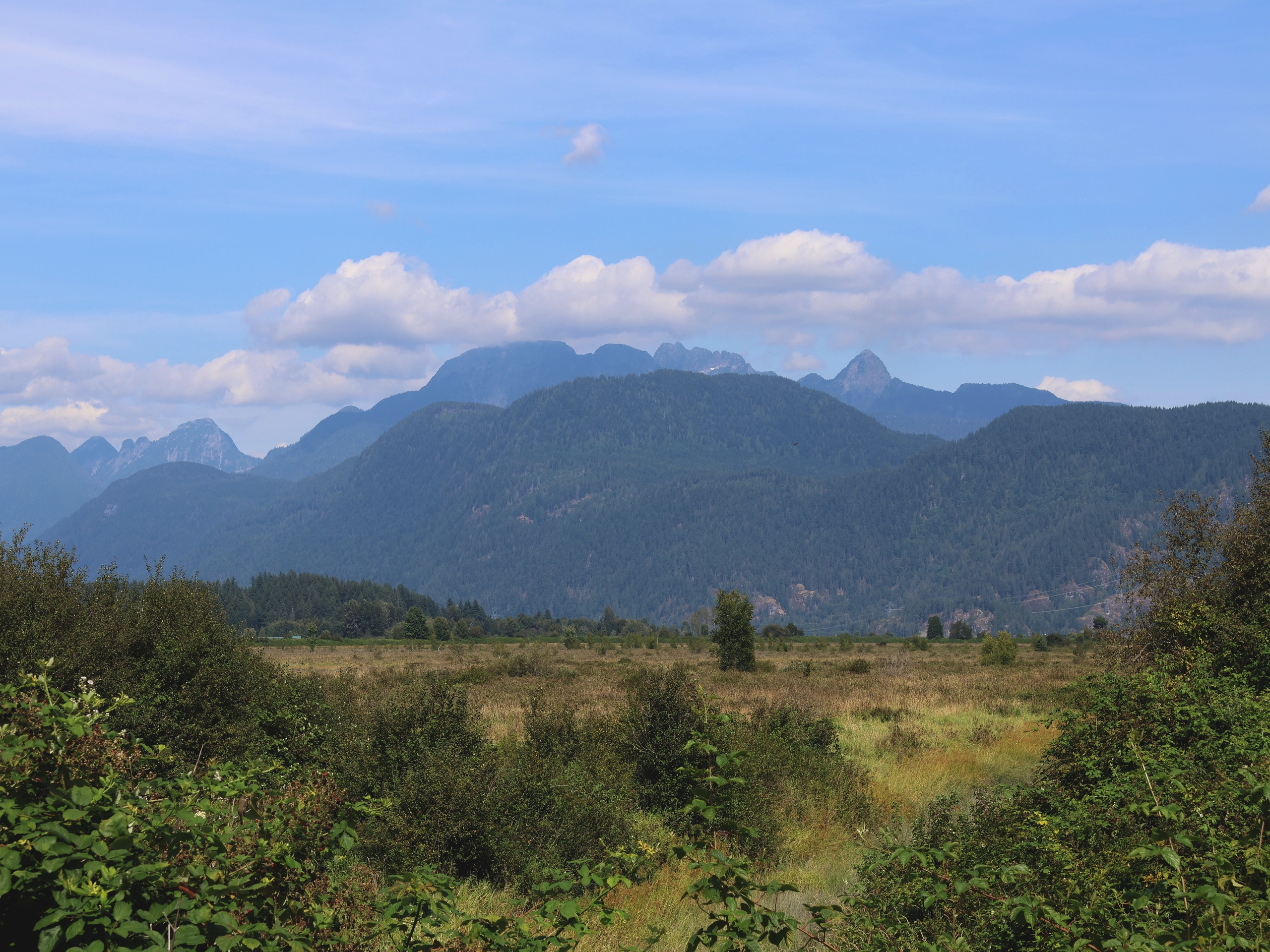
Mountains and fields to the north and west of the Pitt River.

Today we ventured all the way up the trail and hooked a right to the viewing platform at the end overlooking the Pitt River, before heading back.

It was here that we encountered the other official theme of the day: flycatchers, and plenty of them! They were in abundant numbers and often surprisingly close, so we had no issue getting good shots. There were also multiple kingbirds showing themselves, too.

At one point, a goldfinch appeared and briefly landed on tall grass right in front of us–so close that I didn’t have time to focus on it before it thought better of where it was and took off. Alas.

At one point we saw several people, including someone with a VLL1very long lens, all looking off to the side of the trail toward some trees. We approached, wondering what exotic birds had captured their attention. But surprise twist, it was actually a young black bear, well up a tree and looking somewhat unsure of itself, or maybe very sure of itself. I can’t read bear faces well. It was gone by the time we returned, so I assume it was just exploring and having some fun. We also saw a significantly larger back bear, but it was trundling along in a field and was not interested or really close enough to eat tasty humans. Note to future bears: I am not tasty.

We saw more ospreys here, along with a good number of purple martins, so it proved to be a fruitful, if long and sweaty trek. Plus, the scenery is always nice, especially when the jet skis get out of hearing range.

The Shots

Shot with a Canon EOS R7 with 18-150 mm kit lens and 100-400 mm telephoto.
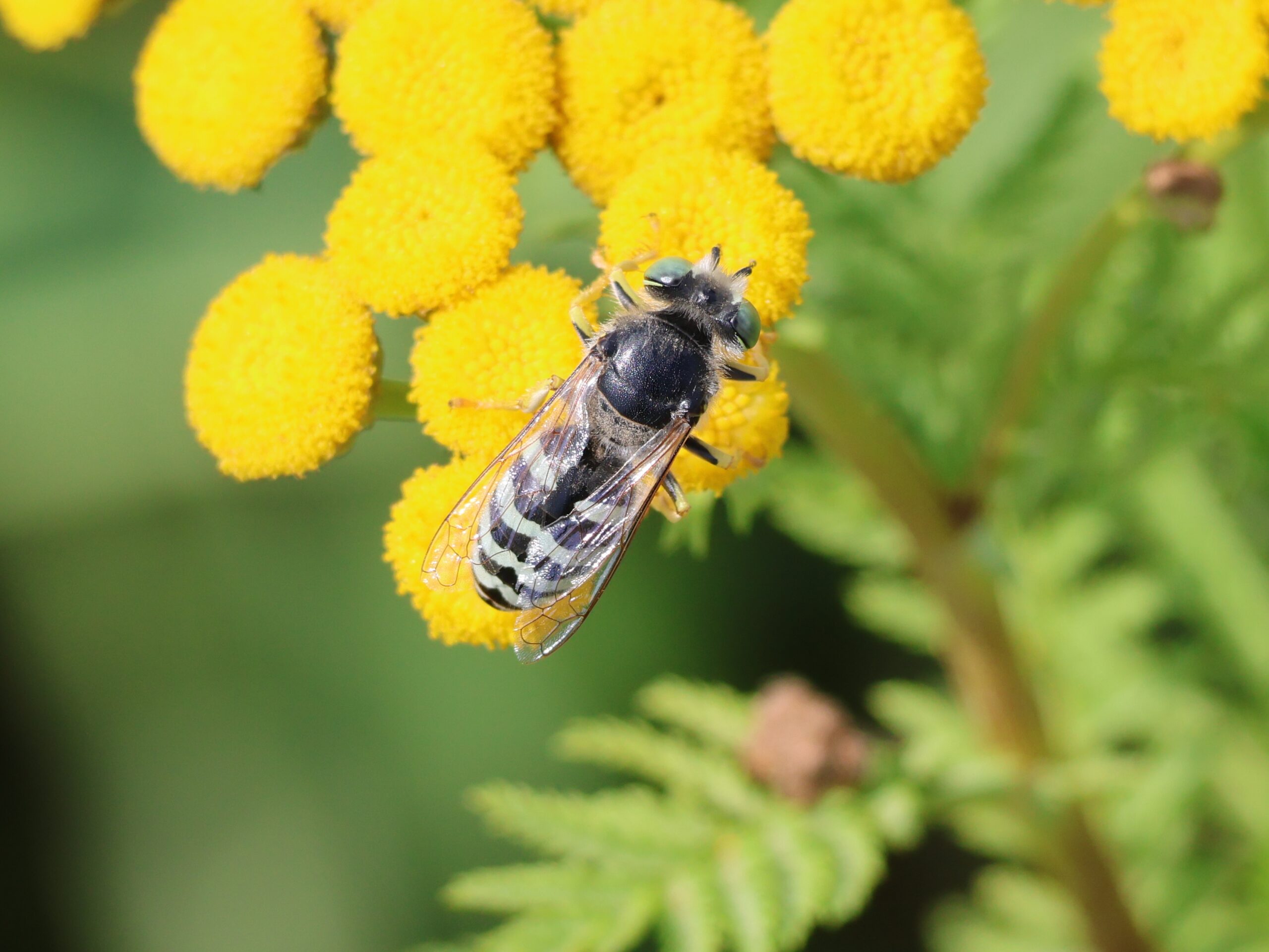
A sand wasp, to prove I took more than just scenery shots!

The Birds (and other critters)

Sparrows and sparrow-adjacent:

  • American Goldfinch
  • American robin
  • Black-capped chickadee
  • Black-headed grosbeak
  • Anna’s hummingbird
  • Calliope hummingbird (?)
  • Cedar waxwing
  • Eastern kingbird
  • House finch
  • Purple martin
  • Song sparrow
  • Spotted towhee
  • Willow flycatcher

Waterfowl and shorebirds:

  • American coot (not yet!)
  • Great blue heron
  • Green heron
  • Mallard
  • Wood duck

Common:

  • American crow
  • European starling

Raptors:

  • Osprey
  • Turkey vulture

Non-birds:

  • A small black bear and a very large black bear
  • A fuzzy caterpillar
  • Woodland skippers and cabbage butterflies
  • Copious other pollinators
  • Humans on noisy jet skis

Birding, June 7, 2025: Shoot the bear, shoot the poop

Where: Rocky Point Park (Port Moody), Blakeburn Lagoons Park (Port Coquitlam), Traboulay PoCo Trail (Port Coquitlam)
Weather: Sunny, 20-27°C

Rocky Point

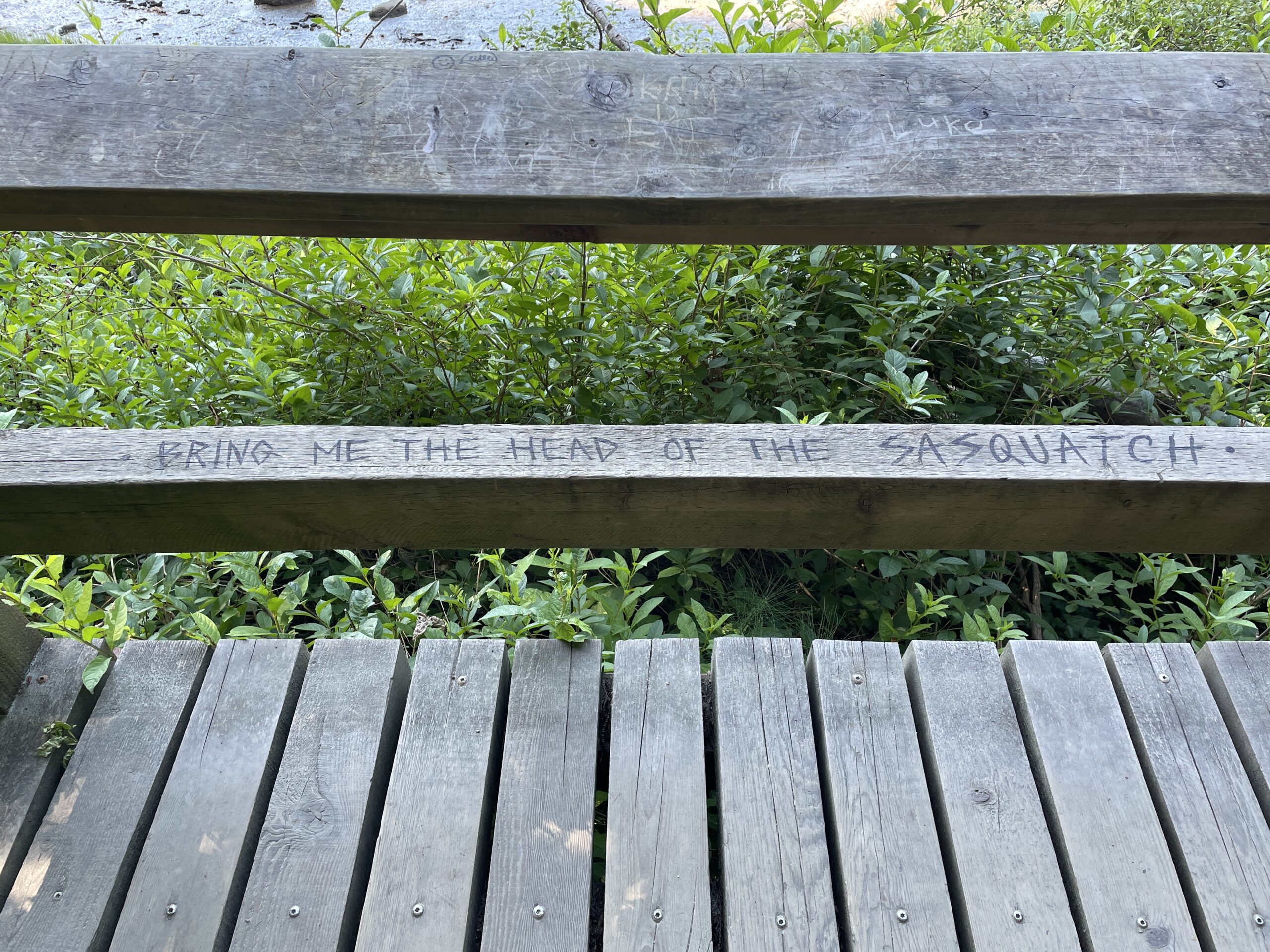
An unusual request at one of the viewing platforms.

Today was expected to get quite warm–and it did. We were very smart and most of our birding today took place on trails with no canopy, because we love the sun.

We started at Rocky Point, where the heron babies are growing up oh-so-fast. They seemed a bit more visible this time, due to being larger and more willing to hang out on the edges of the nests, yearning to escape from the yoke of their parents’ tyranny.

We ventured a bit down the trail, but didn’t see much else, other than a lot of people, because the place was packed. Who knew a warm, sunny Saturday in June would draw people out?

Blakeburn Lagoons Park

One of the two lagoons, with mallards and gadwalls paddling about.

We next moved onto Blakeburn Lagoons Park, which is a fairly compact pair of lagoons reclaimed from an old wastewater site. We got some good views, a bit of goose drama, and Nic felt compelled to shoot some bird poop. One must not question the muse. The muse poops for thee, not me. Or something.

The highlight, strangely, was a butterfly that stopped long enough to allow us to get some very nice shots of it. After a quick trip around the lagoons, we needed more sun, so off we went!

Traboulay PoCo Trail/DeBoville Slough

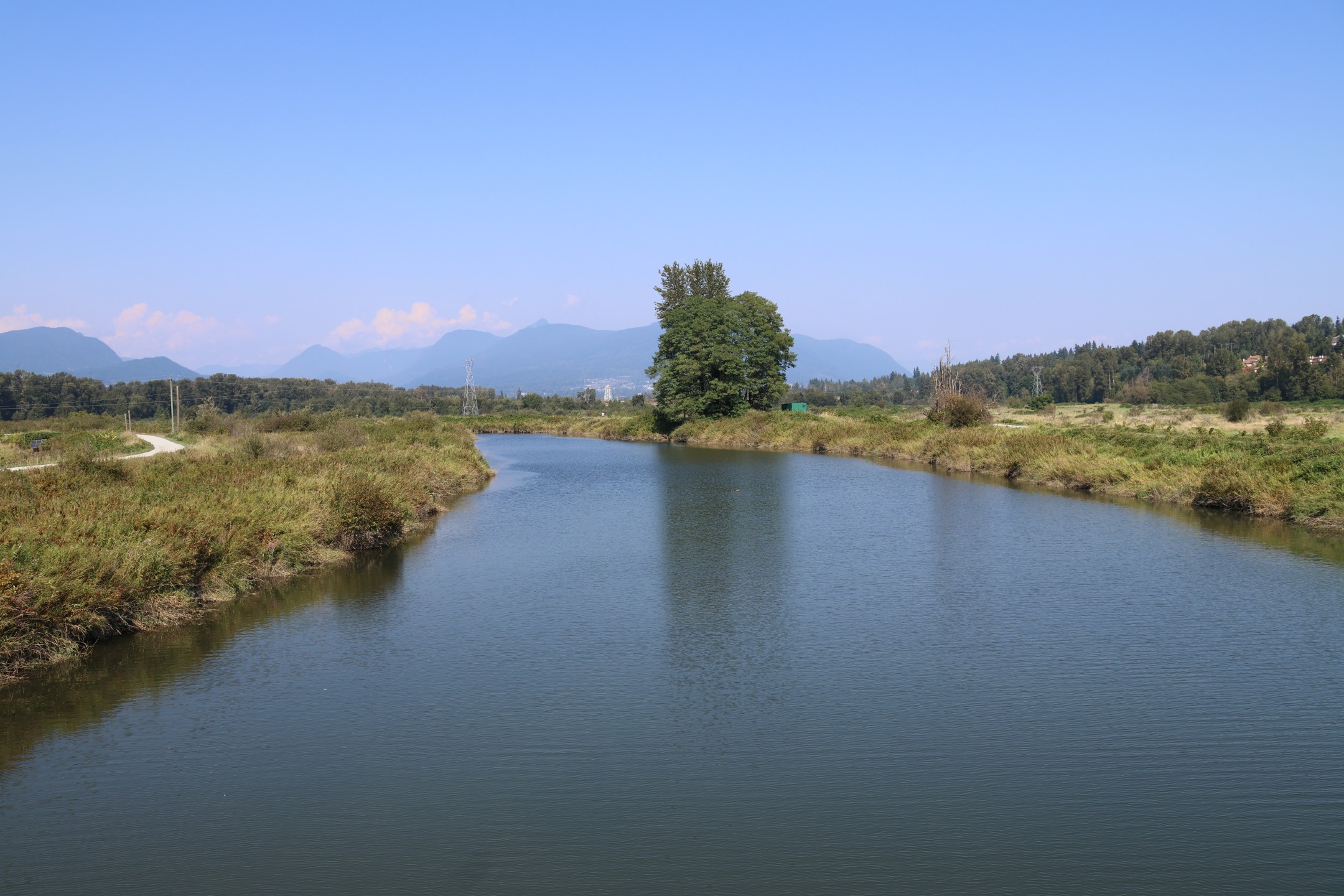
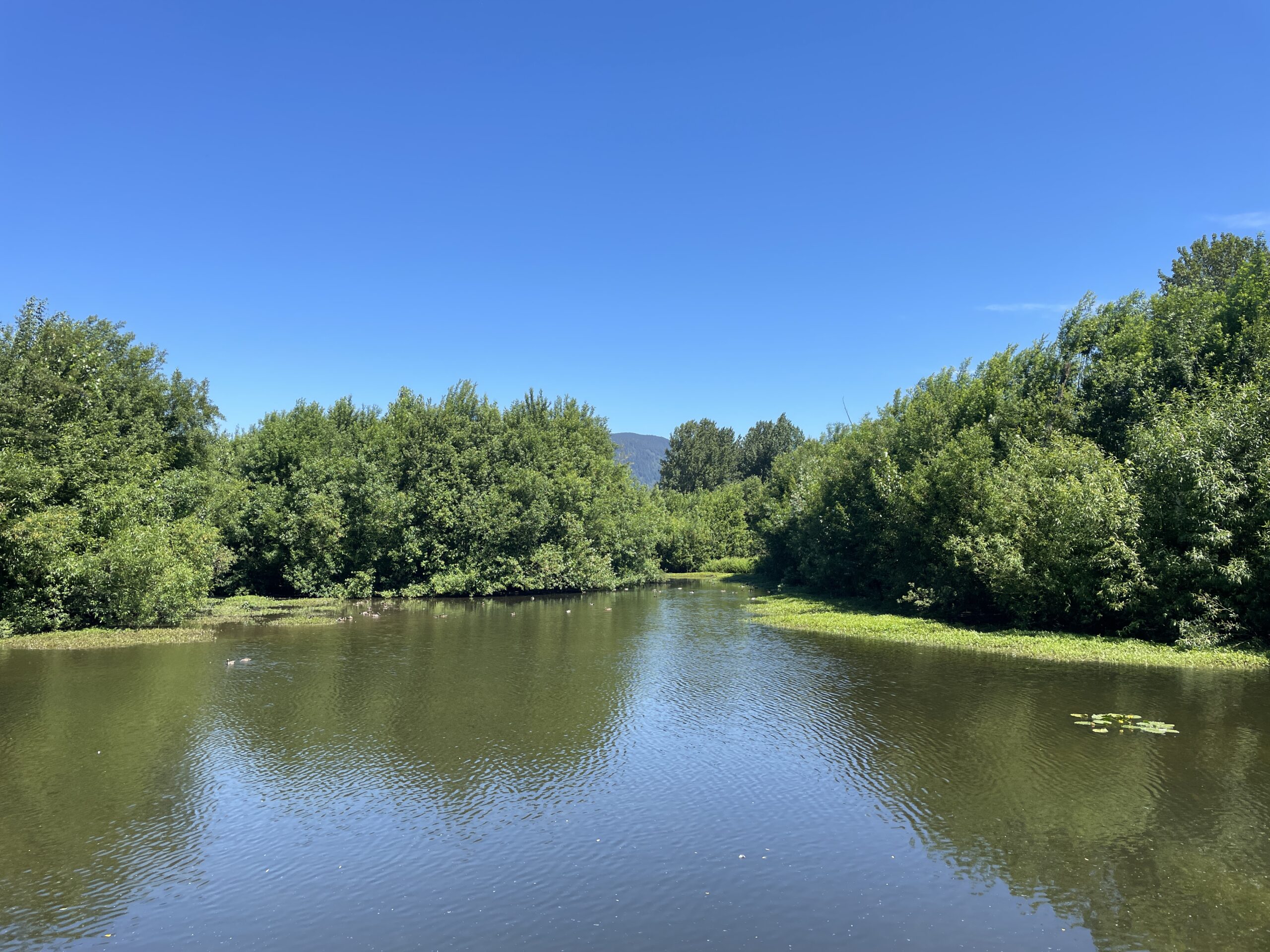
The DeBoville Slough, wending its way through the wilds of Port Coquitlam.

We’ve been in this area before, but along the southern trail. This time we took the northern, which parallels the slough and eventually leads to the Pitt river, which is where we saw a nesting osprey (neat) and then turned around and headed back. We saw a few birds along the way, too–a robin, a waxwing and a Northern flicker–but most of the views were of the slough, the verdant fields and mountains. And one shirtless jogger.

Although by this point it was getting quite warm, the breeze kept it from getting sticky and awful.

And we also saw a bear, trundling casually through the crops on a field. There was a slough between us and the bear and even though bears can swim, it was not close and seemed pretty mellow. I got a few iffy shots, but it’s definitely bear.

After that, we wrapped up early, as Nic has to help out a theatre full of gay men. As one does.

Although the birds were not out in copious numbers today, the change of scenery was pleasant, as was the weather.

The Shots

Shot with a Canon EOS R7 with 18-150 mm kit lens and 100-400 mm telephoto.
The Birds (and other critters)

Sparrows and sparrow-adjacent:

  • American robin
  • Cedar waxwing
  • Common yellowthroat (heard)
  • Northern flicker
  • Spotted towhee
  • Song sparrow
  • Violet-green swallow

Waterfowl and shorebirds:

  • Canada goose
  • Gadwall
  • Great blue heron
  • Mallard

Common:

  • American crow
  • Assorted gulls

Raptors:

  • American osprey
  • Bald eagle
  • A hawk?

Non-birds:

  • Butterflies
  • Dragonflies
  • Other flies
  • A black bear