Birding, August 10, 2024: Steps this way

Where: Burnaby Lake (Burnaby), Mundy Park (Coquitlam)
Weather: Sunny, 19-27°C

The Outing

Burnaby Lake

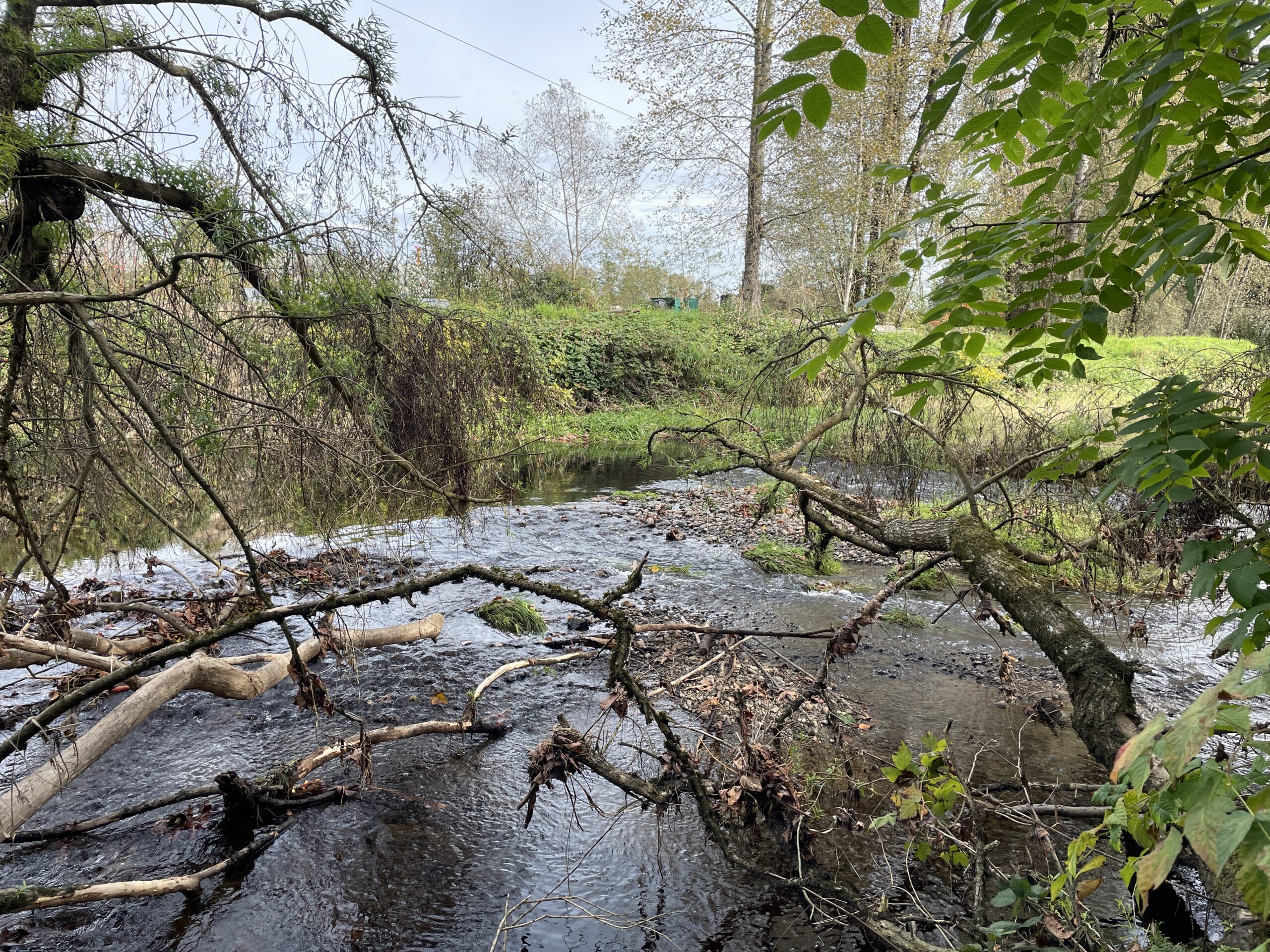
I suggested Burnaby Lake, not because I wanted to get a lot of steps, but because it has a lot of tree canopy and if we’re not going to see many birds because of the time of year, we may as well not see them while in the shade.

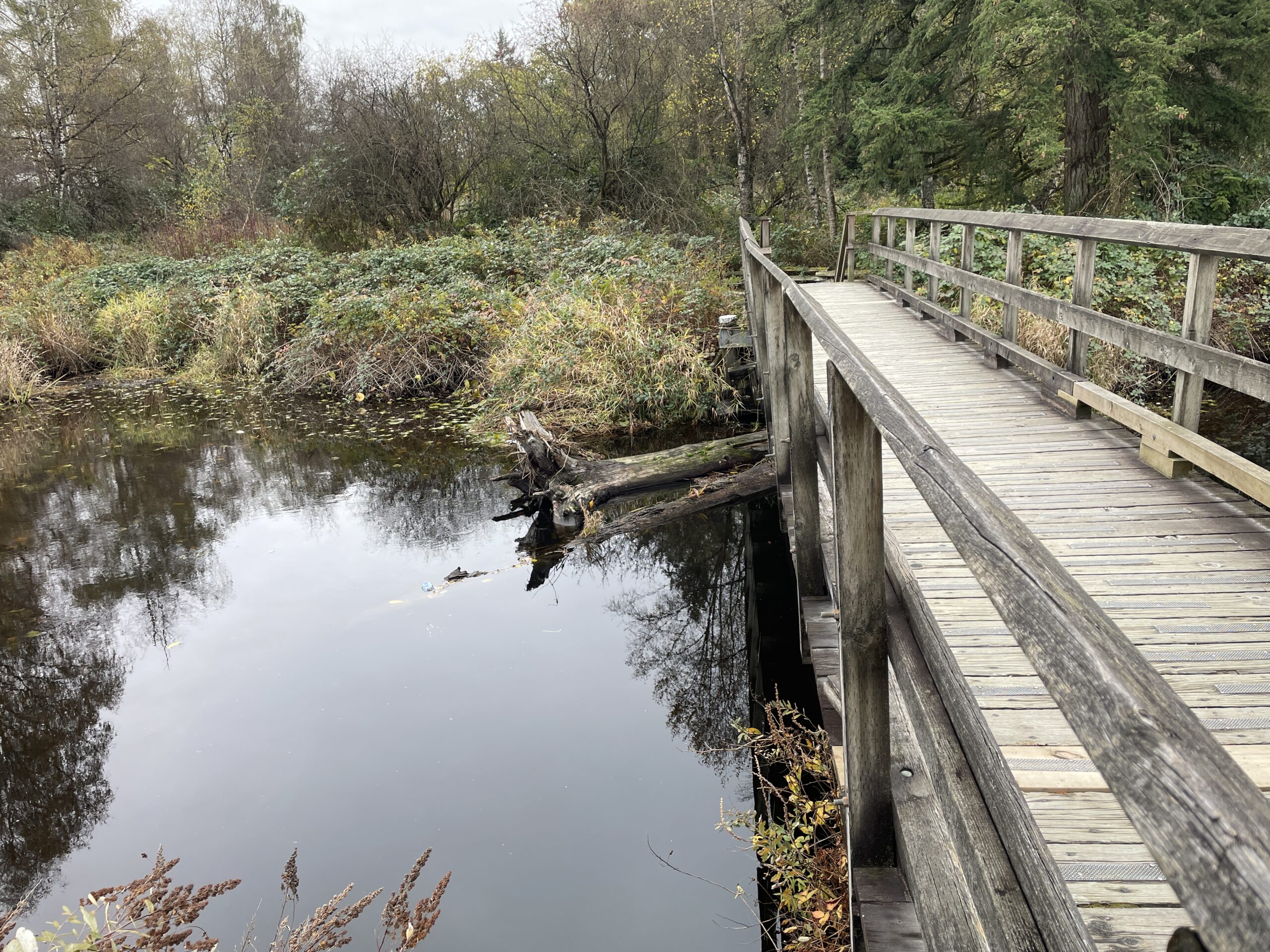
But we did see a few, including a brown creeper right near the bridge over Eagle Creek near Piper Spit. Unlike previous creepers, this one was hyperactive and was constantly flitting from tree to tree. This would prove to be the standard behaviour of nearly every bird we encountered, for reasons unknown to me.

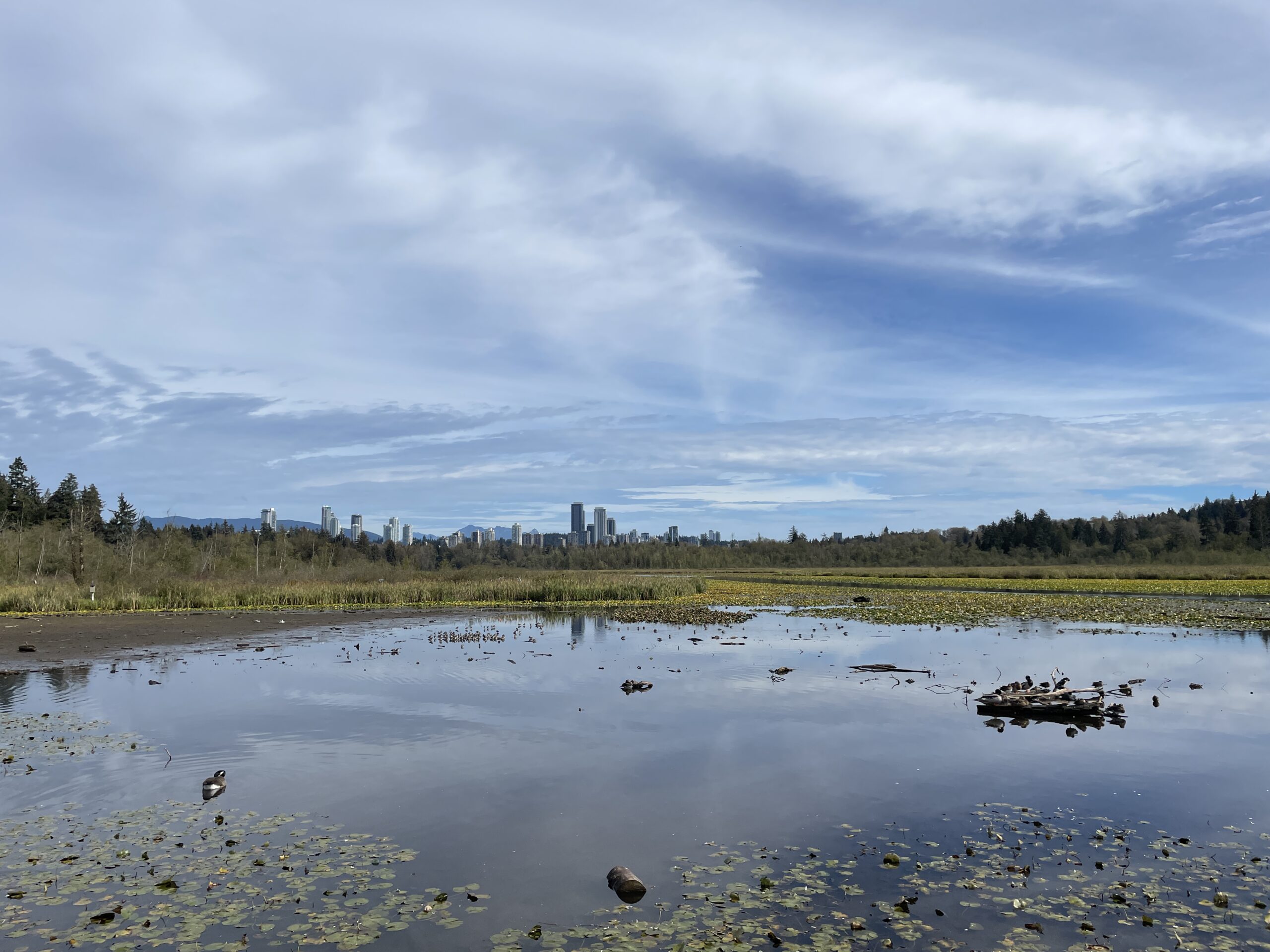
Piper spit was again bereft of shorebirds, though the water level was a bit lower, so maybe they’ll be back again soon. We did spot a few yellowlegs near the dam, which is an odd place for them to hang out (they walked on the lily pads). Mostly it was geese (one of which clamped onto the tail of another in the water before they separated, because there must always be goose drama), mallards and wood ducks. We did see what must have been a late brood of baby wood ducks following mom around and chowing on one of the lily pad flowers.

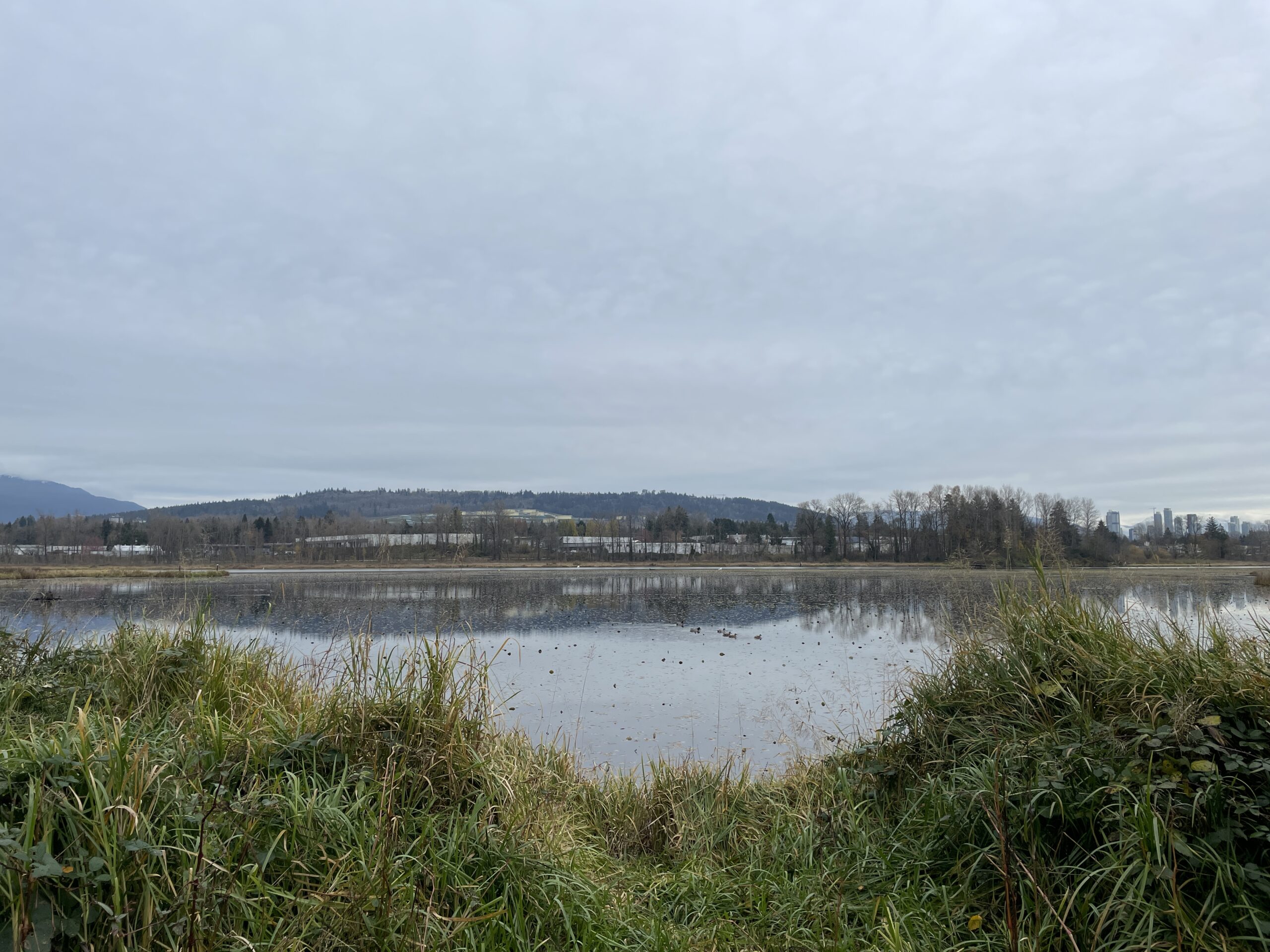
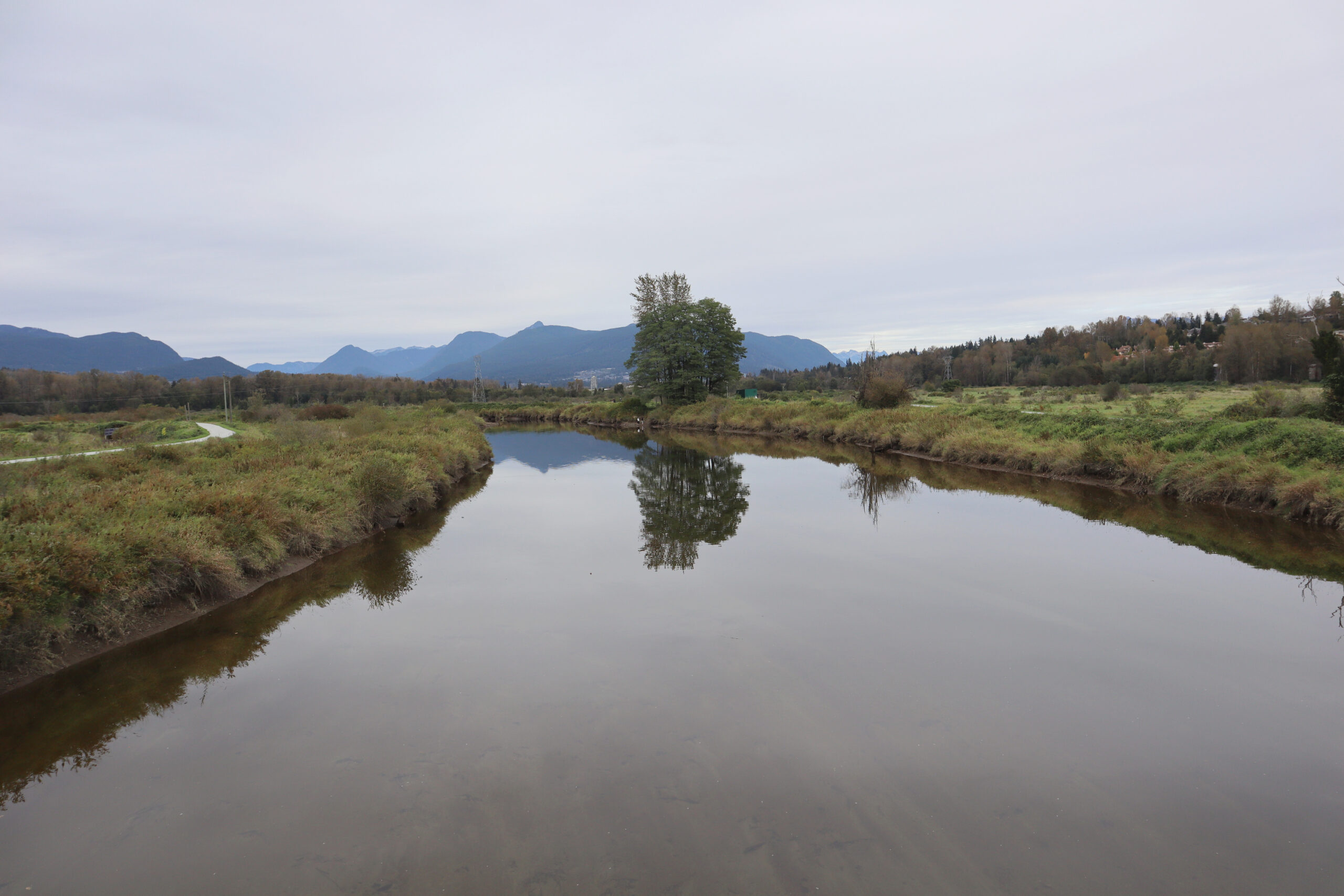
The rest of the lake afforded a few nice views, but not much in the way of birds. There were barn swallows at the rowing club, but they were elusive as always, and a cormorant, but it was standing atop a distant pole.

Overall, though, it was a pleasant, if step-intensive outing.

Mundy Park

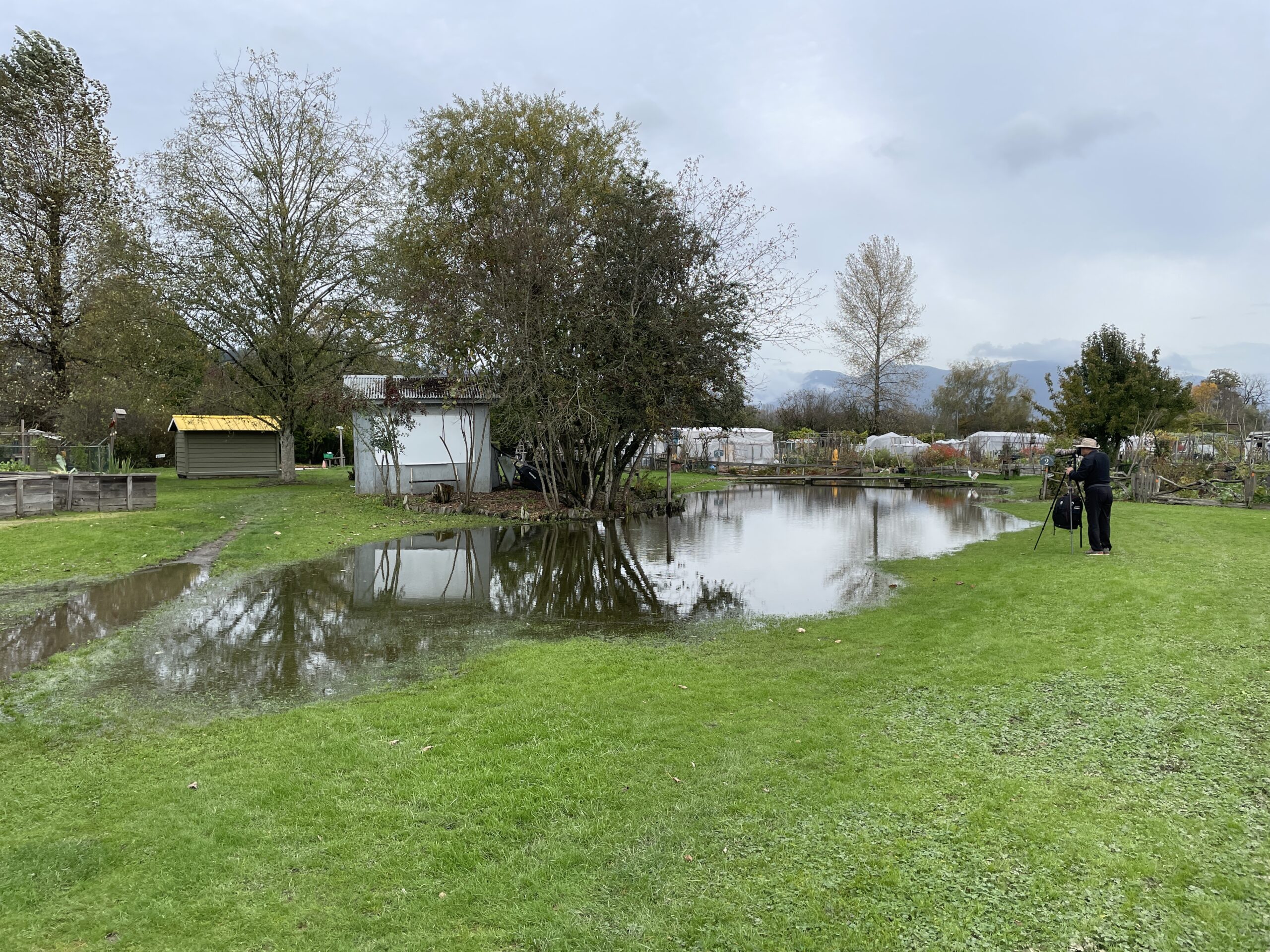
Nic suggested the community garden at Tlahutum Regional Park after lunch, which would have meant minimal walking, but would be entirely out in the sun. I countered with Mundy Park, which we’d only been to once before.

It proved step-intensive as well, but there were a few birds, including some blue-winged teals (we think– some of the coloration didn’t seem to match up with what the Merlin app was offering). And there were turtles enjoying the sun and water at Lost Lake, which we totally found.

Mostly it was relatively cool and shady paths through wooded areas that were deep enough to actually get you away from traffic noise (unlike Burnaby Lake).

Despite the relative lack of birds (and the erratic behaviour of them), it was a fine day to be out, we didn’t get ankle-deep in black goo, and I set a new Garmin Forerunner record for steps, which stand at 36,199 as I type this.

The Shots

Soon™

The Birds (and other critters). Rare or rarely-seen birds highlighted in bold.

Sparrows and sparrow-adjacent:

  • American robin (probably)
  • Barn swallow
  • Bewick’s wren (heard, not seen)
  • Black-capped chickadee
  • Brown creeper
  • Brown-headed cowbird
  • House finch (maybe?)
  • Red-winged blackbird
  • Song sparrow
  • Spotted towhee

Waterfowl and shorebirds:

  • Canada goose
  • Blue-winged teal (?)
  • Green-winged teal
  • Mallard
  • Wood duck

Common:

  • American crow
  • Rock pigeon

Raptors:

  • None!

Non-birds:

  • Western painted turtle
  • Assorted pollinators
  • Dragonflies all up in the hizzy
  • Various butterflies and such

A few shots of Lafarge Lake

Yesterday (August 6) I ventured into Coquitlam to run a few errands, and hopped off the SkyTrain at the Lafarge Lake station. Because I was only a block away, I walked over to, then around Lafarge Lake, which is a compact (and artificial) lake that is a weird combination of manicured on the west side (concrete walls, paved path) and more natural (rough-hewn fences and gravel paths) on the other side.

There is also a mining cart and what appears to be a hobbit house. The mining cart I get, as the lake was originally a quarry, the hobbit house, no idea.

The geese honked occasionaly, but it was a nicely calm place, otherwise.

Birding, August 5, 2024: Shadow over Iona Beach

Where: Iona Beach (Richmond), Piper Spit, Burnaby Lake (Burnaby)
Weather: Sunny, 18-25°C

The Outing

Iona Beach

We got out to a slightly later than usual start, in keeping with the casual BC Day vibe or something, our first destination, Iona Beach.

Good news, we still haven’t needed the Deep Woods Off! yet. Perhaps that one biting bug nightmare was just a one-time abberation.

Speaking of nightmares, stay tuned!

As usual during peak summer, we did not see a wide variety of birds, but groups of starlings and barn swallows were out and aboot, as well as some killdeer along the river bobbing their heads, and roughly a million dragonflies. The outing concluded with a ring-billed gull pulling worms out of the mudflats.

In-between, we got many shots of the vast low tide, which seemed even lower than normal. Some of the sand actually felt firm and was drying. This created the illusion that I had changed into my “I don’t care if they get wet” shoes for no reason. We made it almost all the way back to shore, within sight of the parking lot and my shoes were still keeping my feet dry. All that was left was a pile of kelp to stomp over to reach the sandy shore, maybe 10 or 12 feet of it. Easy peasy!

Except underneath the thin crust of bright green kelp was a black ichor that was deep enough to come up to our ankles. It also smelled like the fermented remains of The Old Ones. We were committed by the time we realized what we stepped in, so we trudged through the black oil-like goo, then made liberal use of the hose outside the washrooms to wash our shoes, our feet and maybe a little bit of our souls.

We then went to lunch, pretending we couldn’t smell anything.

Piper Spit

We made only one more stop, at Piper Spit. Good: We didn’t get stuck behind any trains. Bad: The water level of the lake was considerably higher, completely submerging the landmass and forcing the shorebirds to dine and snooze elsewhere.

We made do with the usual collection of mallards, wood ducks, poop monsters and blackbirds. The cowbirds seem to have left already, but the young green-winged teals were enthusiastically chasing each other around, testing out their not-quite-ready-for-flight wings.

Songbirds were generally scarce, though a few pigeons were cooing around, as they do. I tried to get a prize-winning shot, but alas.

Speaking of alas, my camera was giving me issues again and I am fairly certain it is the telephoto lens or the adapter. At one point I went to take a photo and could hear a sound coming from the camera. The connection between lens and adapter was a tiny bit loose, so I tightened it and the camera seemed to behave better after. We’ll see how it goes. Replacing the adapter would be relatively cheap, the telephoto lens, not so much (or at all).

In all, a low-key kind of outing as befits this time of year.

Some winter migrants should start showing up soonish. Perhaps the first coots will come calling. One can dream.

The Shots

Soon™

The Birds (and other critters). Rare or rarely-seen birds highlighted in bold.

Sparrows and sparrow-adjacent:

  • American robin
  • Barn swallow
  • Black-capped chickadee
  • House sparrow
  • Red-winged blackbird
  • Song sparrow
  • Spotted towhee

Waterfowl and shorebirds:

  • Canada goose
  • Great blue heron
  • Mallard
  • Wood duck

Common:

  • American crow
  • European starling
  • Rock pigeon
  • Ring-billed seagull

Raptors:

  • Bald eagle (immature)

Non-birds:

  • Assorted pollinators
  • Dragonflies all up in the hizzy
  • Grasshoppers (it’s that time of year)

July 27, 2024 gallery is up!

I feel like it’s a miracle every time I complete a gallery these days. But I have incentive, because my OneDrive storage is starting to max out. Gotta clear out all those RAW images.

Also, I should note a weird and whacky workflow for this batch of shots in terms of post-processing:

  • I started with Affinity Photo 2, editing RAW images, then exporting them as WebP files. Yes, WebP!
  • I then switched to Luminar AI (it had the name before AI became associated with everything terrible in the world) and used that the rest of the way. This program lets you aggressively alter specific aspects of a photo using very simple sliders. I used the sliders a lot. I was actually impressed at how it “saved” a few iffy photos.

Anyway, I may use Luminar more in the future, especially if I want to add random giraffes, which it totally lets you do.

Birding, July 27, 2024: Shore enough

Where: Reifel Bird Sanctuary (Delta), Terra Nova (Richmond), Piper Spit, Burnaby Lake (Burnaby)
Weather: Sunny and humid, 19-25°C

The Outing

Reifel Bird Sanctuary

We started at Reifel, where it was already fairly warm at 19C, but didn’t actually get much warmer during our time there. An Anna’s hummingbird greeted us to start, which seemed like a good sign, but given that it’s mid-summer, we still didn’t see many songbirds or waterfowl beyond the usual gang of ducks and geese. Also, whatever kept the geese quiet the last few visits has ended, as they were honking up all over the place.

The tree swallows seem to have left, but barn swallows were still plentiful, including a bunch that were diving around outside one of the bird blinds. Several seemed to come right at us before swooping away. We later saw a mom feeding babies in a nest by the warming hut, but also (I did not know this), collecting the babies’ poop and disposing of it outside the nest. The babies do this by presenting their butts to mom, pooping, and then mom grabs the poop with her beak and flies off. Gross! But better than having a poop-filled nest, I suppose. Nic caught a wonderfully detailed1horrifying series of shots documenting the process. This is almost as bad as how dragonflies mate. Almost.

One blackbird was indulging in some seed on a fence railing and we stopped to take some photos. It seemed we may have gotten within the “banquet perimeter” because it stopped eating, hopped along the railing toward us and stood there, peeping as if to say, “This is my pile of seed, get your own!” As we moved on, it hopped back over and continued to smear seed all over his face.

Speaking of dragonflies, they must be mating like the proverbial dickens, because they were everywhere.

The Auger Trail was no longer cordoned off because of the Sandhill crane babies. Yay! But we never saw the Sandhill cranes or their babies. Boo.

But we did some fairly rare red-necked pharalopes in one of the big ponds along the western dyke trail. They were quite far away and mostly hidden in the reeds, though. Less hidden were a couple of hundred dowitchers hanging out in the same area.

Overall, the barn swallow babbies and the copious shorebirds made for a better-than-expected mid-summer outing.

Terra Nova

Nic suggested Terra Nova next. I took my usual plane shots, then we headed off to the “natural area” of the park, which had a list of things you aren’t allowed that included flying drones, golfing (?!) and archery (?!!). The natural area was basically similar to the rest of the trails, but with no convenient playground for children. One of the trails abuts a row of homes, which kind of dampens the “natural” aspect. Still, it was new and different and we heard a Bewick’s wren. Nic also shot a goldfinch. The pond had a grebe, but it proved even more elusive than usual, and neither of us got very good shots of it.

Piper Spit

The land mass at Piper Spit draws ever closer to the pier as the dry weather continues, and the extension on the pier remains closed because it is rickety and dangerous. No one wants to have it collapse, end up in the same water as a Canada goose.

We were pleasantly surprised to see more dowitchers here, and on the same side of the pier as most of the waterfowl. A few yellowlegs were mixed in, and they obligingly got quite close, so we got lots of good shots on these guys as they bobbed, preened and flapped.

As at Reifel, blackbird teens were begging pitifully to be fed by mom, pop or probably anyone that would shove seed into their gaping maws.

The wood duck numbers seemed low, but I think most were just tucked away in the shade. The area before the pier was almost completely bird-free, so they may not have been the only ones hiding.

Still, the shorebirds once again added a little zest to an otherwise quiet afternoon at the spit.

The Shots

The Birds (and other critters). Rare or rarely-seen birds highlighted in bold.

Sparrows and sparrow-adjacent:

  • American goldfinch
  • American robin
  • Anna’s hummingbird
  • Barn swallow
  • Bewick’s Wren (heard, not seen)
  • Black-capped chickadee
  • Brown-headed cowbird
  • House sparrow
  • Eurasian collared dove
  • Marsh wren
  • Purple martin (maybe?)
  • Red-winged blackbird
  • Song sparrow
  • Spotted towhee

Waterfowl and shorebirds:

  • Canada goose
  • Cormorant
  • Great blue heron
  • Greater yellowlegs
  • Long-billed dowitcher
  • Mallard
  • Red-necked pharalope
  • Wood duck

Common:

  • American crow
  • European starling
  • Rock pigeon
  • Seagull

Raptors:

  • Cooper’s hawk (possibly)

Non-birds:

  • Assorted pollinators
  • Cows
  • Dragonflies all up in the hizzy
  • Grasshoppers (it’s that time of year)
  • Horses
  • Several squirrels

Birding, July 20, 2024: Hidden driveways

Where: Piper Spit, Burnaby Lake (Burnaby), Tlahutum Regional Park (Coquitlam), Maplewood Flats (North Vancouver)
Weather: Sunny, 23-27°C

The Outing

Piper Spit

We broke tradition two ways: Going birding on a Sunday and hitting Piper Spit first. The outing got off to a near-calamitous start when Nic found he could not adjust the f-stop on his camera. He fixed it by doing a variation of the classic turn it off/on by removing his telephoto lens, then putting it back on. Electronics are weird!

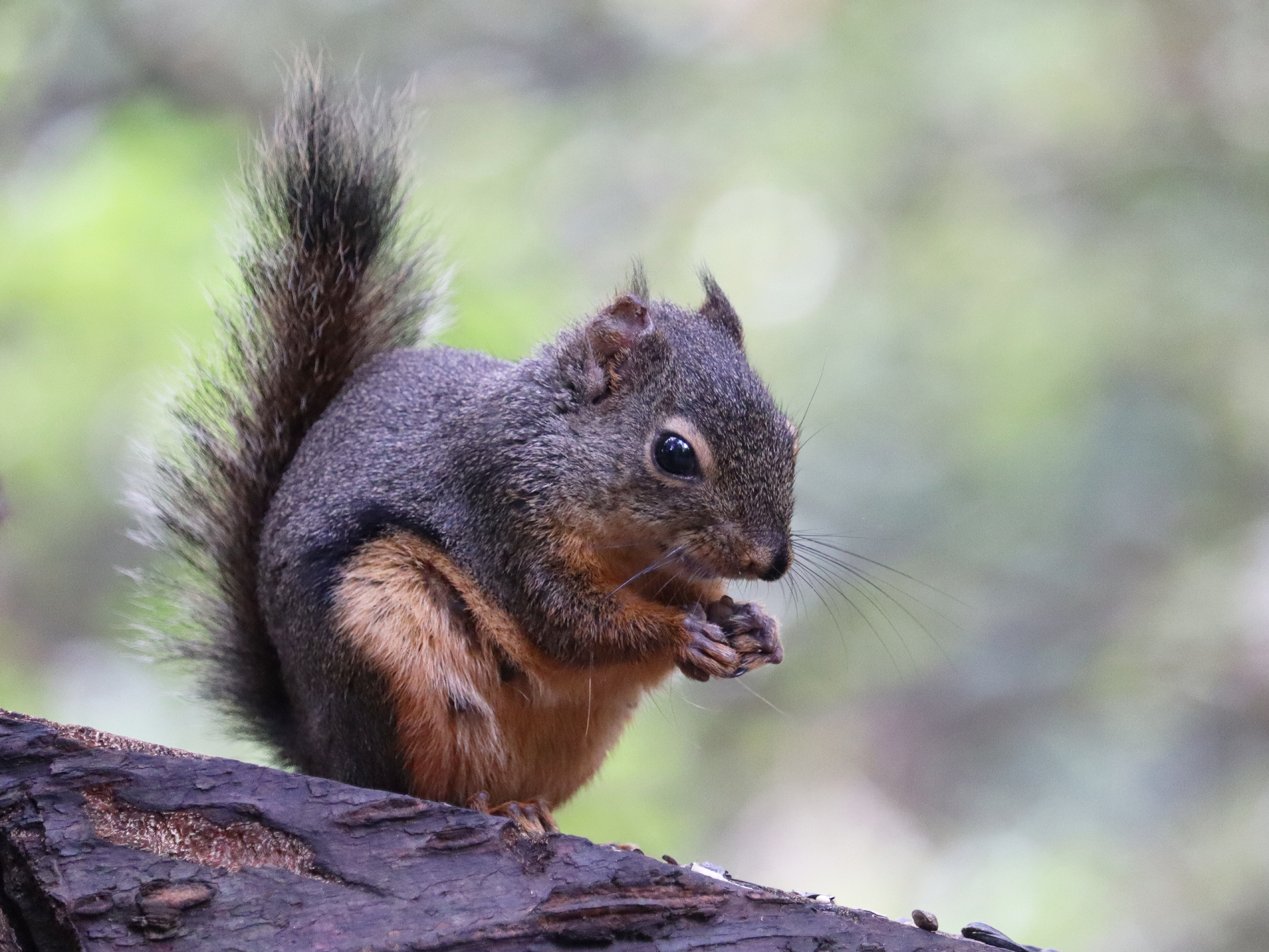
Near the dam, we saw some baby wood ducks, but not exactly close-up. We continued on and at the stump with the freaky fungus we saw a pair of Douglas squirrels being simultaneously adorable. One sat on top of the stump, eating a large nut like a cob of corn. I like squirrels because they like to eat and when they eat, they don’t move, which means I can usually get good shots. This seems increasingly important now, as my camera, or parts of it, seem to be experiencing an increasing array of issues. More on this later.

Once at the spit itself, the land mass to the east has returned, after multiple weeks of very hot and dry weather. It was pretty much Goose Island.

As expected, there wasn’t much variety in the waterfowl–mostly mallards and wood ducks with their prim new mullets. However, even the songbird population seemed to be largely elsewhere, save for an errant song sparrow and a mass of blackbirds hopping and flying about, seed smeared on their beaks. We witnessed a surly kid blackbird demanding to be fed by a parent, then proving himself completely capable of feeding himself when the parent took too long. Kids!

We got intel on where to find a lazuli bunting at Tlahutum, which was conveniently our next stop.

Tlahutum Regional Park

By now it was still rather humid and clouds began gathering. Some of them looked moisture-laden, but I hadn’t seen any showers in the forecast. You can probably see where this is going.

The directions for the bunting took us outside the park proper, to a nearby grass labyrinth and the titular hidden driveway (also the name of the album by my country punk fusion band). We listened, we looked, we trod around, but we heard no buntings and we saw no buntings. We left, buntless.

At the community gardens, we noted an absence of swallows, which may have already started heading off on their fall migration. In their place, a few robins, towhees and one elusive American goldfinch (I got one shot before it flew off).

By now, my camera–which I had cleaned the night before–was starting to show issues, the most prevalent being an inability for the shutter to engage, also sometimes accompanied by an inability to change focus. I did some experimenting with my kit lens and have made a provisional diagnosis that the problem lies with the telephoto lens or the adapter it uses. Look, if I win the $30 million 6/49 jackpot, I promise I will donate oodles of money to good causes and be a level-headed millionaire. But I will also totes buy a new camera, because even repairing this one is probably not worth it.

We elected to skip the rest of Tlahutum this time and headed off for lunch.

The shower–intermittent and half-hearted, began with lunch, but ended before we got to Maplewood Flats. Traffic on the highway was so slow (it was Sunday, too, remember, not rush hour on Wednesday or something) that we lost the GPS signal on Google Maps while going through the Cassiar Connector.

Maplewood Flats

Maplewood Flats had better light than we expected, but birds were scarce, despite a whiteboard near the entrance showing off all kinds of semi-exotic species that had been sighted here in the last few weeks. We saw some seagulls and cormorants, as well as a mallard mom and her snoozing brood by an inner pond. There are now even more signs warning people to keep off the mudflats, and the tide was indeed very low, exposing much of the shoreline. We were good and did not venture out.

In the end, I only shot a little over 250 photos, or about 1.25 batteries’ worth. With the paucity of birds, the high humidity and my camera being weird, it was a fine day to be out and enjoy the views, but maybe not so great for actual birding.

And now I’m off to write tracks for Hidden Driveways.

The Shots

Soon™

The Birds (and other critters). Rare or rarely-seen birds highlighted in bold.

Sparrows and sparrow-adjacent:

  • American goldfinch
  • American robin
  • Black-capped chickadee
  • Brown-headed cowbird
  • Purple martin (maybe?)
  • Red-winged blackbird
  • Song sparrow
  • Spotted towhee

Waterfowl and shorebirds:

  • Canada goose
  • Cormorant
  • Great blue heron
  • Mallard
  • Wood duck

Common:

  • American crow
  • Rock pigeon
  • Seagull

Raptors:

  • None

Non-birds:

  • Assorted pollinators
  • Douglas squirrels

Birding, July 12, 2024: How to attract ducklings

Where: Reifel Bird Sanctuary (Delta), Crescent Beach (Surrey)
Weather: Sunny, 19-25°C

The Outing

Reifel Bird Sanctuary

Another Friday birding adventure, but due to scheduling and not the weather, which continues to be sunny and warm (but thankfully not hot and gross). We first headed out to Reifel, hoping to see the pair of adorable Sandhill crane babies.

As we neared Westham Island, we got stuck behind a rather slow-moving car with a large lab-type dog stuffed in the rear window. It was panting. But don’t worry, the windows were open. I know this because people on both sides of the car occasionally stuck their arms out and waggled their hands. I’m not sure if they were signalling that it was OK for us to pass them–most of the road here is “no passing” and usually the driver does the signalling, as the driver is the one, well, driving. Maybe he had one hand on the wheel and one holding an extra hot cup of McDonald’s coffee1I know McDonald’s doesn’t do this anymore. Please don’t sue me, McDonald’s.. Whatever the case, we observed that dogs are not allowed at Reifel, but the car was passing every possible stop before Reifel, including the island hotspot of Emma’s Farm, which is so popular in the summer they have “No parking here” signs all around the property, so people won’t park just anywhere, desperate to get in and touch cows, or whatever it is you do there.

As it turns out, the car turned off at one of the last few houses before Reifel, which made me wonder, how often do any of the island residents actually go there? Do they ever go there? Do they even like birds?

In any event, we like birds and arrived to a flurry of barn swallows buzzing the main lagoon. Nic got some nice shots, I got one blurry shot that vaguely resembles a UFO.

We also discovered that the wood ducks are still here, when we came across a bunch of male wood ducks in one of the increasingly swampy-looking inner waterways. These young fresh fellows were just starting to develop their mullets. Apparently the wood ducks stay, but just move out of view during the summer. Maybe that’s what the shovellers and pintails do, too.

Chickadees remained scarce and elusive. I did not get any shots. We did see some towhees and a few errant song sparrows, but most of the birbs proved elusive. There were goldfinches, too, but either far off in the marshland or in deep shadow in the trees, taunting us to get good shots. I did not.

However, there were oodles of herons all over the place, lots of them flying around, plus bonus turtles outside the first bird blind.

One highlight began as a lowlight–the Sandhill crane viewing area was closed, meaning a large swatch of the inner ponds was inaccessible, and we wouldn’t see the adorable babies.

Fortunately, Sandhill cranes can’t read signs and pay no attention to human barriers. We were preparing to leave and lo, the entire family was right there in the picnic area near the entrance, casually strolling about as they do. The two kids are rapidly growing and already entering the “90% legs” phase.

The other item of note were my shoes. I have new HOKA Speedgoat 6s. They look like this:

We encountered the first of many sets of ducklings near the base of the viewing tower, and these duckings were very interested in my new shoes, with all of them coming up and pecking at them or pulling at the laces. Apparently this colour combination resembles either a food source or just something delightful to them (I mean, the colour is pretty delightful). One duckling even started following me as we left the area.

So now I know how to attract ducklings.

Canada geese were still ever-present, and still ominously quiet. One mom came by with her gaggle of kids, and they were in that prime gangly teen stage, still all downy, but showing adult colours, and 95% legs (even more so than the crane babies).

And we saw a most unusual sight: A single Eurasian wigeon. I think Nic and I took a combined 500 photos of the bird. It was very cooperative that way. I had to go for quantity, as my camera sees wigeons as robins, which is to say fuzzy and slightly out of focus (as a side note, I had some camera issues today, despite the camera being cleaned the night before. The only thing I can think is heat may have been a factor. The telephoto lens casing did feel pretty warm after some time in the sun). The wigeon was very handsome and helped cap a typical summer day at Reifel–pleasant, beautiful vistas, but overall quiet compared to migratory seasons.

Crescent Beach/Blackie Spit

Nic did not want to log 30,000+ steps, so suggested Crescent Beach next, which is relatively compact. Unlike Reifel, which was quiet both bird and people-wise, Crescent Beach was hopping–with people. Birds, not so much, and some of the ones we did see were off in the distance. We saw herons, some gulls, plenty of crows, but no killdeer (which had been reported in the area). Again, some nice scenery shots, but not much in the way of birbery. We did see a snail clinging upside down on a flower, with a large spider nearby. I’m not sure if there was drama there, or if they were both just avoiding the sun.

Speaking of, I once again avoided any sunburn. Then forgot my sunblock in the car.

Overall, not a bad day of birding, and the weather was just plain nice.

The Shots

Soon™

The Birds (and other critters). Rare or rarely-seen birds highlighted in bold.

Sparrows and sparrow-adjacent:

  • American goldfinch
  • American robin
  • Barn swallow
  • Black-capped chickadee
  • Brown-headed cowbird
  • Eastern kingbird
  • House finch
  • House sparrow
  • Marsh wren
  • Purple martin
  • Red-winged blackbird
  • Savannah sparrow (heard, not seen)
  • Song sparrow
  • Spotted towhee
  • Tree swallow

Waterfowl and shorebirds:

  • Canada goose
  • Eurasian wigeon
  • Great blue heron
  • Mallard
  • Sandhill crane
  • Wood duck

Common:

  • American crow
  • Rock pigeon
  • Seagull

Raptors:

  • Bald eagle

Non-birds:

  • Sand wasps
  • Assorted pollinators
  • A snail
  • A spider next to the snail
  • Bull catfish doing their bottom-feeding best

Birding, July 6, 2024: The best camera is the one in your hands

Where: Tlahutum Regional Park (Coquitlam), Iona Beach (Richmond)
Weather: Sunny, 23-27°C

The Outing

Tlahutum Regional Park

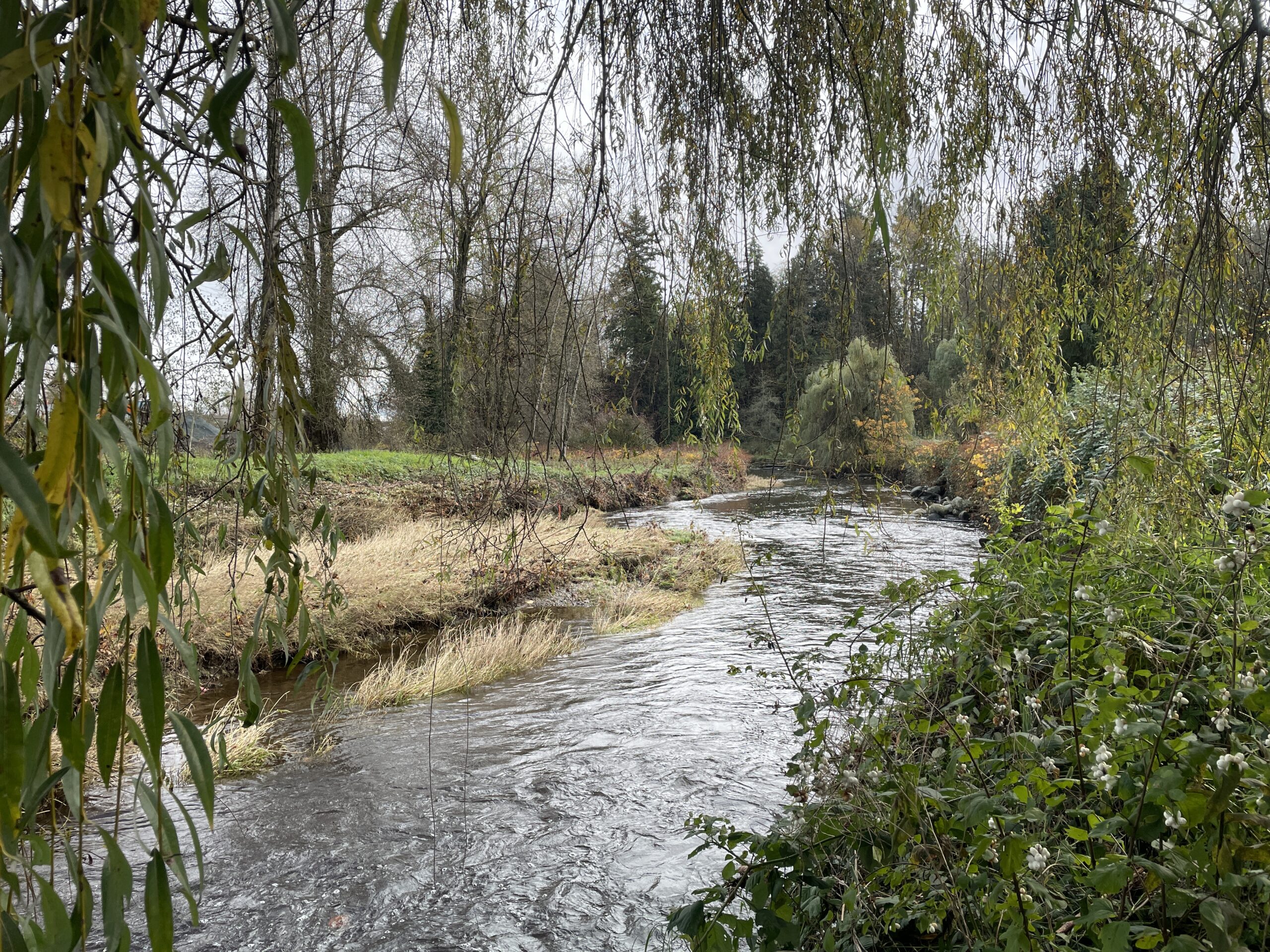
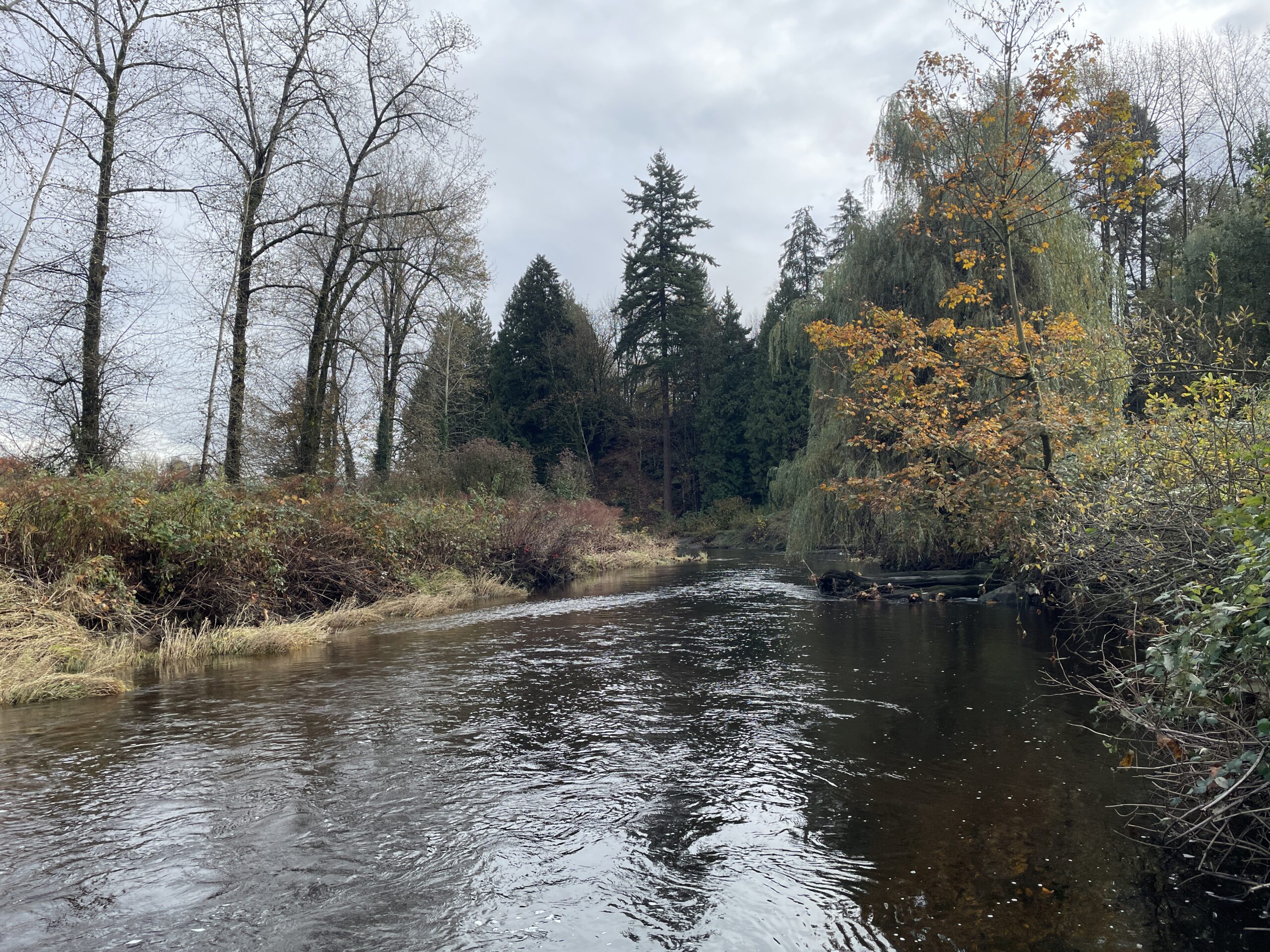
Coquitlam River, aka the desktop background shot.

I am writing this some five days later for reasons, so I’m doing my best to remember what we saw and where we saw it.

There were birds.

We started out, uncharacteristically, at Tlahutum Regional Park, hoping the morning would yield more birds and birbs. We passed a woman exiting with a giant, bone-crushing telephoto lens, and I asked her if she had seen anything exotic. She then offered some tips on seeing somewhat exotic birds, so we ventured from our usual route to lead west and north, roughly following the path of the Coquitlam River. We spotted a black-headed grosbeak! It was a little high up and the light was not great, but it gave us opportunity to get shots as it chirped noisily, before darting off. A pair of cyclists saw us and one actually turned back to report a bittern sighting in the adjacent creek. But they had apparently spooked it into hiding behind some tall grass and we never actually saw it.

But in the same creek was a mallard! But also a green heron. Being a heron, we were able to get a good number of shots before it flew off, though it was a little tricksy shooting down into the creek over all the nature in the way.

We continued on a bit further, spotting a few not-very-close cedar waxwings, an Eastern kingbird and more.

Overall, a pretty nice haul. Tlahutum is the one place where I wish I had a better than 250 mm telephoto lens. It’s fine for places like Reifel, where the birds are closer, but at Tlahutum the birds are rarely close. Alas, to dream.

After putting on more mileage than intended, we headed out to Iona Beach.

Iona Beach

I heard you like seaweed, so I put seaweed in your seaweed.

The Ferguson Road realignment was surprisingly complete, or complete enough to open. This isn’t directly related to birding, but it is a nice improvement for the area, taking a narrow road adjacent to the airport, moving it farther away, and expanding it to include multiple bike lanes (there were none before, nor even any shoulders on the old stretch of road), providing a wider, safer route to the beach. It should be fully finished in the next few months.

But then birds! But first, bugs. The sand wasps have returned and were busily digging and ducking into their burrows, where they do secret sand wasp things. Fortunately, they don’t seem fussed by nosy humans walking by (I also brought Deep Woods Off!, but we did not need it–yet!)

The pond area yielded a few birds, but mostly off in the distance.

We moved to the beach and took advantage of an especially low low tide to get into the gap in the jetty that allows fishies to now swim through (when the tide is not especially low). On the way back, we moved further away from the shore, always opting for a clear path that led us out more. This was inevitably going to end with us having to cross through muck at some point, and we did, gingerly stepping over slippery yellow mud, vast piles of vibrant green seaweed, and the occasional bit of flowing water. I got my shoes thoroughly mucky, which is how it goes at Iona.

The birding was a bit whelming here, though there are always nice vistas to shoot. I shot them all.

Strangely, the best bird shot I got of the day was not with my Canon EOS M50, but my creaky old iPhone 12, when we were getting ready to leave. We had both front doors open, and a blackbird landed first on the driver side door, then took off and landed on the passenger side. I managed to get four photos before it flew off. I don’t know if it thought there was secret seed in the car or something, but it definitely had that “I just might hop inside!” look to it, and that would have been quite interesting, I’m sure.

The best shot was one I got just as it began to take off. I present it here, gallery-free!

Red-winged blackbird demonstrating why it is named thus.

In the end, not a ton of great shots, but some nice rare sightings to compensate. Also, no sunburn, woo.

The Shots

Soon™

The Birds (and other critters). Rare or rarely-seen birds highlighted in bold.

Sparrows and sparrow-adjacent:

  • American goldfinch
  • American robin
  • Barn swallow
  • Black-capped chickadee
  • Black-headed grosbeak
  • Brown-headed cowbird
  • Cedar waxwing
  • Eastern kingbird
  • House finch
  • Red-winged blackbird
  • Song sparrow
  • Spotted towhee
  • Tree swallow

Waterfowl and shorebirds:

  • American bittern (allegedly)
  • Great blue heron
  • Green heron
  • Mallard
  • Wood duck

Common:

  • American crow
  • European starling
  • Seagull

Raptors:

  • None

Non-birds:

  • Sand wasps
  • Assorted pollinators

Burnaby Lake, July 8, 2024

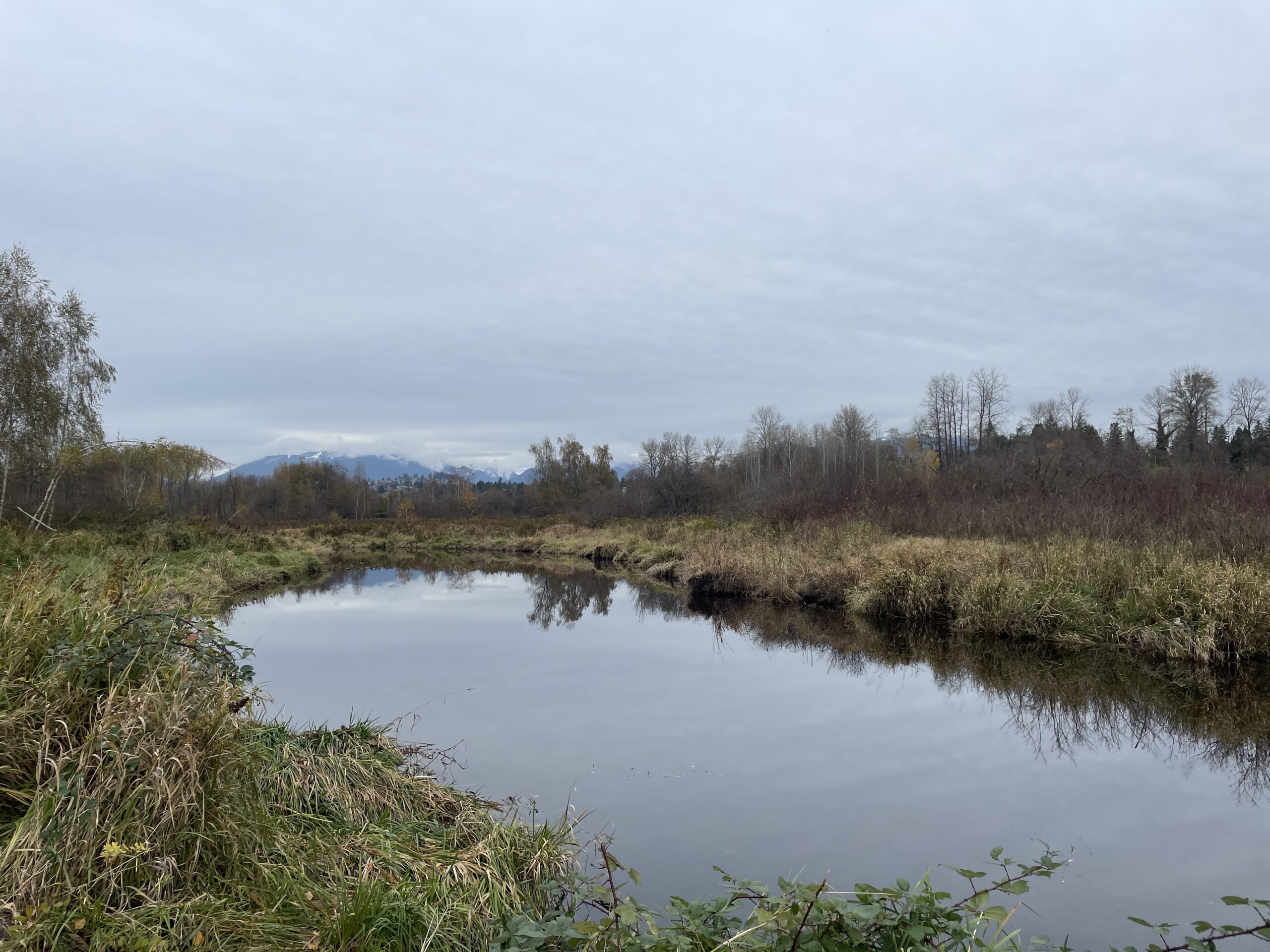
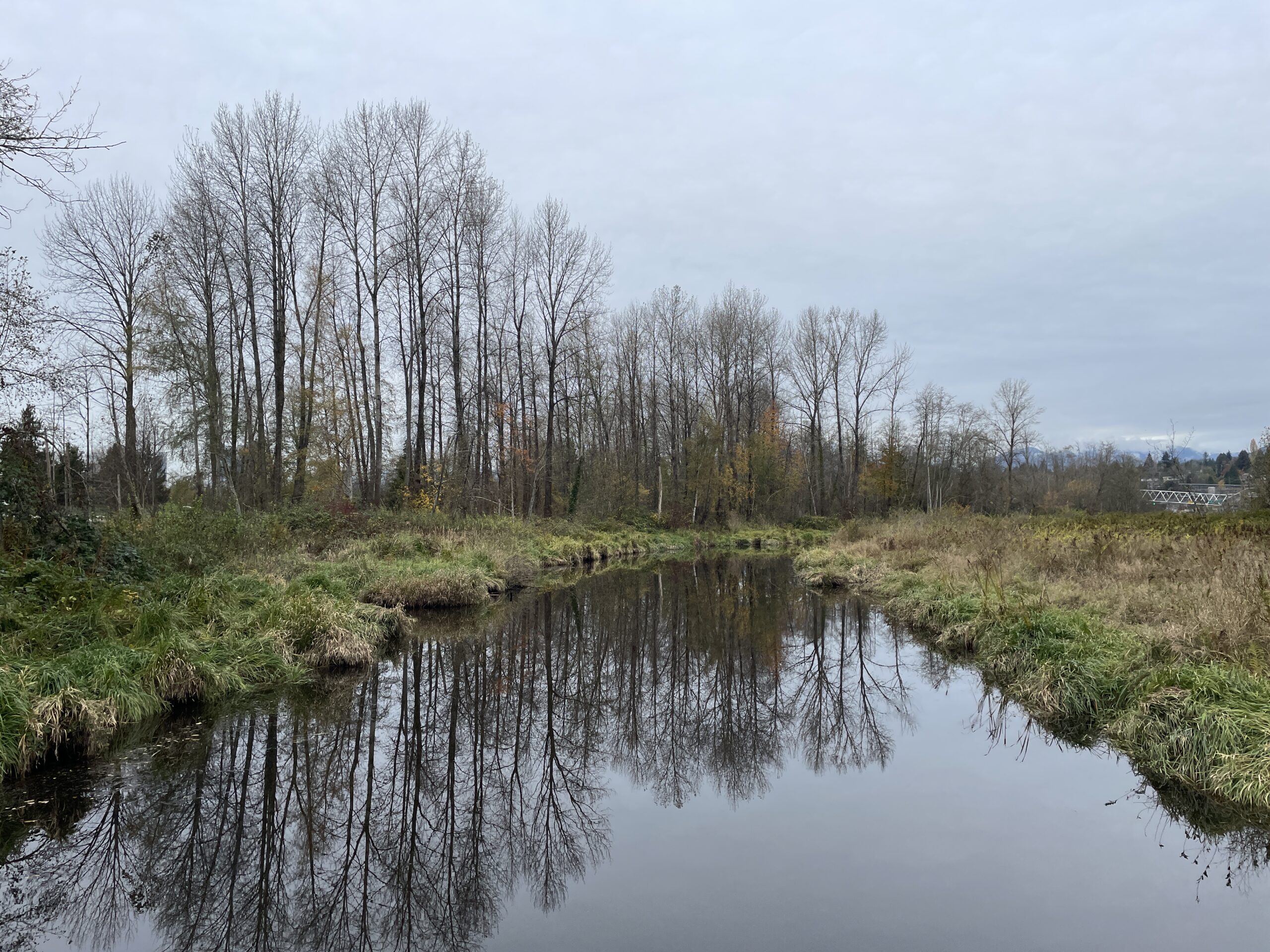
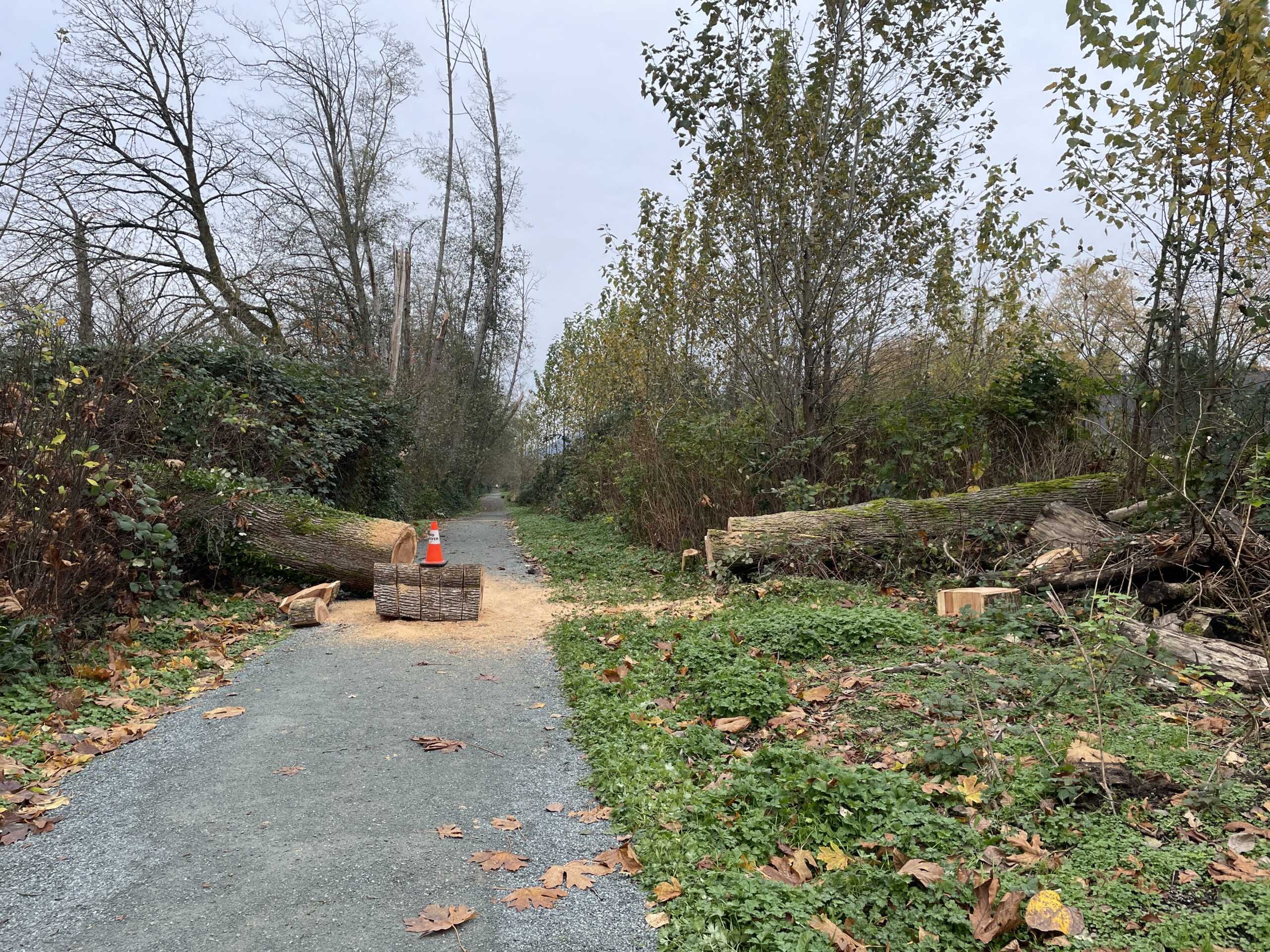
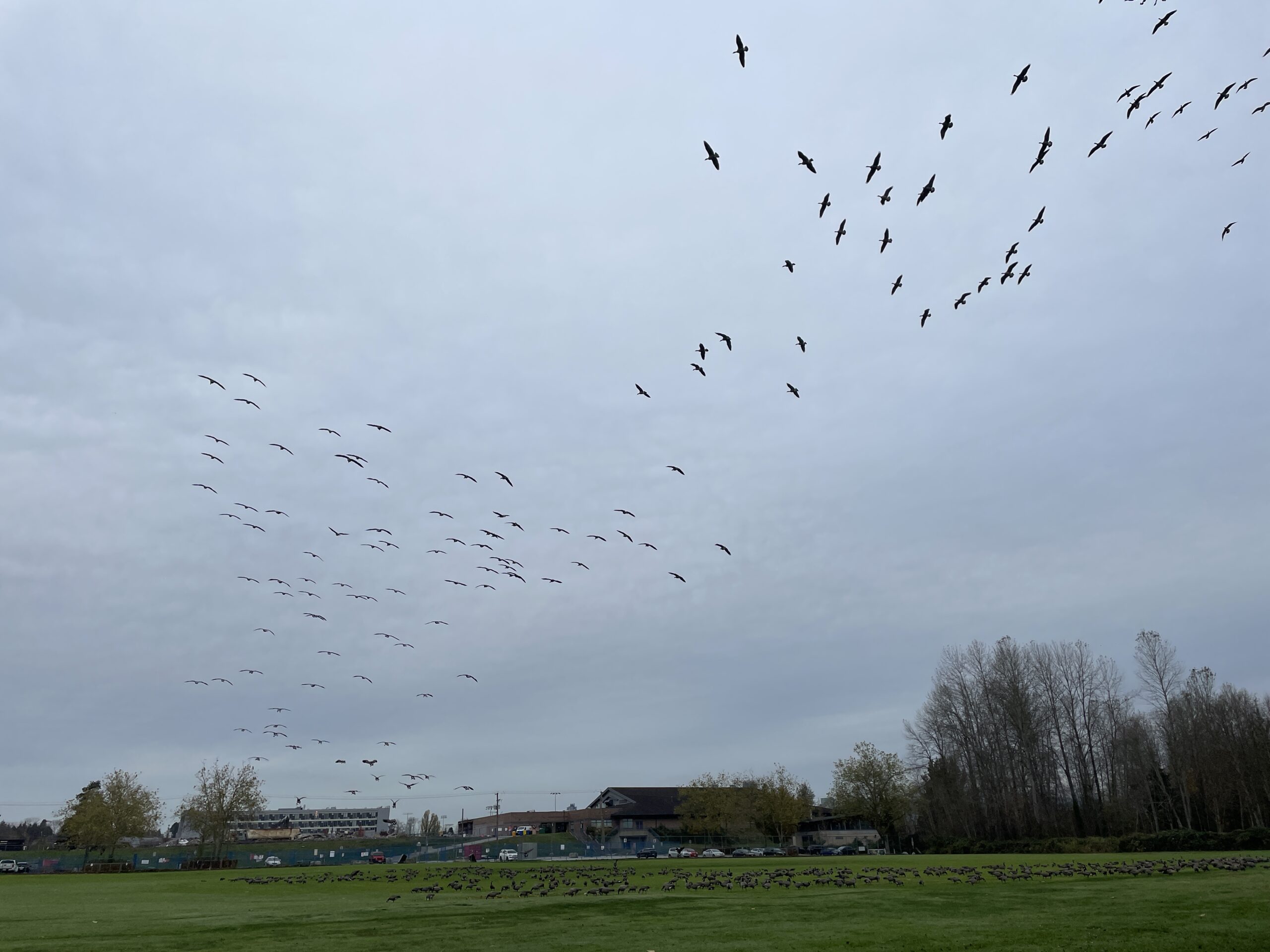
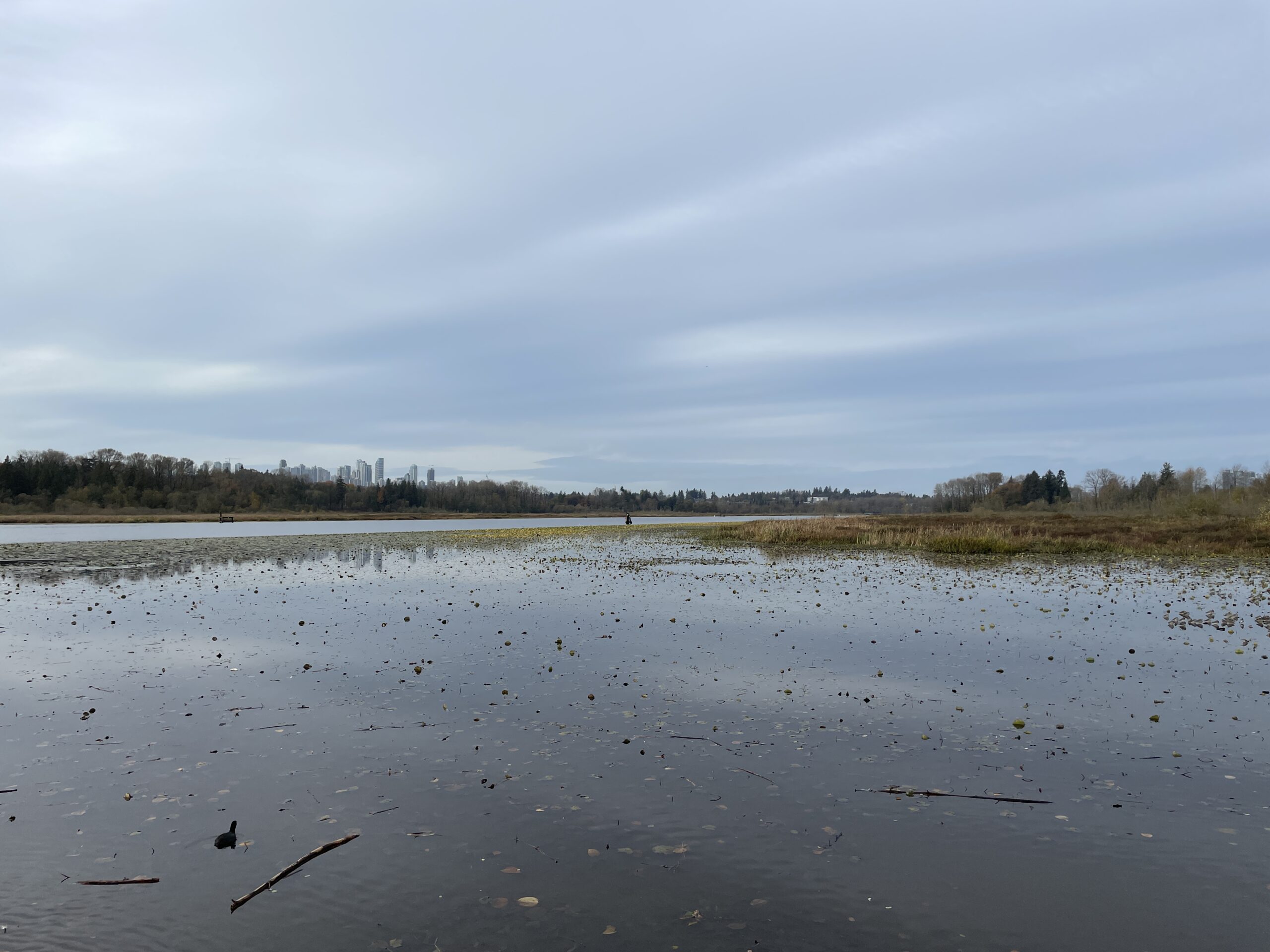
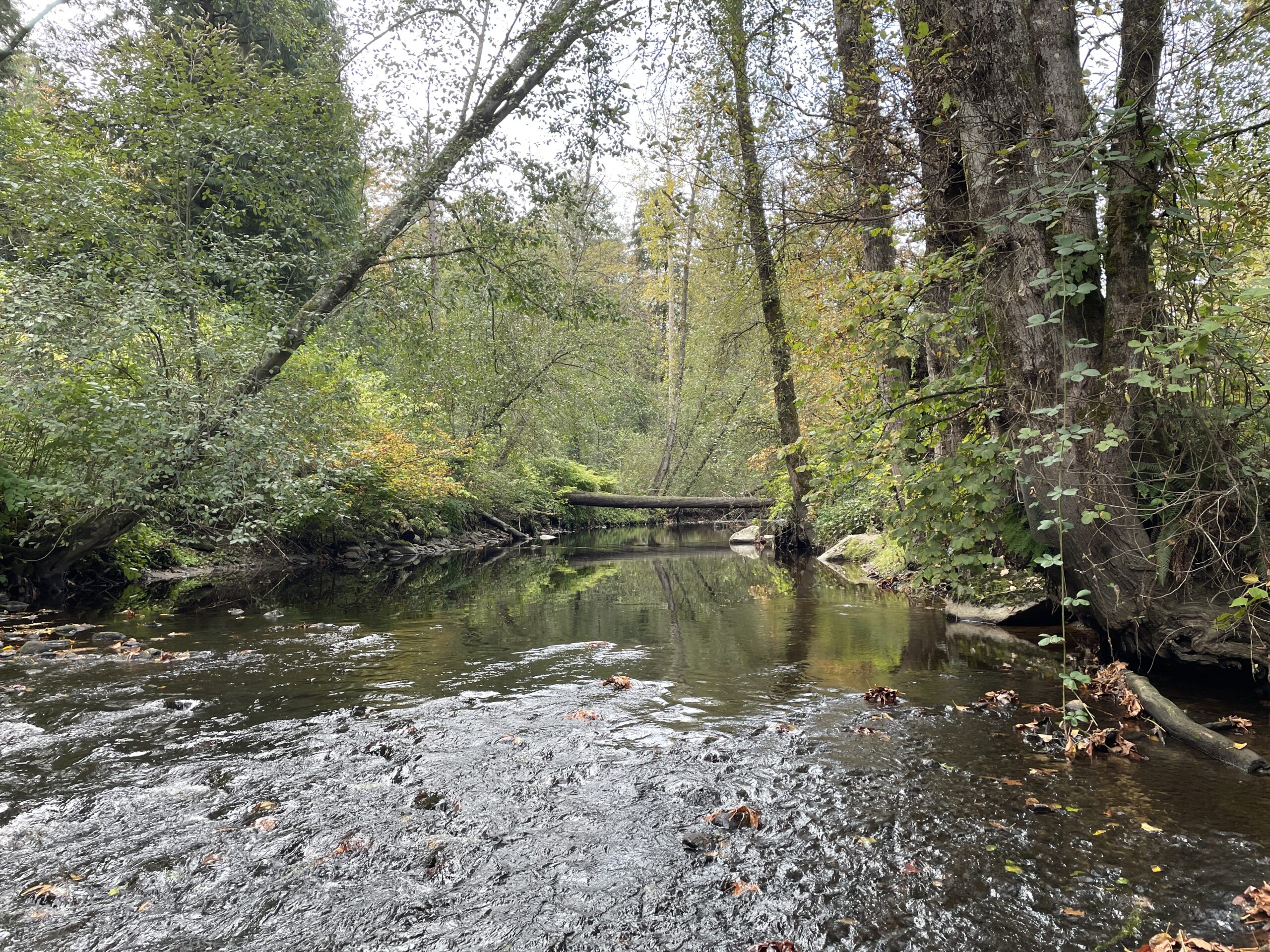
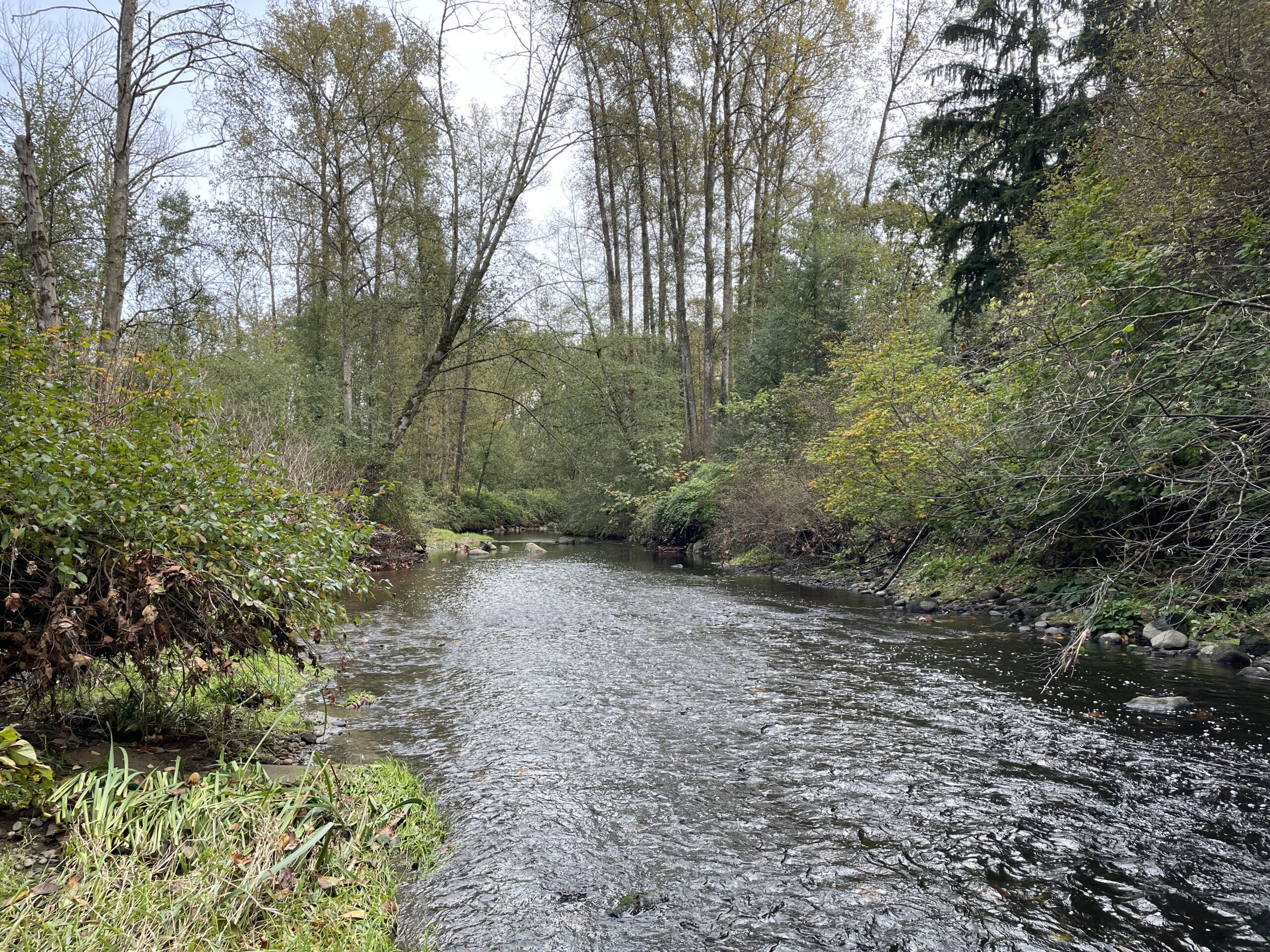
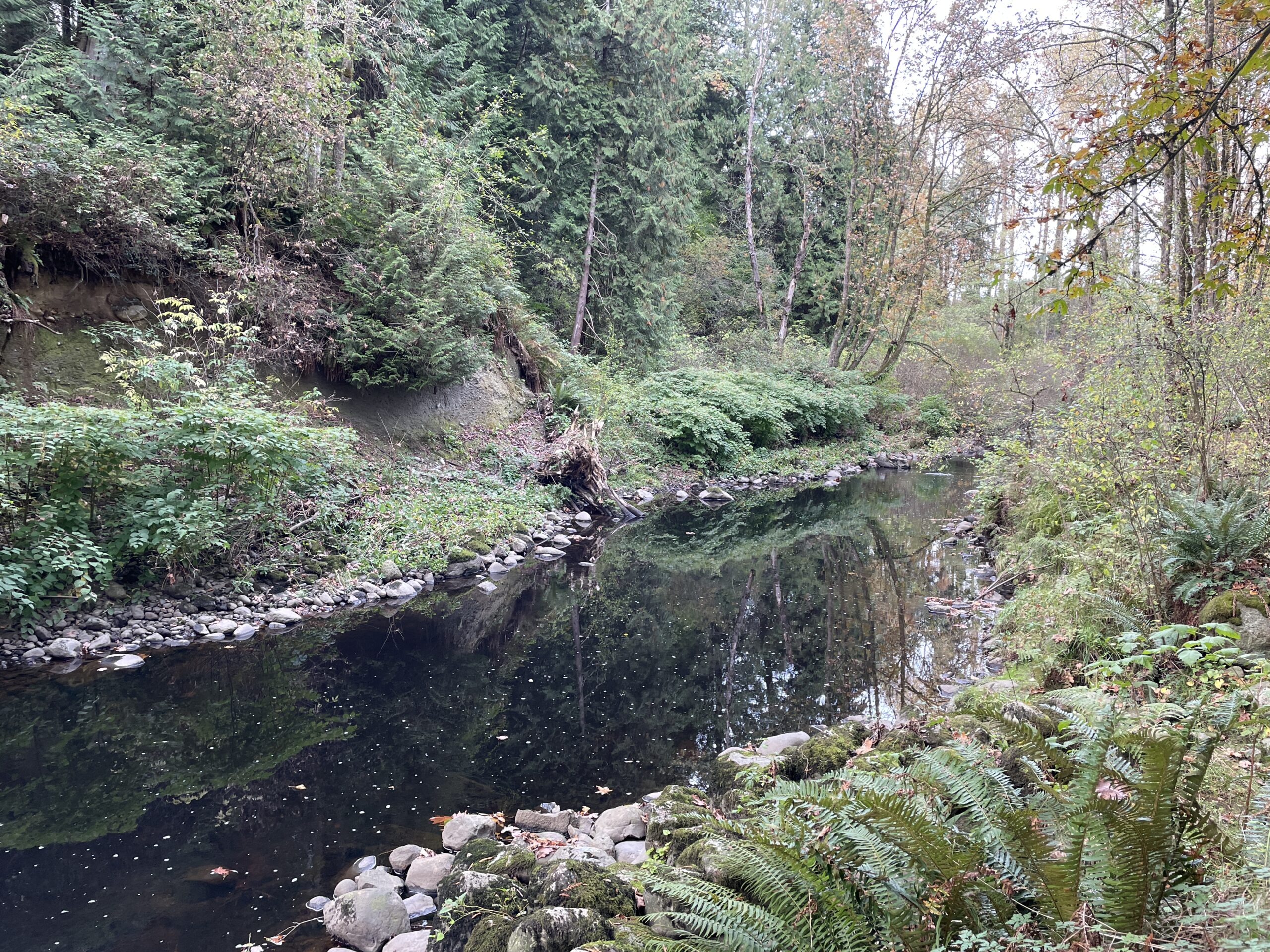
Some shots taken around the lake post-run and before it got silly hot, shot on my iPhone 12.

In order:

  • Actual view of lake
  • View from bridge over Deer Lake Brook
  • Still Creek
  • Still Creek from bridge, looking east
  • Still Creek from bridge, looking west
  • View from Phillips Point
  • View from Phillips Point
  • View from Piper Spit