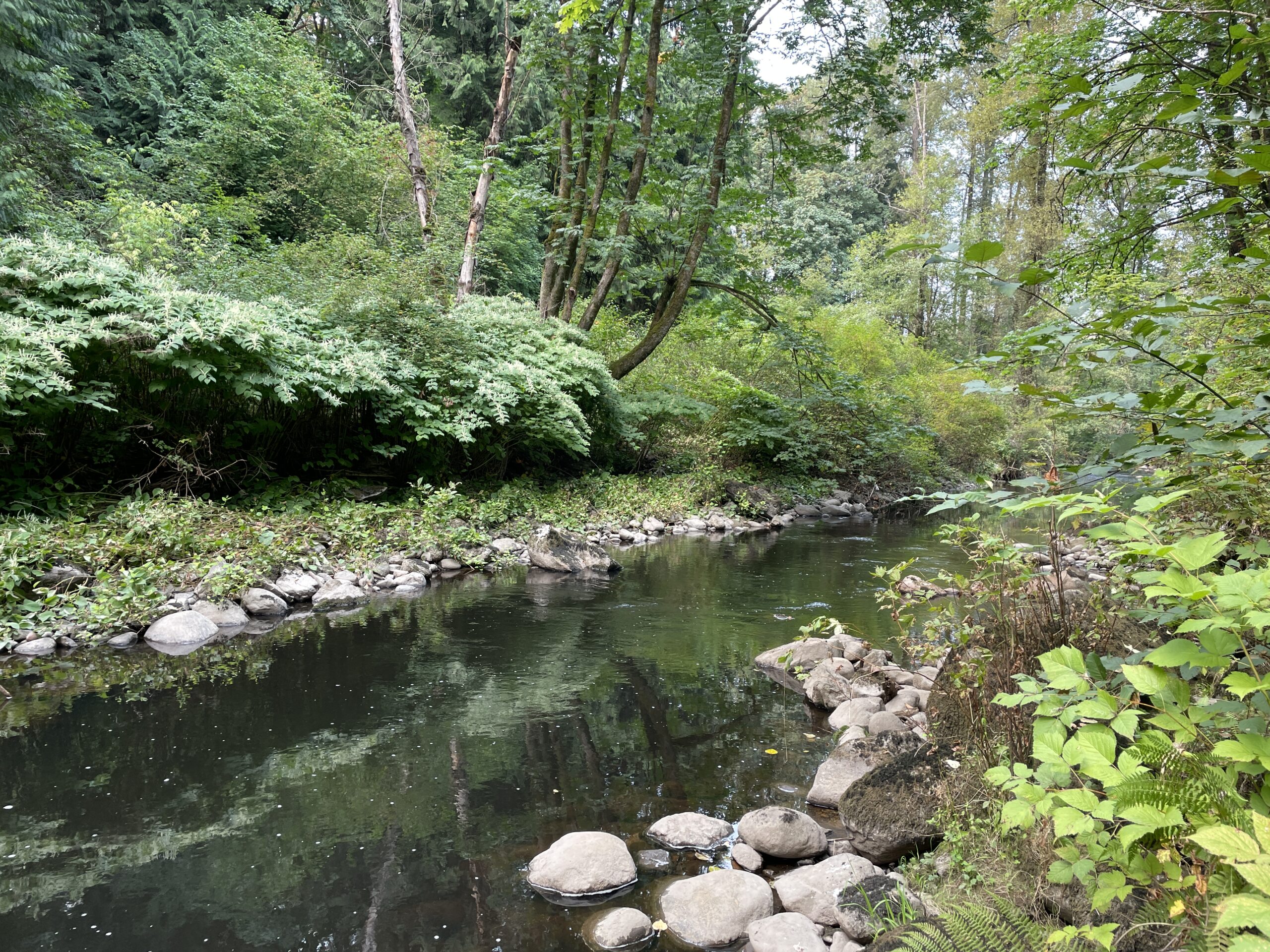
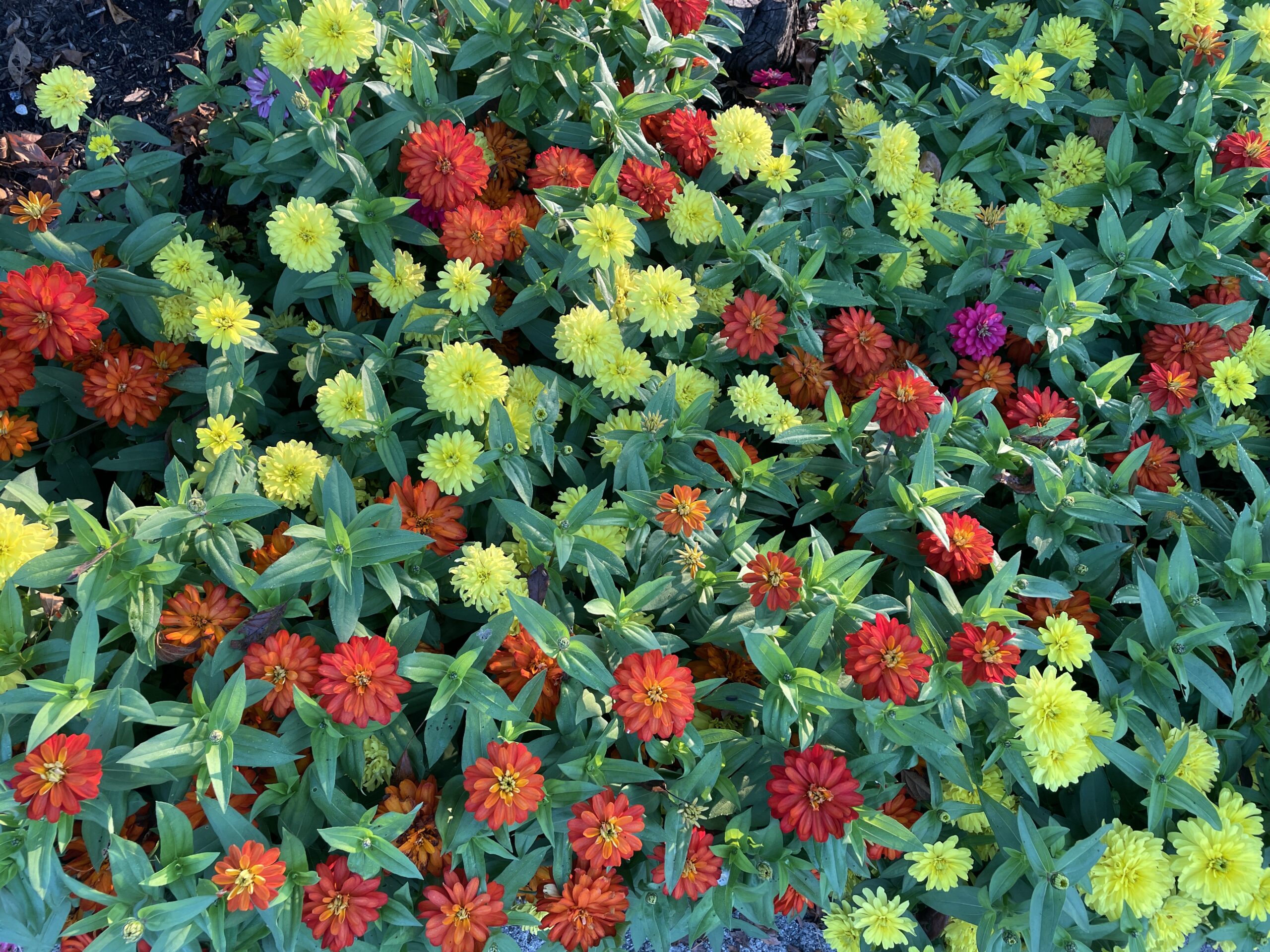
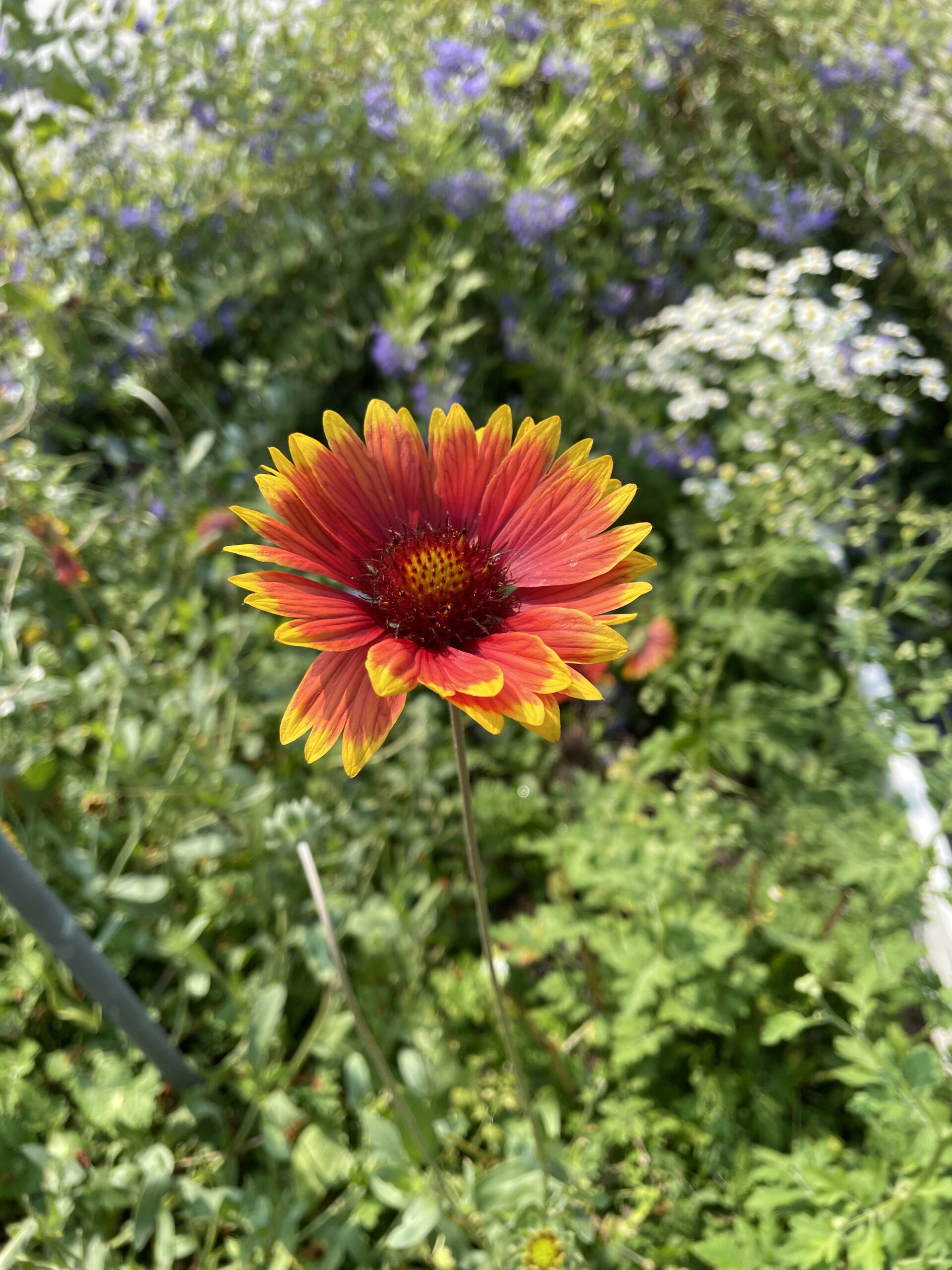
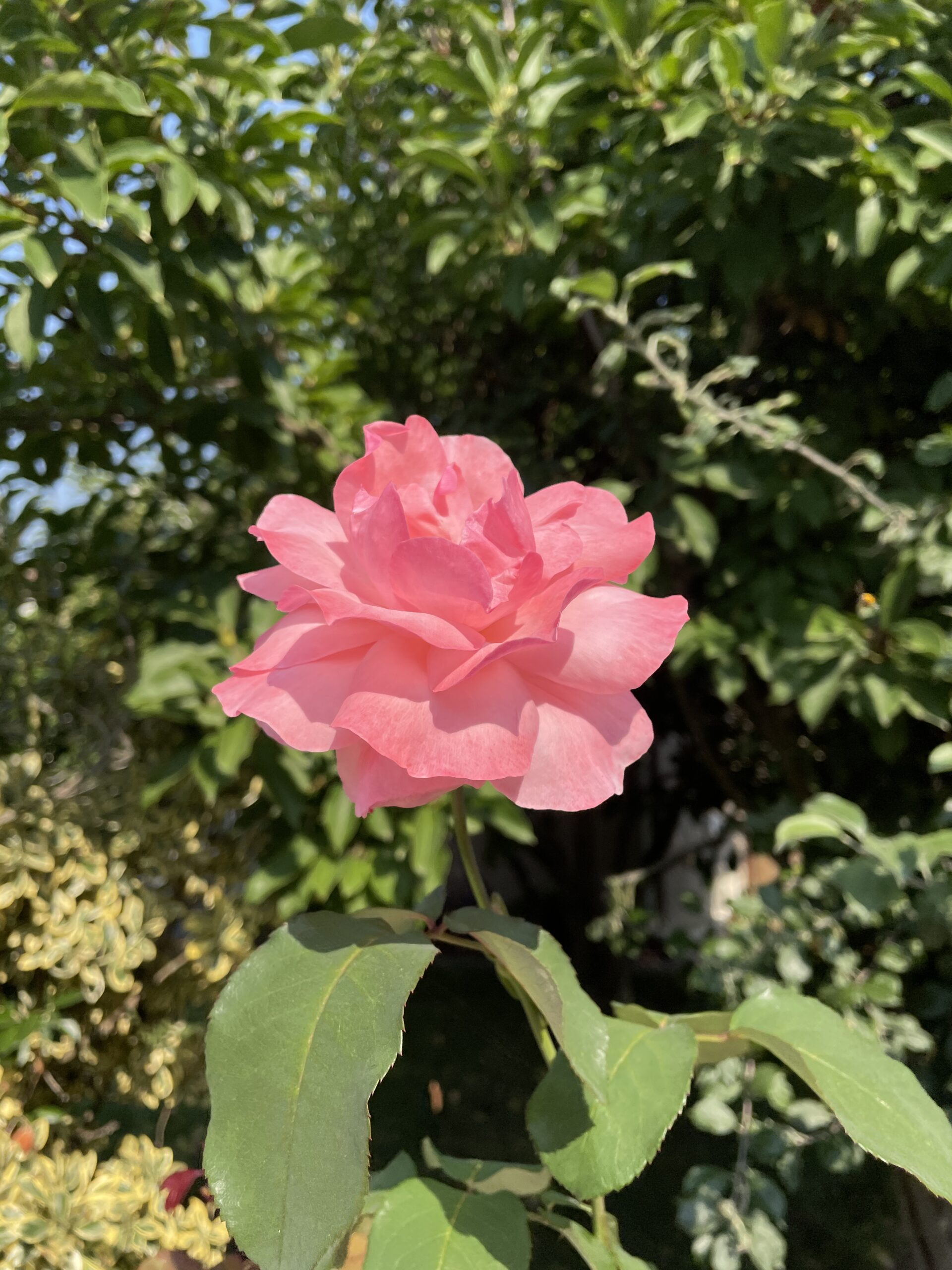
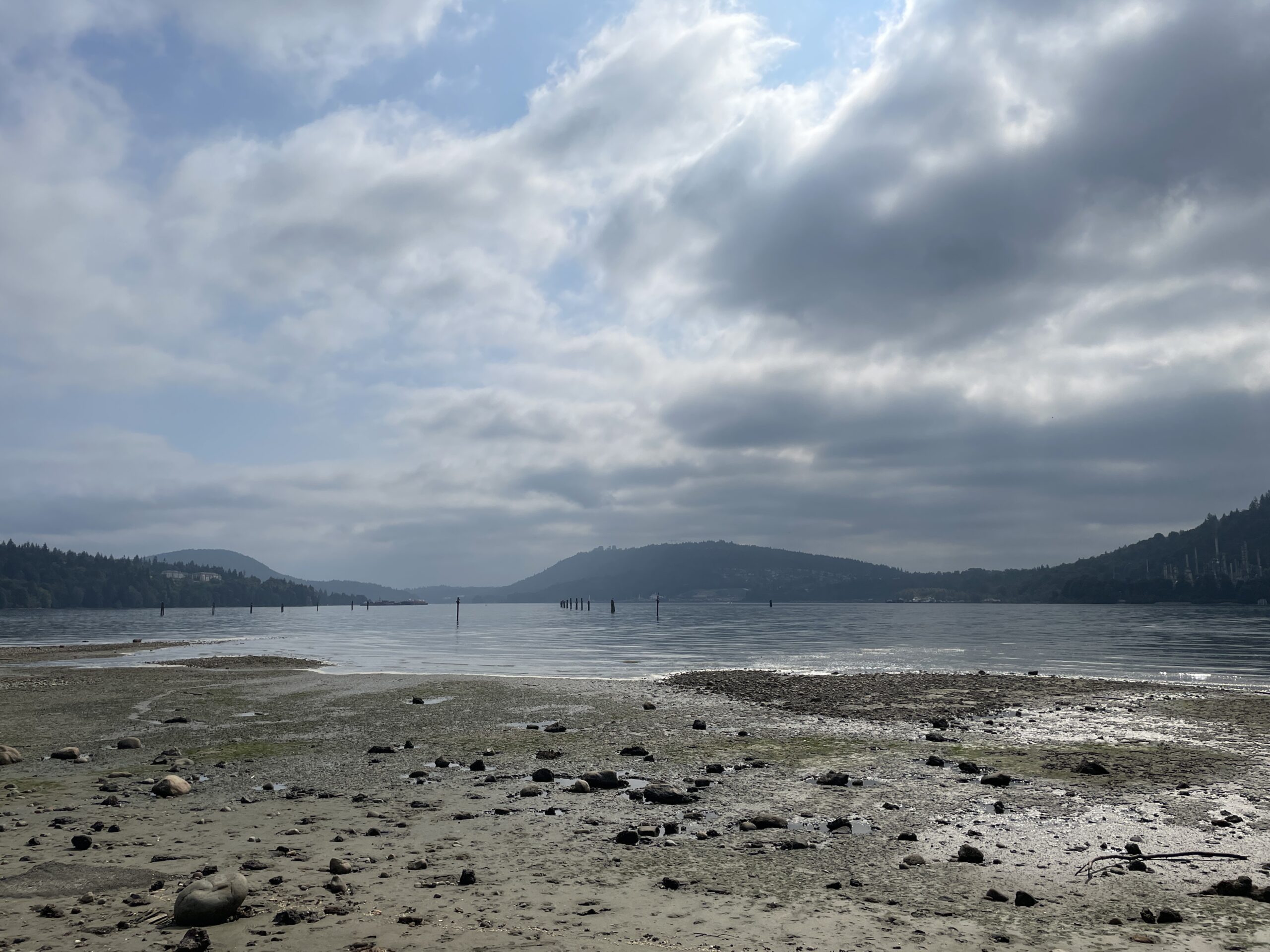
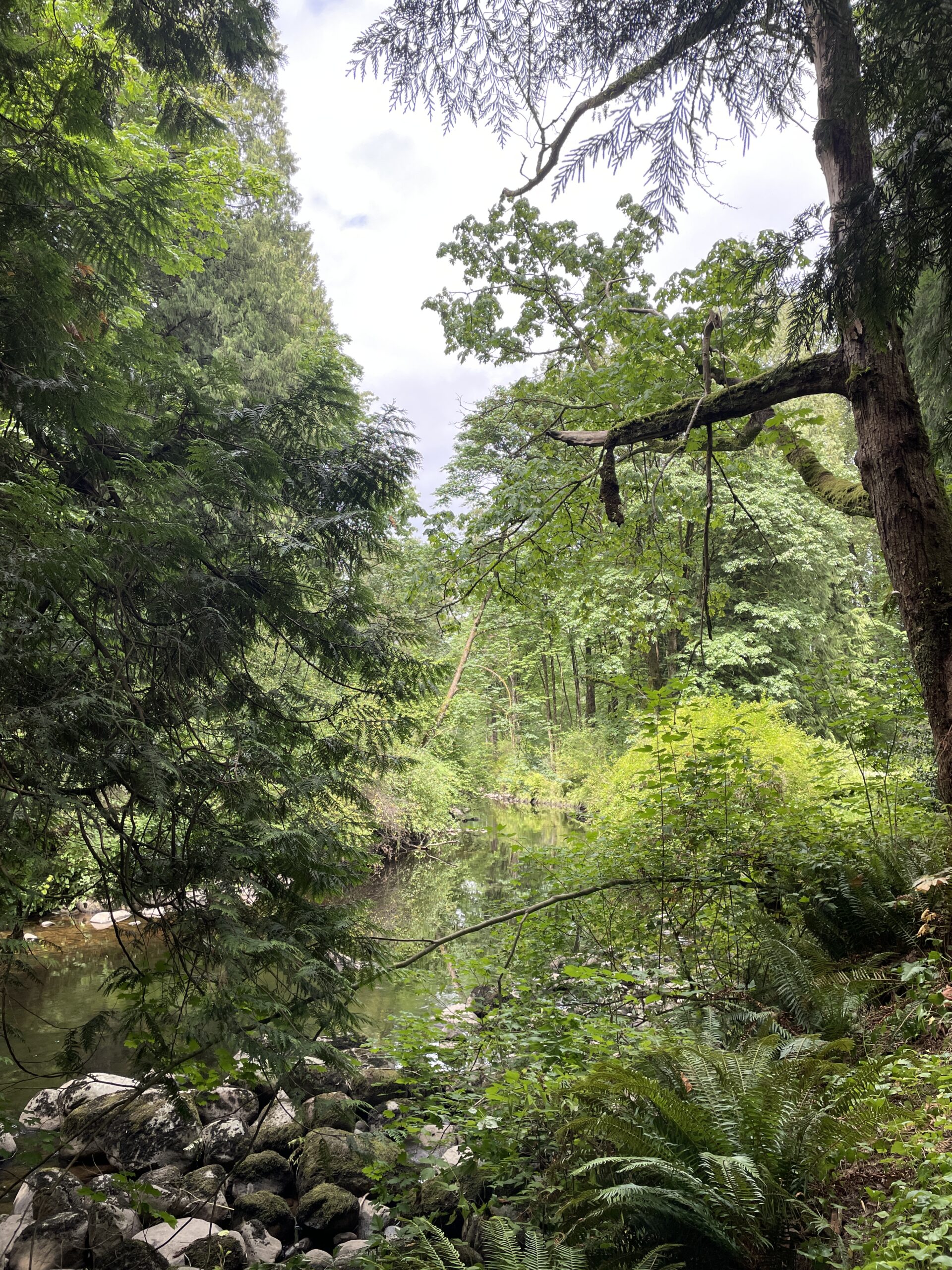
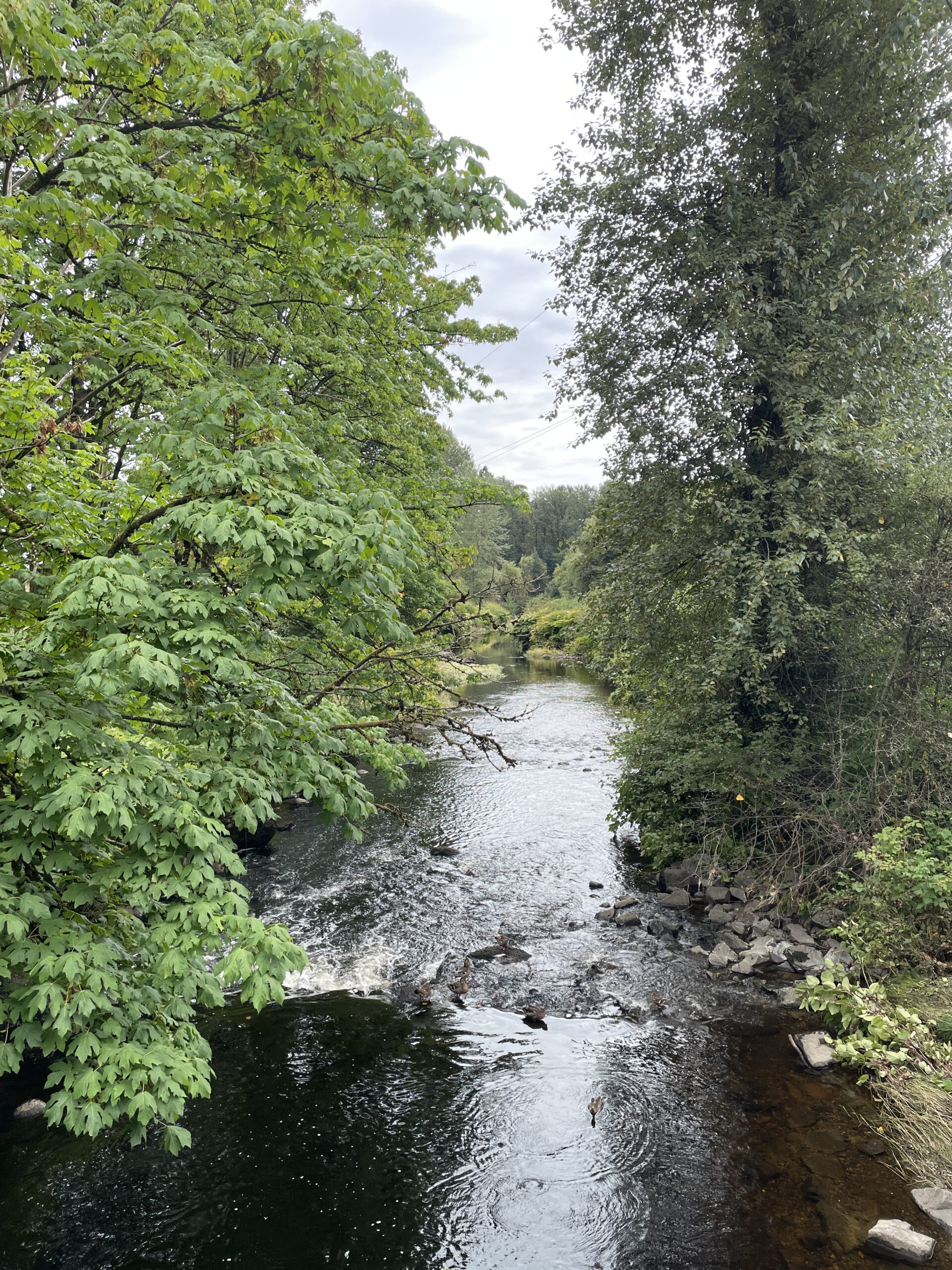
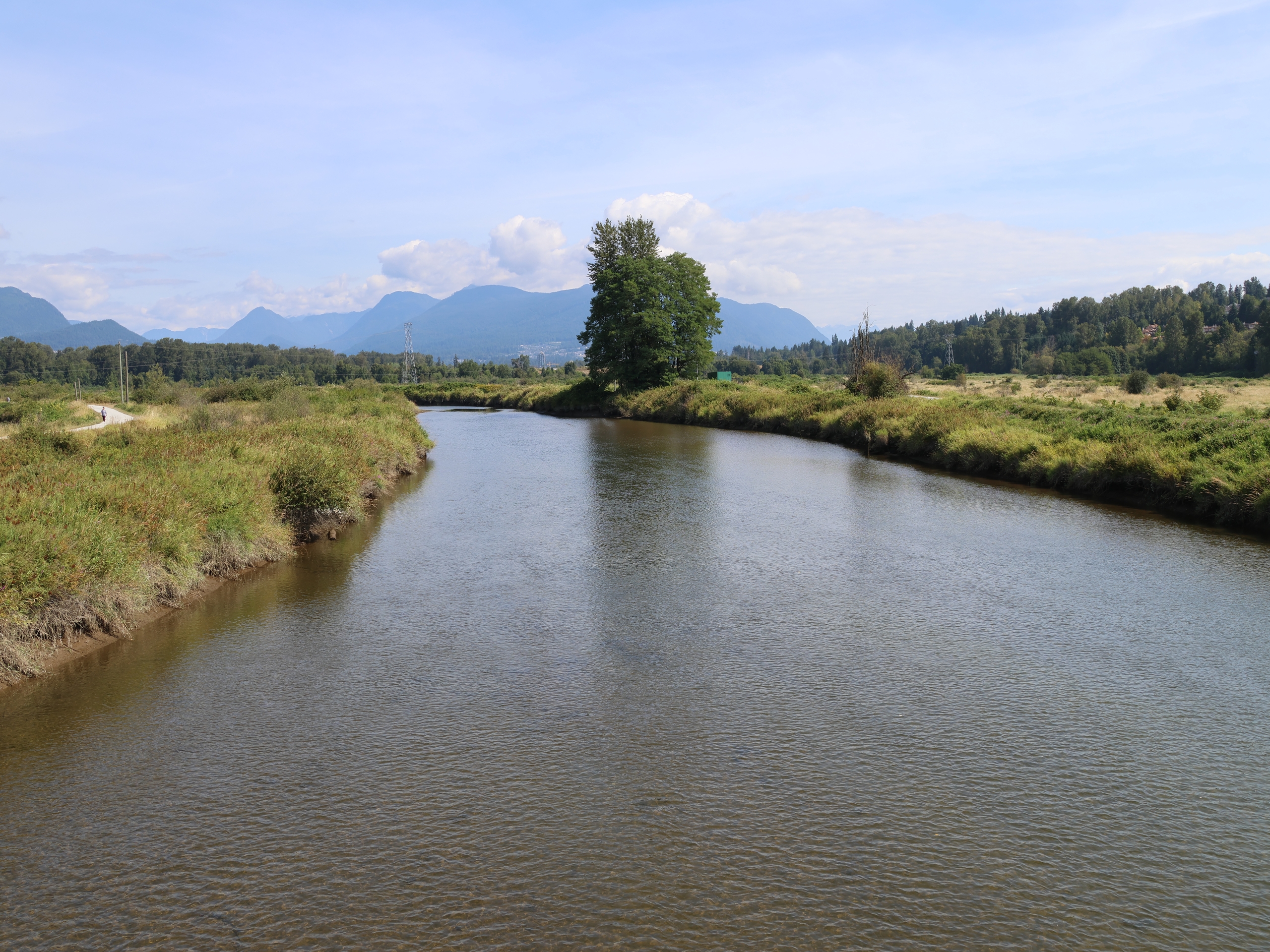
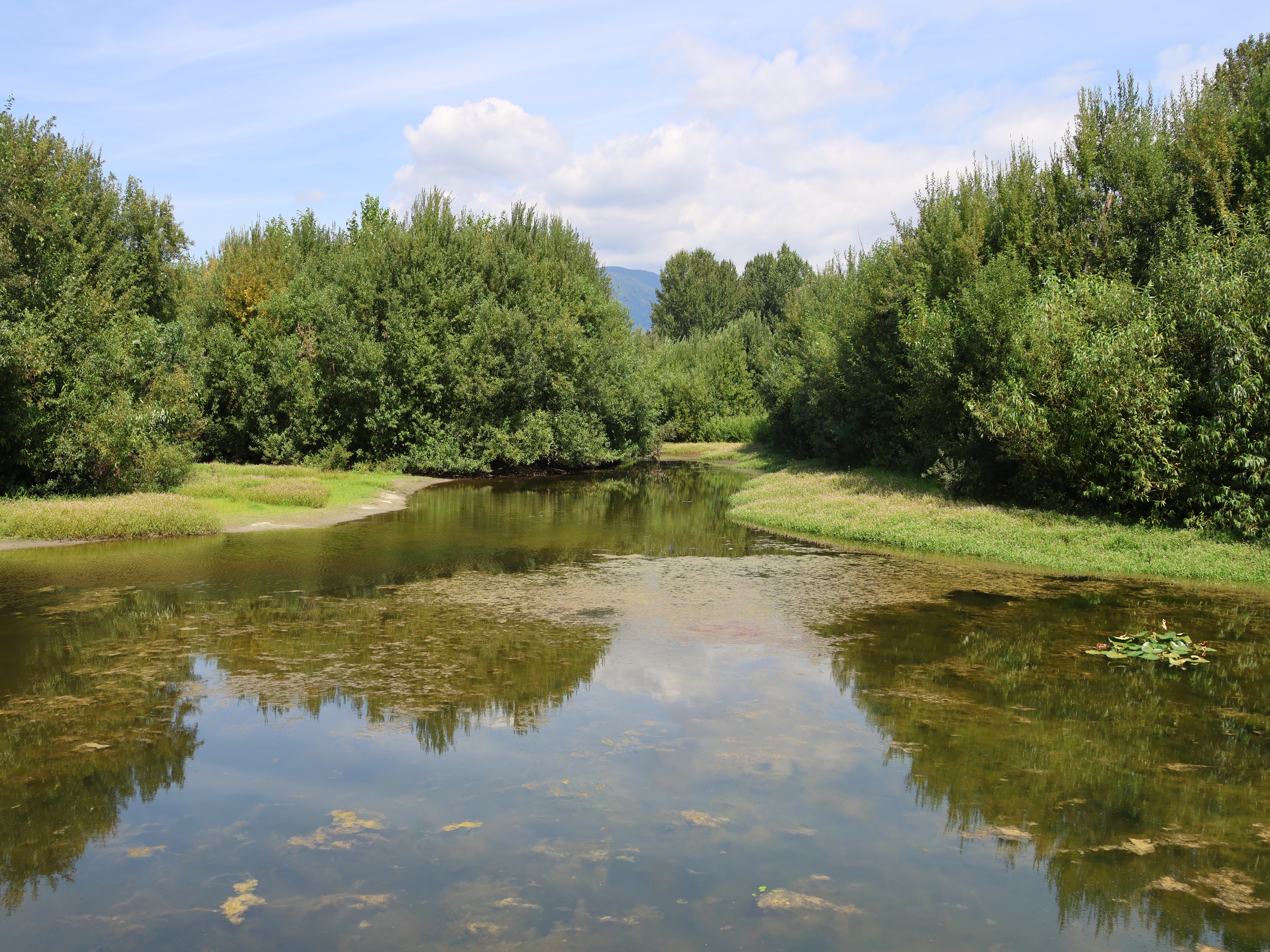
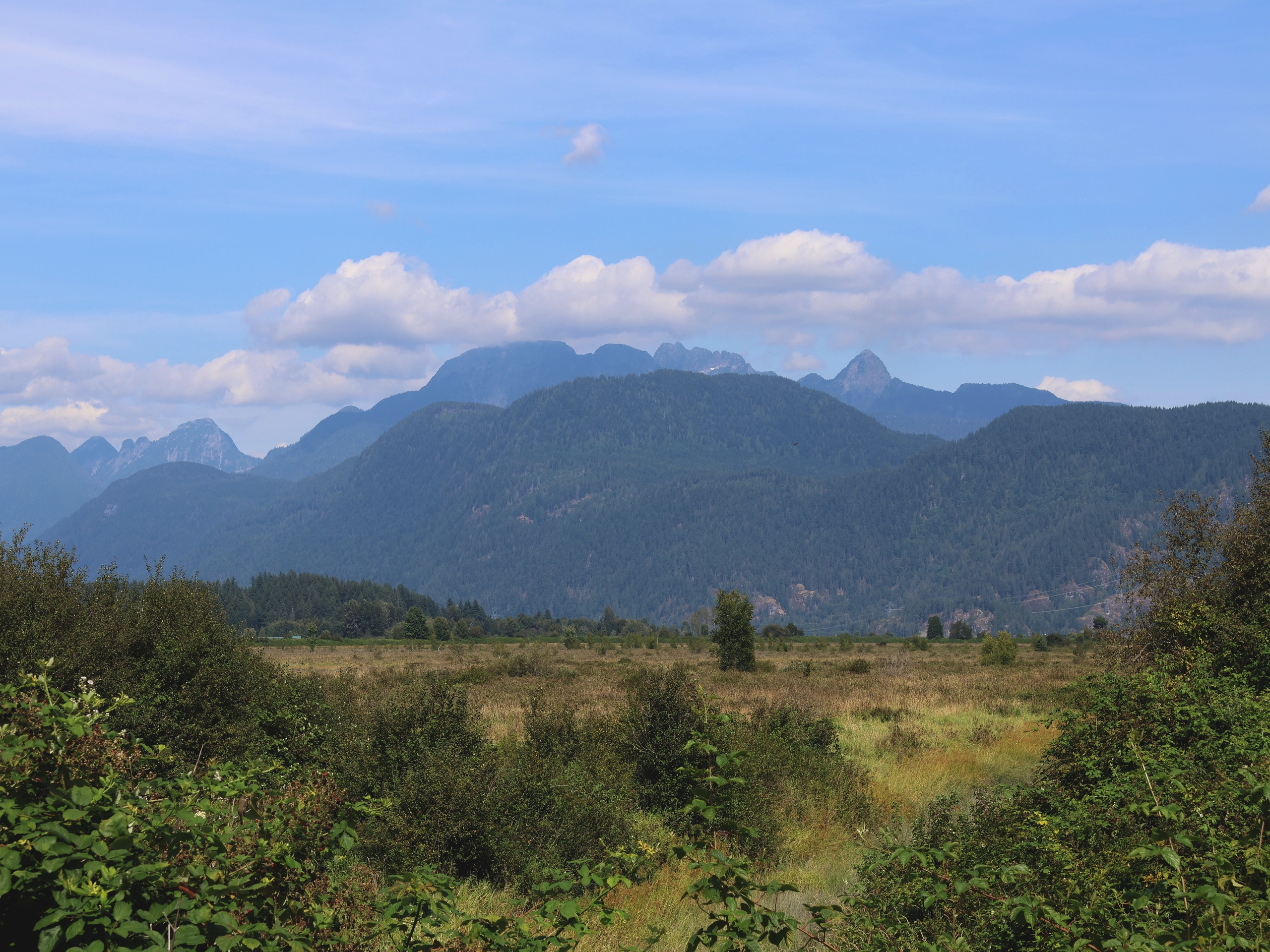
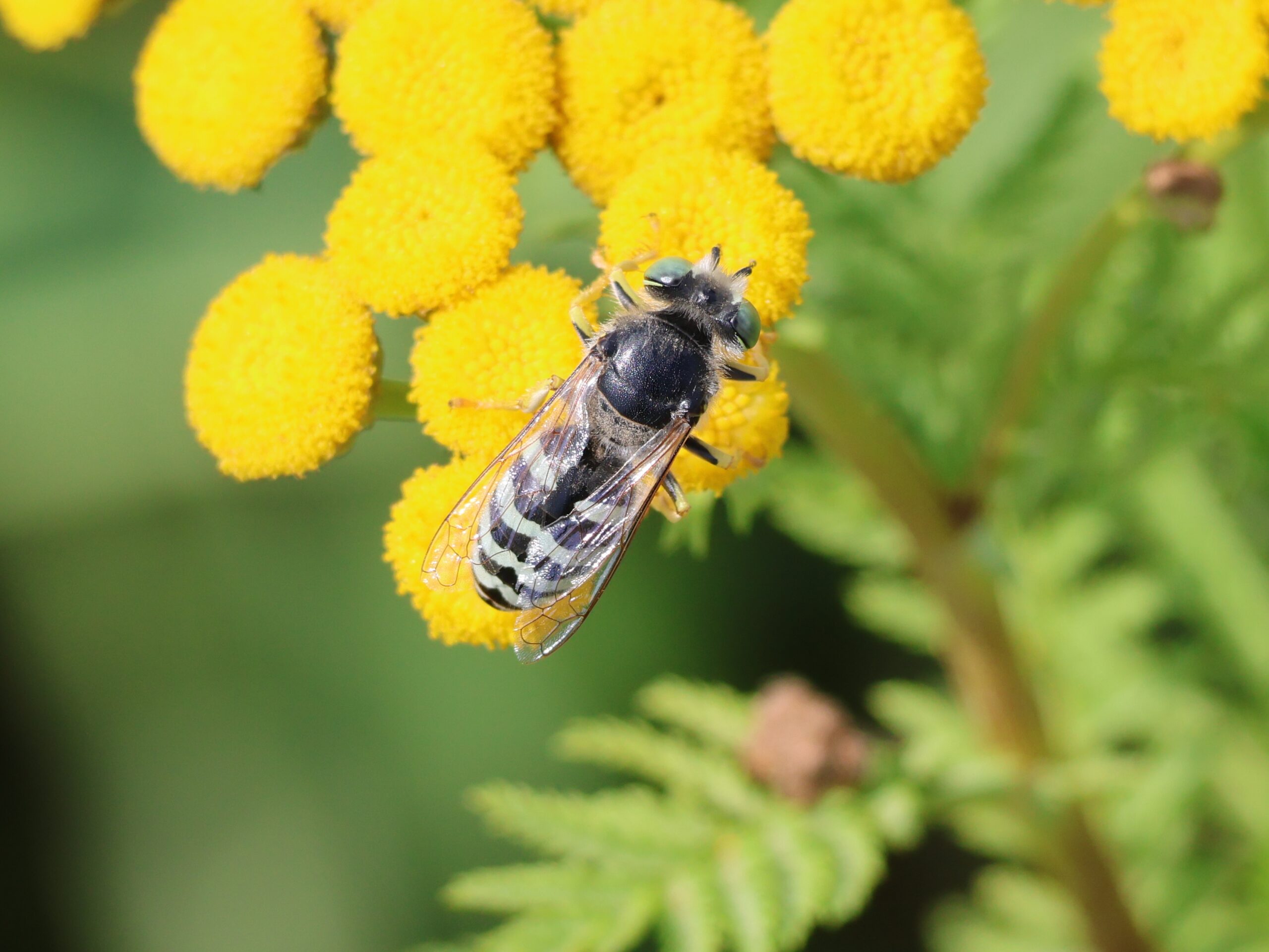
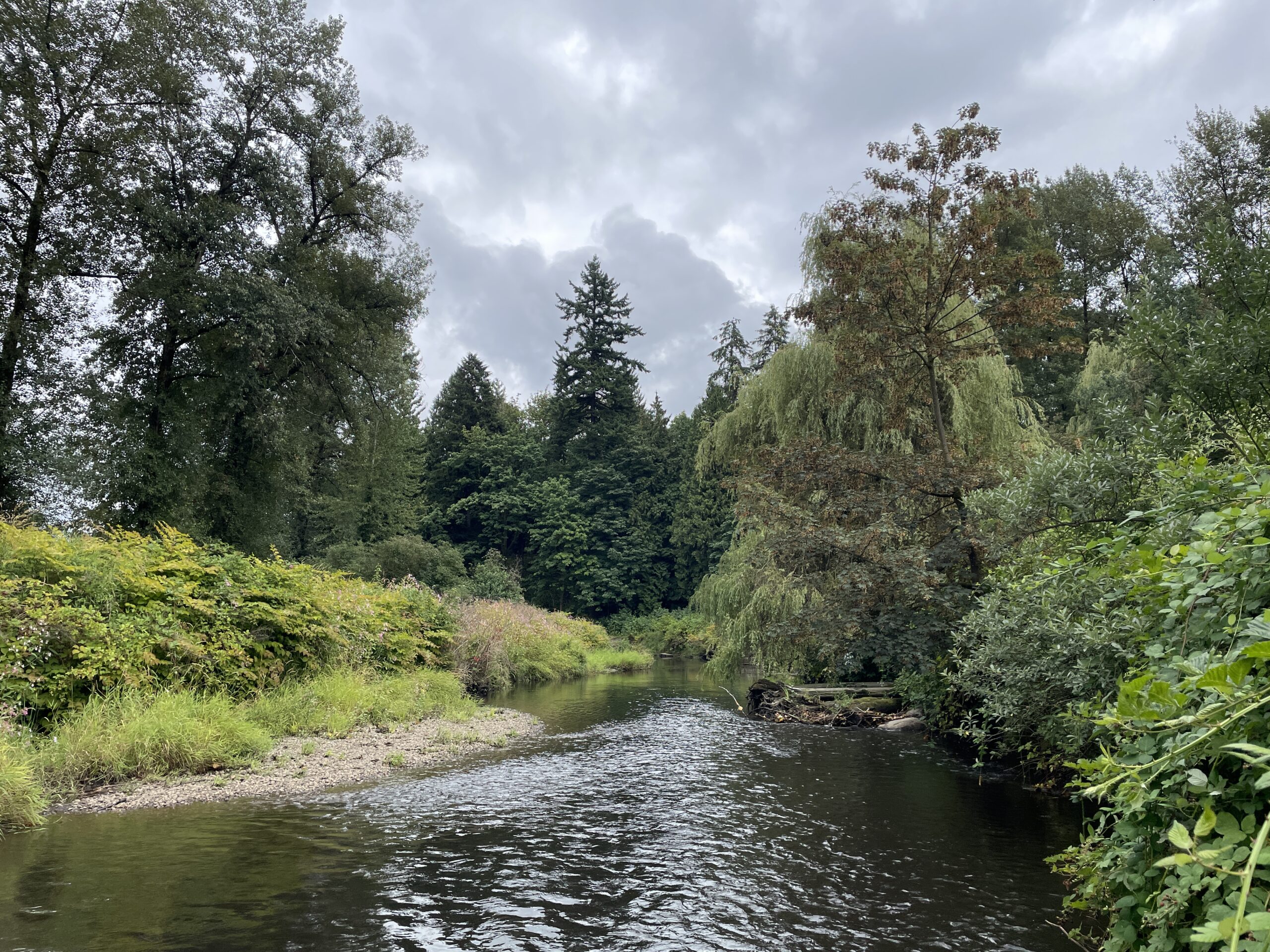
While the river is still low, I’m continuing to poke around to get views that are not normally accessible without getting very wet. Here’s another one of them.
I’ll post something of more substance soon, promise!
Or to be more precise, the air quality currently stinks, due to smoke.
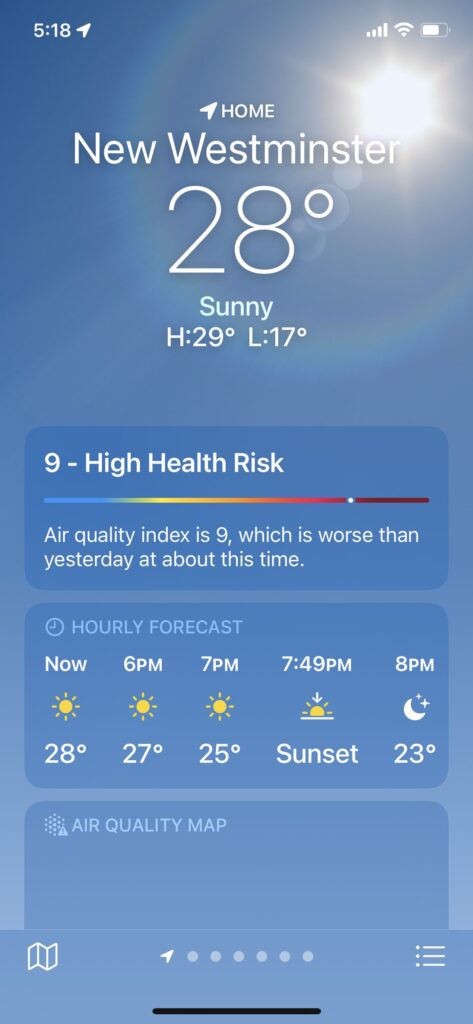
This morning, the Air Quality Index (AQI) was 3, which is a bit higher than normal. It is now 9, and shows thusly on my iPhone:
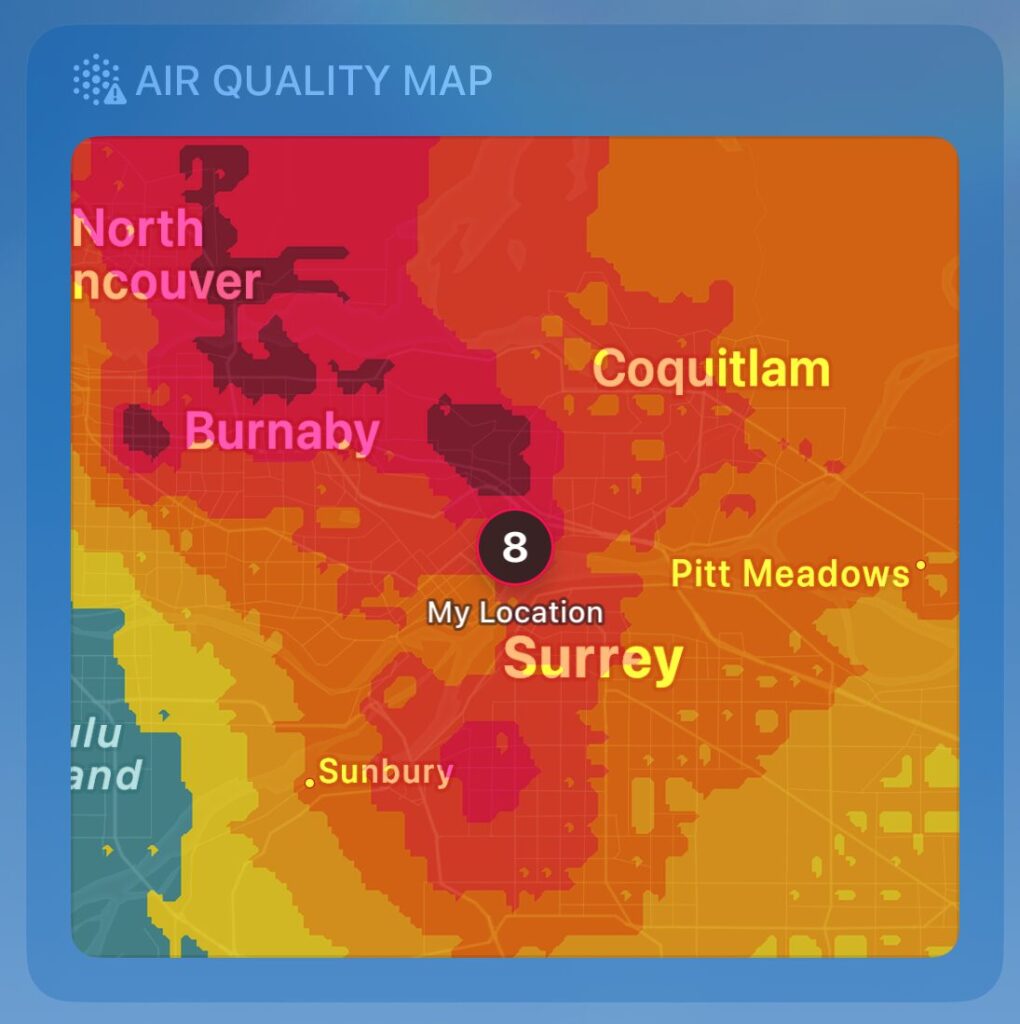
High Health Risk! Yikes. Also, it was very warm and muggy, which is probably contributing. The AQ map looks very angry:
I do not live in a Magic 8 ball, despite appearances.
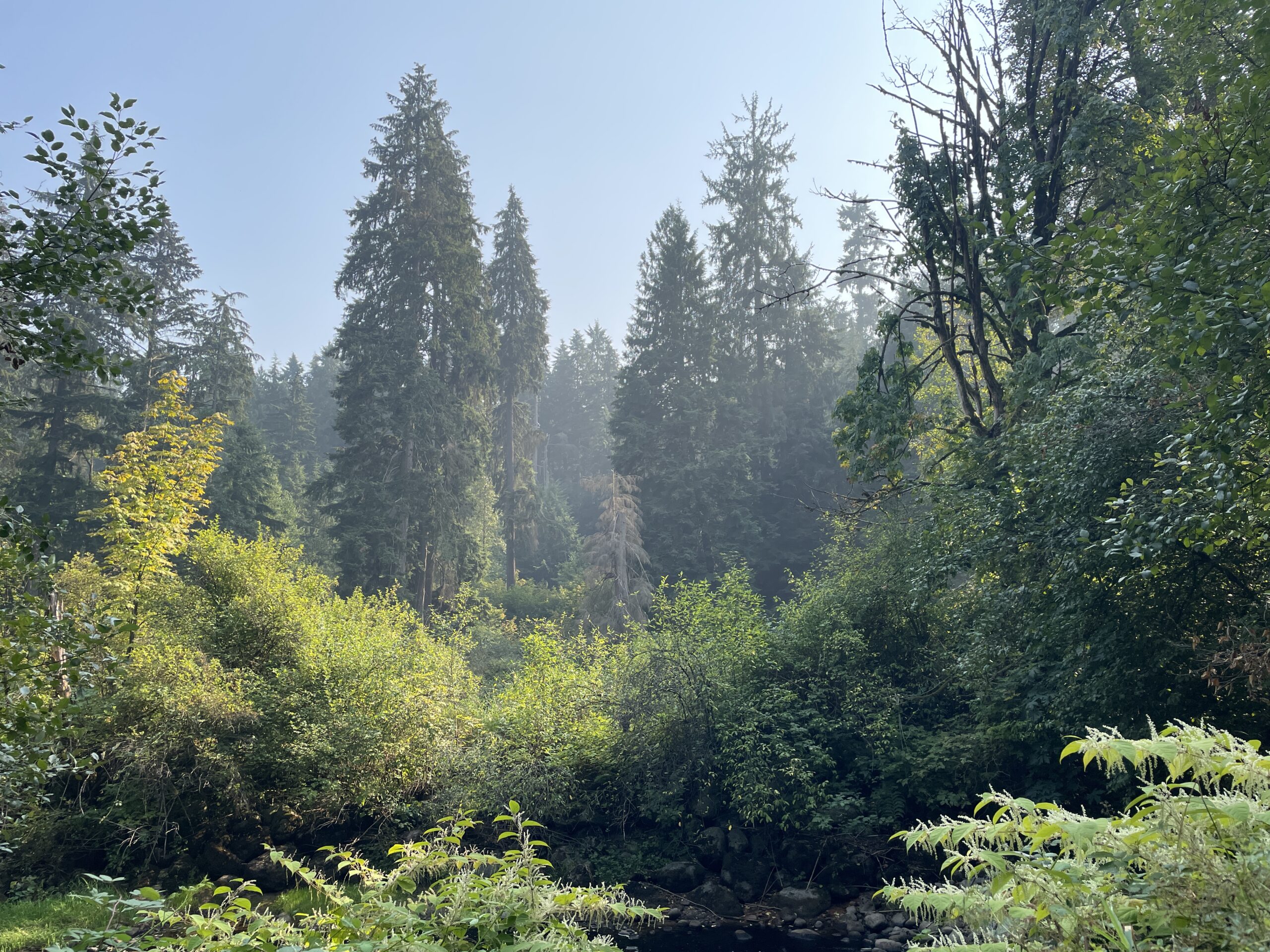
I went for a walk and it smelled just like that map:
The smoke is coming from wildfires, so in a way, we’re lucky that it didn’t get here until relatively late in the season. It’s likely to persist until we see a significant change in the weather (showers, etc.) All part of the magic of climate change!
Where: Maplewood Flats (North Vancouver), Blakeburn Lagoons Park (Port Coquitlam), Tlahutum Regional Park (Coquitlam), Piper Spit, Burnaby Lake (Burnaby)
Weather: Sunny, 21-24°C
Maplewood Flats
View looking east over Burrard Inlet.
It was birding all over the place today. The only thing missing was the birbs. We heard a few and eventually saw a few, but it was mostly waterfowl and the like as songbirds seemed to prefer hiding away on what was a very humid day.
We began at Maplewood Flats and saw and heard a few chickadees, spotted some cormorants offshore, and a few gulls, but a promised sandpiper remained elusive. The scenery is always nice here, though.
Blakeburn Lagoons Park
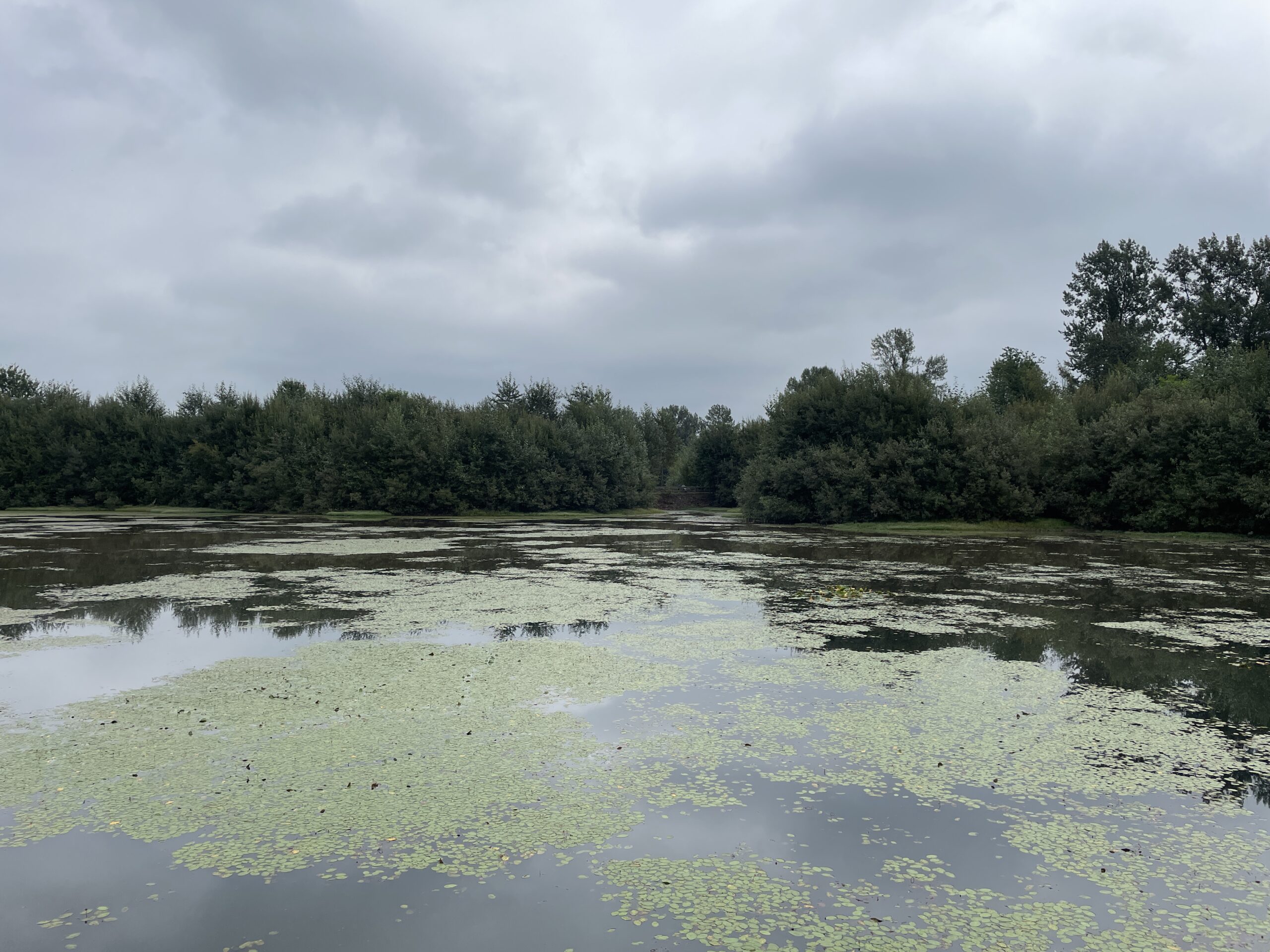
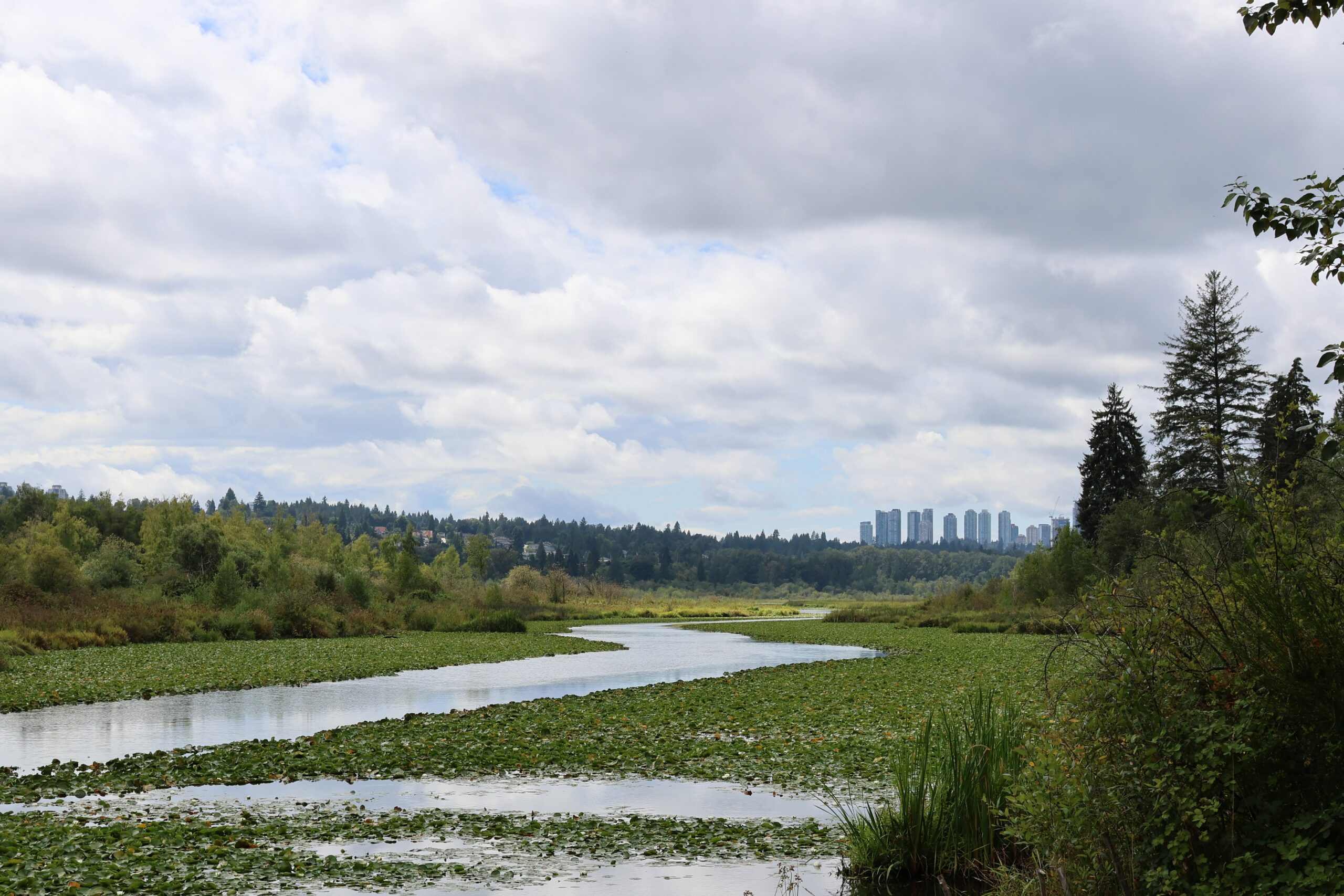
One of the two lagoons. They were replete with ducks, some herons (none green) and a single goose.
We went to Blakeburn Lagoons to search for the elusive green heron. It remained elusive. We did see several great blue herons as compensation.
Otherwise, it was ducks and plenty of them, along with a solitary Canada goose, the only one we saw today (I think).
Tlahutum Regional Park
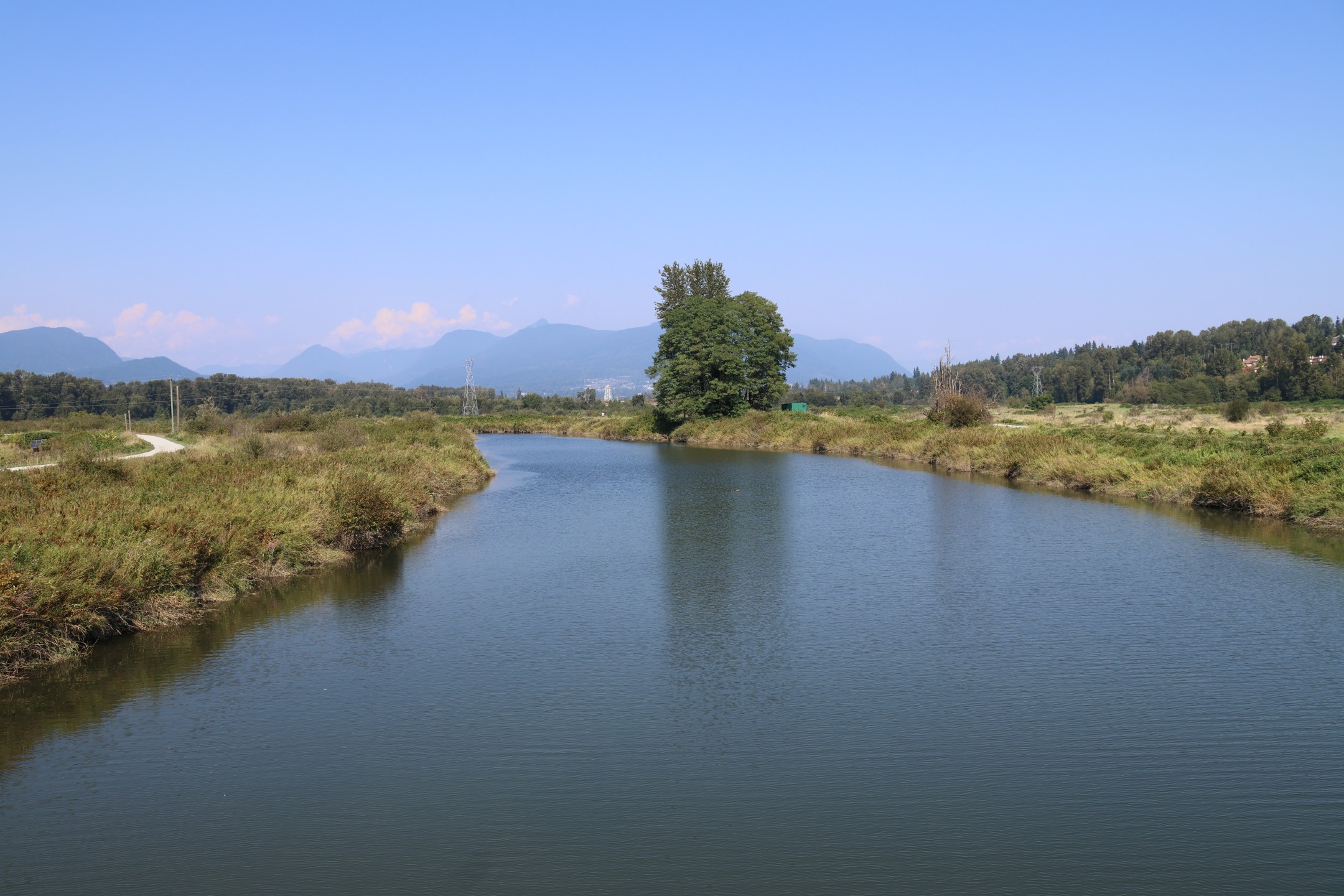
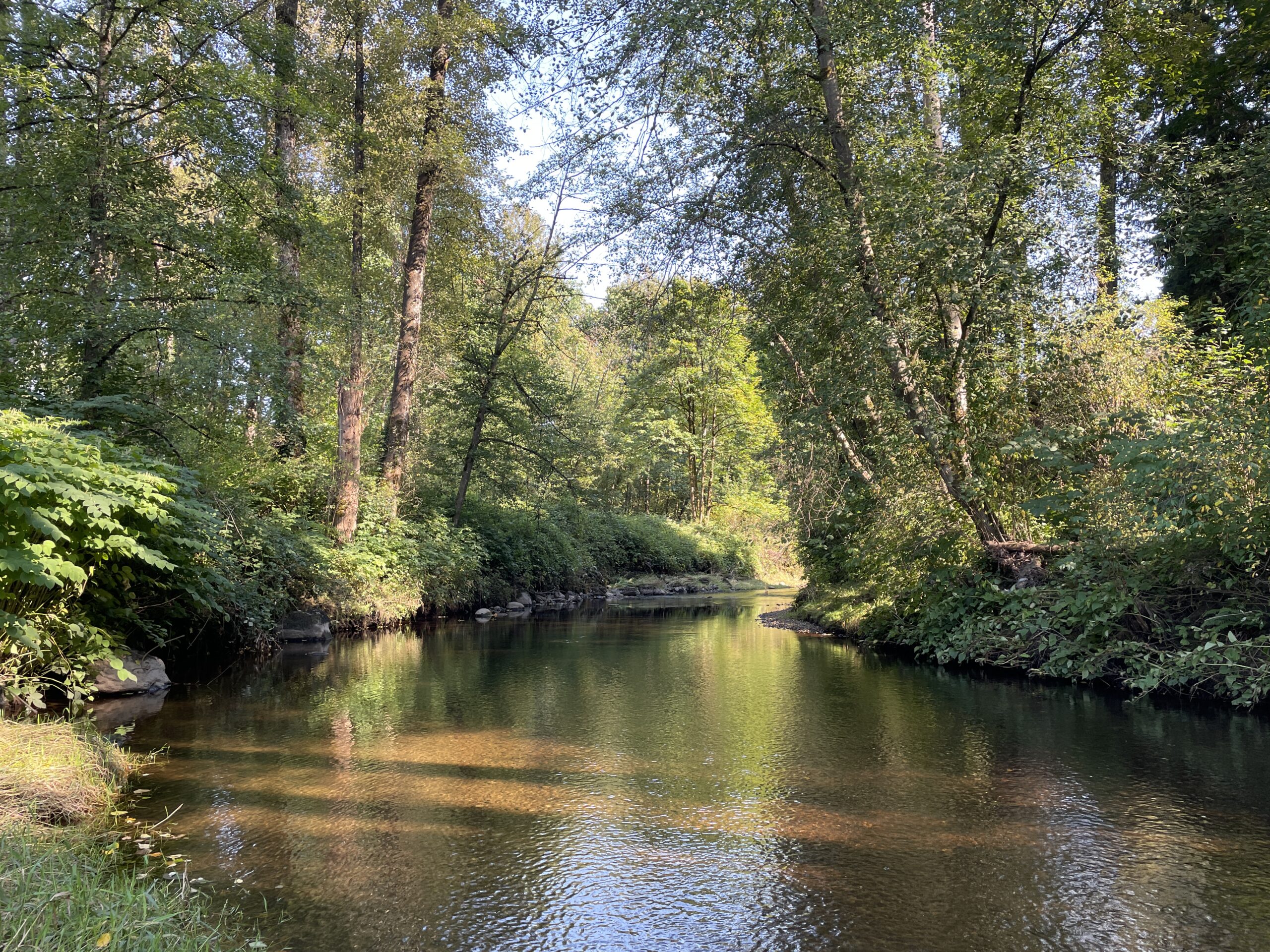
Coquitlam River, looking rather full on this day.
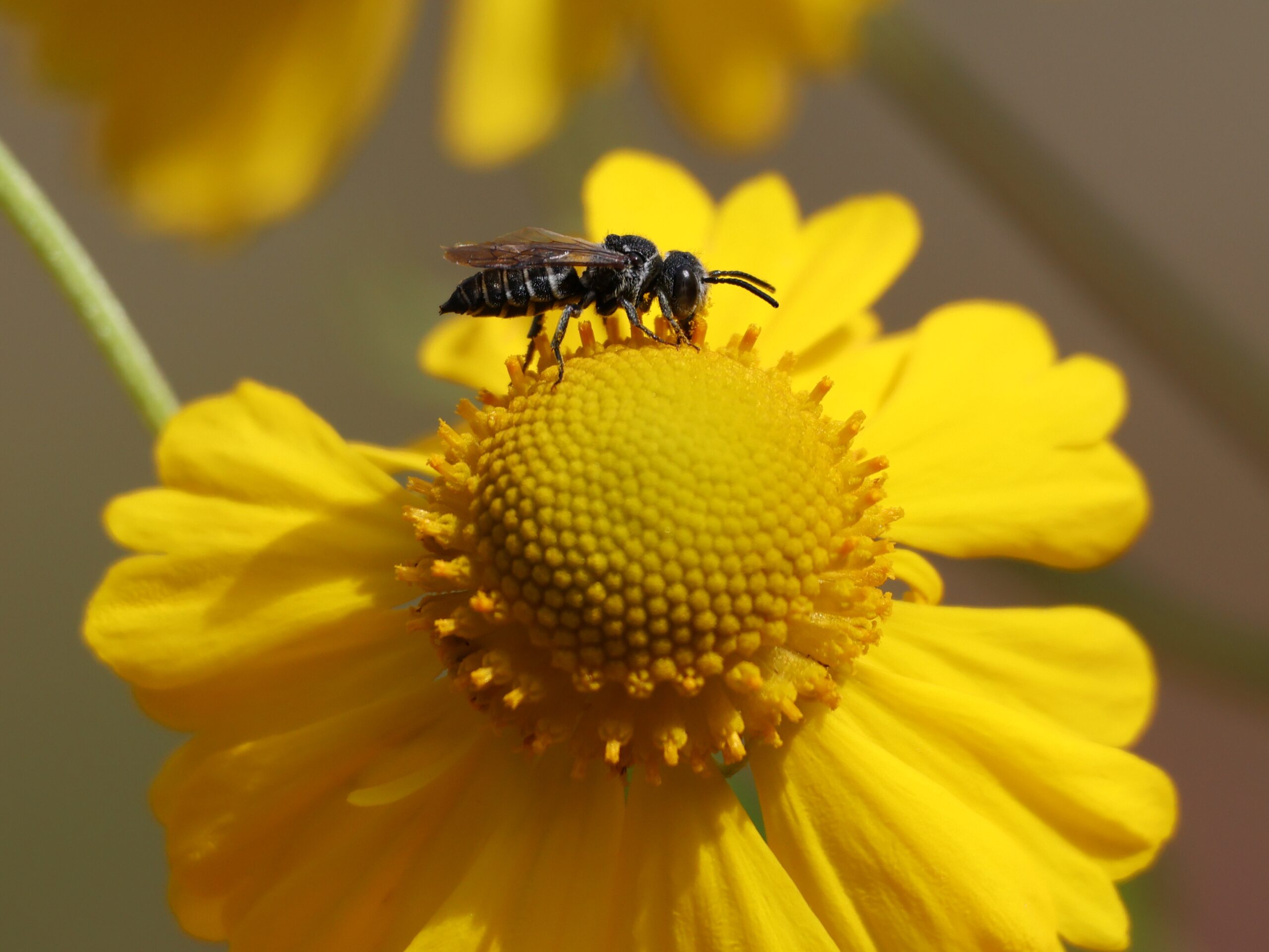
There were ducks in the main pond at Tlahutum and a couple of bald eagles flapping high overhead, but very few other birds were making themselves visible, so we made do with shooting flowers and the many pollinators tending to them.
Piper Spit
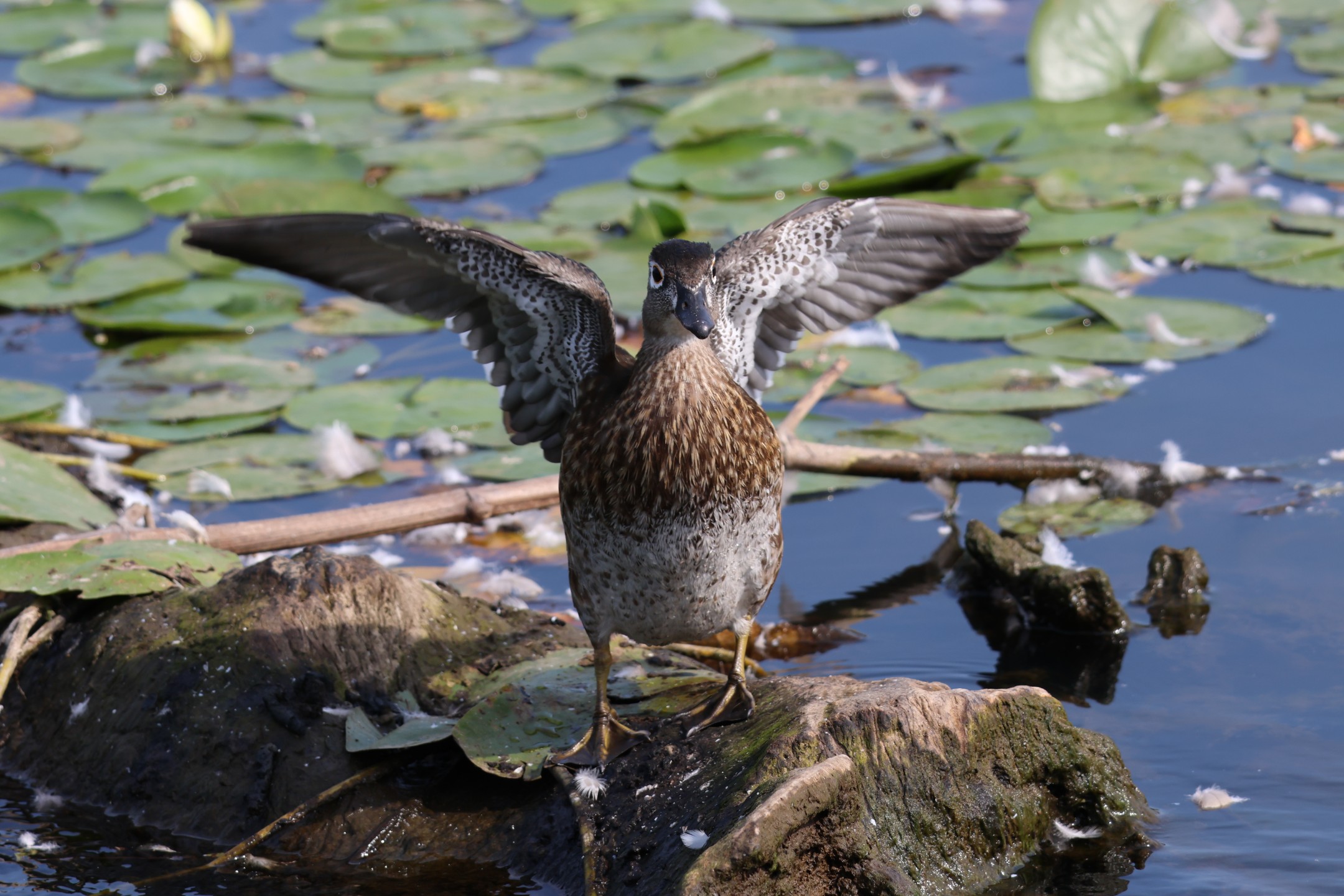
Oddly, I forgot to take any scenery shots at Piper Spot, so enjoy this wood duck stretching instead.
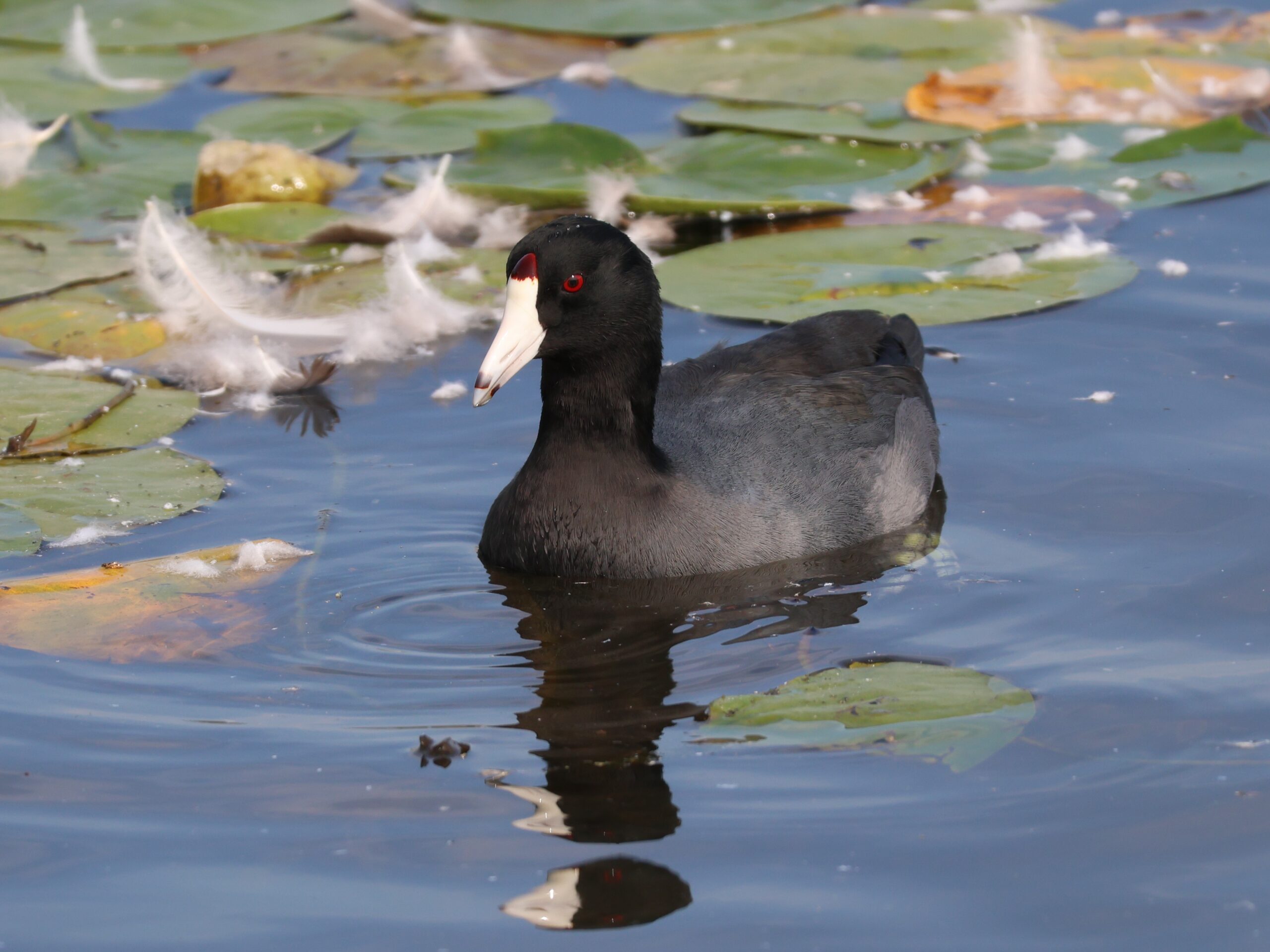
The land mass at Piper Spit is not only back, but fairly massive. A few small shorebirds were darting about on it, but most birds preferred the water. In the water, we saw the usual mix of mallards and wood ducks, along with a pair of hooded mergansers, but no geese. And lo, there was the first coot of the season, swimming about by itself and looking glorious and weird. It’s as much a sign of fall coming as the proliferation of pumpkin spice in everything from muffins to school supplies (probably).
Several people were stupidly feeding the birds again. Having recently seen bears up close and personal here, I feel comfortable in calling their actions stupid.
But we also saw a song sparrow. Just one, but it stopped hopping just long enough to let us get some decent shots. A few wood duck males were also back to near-full, resplendent mullets.
In all, a fine day of birding, even with the scarcity of birbs.
The Shots
Shot with a Canon EOS R7 with 18-150 mm kit lens and 100-400 mm telephoto.
A few shots:
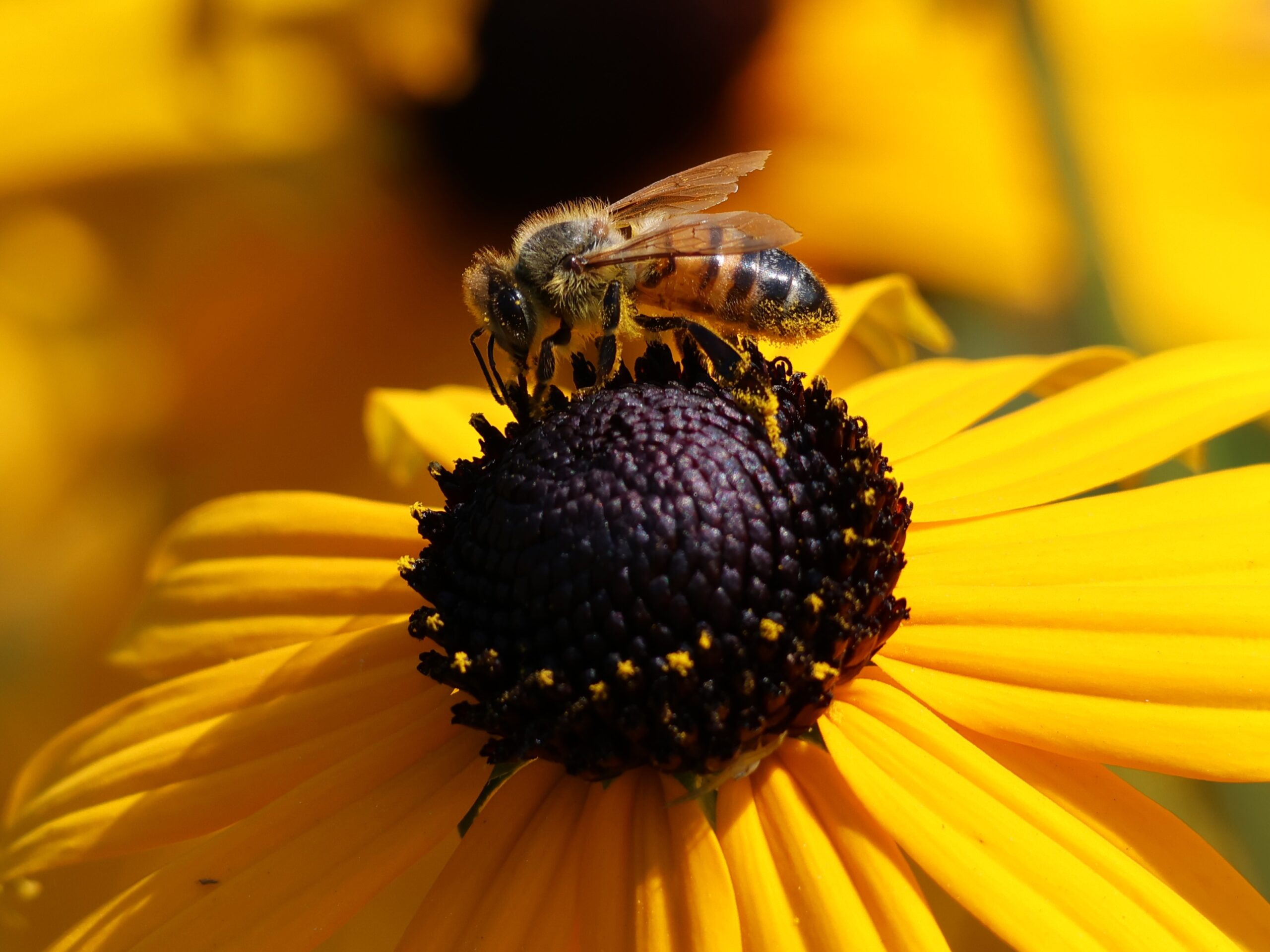
A bee loving its job.The first coot of the season. Coming soon: more coots and coot drama.
The Birds (and other critters)
Sparrows and sparrow-adjacent:
Bewick’s wren (heard, not seen)
Black-capped chickadee
Purple martin
Song sparrow
Spotted towhee (heard, not seen)
White-crowned sparrow (heard, not seen)
Waterfowl and shorebirds:
American coot (one!)
Canada goose
Common merganser
Double-crested cormorant
Great blue heron
Hooded merganser
Long-billed dowitcher
Mallard
Northern pintail
Pied-billed grebe
Western sandpiper
Wood duck
Common:
American crow
Rock pigeon
Various gulls
Raptors:
Red-tailed hawk
Non-birds:
Copious pollinators
Raccoons (actually after birding, and in my neighbourhood. I think they were having a meeting over lunch)
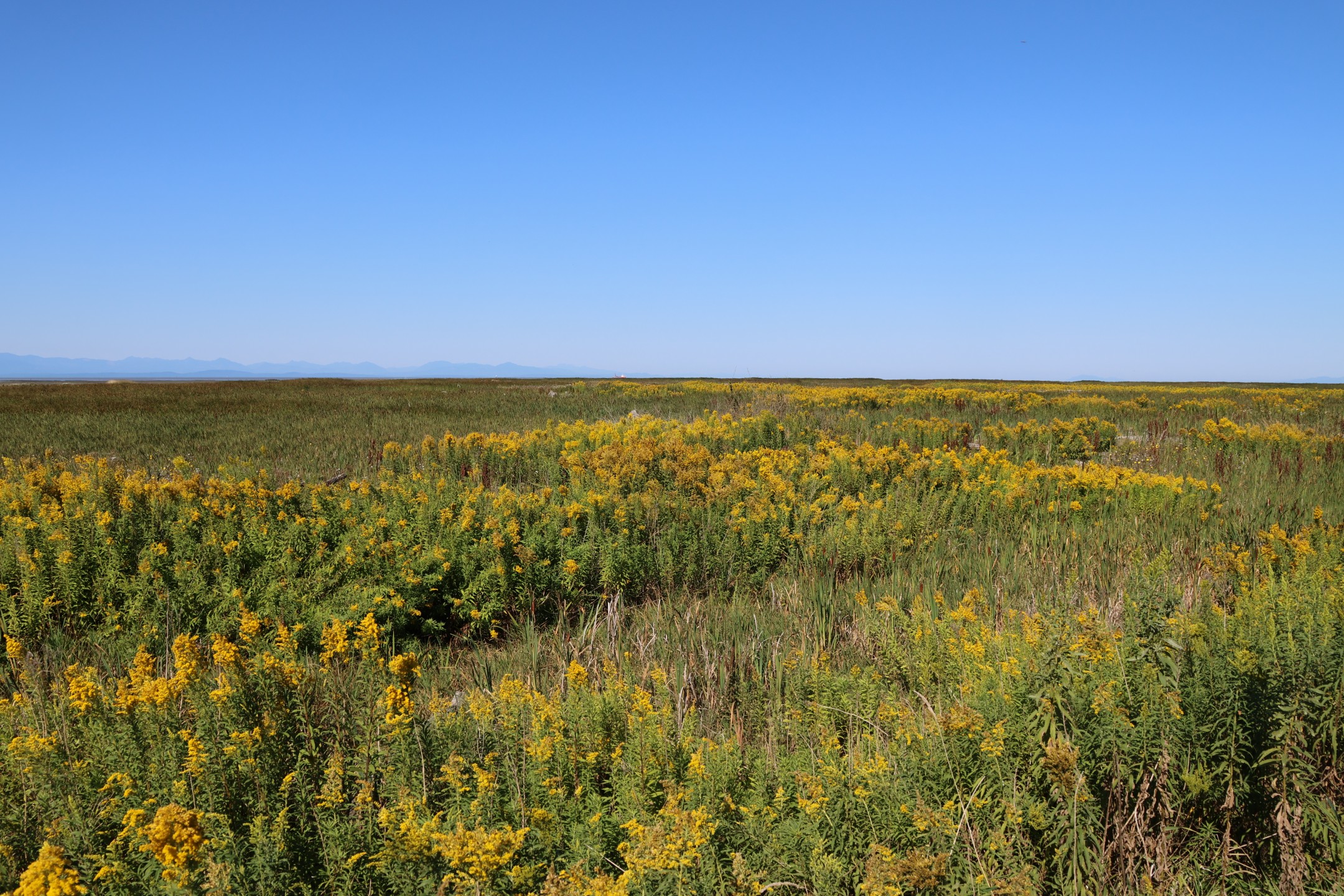
It almost feels like you can see the curve of the Earth.
It was warm today and maybe that made a lot of birds shy about coming out, because sparrows and sparrow-adjacent birds were in relatively short supply. We did see some chickadees, a few blackbirds and a lone cowbird, though.
Mostly it was mallards (being jerks by hogging seed) and wood ducks, with the males still looking snazzy with their proto-mullets, along with the re-emergence of geese in most parts. The air was full of honks.
We even saw some swallows still hanging out in the main pond, though I wasn’t able to tell what kind they were, as they were in full flitting mode.
Others must have known this is the birding lull, because we were able to drive straight into the sanctuary and the number of people around was definitely down for a sunny, pleasant summer Saturday.
Still, it was fine. Can one have too many glamour shots of mallards?
Centennial Beach
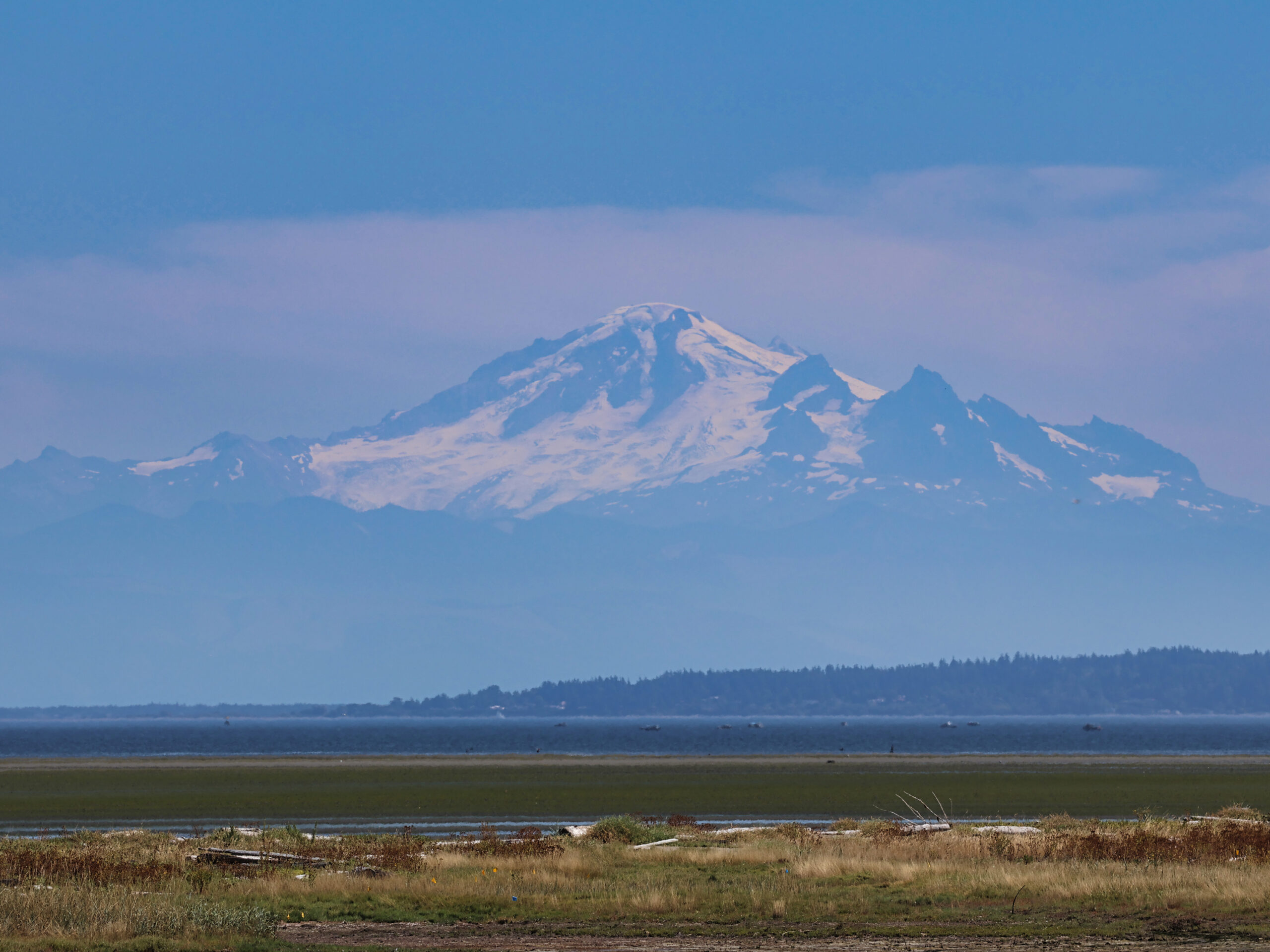
Mt. Baker looms over Boundary Bay and the tidal flats.
We had some better luck at Centennial Beach, with multiple types of shorebirds prowling the streams left in the wake of the extremely low tide, including yellowlegs, killdeer, semipalmated sandpipers and a lifer–a long-billed curlew. At least I think it’s a lifer, I don’t remember seeing one before and it has an extremely distinctive (and gigantic) bill that curves down. A couple of them were strolling about farther out. We ventured onto the tidal flats for a bit, but were wary of spooking them.
There were also a ton of grasshoppers basically everywhere. I was tempted to title this post “Day of the Locusts.” I got some decent shots.
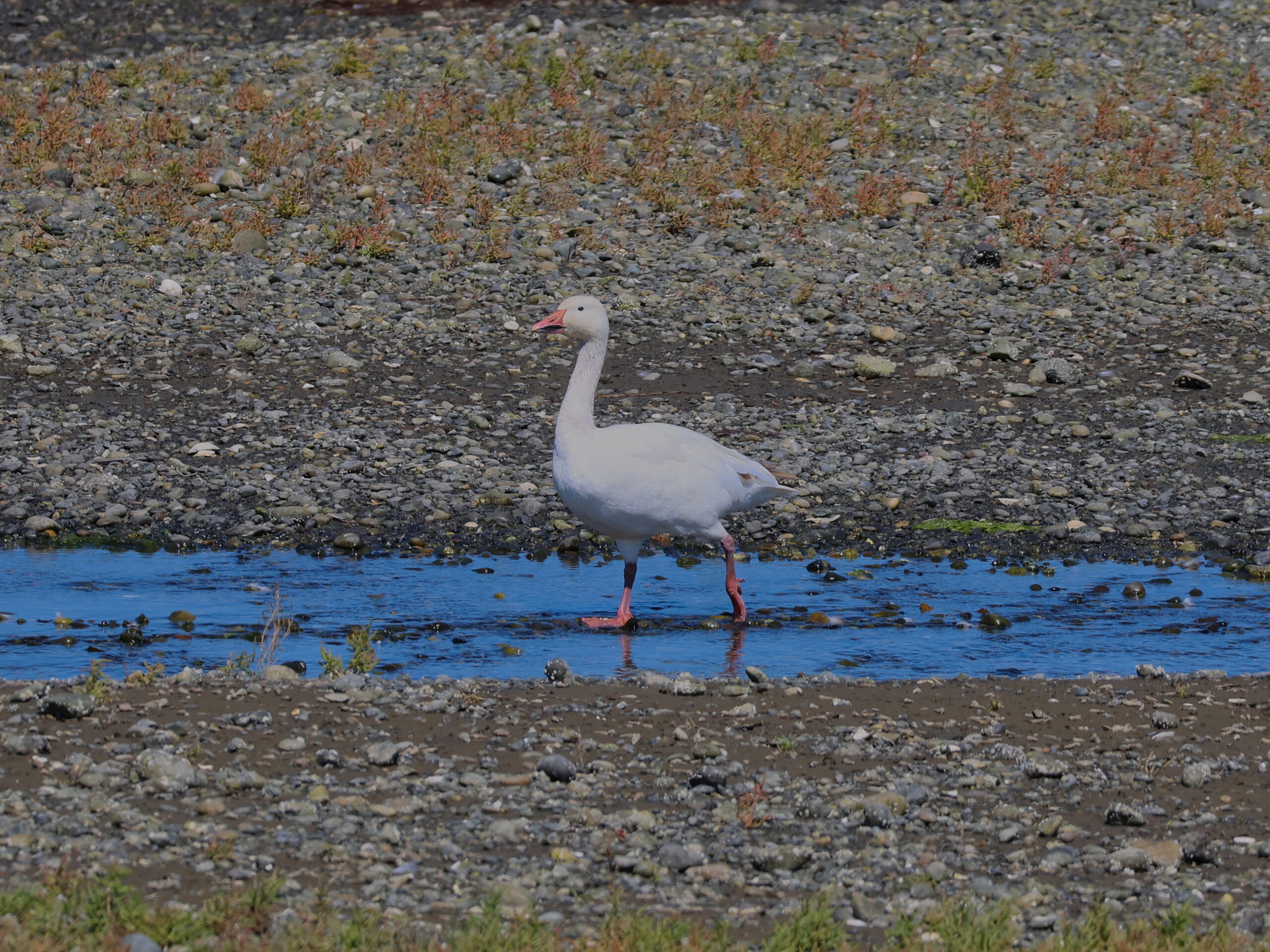
The other surprise was three snow geese in amongst a bunch of Canada geese. I did not have snow geese in August on my bingo card.
The raptor trail was raptor-deficient, however.
In all, the shorebirds made the trip worthwhile.
The Shots
Shot with a Canon EOS R7 with 18-150 mm kit lens and 100-400 mm telephoto.
A few shots:
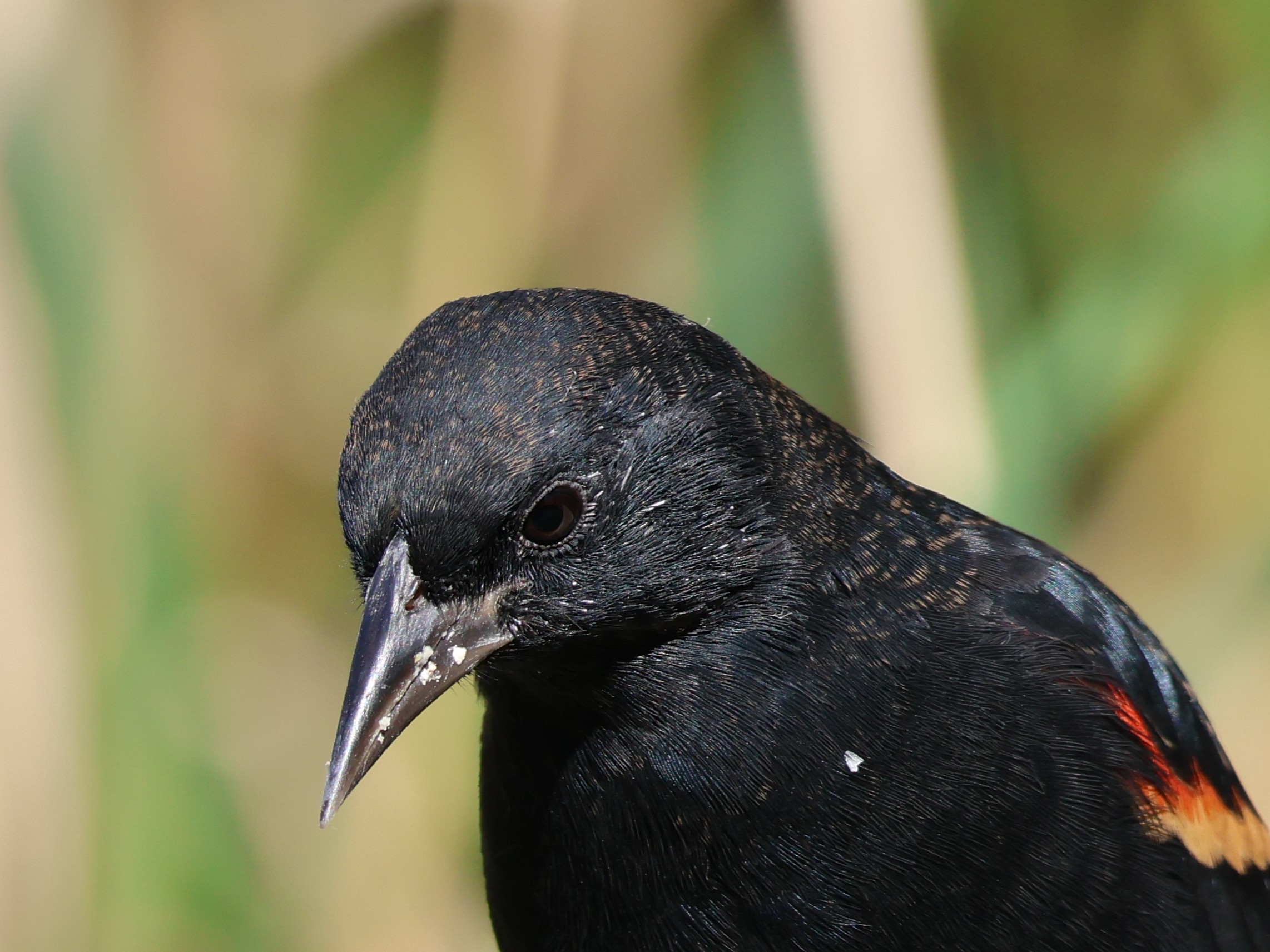
Blackbird up close and personal at Reifel.Snow goose in August.
The Birds (and other critters)
Sparrows and sparrow-adjacent:
Anna’s hummingbird
Black-capped chickadee
Brown-headed cowbird
Cliff swallow
European starlings
House sparrow
Red-winged blackbird
Waterfowl and shorebirds:
American coot (still not yet)
Canada goose
Killdeer
Great blue heron
Greater yellowlegs
Long-billed curlew (lifer)
Long-billed dowitcher
Mallard
Northern pintail
Northern shoveller
Semipalmated sandpiper (lifer, at least per Merlin)
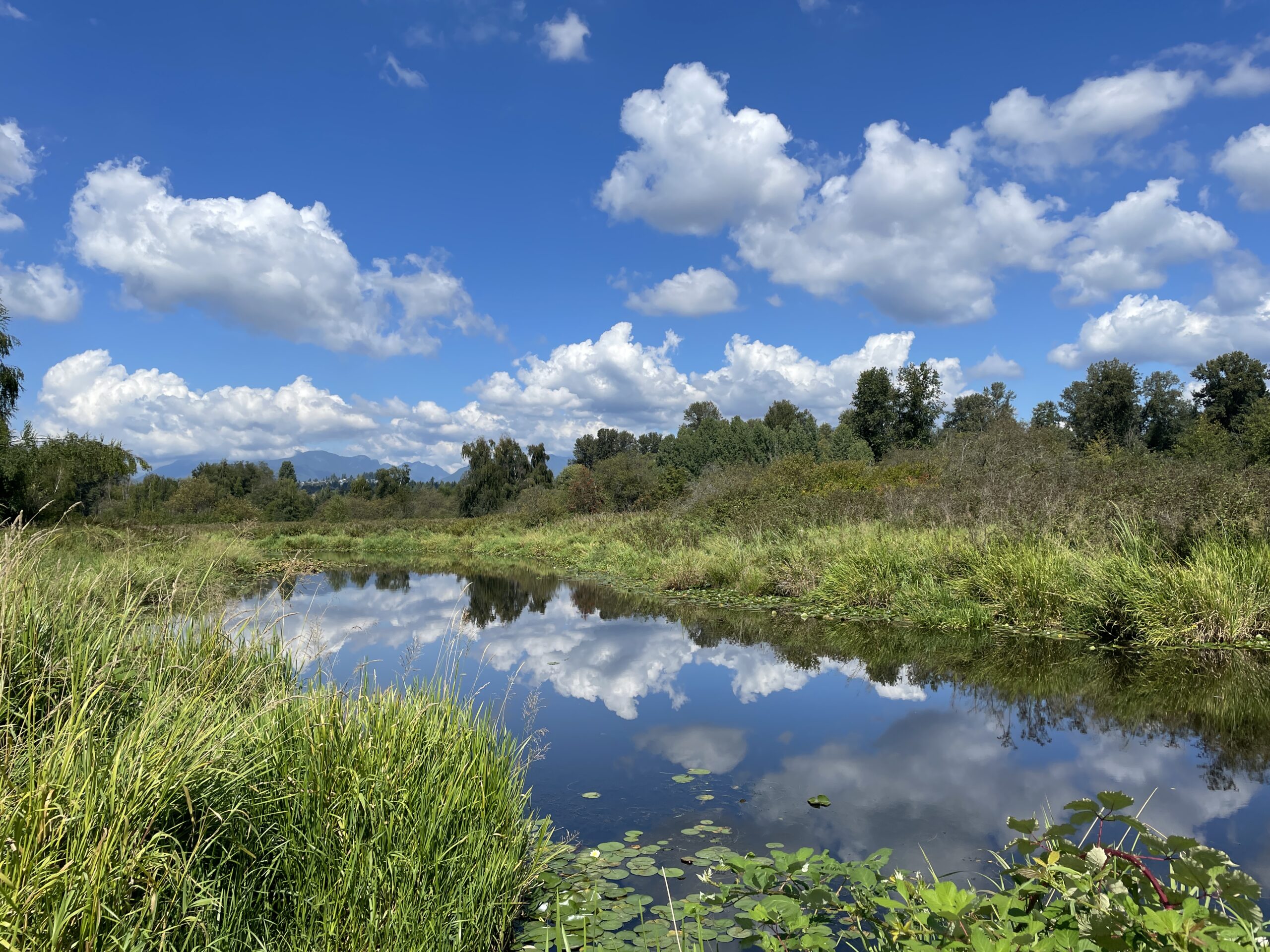
This is often one of the shots I post in my running updates. I didn’t yesterday, but I like the scene so much I am compelled to give it its own post. I love the green of the vegetation, the perfect blue of the sky, the puffy clouds, the perfectly reflecting water. And it’s all shot on a phone so old it makes Tim Cook sad.
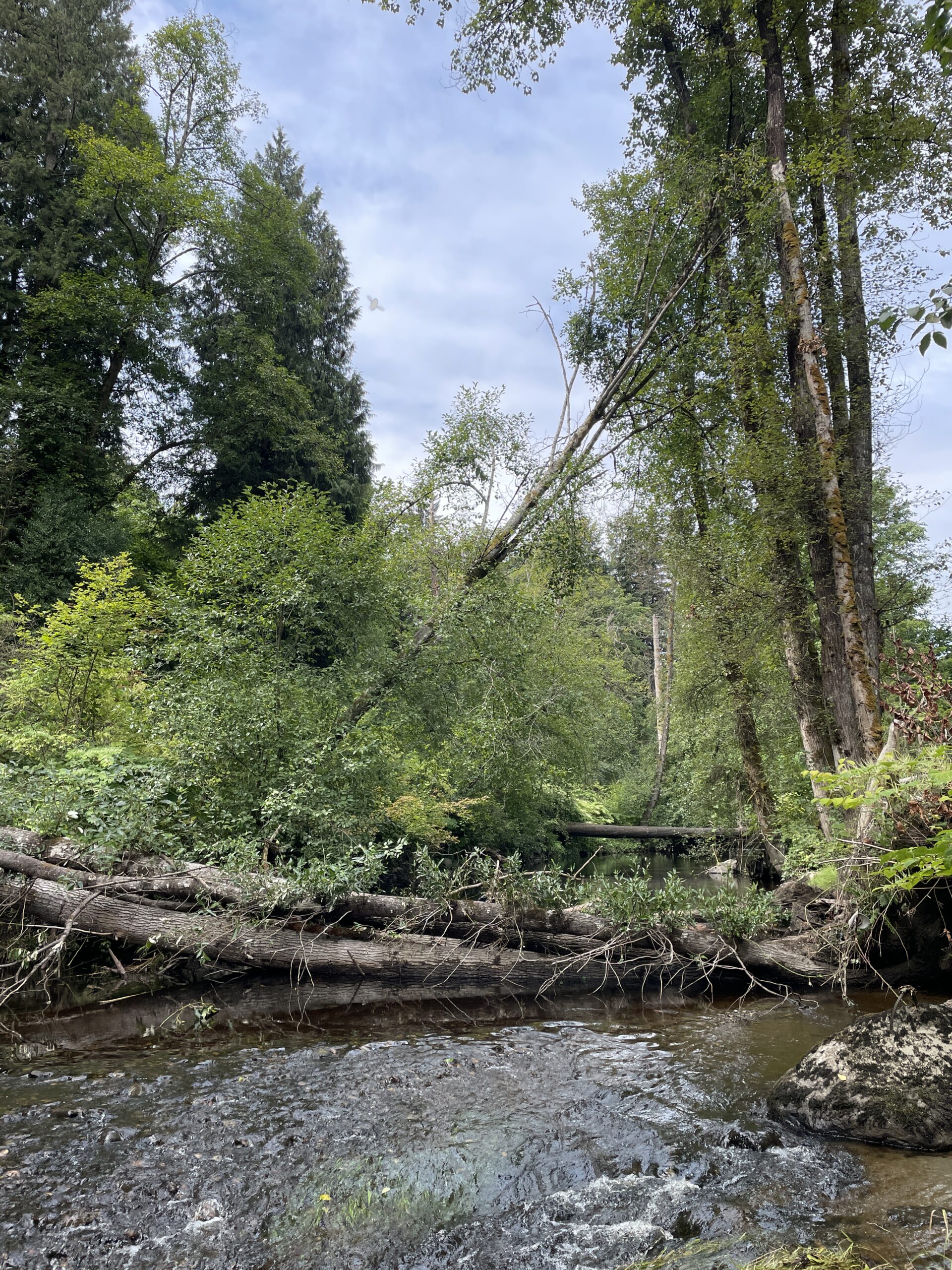
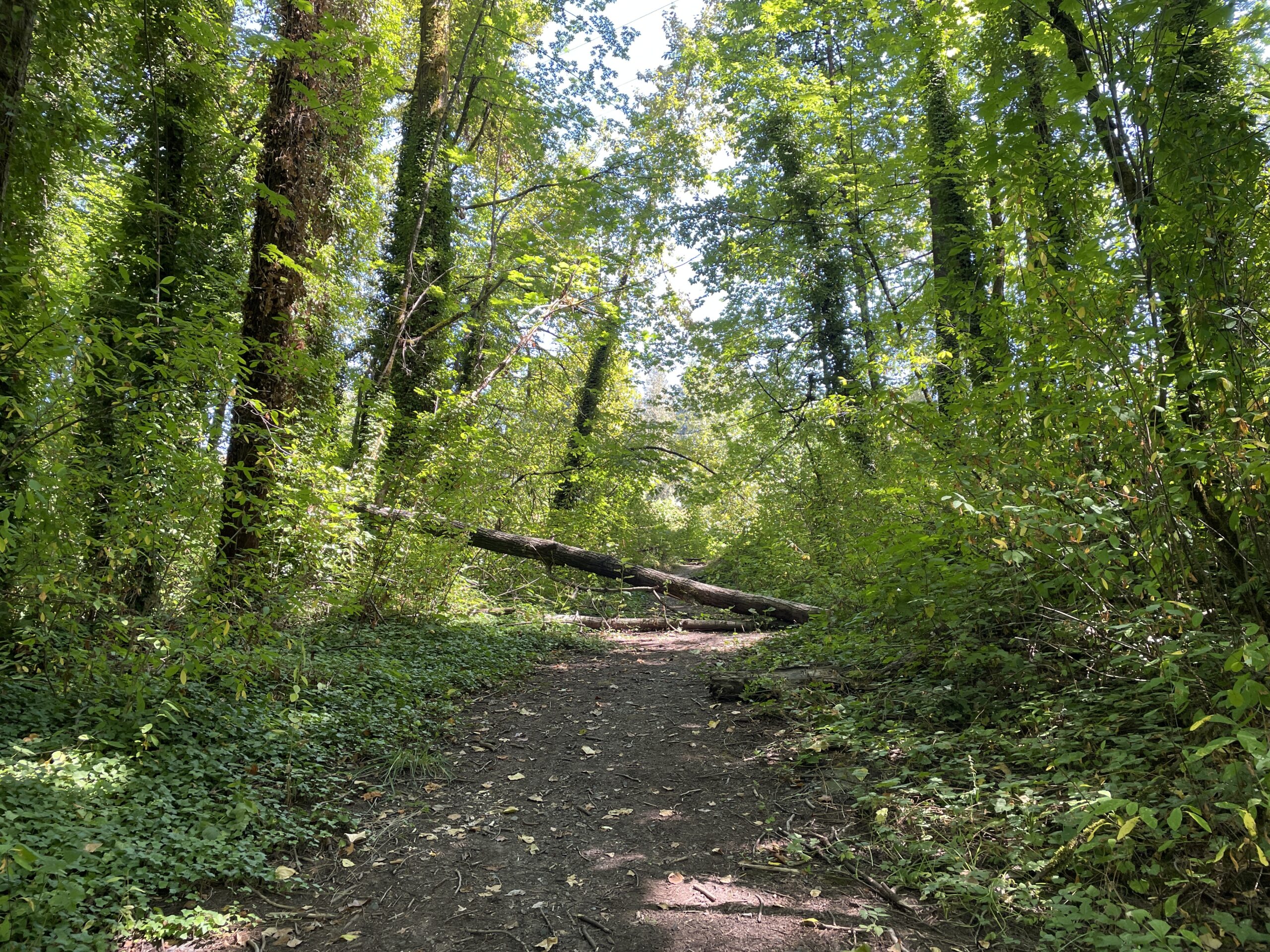
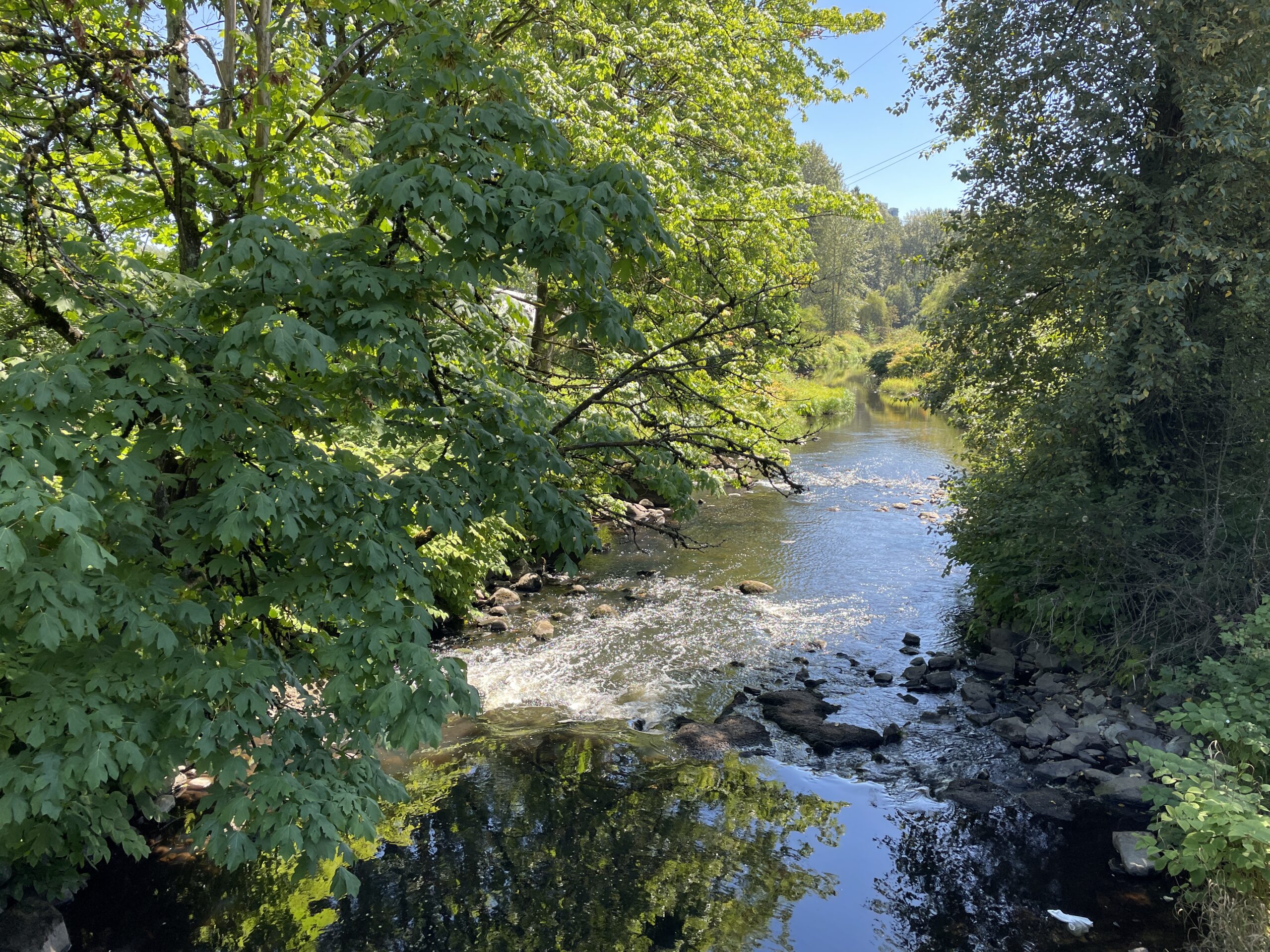
I don’t often shoot photos on my phone in portrait mode, which makes me a bit of an oddball, but here are three I took today when out on a stroll, using my iPhone XII.
All the fallen trees.The river enveloped in lush greenery.Bonus ducks.
Where: Piper Spit, Burnaby Lake (Burnaby), Tlahutum Regional Park (Coquitlam)
Weather: Sun and clouds, 19-22°C
Piper Spit
View from the turtle nesting area. Not seen: turtles, as always.
Although several naughty humans were feeding seed to the birds, which has been banned all summer (and reinforced my many signs all over the place), there were still relatively few around. We did not see geese, blackbirds or any fall migrants. It is also true it is not fall yet. Perhaps the migrants know this, too.
But we did see a scruffy little young song sparrow and an even more adorable baby cedar waxwing, which still had a lot of down, but already sported a proto face mask. It was kind of hiding in the bushes, which is probably a wise thing for its age.
The waterfowl largely consisted of mallards and wood ducks, and they mostly stayed well away from the pier. If it hadn’t been for one very splashy duck, I might have taken more shots of butterflies and bees.
But the trip was worth it for the babby waxwing.
Tlahutum Regional Park
Coquitlam River, fuller than last week thanks to heavy rain the day before.
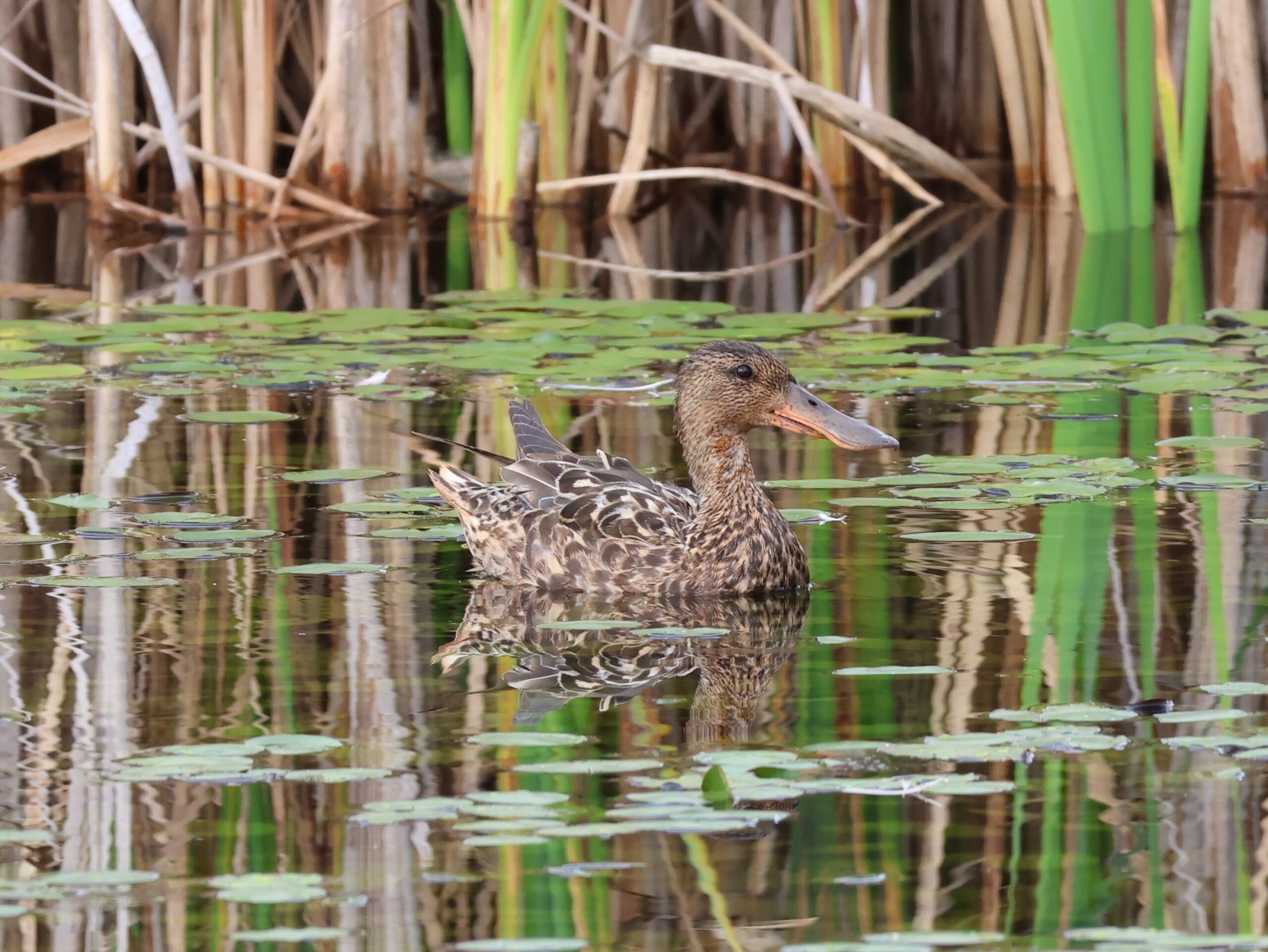
There were even fewer birds at Tlahutum, though we did see some kind of raptor flying way overhead, and a lone female northern shoveller in the main pond. I shot a lot of flowers here, which have the bonus of not flitting around, unless it’s really windy.
And that was about it! Our outing was shortened by foul (not fowl) weather in the morning and by an event Nic was attending in the early evening, yet I somehow still managed over 25,000 steps as I type this.
I think there is a decent chance we’ll see at least one fall migrant the next time we are out. Coots are imminent.
The Shots
Shot with a Canon EOS R7 with 18-150 mm kit lens and 100-400 mm telephoto.
A few shots:
Northern shoveller in the main pond at Tlahutum Regional Park.One of many pollinators seen in the community garden.
Where: Tlahutum Regional Park (Coquitlam), Blakeburn Lagoons Park (Port Coquitlam), Traboulay PoCo Trail/DeBoville Slough (Port Coquitlam)
Weather: Sunny, 25°C
Tlahutum Regional Park
Coquitlam River.
For a change of pace, we started at Tlahutum and Nic managed to get a shot of what might be a Calliope hummingbird. Merlin was not sure and neither are we.
Despite being morning, it was already fairly warm, but also kind of muggy. This would be the unofficial theme of the day. Also the official theme of the day.
The other official theme of the day was yet to come–more on that below.
We actually did not see a lot of birds at Tlahutum, but we shot many pollinators, giant, scary sunflowers and the scenery.
The highlights were a pair of raptors, an osprey that generously flew right overhead, and a turkey vulture, which is a bird I rarely see. It did not fly directly overhead, but if you zoom in, you can clearly see its turkey-like head.
Blakeburn Lagoons Park
One of the Blakeburn Lagoons, possibly with a green heron hiding somewhere in it.
We went to Blakeburn because a green heron has been seen there, and we wanted to get award-winning photos of it. We did see it, briefly, flying across a lagoon, never to be seen again. The animal signs at each viewpoint tease a number of species we’ve never seen, though to be fair, most of them are not birds. We consoled ourselves with scenery, some ducks and then headed out again.
Traboulay PoCo Trail/DeBoville Slough
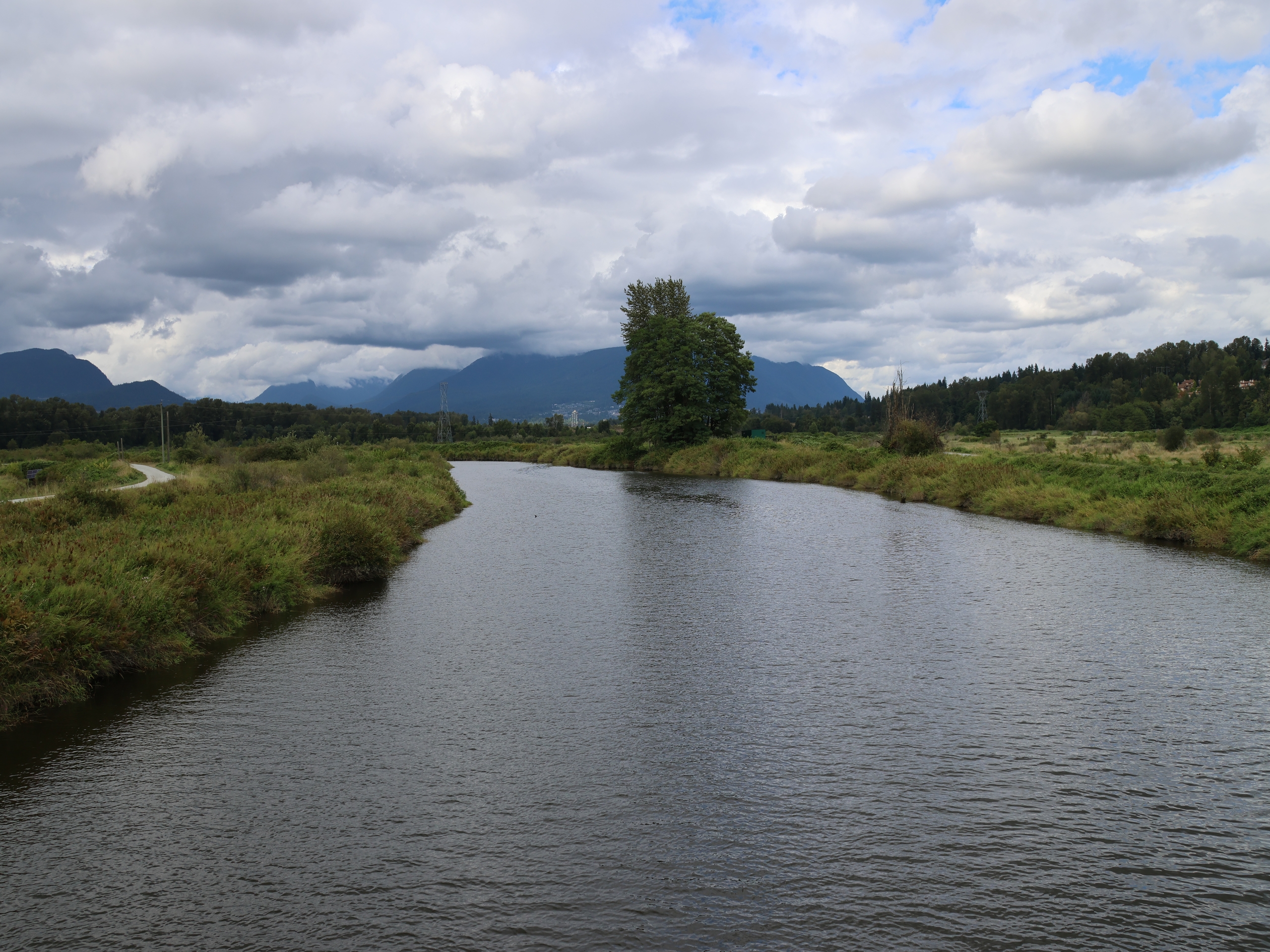
Mountains and fields to the north and west of the Pitt River.
Today we ventured all the way up the trail and hooked a right to the viewing platform at the end overlooking the Pitt River, before heading back.
It was here that we encountered the other official theme of the day: flycatchers, and plenty of them! They were in abundant numbers and often surprisingly close, so we had no issue getting good shots. There were also multiple kingbirds showing themselves, too.
At one point, a goldfinch appeared and briefly landed on tall grass right in front of us–so close that I didn’t have time to focus on it before it thought better of where it was and took off. Alas.
At one point we saw several people, including someone with a VLL1very long lens, all looking off to the side of the trail toward some trees. We approached, wondering what exotic birds had captured their attention. But surprise twist, it was actually a young black bear, well up a tree and looking somewhat unsure of itself, or maybe very sure of itself. I can’t read bear faces well. It was gone by the time we returned, so I assume it was just exploring and having some fun. We also saw a significantly larger back bear, but it was trundling along in a field and was not interested or really close enough to eat tasty humans. Note to future bears: I am not tasty.
We saw more ospreys here, along with a good number of purple martins, so it proved to be a fruitful, if long and sweaty trek. Plus, the scenery is always nice, especially when the jet skis get out of hearing range.
The Shots
Shot with a Canon EOS R7 with 18-150 mm kit lens and 100-400 mm telephoto.
A sand wasp, to prove I took more than just scenery shots!
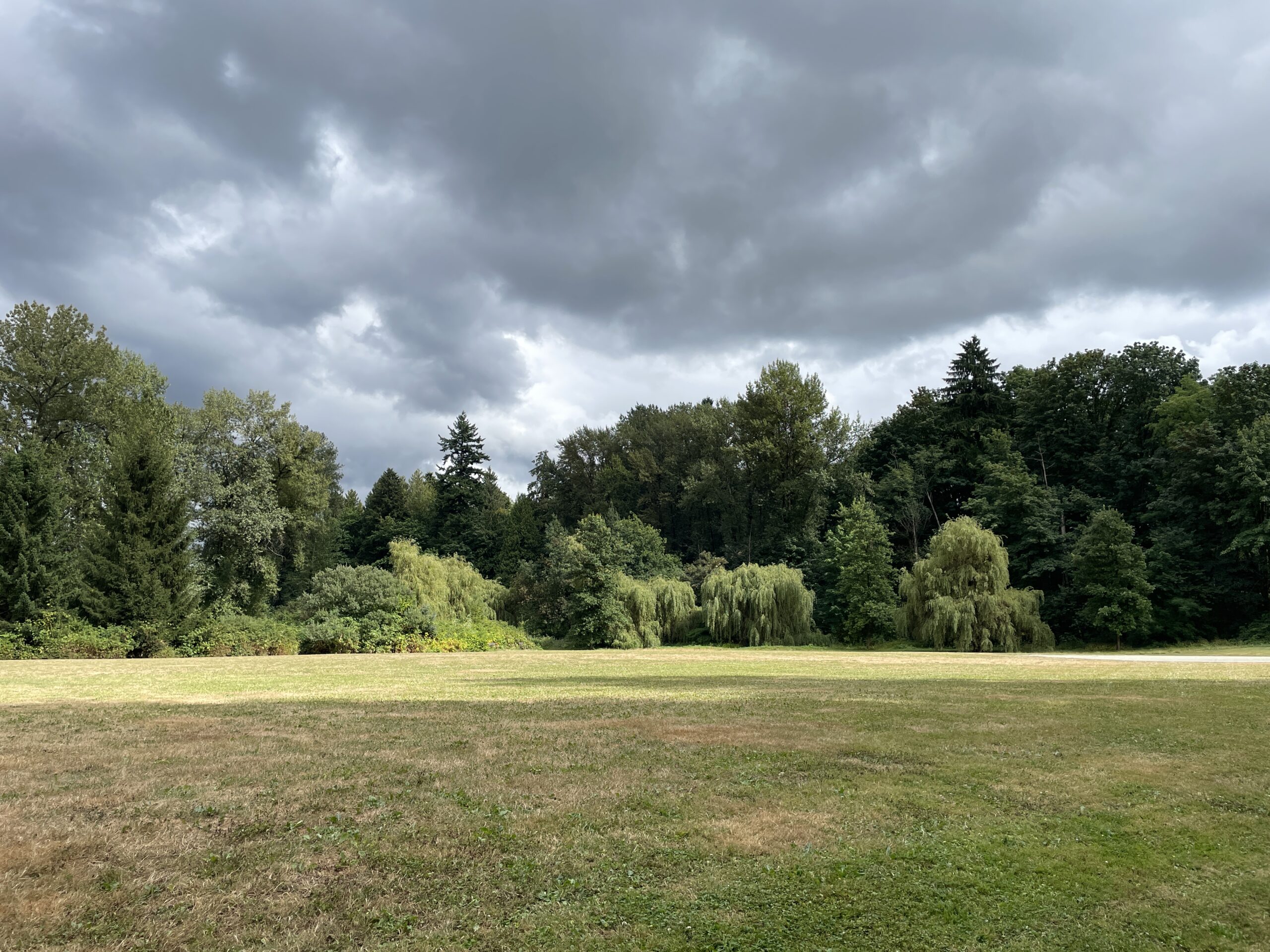
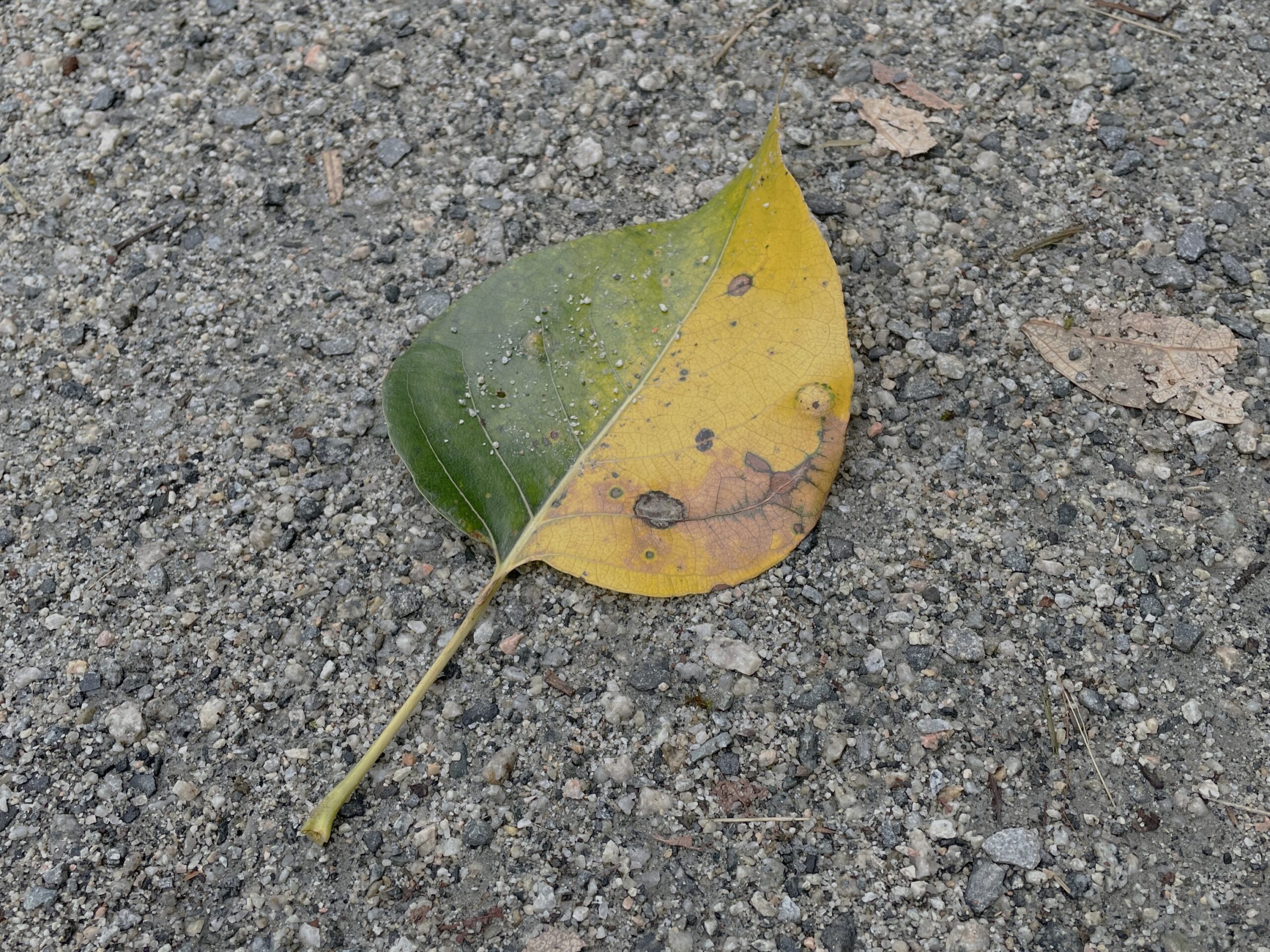
Brunette River, with nicely textured clouds in the background.Lower Hume Park, with sun and shadow. Look closely, you can see the lone tree from the above shot.A leaf undecided on whether it’s summer or fall.