Yes, I am back from the world of barfing, barfing and then barfing just a little more.
I was able to get out and aboot today (to a doctor appointment, ironically), and took a few photos. Here they are!

Photos I’ve taken of scenery, interesting objects and other things.
Yes, I am back from the world of barfing, barfing and then barfing just a little more.
I was able to get out and aboot today (to a doctor appointment, ironically), and took a few photos. Here they are!
Where: Reifel Bird Sanctuary (Delta), Centennial Beach (Delta), Burnaby Lake (Burnaby)
Weather: Partly sunny, 12-16°C
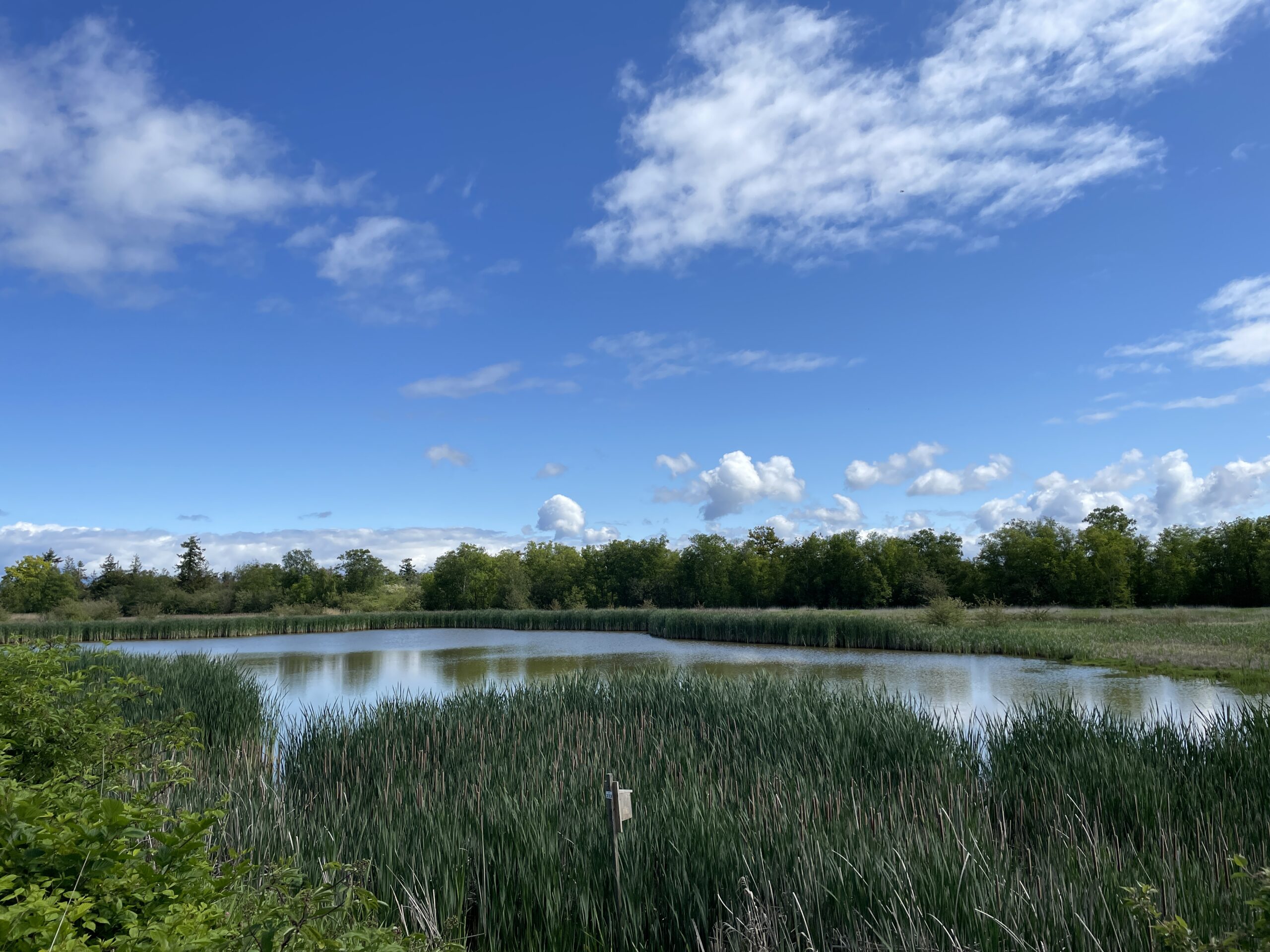
Today’s birding was X-rated, due to everything from dragonflies to swallows and sandhill cranes were getting it on. It was quite scandalous.
We started out at Reifel, where it seemed like most of the people there were Serious Birders and Their Very Gigantic Lenses. Even my 400 mm lens started feeling puny. On the other hand, I don’t have to stand 500 m away from a bird to get a shot.
We saw some baby ducks, which was fun, along with more goslings. Several male cowbirds were working it hard on the females, but the women were just not impressed.
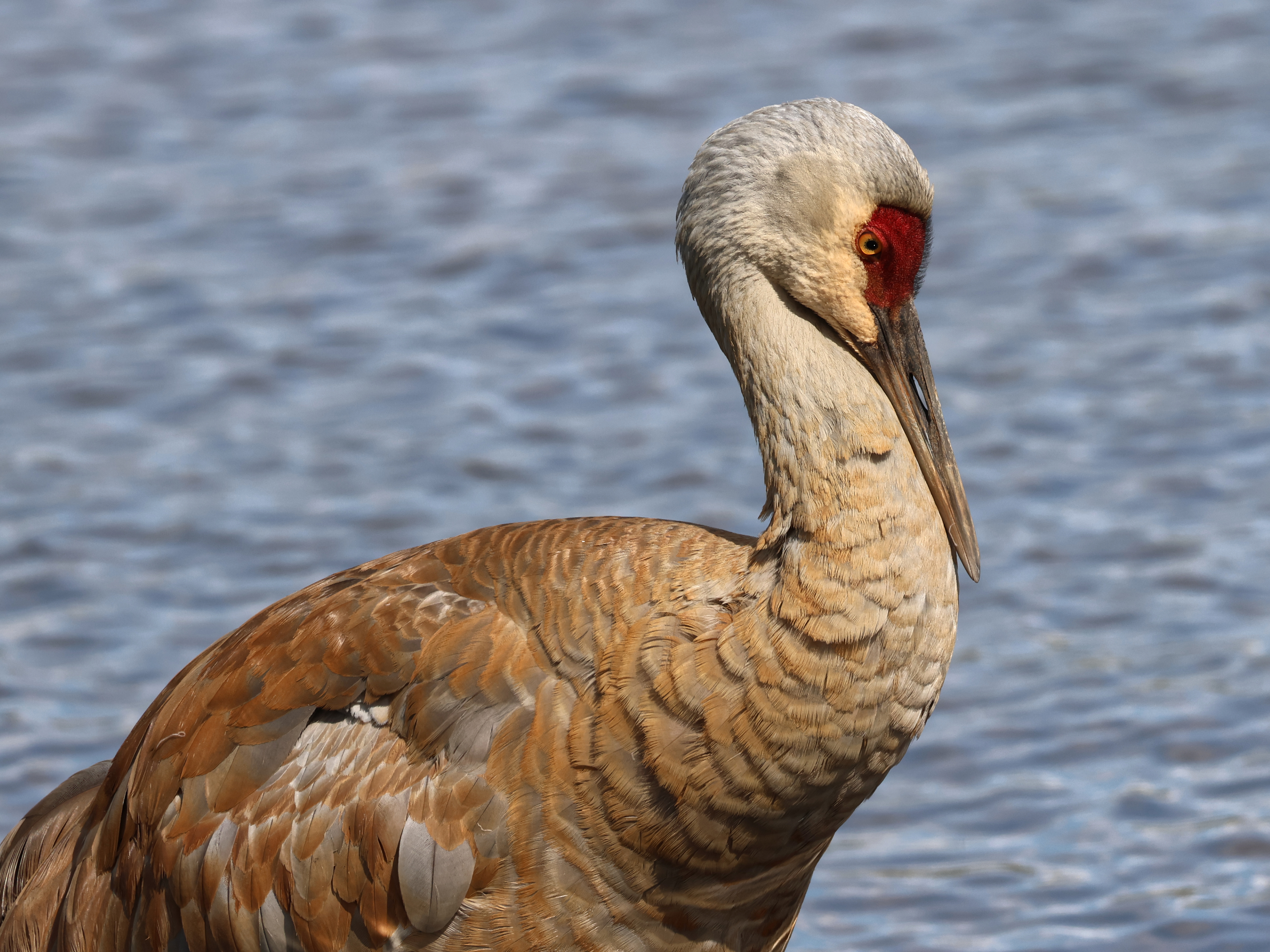
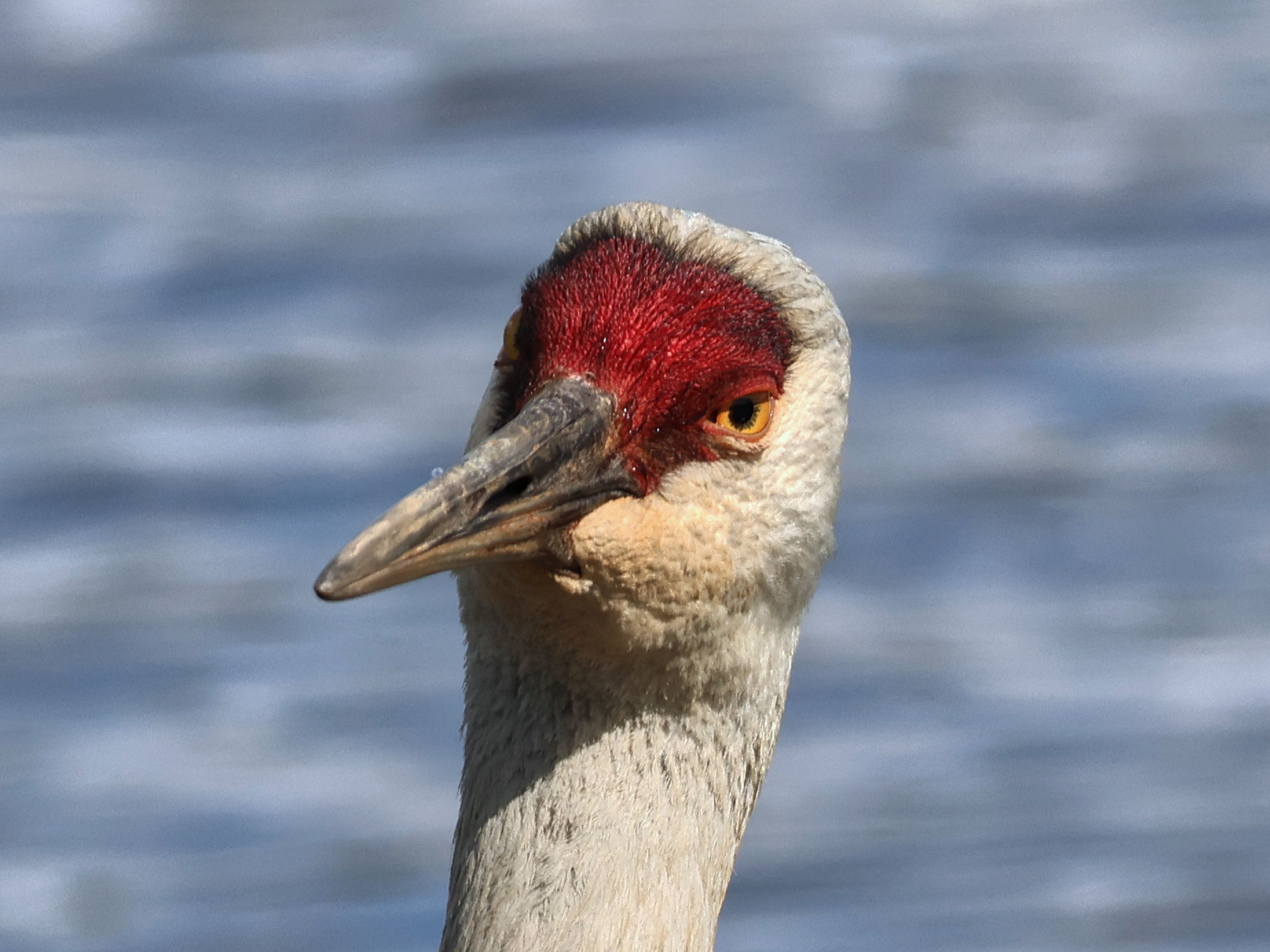
In news both sad and horny, the Sandhill cranes have already abandoned their island nest, which has since been claimed by a goose as they expand their honking empire across the sanctuary. This likely means that any chicks they had did not survive. Undeterred, we witnessed them engage in a spontaneous (to us) mating ritual, so perhaps they are priming to try once again. Good luck, cranes!
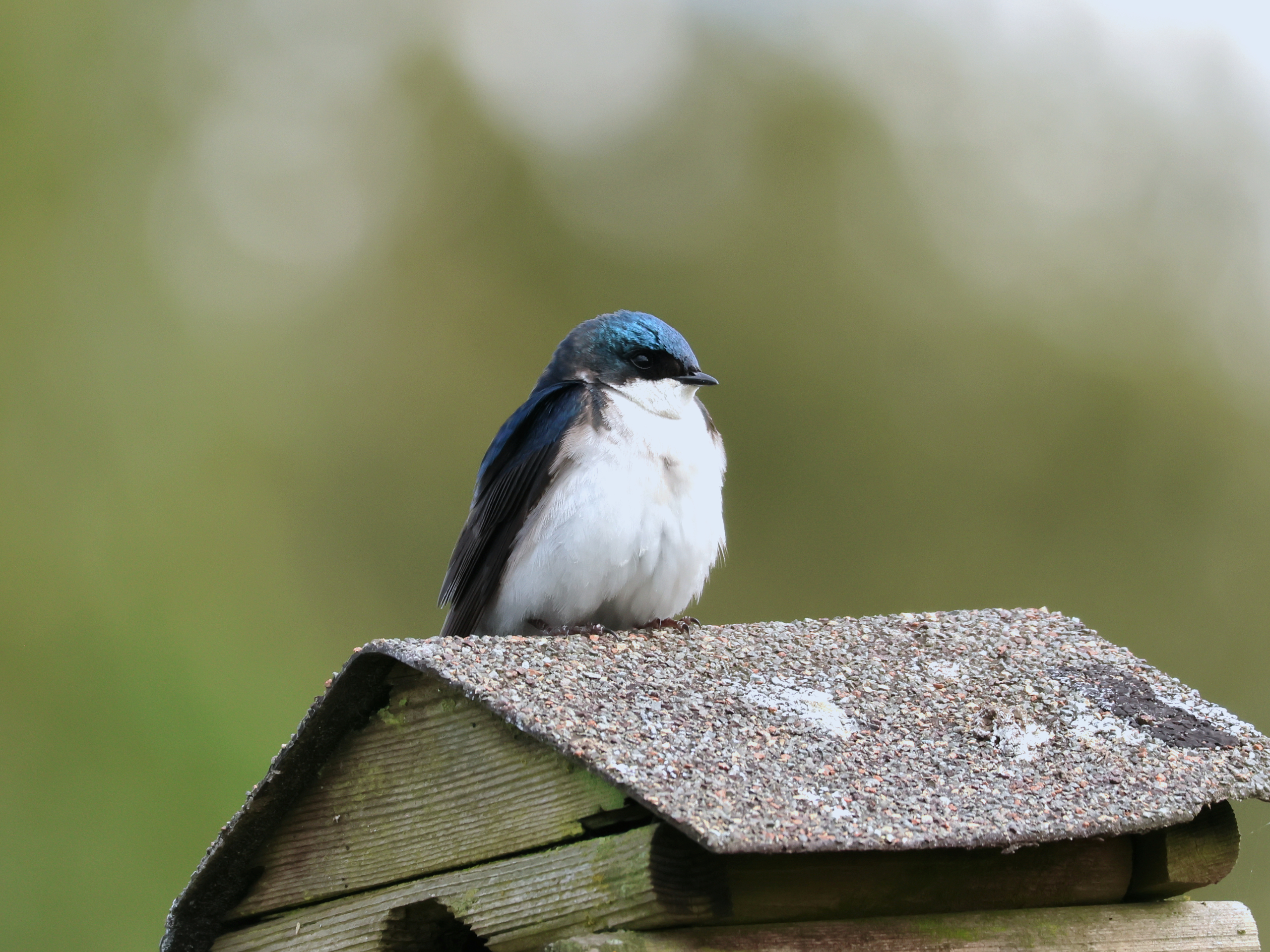
Not to be left out, a pair of tree swallows did the nasty in a tree, which is the logical place for birds to make out. There was no fuss or muss here, just some very quick action, then each went about their business.
Shorebirds were finally spotted again in one of the big ponds–dowitchers, it looked like–but they were far off. Boo. And we only saw a single heron, which matches the number of turtles we saw as well.
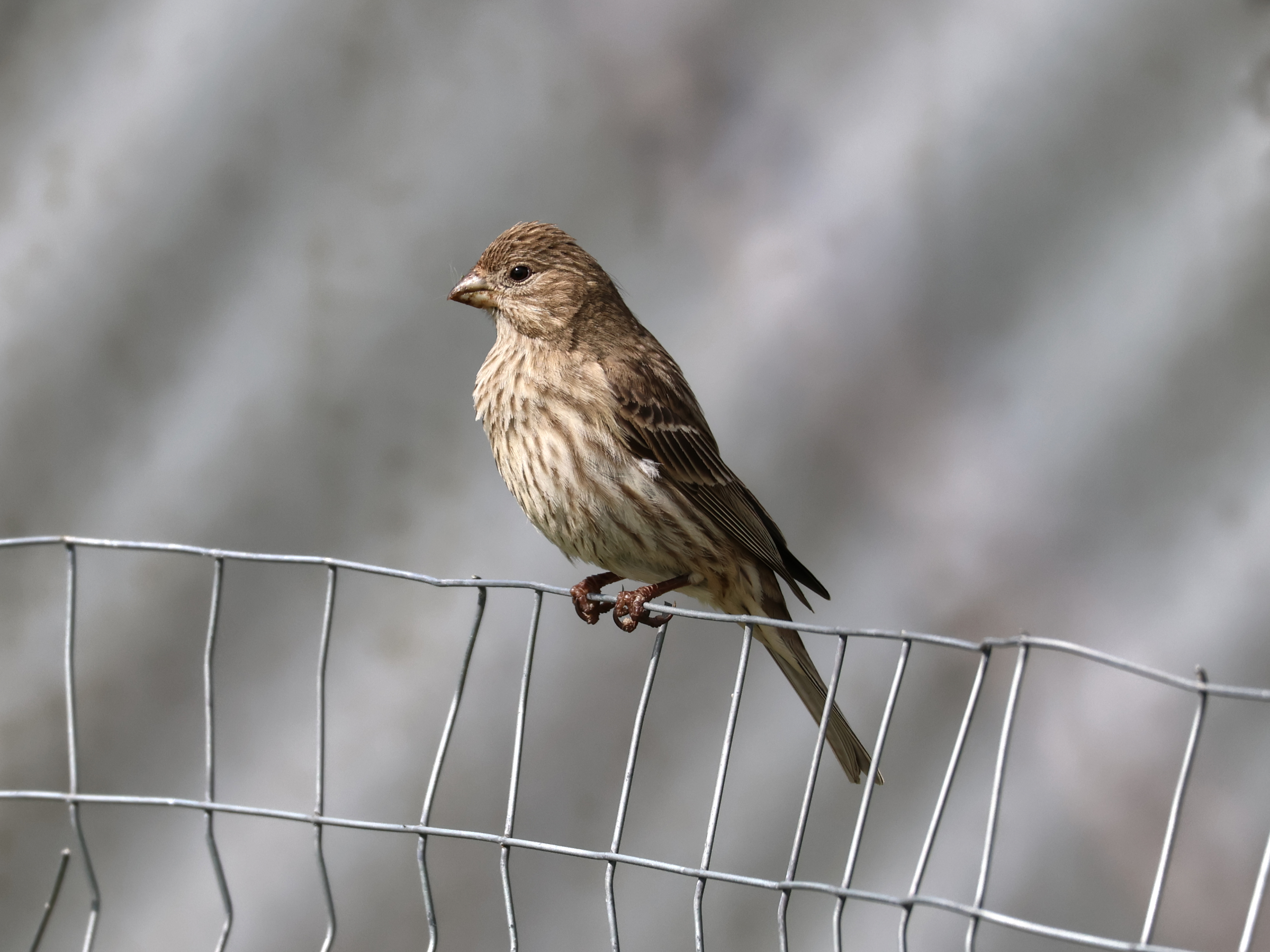
In the cute department, apart from all the babbies, was a house sparrow fledgling, eating alongside a possible parent and looking delightfully scruffy.
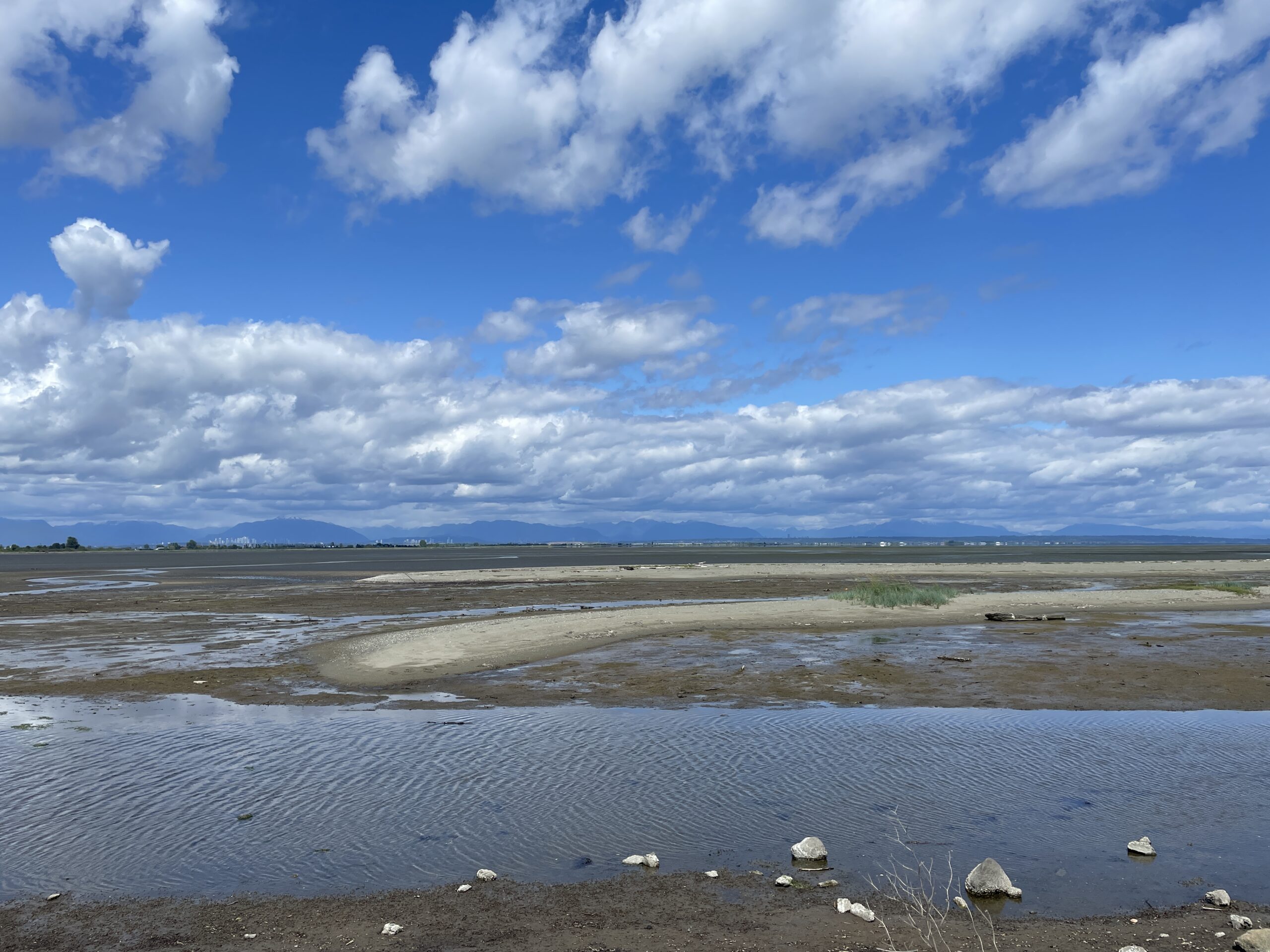
The tide was extremely low, so the odds of seeing shorebirds here were also extremely low, but we did see a single killdeer, more baby ducks and a crow amusing itself by dropping some manmade thingamabob from high up above the rocky beach.
We also saw a house sparrow nab a crunchy winged insect of some sort atop a concrete block near to us.
I actually can’t recall seeing much else. It was one of the least bird-filled visits to Centennial in recent memory.
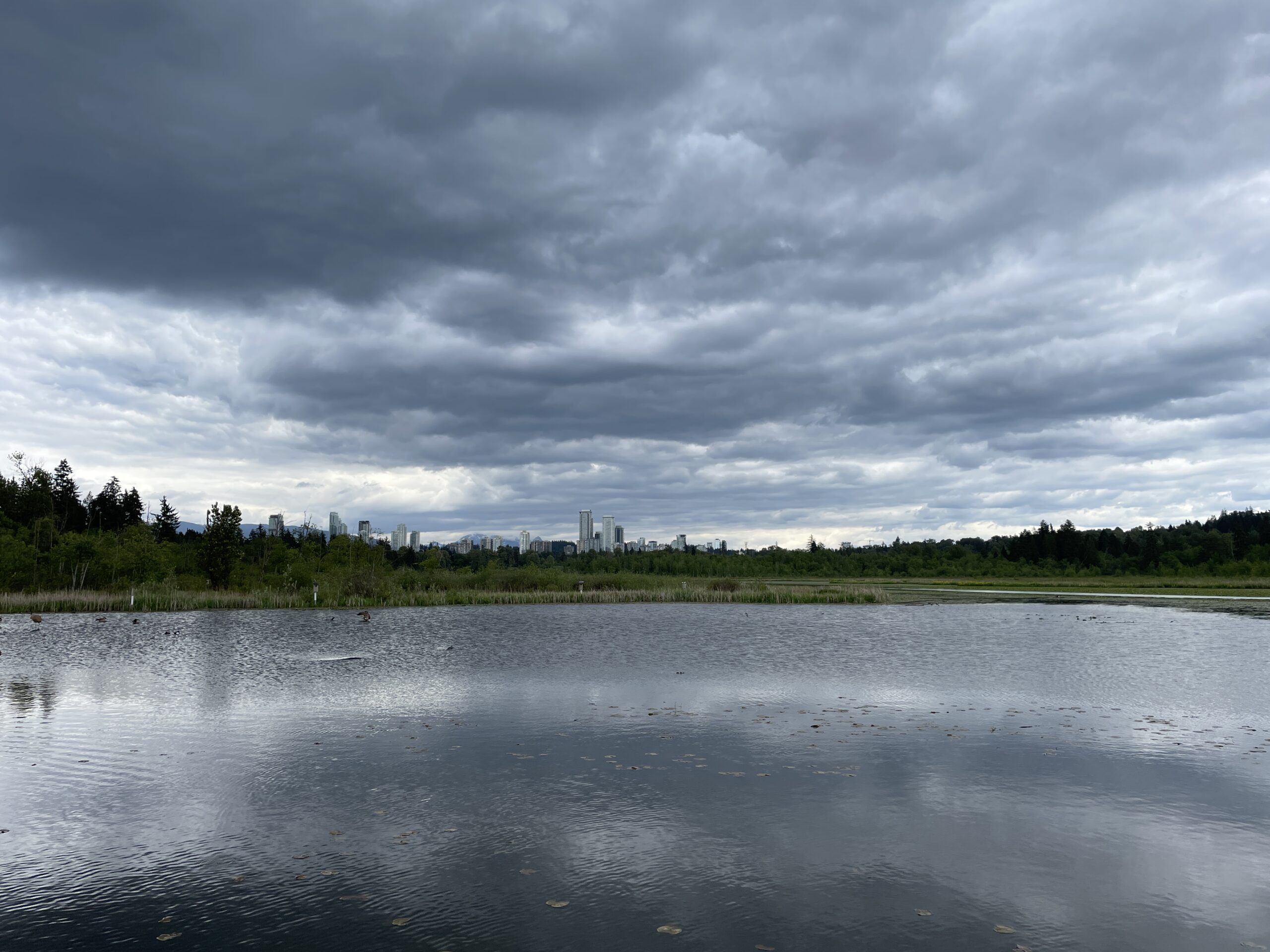
We ended at Piper spit and by this time, the sun was mostly covered by clouds, the wind had picked up and the No Bird Feeding Due to Bear in Area sign was up, which everyone obviously ignored.
It was too late to visit the Nature House by the time we arrived, due to Google Maps sending us on a very indirect route from Centennial Beach, but we did see about a billion more goslings, the Sandhill crane was present yet again (though standing in bad light) and more cowbirds were trying to get it on.
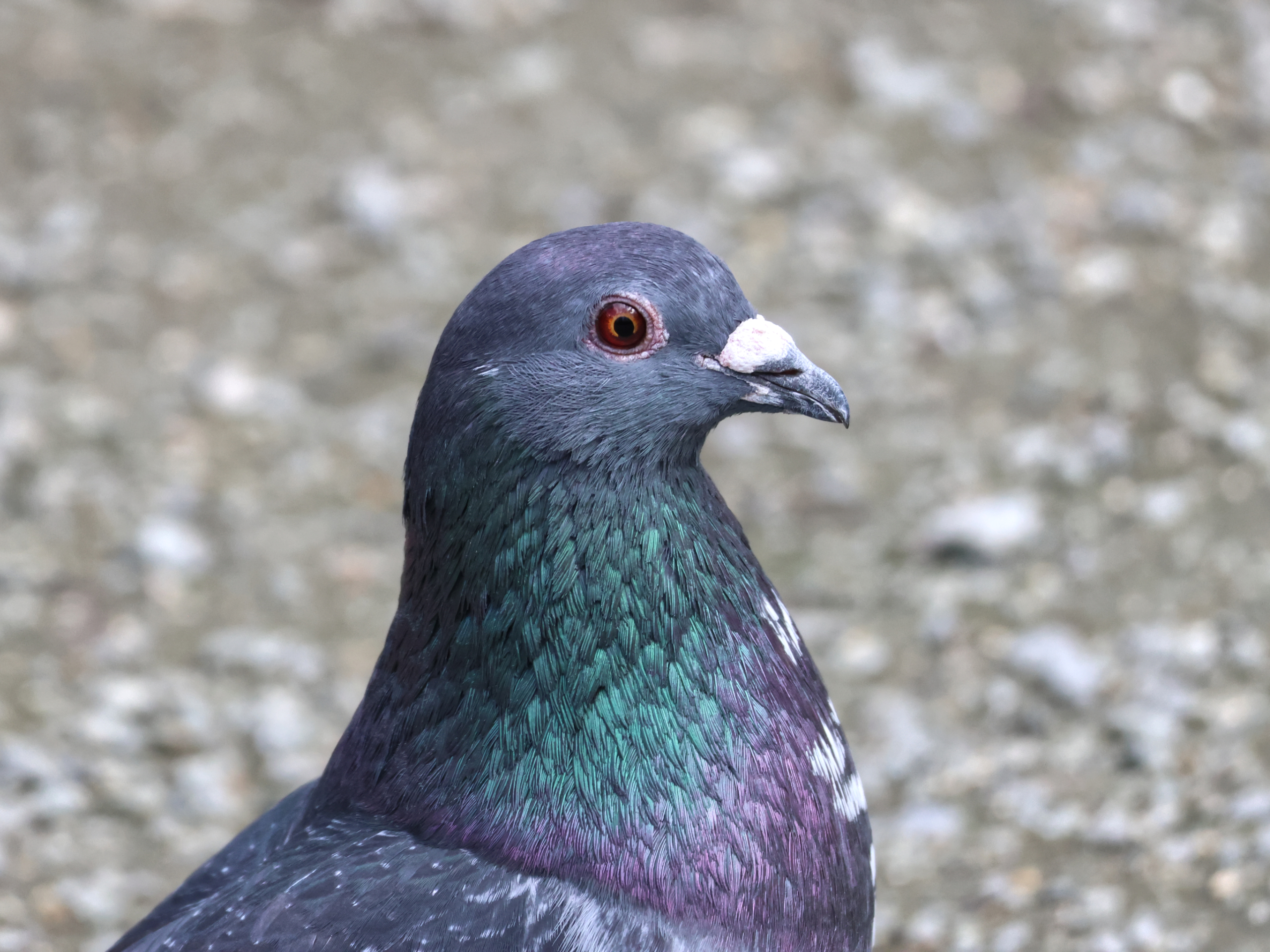
The lake level was way up after recent showers, so shorebirds were absent yet again. We had to make due with pigeons, a squirrel and the usual waterfowl.
Overall, it was a fine outing, and I got some snazzy shots, particularly at Reifel, where I had my R7 out for the first time..
Shot with a Canon EOS R7 with 18-150 mm kit lens and 100-400 mm telephoto.
Sparrows and sparrow-adjacent:
Waterfowl and shorebirds:
Common:
Raptors:
Non-birds:
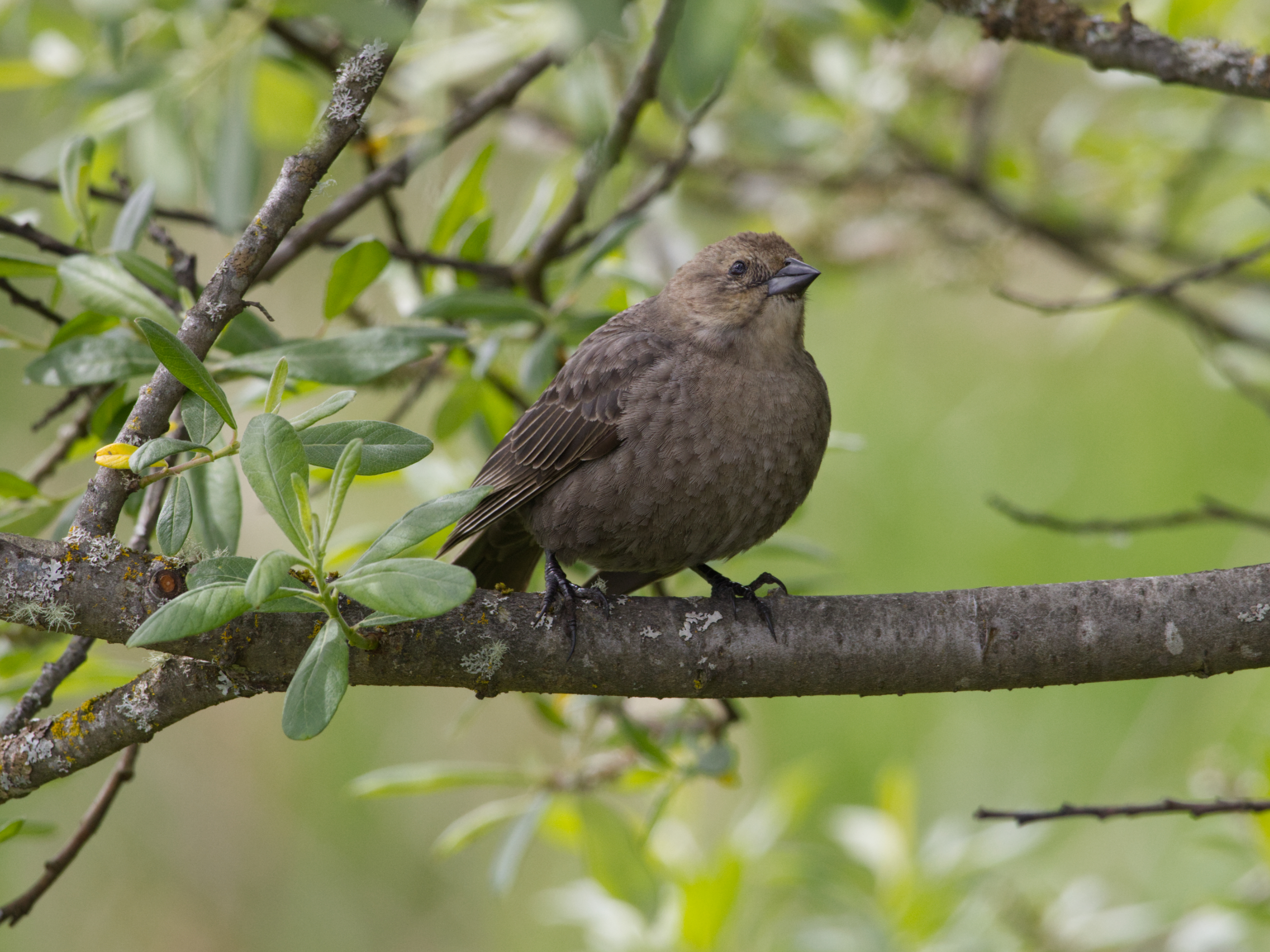
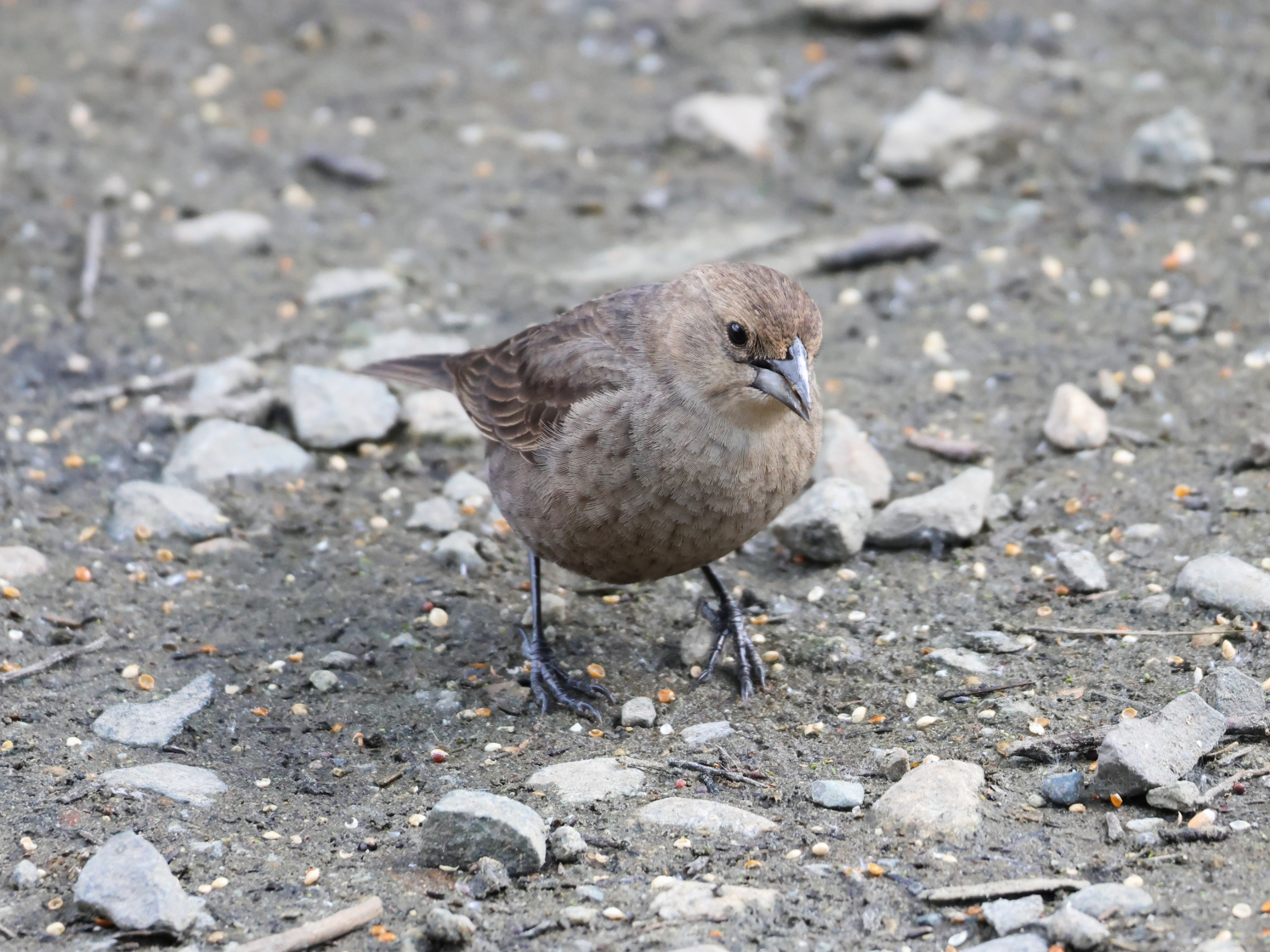
I’m late posting my latest batch of birb photos, but here’s one I have ready, a female cowbird taken at Piper Spit. The rest in the next few days.
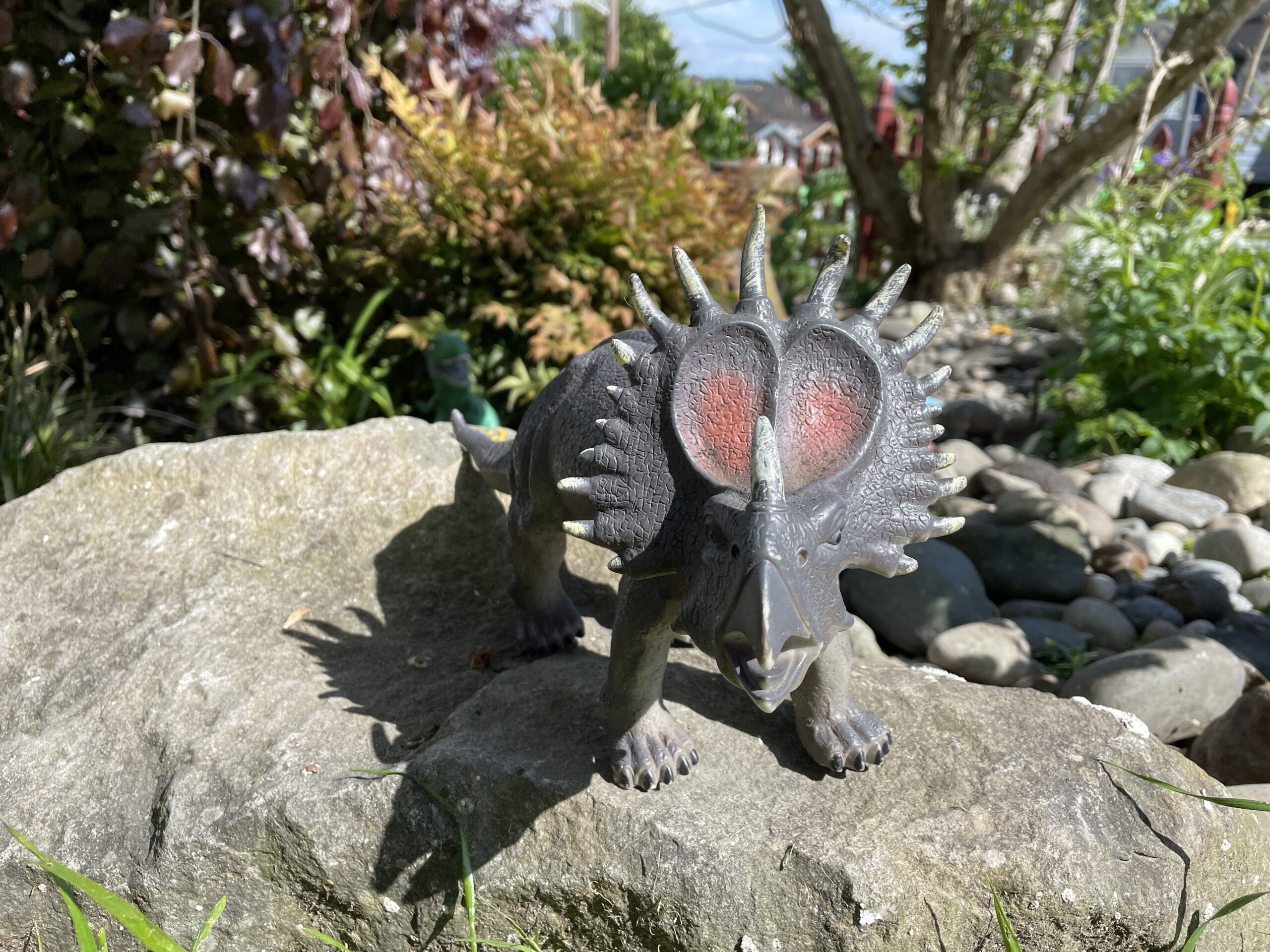
The neighbours down the street change up the figures a lot. I especially like the dramatic angle on this one.
Where: Maplewood Flats (North Vancouver), Tlahutum Regional Park (Coquitlam), Burnaby Lake (Burnaby)
Weather: Partly sunny, 15-16°C
This was the second outing with my Canon EOS R7 and this time I turned on subject detection and cleverly set it to Animal (rather than People or Vehicle). It actually worked quite well, and didn’t prove a hindrance when taking the occasional non-animal shots, too.
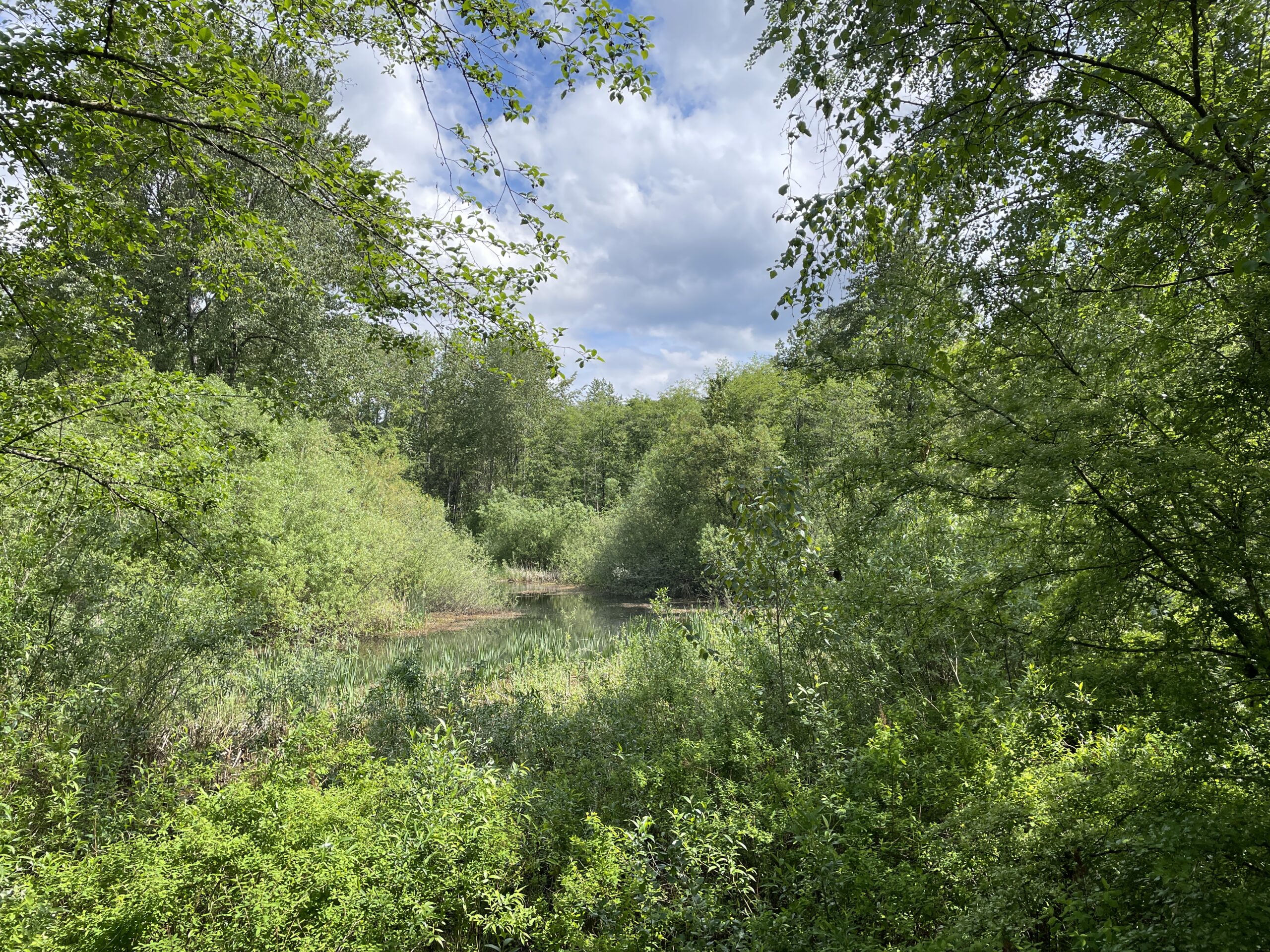
It had been a while since I’d been to Maplewood Flats, but alas, there were not many birbs about and the few that were proved elusive.
However, we did see our first official ducklings of the season! We also saw a gull trying to handle a crab it had acquired along the shoreline, another gull proudly flying off with a rather large bivalve of some sort clenched in its bill, plus a few herons in the distance and a cormorant, also way off, drying off. It didn’t help that the tide was very low, so the effective shore was way out there.
I also took photos of a dog on the beach, for lack of other subjects. It was a nice dog.
The scenery was very lush and pretty, though, which is why this post is titled as it is.
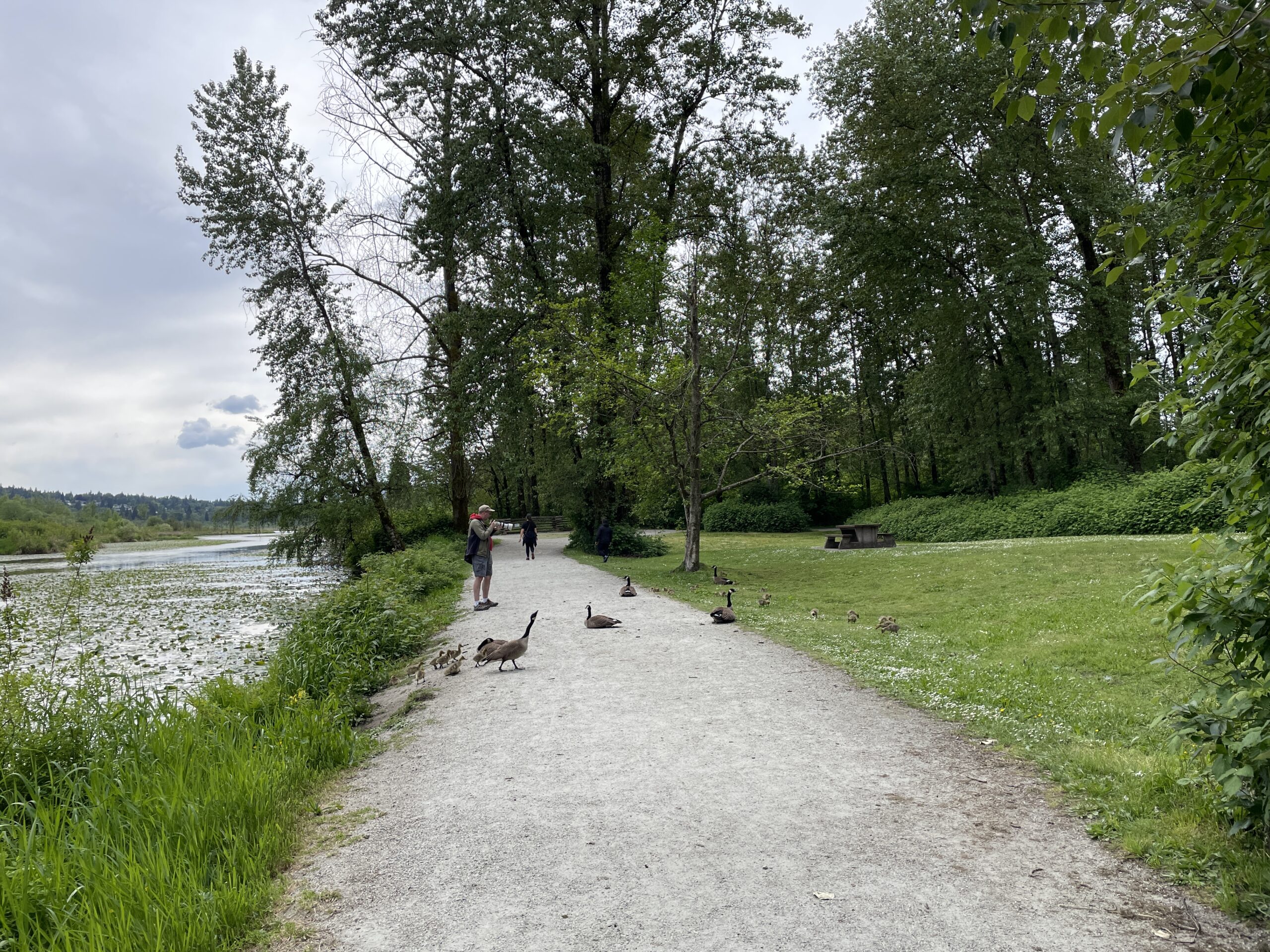
The land mass is slowly expanding again, but the list of birds is not. All winter migrants have left and other than a few darting swallows, the only spring arrivals present were the cowbirds. The female cowbirds are quite pretty, though, even if they are nest interlopers.
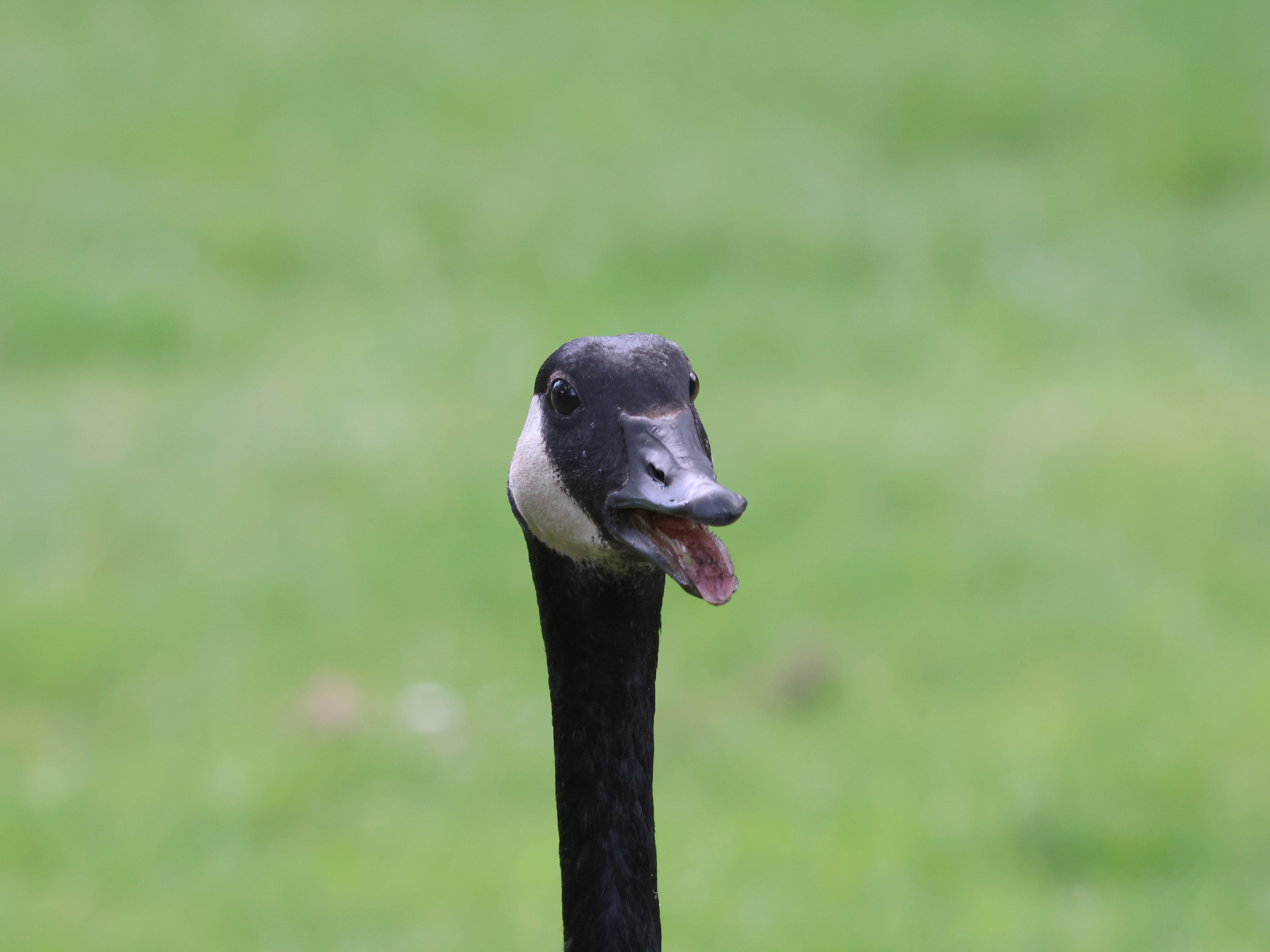
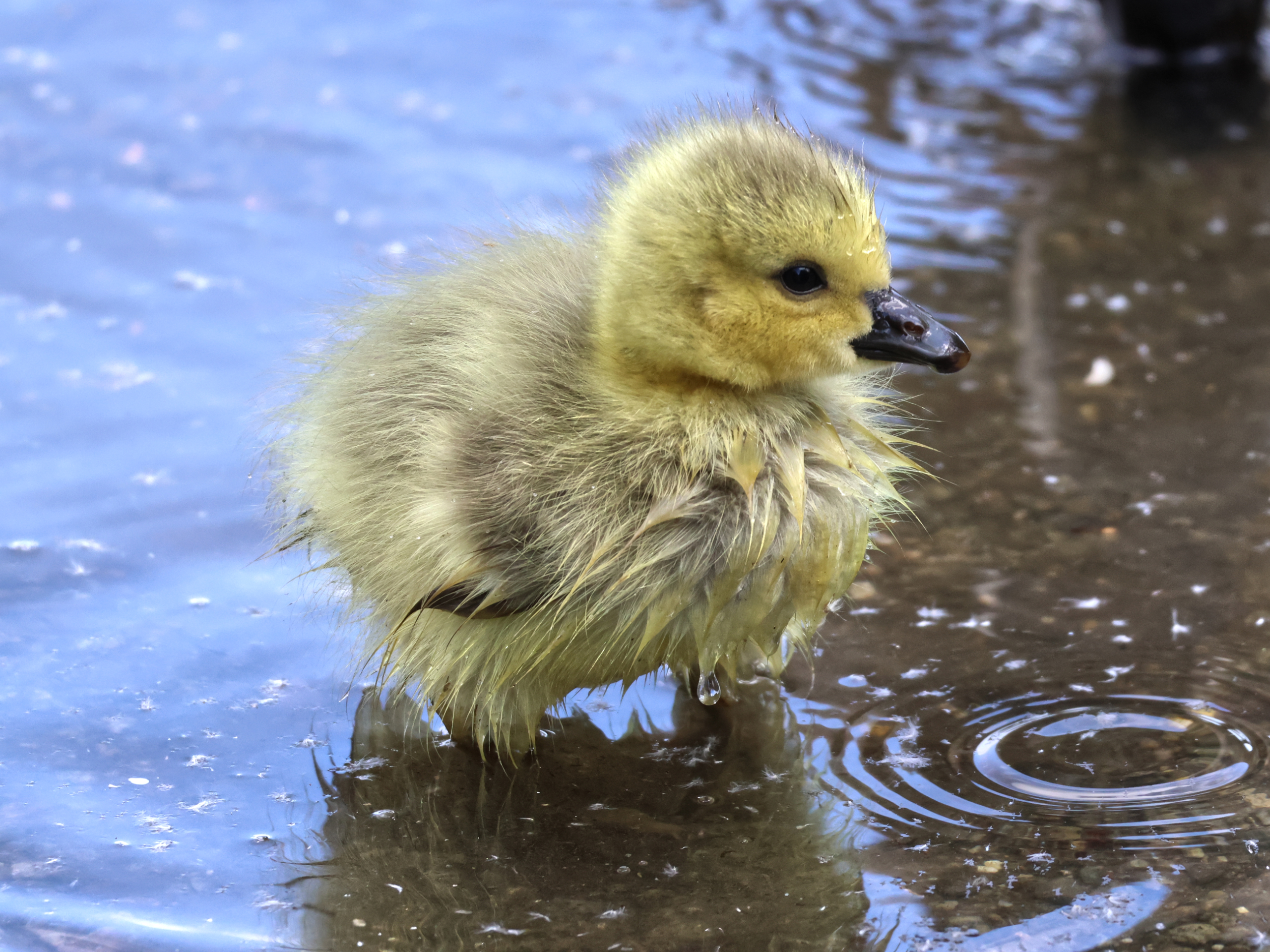
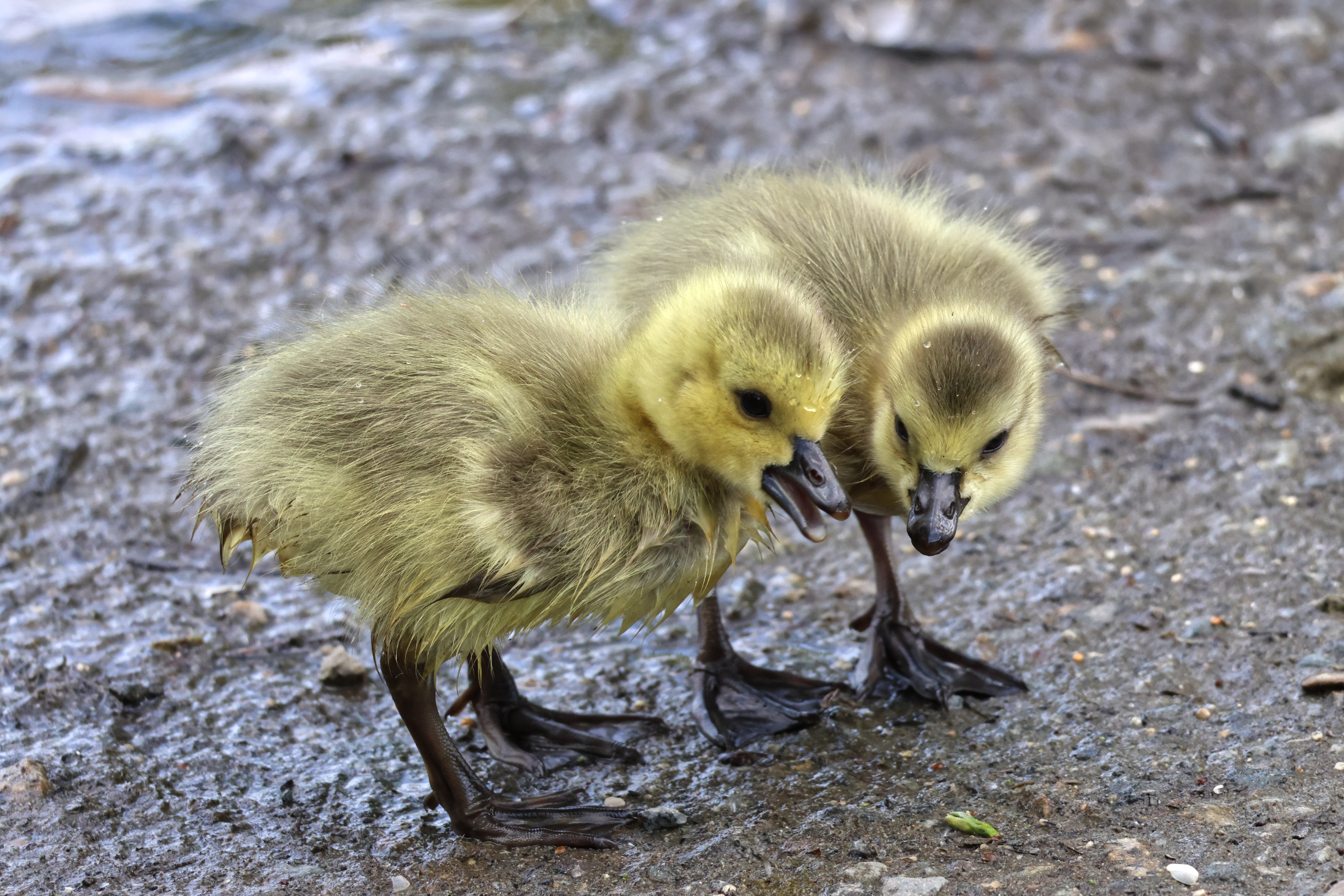
The geese had goslings all over, still looking adorable, but no sign of duckings here–yet. Perhaps because of the mini-geese, the adult geese were strangely well-behaved.
The sandhill crane was here yet again, still standing in its preferred spot. This is the most persistent I’ve seen one here. Maybe it has a mate nesting somewhere out of sight. And for some reason the large fish in the lake were much more conspicuous this time. They have whiskers, so I’m assuming they are some kind of catfish, but I am not a fishtician (fake edit: I checked and they are brown bullheads, which are indeed catfish, so I am now an amateur fishtician).
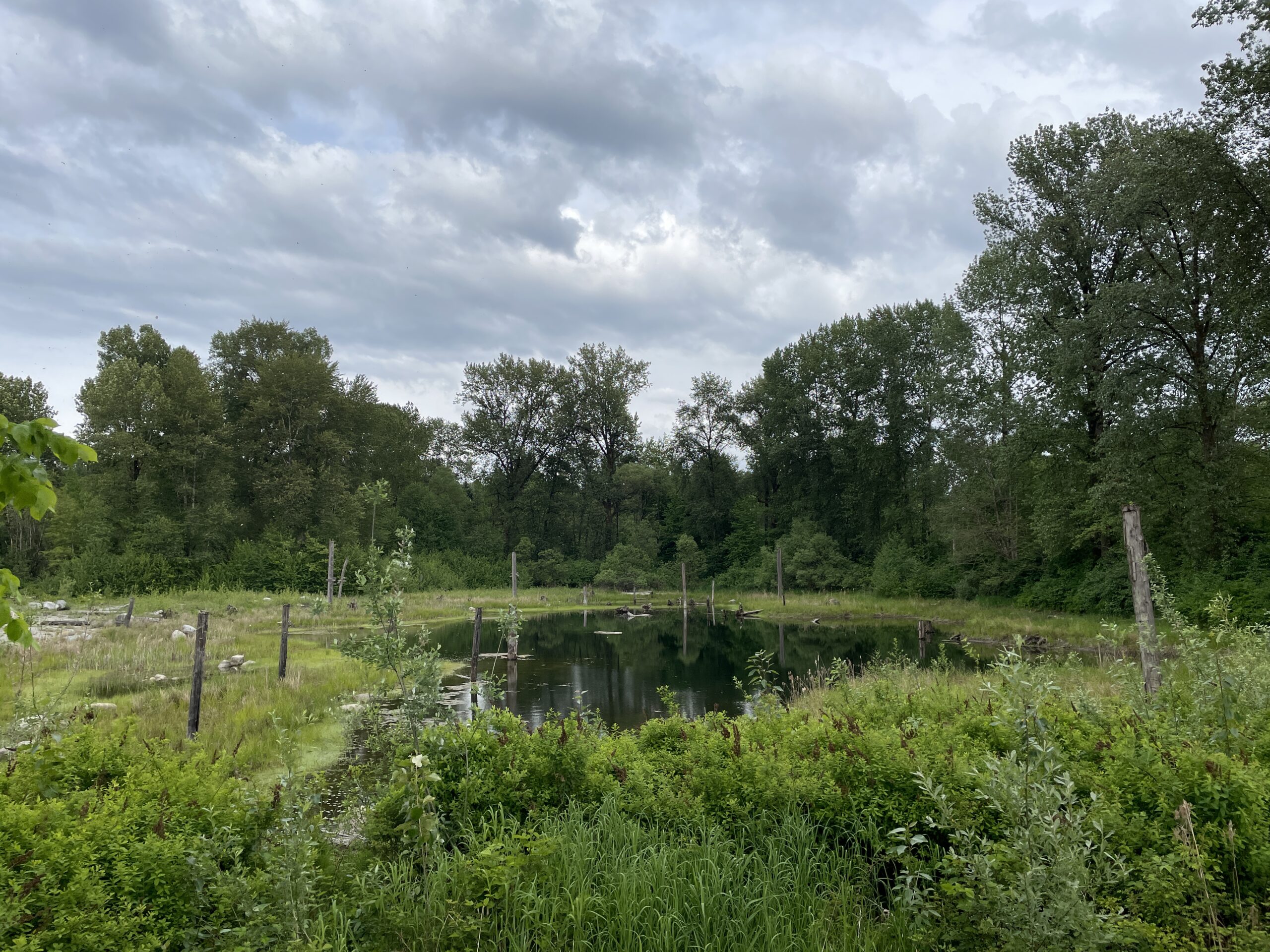
We ventured left for a change of pace, hoping that going the opposite of our usual path would bring us more green herons or a bird of paradise or something.
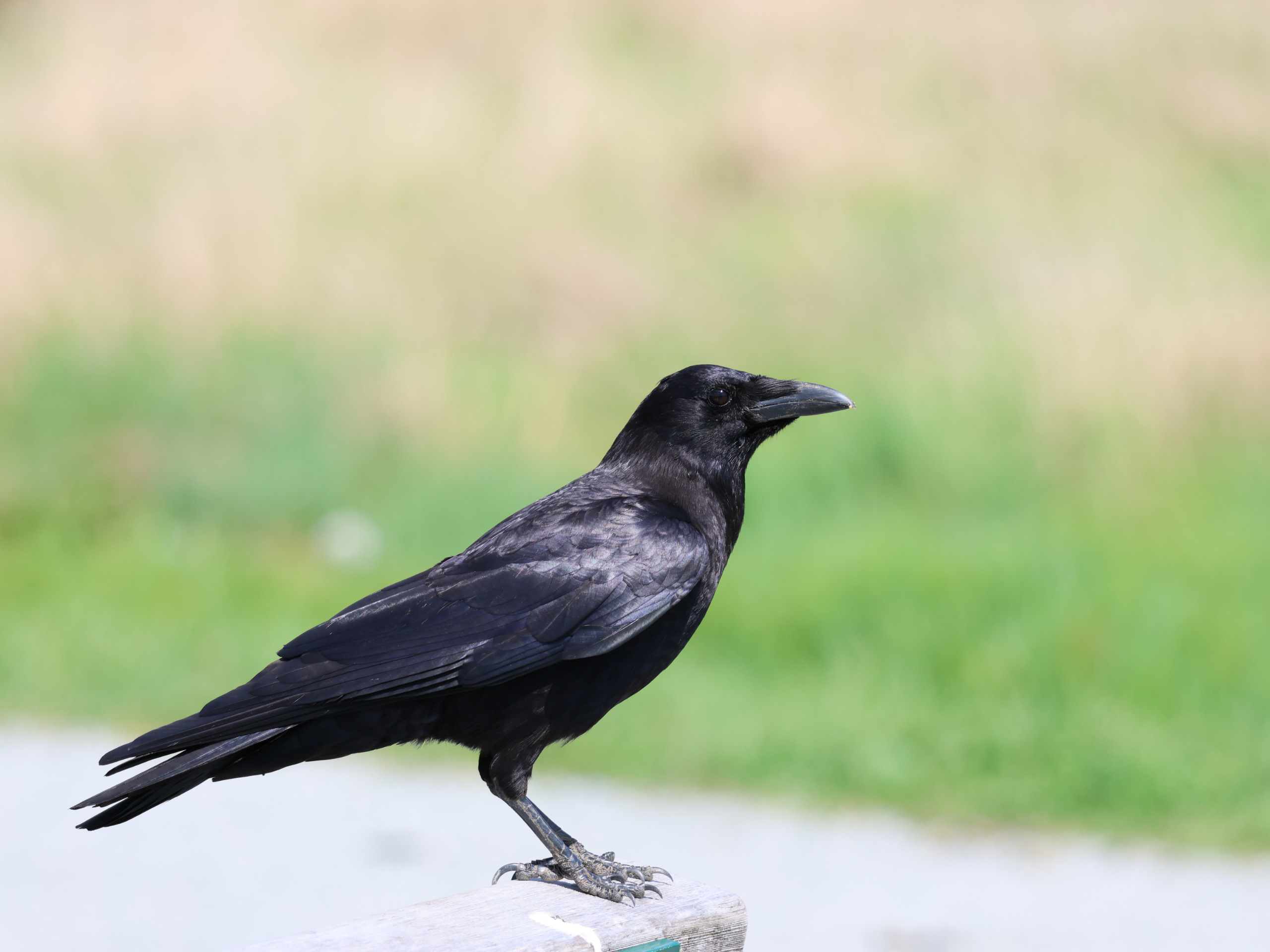
What we got was mostly crows. But also some hummingbirds, and a goldfinch, which we both managed to catch shots of before it vanished.
The large, restored pond where we turned around and headed back, also gave us a kingfisher, but she opted to sit up very high and rather far away, instead of perching on the fence right in front of us. There was also a single mallard, who may have been lost. Or a recluse.
This is also where I took a photo of a red ant trundling along the side of the trail, which is not remarkable, but when looking at the photo later, I realized I could see a tiny reflection of myself in its shiny abdomen. Weird!
Shot with a Canon EOS R7 with 18-150 mm kit lens and 100-400 mm telephoto.
Sparrows and sparrow-adjacent:
Waterfowl and shorebirds:
Common:
Raptors:
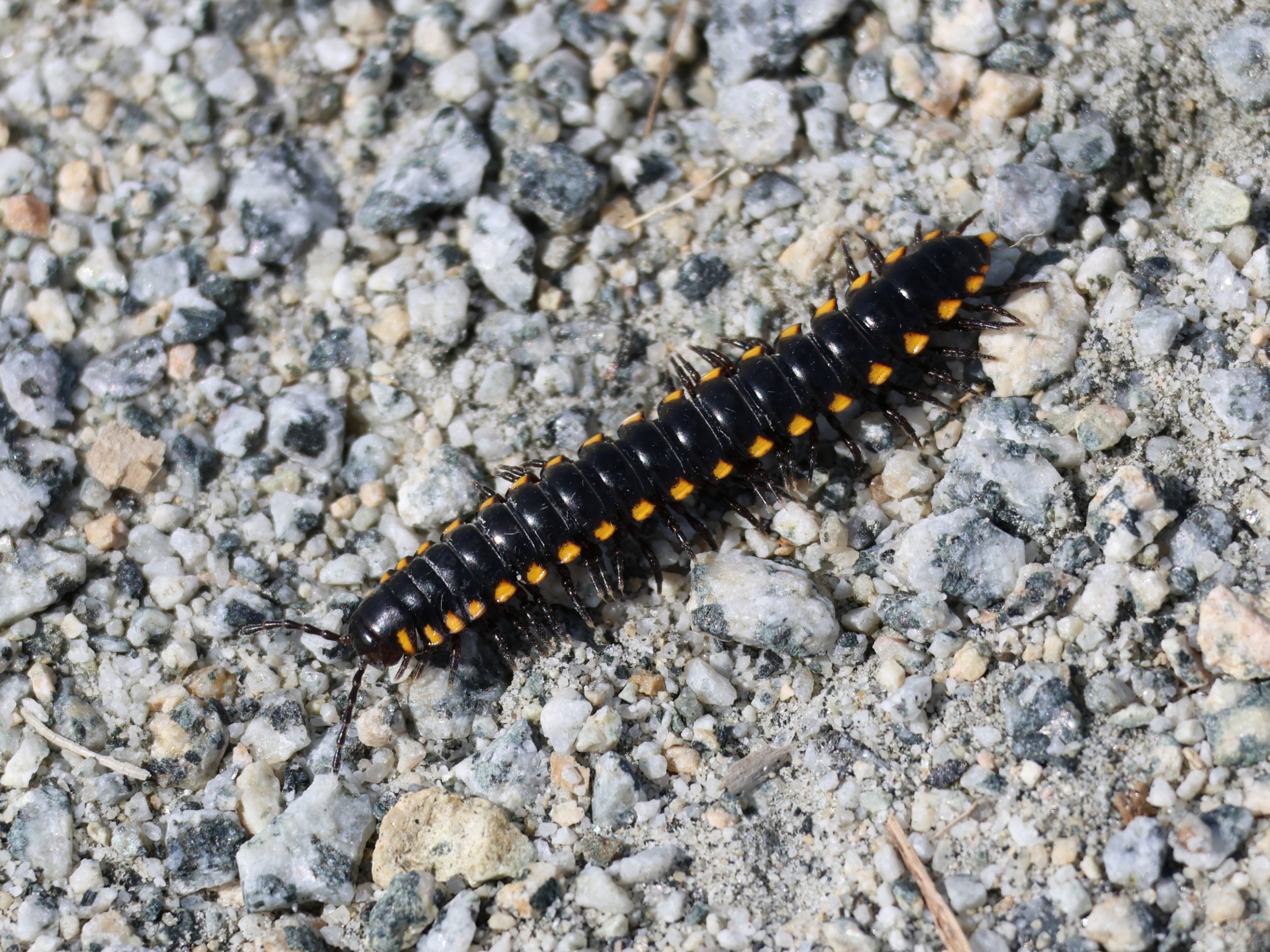
Non-birds:
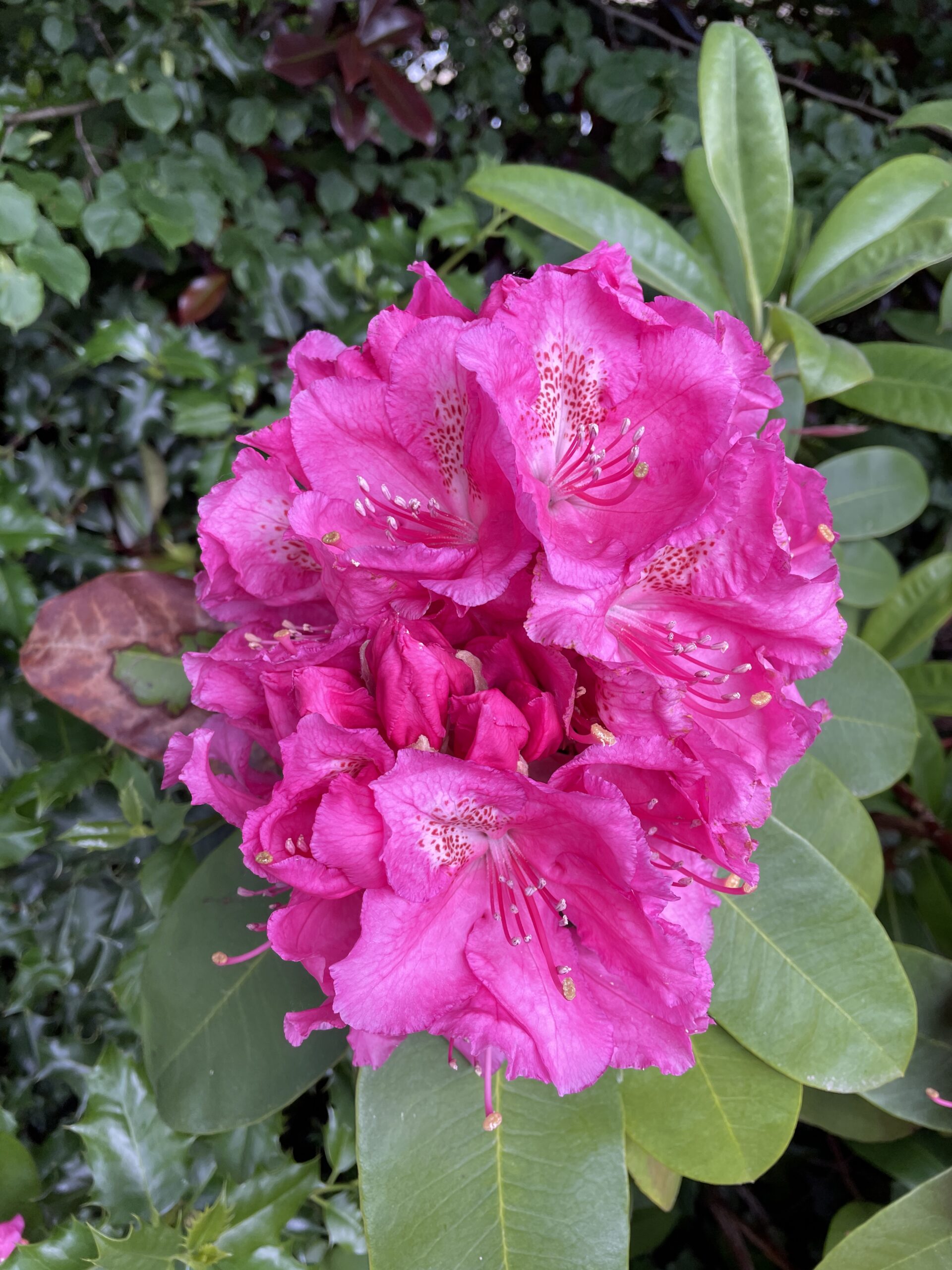
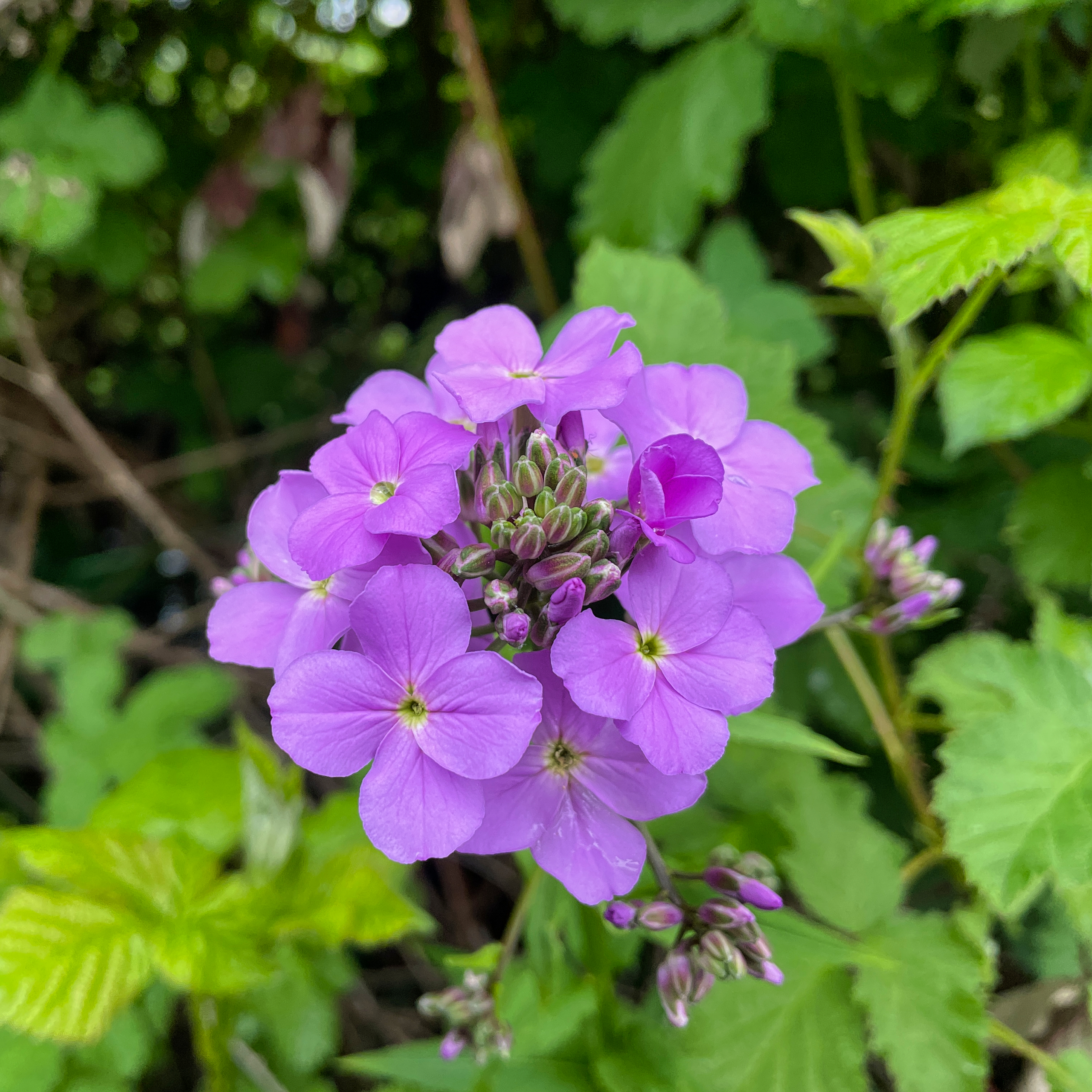
Just some wildflowers shot on my iPhone 12.
Yes, getting a new camera finally prompted me to go through my photos and actually post some of them, specifically some of the better shots I got while out birding on May 3, 20251I know it looks weird to write “2025” when it’s only three days later, but it’s handy when looking back at posts months or years later.
I need to figure out focus on my Canon EPS R7, as a lot of shots were a bit blurry. I fixed a few of the ones in this gallery, but most are presented as-is, with minor work done on lighting.

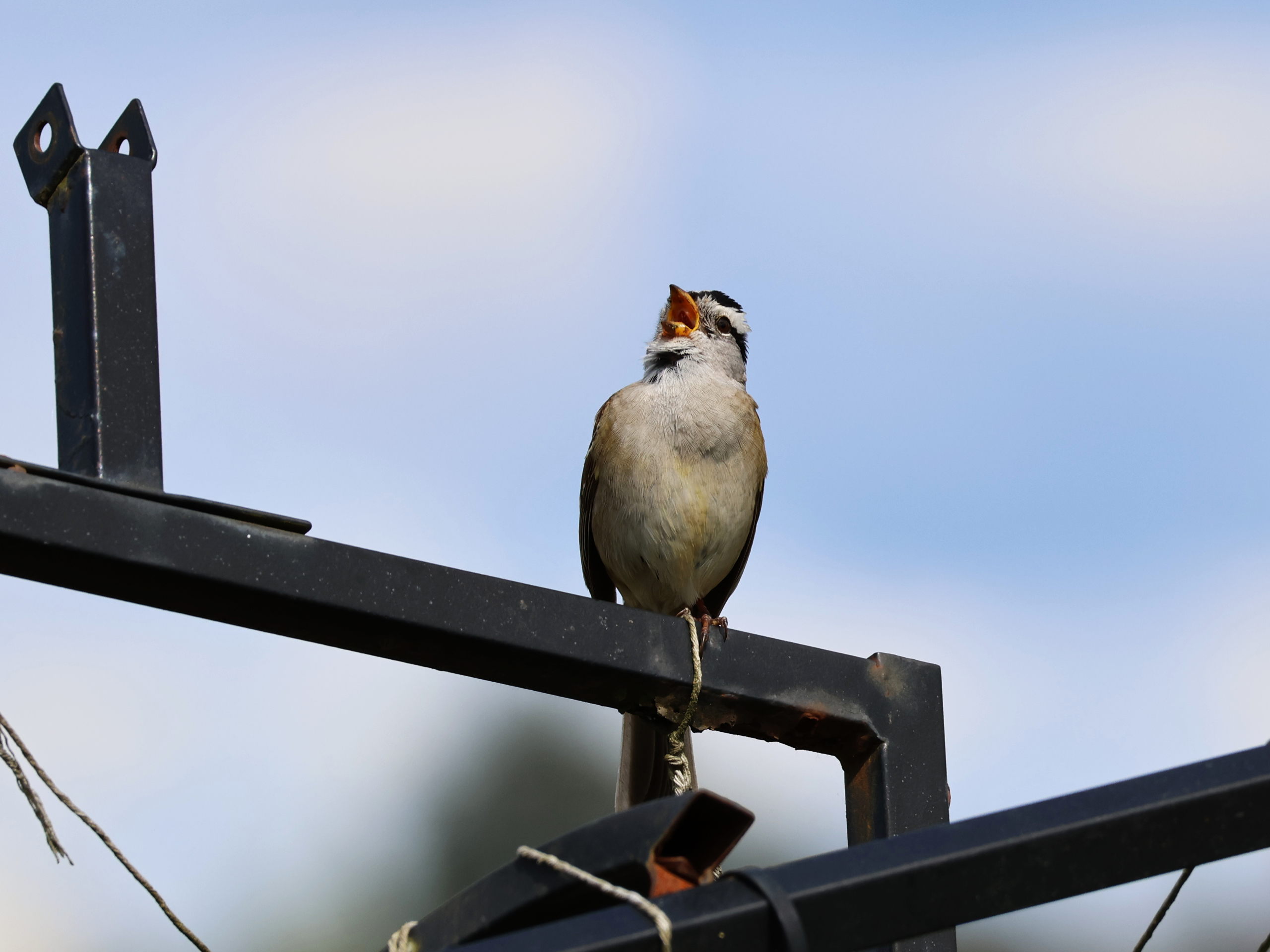


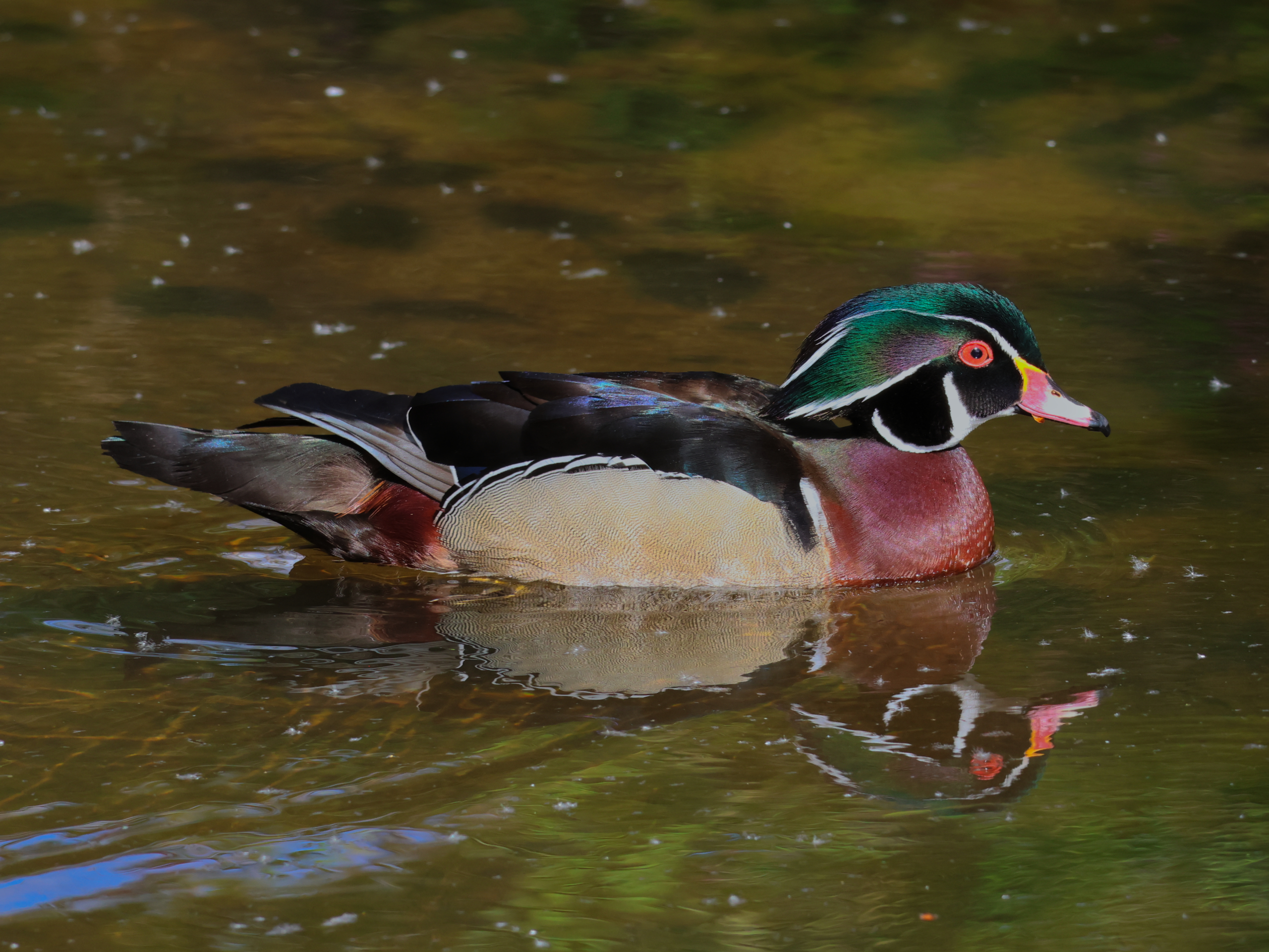
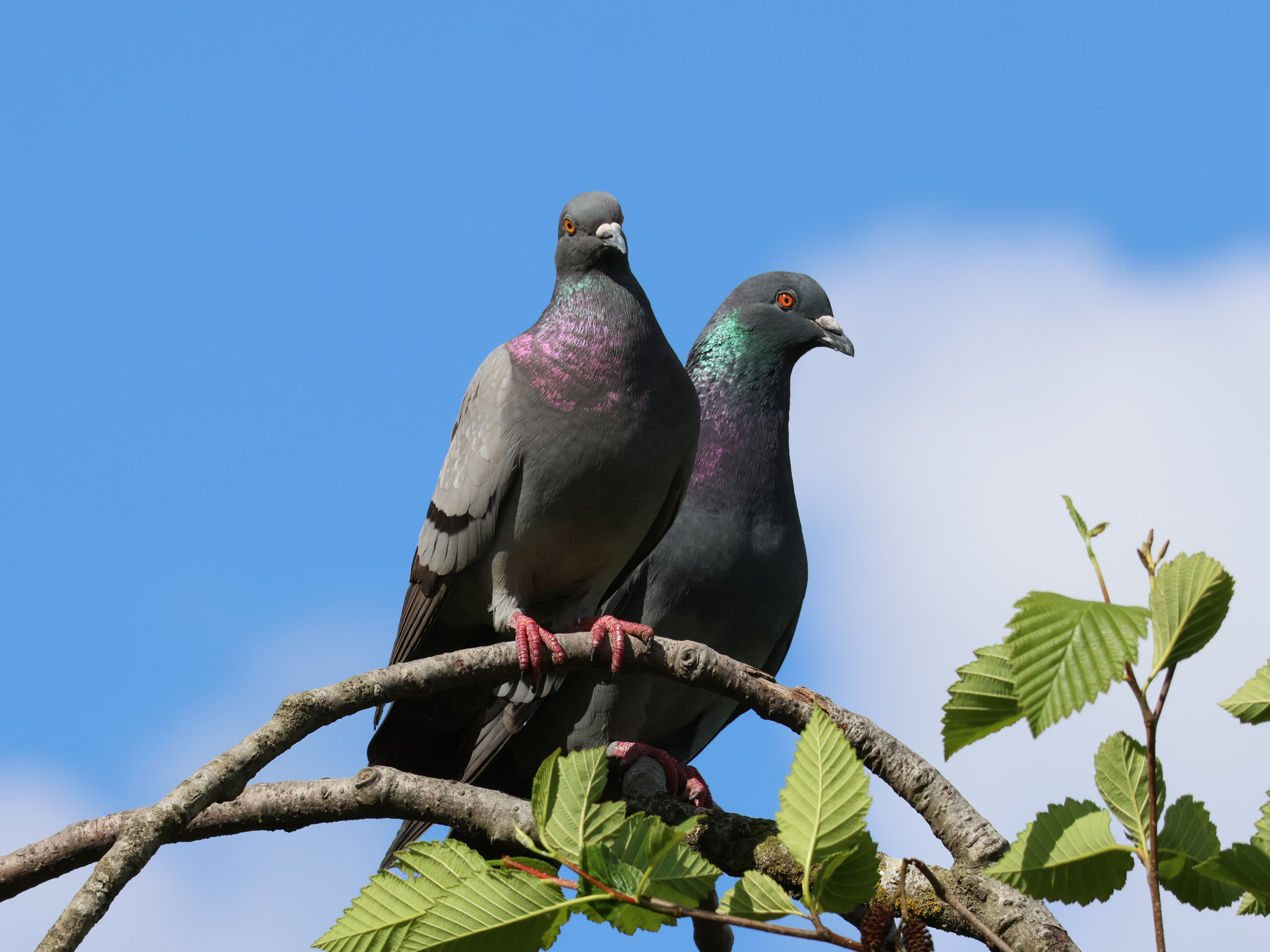
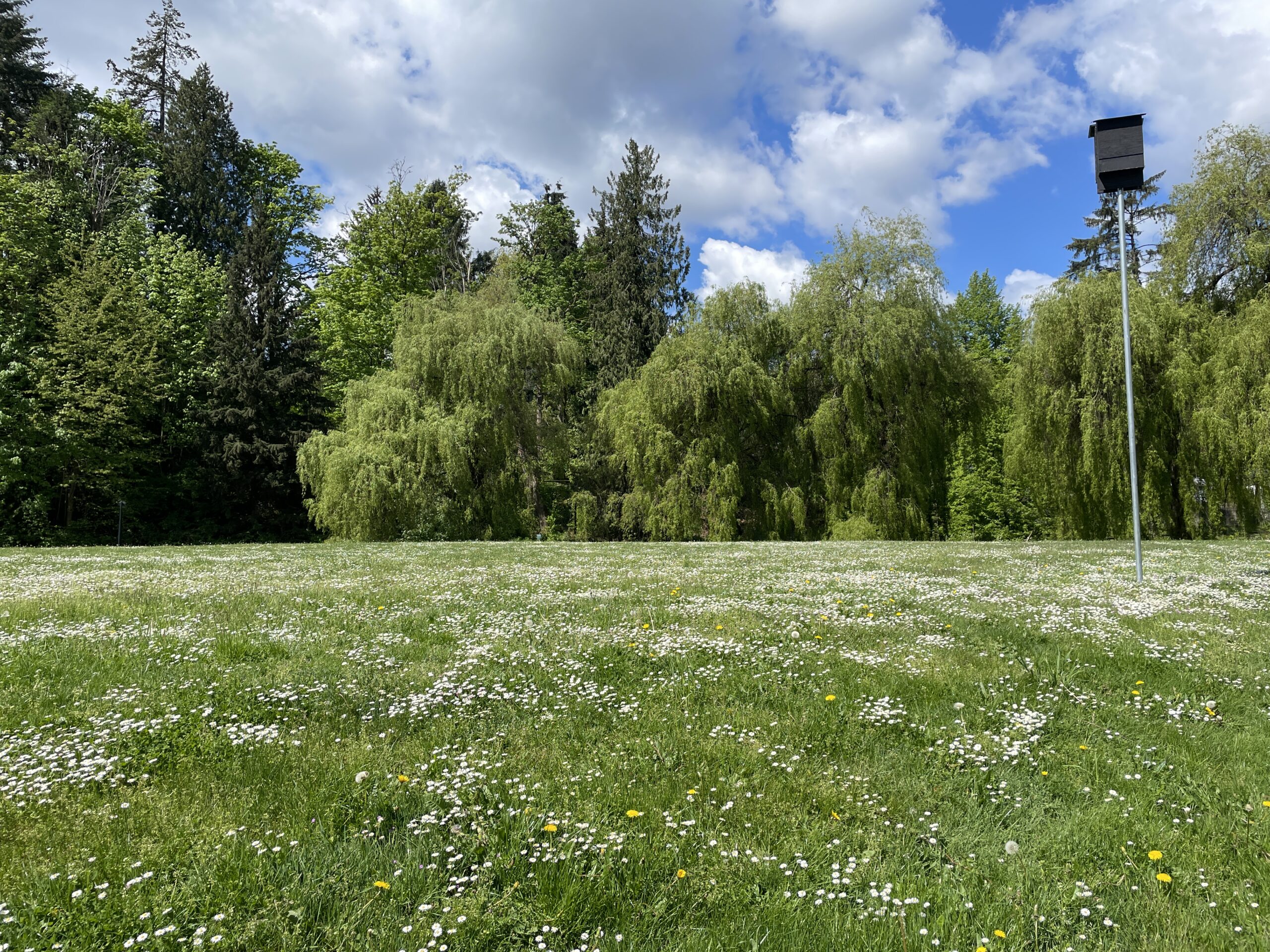
I still don’t know what the box on the pole is. It was put up sometime last year. Maybe it’s for very thin birds.
This is in Lower Hume Park and the daisies will likely be gone the next time they mow the field, but it looks pretty right now.
Where: Rocky Point Park, Old Orchard Park, Inlet Park, Old Mill Site Park (Port Moody), Como Lake (Coquitlam), Tlahutum Regional Park (Coquitlam), Burnaby Lake (Burnaby)
Weather: Partly sunny, 14-15°C
Our first stop was the heron rookery near Rocky Point Park, where we were hoping to see baby dinosaurs, otherwise known as nesting young herons. Alas, it seems that, unlike last year when we arrived too late (June 21), this time we may have arrived too early, as all we saw were just adults and usually just their backs or butts. We will try to find the sweet spot in the middle.
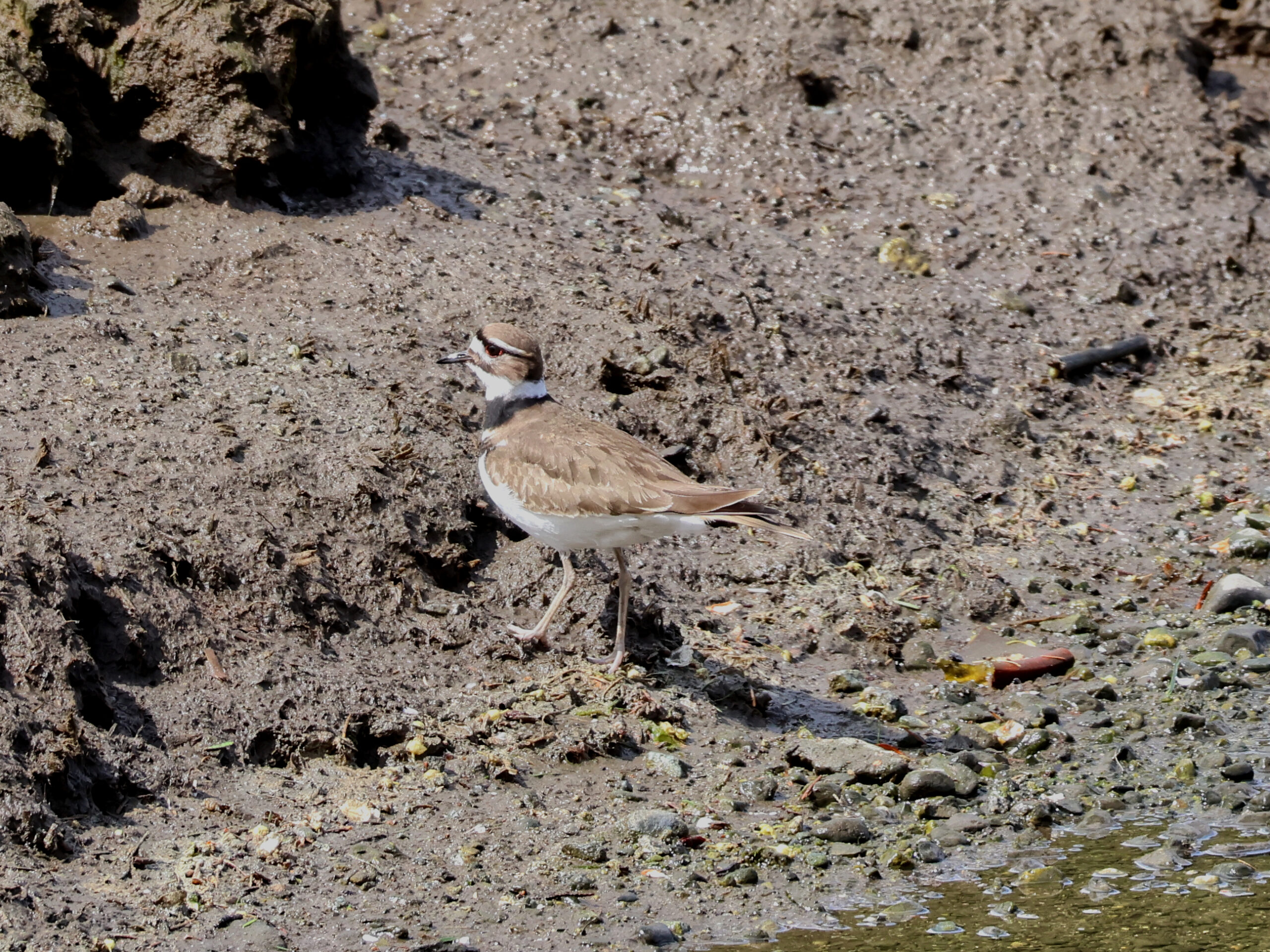
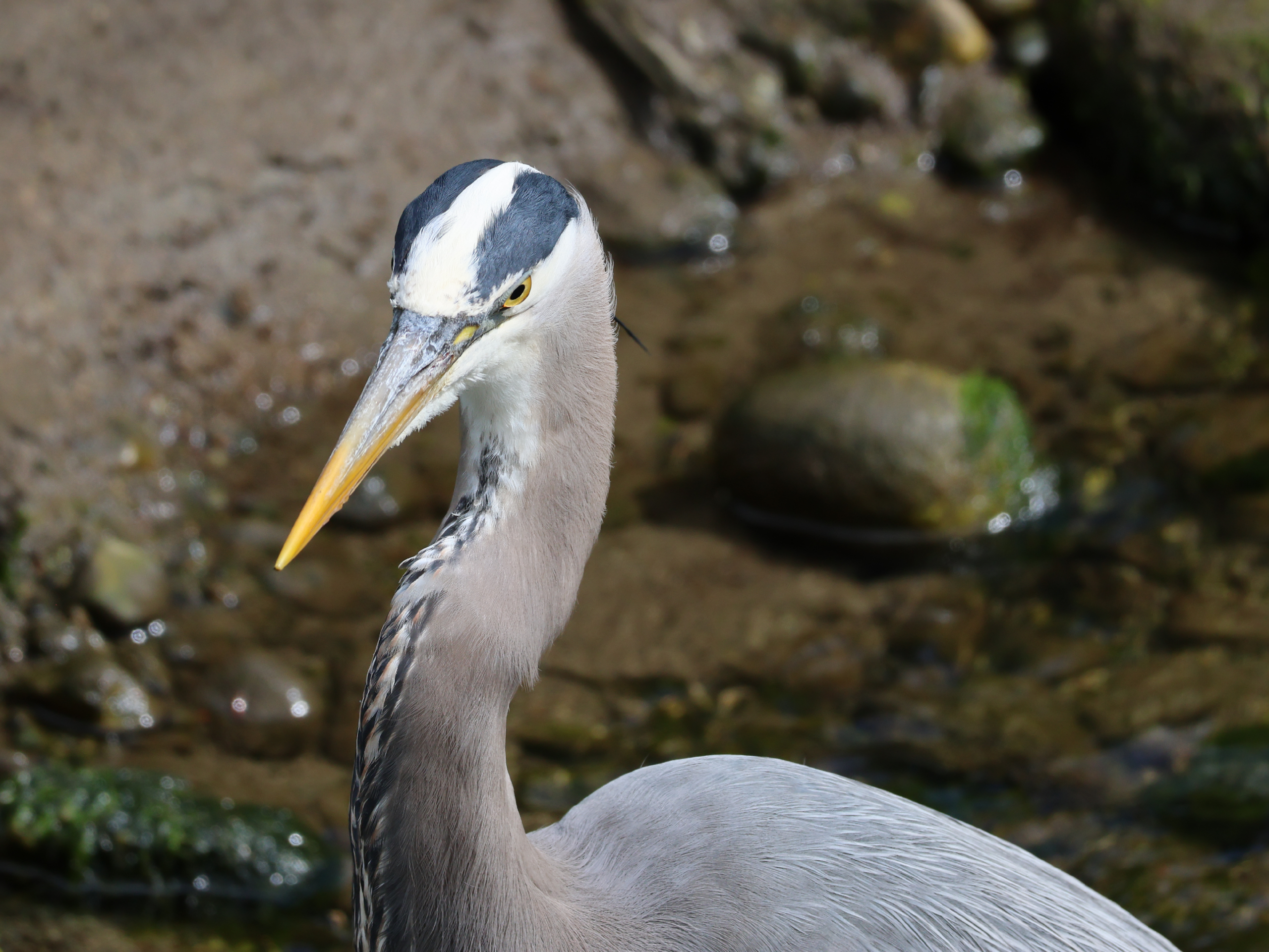
We did get to see some more herons close-up, and some killdeer, plus we hadn’t been since last summer, so it was still a pleasant trip.
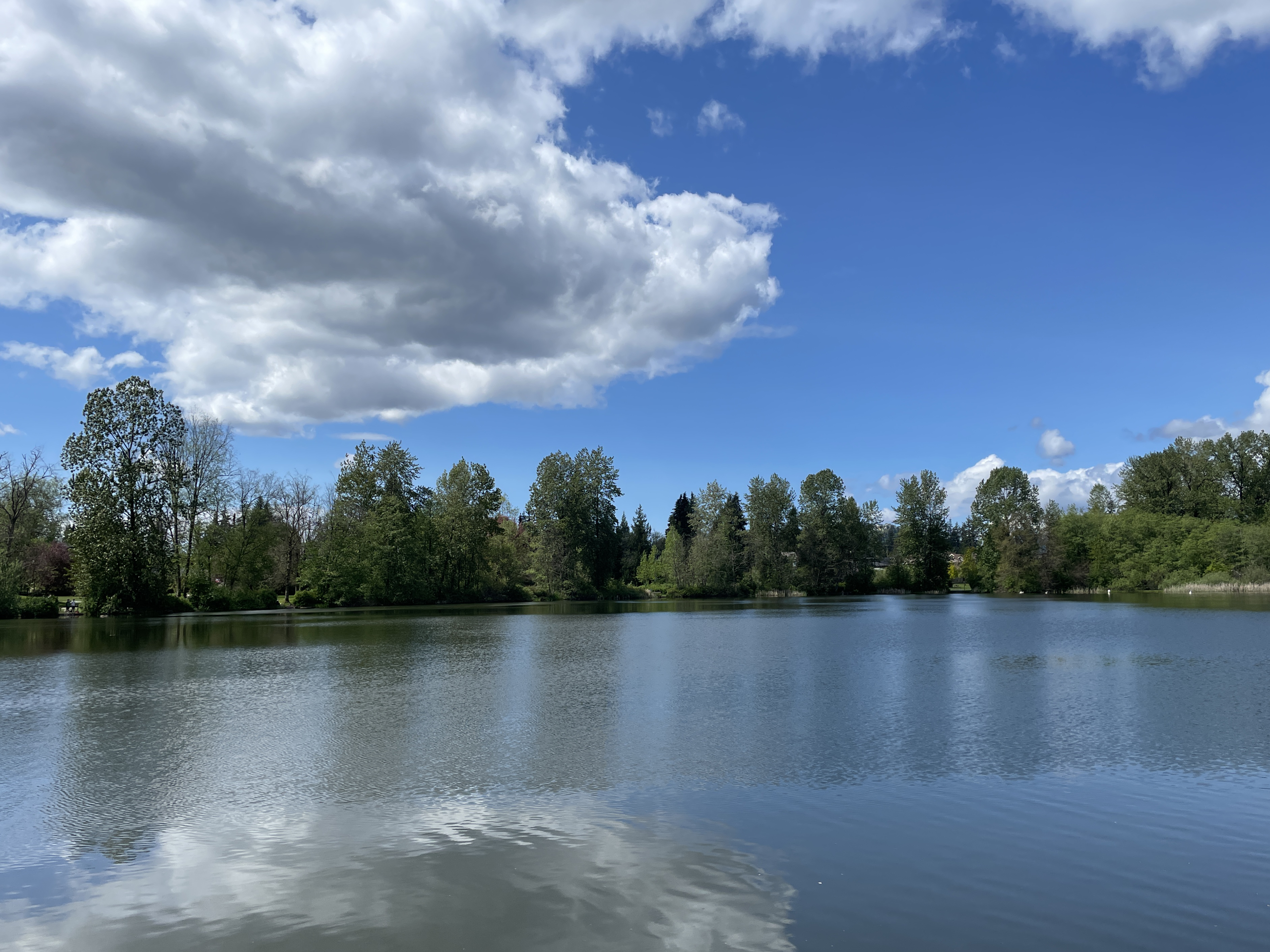
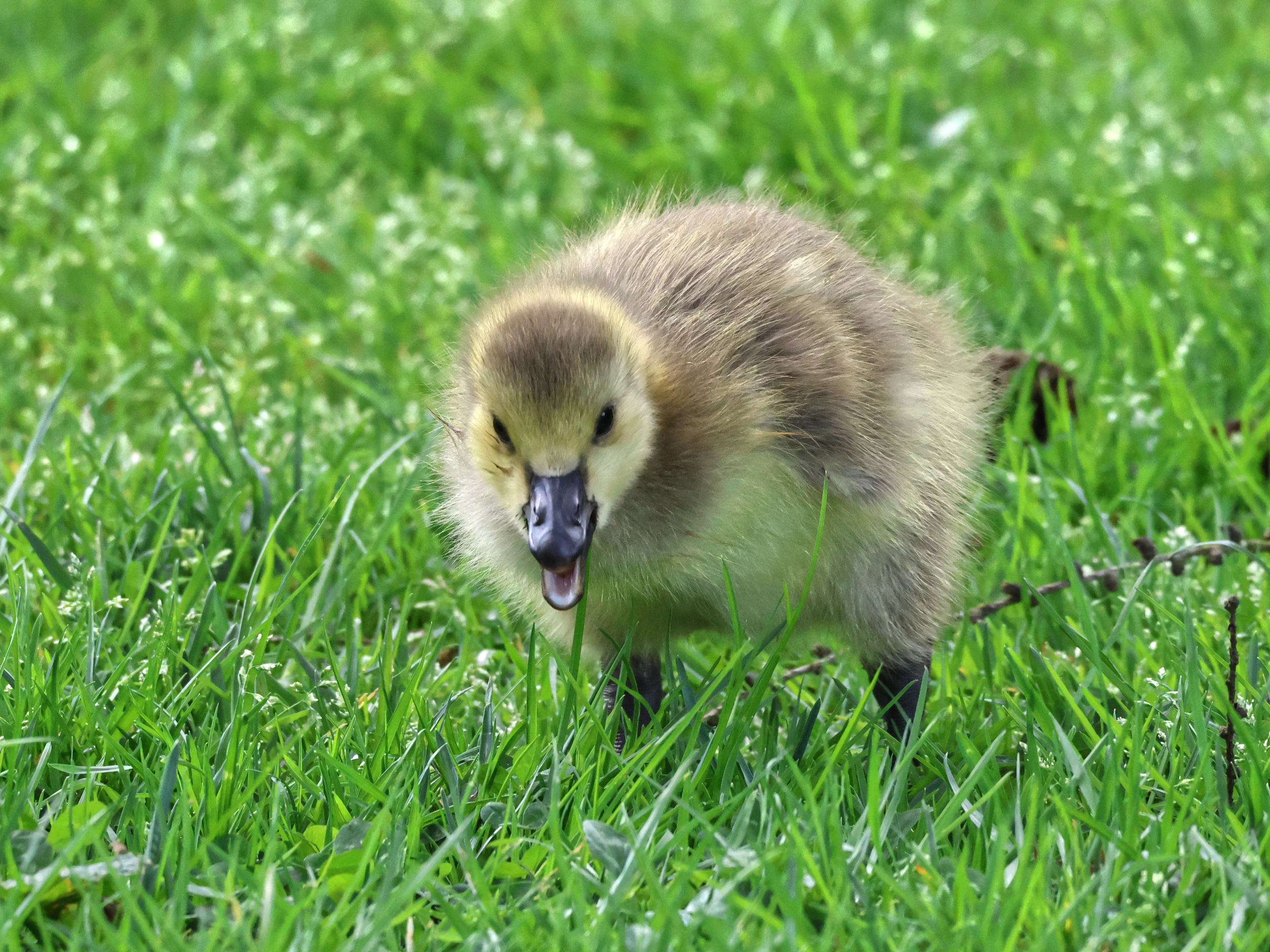
We next made a brief stop at Como Lake, where we saw our first baby geese. There were two groups, one small, one slightly larger. The parents were being very vigilant and weird.
This was also the first time I’d been using my new camera, a Canon EOS R7, and I was still getting used to it and also having 400 mm of reach on telephoto instead of 250. What I’m saying is a lot of my shots of the baby geese were fuzzy, but not because baby geese are fuzzy, I just had problems focusing on them. But so did Nic, and his camera isn’t new at all! Perhaps I am cursing him. Or he just forgot to change a setting on his camera. Or baby geese are now impossible to photograph because that’s just the random way nature works.
Having seen the babbies, we moved on to destination #3.
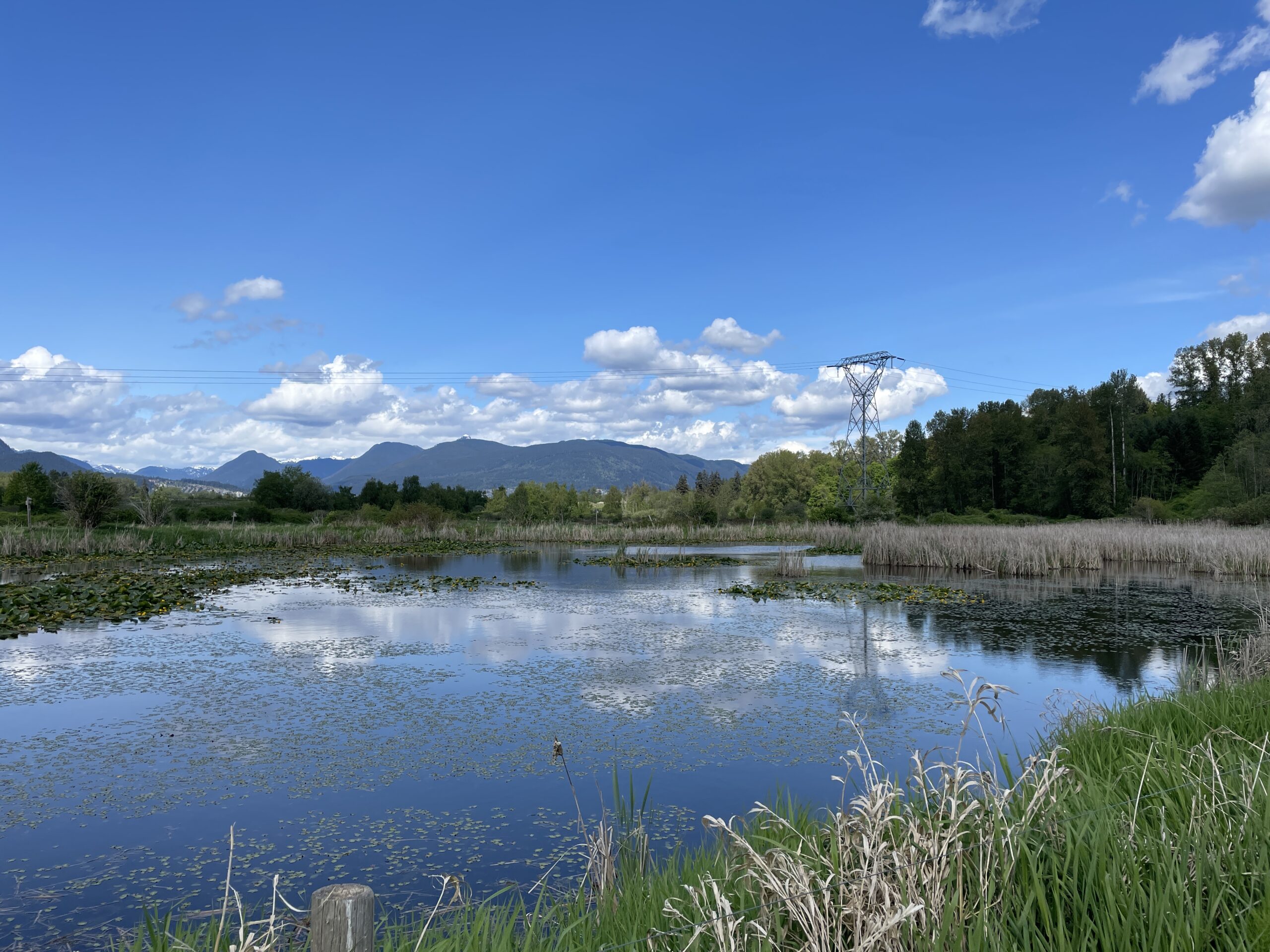
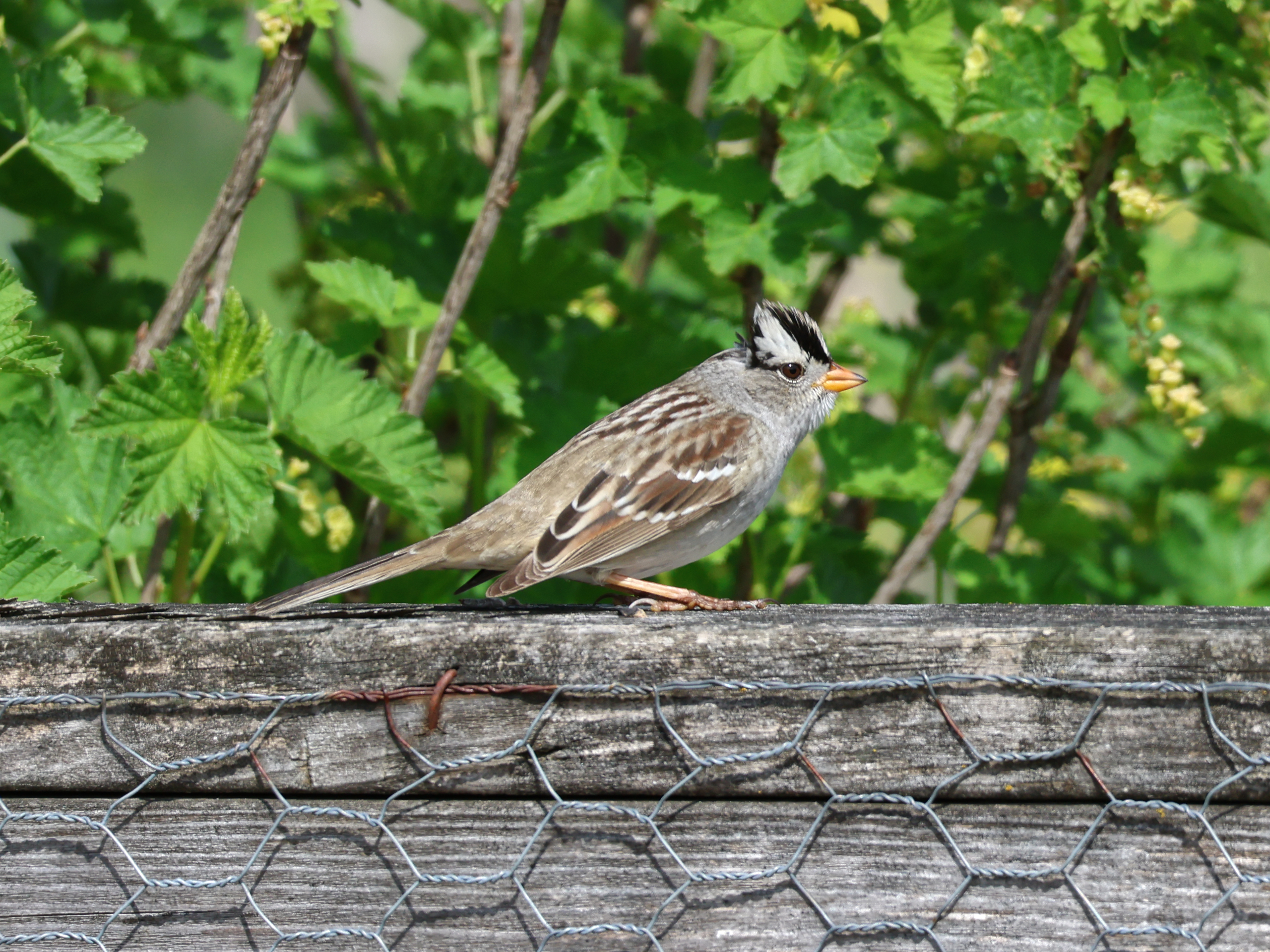
Destination #3 was Tlahutum, where, strangely, we saw another pair of cinnamon teals. After never seeing them before, I have now seen them two weeks in a row. Maybe it’s the same pair. Maybe they’re following me. Maybe we’re on the cusp of a cinnamon teal invasion. Or maybe it’s none of these things. We also saw some gadwalls, mallards, blackbirds and in the community gardens, tree swallows and white-crowned sparrows. There were others, like common yellowthroats, but they stayed out of view, all the better to taunt and torment Nic.
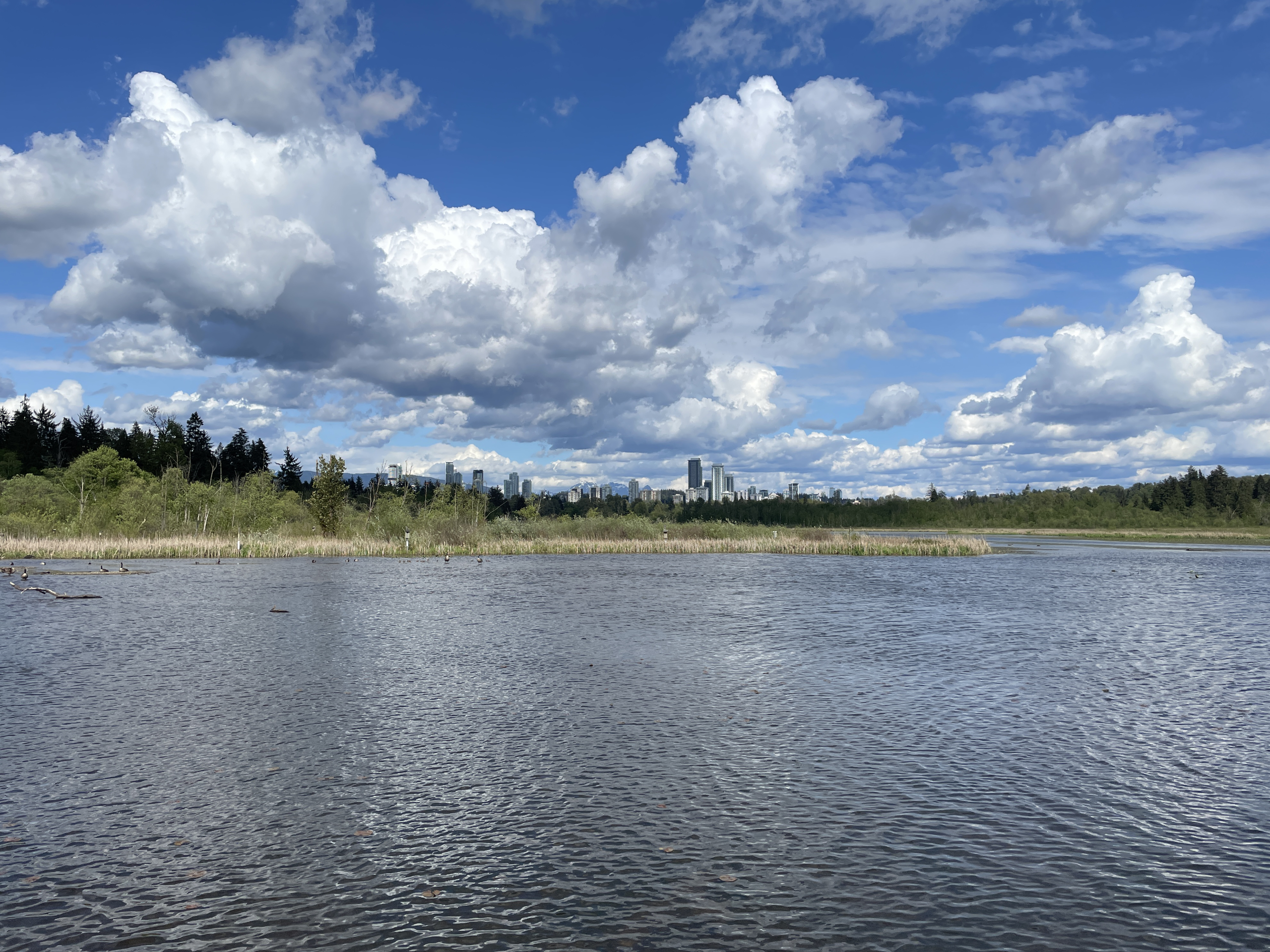
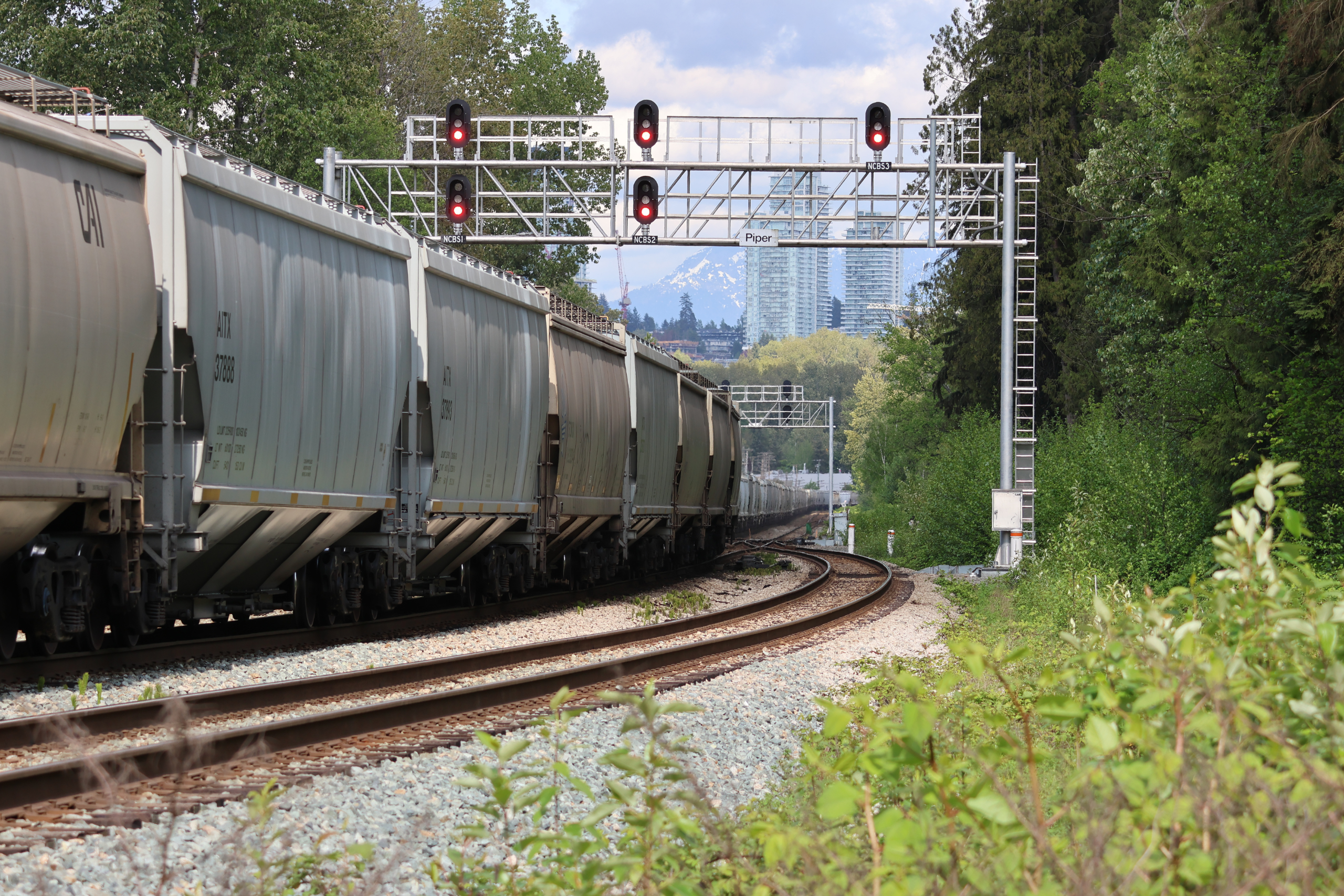
Our final stop, as it often is, was Piper Spit. It was a little crowded and we ended up having to wait for two long trains on our way out (one by foot, one by car), but we saw some bonkers goose drama involving three geese and a nest with eggs. The sandhill crane was there yet again, having apparently taken up semi-permanent residence. The relatively high water level meant no shorebirds, though, so boo on that.
This was also the first time all the winter migrants were gone. No coots, pintails or scaups. The coots, at least, may be back as soon as August.
I did get a smattering of fine shots, but problems with focus suggest I need to spend more time experimenting and getting used to the camera, which is fine and normal. Already, I can say the fit and feel is much nicer than the M50, and the reach of the new telephoto lens (which works without an adapter, yay) is almost too good, as I had to fairly regularly pull back on my shots (the lens can also be locked to certain focal lengths if I want to go that route, too).
Taken on a Canon EOS R7 with 18-150 mm kit lens and 100-400 mm telephoto.
Sparrows and sparrow-adjacent:
Waterfowl and shorebirds:
Common:
Raptors:
Non-birds:
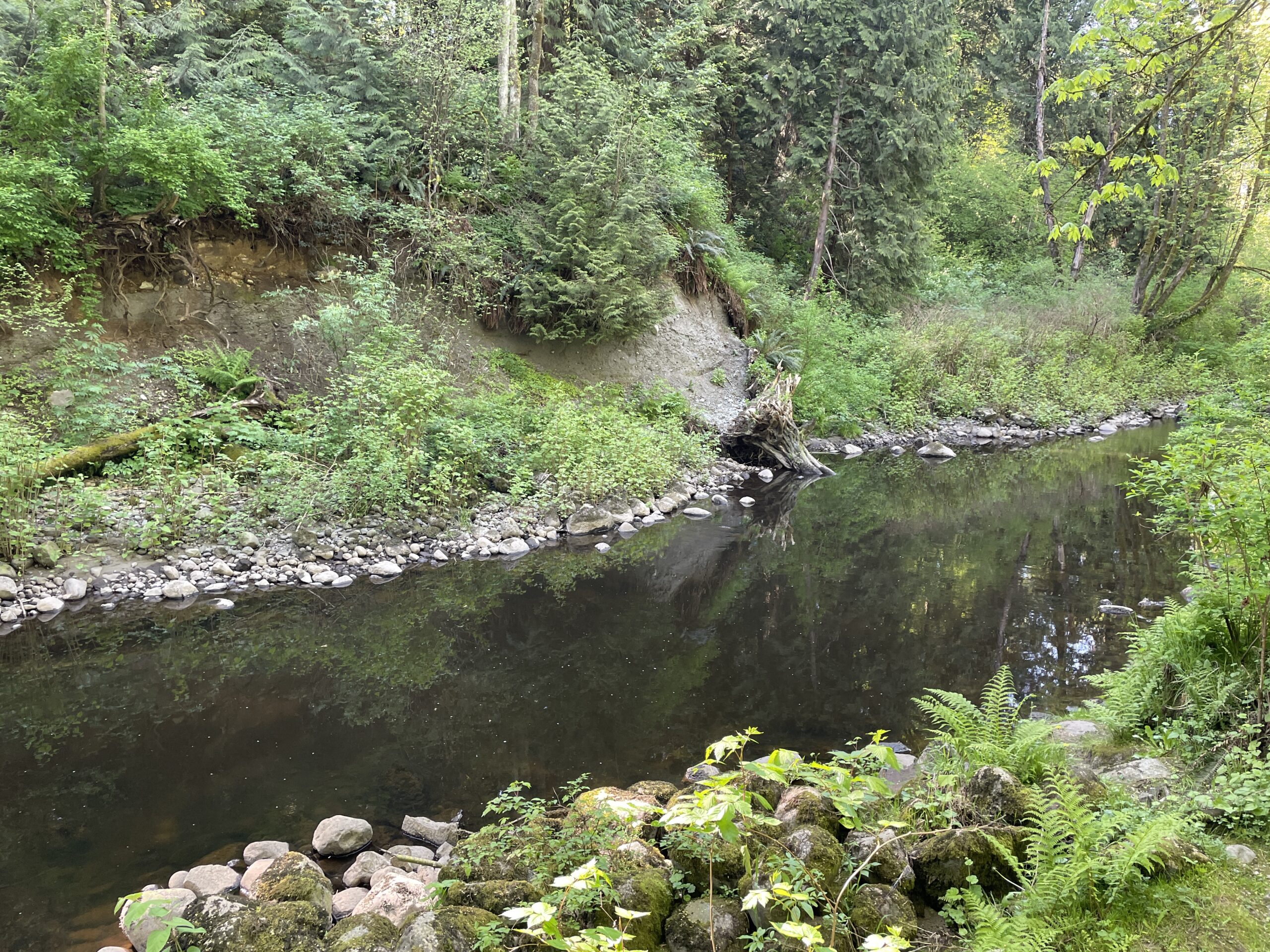
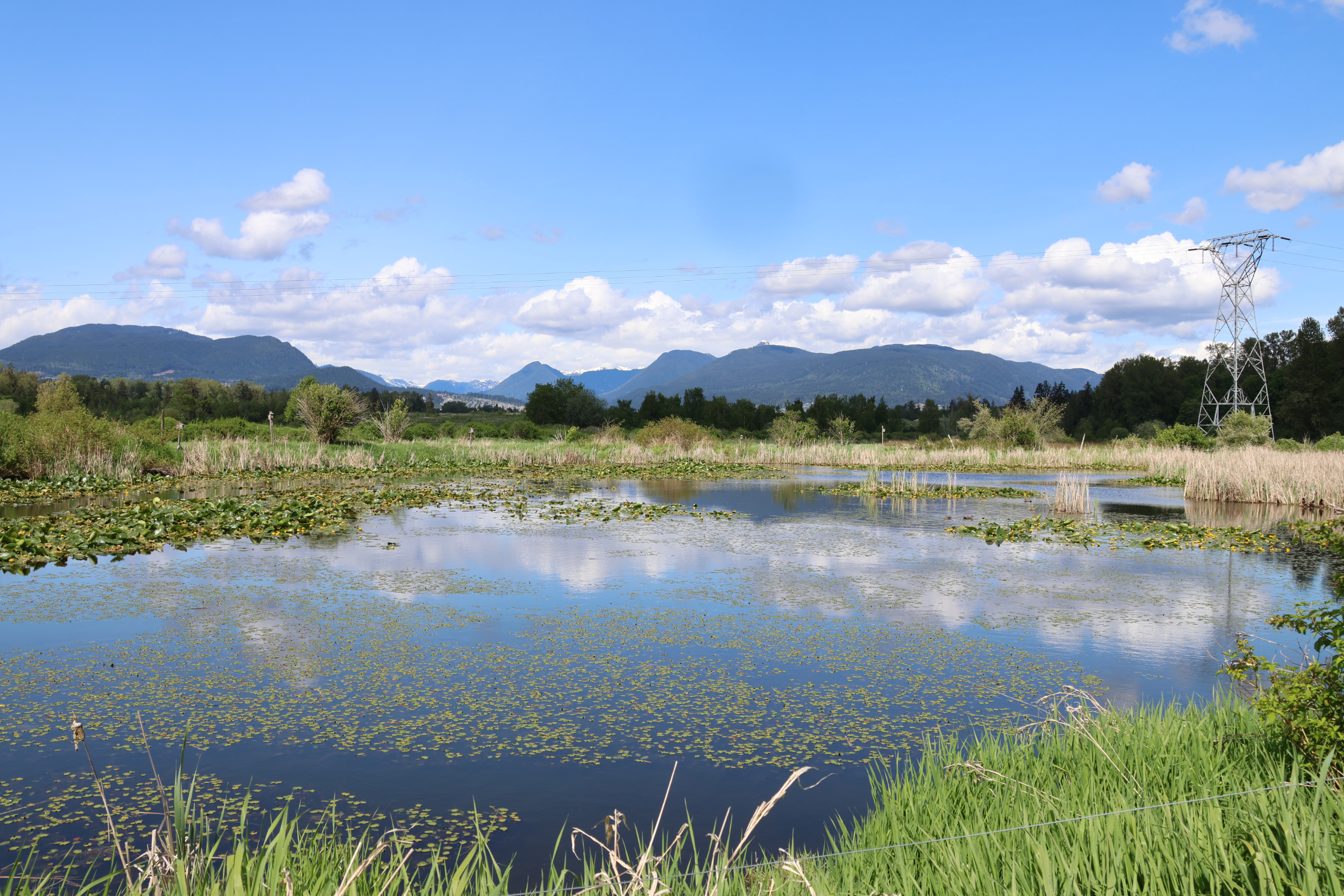
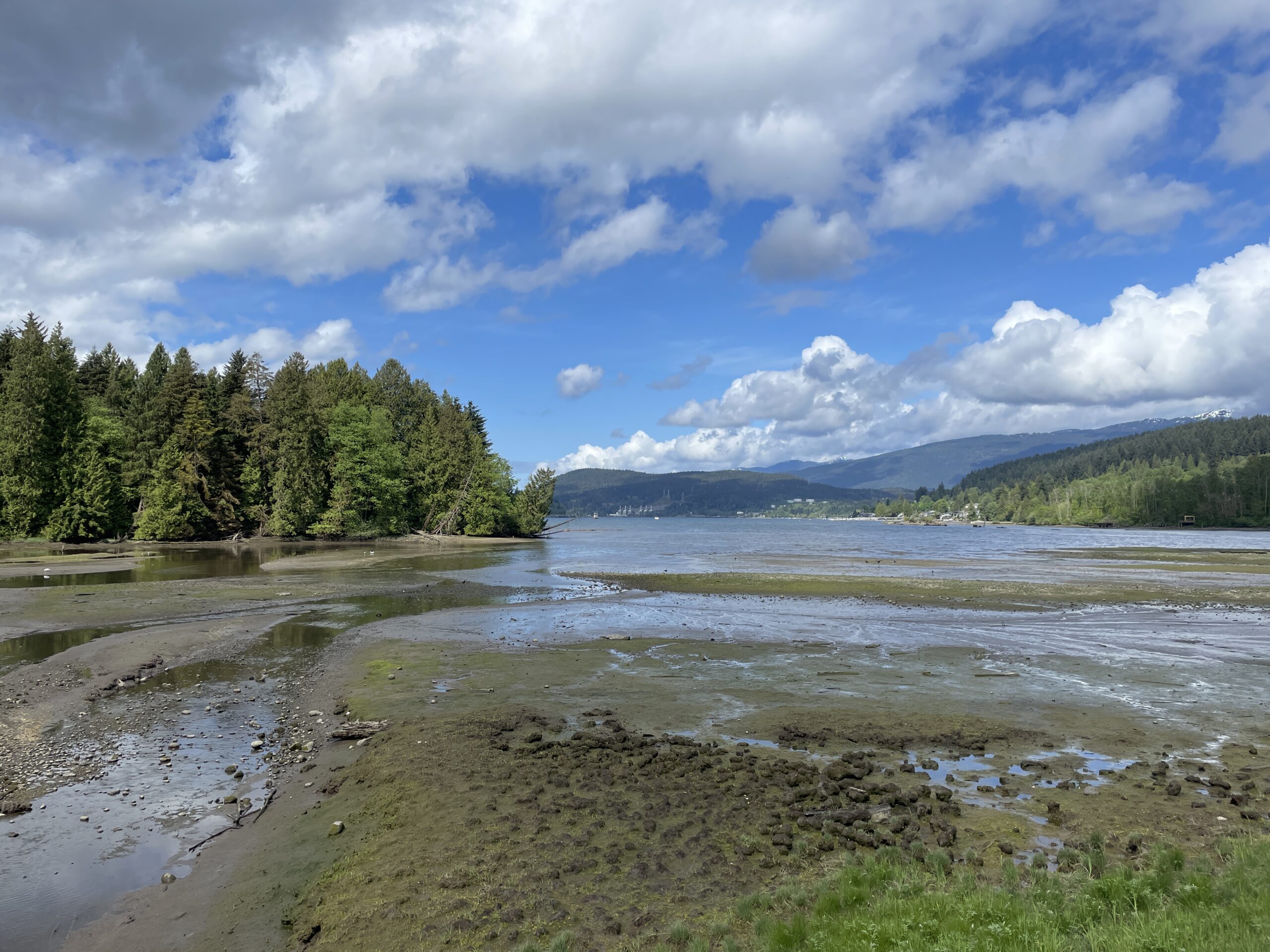
A slightly different view, looking very calm. When the world is making you grit your teeth–as it so often does in the year 2025–find a place like this and just enjoy the calm, the green and the occasional random bird.
Taken after my run on my iPhone 12, which I’m getting closer to going from joking about replacing to actually replacing.
And it won’t be with another iPhone.
But now, the pics!
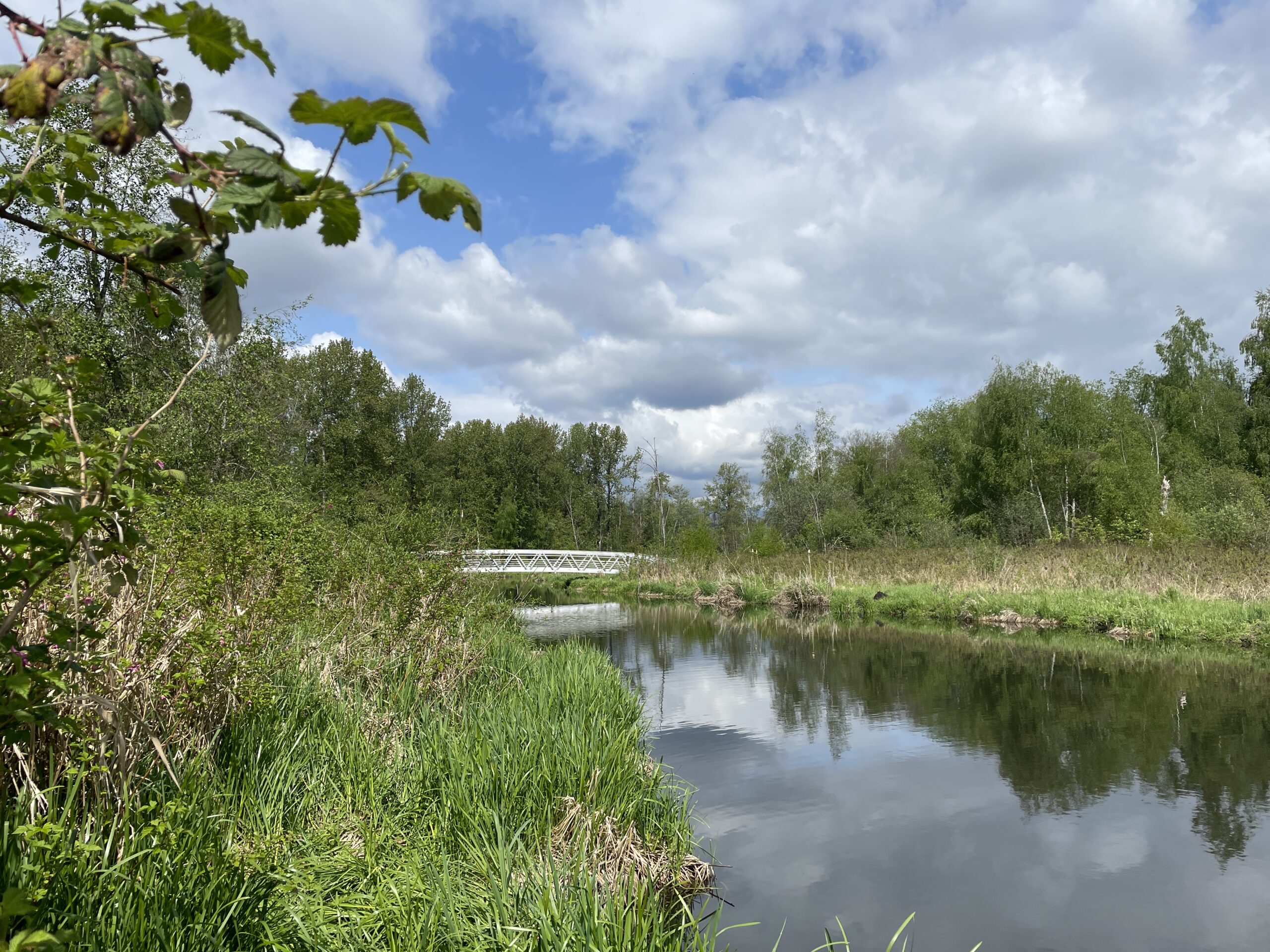
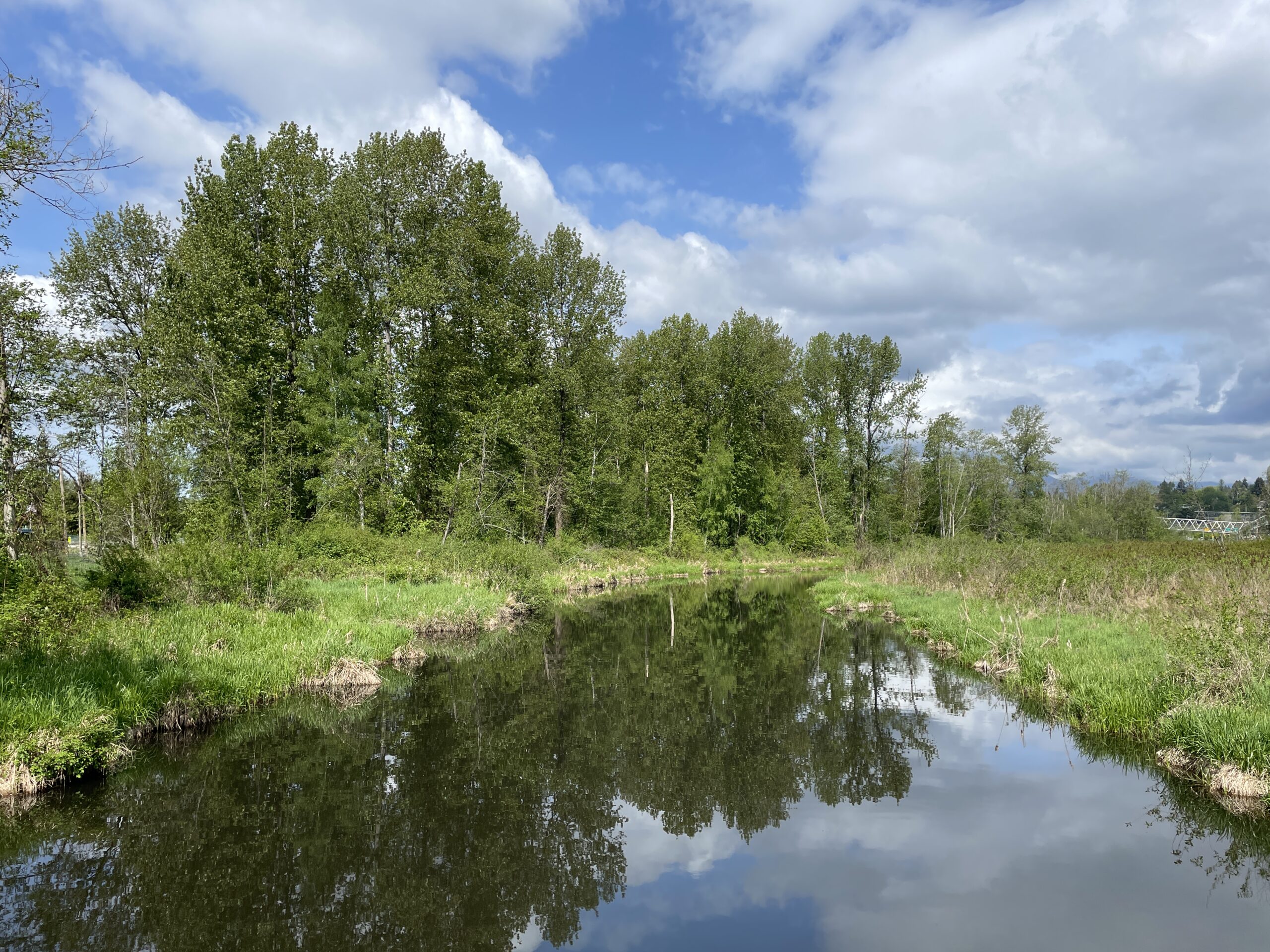
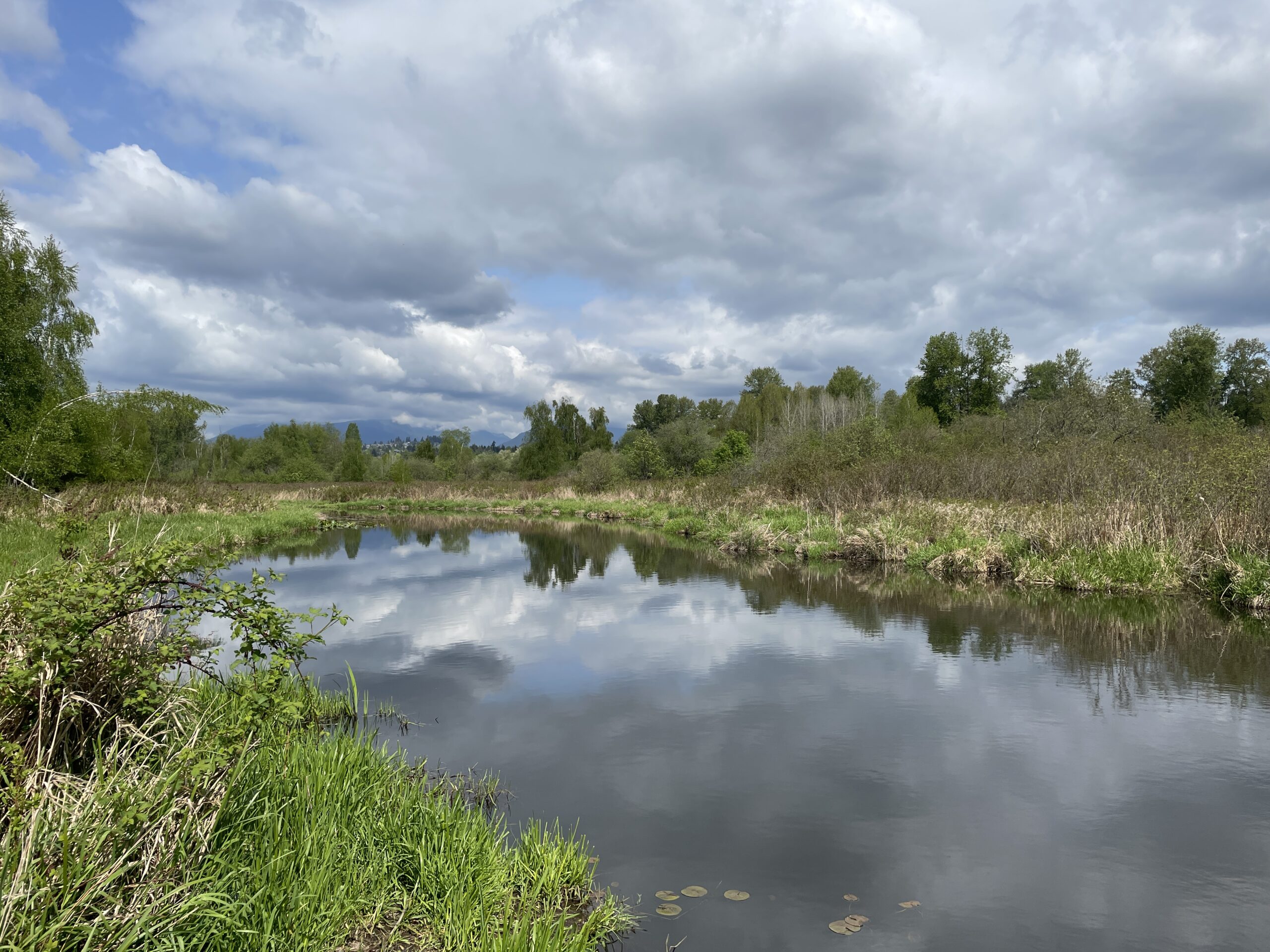
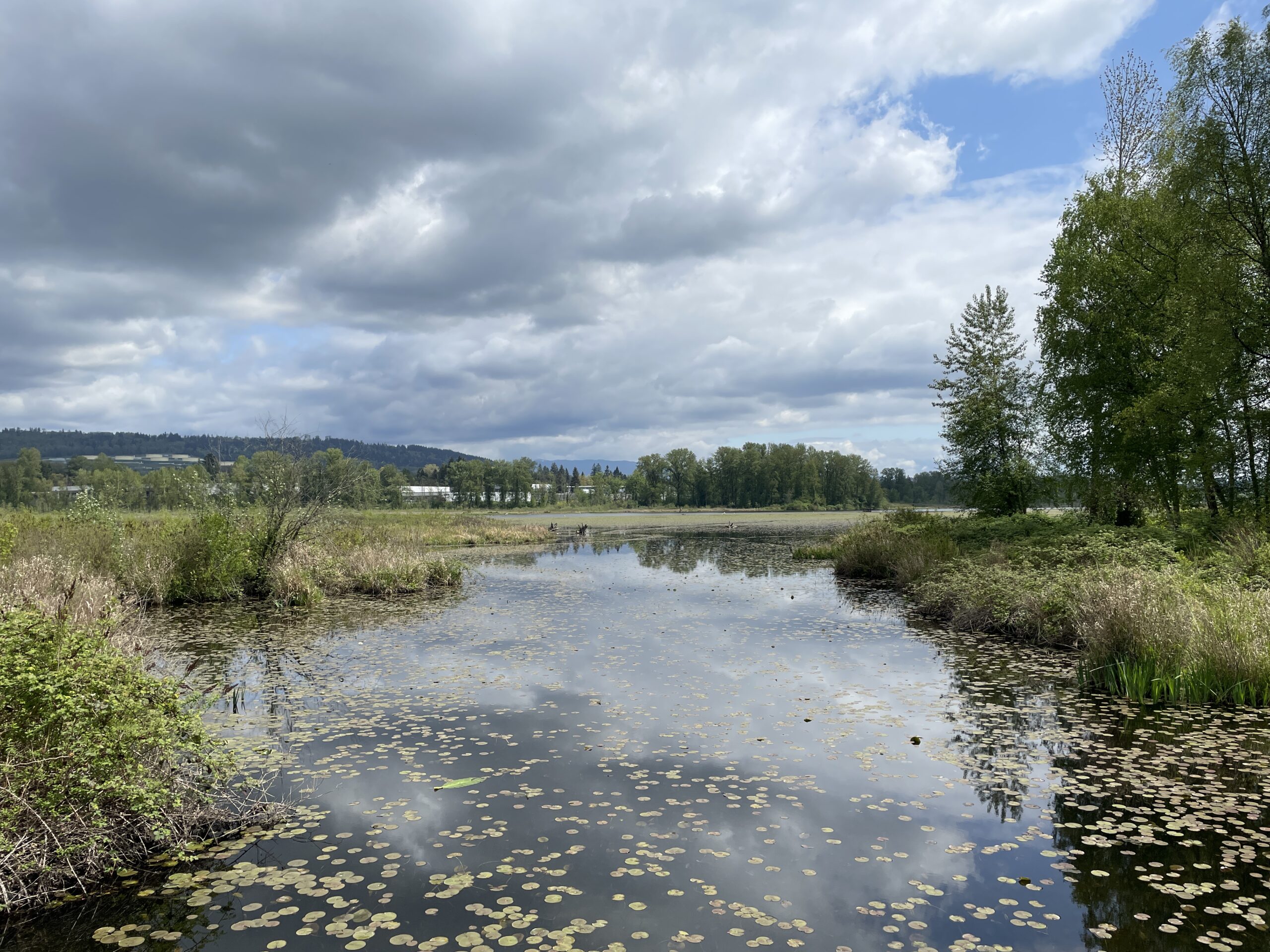
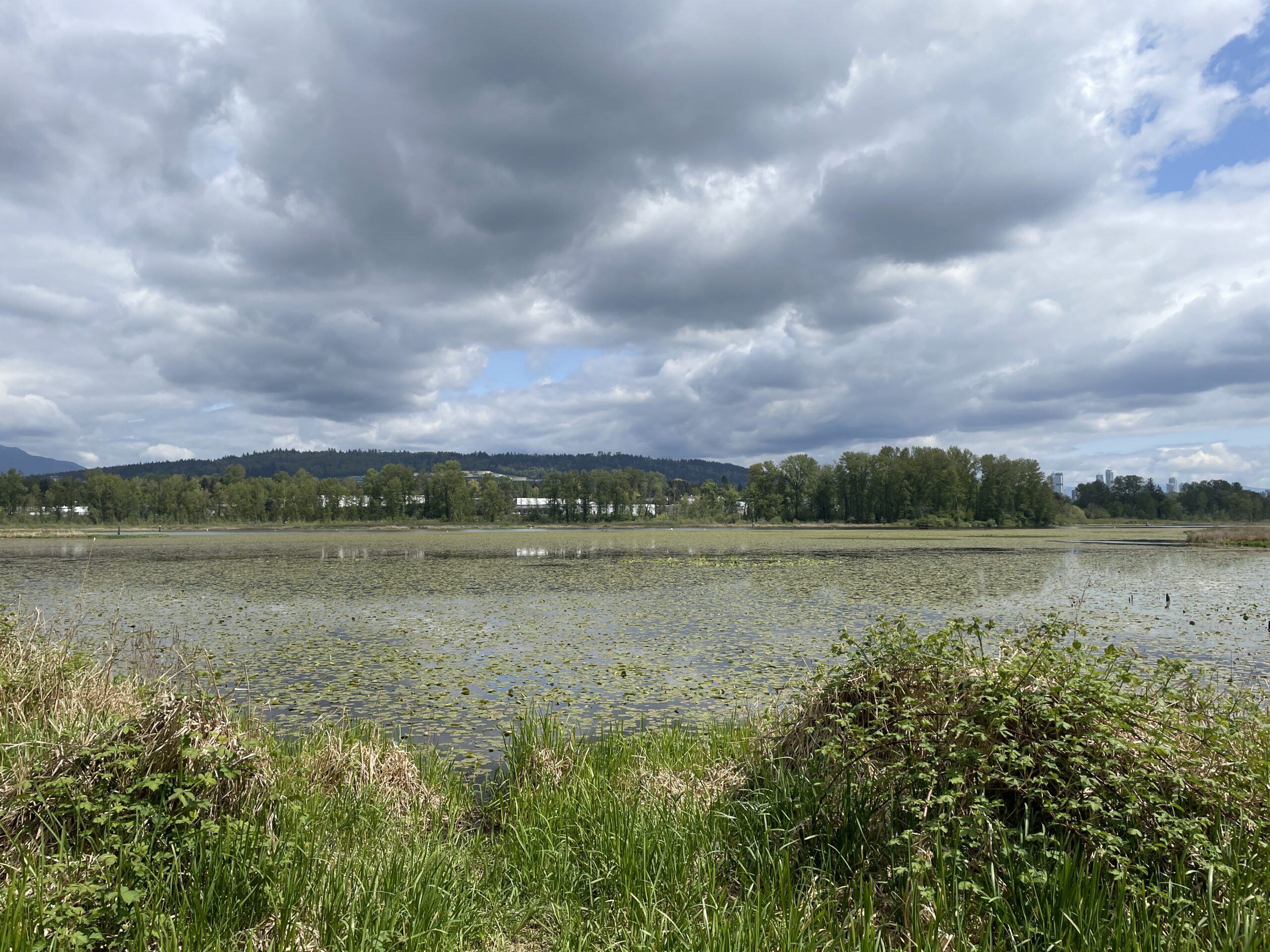
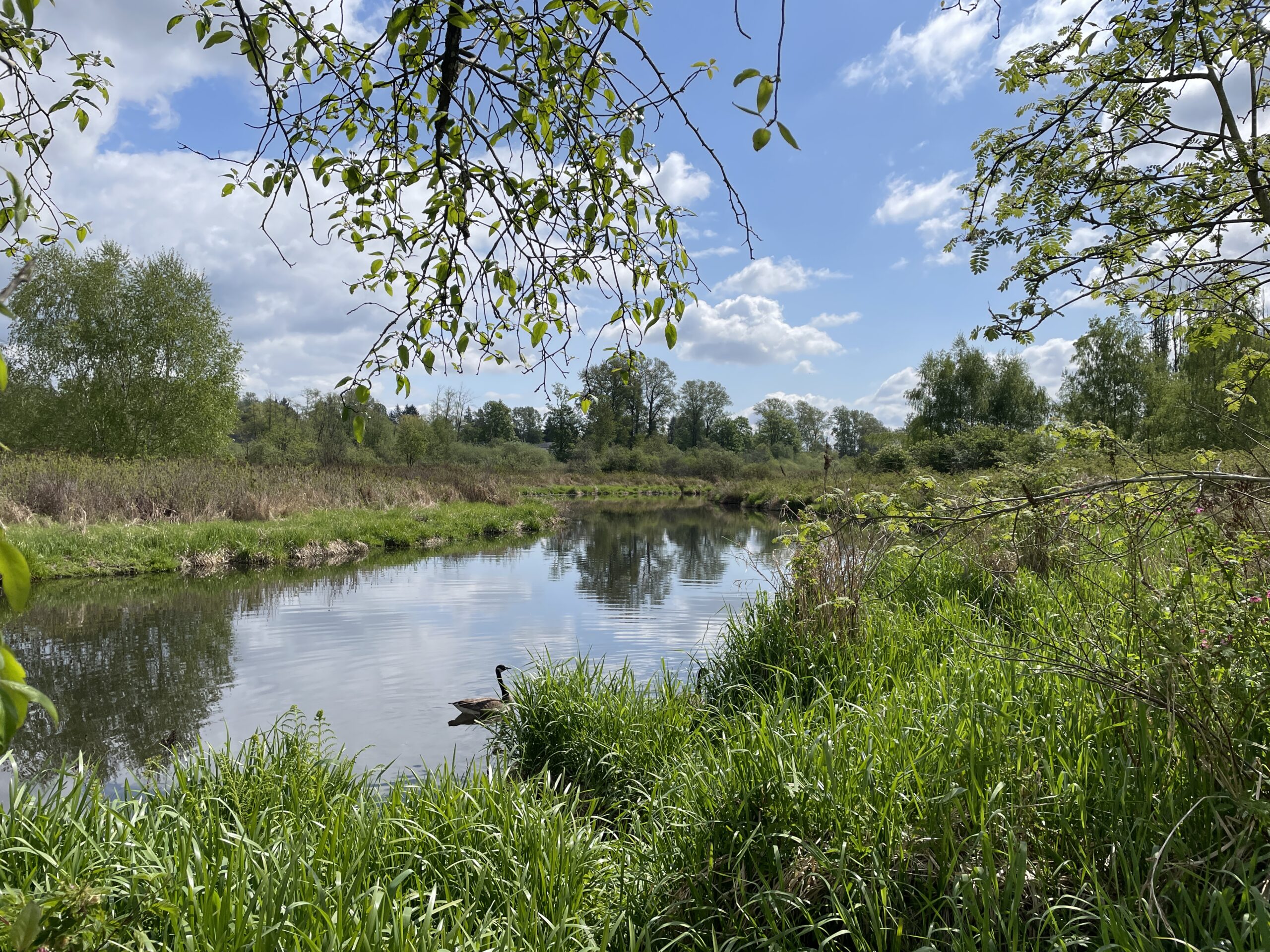
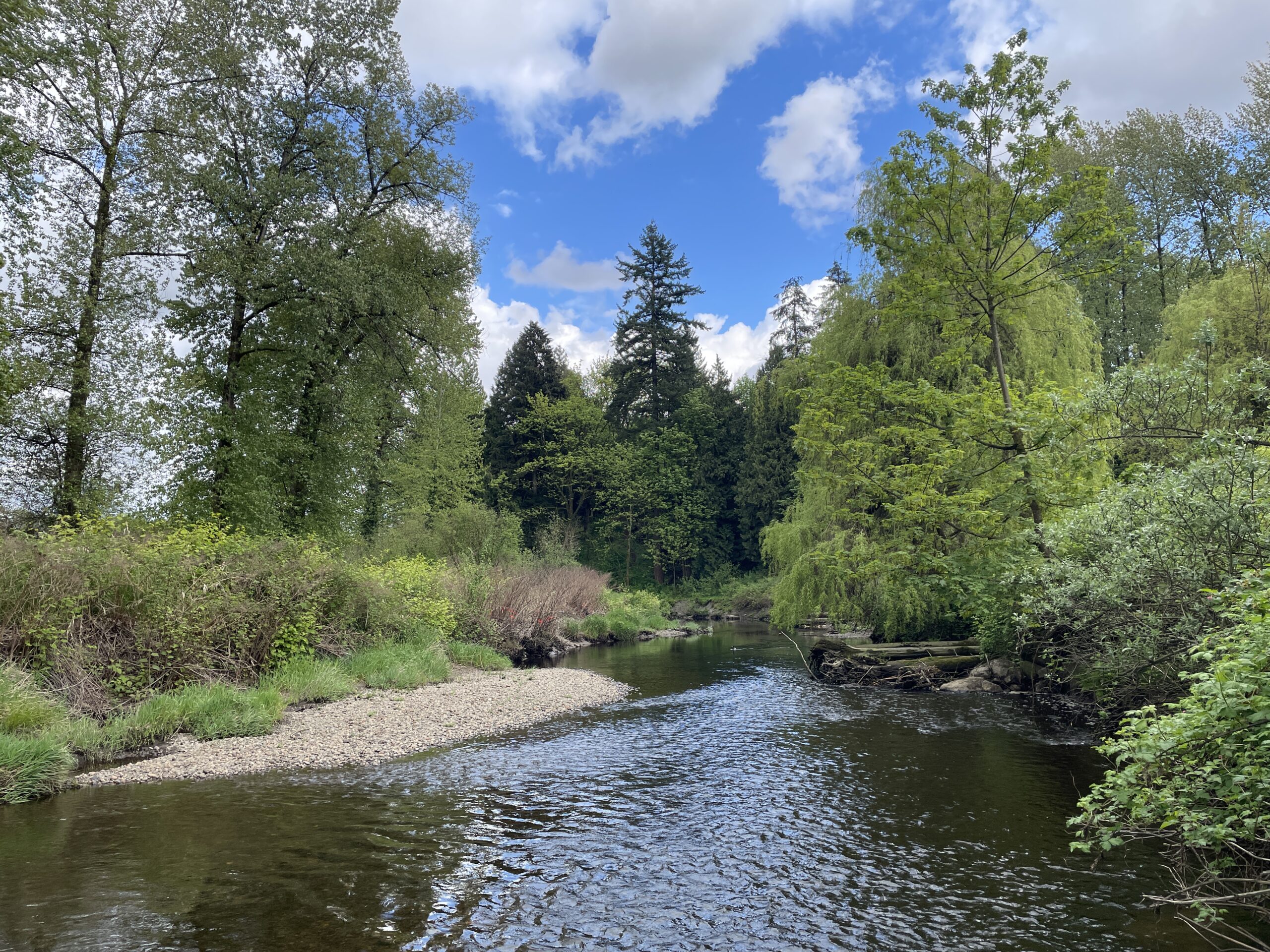
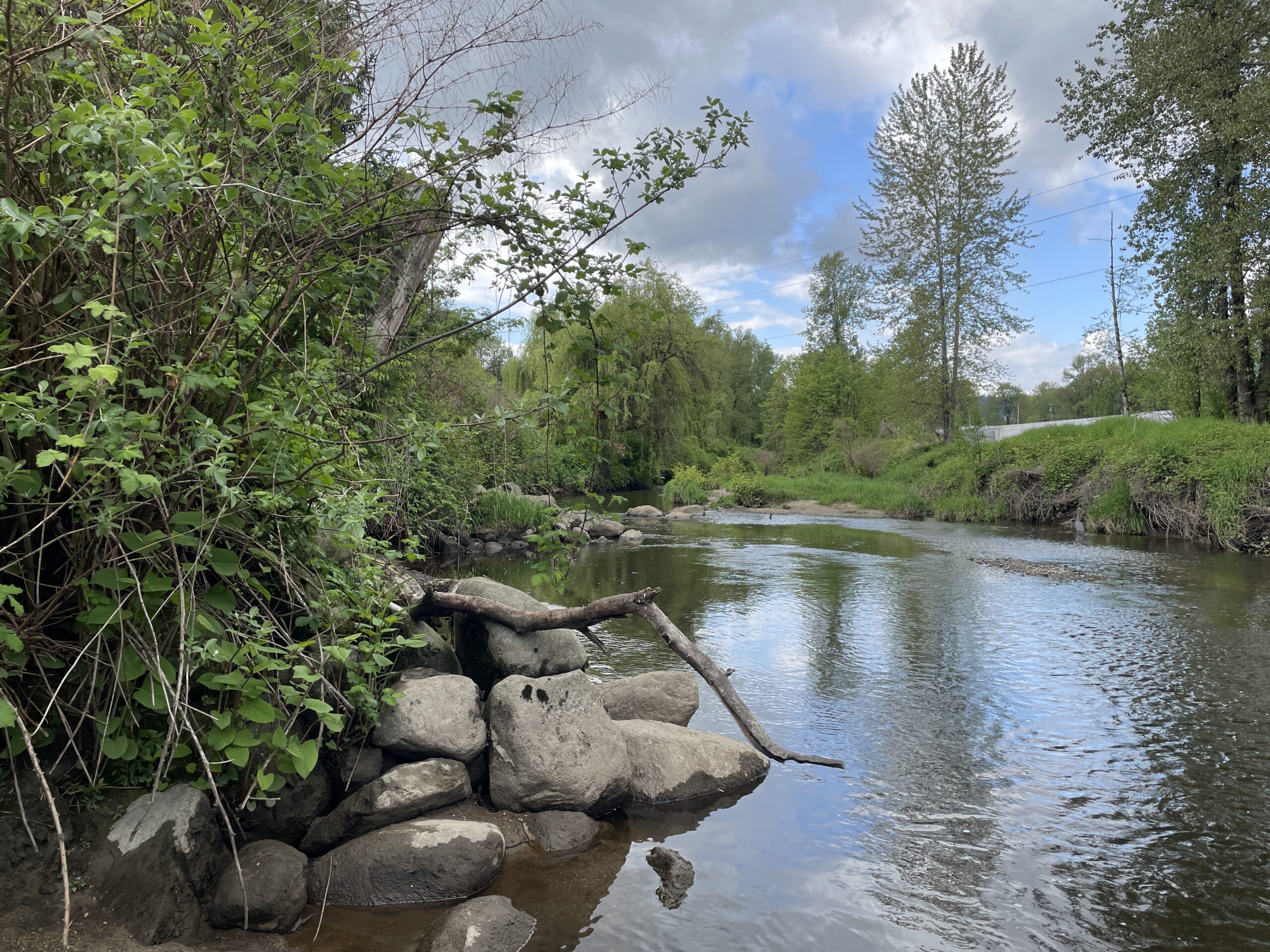
It’s been a bit since I posted some shots of the river. Here’s two.