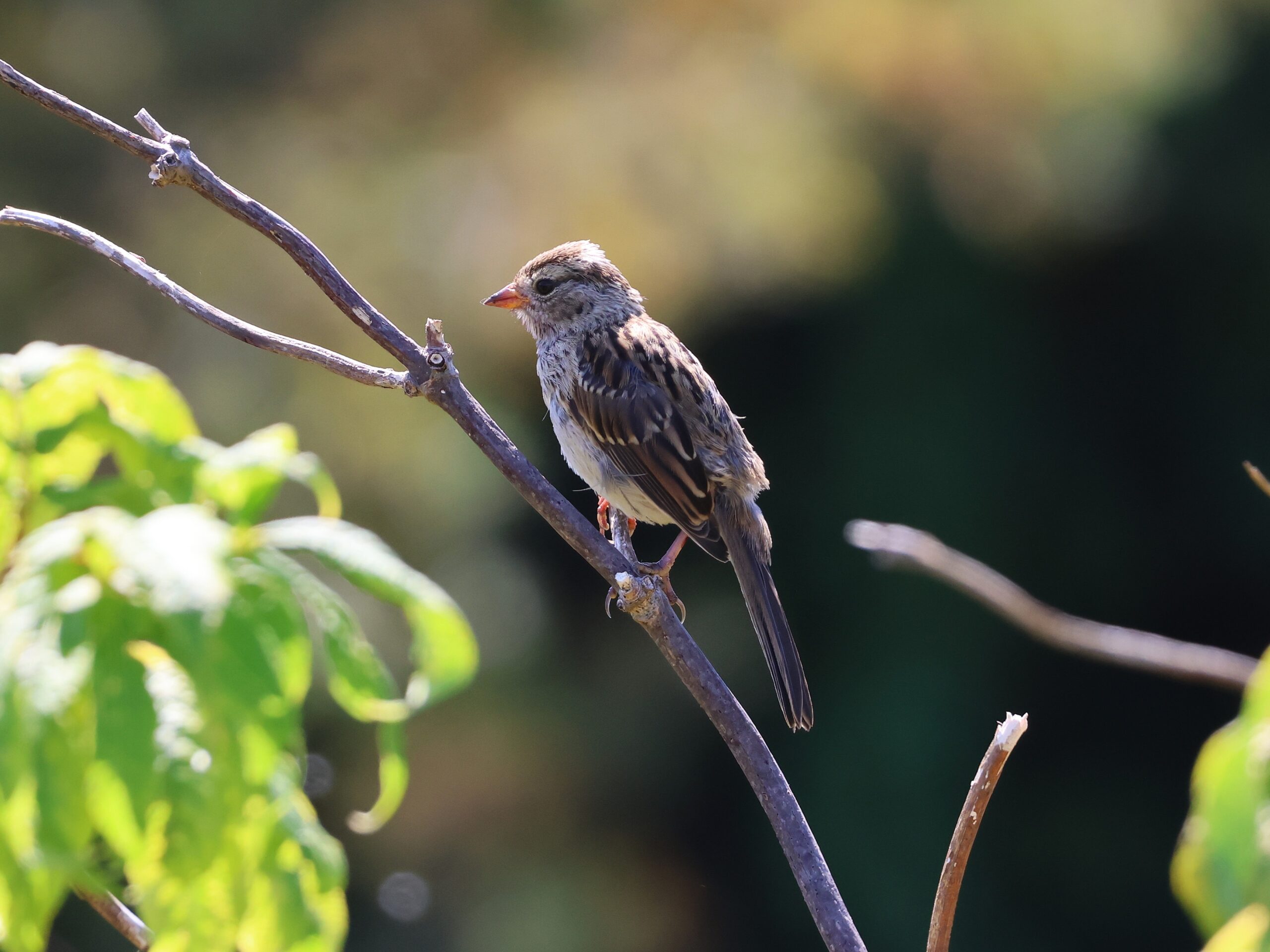
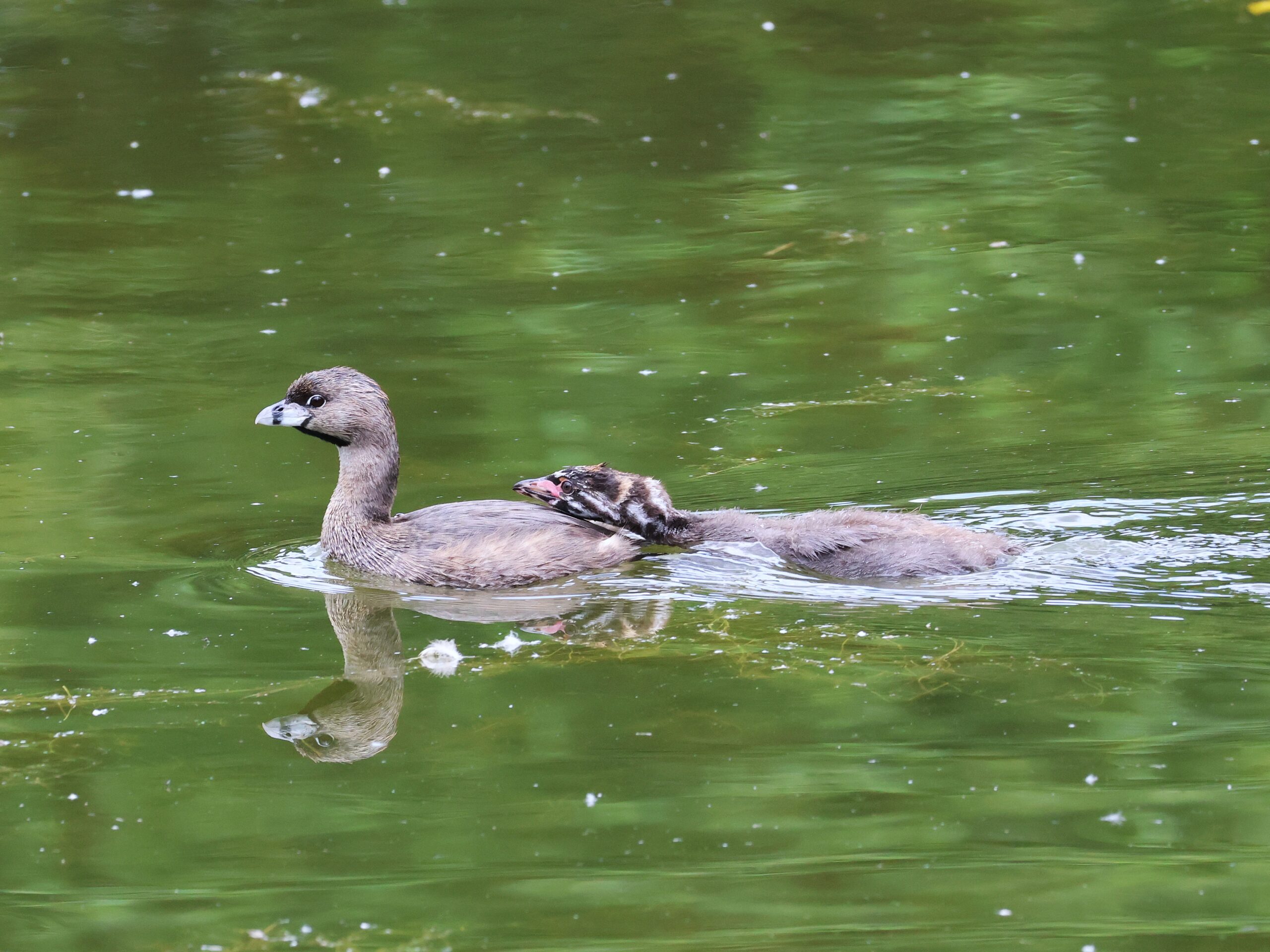
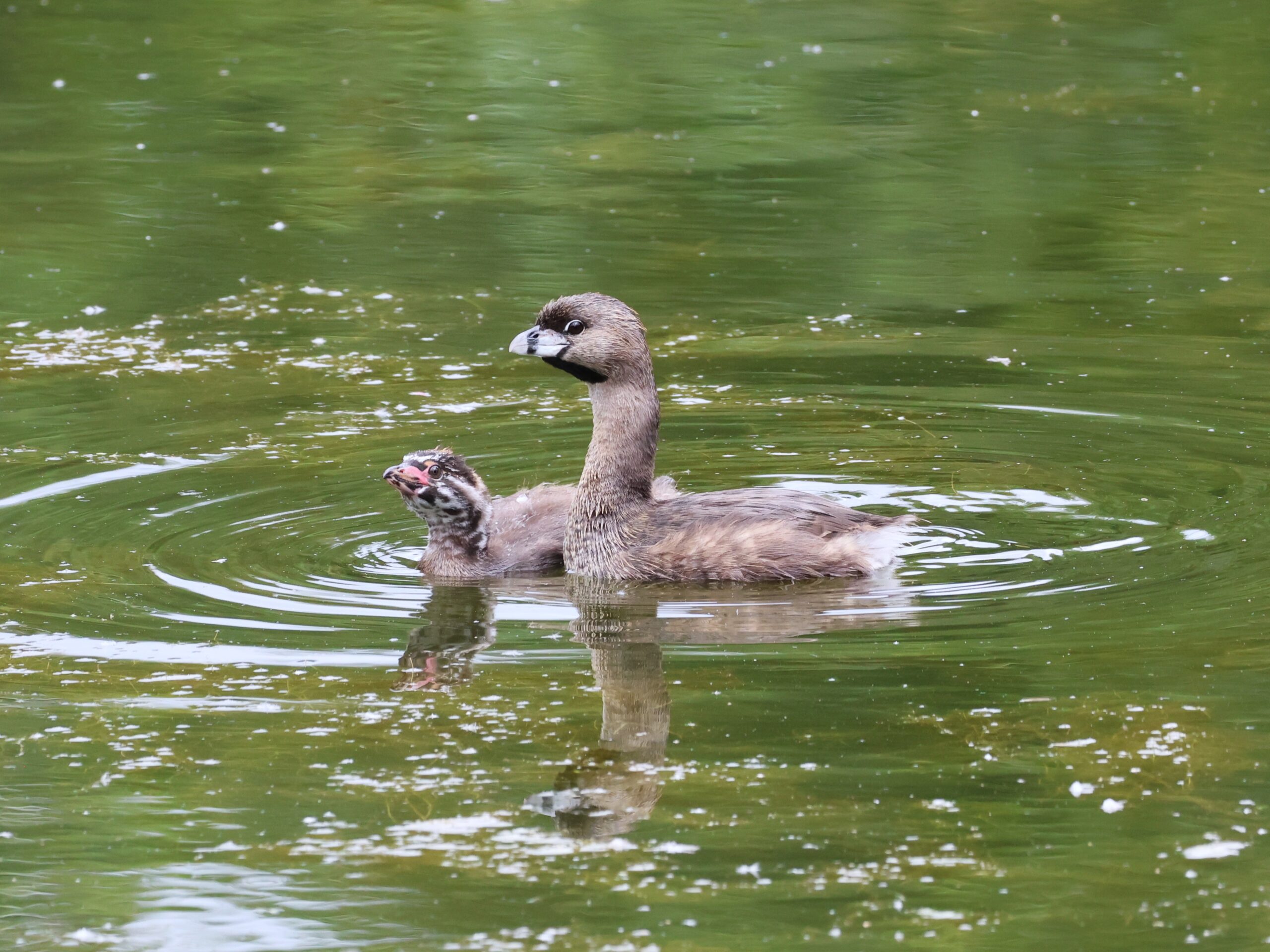
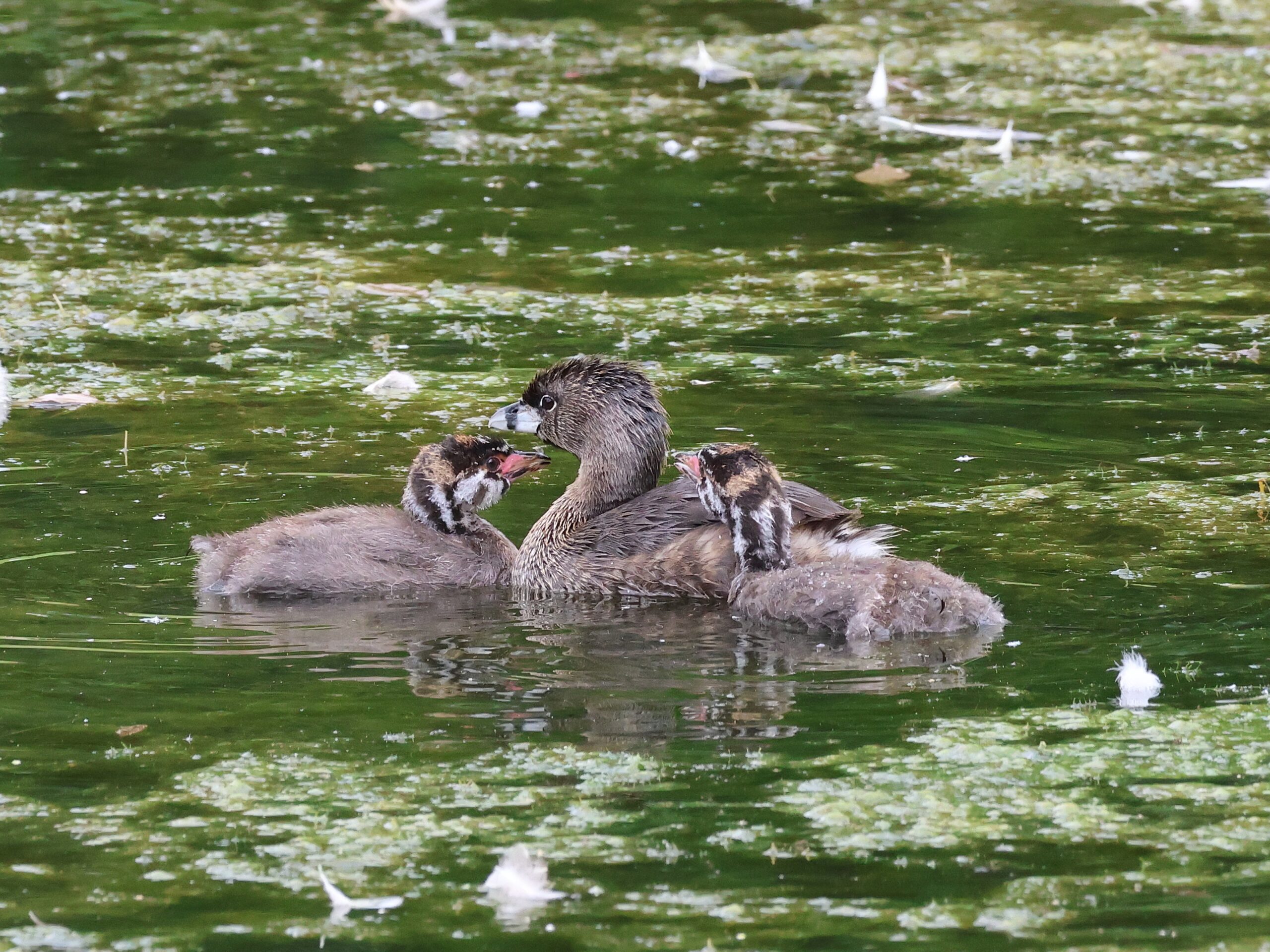
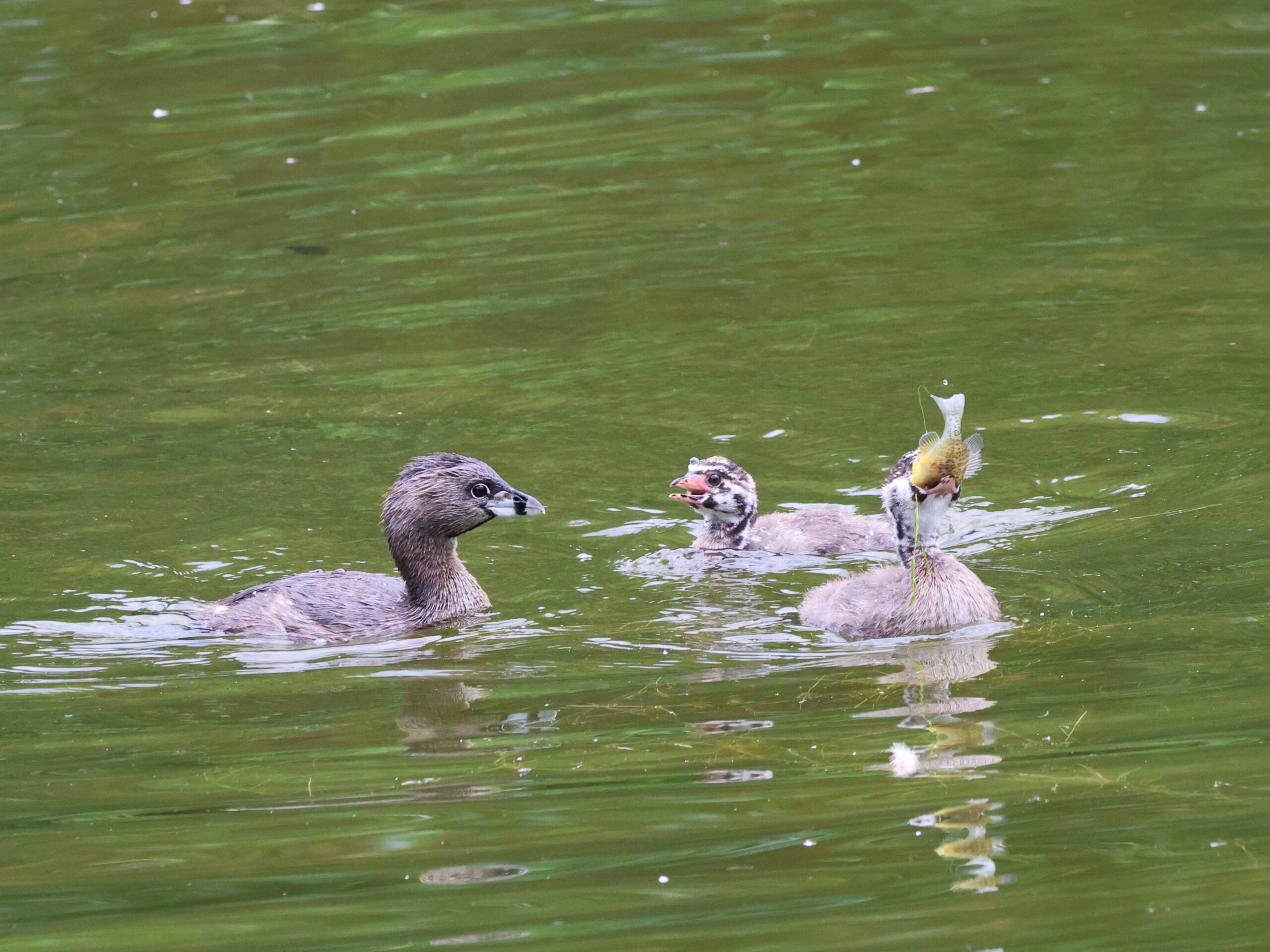
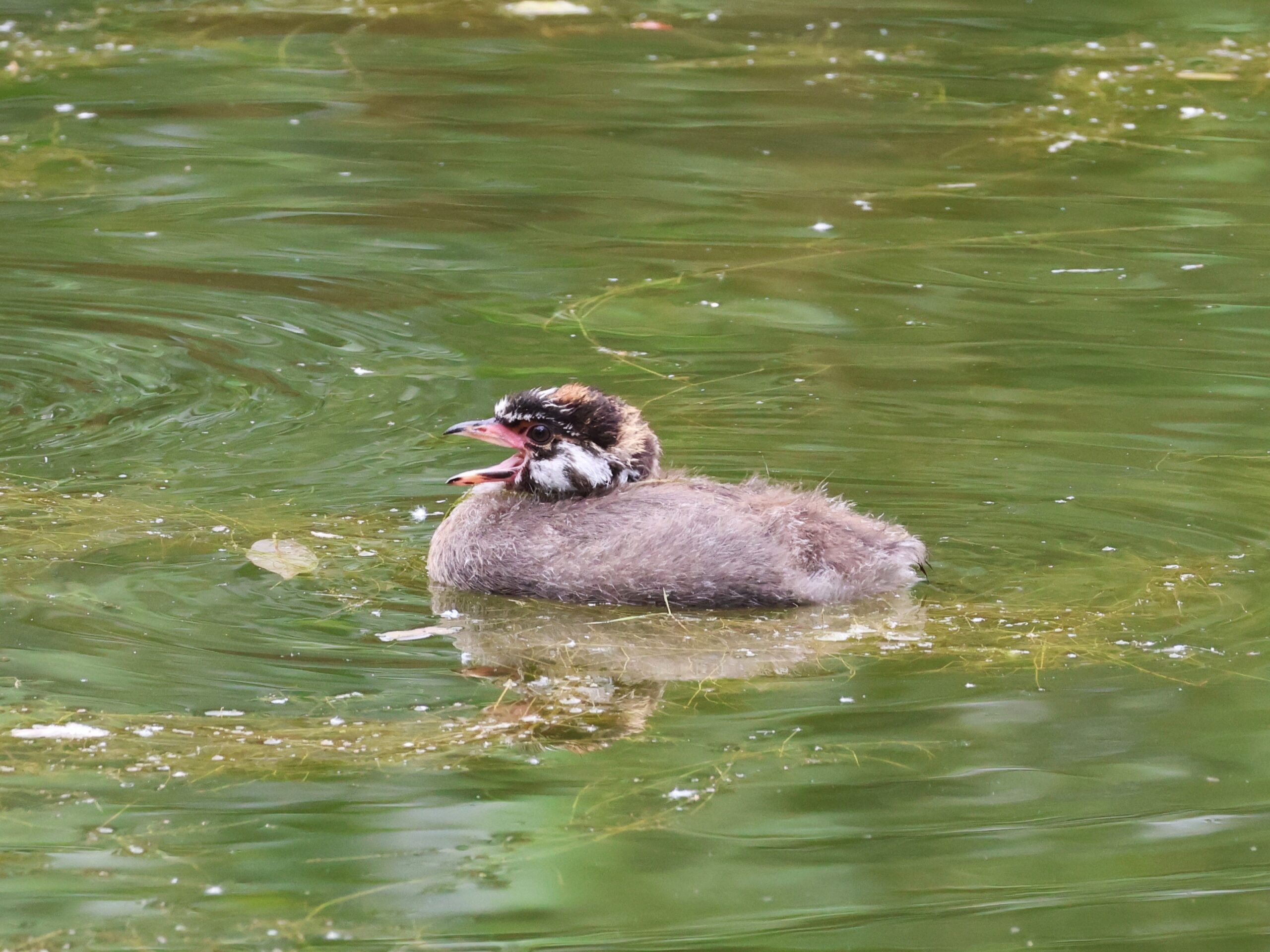
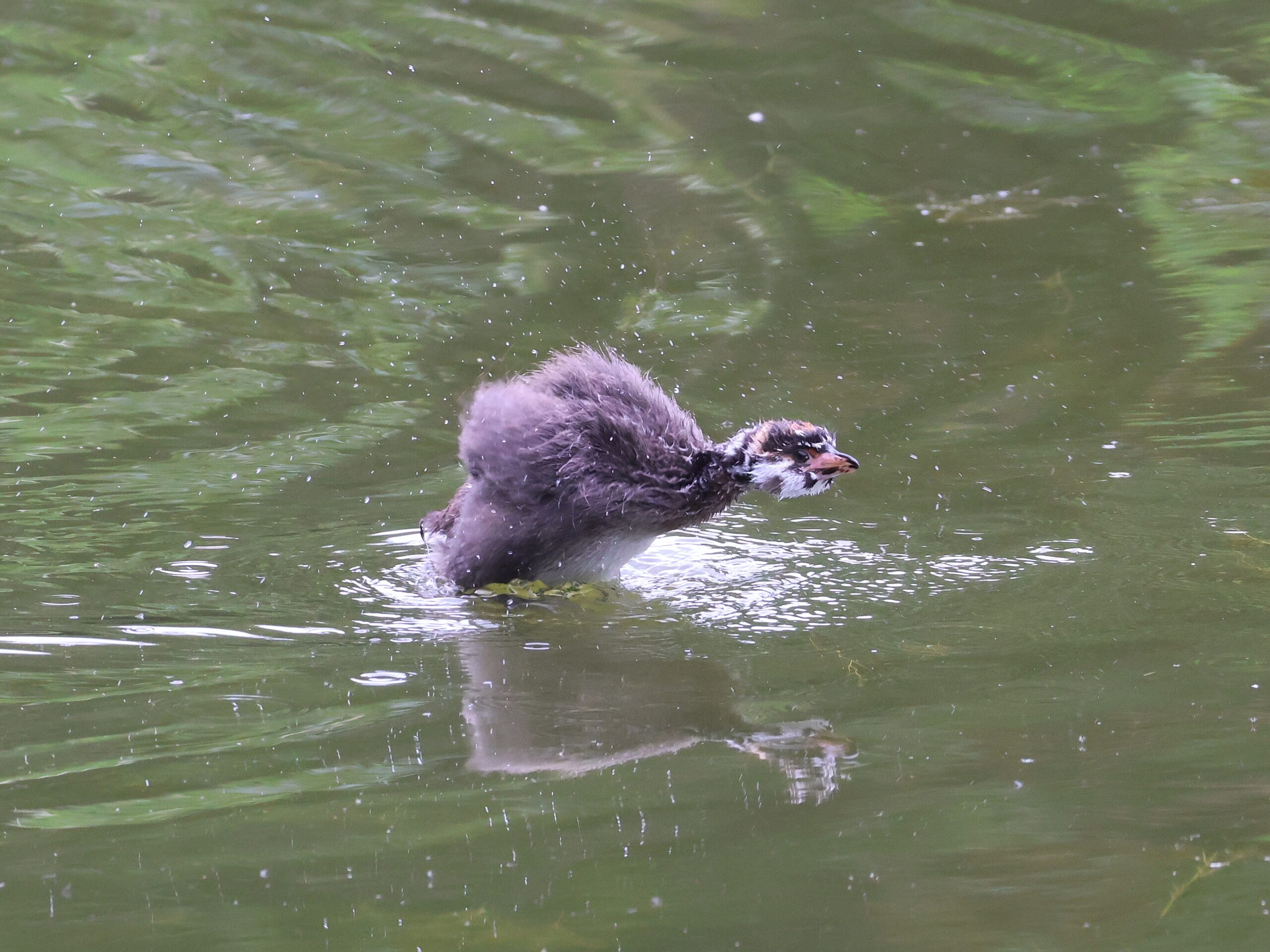
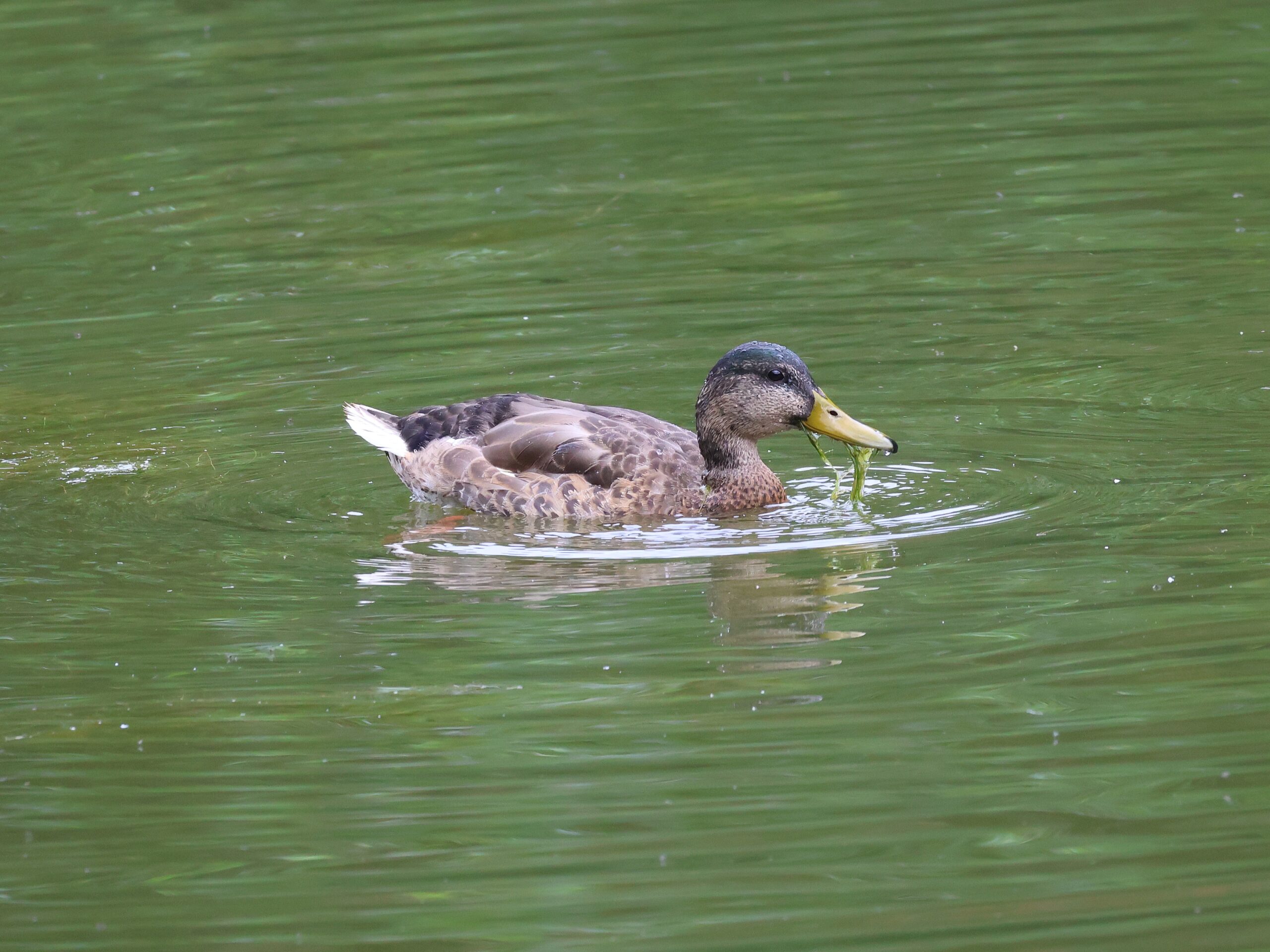
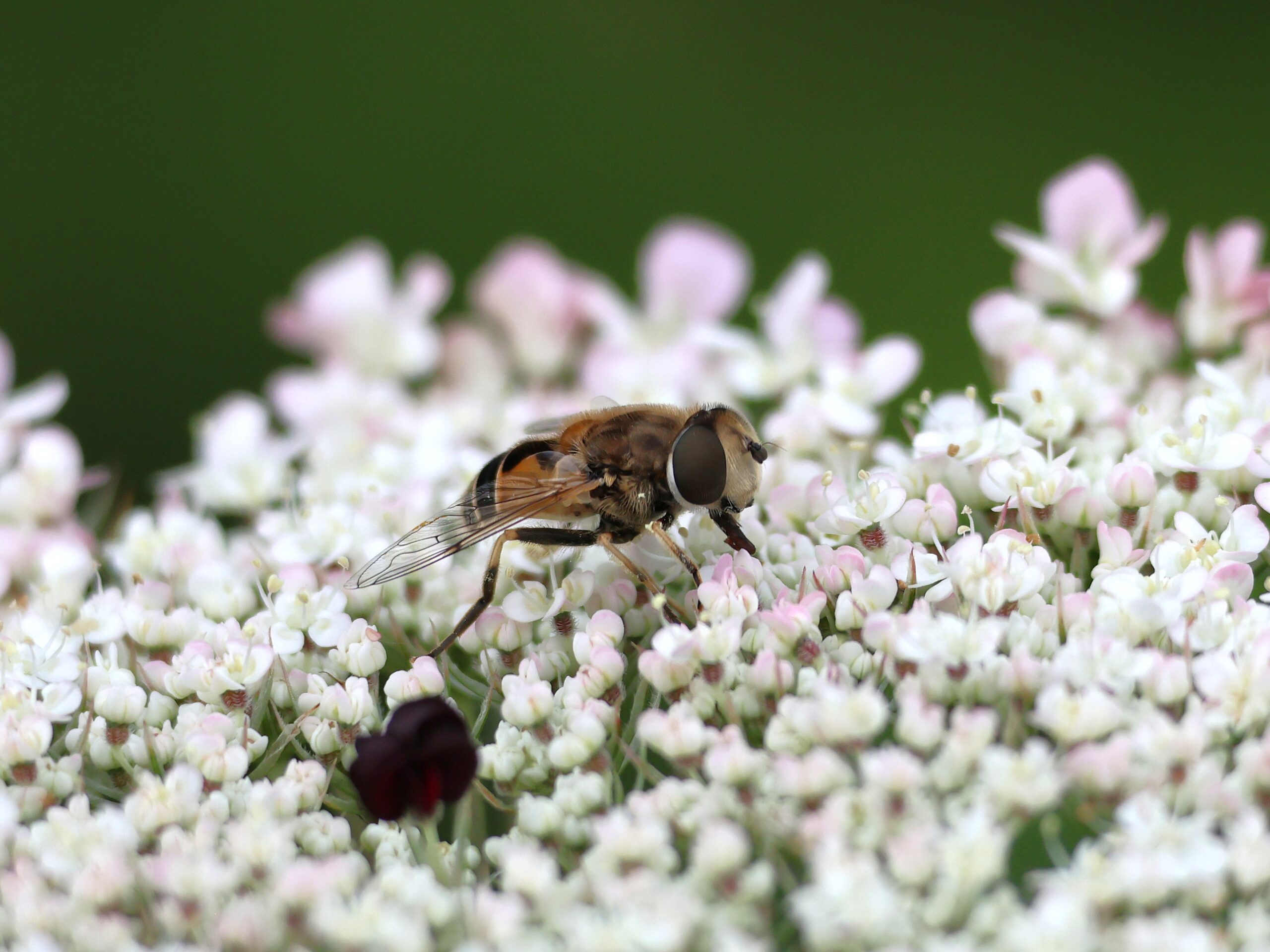
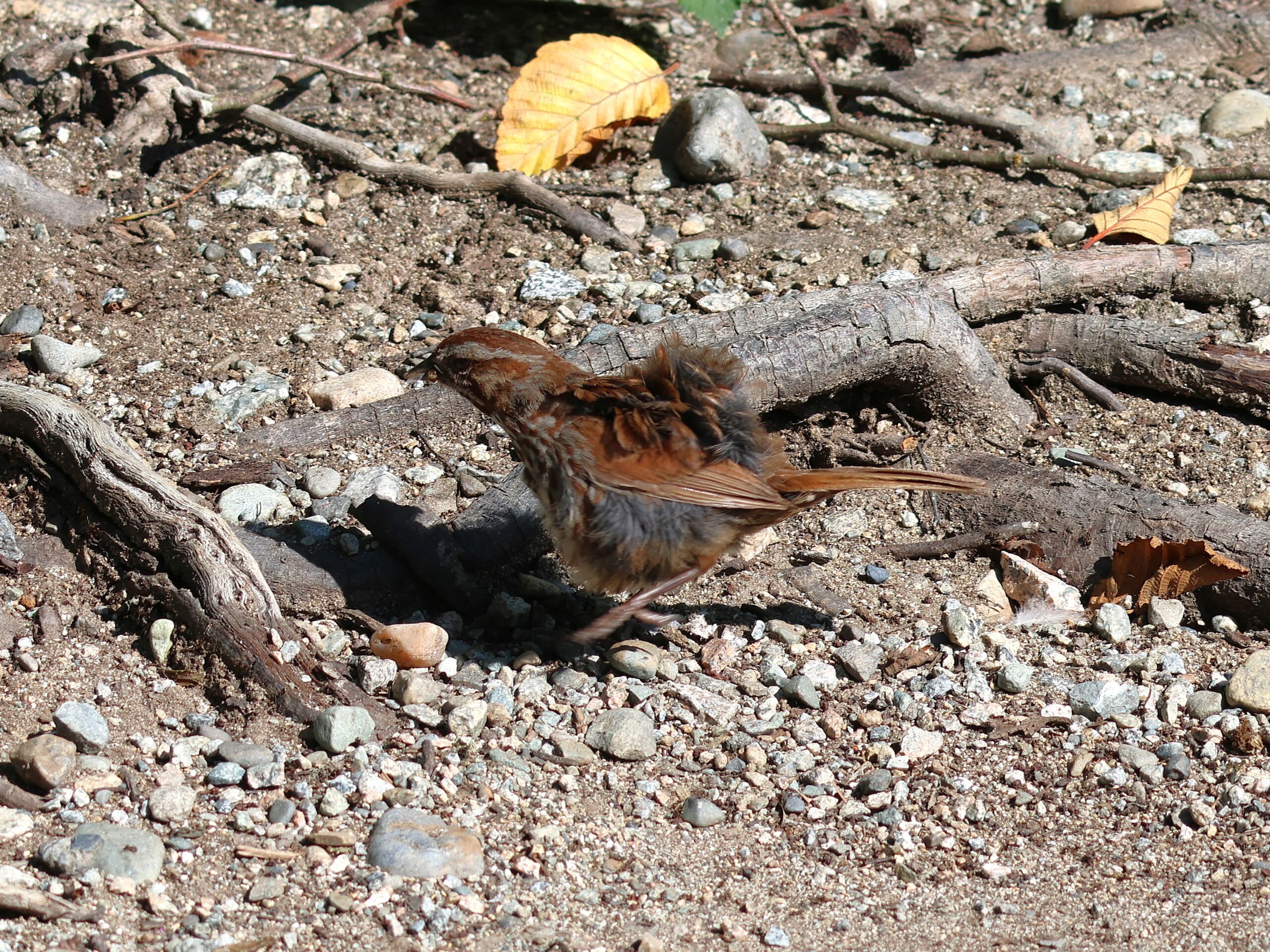
Birding, May 16, 2026: FEED ME, written and performed by Young Song Sparrow

Where: Brydon Lagoon, Blackie Spit (Surrey), Piper Spit, Burnaby Lake (Burnaby)
Weather: Cloudy with some sun, 11-16°C

Unlike recent outings, the weather was unseasonably cool today. I still wore shorts.

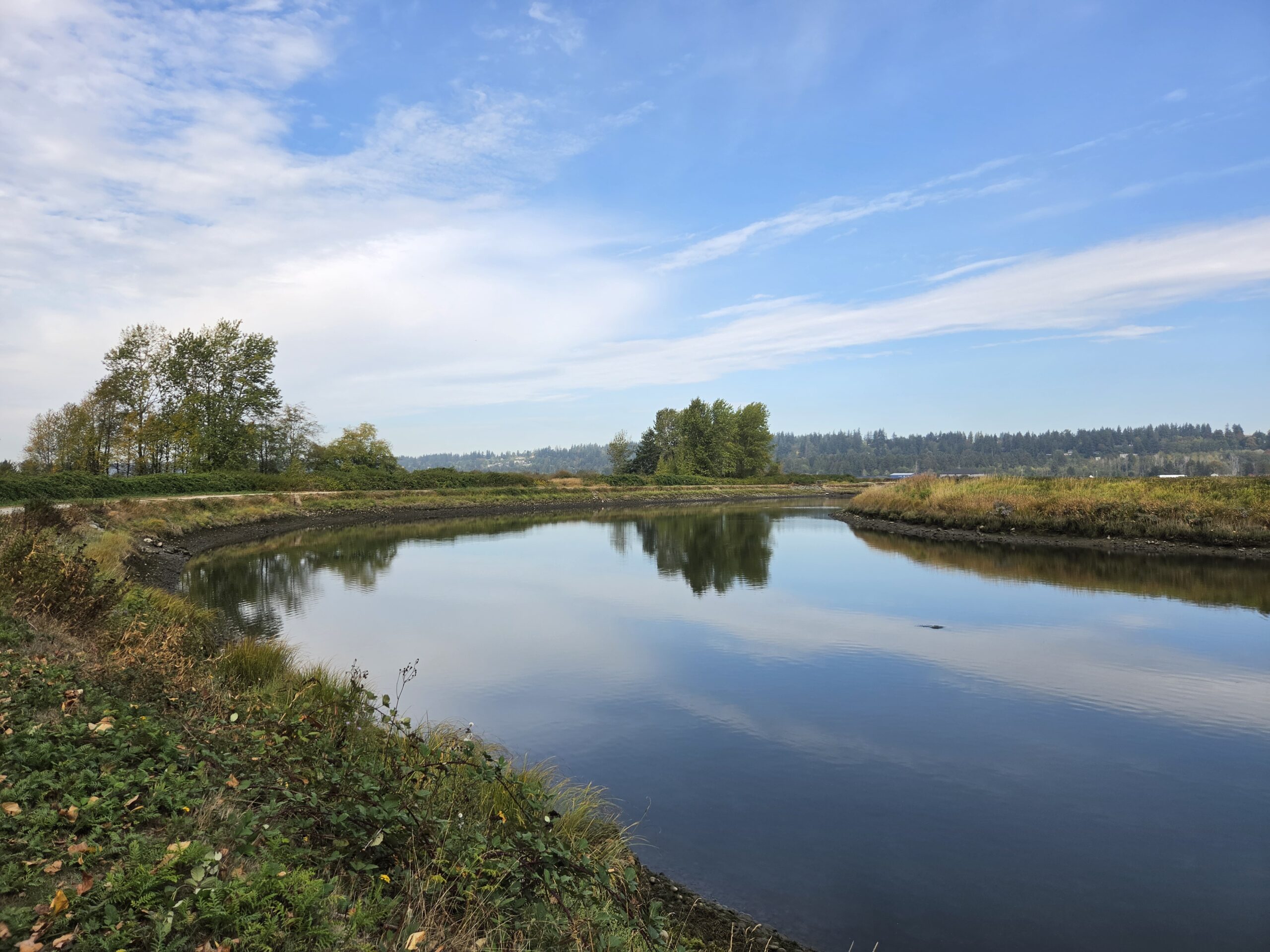
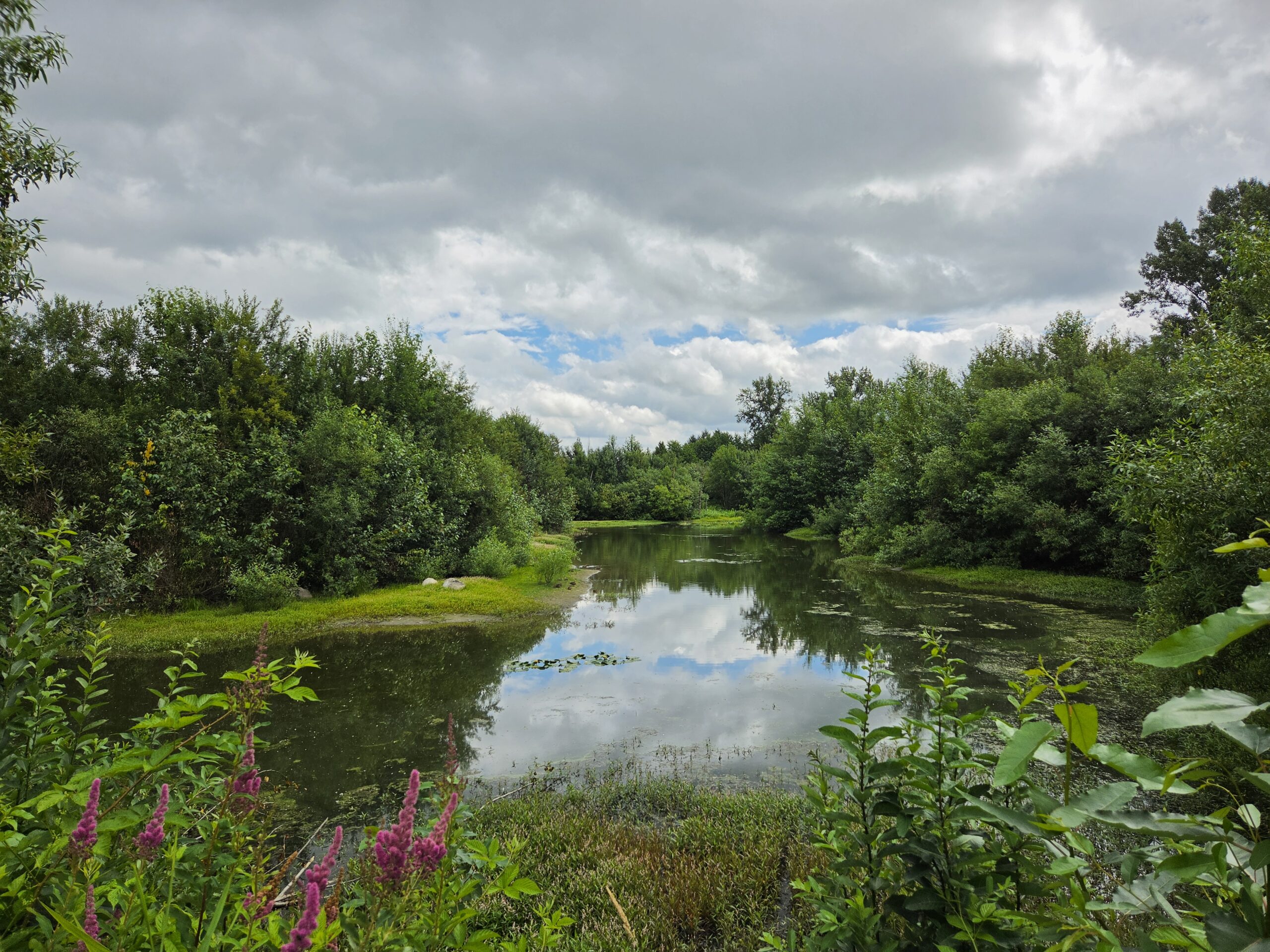
Brydon Lagoon

Brydon Lagoon, under a brooding sky.

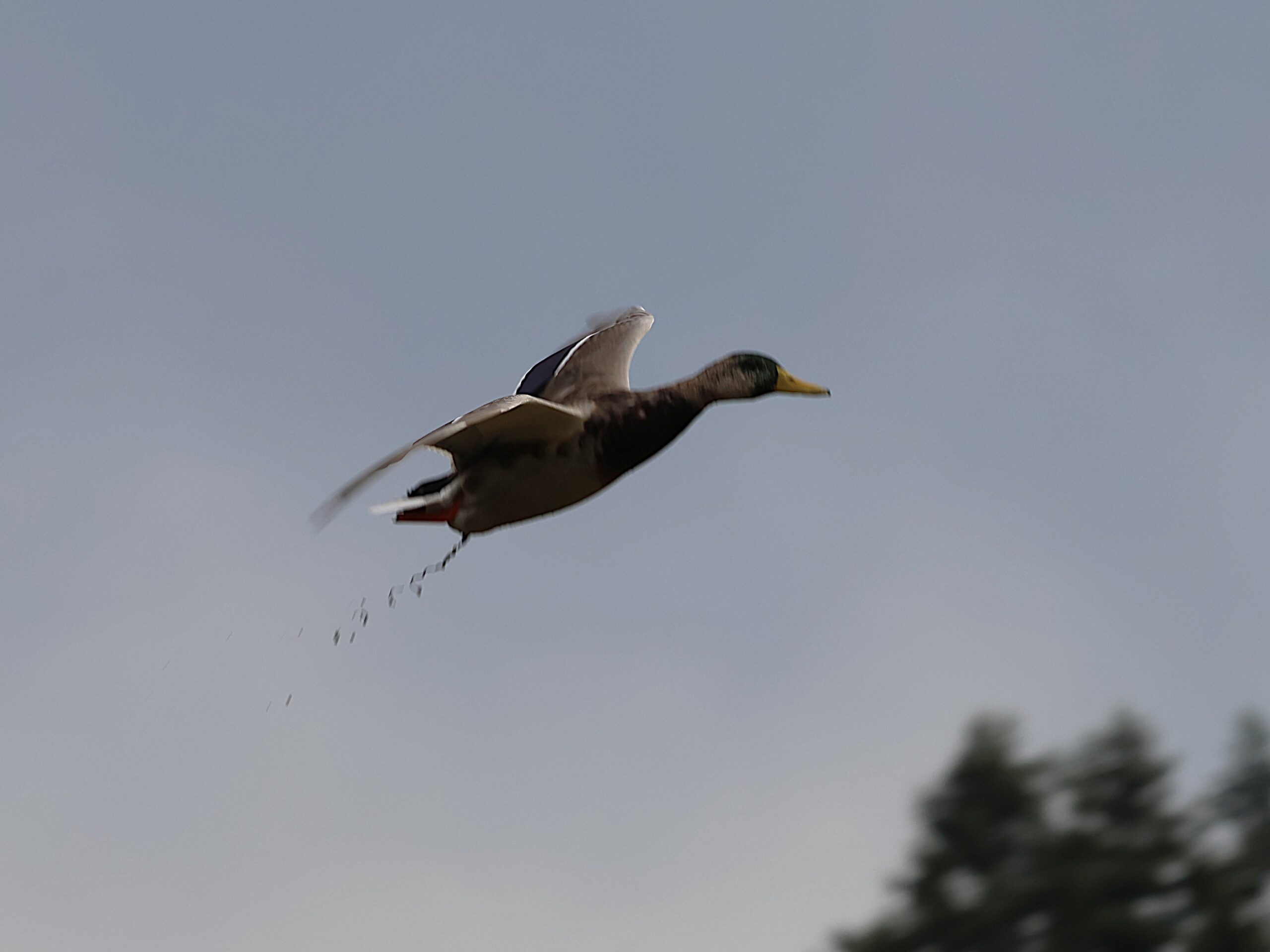
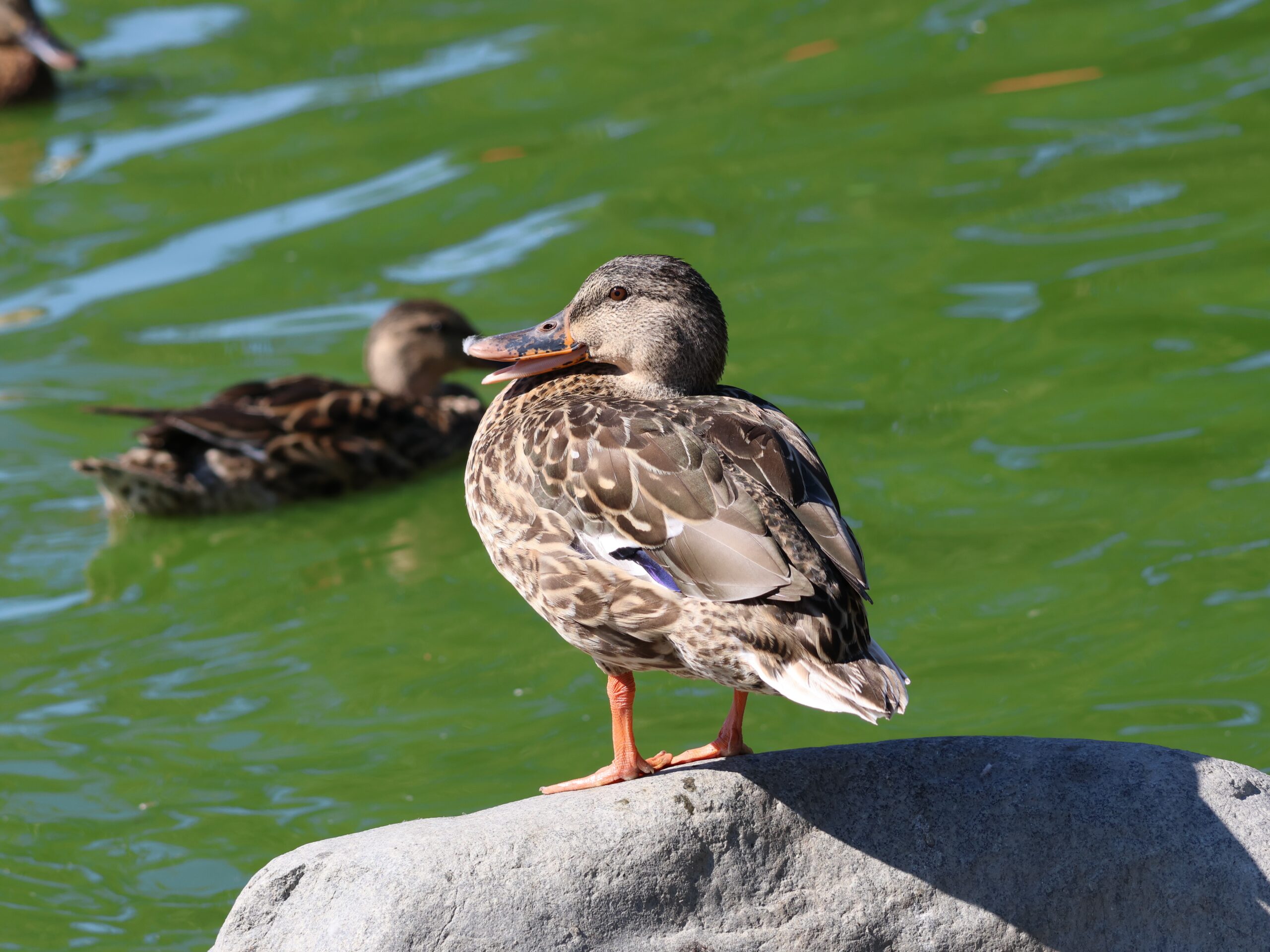
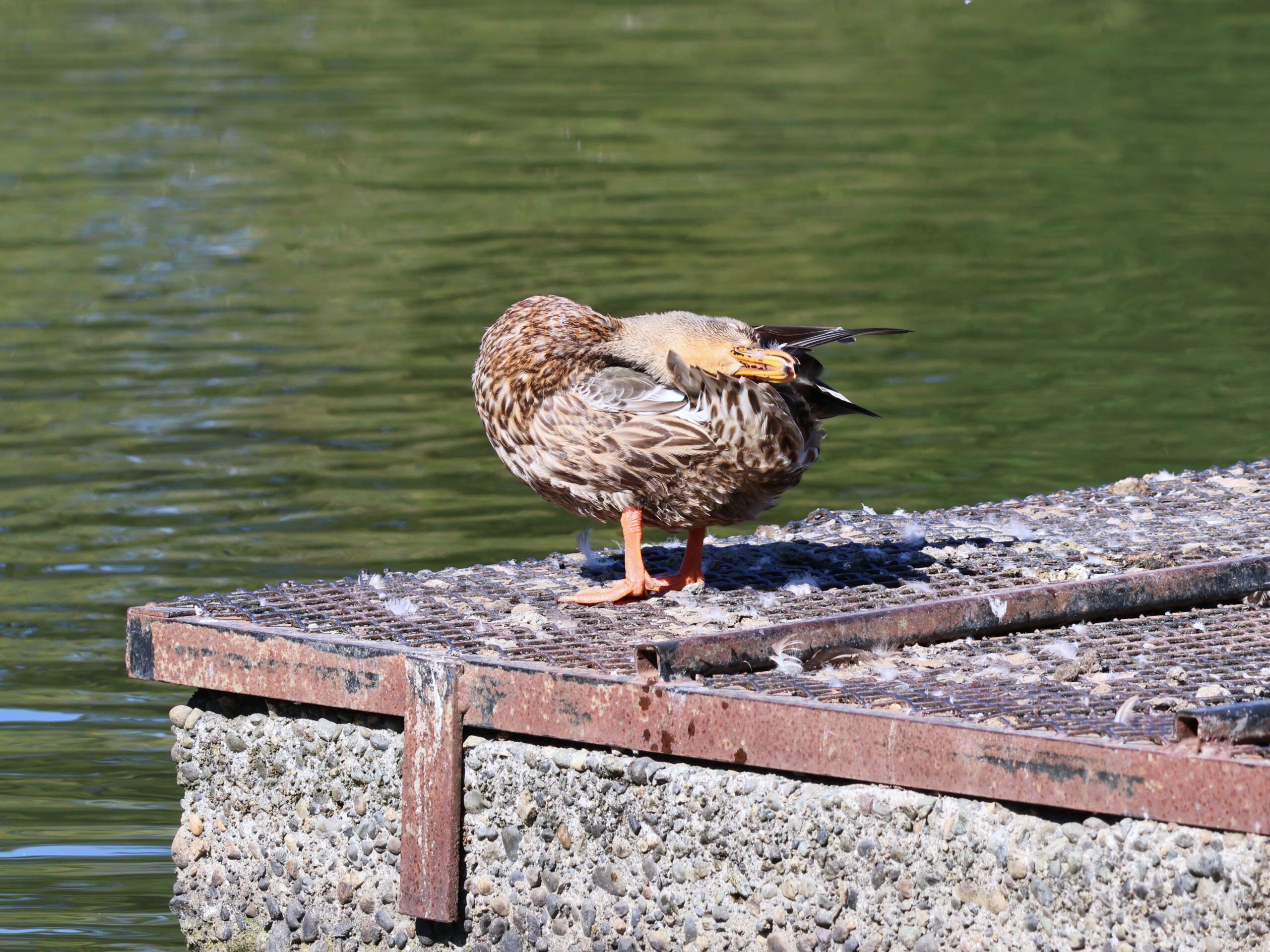
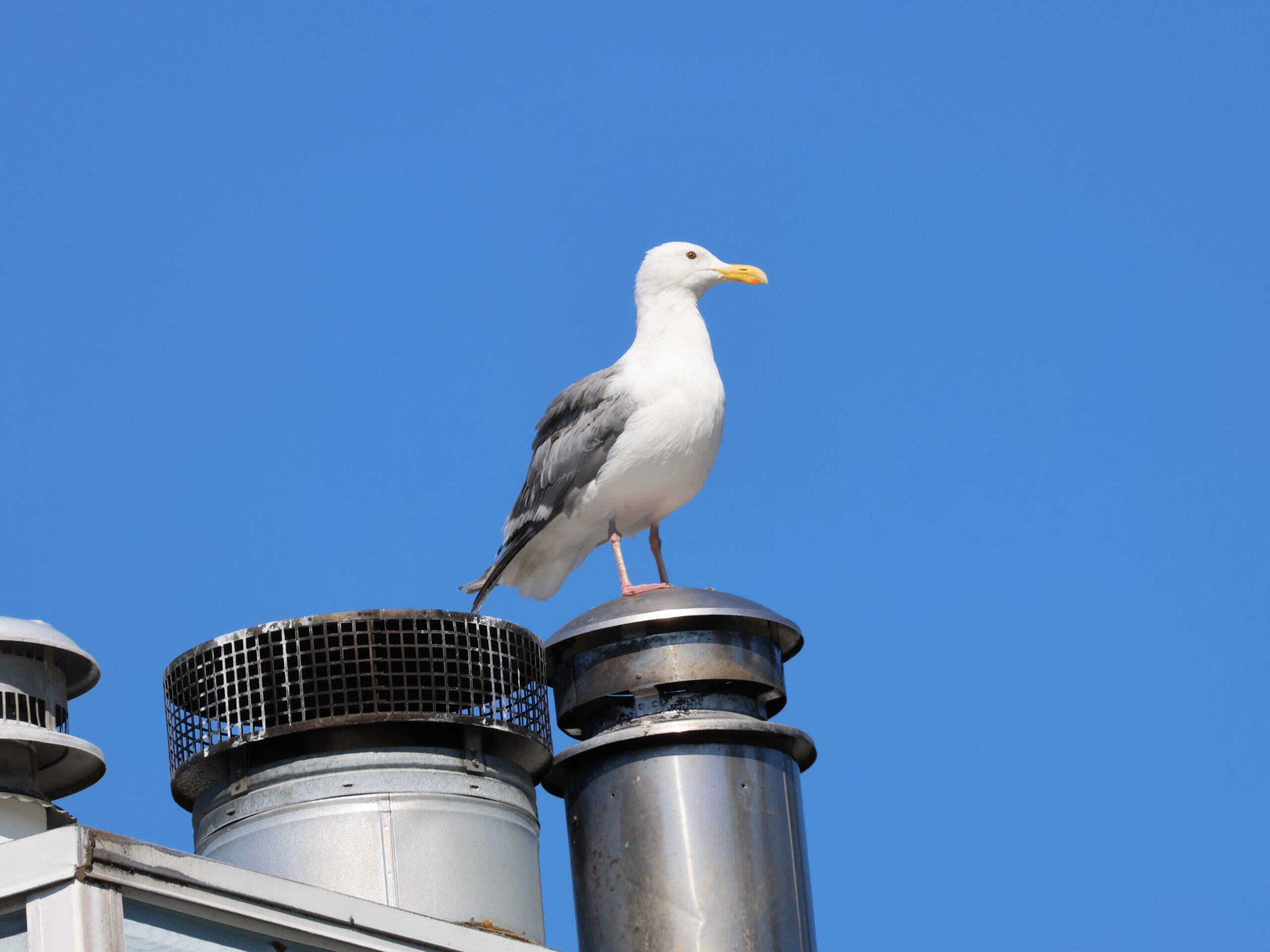
The last time we were at Brydon, we saw a bounty of birds or BOB. Today, the bounty mostly came in the form of every kind of swallow, gulls and Mallards. Except for a few Ring-necked Ducks still noodling around, the winter migrants are gone. We are cootless again.

The wind was quite brisk and it started out only around 11C. This may not sound cold, but we’ve had summer-like weather just long enough to get used to it.

That same wind provided a benefit in trying to shoot swallows, though, as they slowed noticeably when pushing against the wind. Nic took about a billion shots, adjusted his camera’s settings and regularly cleaned stuff from the sensor, which is apparently cursed by black magic to always mysteriously attract stuff to it. But this all paid off, as he got several very spiffy shots.

I only tried a few times, my camera mostly refused to lock on, but I did grab a few where you could look at the photos and say, “That’s a swallow.”

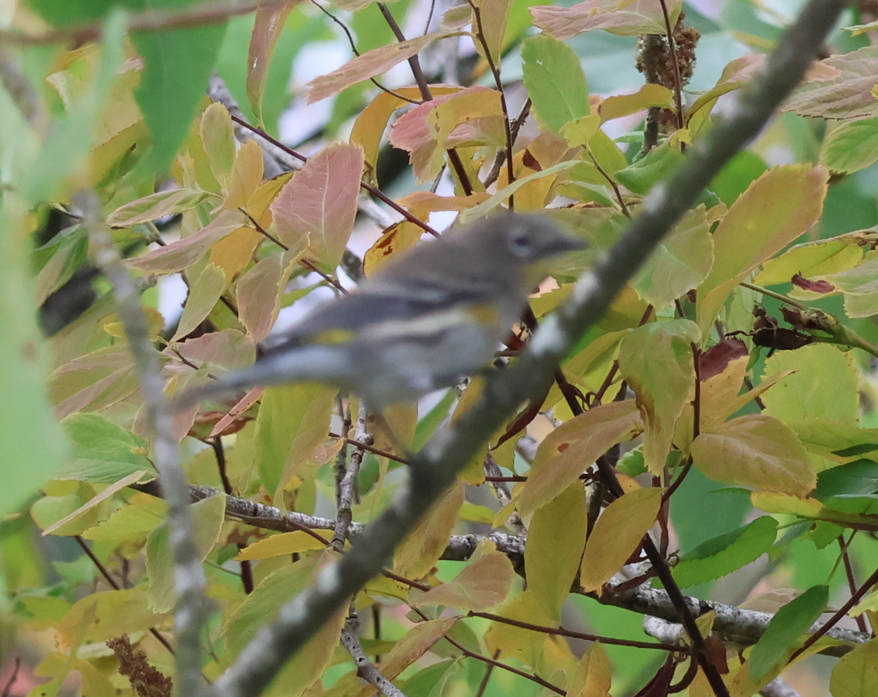
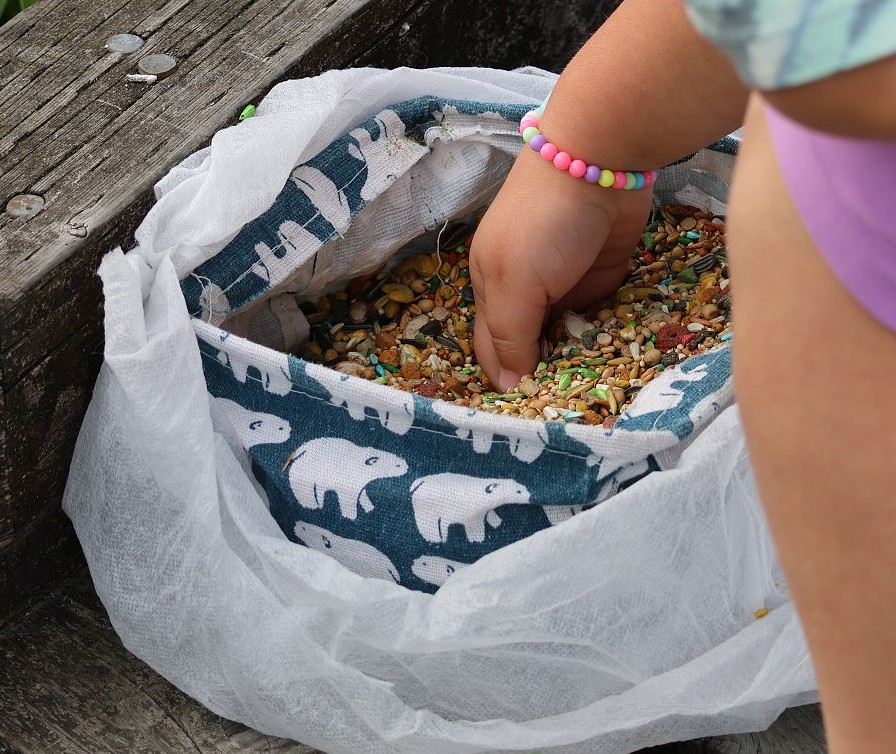
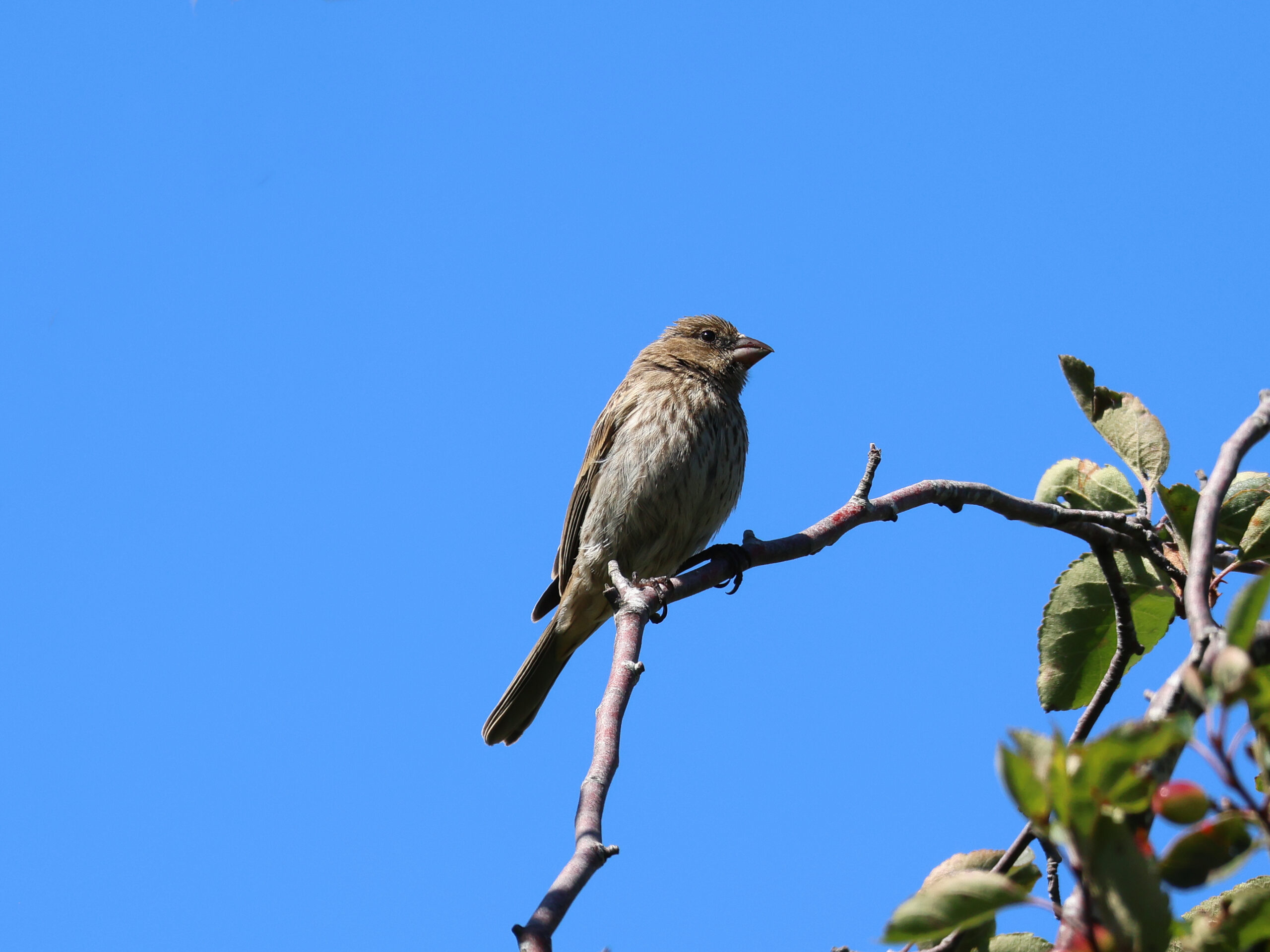
The highlight here, though, was the normally unassuming Song sparrow, as a young and fuzzy one was sitting in a bush, demanding to be fed, and a parent was obliging, stuffing seed and whatnot down its gullet. We both got very nice shots of the feedings. Once sated, it flew off.

As did we. Well, we didn’t fly, we had to drive.

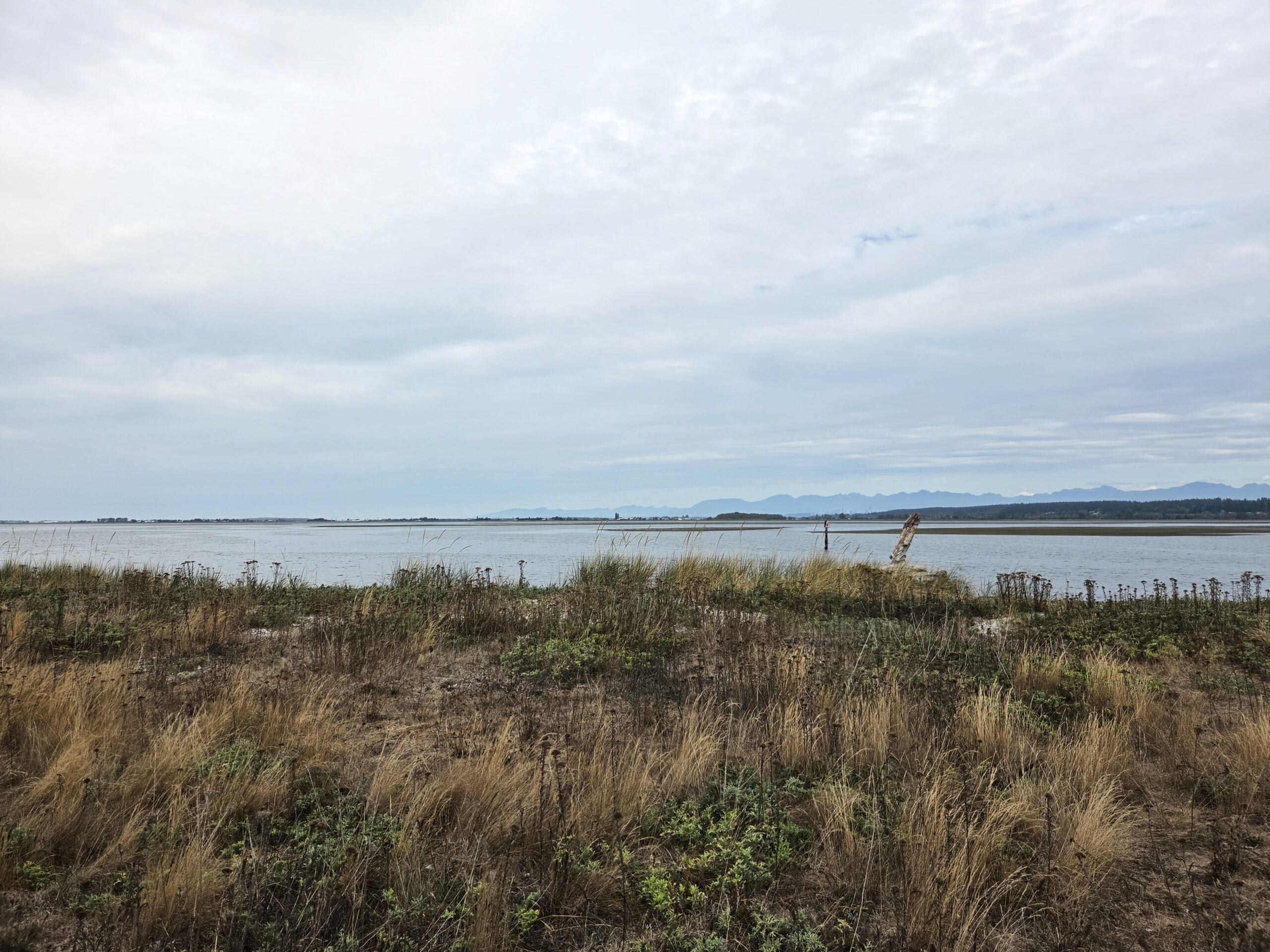
Blackie Spit

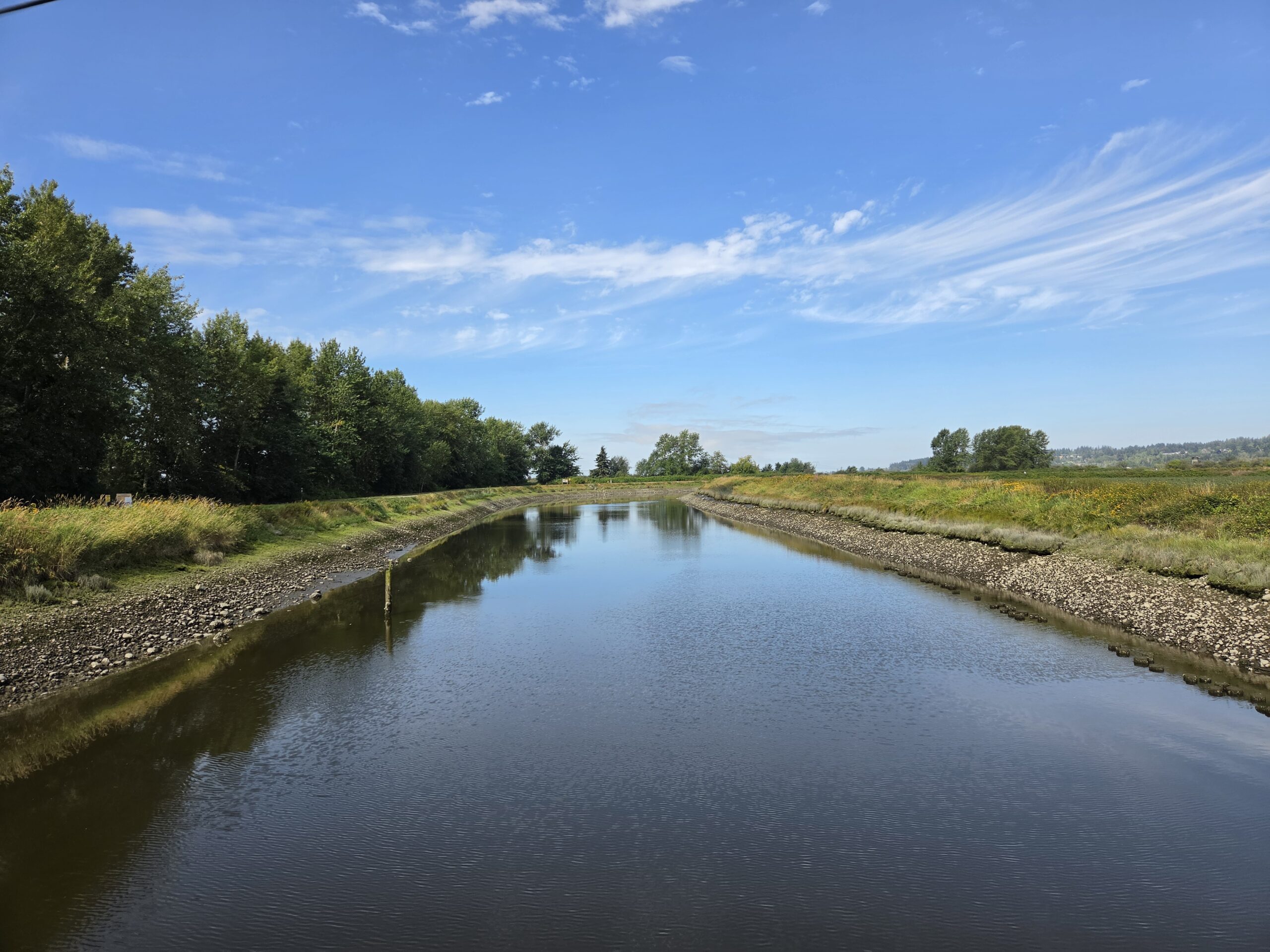
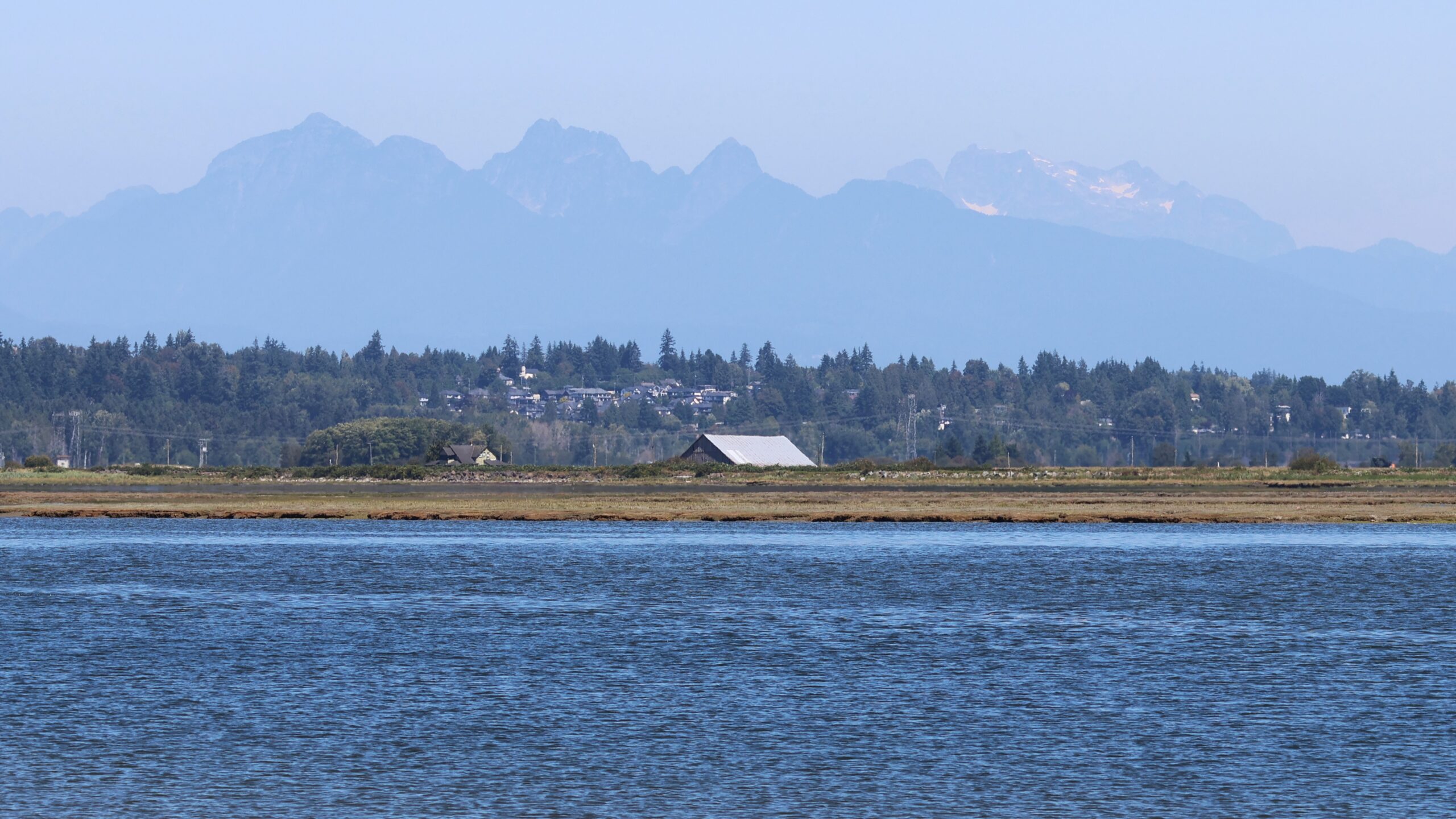
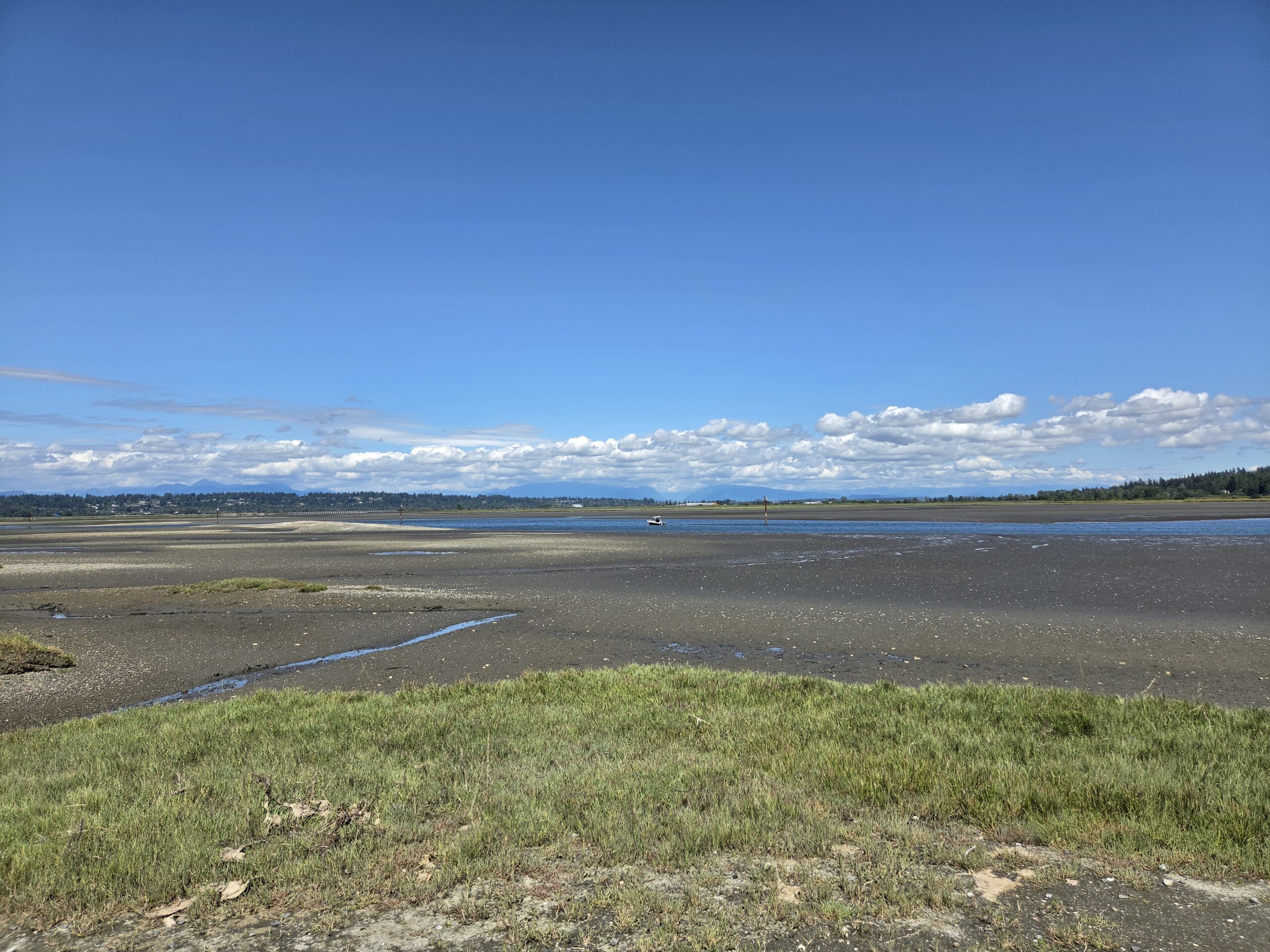
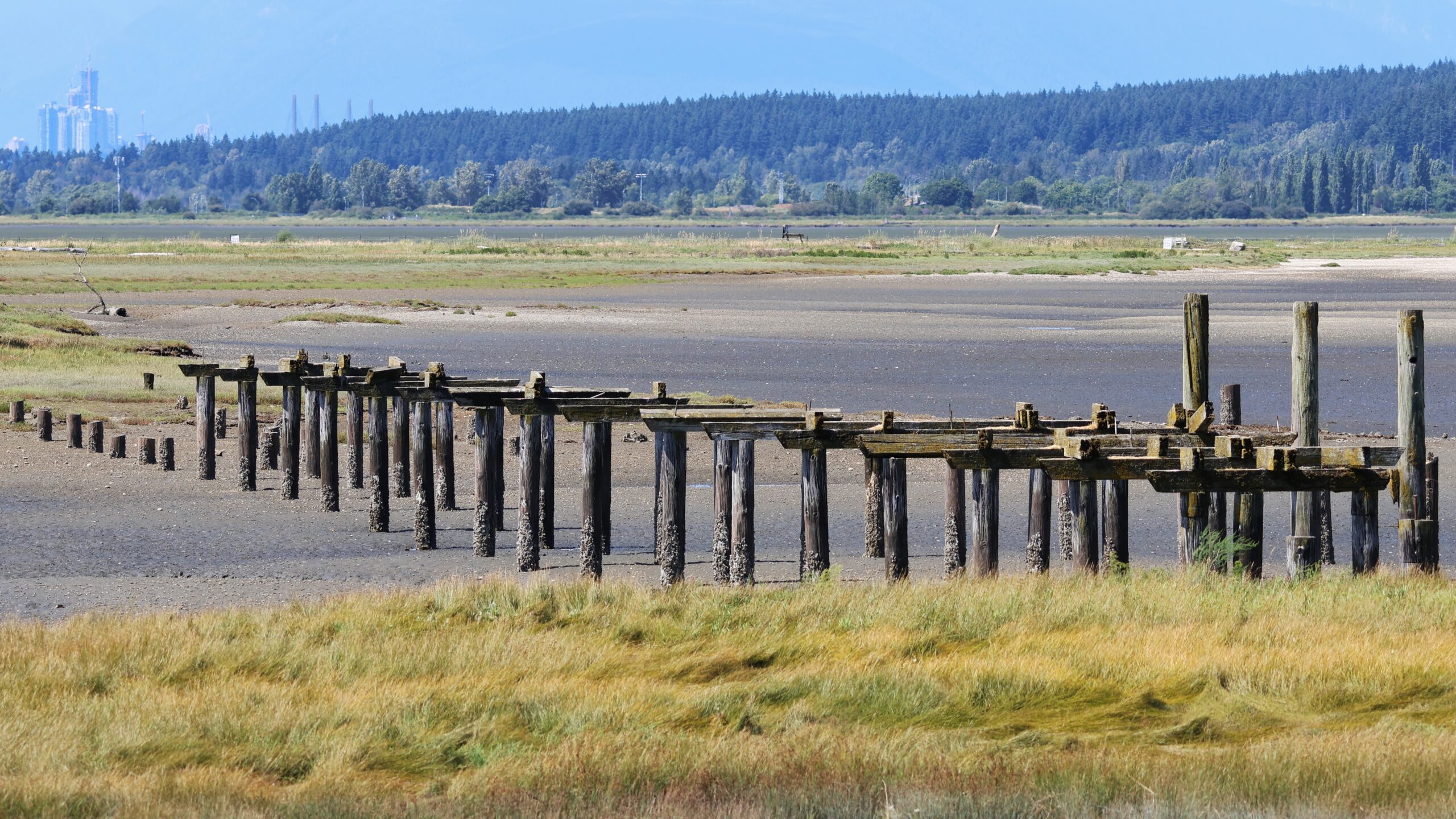
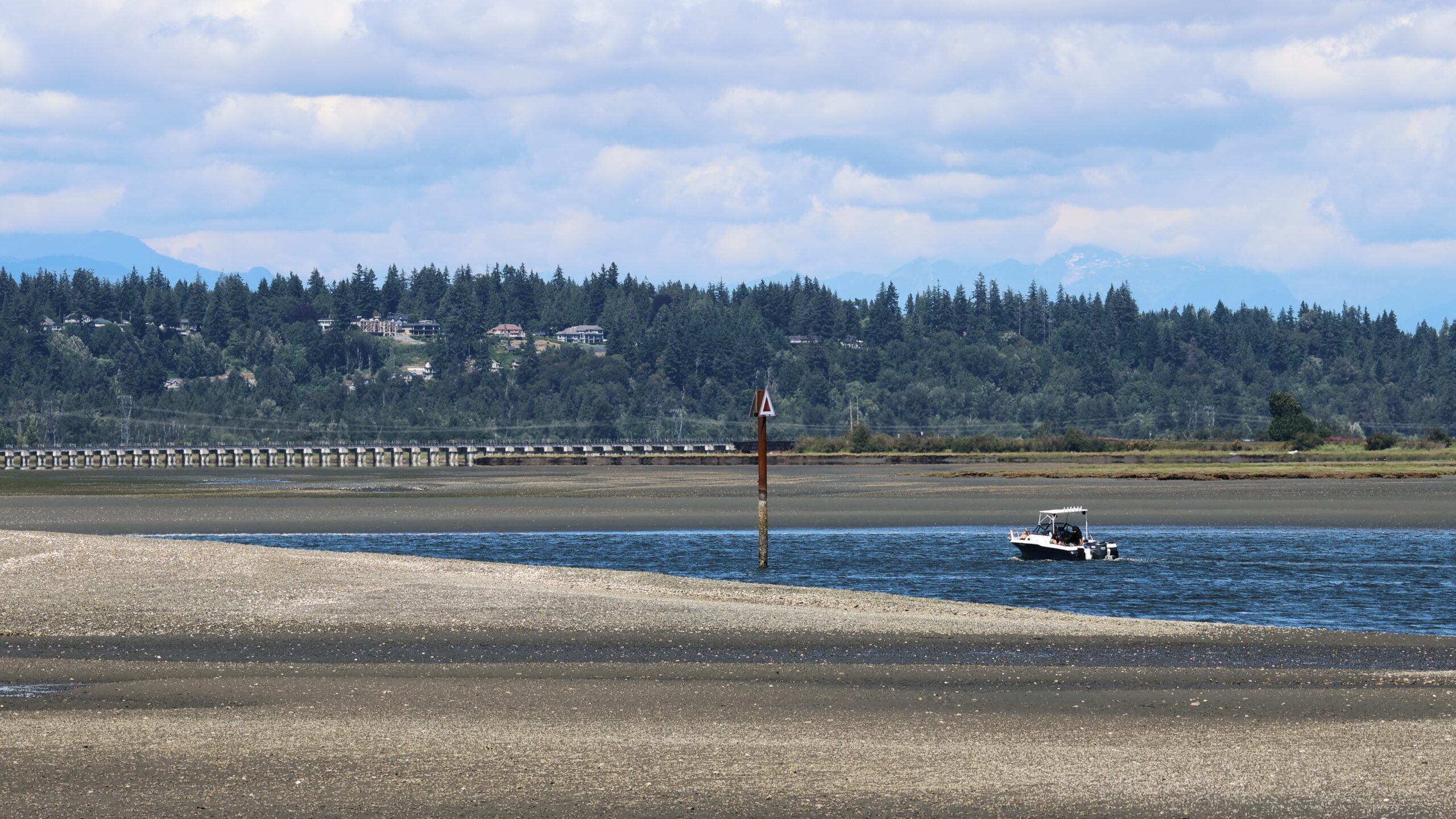
Another Xtreme low tide at Blackie Spit.

Here I added a light hoodie to my other light hoodie, as Blackie Spit is on the ocean and even though there was another extreme low tide, the wind was still kicking up high enough to threaten sweeping the cap off my head.

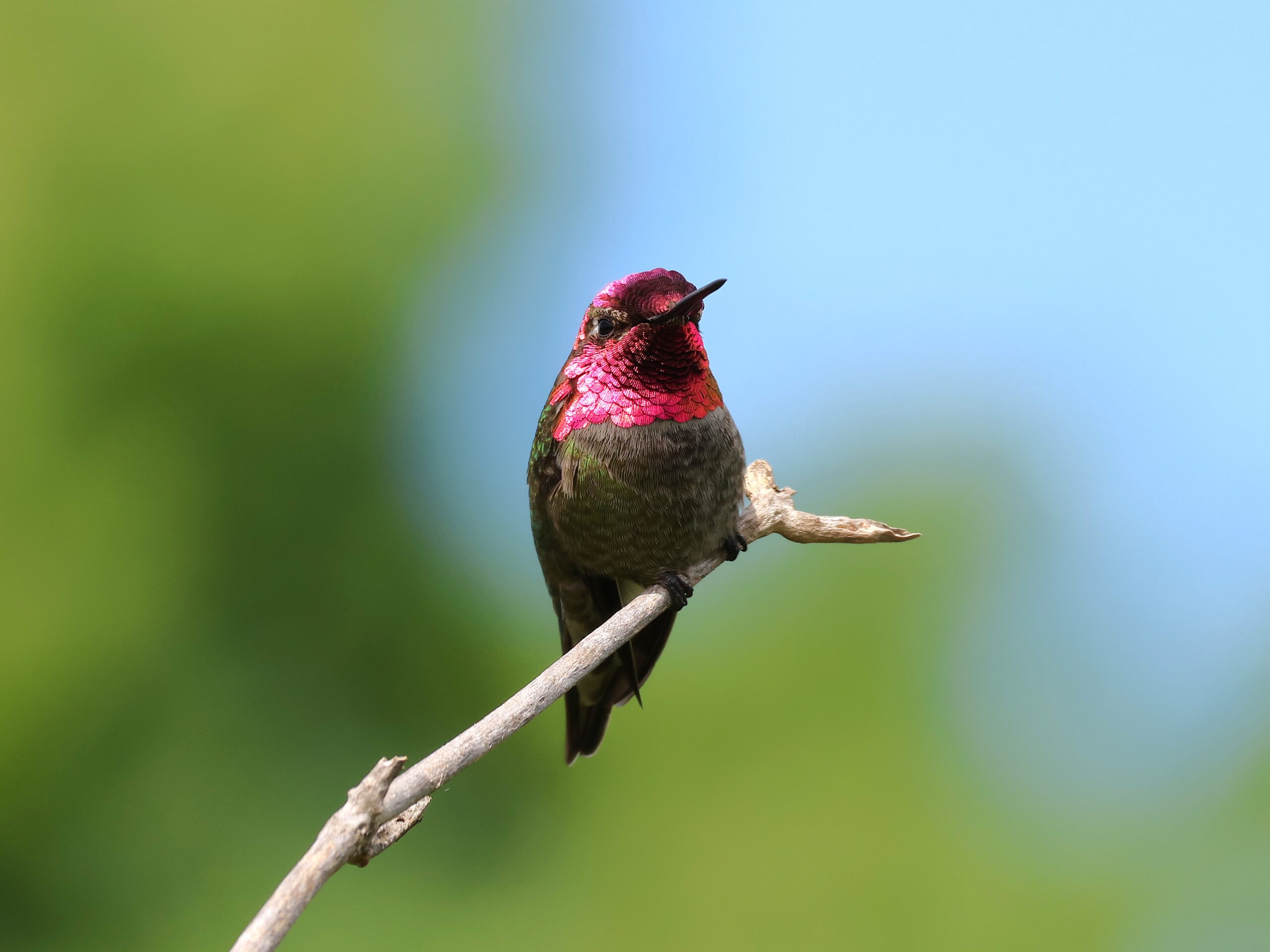
We saw an Anna’s Hummingbird sitting atop a small tree, looking even more like it was ready to kill than usual, but it was likely just leaning forward into the wind to avoid being blown off the tree.

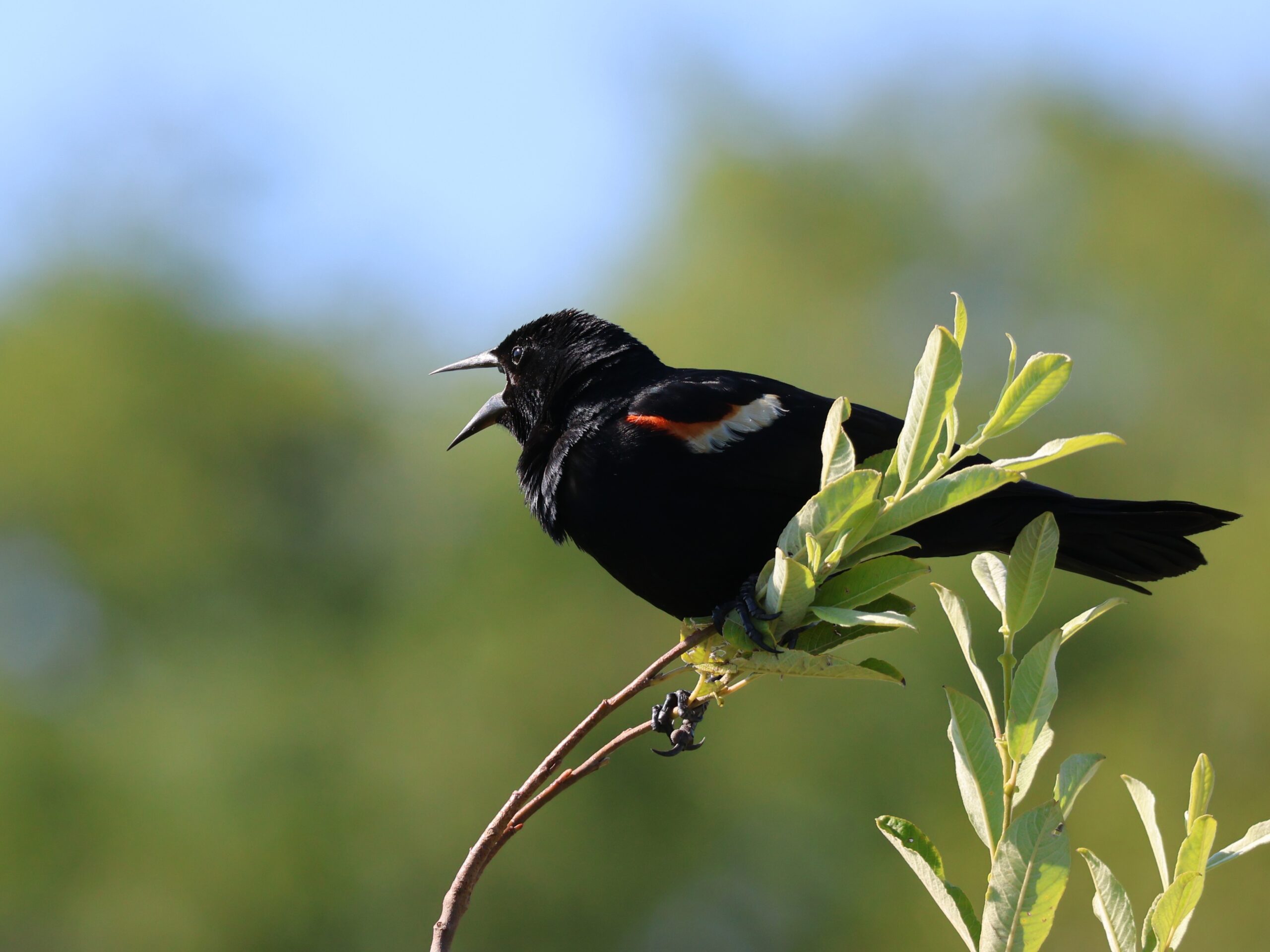
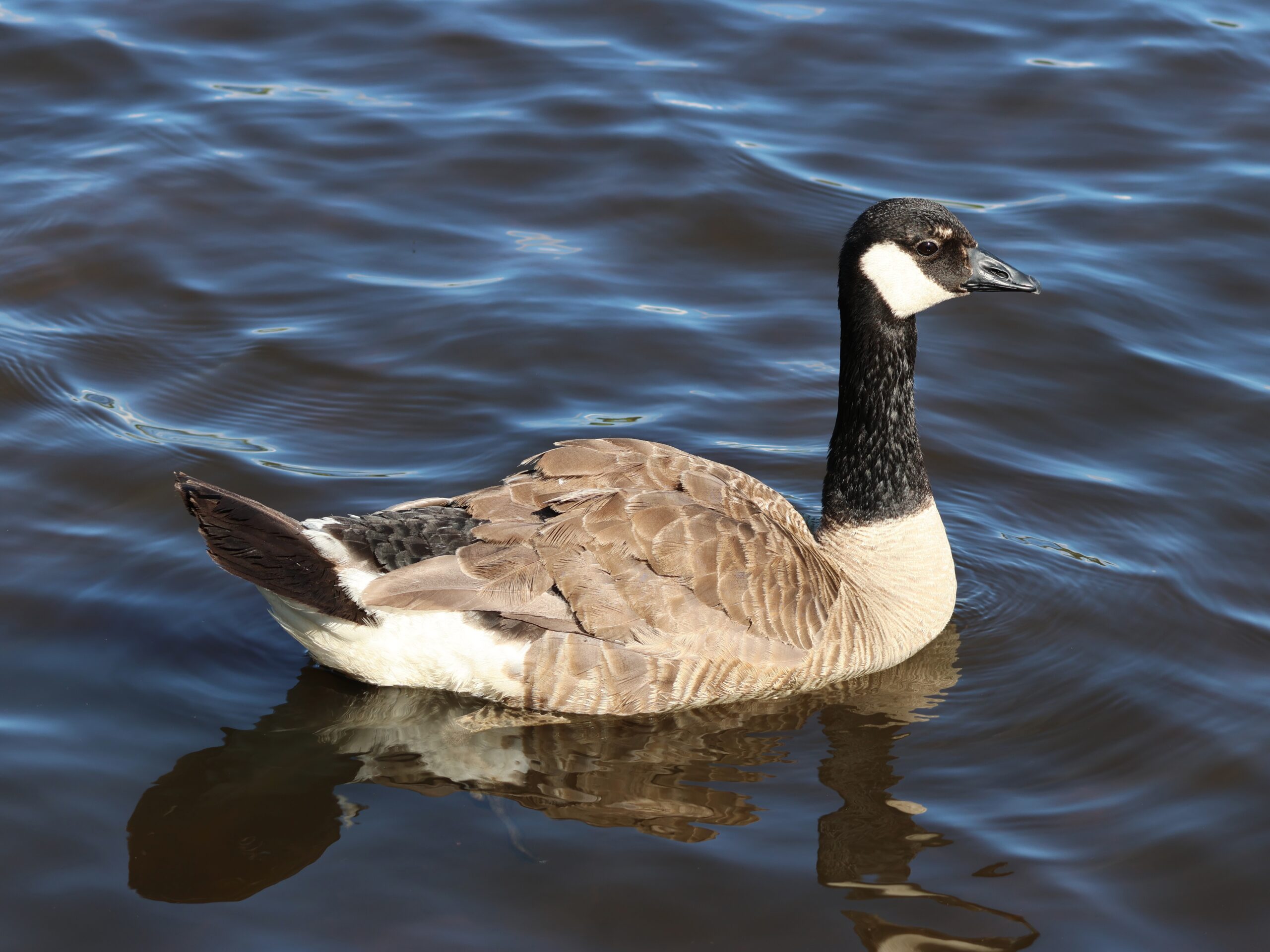
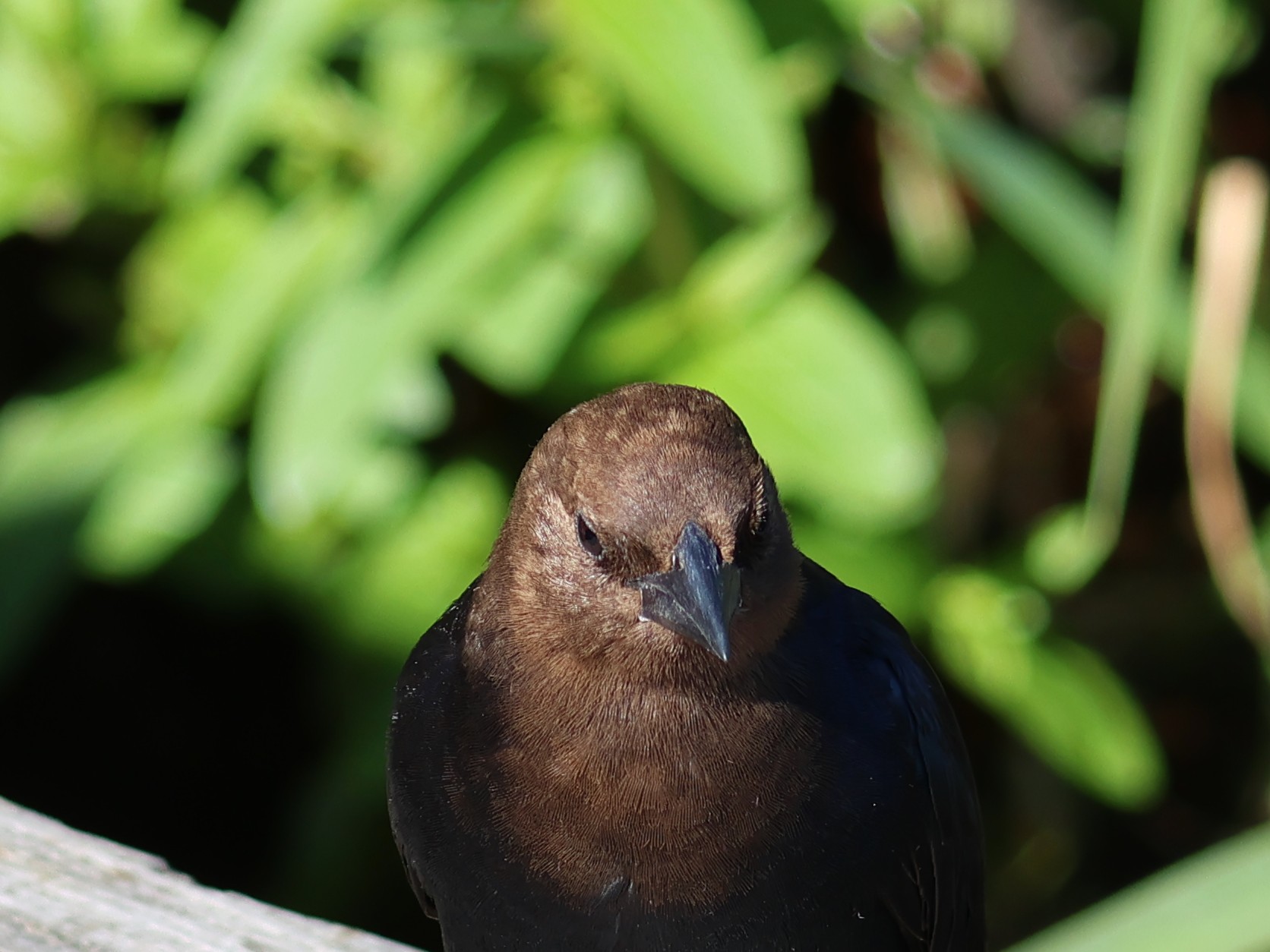
Blackbirds were out and about, some festooned with crumbs and seed all over their bills, as is their way. And we saw our first ducklings, though they were in the south creek, which is mostly obscured by bushes. Nic got one so-so shot, I did not get any, sadly. The ducks seem to be lagging behind the geese in making babbies. This does not bode well in saving us from goose domination.

Although I didn’t get shots, Nic managed to capture some Hudsonian Whimbrels, which are shorebirds with long bills that hook down. Maybe we’ll see them again when the tide is not a kilometre away.

Piper Spit, Burnaby Lake

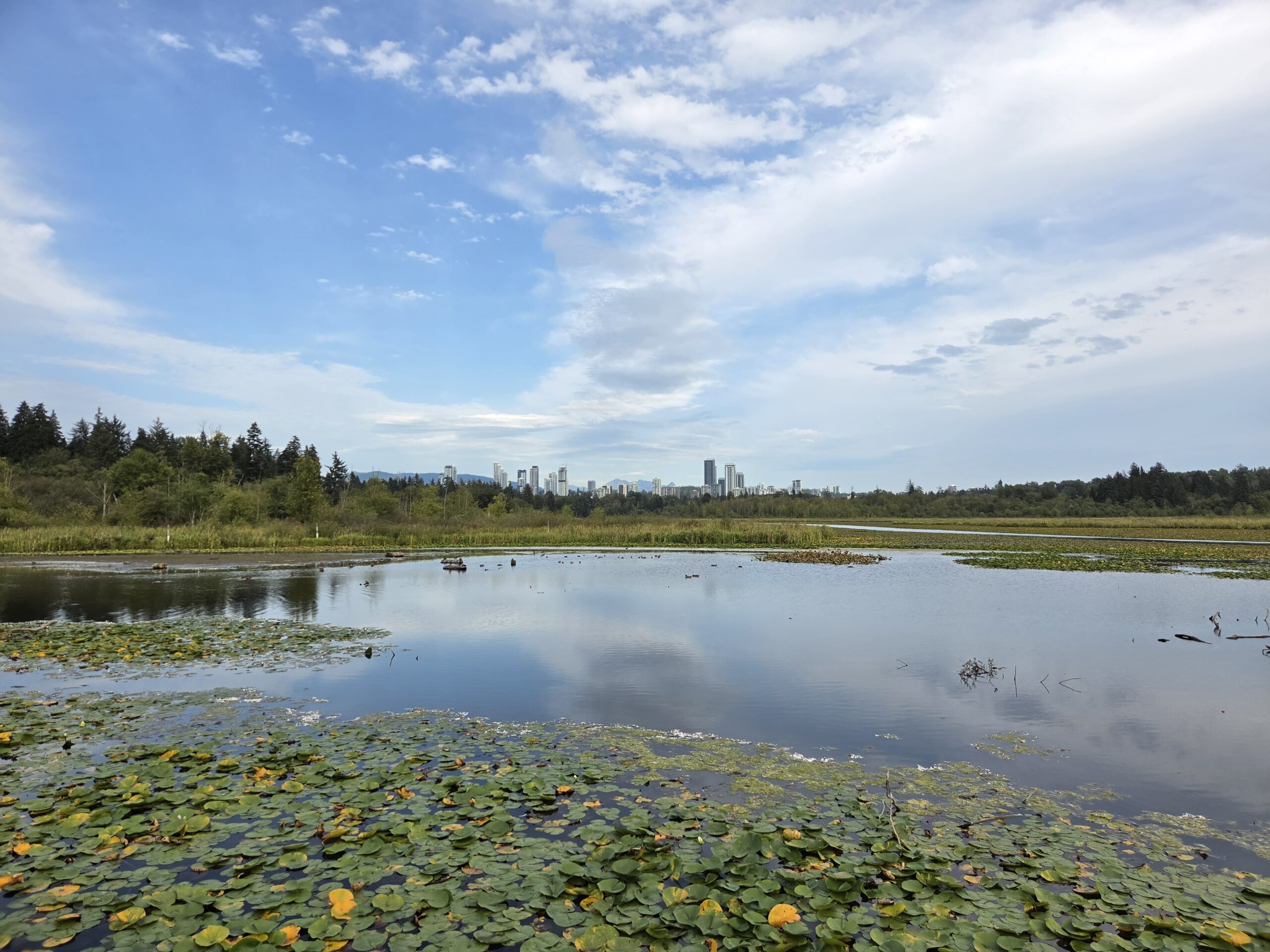
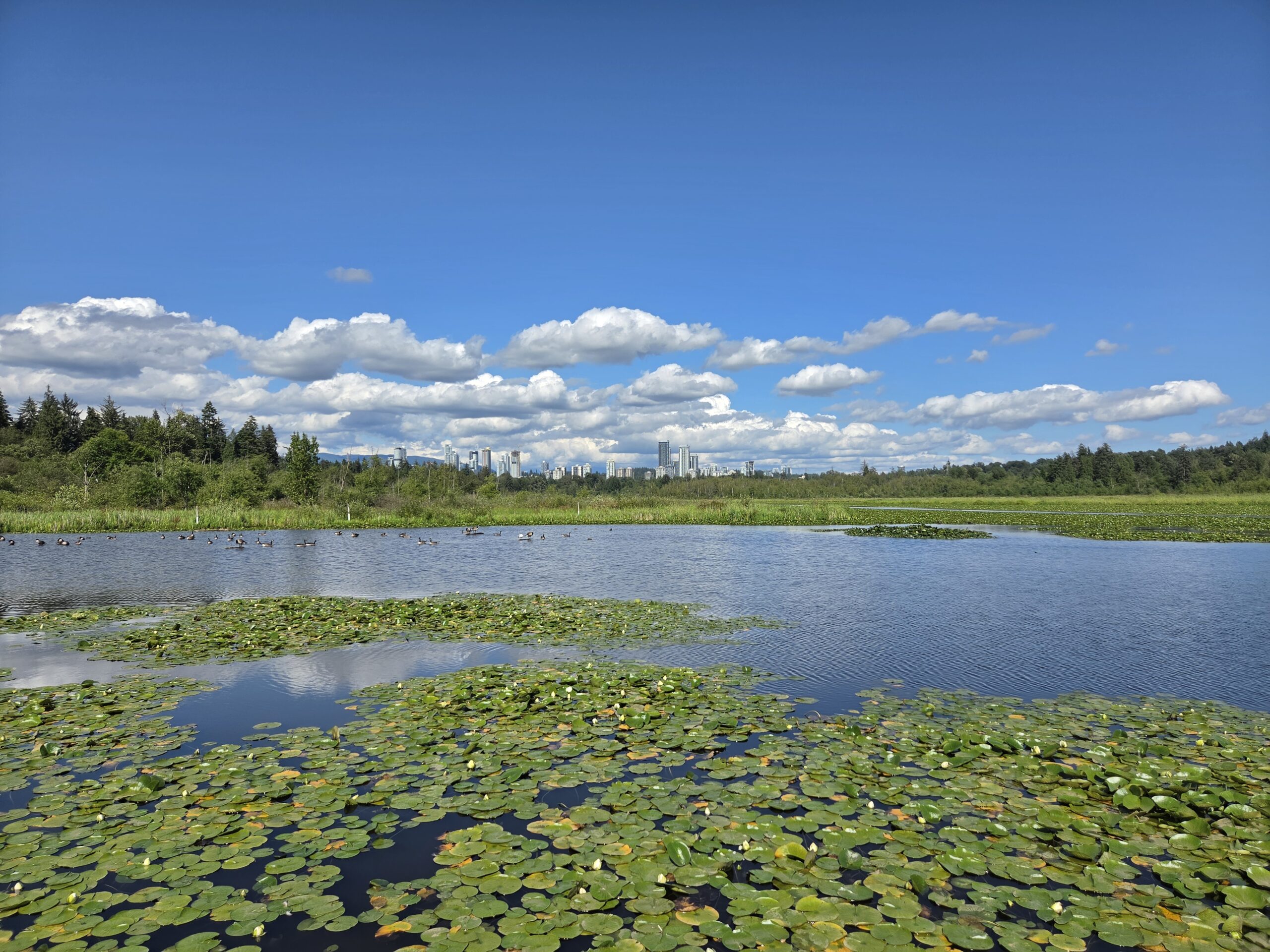
Sun and clouds, with a grooming Sandhill Crane.

This was our first visit with the Nature House open for the season. We did not go in, but I took a photo of the sign. We observed no Bird Police on the pier, but also didn’t see anyone feeding the birds. There was a pile of seed on the ground, though. To be fair, it looked like healthy seed, not like half a loaf of stale Wonder Bread.

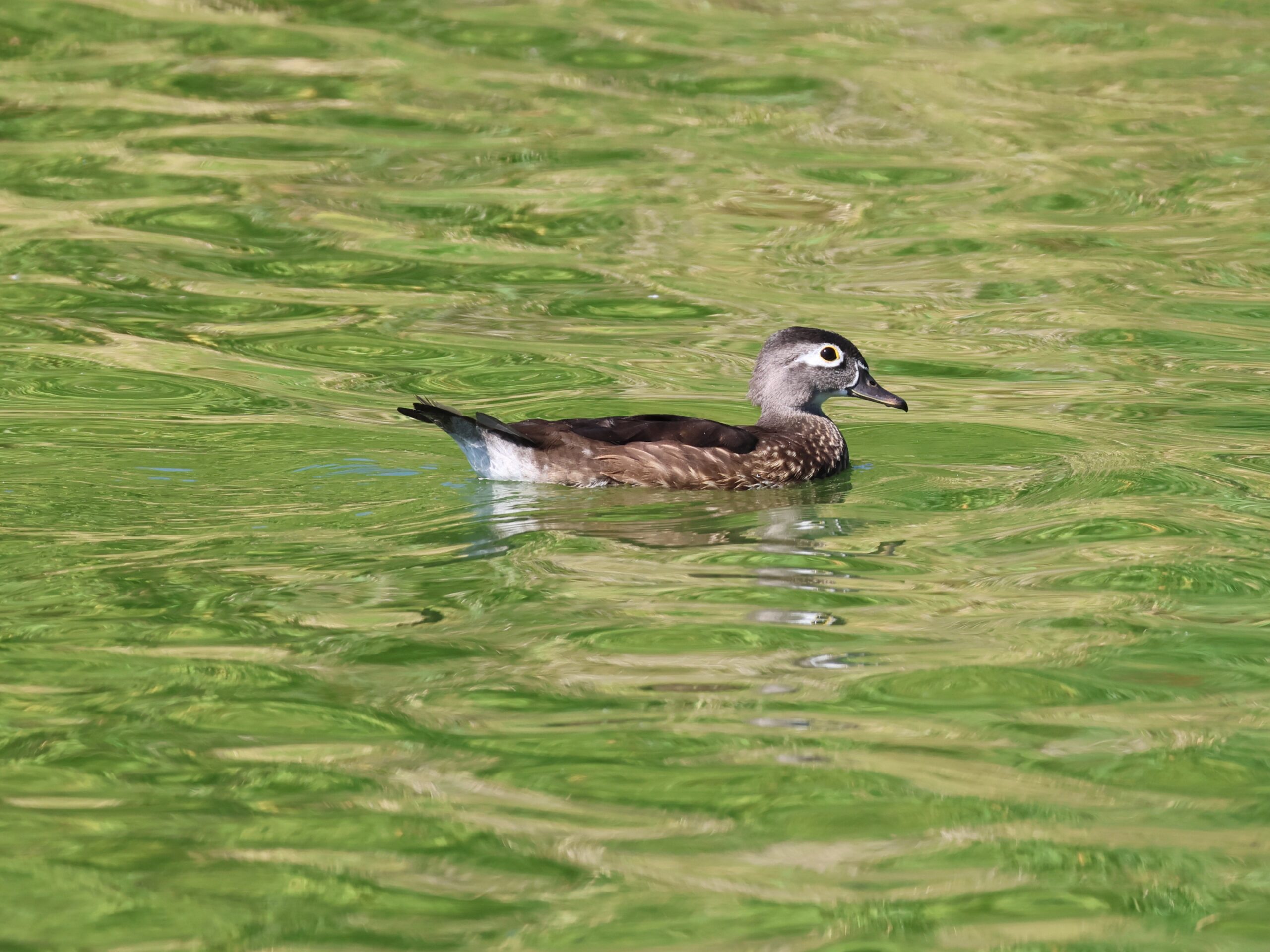
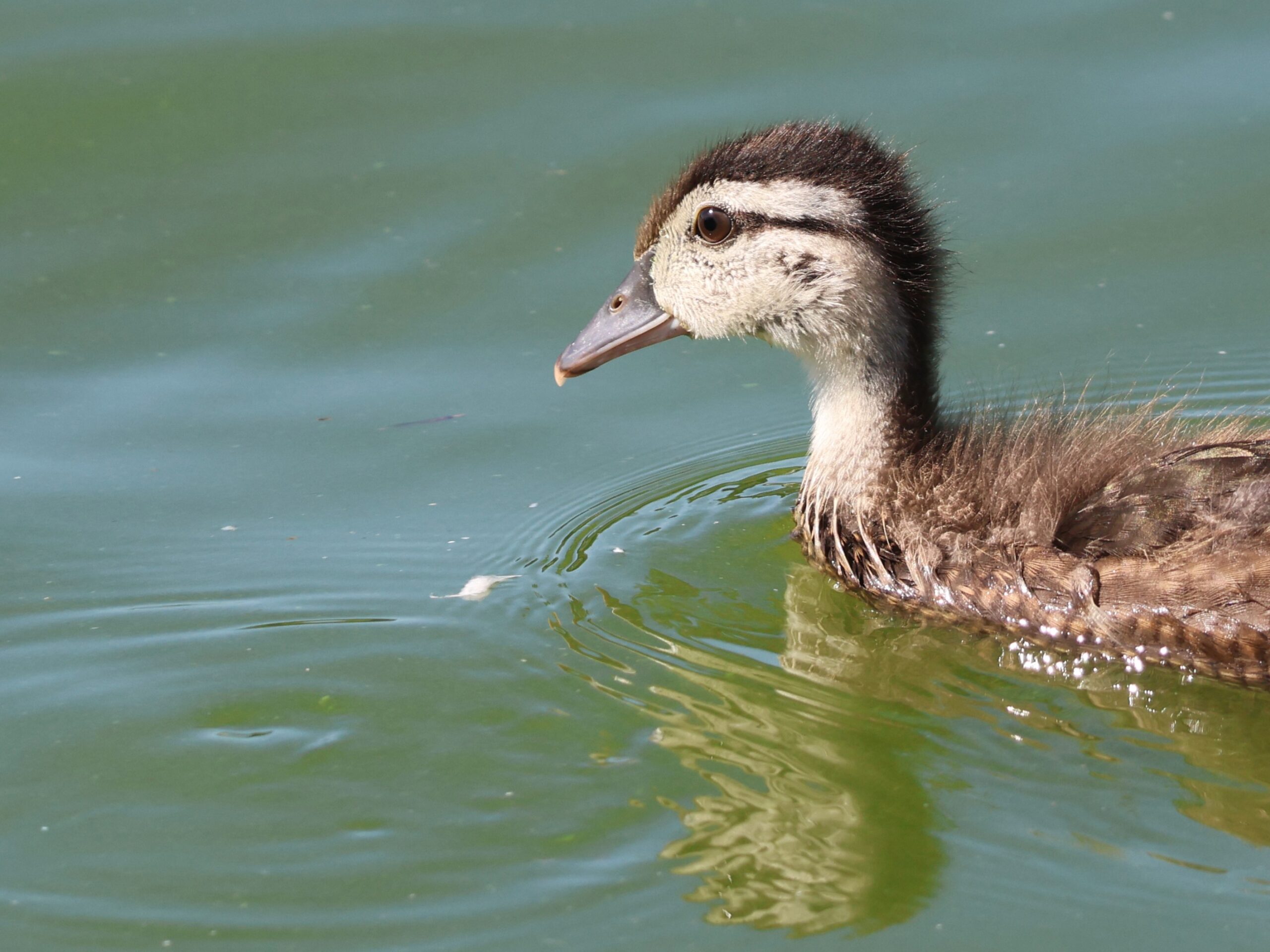
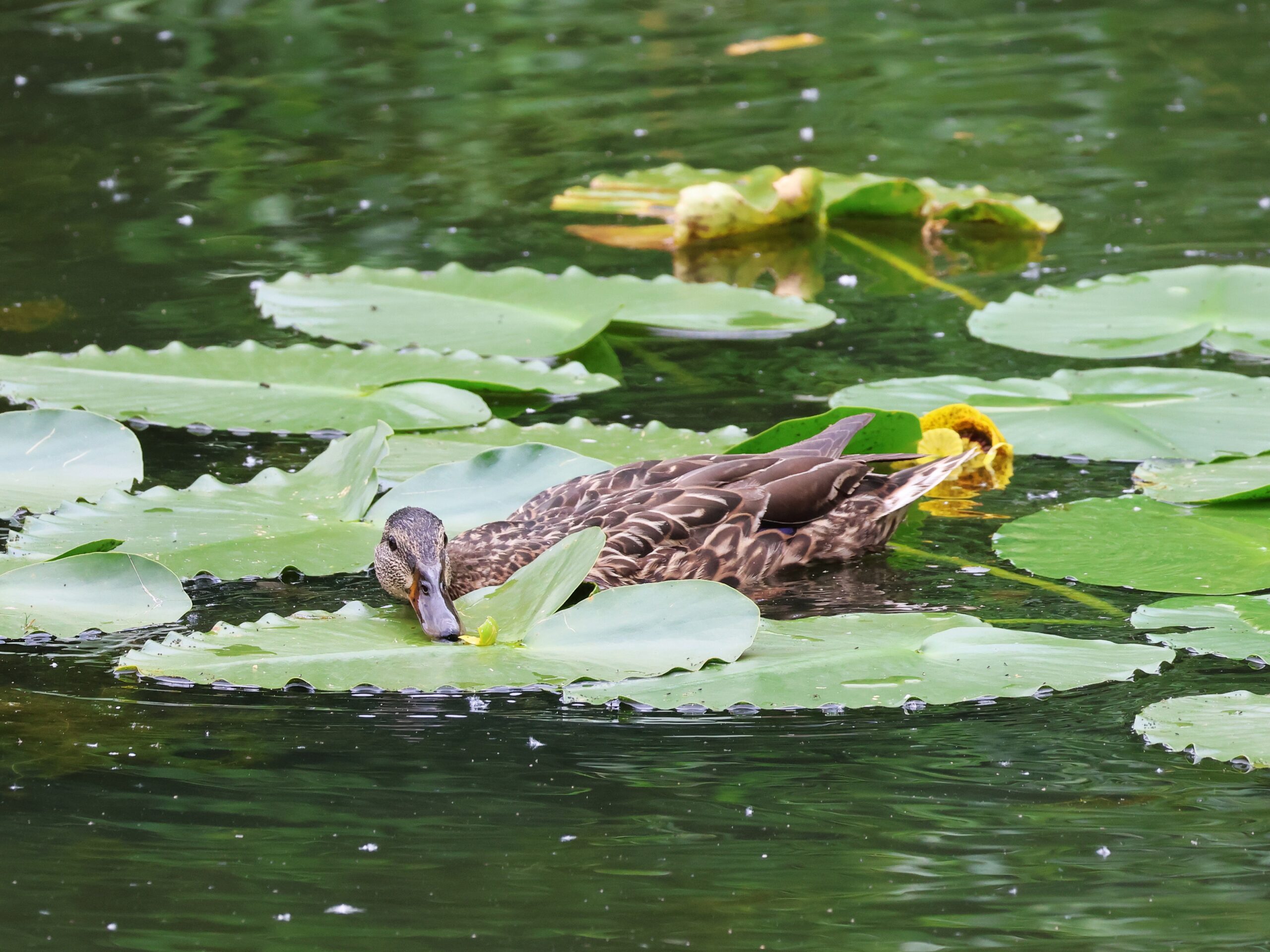
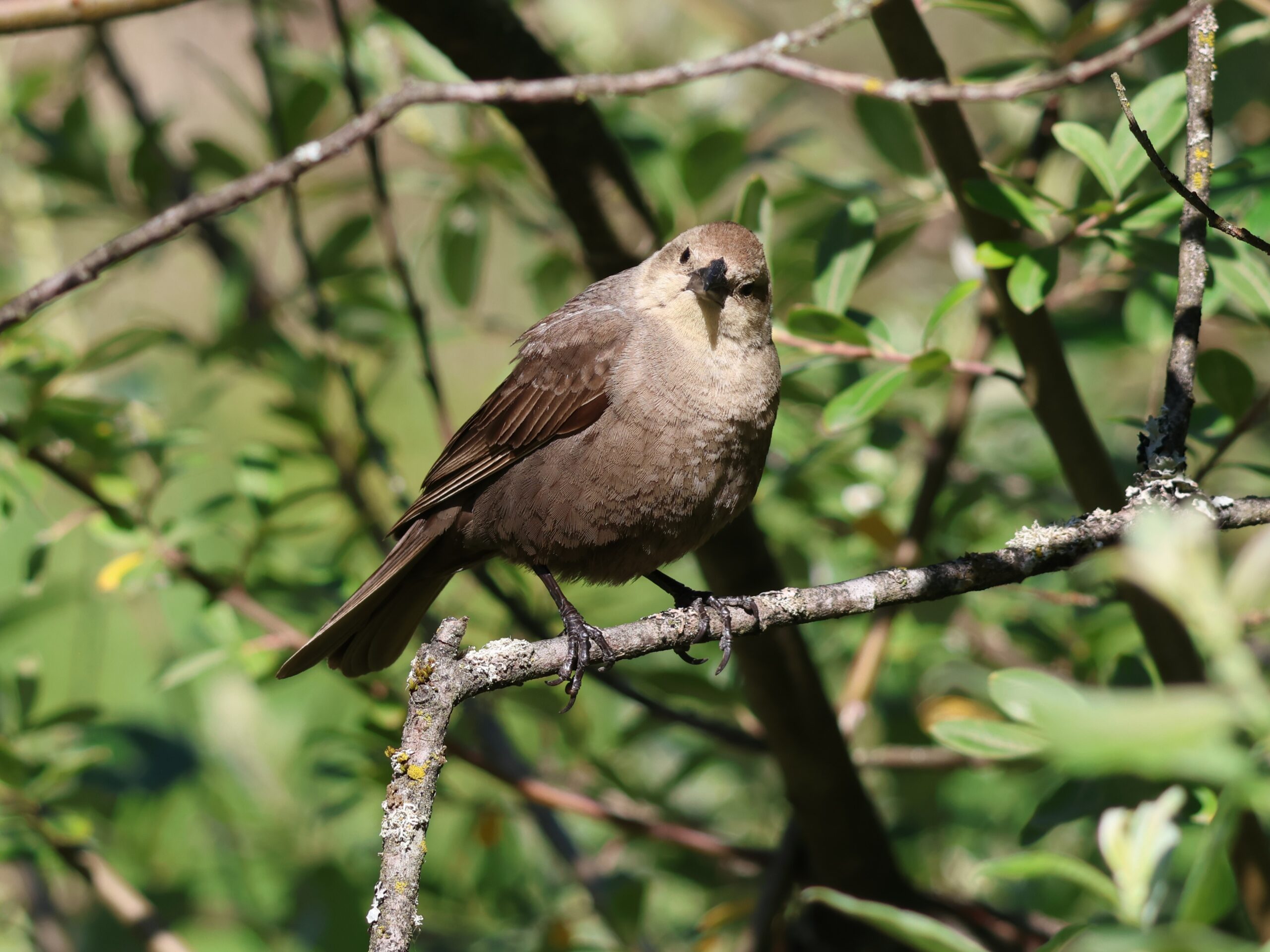
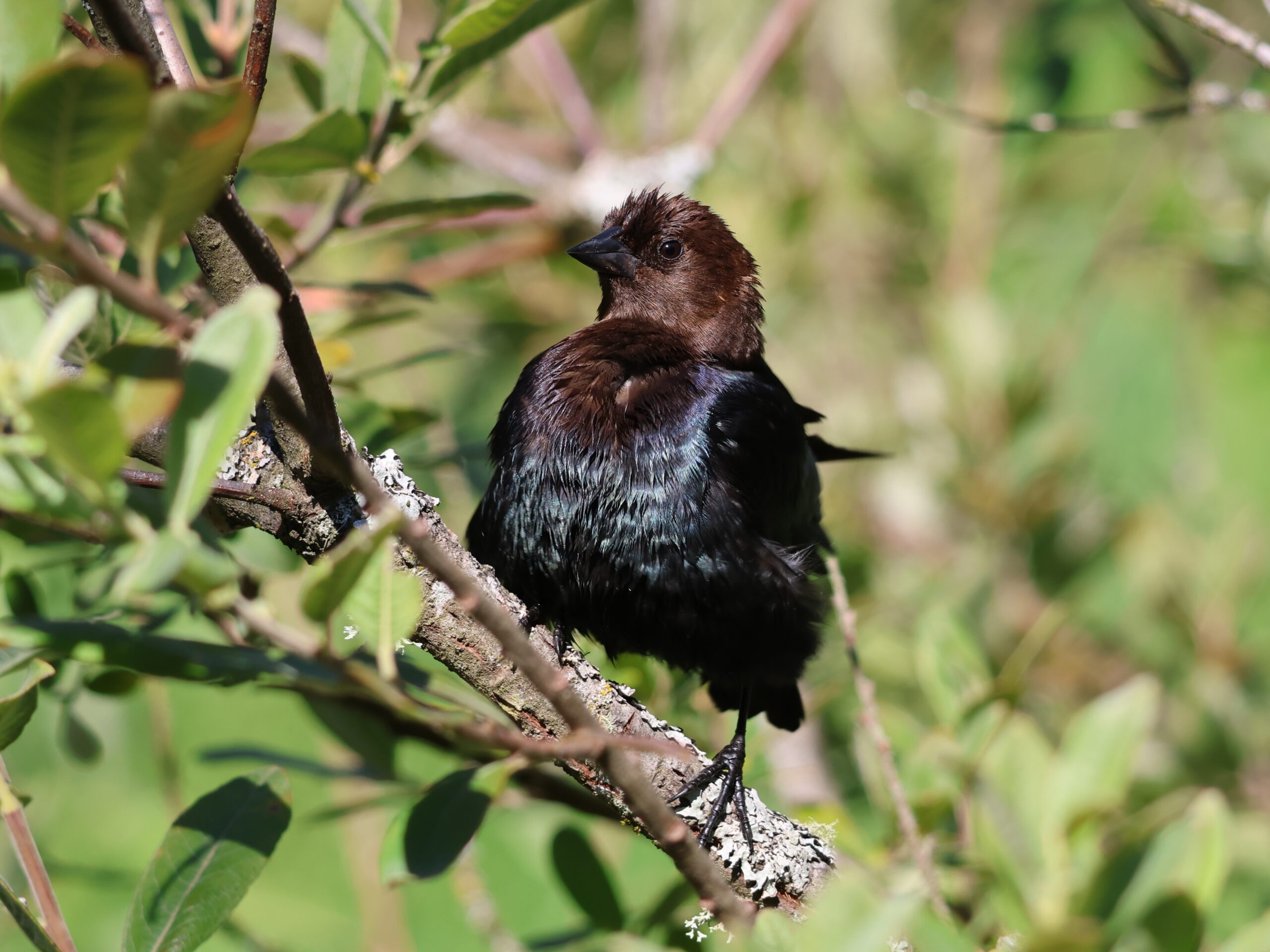
It was still windy as all heck, but had finally warmed up to 16C. With winter migrants gone, I focused mainly on cowbirds, wood ducks and the Sandhill Crane, which was back and very into grooming itself.

There was word of a Red-necked Phalarope at Piper Spit and lo, there she was! We got plenty of photos, but the phalarope stayed conspicuously away from the pier, so they were not great. The phalarope did not drive a monster truck or shout “Yeehaw.”

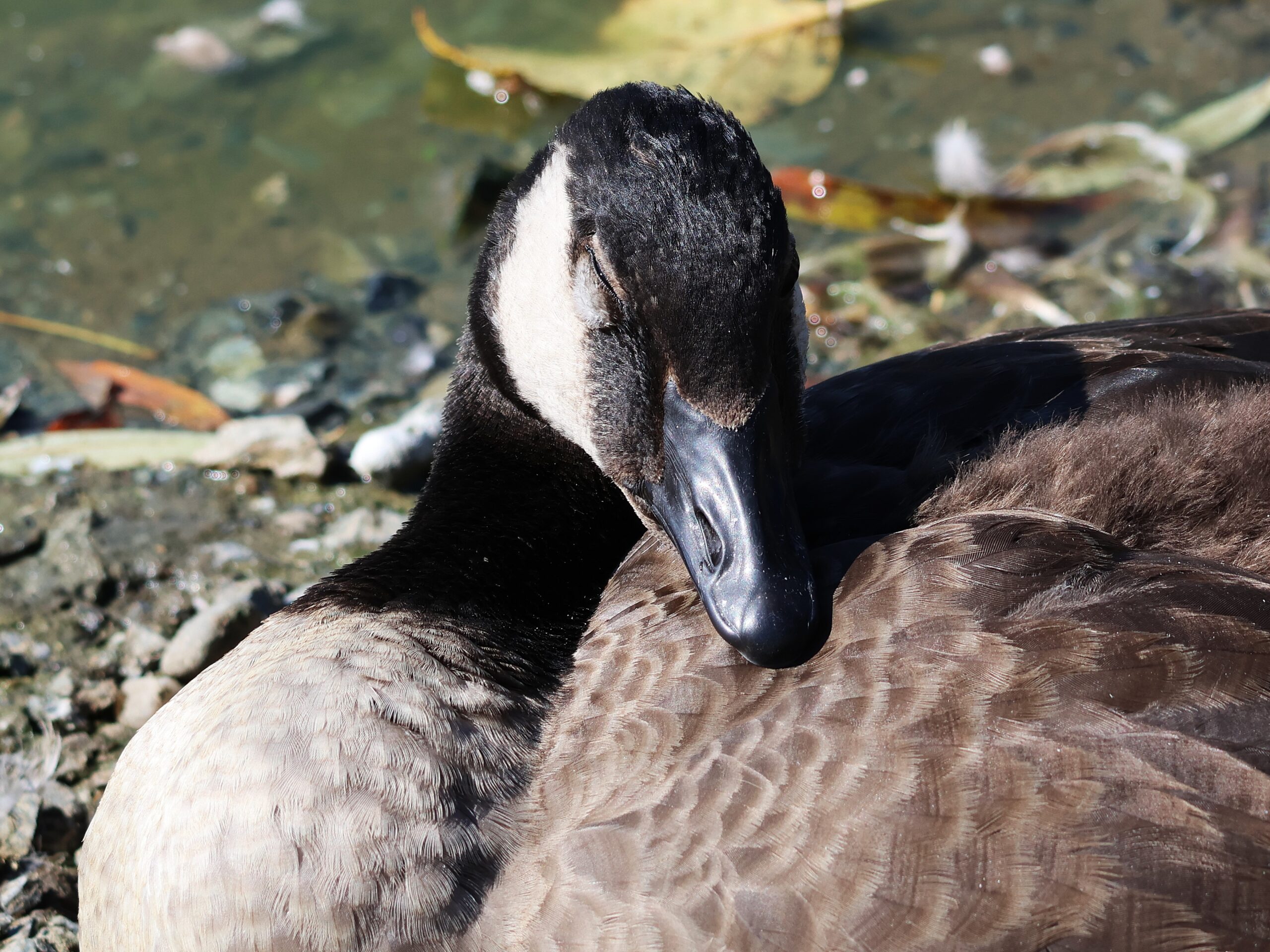
The one goose nest near the pier now looks empty and we did see a group of rapidly growing goslings by Eagle Creek, with a protective parent going ape on every other bird in the vicinity. The other birds seemed nonplussed.

Nic also took another billion shots of swallows. I took a few. I’ll be more motivated when it’s warmer (and harder to shoot them).

In all, a decent outing, with the weather actually being a tad better than expected.

The Shots

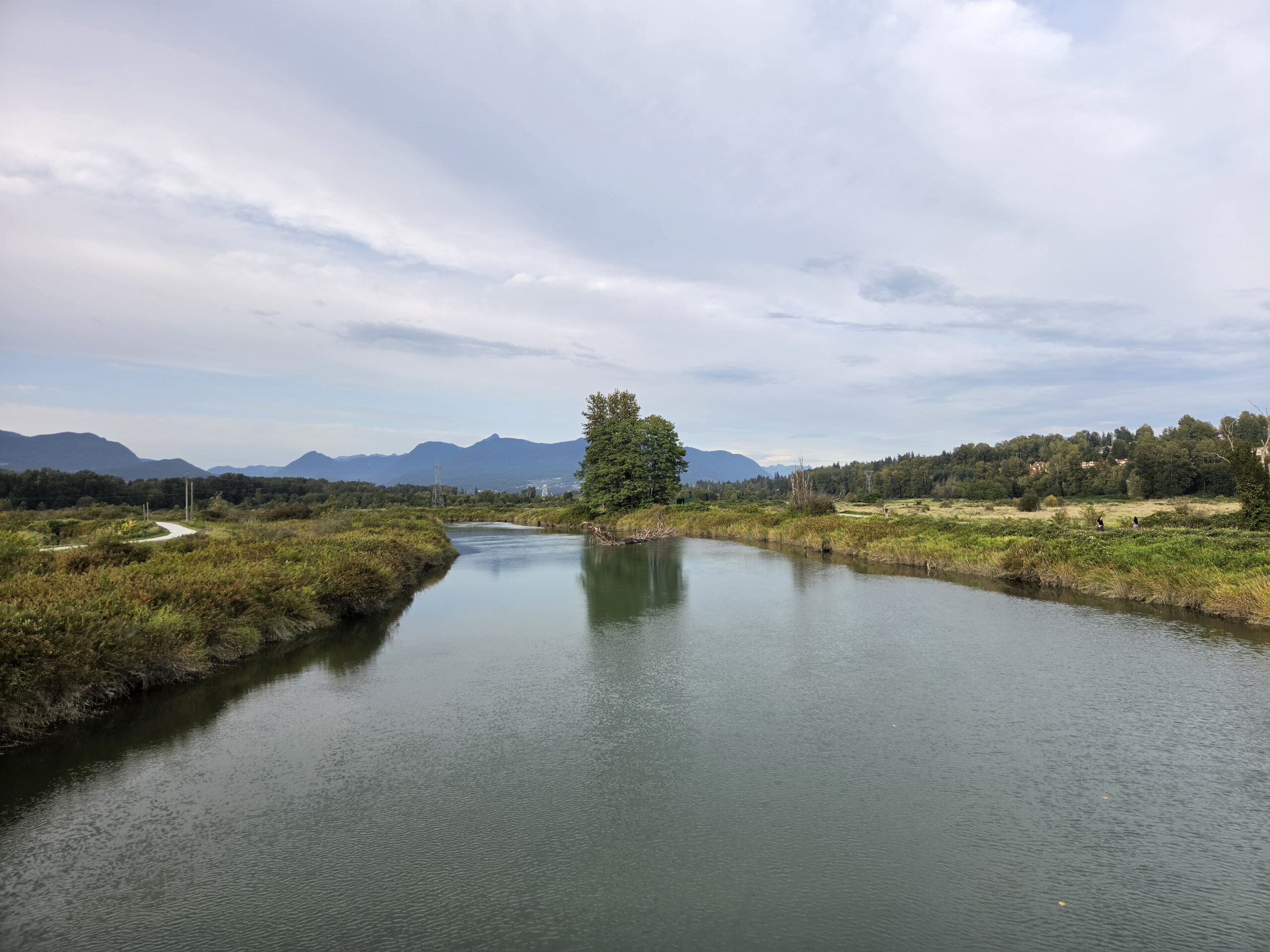
Shot with a Canon EOS R7 with 18-150 mm kit lens and 100-400 mm telephoto. Some scenery captured on a Samsung Galaxy S26.

NOTE: Normally I present the photos in the same order as they were taken, but for this gallery I opted to end with the young Song Sparrow sequence because it’s adorable.

The Birds (and other critters)

Sparrows and sparrow-adjacent:

  • American Robin
  • Anna’s Hummingbird
  • Barn Swallow
  • Brown-headed Cowbird
  • Cliff Swallow
  • Common Yellowthroat (heard, not seen)
  • House Sparrow
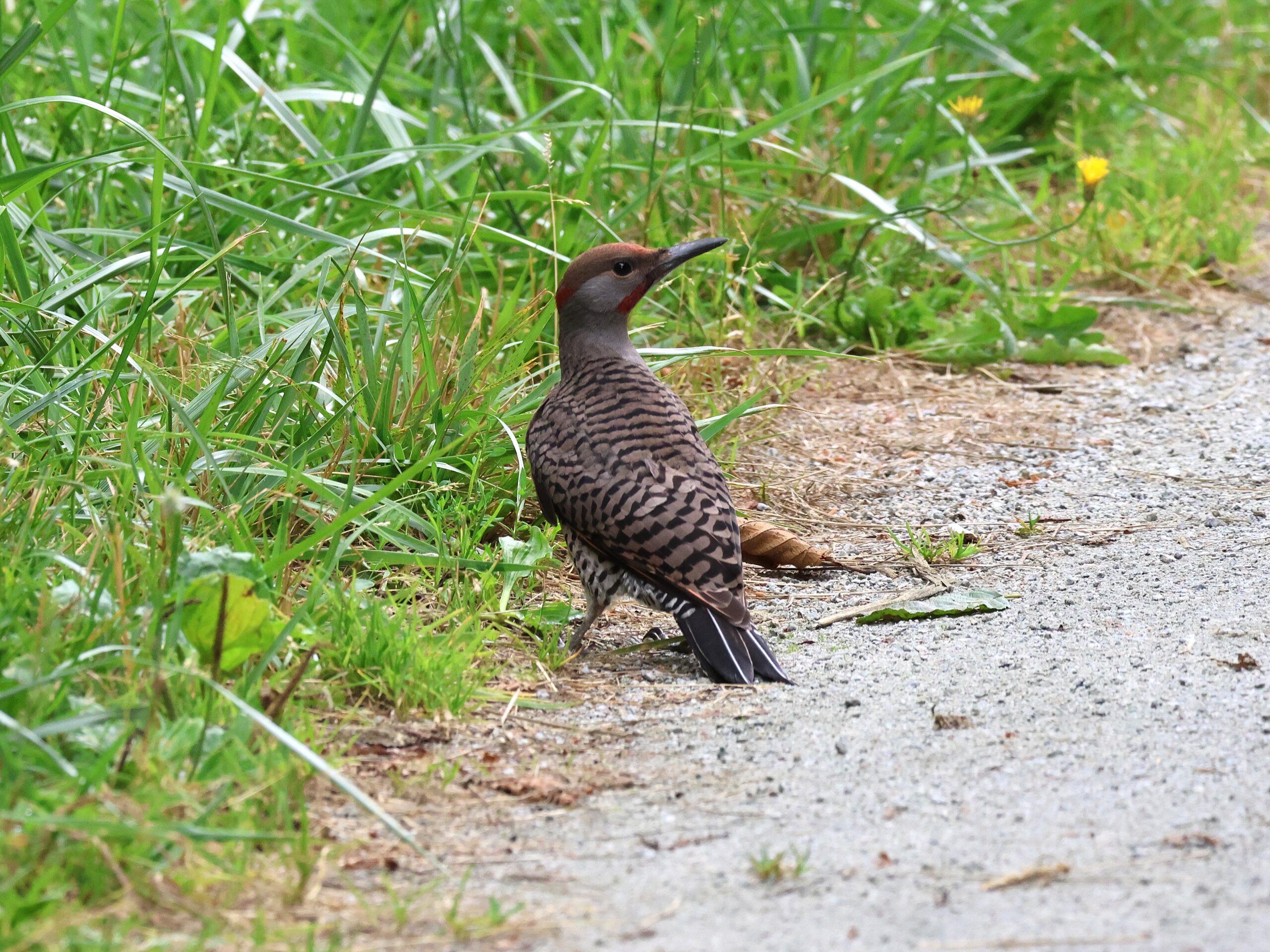
  • Northern Flicker
  • Northern Rough-winged Swallow
  • Purple Martin
  • Red-winged Blackbird
  • Song Sparrow
  • Tree Swallow
  • Violet-green Swallow
  • White-crowned Sparrow

Waterfowl and shorebirds:

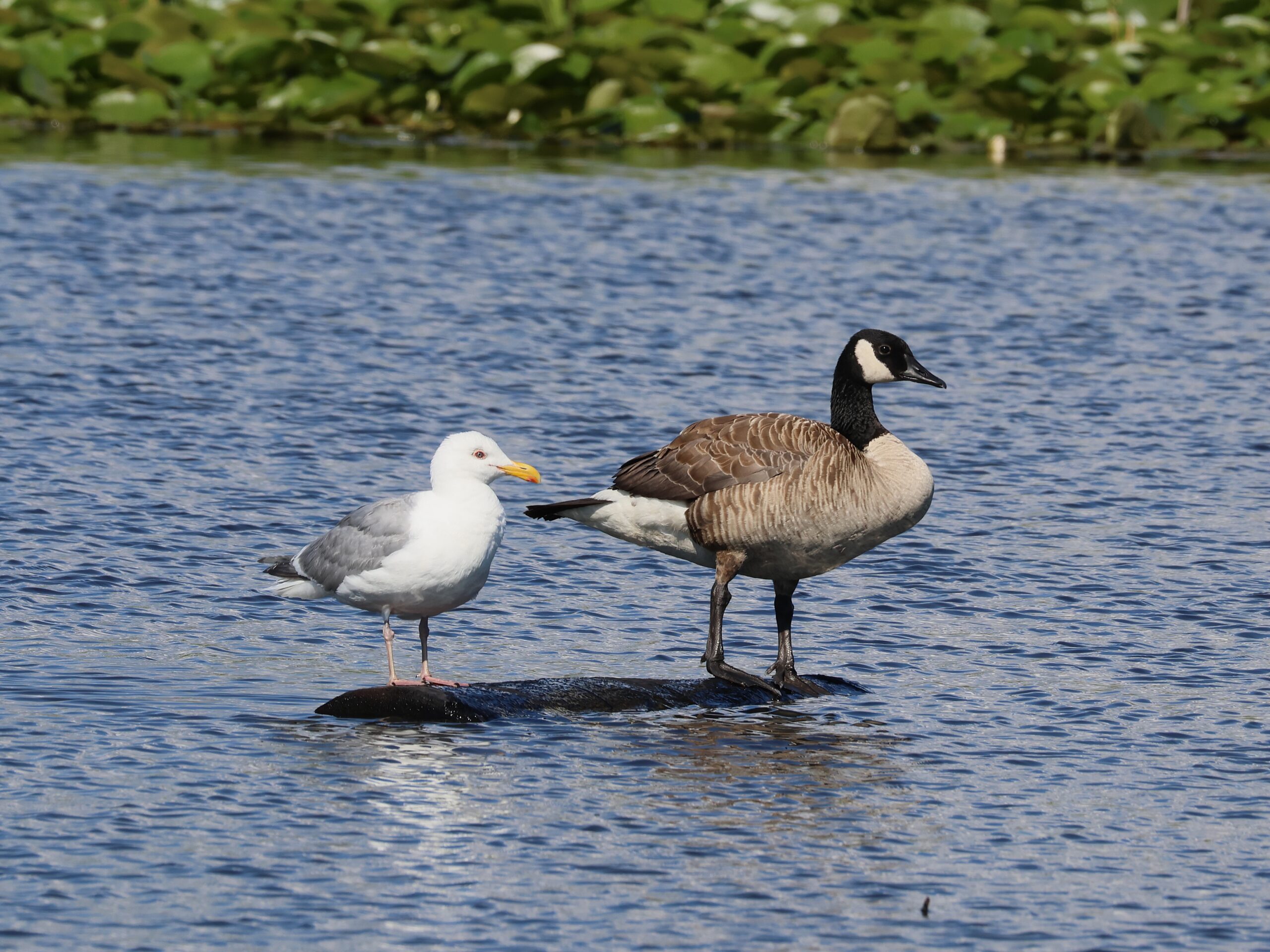
  • Canada Goose
  • Double-crested Cormorant
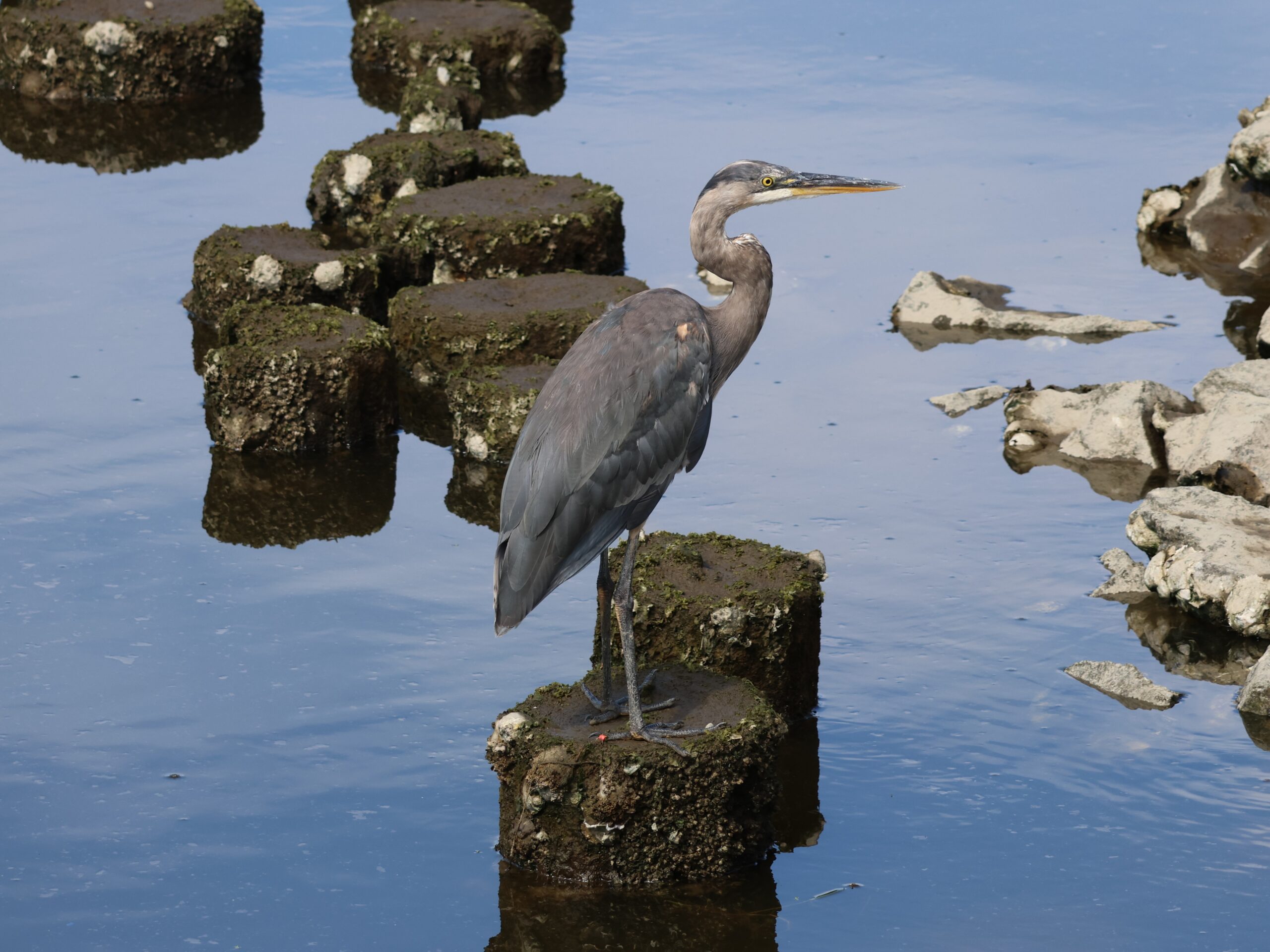
  • Great Blue Heron
  • Hudsonian Whimbrel
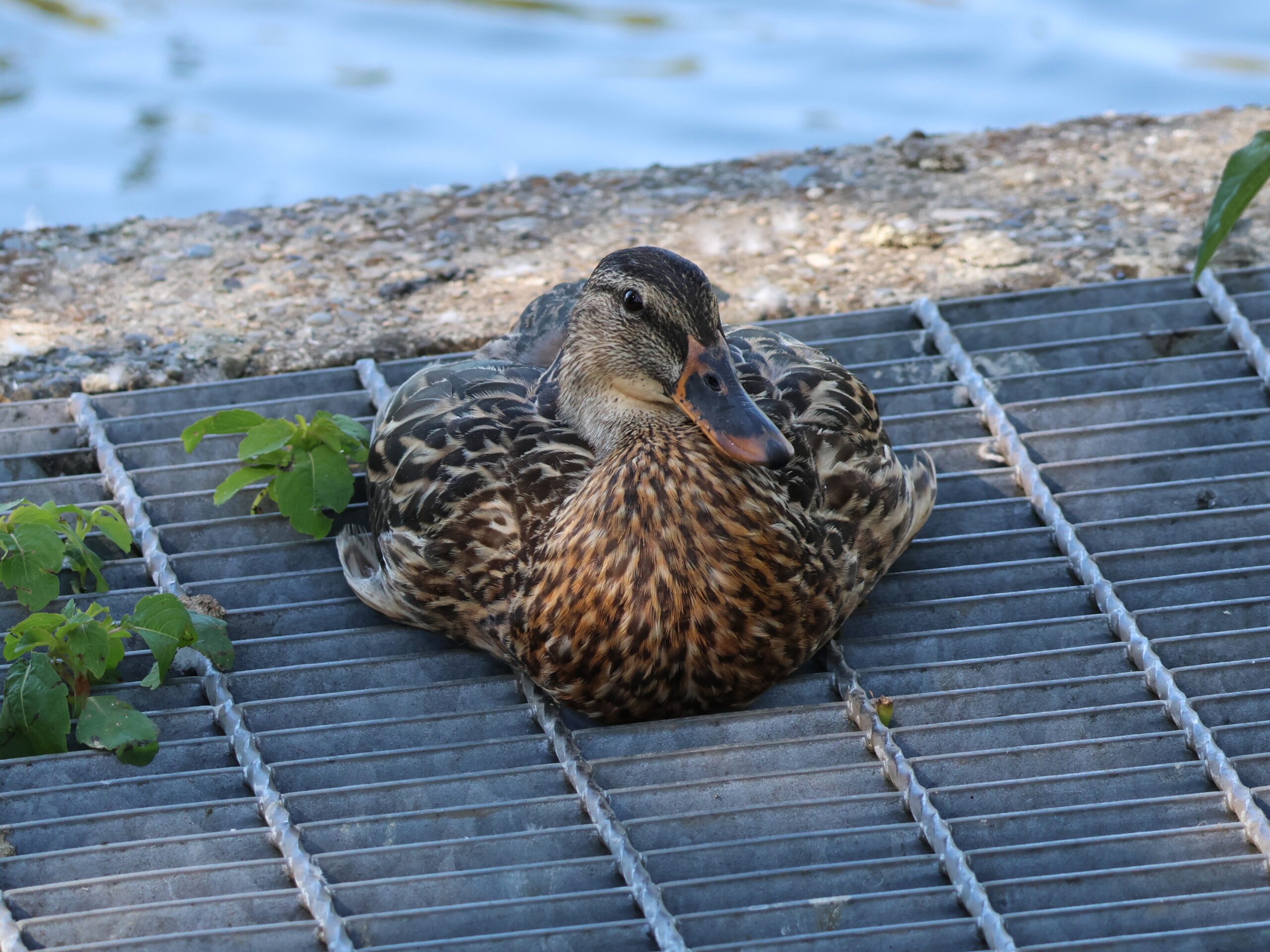
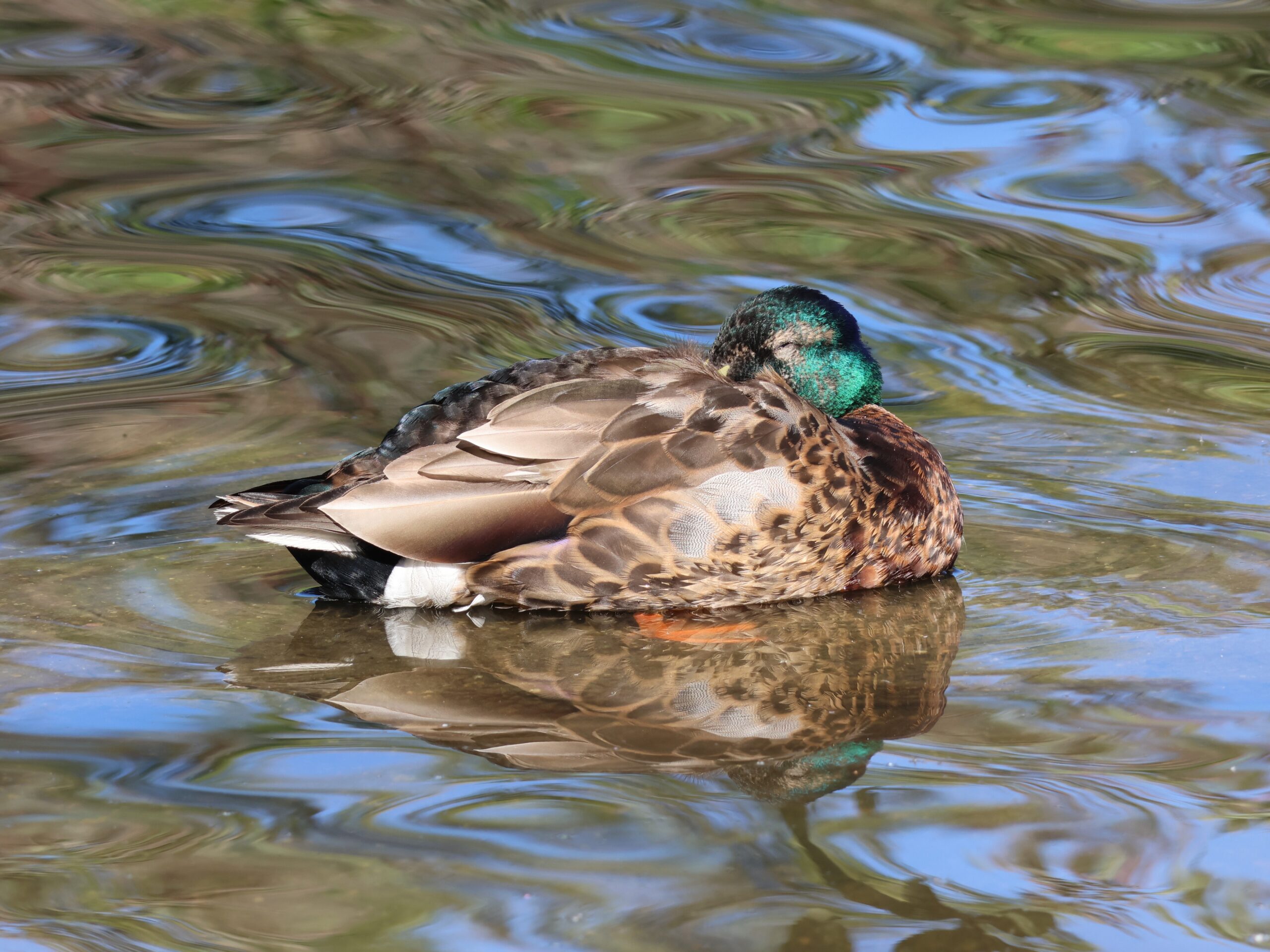
  • Mallard
  • Red-necked Phalarope
  • Ring-necked Duck
  • Sandhill Crane
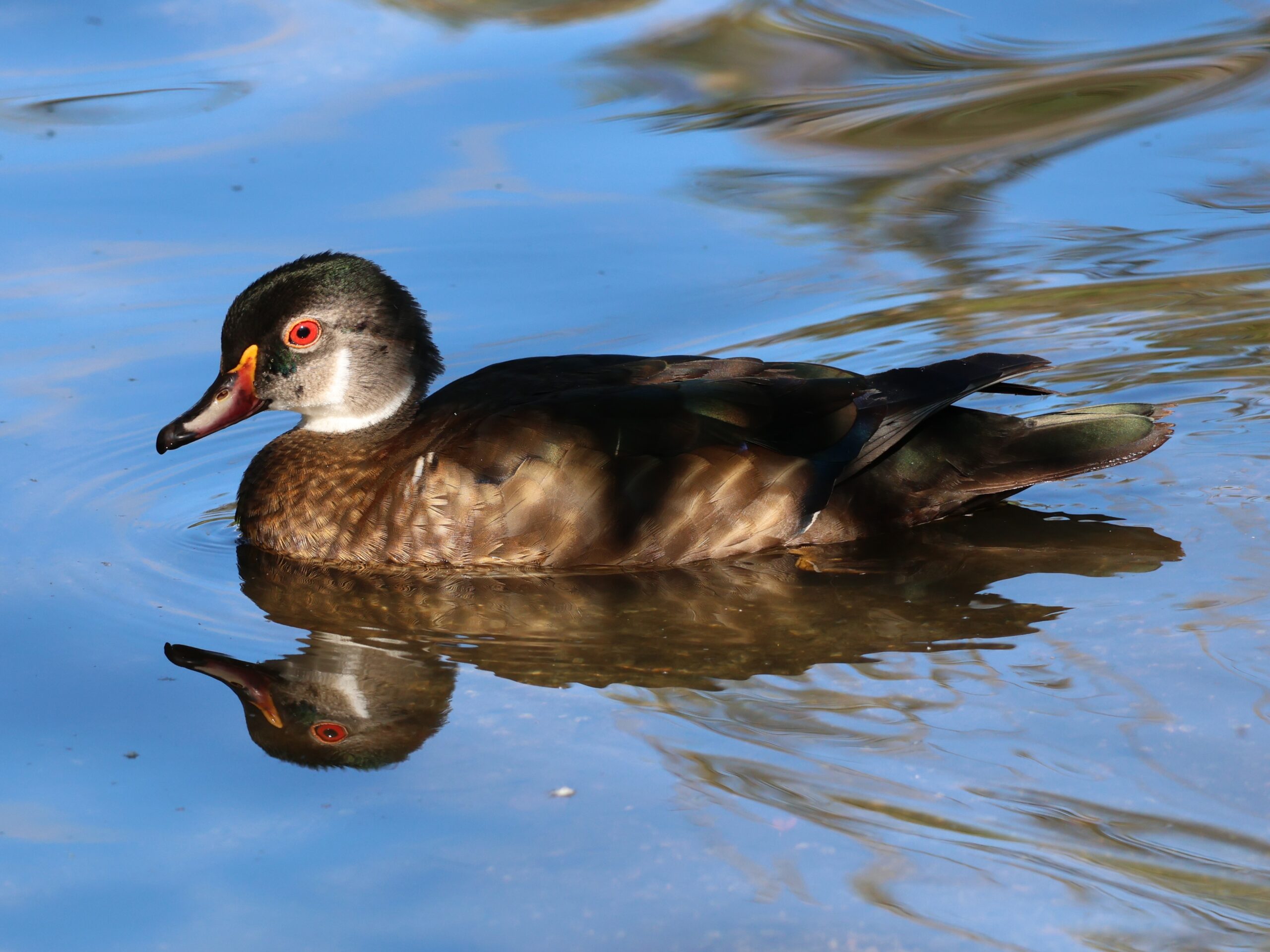
  • Wood Duck

Common:

  • American Crow
  • European Starling
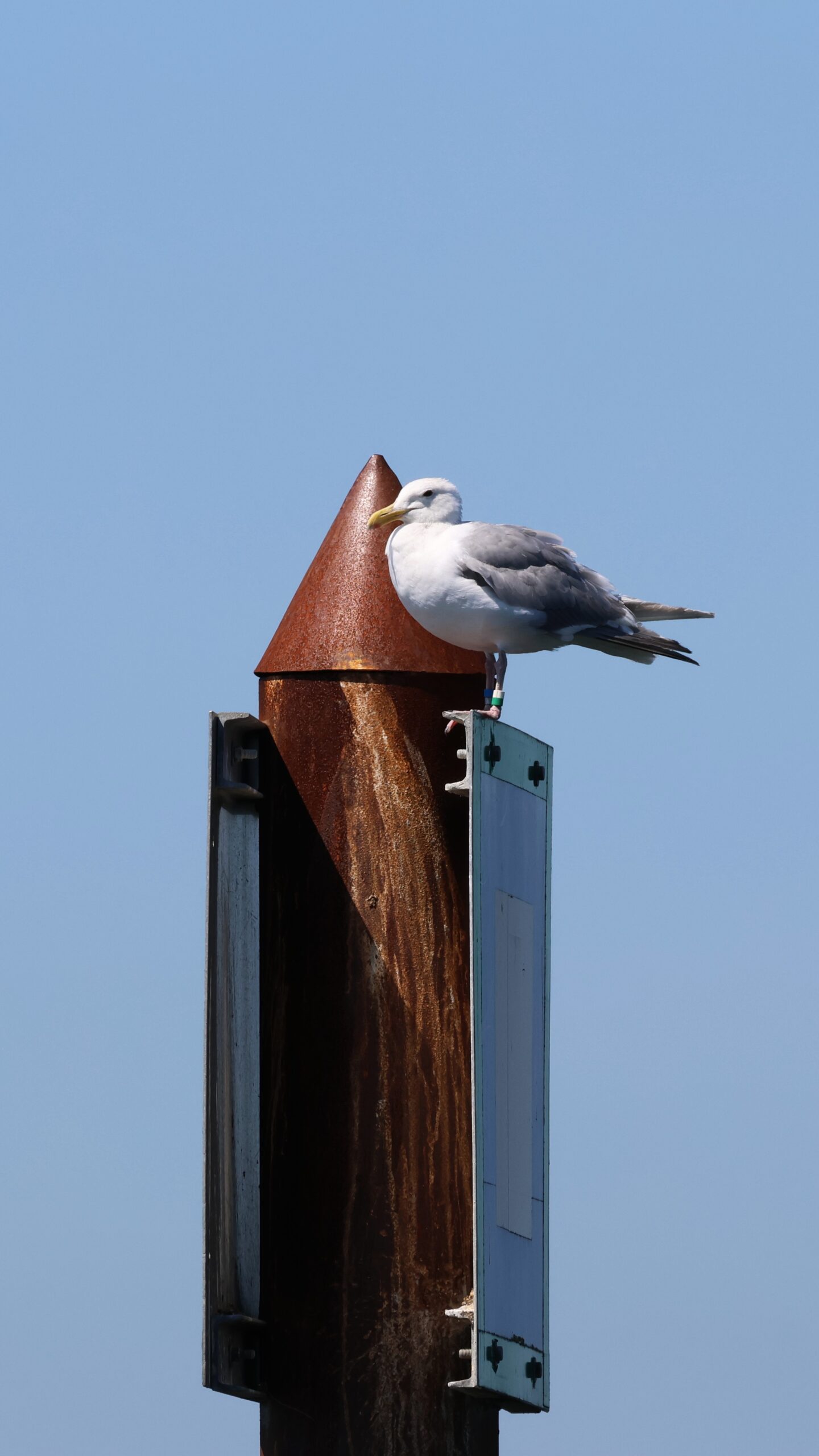
  • Plenty of gulls
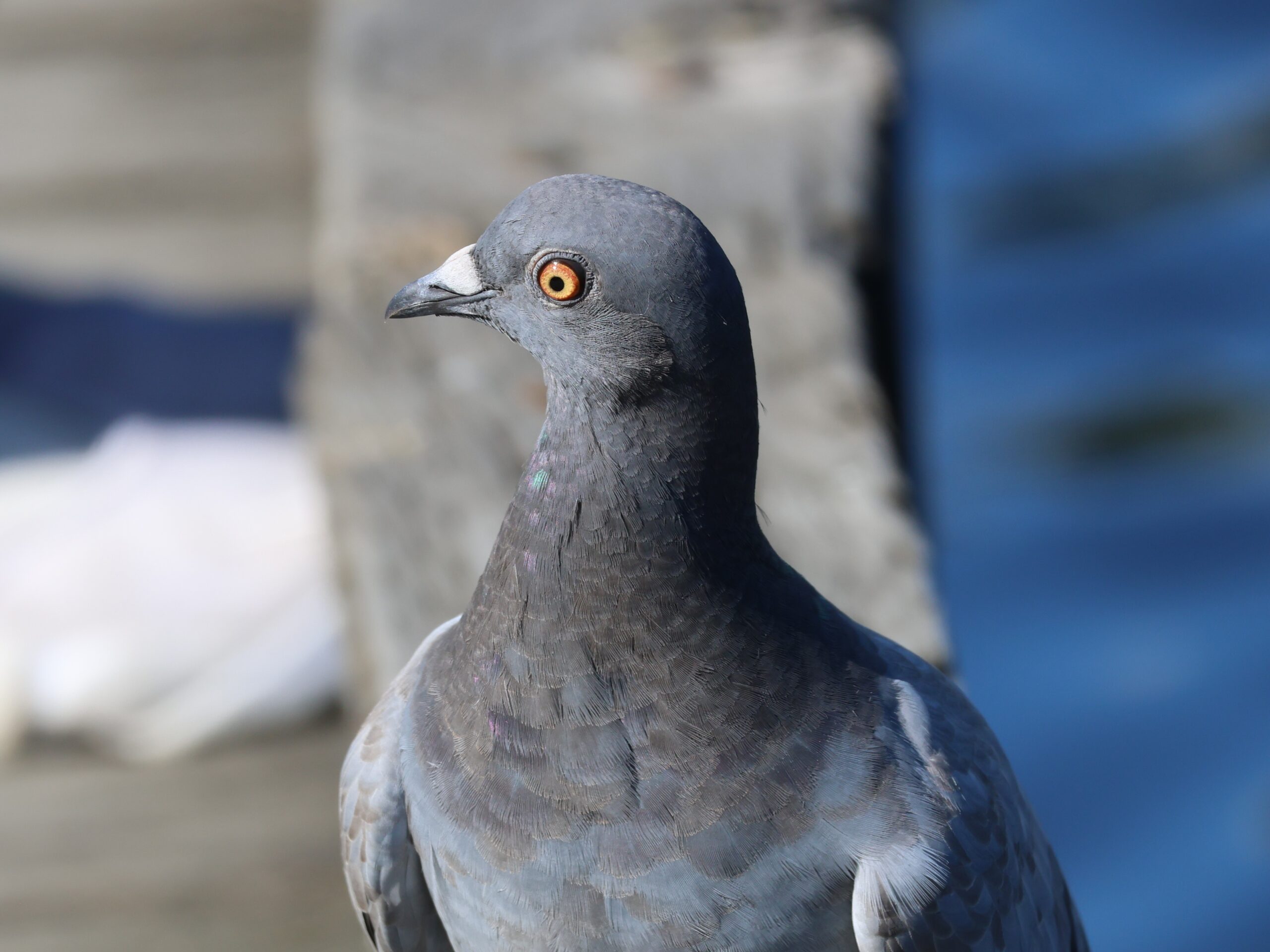
  • Rock Pigeon

Raptors:

  • Bald Eagle

Non-birds:

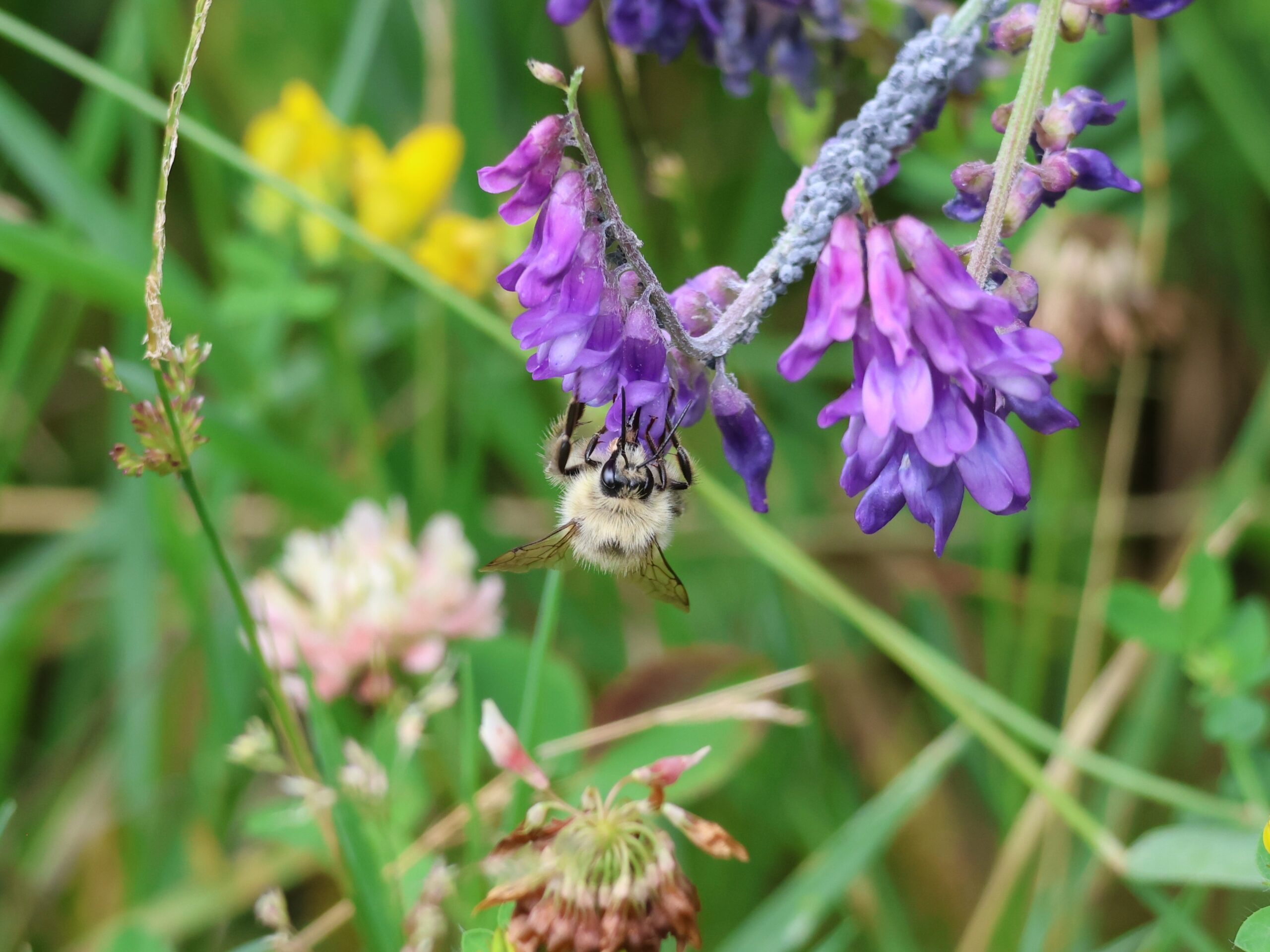
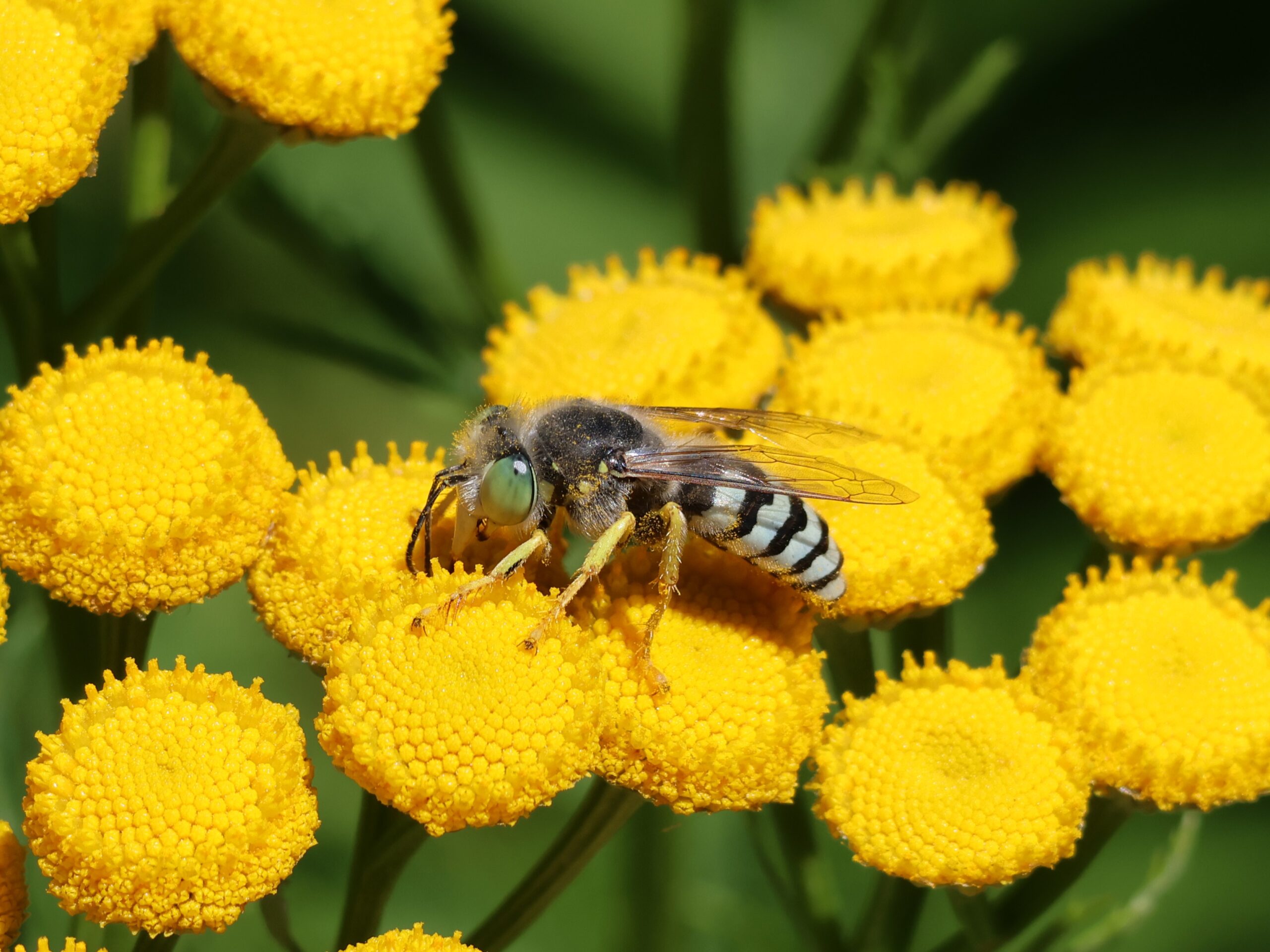
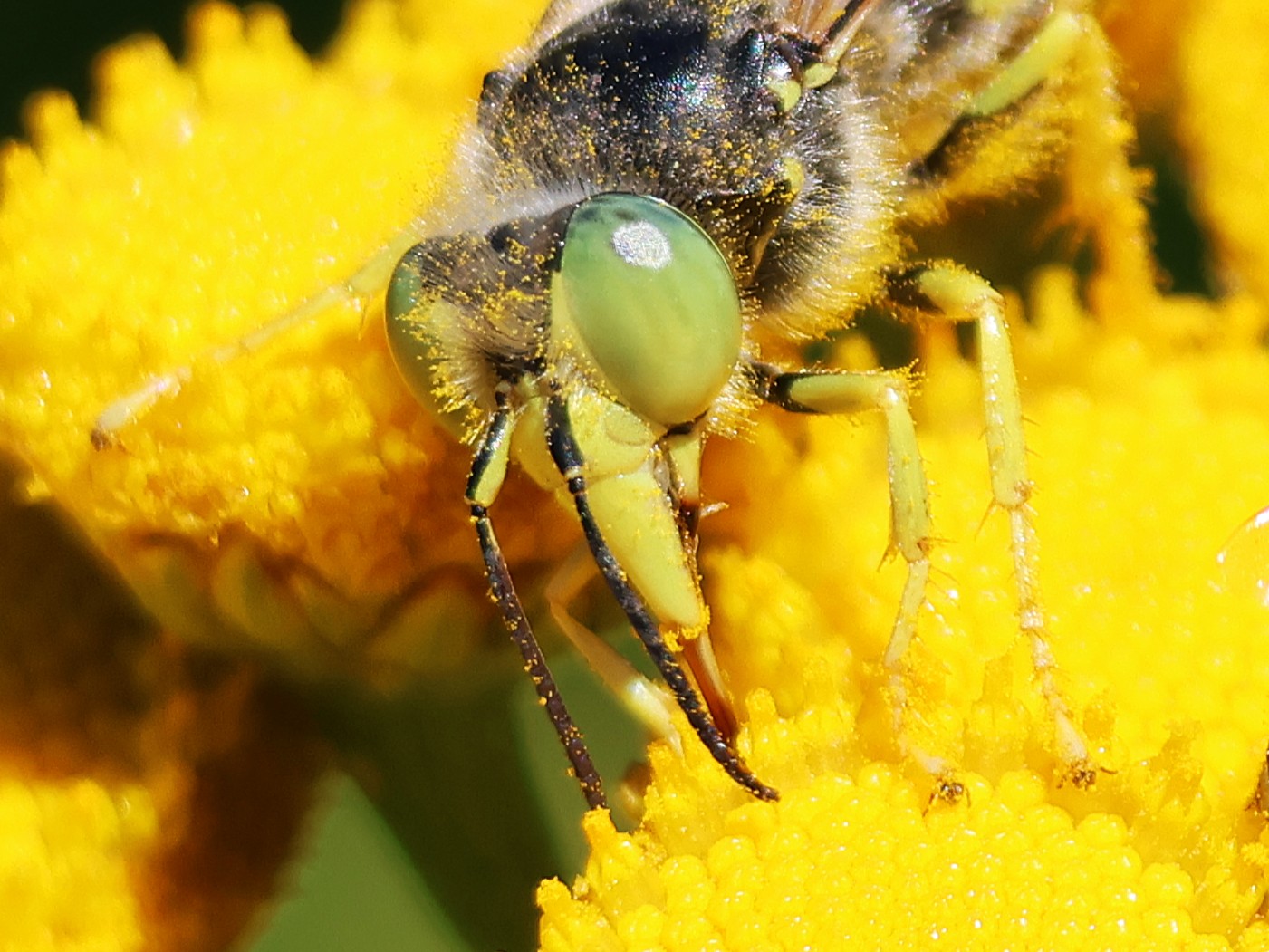
  • Assorted pollinators, mainly bumblebees
  • A bunny

Birding, April 18, 2026: Sparrows, sparrows, sparrows (and a Tufted Duck)

Where: Blackie Spit/Crescent Beach, Serpentine Wildlife Management Area (Serpentine Fen), Green Timbers Lake (Surrey)
Weather: Partly sunny, 16-18°C

We spent the day birding in the city where tomorrow lives. We did not encounter tomorrow, but we did see a Tufted Duck!

Blackie Spit

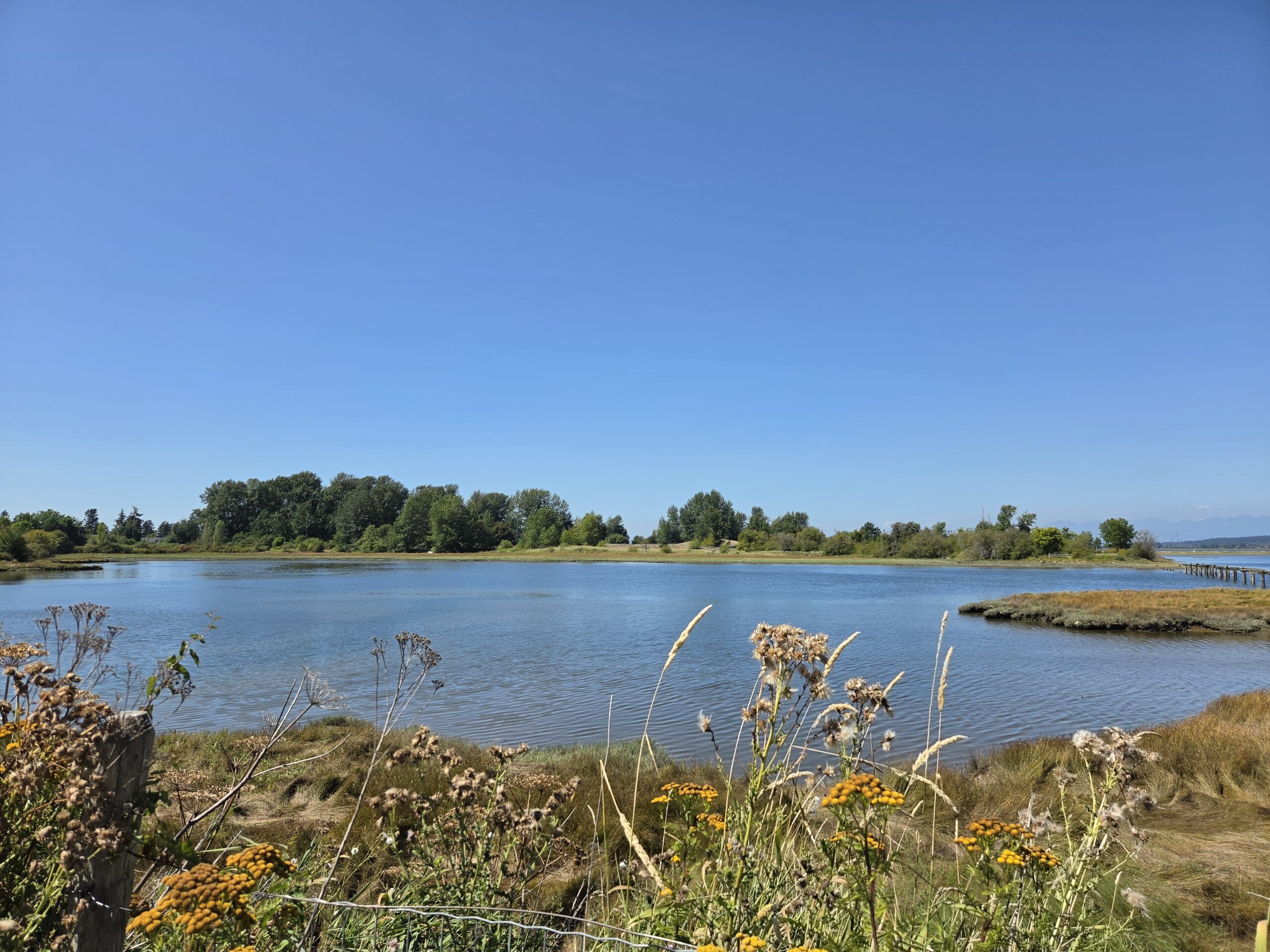
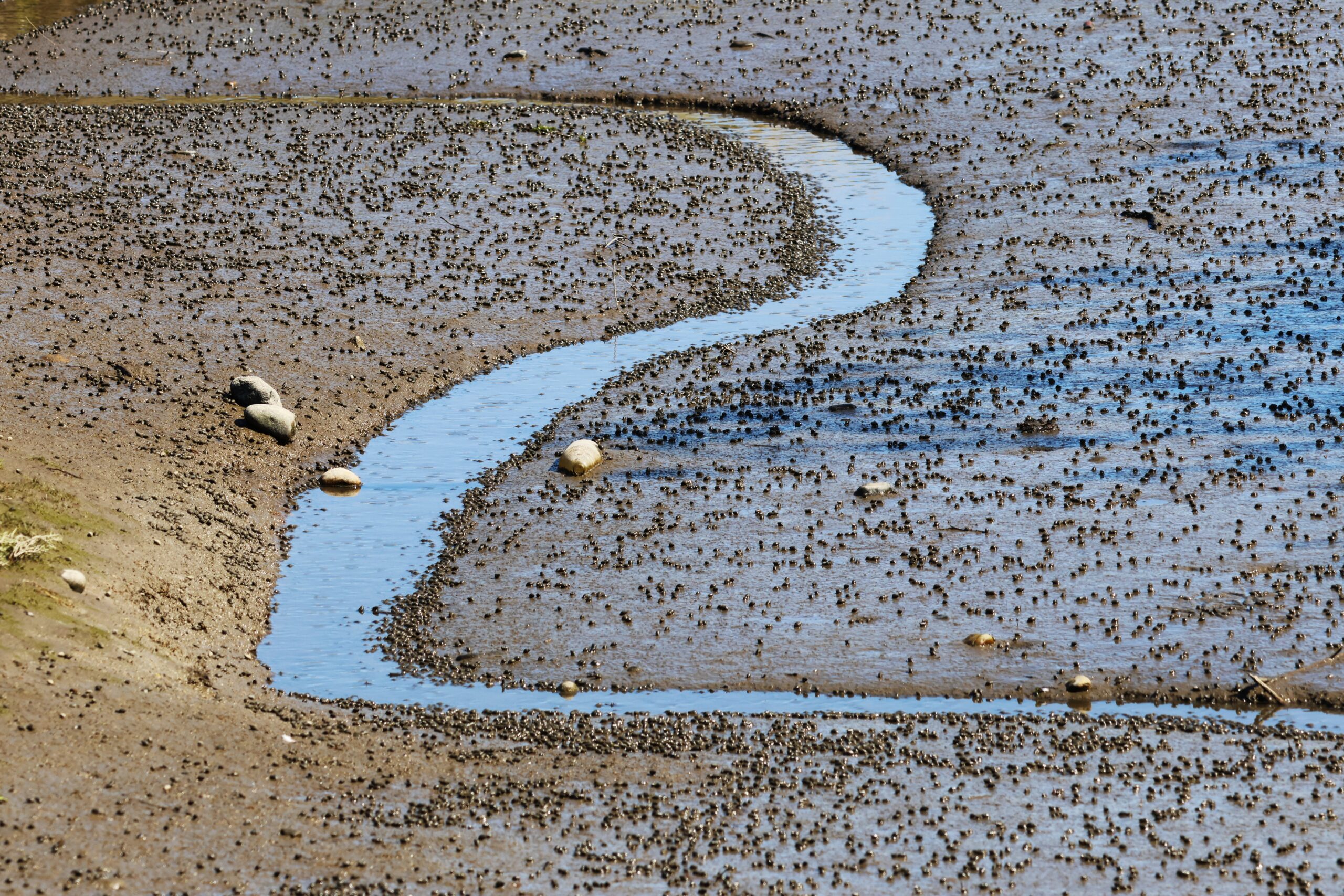
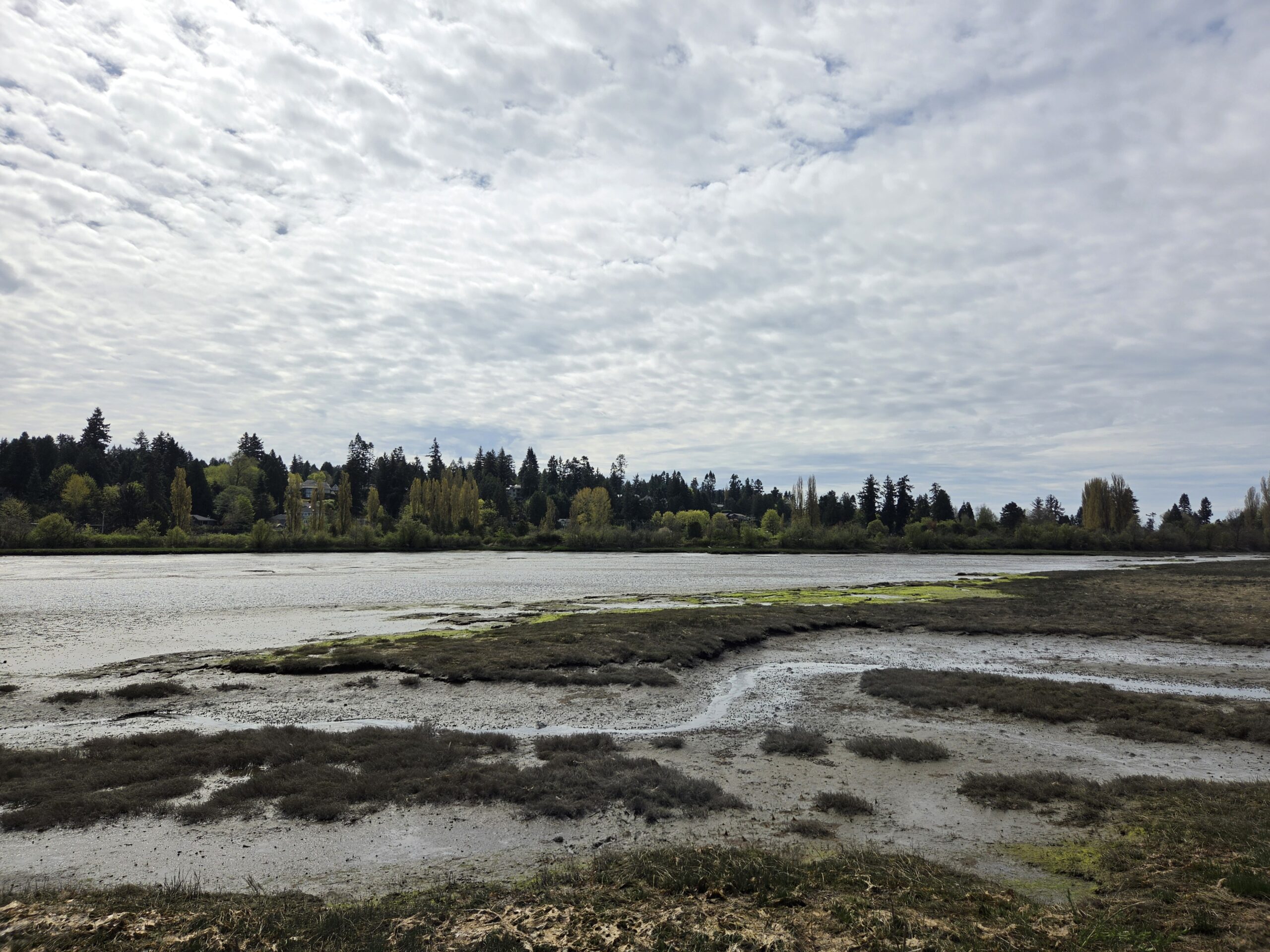
A small bay lacking most of its water at Blackie Spit.

It was unusually mild and as a bonus, there was almost no breeze at all at Blackie Spit, so it really did feel like 16C or warmer, thus making this our first shorts-wearing birding of 2026.

Despite the balmy weather, there weren’t as many people there as expected. The super low tide might have been a factor.

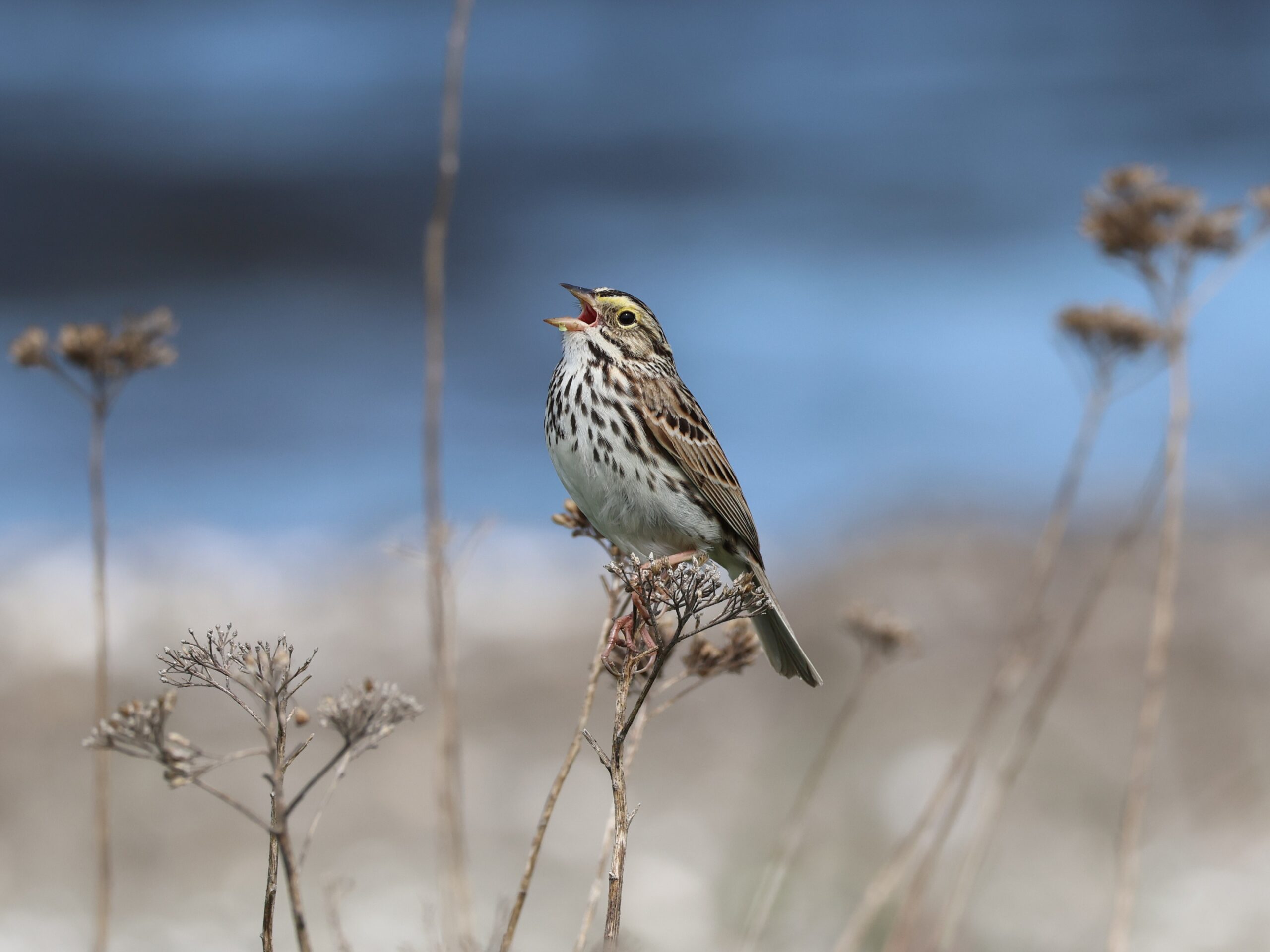
Walking the path to the end of the spit itself, we had copious opportunities to get snazzy shots of the equally snazzy Savannah Sparrows, some of which were singing their little hearts out, because spring has sprung, and you can’t mate with yourself.

At the end of the spit, we spotted some Long-billed Dowitchers, but they were rather far off, thanks to the aforementioned extreme low tide.

The trail to the pump station yielded better results, with sparrows a-plenty in the trees, bushes and on the ground. A female blackbird sat proudly on a branch for a bit, holding a juicy ol’ caterpillar in her bill. Yum!

With low tide putting many waterfowl out of reach of even our telephoto lenses, we headed to Serpentine Fen, to see if our luck would change.

Serpentine Fen

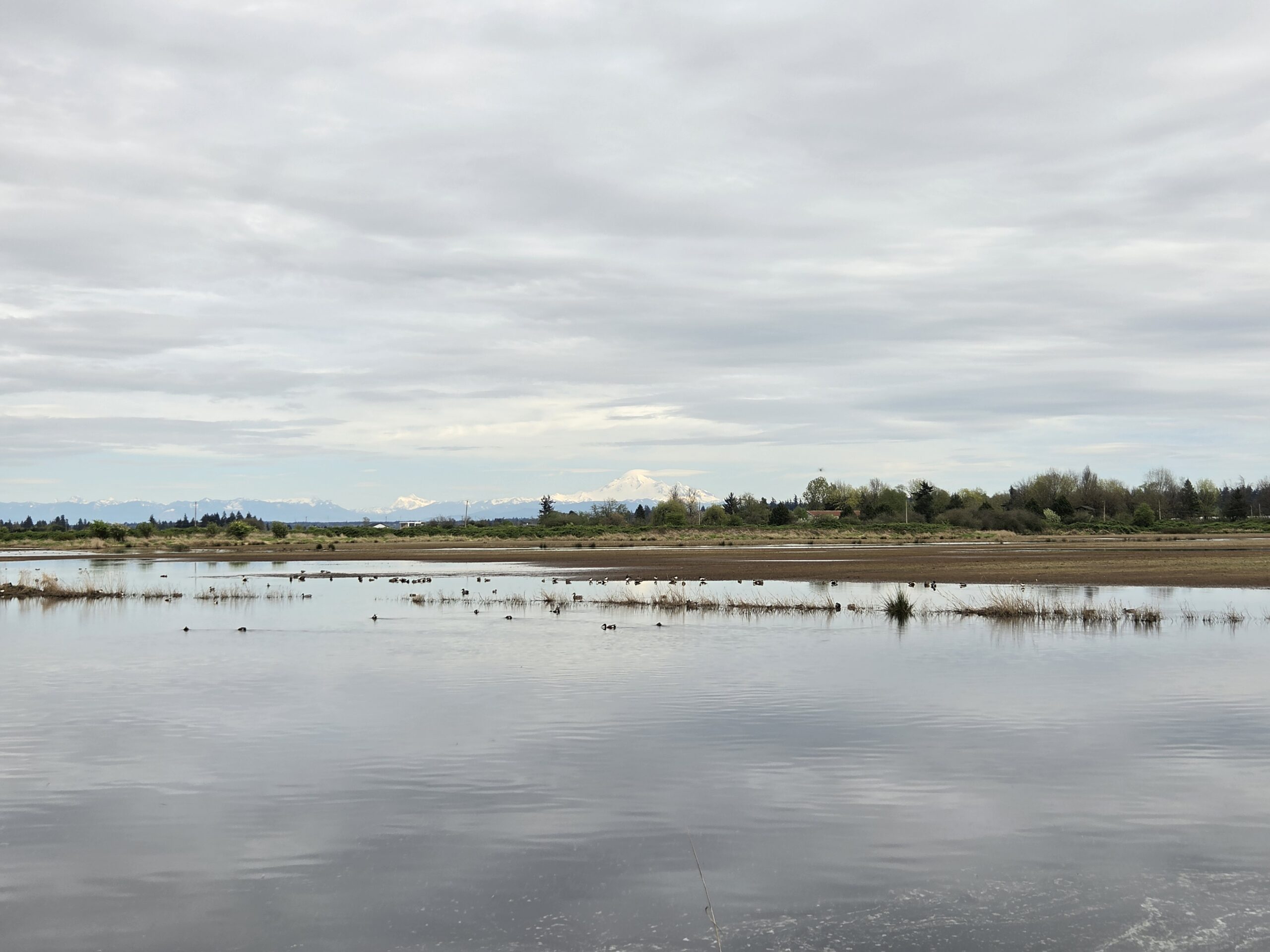
One of the larger ponds at Serptentine Fen, with Mt. Baker in the background.

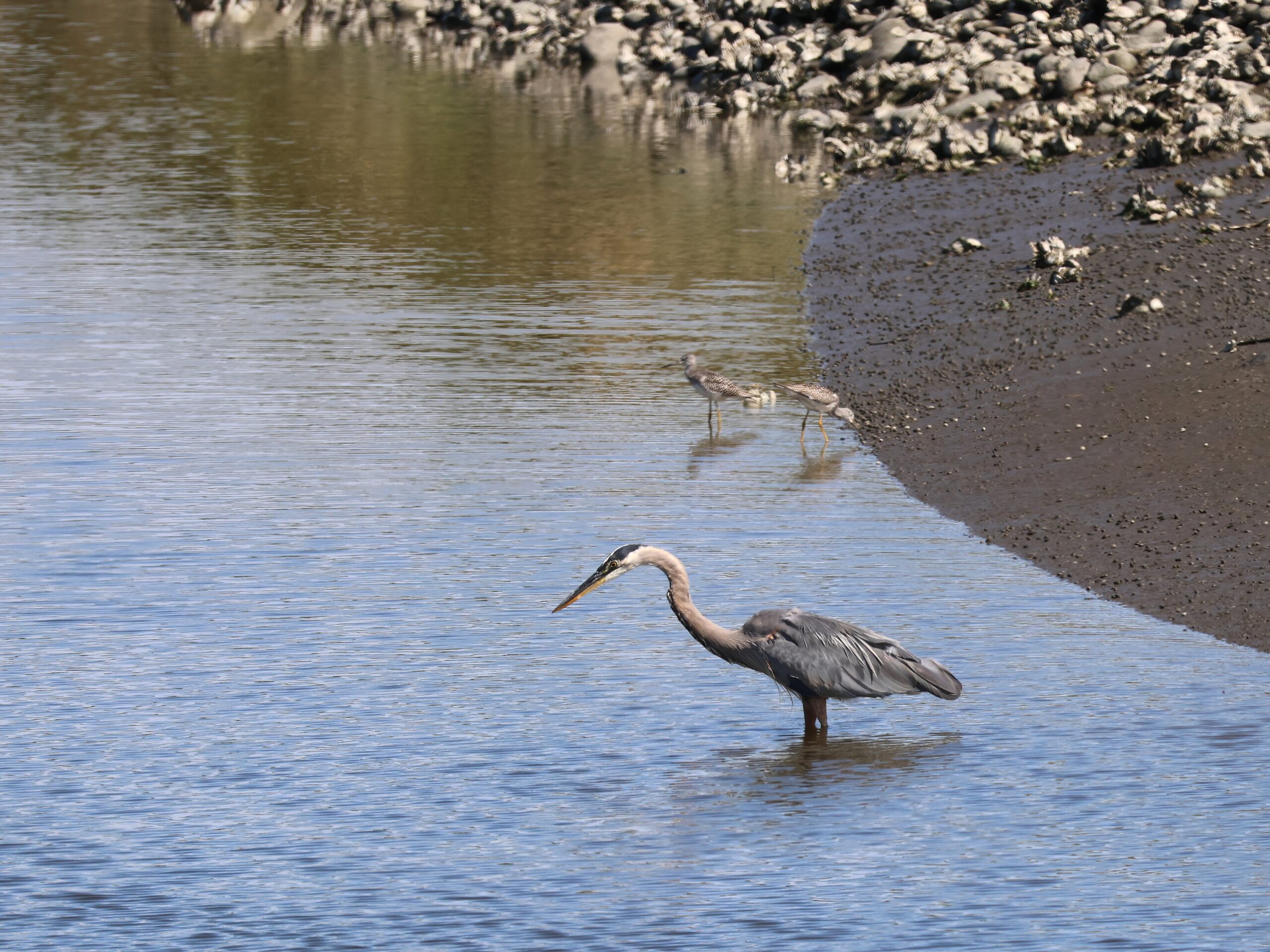
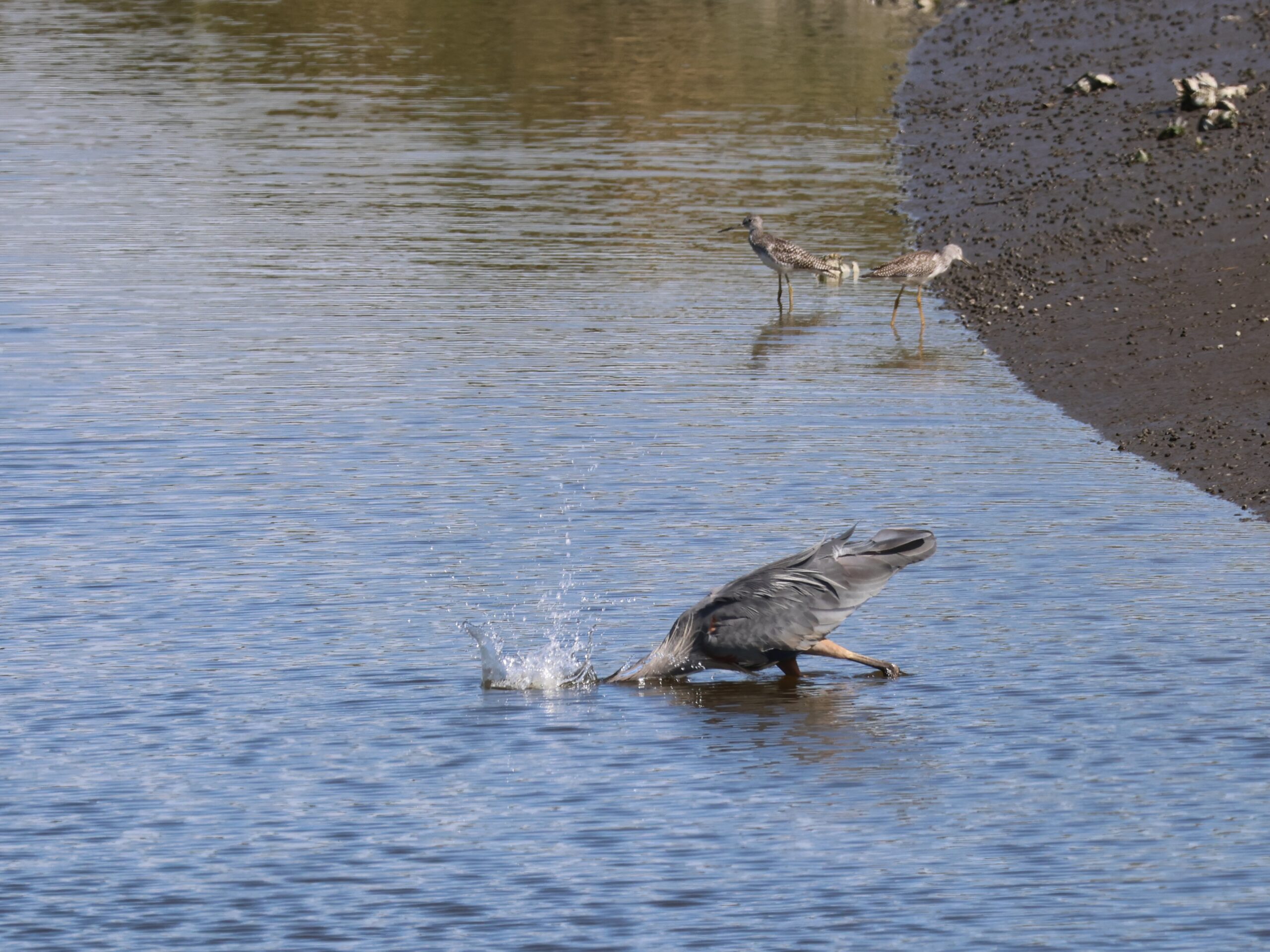
As it turned out, the Serpentine River was also probably the lowest we’ve ever seen and the overall number of birds was relatively small, though we did get some decent variety, with an eagle in a tree near the start, a few herons, a cormorant and a Canada Goose nesting on what would normally be a small island but is currently a hill surrounded by a lot of mud. I’m sure the future goose babbies will be safe, regardless.

An unexpected surprise came in the form of a few Greater Yellowlegs strutting around some of the ponds in the area, mingling with the shovelers and Mallards.

The view of Mt. Baker was quite nice, too, with a tuft of white cloud caught on the top of the peak and being pulled away by the wind like cotton candy. I took a photo using my phone’s 30x digital zoom. It looks like an impressionist painting. My camera yielded a less opinionated version of the mountain.

Green Timbers Lake

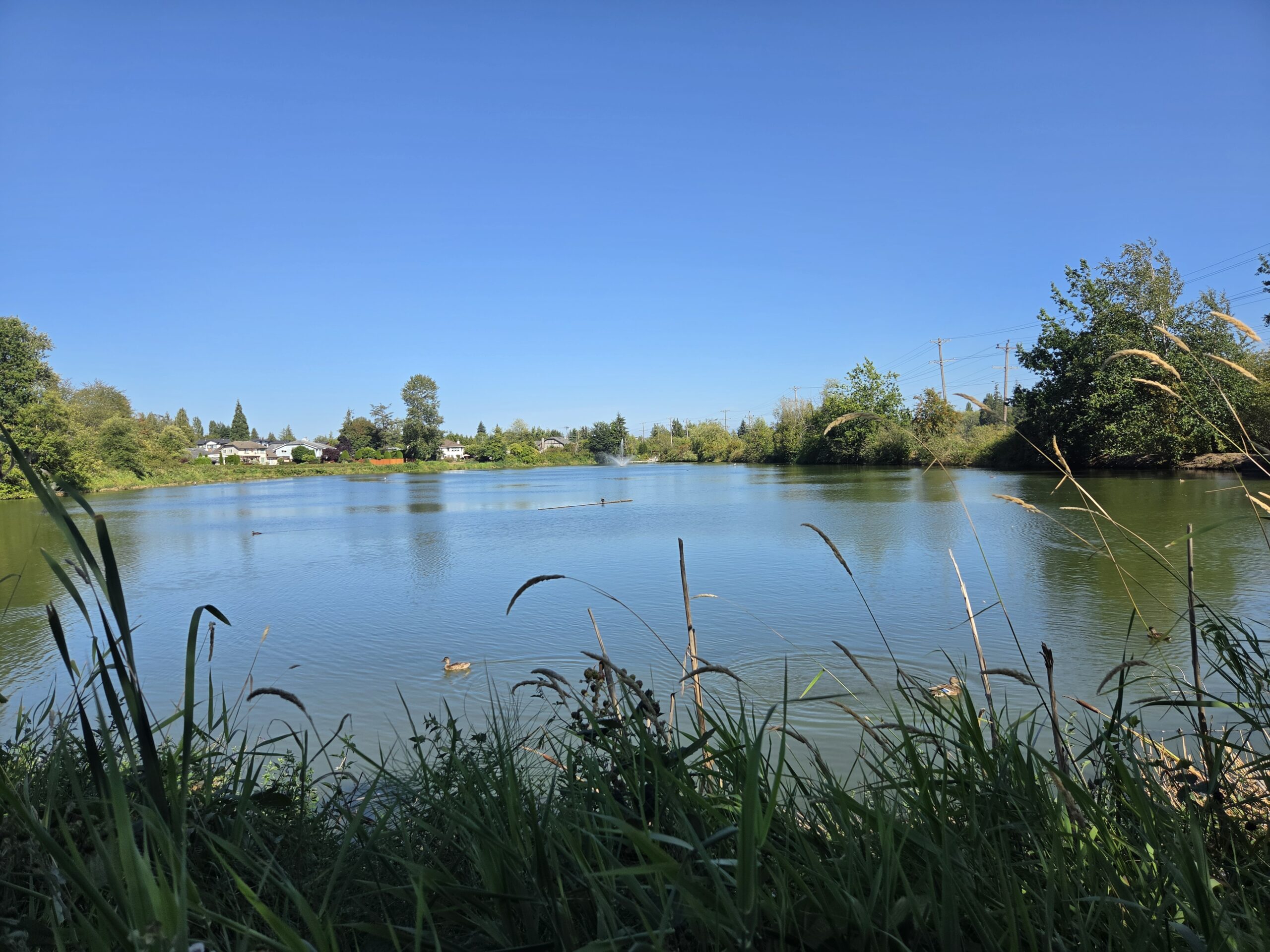
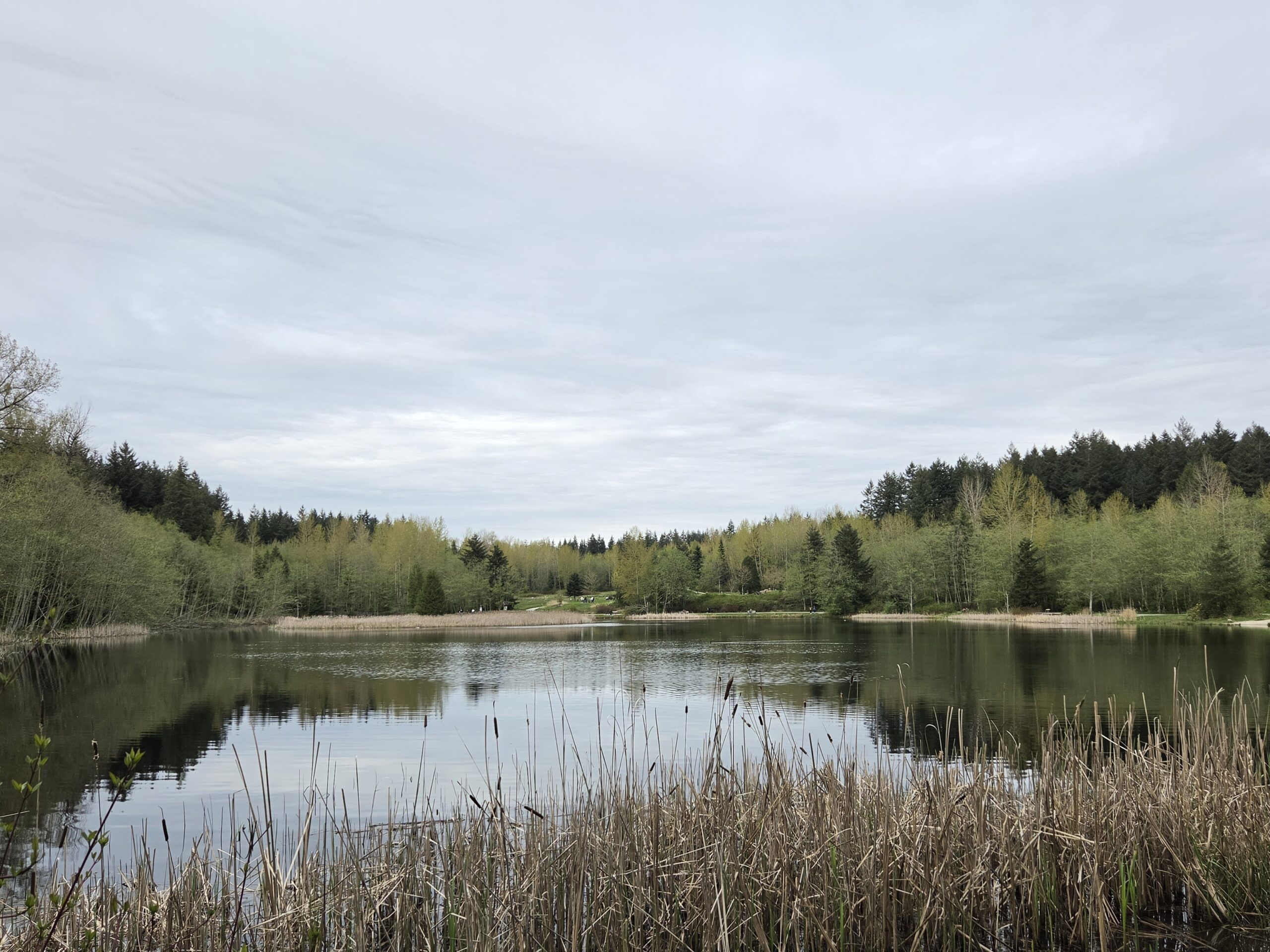
Green Timbers Lake, looking northeast.

And speaking of tufts…

We originally planned to go to Brydon Lagoon, but Nic had already driven a lot for reasons, so he suggested we go to the closer Green Timbers Lake instead, as a rare Tufted Duck has been seen there recently.

We arrived and I noted again how they have two signs over each other, one that says WELCOME and the other which says DANGER.

And lo, there in pretty much the middle of the lake (a bit far away, boo) was a Tufted Duck.

If you check the link, you’ll see the usual range of a Tufted Duck is Europe, Asia and Africa, none of which are North America, so he is a long way off course. He didn’t seem to mind.

Despite being a lifer, I felt strangely indifferent to seeing it, because they look almost exactly like a scaup, just with a little black mullet on the back. I like scaups, don’t get me wrong, but it’s…just not very different.

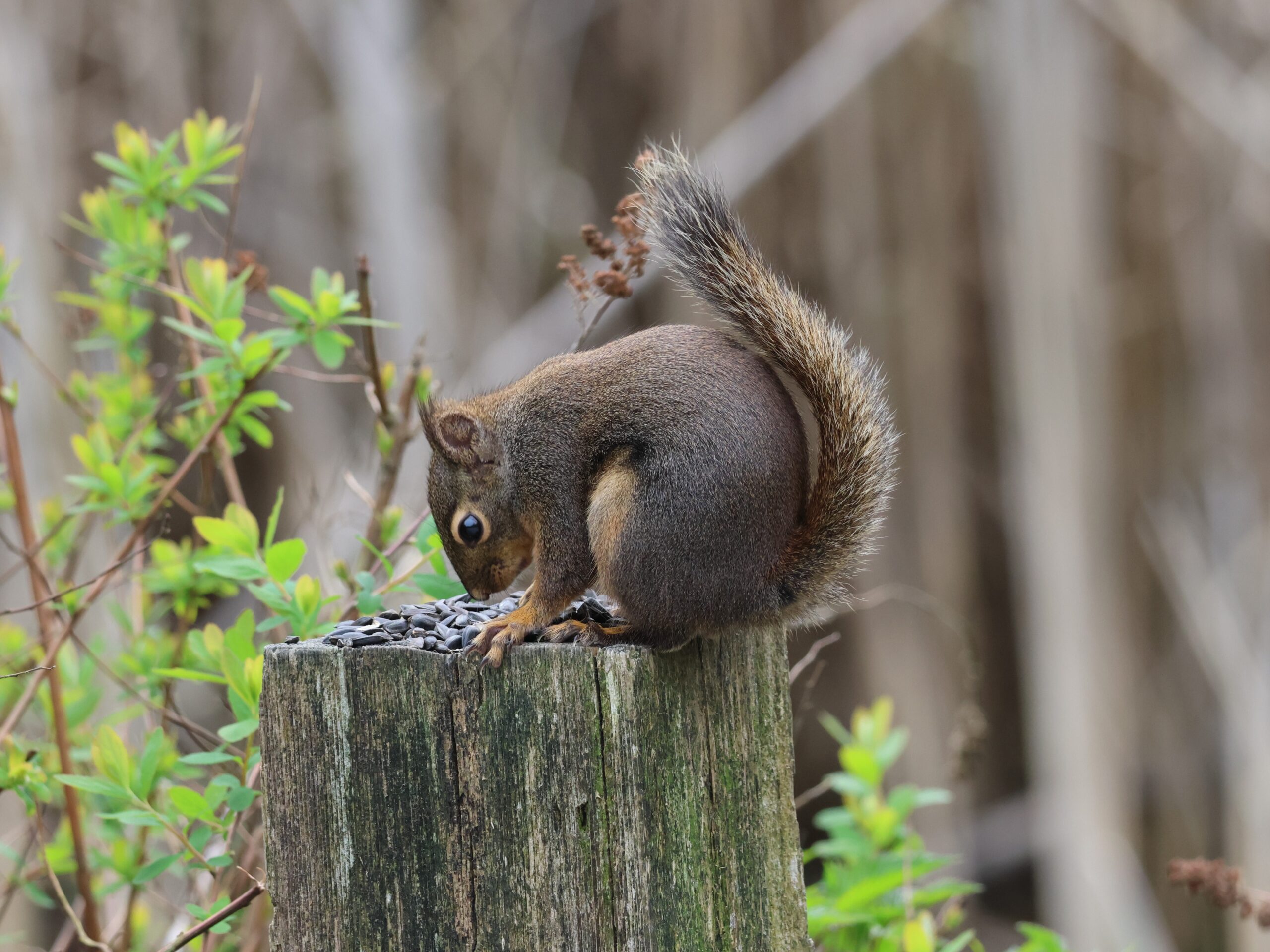
We ended our visit to the lake with a Douglas squirrel going big on a pile of sunflower seeds atop a fence post, giving us a nice cute-squirrel-pose before wrapping up.

In retrospect, the number of photos I took vs. the variety of birds we saw is probably among the most skewed ever–only 384 photos in total (and if that sounds like a lot, I regularly shoot over twice that and sometimes more than 1,000–without using burst mode, too!) The particular circumstances and locations meant a lot of the birds were far away or too fleeting to get shots of. But sometimes that’s the way it goes.

The weather for the third week of April was totally fabulous, though, apart from some increasing high cloud later on.

The Shots

Shot with a Canon EOS R7 with 18-150 mm kit lens and 100-400 mm telephoto. Some scenery shots taken on a Samsung Galaxy S26.

A few shots, gallery pending:

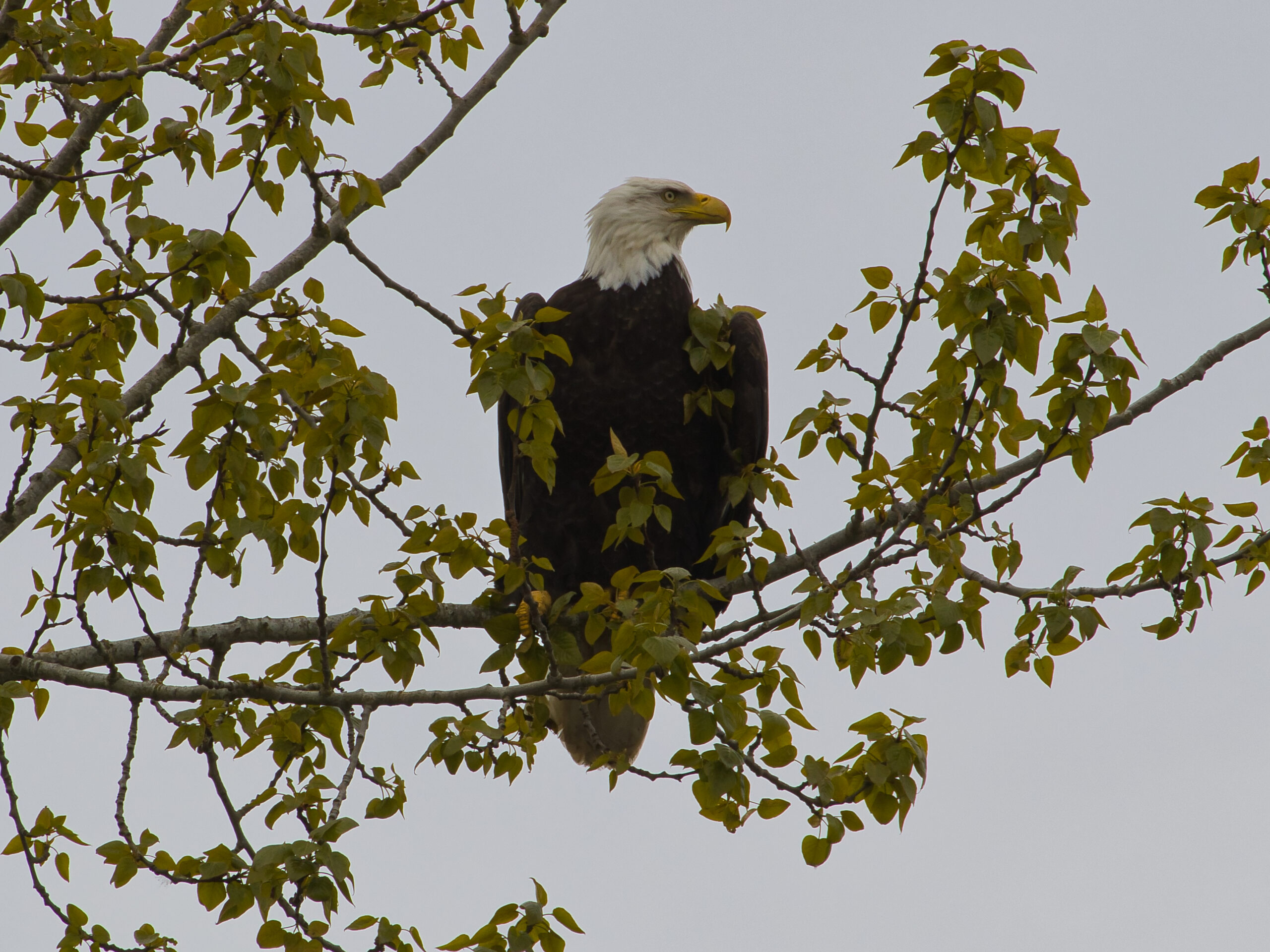
A Bald Eagle in very dull, dim lighting.
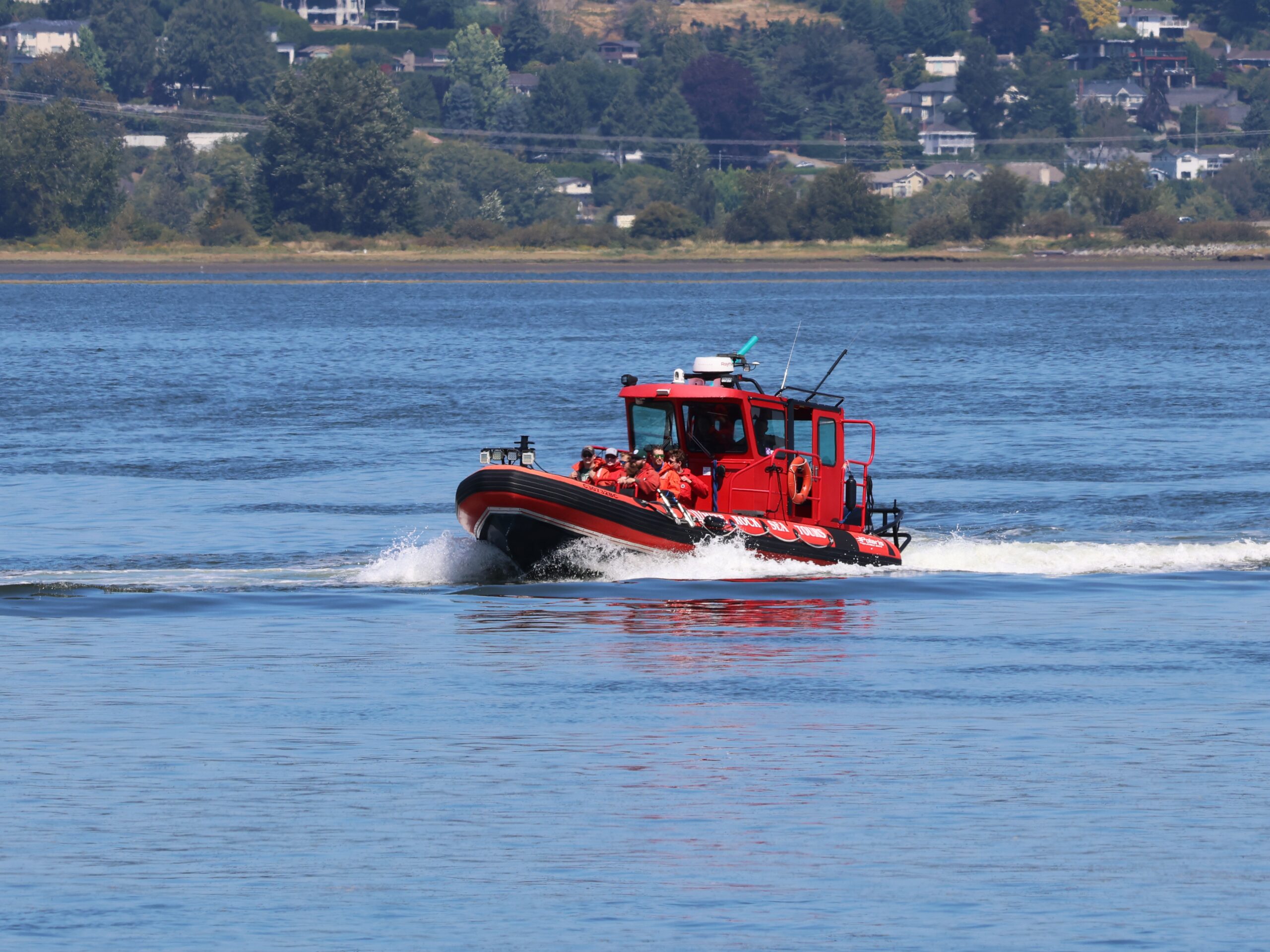
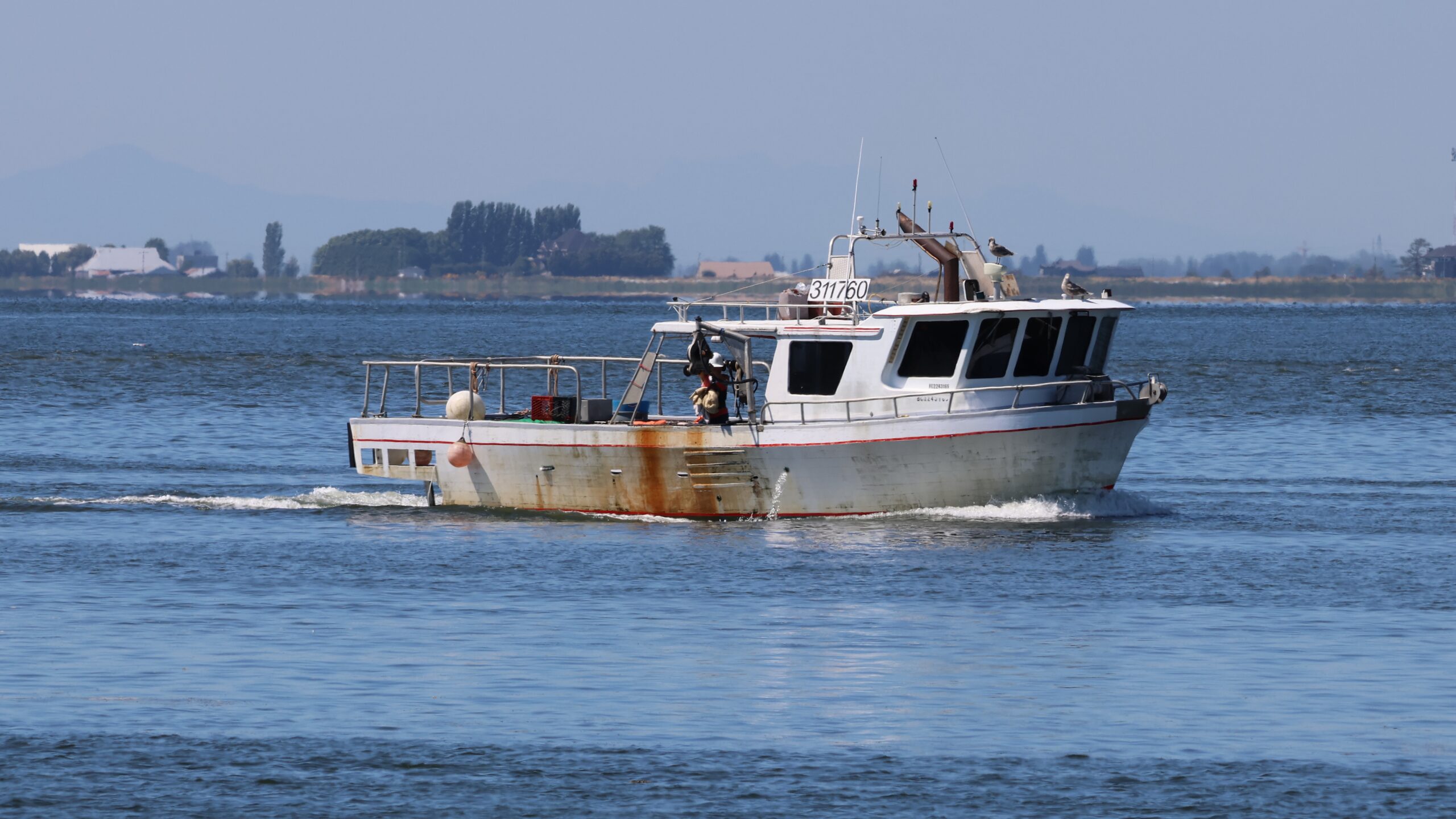
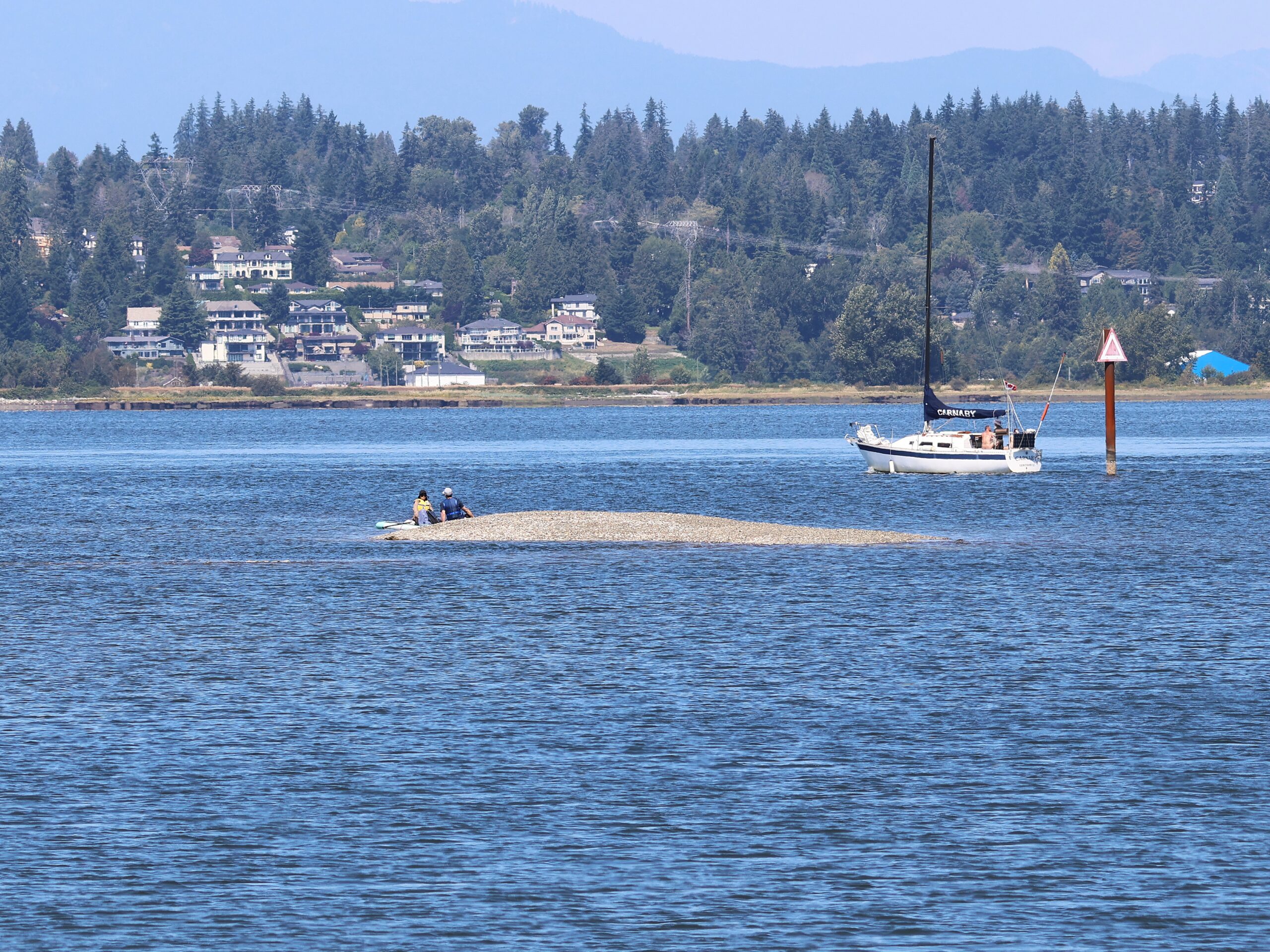
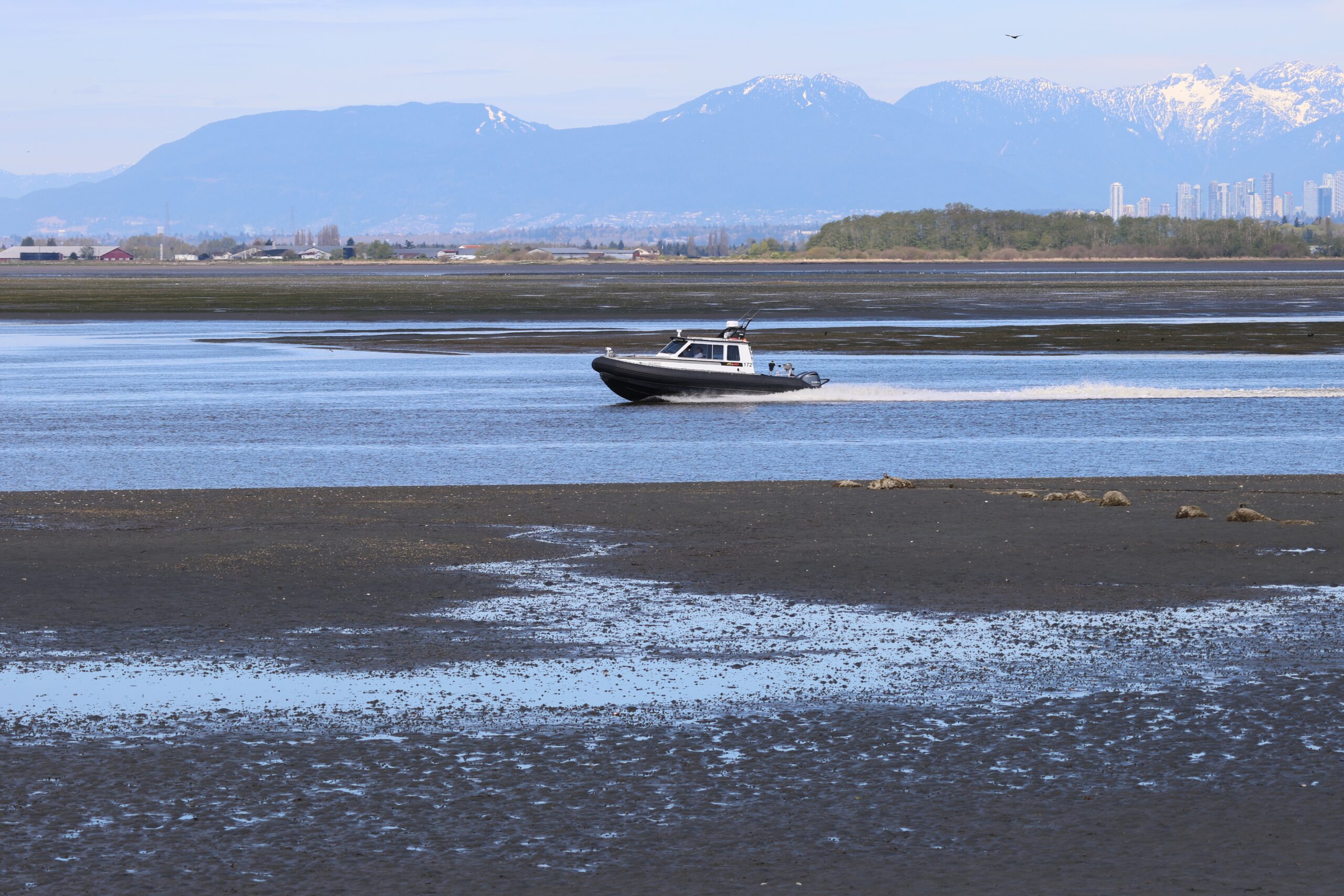
A boat racing through one of the narrow strips of water at Crescent Beach.
Singing Savannah Sparrow.
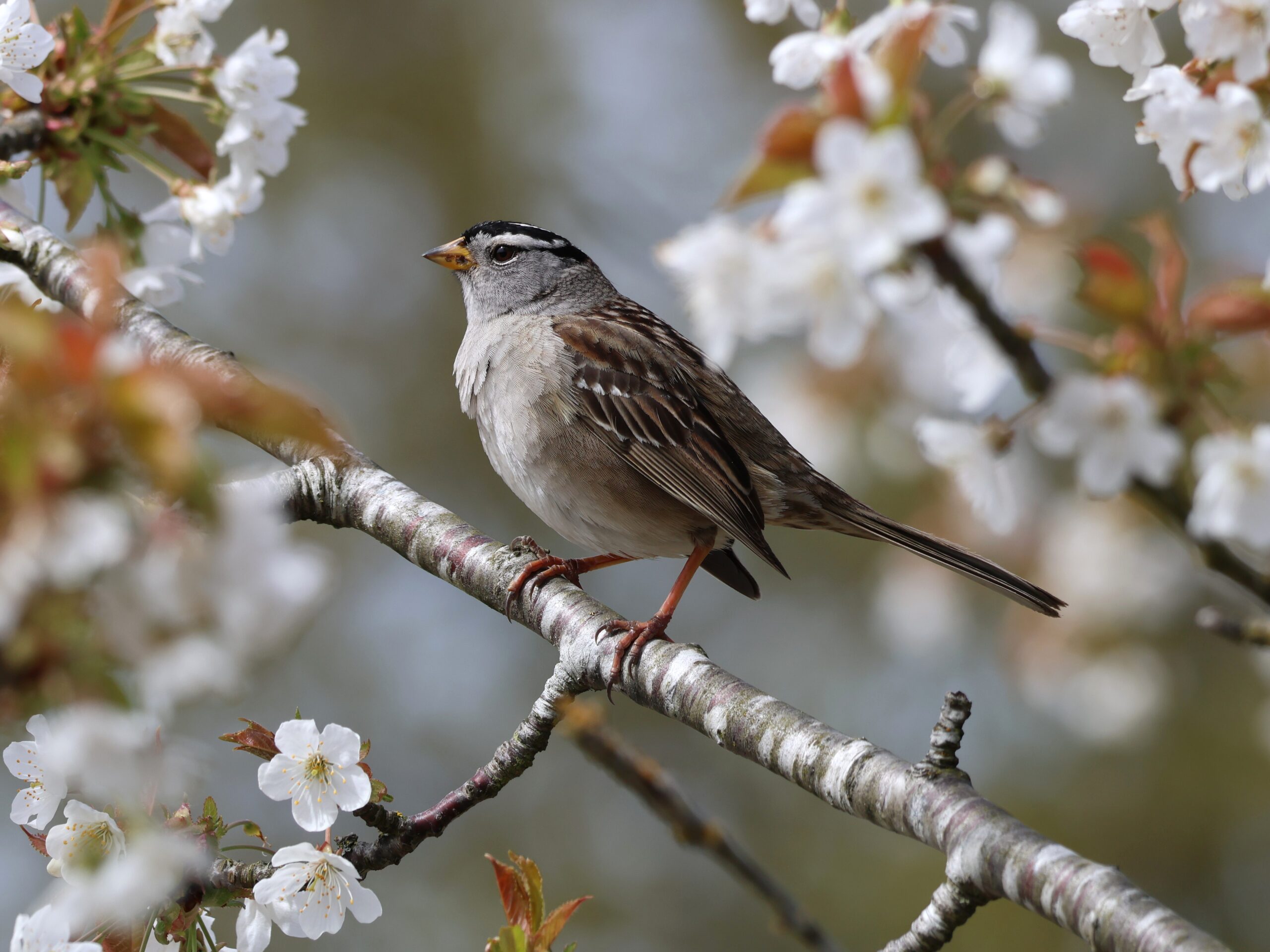
White blossoms and a White-crowned Sparrow.
Pondering which sunflower seed to gobble next.

The Birds (and other critters)

Sparrows and sparrow-adjacent:

  • American Bushtit
  • American Goldfinch
  • American Robin
  • Anna’s Hummingbird
  • Black-capped Chickadee
  • Dark-eyed Junco
  • Golden-crowned Sparrow
  • House Finch
  • Orange-crowned Warbler
  • Red-winged Blackbird
  • Rufous Hummingbird (heard)
  • Savannah Sparrow
  • Song Sparrow
  • Spotted Towhee
  • White-crowned Sparrow

Waterfowl and shorebirds:

  • American Coot
  • American Wigeon
  • Bufflehead
  • Canada Goose
  • Common Loon (heard)
  • Double-crested Cormorant
  • Great Blue Heron
  • Greater Yellowlegs
  • Green-winged Teal
  • Killdeer
  • Long-billed Dowitcher
  • Marsh Wren (heard)
  • Lesser Scaup
  • Mallard
  • Northern Shoveler
  • Tufted Duck
  • Wood Duck

Common:

  • American Crow
  • Some gulls

Raptors:

  • Bald Eagle

Non-birds:

  • A single turtle sunning itself, probably a Western painted turtle
  • A Douglas Squirrel nomming away on sunflower seeds
  • A few chunky bumblebees